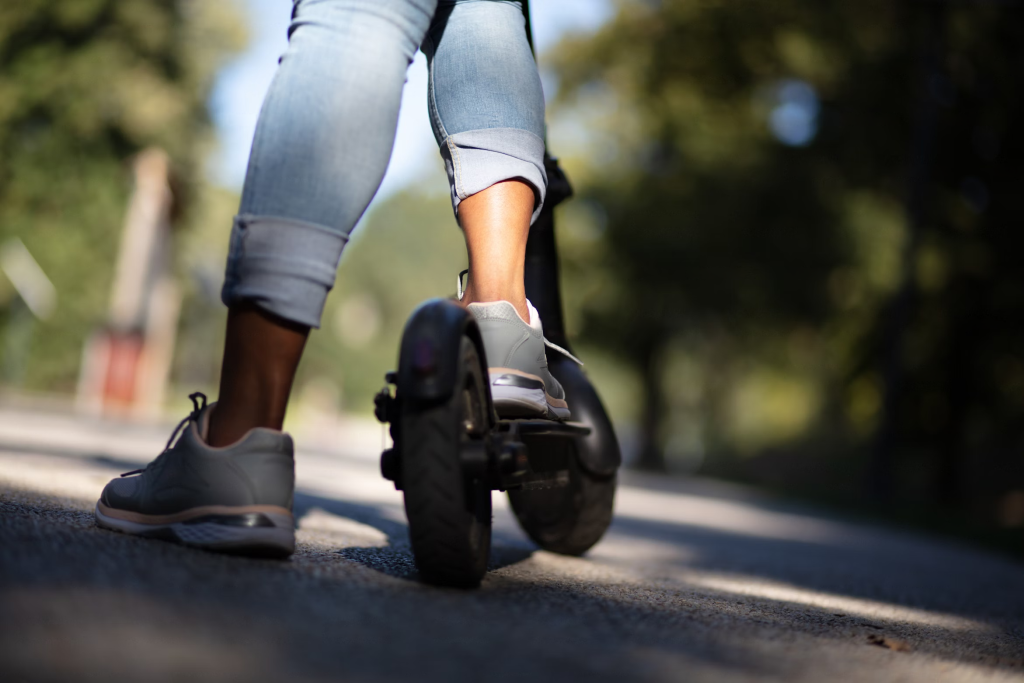

Electric Scooter

How to Safely Remove Speed Limiter on Your Electric Scooter?

When it comes to electric scooters, some riders may want to go faster than the manufacturer’s settings allow. A common modification people consider is removing or disabling the speed limiter. How to safely remove speed limiter on your electric scooter is a question that many scooter owners ask. To remove the speed limiter on your electric scooter, you can either modify the scooter’s software using an app or adjust its hardware components. However, it’s important to consider safety risks, legal implications, and potential damage to your scooter before proceeding with any modifications. This article will guide you through everything you need to know about removing a speed limiter on your scooter safely, while also considering the legal, safety, and maintenance implications. 1. Introduction If you’ve ever felt limited by your electric scooter’s maximum speed, you’re not alone. Many riders crave higher speeds for a better riding experience. But here’s the kicker… While removing or modifying a speed limiter might seem like a simple task, it’s important to consider the safety risks and legal aspects before proceeding. This guide will walk you through everything from the basic concept of speed limiters to the technical steps involved in removing them, and provide insight into the potential benefits and dangers. Ready for the good part? By the end of this article, you’ll know exactly how to safely modify your scooter and whether it’s worth the risk. 2. What Is a Speed Limiter on an Electric Scooter? A speed limiter is essentially a device or software that restricts the maximum speed your scooter can reach. It’s a safety feature designed to ensure riders don’t exceed speeds that could compromise their control or safety. What’s the real story? There are two main types of speed limiters: software-based and hardware-based. Software-based limiters control the scooter’s motor by adjusting the maximum power it can output, while hardware-based limiters might physically limit the motor’s performance or restrict the power that goes to the wheel. This is where it gets interesting, Some scooters are programmed to limit speed in specific regions or countries due to local regulations, meaning these features are built with safety and compliance in mind. Understanding how the limiter works will help you decide the best method for removal and whether it’s something worth pursuing. Type of Speed Limiter Description Pros Cons Software-based Limits motor power through software updates or apps Easy to modify May void warranty Hardware-based Limits motor performance through physical components Difficult to modify Can damage scooter if not done properly 3. Reasons for Removing the Speed Limiter Let’s get real for a moment… Riders often seek to remove speed limiters to improve performance, but is it worth the risk? There are several reasons why people want to increase their scooter’s speed, and understanding these reasons can help you decide if the modification is right for you. One of the main reasons is performance enhancement. Some riders feel that their scooter could perform better on longer commutes or during recreational use. Another common reason is personal preference, as some users simply want a faster, more thrilling ride. You might be wondering, “What about the risks?” Removing the limiter comes with some potential hazards, including less control, overheating motors, or even faster wear and tear on the scooter. 4. Legal Considerations When Removing the Speed Limiter Here’s something that often gets overlooked… Before you rush into modifying your scooter, it’s vital to understand the legal implications. In many countries, there are laws that regulate the maximum speed for electric scooters. So, what’s the deal with these laws? If you remove the speed limiter, you may be violating local laws, potentially facing fines or other legal consequences. For instance, in the United States, some states have laws that restrict electric scooters to speeds of 20mph (32km/h). But wait, there’s more… In Europe, many countries have even stricter regulations, and modifying your scooter can make it illegal to use on public roads. Be sure to consult your local laws before proceeding with any modifications. Country/Region Speed Limit Legal Implications of Removal United States 20mph (32km/h) Can lead to fines or legal action European Union 15.5mph (25km/h) Illegal modifications may incur penalties Canada 32km/h (20mph) Removal may void warranty or insurance 5. How Speed Limiters Work in Electric Scooters To understand how to safely remove the speed limiter, you first need to know how it operates in the first place. Speed limiters are often integrated into both the hardware and software of the scooter. This is where it gets a bit technical… In software-based systems, the limiter is part of the scooter’s motor control unit, which restricts the maximum power the motor can deliver to the wheels. Hardware-based limiters, on the other hand, restrict the power through physical restrictions, like limiting the flow of electricity or using special resistors that cap the motor’s output. Now let’s dig deeper… These limiters are often built into the design of the scooter to prevent users from pushing the vehicle too far, as excessive speed can reduce the safety of the rider. 6. Is Removing the Speed Limiter Safe? Safety should always be your number one priority when modifying your scooter. What’s the real impact? Removing the speed limiter may seem like a good way to improve performance, but it introduces a number of risks. First, you’ll be traveling at higher speeds, which increases the risk of losing control, especially on uneven terrain. Additionally, riding at higher speeds can strain the scooter’s motor and battery, causing them to overheat or wear out faster. But here’s the kicker… These risks are compounded by the fact that the stability of the scooter might be compromised, especially if the rider is not accustomed to handling speeds higher than what the scooter was designed for. 7. What You Need to Know Before Attempting to Remove the Speed Limiter Before you take the plunge, here are a few things you need to know… First, it’s essential to be aware that modifying your scooter may void

How to Safely Remove Speed Limiter on Your Electric Scooter? Read More »

Can You Ride an Electric Scooter on the Sidewalk? Full Guide to Rules and Safety

Ever wondered if your electric scooter can legally zip along the sidewalk? This question has left many riders confused, especially when they’re trying to avoid busy roads. Generally, riding electric scooters on sidewalks is prohibited in most states across the U.S. However, the exact regulations vary by location. In California, it’s explicitly illegal, while states like Texas allow it under specific conditions. Let’s dive into the details of these regulations. As someone who rides my Dynamic Scooter daily, I’ve had to learn the rules the hard way in several states. Understanding where you can legally ride isn’t just about avoiding tickets – it’s about keeping yourself and pedestrians safe. What Are the Electric Scooter Riding Regulations in the U.S.? Have you ever been stopped by a police officer while riding your electric scooter? I have, and it was because I didn’t know the local regulations that varied from my home state. Electric scooter regulations in the U.S. vary significantly by state and even by city. Most states allow electric scooters on roads with speed limits of 25-35 mph and in bike lanes, but have specific restrictions regarding sidewalk use, required safety equipment, and rider age. Electric Scooter Regulations in Florida Florida has become increasingly friendly toward electric scooters in recent years. When I visited Miami with my Dynamic Scooter last summer, I was pleasantly surprised by the clear regulations and infrastructure. Florida law treats electric scooter riders similar to bicyclists, giving them "all rights and duties applicable to the rider of a bicycle." This means electric scooters can use streets and bike lanes throughout the state. The minimum age to ride is 16, and no driver’s license is required to operate one. Key Florida regulations include: Maximum speed limit of 20 mph No license requirement Minimum age of 16 years Legal to ride on streets and bike lanes Sidewalk riding is generally permitted unless prohibited by local ordinance Helmets are recommended but not mandatory for riders over 16 Several Florida cities have their own specific regulations that may be more restrictive than state law, so always check local ordinances before riding. Electric Scooter Regulations in California California has some of the strictest electric scooter laws in the country. I learned this the hard way during a business trip to San Francisco when I almost received a citation for riding on the sidewalk. California Vehicle Code (CVC) §21235 explicitly prohibits riding electric scooters on sidewalks. This law applies to both personally-owned scooters like my Dynamic Scooter and rentals. California’s key regulations include: Valid driver’s license or learner’s permit required Minimum age of 16 years Maximum speed of 15 mph Helmets required for riders under 18 Prohibited on sidewalks except to enter/exit adjacent property Legal on roads with speed limits up to 25 mph and in bike lanes No passengers allowed California cities can impose additional restrictions, so check local laws before riding in urban areas. Electric Scooter Regulations in Illinois Illinois has a relatively new framework for electric scooters, with laws clarifying their status implemented in recent years. Having lived in Chicago, I’ve seen firsthand how these regulations have evolved. In Illinois, it’s legal to ride low-speed electric scooters on roads with a maximum speed limit of 35 mph. Similar to other states, electric scooters are treated much like bicycles in terms of where they can operate. Illinois regulations include: No license requirement for scooters under 30 mph Not allowed on highways with speed limits over 35 mph Not permitted on state highways Sidewalk riding is generally not addressed by state law but may be restricted by local ordinances Minimum age requirements vary by municipality Chicago and other Illinois cities may have additional regulations, so always verify local rules. Electric Scooter Regulations in Texas Texas offers relatively friendly laws for electric scooter riders. During my trip to Austin last year, I found it much easier to navigate the city on my Dynamic Scooter compared to other states. Texas Transportation Code §551.352 states that motor-assisted scooters may be operated only on streets with speed limits of 35 mph or less. They can cross roads with higher speed limits at intersections. Key Texas regulations include: No state-level license requirement Can be ridden on roads with speed limits of 35 mph or less Sidewalk riding is generally allowed unless prohibited by local ordinance Local municipalities can impose additional restrictions No state-level helmet requirement, though some cities may require them Cities like Austin, Dallas, and Houston have their own specific ordinances that may restrict where and how electric scooters can be operated. Electric Scooter Regulations in Washington State Washington State classifies electric scooters as "motorized foot scooters" and has regulations similar to those for bicycles. When I visited Seattle, I appreciated the clear guidelines for riders. In Washington, electric scooters: Must not exceed 20 mph, with operational speed capped at 15 mph Are prohibited on sidewalks unless specifically permitted by local ordinance Can be used on roads, bike lanes, and some multi-use paths Require riders to be at least 16 years old Require helmets for all riders Local municipalities in Washington can impose additional restrictions, so verify city-specific rules before riding. Electric Scooter Regulations in New York State New York State legalized electric scooters in 2020 after much debate. The regulations are fairly comprehensive and similar to those in other states. I’ve found New York City to be particularly strict about enforcement. New York’s regulations include: Minimum age of 16 years Maximum speed of 15 mph Not permitted on sidewalks except as authorized by local ordinance Allowed on roads with speed limits of 30 mph or less Helmets required for riders ages 16-17 No license requirement New York City has additional restrictions and designated areas where electric scooters are permitted. Why Are Electric Scooters Generally Not Allowed on Sidewalks? Have you ever wondered why most cities don’t want electric scooters on sidewalks? After speaking with transportation officials and experiencing close calls myself, I understand the reasoning. Electric scooters are typically banned from sidewalks because

Can You Ride an Electric Scooter on the Sidewalk? Full Guide to Rules and Safety Read More »

How Do Electric Scooters Work? 7 Key Components Explained

Ever wondered what makes your electric scooter zoom down the street without a drop of gas? The technology behind these convenient rides is more fascinating than you might think. Electric scooters work through a simple but clever system: a battery powers an electric motor, which drives the wheels through a controller that regulates speed based on throttle input. When you press the throttle, electricity flows from the battery through the controller to the motor, creating motion. I’ve been in the electric scooter business for years now. I’m constantly amazed by how these compact vehicles transform electrical energy into smooth motion. Let me show you what’s happening beneath that sleek exterior of your electric scooter. Core Components of Electric Scooters Have you ever taken a moment to think about what’s inside your electric scooter? The technology packed into these compact vehicles is truly impressive. The core of any electric scooter has three main parts. It has an electric motor that creates motion. It has a battery that stores energy. It has a controller that manages the power flow. These parts work together to create an efficient, clean transportation solution. Deep Dive into Electric Motors Electric motors are the heart of any electric scooter. They come in different types, Each type affects performance, efficiency, and ride quality. The two main motor types in electric scooters are direct current (DC) motors and brushless motors. DC motors are simpler and cost less. They are common in budget-friendly models. Brushless motors cost more but offer better efficiency and higher power output. They also need less maintenance over time. Motor power is measured in watts (W). Consumer electric scooters typically range from 250W to 1000W+. Higher wattage means more power, faster acceleration, and better hill-climbing ability. At Dynamic Scooter, our Model B has a motor that balances power efficiency with performance needs. Motor placement also affects the riding experience. Hub motors are built directly into the wheel. This creates a clean design with fewer moving parts. They provide direct drive with no chains or belts. Traditional motors are placed away from the wheels. They connect to wheels using a belt or chain drive system. This setup allows for better gearing options but adds complexity. Here’s a comparison of motor types found in electric scooters: Motor Type Advantages Disadvantages Best For DC Motor Inexpensive, simple design Less efficient, needs more maintenance Budget scooters, casual use Brushless DC Highly efficient, longer lifespan, quieter More expensive Premium scooters, daily commuting Hub Motor Clean design, low maintenance, direct drive Heavier wheels, limited gearing options Urban commuters wanting reliability Chain/Belt Drive Better torque through gearing, customizable More complex, needs more maintenance Performance-oriented riders From my experience developing our Dynamic Scooter line, I’ve found that motor selection is crucial. The right motor determines performance. It affects battery life, maintenance needs, and rider satisfaction. When we developed our flagship model, we tested over 20 different motor setups. We did this before finding the perfect balance of power, efficiency, and reliability that our customers now enjoy. What Type of Batteries Do Electric Scooters Use? I hear this question almost daily from customers looking at their first electric scooter. It’s no surprise – battery technology directly affects range, performance, and convenience. Most modern electric scooters use lithium-ion batteries. These are similar to smartphone batteries but larger. These batteries offer a good balance of energy density, weight, and lifespan. They typically provide 15-40 miles of range depending on capacity, rider weight, and terrain. Battery capacity is measured in watt-hours (Wh). This is calculated by multiplying voltage by amp-hours. Higher Wh rating means more stored energy and usually longer range. Our Dynamic Scooter Model B has a battery system that maximizes range while keeping weight low. Battery life is a major concern for many of my customers. Lithium-ion batteries typically last for 300-500 full charge cycles before capacity starts to decrease. With proper care, your scooter battery should provide several years of reliable service. To maximize battery lifespan, I always recommend: Avoid complete discharges when possible Store your scooter at 40-80% charge when not using it for long periods Charge in moderate temperatures (not too hot or cold) Use the manufacturer’s charger The battery management system (BMS) is another critical component many riders overlook. This electronic system monitors and protects the battery from damage. It prevents overcharging, over-discharging, short circuits, and extreme temperatures. A quality BMS extends battery life and ensures safer operation. Recent developments in battery technology are exciting. We’re seeing advances in solid-state batteries. These offer higher energy density, faster charging, and improved safety. Some manufacturers are also exploring modular battery systems. These allow riders to carry a spare battery or easily swap depleted batteries for charged ones. I recently tested a prototype scooter with the latest battery technology. The difference was amazing. The range increased by nearly 30% while weight decreased by 15% compared to our previous generation. These advances show that electric scooter capabilities will continue to improve in coming years. How Do Electric Scooter Controllers Work? The controller isn’t the most visible part of an electric scooter. But it’s definitely the brain of the operation. Without this crucial piece, your scooter would either not move at all or shoot off at full speed as soon as you turn it on! An electric scooter controller is a power regulator that sits between the battery and the motor. It reads signals from the throttle. It processes information from various sensors. It precisely controls power flow to the motor. This device ensures smooth acceleration, consistent speed, and efficient battery use. Controllers vary in complexity based on the scooter model. Basic controllers simply regulate power flow. Advanced ones add features like regenerative braking, multiple riding modes, and sophisticated battery management. Speed control is one of the controller’s main jobs. When you press the throttle, the controller receives a signal showing how much acceleration you want. It then adjusts power delivery accordingly. It can provide anything from a gentle start to rapid acceleration based on your

How Do Electric Scooters Work? 7 Key Components Explained Read More »

Can I Bring an Electric Scooter on a Plane?

Traveling with an electric scooter may seem like a great idea, especially for short-distance commuting. But can you actually bring one on a plane? It’s not as simple as just packing it in your suitcase. There are strict regulations and airline policies to consider. Let’s dive into the details. Yes, you can bring an electric scooter on a plane, but there are specific guidelines that you must follow regarding its battery, weight, and packing method. If you are planning to take your electric scooter on a flight, it’s important to understand the regulations of the airline you are flying with, as well as the battery requirements. Below, we will break down the main factors you need to keep in mind when traveling with an electric scooter. Airline Policies on Electric Scooters? Traveling with an electric scooter isn’t as simple as just checking it into your luggage. Airlines have specific policies, especially around battery size and safety concerns. Airlines do allow electric scooters on planes, but the policies vary. Most major airlines will only permit them in the cabin or cargo if the battery capacity falls within specific limits. When considering your airline, it’s crucial to check whether your scooter is allowed. Many airlines restrict electric scooters with lithium batteries, especially if the battery exceeds certain watt-hour ratings. Battery Regulations? The battery is the main concern when traveling with an electric scooter. Airlines have strict guidelines based on the watt-hour (Wh) capacity of the battery. The size and wattage of your scooter’s battery will determine whether you can bring it on a plane. There are clear boundaries when it comes to the amount of energy in a battery for air travel. Here are the critical watt-hour ratings you need to be aware of: Battery Capacity Allowed in Cabin Allowed in Checked Luggage Remarks Under 100 Wh Yes Yes Standard allowance 100 Wh – 160 Wh Yes Yes (sometimes with approval) Requires airline approval Over 160 Wh No No Prohibited on most flights 100 Wh and 160 Wh Categories When your scooter’s battery falls in the 100 Wh to 160 Wh range, things get a bit trickier. Airlines may allow these batteries only with approval, and some may require the battery to be removed and packed separately. Always get in touch with your airline before your flight to avoid last-minute surprises. Scooters with batteries larger than 160 Wh typically aren’t allowed at all, which is a limitation many travelers face. Comparative Table of Airline Policies? The policies regarding electric scooters and their batteries can vary significantly from one airline to another. To give you an idea of how airlines handle the situation, let’s compare a few major airlines. Airline Battery Capacity Limit Carry-on or Checked Additional Notes American Airlines 100 Wh or less Both Must be in carry-on if above 100 Wh Delta Airlines 100 Wh or less Both 100 Wh to 300 Wh may require approval Emirates 300 Wh or less Cabin only Larger batteries may require special packaging Air Canada 100 Wh or less Both Battery must be removable for larger capacities As you can see, policies can be quite different, and it’s essential to contact your airline ahead of time to understand the specific rules. Preparing Your Electric Scooter for Air Travel? Before you pack your electric scooter for a flight, there are several steps you should take to ensure it’s safe for travel and compliant with airline regulations. Preparation is key to making sure your scooter arrives safely at your destination. There are a few essential steps to follow. Battery Removal In many cases, you will need to remove the scooter’s battery and pack it separately. This is especially true for larger batteries. Some airlines may require the battery to be in a specific case or packaging to prevent it from short-circuiting or getting damaged during the flight. Discharge the Battery Make sure the battery is discharged to under 30% before flying. This reduces the risk of overheating or fire, as some airlines have strict guidelines about the charge level of lithium-ion batteries. Packaging Pack your scooter in a hard-shell case or sturdy protective packaging. Many airlines provide guidelines on how to securely pack your scooter, and following them will help protect your scooter from damage during the flight. Documentation It’s a good idea to carry any necessary documentation, such as the battery’s watt-hour rating, along with any approvals you may have received from the airline. Complete Application/Inspection/Procedure Flow at the Airport? Taking an electric scooter on a plane involves more than just packing it in your luggage. There are specific procedures and inspections you will need to follow at the airport. The process starts as soon as you arrive at the airport, and there are certain steps you’ll need to take to ensure your scooter is transported properly. Step-by-Step Flow: By following these steps, you can avoid any complications when flying with your electric scooter. How Much Does It Cost to Take an Electric Scooter on a Plane? The cost of transporting an electric scooter on a plane can vary depending on the airline, the size of your scooter, and whether you need to check it as special baggage. The cost can range from $0 (if it’s within the allowed carry-on size) to hundreds of dollars for oversized or special baggage. Factors That Affect Cost: Before booking your flight, make sure to check the airline’s policies and inquire about any fees to avoid unexpected costs. How to Transport an Electric Scooter? Transporting an electric scooter requires planning. Whether you’re flying, driving, or taking public transport, you need to pack and secure your scooter properly to avoid damage. Protective Measures To keep your scooter safe during transport, follow these tips: Convenience Measures Make your trip easier with these simple tips: Driving or Public Transport Transporting your scooter by car or public transport is simpler: By following these steps, you can make sure your electric scooter travels safely and easily, no matter how you are transporting it. How

Can I Bring an Electric Scooter on a Plane? Read More »

Is an Electric Scooter a Motorized Vehicle? A Comprehensive Guide in 2026

Are you unsure whether your electric scooter is a motorized vehicle? Confusion on this issue could get you a ticket or your electric scooter impounded! You need to know if your e-scooter is a motorized vehicle so you can ride it safely without any worries. An electric scooter is a motorized vehicle because it has a motor powered by electricity. The actual classification of an electric scooter may depend on your location. In most cases, your local authorities will consider electric scooters in their own category separate from your car, motorcycle, etc., but may place some restrictions on them. Let’s dive deeper into this complicated topic so that you are riding legally and safely no matter where you are. Introduction: The Rise of Electric Scooters and Legal Questions Electric scooters have transformed urban mobility in recent years. As someone deeply involved in the e-mobility industry, I’ve witnessed firsthand how these compact vehicles have revolutionized short-distance transportation. However, this fast adoption has created many regulatory issues. The chief controversy with electric scooters centers on whether they meet the definition of a motorized vehicle. While this may seem like a simple question, the implications affect riders, manufacturers and regulators. Why does this matter? Because it determines where you can legally ride, whether you need a license, insurance requirements, and what safety equipment is mandatory. Failure to understand these rules could result in fines or violations. In this comprehensive guide, I’ll address the complex question of whether an electric scooter is a motorized vehicle, exploring the nuances of electric scooter legal classification across different regions and what it means for you as a rider. Defining Electric Scooters: Types and Classifications Before diving into legal definitions, let’s establish what constitutes an electric scooter. An electric scooter is a two-wheeled vehicle with a handlebar, deck for standing and sometimes a seat that is powered by an electric motor. Different Types of Electric Scooters There are a few different types of electric scooters on the market: Standing electric scooters are the most common type. They have handlebars, a platform to stand on, and no seat. They are lightweight and portable. This is what most people think of when talking about e-scooters. They are great for short commutes. Seated electric scooters have a seat for the rider. They are typically more comfortable for longer rides. These look more like traditional mopeds. However, they are powered by electricity instead of gas. Off-road electric scooters are a distinct type of e-scooter designed to travel on terrain you wouldn’t normally ride on with a typical scooter. They combine the benefits of a standard electric scooter while providing enhanced durability and performance to allow you to ride on trails, dirt paths, gravel roads, and other non-standard terrain. Three-wheel electric scooters represent a distinct category within the electric scooter market, offering unique advantages that set them apart from traditional two-wheel models. These vehicles feature a triangular wheel configuration—typically with either one wheel in front and two in the rear, or two wheels in front and one in the rear—creating a more stable platform for riders. Electric scooters differ from the traditional kick scooter in that they are motorized. Traditional kick scooters rely on you to push with your feet. Electric scooters have a battery-powered motor that propels the scooter with little physical exertion from the rider. This motorization is precisely what creates the legal ambiguity regarding their classification. The presence of a motor technically places them in the realm of motorized vehicles, yet their limited speed and power distinguish them from conventional motor vehicles like cars and motorcycles. Technical Specifications That Define Electric Scooters Electric scooter technical specifications have a significant impact on their legal classification. There are various specifications of electric scooters depending on the manufacturer and model you purchase. Here are a few that may pertain to legal regulations. Key Technical Parameters Motor power and max speed capabilities. These will likely have the most impact on legal classification. Most consumer electric scooters have motors between 250-500 watts, but some higher-performance ones exceed 1000 watts. Max speed generally ranges from 15-20 mph (24-32 km/hr), but some can travel faster. Battery size and range determine how far your e-scooter can go on one charge. Most scooters range between 10-30 miles (16-48 km) on a charge depending on the size of the battery, rider weight, terrain, and speed. Weight and max load capacity may tie into classification. Most consumer electric scooters weigh approximately 20-60 lbs (9-27 kg) and can carry a rider weighing 220-330 lbs (100-150 kg). Industry standards for electric scooters continue to evolve as the technology matures. Organizations like the Consumer Product Safety Commission (CPSC) in the United States and similar bodies worldwide are developing safety standards specific to electric scooters. How do these technical specifications affect legal classification? Many jurisdictions use maximum speed as a primary criterion for categorization. For instance, vehicles capable of speeds above certain thresholds (often 20 mph) may face stricter regulations. Similarly, motor power often determines whether a vehicle qualifies for certain exemptions or falls under more rigorous regulatory frameworks. Comparing Electric Scooters to Other Electric Vehicles To help you understand the legal classification of e-scooters, let’s examine how they compare to other methods of transportation and how the law classifies those. Electric scooters vs. electric bicycles presents an interesting comparison. E-bikes typically feature pedals and can be operated without motor assistance, whereas e-scooters rely entirely on their motors. This distinction is significant in many legal frameworks, with e-bikes often enjoying more permissive regulations due to their hybrid human-electric power system. When comparing electric scooters vs. electric motorcycles, the differences become more pronounced. Electric motorcycles generally have more powerful motors, higher top speeds, and require registration and licensing in most jurisdictions. They’re unambiguously classified as motor vehicles, while e-scooters often occupy a regulatory middle ground. Electric scooters vs. electric hoverboards/unicycles reveals another dimension of micro-mobility device classification. These devices typically lack handlebars and rely on the rider’s balance for steering, which affects their safety profile and subsequent regulations. The

Is an Electric Scooter a Motorized Vehicle? A Comprehensive Guide in 2026 Read More »

Does Riding an Electric Scooter Burn Calories?

Are you struggling to find time to exercise with your busy schedule? Sedentary lifestyles contribute to weight gain and poor health. Electric scooters are a great way to incorporate physical activity into your daily commute. Yes, riding an electric scooter burns calories. A 150-pound person can burn 100-140 calories per hour while riding. While riding an electric scooter is not as intense as other forms of exercise, it will help work your core, improve your balance and provide cardiovascular benefits over time. Let me share how these innovative devices can contribute to your fitness goals while revolutionizing your urban transportation experience. Introduction: Overview of Electric Scooters and Calorie Burning As the CEO of Dynamic Scooter, I’ve witnessed firsthand how electric scooters have transformed urban mobility in recent years. Our customers frequently ask whether their daily rides contribute to their fitness goals, and I’m always excited to share the good news. Yes, riding an electric scooter burns calories – at a much lower intensity than other forms of exercise. If you are looking to move more and add exercise into your daily routine without dedicating extra time, an e-scooter is a great solution! The growing popularity of electric scooters as modern urban transportation tools is not all about convenience and eco-friendliness. Many riders are surprised to learn about the health benefits that result from frequent riding. When you stand on an electric scooter, your body is constantly working to maintain balance and stability. This requires engagement from multiple muscle groups and burns energy – even though the motor is doing much of the propulsion work. In this article, I will discuss exactly how electric scooter riding burns calories, which muscle groups benefit most, and how to make your daily riding as beneficial as possible. Scientific Principles of Calorie Burning To understand how riding an electric scooter contributes to burning calories, you must understand a few basic principles about how people burn energy. We commonly refer to energy as “calories” since calories are a unit of energy. When you burn calories, you use the energy in your body to do work. The physiological mechanisms behind fat burning involve both aerobic and anaerobic metabolic processes. During low-intensity aerobic exercise on an electric scooter, your body primarily uses oxygen to convert stored fat into energy. This process is efficient for endurance activities and forms the foundation of sustainable weight management. I’ve asked fitness experts who confirm the standing position required when riding an electric scooter offers a fitness advantage over seated transportation alternatives. Studies have shown that standing burns approximately 10-20% more calories than sitting, so urban transportation fitness is within reach with an e-scooter. Core muscle engagement during electric scooter riding is another key factor in calorie burning. Your abdominal, back, and leg muscles work continuously to maintain stability, especially when navigating turns or uneven surfaces. At Dynamic Scooter, we’ve designed our models with slightly flexible decks that subtly increase this muscle activation. The micro-adjustments your body makes while riding create a form of isometric exercise that contributes to overall energy expenditure. The beauty of this calorie burning is that it happens naturally while you commute or run errands – activities you’d be doing anyway. This makes electric scooter riding an efficient way to incorporate more physical activity into a busy lifestyle without requiring additional time commitments. Specific Data on Calories Burned While Riding Electric Scooters When it comes to putting the electric scooter calorie burning into numbers, I can give you some hard numbers based on our research at Dynamic Scooter. The average person who weighs 150 pounds will burn about 100-140 calories per hour riding an electric scooter at a moderate pace. Although the amount of calories burned is small compared to a high-intensity workout, it’s a huge improvement over completely passive transportation, such as driving or riding in a car as a passenger There are a few important factors that determine how many calories you’ll burn riding e-scooters: To give you some perspective, here’s how many calories you can burn riding electric scooters compared to some other activities for 30 minutes. Activity Calories Burned (30 min) Walking 150 calories Cycling 280 calories Running 420 calories Weight lifting 110 calories Elliptical training 370 calories Electric scooter riding 50-70 calories While the electric vs traditional scooter calories burned shows that the traditional model burns more calories because it is not powered by an electric motor, the advantage of the electric scooter is that it is more convenient, and many people will use them more often, burning more calories. I have tracked my commuting habits in the past, and I realized that I’m likely to take my electric scooter on longer routes than I would if I’m walking because it’s more convenient and less physically demanding. Therefore, over the long run, I burn more calories using electric scooters. Muscle Groups Exercised While Riding Electric Scooters Riding an electric scooter engages multiple muscle groups throughout your body, providing a subtle but effective form of physical activity. The core stability required when riding is particularly noteworthy. Your abdominal muscles, lower back, and obliques work continuously to maintain your upright posture and balance as you navigate through turns and over varying terrain. This constant stabilization work strengthens your core over time, contributing to improved posture and reduced risk of back pain. I noticed this benefit myself. After scooting regularly for a few months, my core strength improved, and my lower back pain from sitting at my desk for long periods decreased. Your leg muscles also get plenty of attention when you ride your e-scooter. Your quadriceps, hamstrings, and calves engage to keep you standing and absorb the bumps in the road. Even though the electric motor moves you forward, your legs remain active as you balance and control the scooter. The little movements you make to maintain your balance create constant low-intensity work for all your leg muscles. Your balance muscles get an even more significant workout. These comprise all the tiny balance muscles throughout

Does Riding an Electric Scooter Burn Calories? Read More »

Why Does My Electric Scooter Turn On But Not Move?

I totally understand how frustrating it is when your electric scooter turns on but won’t move. This is a common problem, and it can leave you stranded in one place especially if you’re in a hurry. The good news is that there are a few things you can do to get those wheels turning again. If your electric scooter turns on, but it doesn’t go, common issues include motor issues, faulty brake sensor, weak battery, or loose wiring. The speed controller is damaged or the Hall sensor is misaligned, which may cause your electric scooter not to move. You can check these items one by one. Understanding why your electric scooter isn’t moving is the first step toward fixing the issue. In the following sections, we’ll walk you through the troubleshooting process to get your scooter back in motion. Why Does My Electric Scooter Turn On But Not Move? 1. Check Basic Setup Before you start fixing your electric scooter’s technical problems, make sure your electric scooter is not in a “lock” or “park” mode. Nowadays, many electric scooters have this safety feature which deactivates the motor if the electric scooter is in a “lock” or “park” mode. Read your display or manual carefully to make sure your electric scooter is in “move” mode. 2. Engine Damage/Overheating The motor has been working too long, and it stops working. It can happen if you are transporting a heavy rider, riding uphill, or taking a long-distance trip. The motor will cool down in 10 – 15 minutes. 3. Check Zero Start Settings Some electric scooters have a “zero-start” feature, meaning the scooter requires the throttle to be engaged before it moves. Ensure that your scooter’s zero-start feature is set properly and that you’re following the right sequence to engage the throttle. 4. Check Brake Sensor Some electric scooters have a “zero-start” feature meaning the motor doesn’t move until you push the throttle. Check to see if your zero start feature is enabled correctly and you are doing the sequence to push the throttle. 5. Check for Loose Connections Electrical connections, especially leading to and from the motor, battery and controller, may get loose. A loose or disconnected wire will cause power not to go to the motor. Inspect connections and cables to make sure they are connected. 6. Confirm Battery Health/Dead Battery Dead battery. Sometimes the electric scooter turns on but the battery doesn’t have enough current to run your scooter. See if your battery output is correct with the voltmeter. If the battery shows bad signs, it may need to be replaced. 7. Global Cut-Off Switch Some electric scooters have a global cut-off switch that prevents the scooter from running for safety. Accidental engagement of the switch will stop the motor from operating. Ensure the global cut-off switch is not engaged and reset it to run. 8. Speed Controller Failure The speed controller controls the power from the battery to the electric scooter motor. If the speed controller is bad, the scooter may turn on but not move. Visually inspect the controller for damage and check its functionality using the display screen on the scooter. 9. Throttle Issues/Hall Sensor Alignment A faulty throttle causes the scooter not to go. The Hall sensors that track throttle and motor activity may also get misaligned. The scooter will not register the throttle change if the sensors are out of alignment. Dirt may get into the sensors and cause a misalignment. Check where the sensors line up for any issues. 10. Check for Error Codes and Display Messages If your scooter has a display screen, check if there are error codes on the display. Many scooters show error codes on display that may lead to a faulty motor. You can research these error codes in the owners manual to find out what trouble code is being displayed and what part of the scooter has problem. 11. Tire Leak Issues If one of these tires is flat or leaking, this can be the reason the electric scooter does not move. Check both tires to see if they are flat. It can also be leaking slowly. You may need to inflate the tires or replace them. 12. Blown Fuse A blown fuse may prevent the battery from powering the electric scooter. Check the fuse in the controller if it powers on, but does not go. Replace your fuse and retry the scooter. 13. Overload Protection If the scooter is carrying more weight than it is supposed to, the overload protection may stop the motor from running. Look at your user manual and see if your scooter has this feature. Ensure you are not overloading it. 14. Obstacle Check Sometimes pebbles, dirt, or debris may prevent your scooter wheels from turning. Make sure nothing blocks the wheels from turning. Understanding the Basic Components of Your Electric Scooter If you’re unfamiliar with the faults mentioned above, I believe educating yourself about these components will help you troubleshoot your e-scooter. Motor The motor is responsible for driving the wheels of the scooter. If the motor is faulty, your scooter will not move, even if it turns on. Regular maintenance and inspection can help keep the motor in good working order. Battery The motor drives the wheels of your scooter. If the motor is defective, your scooter will not drive, even though it turns on. Perform regular maintenance and inspections to keep the motor operational. Controller The controller is the brain of your electric scooter. It controls the speed and power sent to your motor. If the controller is damaged, your scooter may not drive, even though it is powered on. Make sure to inspect and maintain the controller regularly. Sensors Your scooter has several sensors, such as brake sensors and Hall sensors, that monitor your scooter. If a sensor is defective, it can prevent your scooter from starting or running. Make sure to check and calibrate sensors regularly. Braking System The braking system is integral to keeping ebike riders

Why Does My Electric Scooter Turn On But Not Move? Read More »

Can You Ride an Electric Scooter in the Rain?

Rainy days can be hard on electric scooter riders. The wet weather can ruin your day, damage your scooter, affect your safety, and create a lousy riding experience. Can you ride an electric scooter in the rain? Keep reading to learn the potential dangers and how you can safely ride in the rain. Can you ride an electric scooter in the rain? Riding in the rain is possible, but it comes with significant risks. Knowing the limitations, checking the waterproof rating, and using the right precautions will keep you safe. Riding an electric scooter in the rain can present various challenges. You must understand the potential dangers and how to deal with them. Let’s look closer into the question, can you ride an electric scooter in the rain safely? Can You Ride an Electric Scooter in the Rain? Yes, you can ride an electric scooter in the rain. It depends on the waterproof rating of the scooter and your safety gear. If you want to ride electric scooters in wet weather, you need to know how rain affects your scooter’s functionality and your safety. Why It’s Not Recommended to Ride a Scooter in the Rain? Riding an electric scooter in the rain is generally not recommended due to various risks. Falling off the scooter or damaging the scooter’s electrical system are possible consequences of riding wet roads in rainy conditions. High waterproof-rated scooters can still have malfunction issues if they remain in the rain for extended periods. It’s advisable to avoid riding in heavy rainfall and to consider an alternative mode of transportation if possible. Reduced Traction and Slippery Surfaces One concern when riding electric scooters in the rain is reduced traction. Many scooters are typically built to ride on rough surfaces. When there are wet leaves, a thin layer of water, oil, or other wet surfaces, the electric scooter tires do not get enough traction. Component Failures Water can cause multiple components to fail if the scooter is not sealed correctly. The motor is one of many parts that can fail. You can also have a problem with the battery and control components. If your electric scooter is not waterproof, there’s a good chance water will ruin it or cause functionality issues. Water Corrosion Electric scooters can experience water corrosion if exposed to the rain for long periods. Even though your electric scooters may have a higher waterproof rating, metal still rusts and can weaken the components. Reduced Visibility Another problem with riding an electric scooter in the rain is reduced visibility. It reduces your ability to see clearly. It also reduces visibility for other people to see you, your scooter’s lights and reflectors might not be as visible to other road users, making you more vulnerable to collisions. Physical Discomfort The last problem with riding electric scooters in the rain is physical discomfort. You will get cold and wet while riding in the rain, diminishing your physical ability and causing distractions from focusing on the road. Voided Warranty If you’re worried about voiding your warranty, do not drive your electric scooter in the rain. Most manufacturers will not cover water under warranty. If you have water damage due to rain exposure or other liquids, they may void your warranty. It’s a best practice to check with your warranty and make sure they allow it. Differences Between Scooter Types Some electric scooters are better for rain compared to others. The more expensive options tend to have better wiring, tires, and safety when driving in these environments. Unpredictable Weather Rain can come suddenly. Sometimes weather conditions are unpredictable. You do not want to experience being three to five miles away from your house and getting stuck in a rainstorm. Electric Scooter IP Ratings When considering riding an electric scooter in the rain, it’s essential to know your scooter’s IP (Ingress Protection) rating. The IP rating indicates the level of protection the scooter has against dust and water. Here’s a breakdown of some common IP ratings: IP Rating Protection Against Dust Protection Against Water Description IP54 Limited dust protection (dust can enter but not affect functionality) Protection against water splashes from any direction Suitable for light rain, but not for heavy or continuous exposure IP55 Dust protected (dust cannot enter in harmful amounts) Protection against low-pressure water jets from any direction Can handle moderate rain but should avoid direct exposure to jets IP56 Dust protected (dust cannot enter in harmful amounts) Protection against high-pressure water jets from any direction Good for riding in rain or water splashes, but avoid submersion IP65 Fully dust tight (no dust can enter) Protection against water jets from any direction at high pressure Well-suited for outdoor use in rain and heavy splashes IP66 Fully dust tight (no dust can enter) Protection against powerful water jets and temporary submersion Ideal for harsh conditions and very wet environments These ratings indicate how protected your scooter is from dust and water. IP65 and up provide the greatest water protection.However, IP54 and IP55 are not entirely unsuitable for riding in the rain, but you must carefully assess the conditions, especially in heavy rain or large puddles. Vehicles that are below IP65 may need extra precautions and are not as suitable for riding in heavy rain. For safety reasons, you should not ride a scooter with an IP rating below IP54 in the rain. How IP Rating Affects Electric Scooters in the Rain The IP (ingress protection) rating determines how resistant your electric scooter is to dust and water. If your scooter has a high IP rating, it has excellent waterproofing, but why? If a scooter has great waterproofing, the electrical components, motor and battery are protected by: A higher IP rating equates to better sealing, advanced waterproof materials, and robust enclosure designs. The higher the IP rating, the more resistant the scooter is to rain and splashes. However, no electric scooter is completely waterproof. It would be best if you never expose a high-IP-rated scooter to water for extended

Can You Ride an Electric Scooter in the Rain? Read More »

Can You Get a DUI on an Electric Scooter?

Electric scooters offer a handy way to travel short distances. They give a quick and easy option for daily trips or fun rides. A common worry for many riders is the legal outcome of using these devices after drinking. Knowing the rules about electric scooters and impaired driving is key for your safety and legal status. This article will explain the rules. It will discuss possible penalties. It will also offer good advice to help you ride with care. 1. What Defines a DUI for Electric Scooters? Driving Under the Influence (DUI) refers to the criminal act of operating a vehicle or any form of transportation while under the influence of alcohol or drugs. In most U.S. states, if your Blood Alcohol Concentration (BAC) is greater than 0.08%, you can be charged with a DUI. This may include punishment by fine, imprisonment, or possibly a suspension of your driver’s license. Using an electric scooter after drinking alcohol or using drugs can cause serious legal problems. Here’s the deal. Laws change a lot by place. Many areas see electric scooters as vehicles. This means they are covered by current impaired driving laws. You might see a scooter as a toy. The law often views it as a motor vehicle. This can lead to an electric scooter DUI charge. This difference is very important for knowing possible charges. Some places treat scooters like bicycles. Others treat them like cars. This can change how police handle a stop. It also affects the penalties you might face. Always check your local laws to be sure about an electric scooter DUI. Jurisdiction Type Scooter Classification DUI Applicability States/Provinces Motor Vehicle Yes States/Provinces Bicycle No (other charges may apply) Cities/Municipalities Specific Ordinance Varies 2. What Are the Penalties for Electric Scooter DUIs? Getting an electric scooter DUI has big effects. You might be surprised. Fines can be from hundreds to thousands of dollars. You also have to pay court costs and lawyer fees. These costs add up fast. Besides money, you might lose your driver”s license. This can happen even if you were not driving a car. Losing your license can greatly affect your daily life. Think about not being able to drive to work or get your kids. Jail time is also possible. This is more likely if you have done it before. Community service might be ordered instead. This means spending your free time working for no pay. Your insurance rates will also go up. This increase can last for years. A DUI conviction stays on your record. It affects your future chances. Think about this. An electric scooter DUI can impact your life for a long time. Penalty Type Description Potential Impact Fines Money penalties Money strain License Suspension Short-term loss of driving rights Travel problems Jail Time Being in jail Loss of freedom, job Community Service Unpaid work Time needed Insurance Rates Higher payments Long-term money burden 3. How Do Laws Vary by Location for Scooter DUIs? Electric scooter DUI laws are not the same everywhere. This can be confusing. What is fine in one state might be against the law in another. Some states have special laws for electric scooters. Others use general DUI laws for motor vehicles. Cities also have their own rules. They might control speed limits or where you can ride. For instance, California treats electric scooters like bicycles for DUI reasons. This means you cannot get a standard DUI. But, you can still face charges for being drunk in public. Other states, like Arizona, see them as motor vehicles. This means an electric scooter DUI is like a car DUI. It is smart to know the rules. Always look up the specific laws in your area. This helps you avoid sudden legal problems. Not knowing the law is not an excuse. Local rules can add more complexity. They might stop riding on sidewalks. They could also ban scooters from some areas. These rules are for public safety. They also help manage traffic. Knowing these local changes is very important. It helps you ride with care. It also keeps you out of trouble. Location Scooter Classification DUI Law Approach California Bicycle Public intoxication, not standard DUI Arizona Motor Vehicle Standard DUI applies New York City Specific Rules Varies by rule Texas Motorized Bicycle DUI applies Florida Motorized Scooter DUI applies 4. What Evidence Is Used in Scooter DUI Cases? Police collect different kinds of proof in electric scooter DUI cases. Here’s how they do it. Field sobriety tests are often used. These tests check your balance and coordination. They see if you can follow instructions. Examples are walking a straight line or standing on one leg. If you do poorly on these tests, it suggests you are impaired. Officers might also use breath tests. These measure your blood alcohol content (BAC). A high BAC reading is strong proof. Blood tests might be used instead. These give a more exact measure of alcohol or drug levels. Witness statements are also key. Other riders or people walking might report strange behavior. Police officers also write down what they see. They note your look, speech, and actions. Video proof is more and more common. Body cameras record the whole event. Street cameras might catch your riding. This film can show impaired driving. Every little thing counts. This evidence can lead to an electric scooter DUI conviction. All this proof helps lawyers. It supports their case against you. Knowing how proof is collected helps you. It prepares you for what might happen. It also shows why riding with care is so important. Evidence Type Description Purpose Field Sobriety Tests Physical and mental checks Check impairment Breathalyzer Measures blood alcohol level Show alcohol amount Blood Test Measures alcohol/drug levels Exact chemical check Witness Statements Reports from people who saw Support officer notes Video Evidence Recordings from cameras Visual proof of impairment 5. How Can You Avoid a DUI on an Electric Scooter? Avoiding an electric scooter DUI is simple. It’s all about

Can You Get a DUI on an Electric Scooter? Read More »

Do You Need a License for an Electric Scooter? Updated Rules in 2026

Electric scooter licensing requirements confuse many riders. Laws vary dramatically by location, making it hard to know what’s required. Some places require licenses while others don’t. Understanding your local regulations prevents legal trouble. This guide explains licensing requirements across different jurisdictions. You’ll learn what determines whether you need a license. You’ll discover how to find your local regulations. By the end, you’ll know exactly what’s required in your area. Electric scooter licensing requirements vary significantly by state and city. Most US states don’t require licenses for personal scooters, but some cities do. Dynamic Scooter riders should check local laws before riding. Compliance prevents fines and legal issues. Understanding regulations ensures safe, legal riding. Always prioritize safety alongside legal compliance. Ready to understand your local requirements? Here’s the deal… 1. Do Most US States Require Scooter Licenses? Most US states don’t require licenses for electric scooters. However, regulations are evolving rapidly. Understanding the current landscape helps you stay compliant. Federal regulations don’t require licenses. The US government doesn’t mandate scooter licenses. States and cities set their own rules. This creates a patchwork of different requirements. No universal requirement exists nationwide. You must check your specific location. This is important because regulations vary dramatically by area. State-level regulations are inconsistent. Some states explicitly allow scooters without licenses. Other states haven’t addressed scooters yet. A few states are developing regulations. California, New York, and Florida have specific rules. Most other states have minimal regulations. Check your state’s transportation department website. The trend is toward fewer restrictions. Most states are moving away from licensing requirements. They recognize scooters as legitimate transportation. Licensing is becoming less common. Most riders don’t need licenses. The trend favors scooter riders. Age restrictions are more common than licenses. Many areas require riders to be at least 16 years old. Some require 18 years old. Age restrictions are more common than licensing. Younger riders might need parental consent. Check age requirements in your area. Insurance requirements are rare. Most states don’t require insurance. Some cities recommend it. Insurance is optional in most places. However, it’s smart to have coverage. Insurance protects you financially. Registration requirements are uncommon. Most areas don’t require registration. A few cities require it. Registration is becoming less common. Most riders don’t need to register. Check your local city regulations. Requirement Type US States Major Cities Trend License Rare Some Decreasing Age Limit Common Common Stable Insurance Rare Rare Increasing Registration Rare Some Decreasing Helmet Some Some Increasing Safety Gear Rare Some Increasing 2. Which States and Cities Require Licenses? Some jurisdictions do require licenses. Knowing which ones helps you plan accordingly. California has specific regulations. Riders must be at least 16 years old. Helmets are required. Scooters must have lights. No license is required in California. However, regulations are strict. Follow all safety requirements. New York City has regulations. Riders must be at least 16 years old. Helmets are required. Scooters are allowed in bike lanes. No license is required. However, riding on sidewalks is prohibited. Follow all traffic laws. Florida has minimal regulations. Most areas don’t require licenses. Some cities have local rules. Check your specific city. Age restrictions vary by location. Follow local regulations. Washington DC has specific rules. Riders must be at least 16 years old. Helmets are required. Scooters are allowed in bike lanes. No license required. However, riding on sidewalks is prohibited. Chicago allows scooters without licenses. Riders must be at least 16 years old. Helmets are recommended. Scooters are allowed in bike lanes. No license required. Follow traffic laws. Denver allows scooters without licenses. Riders must be at least 16 years old. Helmets are recommended. Scooters are allowed in bike lanes. No license required. Here’s why it matters… Most major cities allow scooters without licenses. Location License Required Age Limit Helmet Required California No 16+ Yes New York City No 16+ Yes Florida No Varies Varies Washington DC No 16+ Yes Chicago No 16+ Recommended Denver No 16+ Recommended 3. What Factors Determine Licensing Requirements? Several factors influence whether licenses are required. Understanding these factors helps predict regulations. Scooter classification affects requirements. Scooters classified as bicycles often have fewer requirements. Scooters classified as motor vehicles have more requirements. Classification depends on speed and power. Most scooters are classified as bicycles. This classification usually means no license required. Speed limits determine classification. Scooters under 20 kph are often classified as bicycles. Scooters over 20 kph might be classified as motor vehicles. The Dynamic Scooter reaches 25 kph. This might affect classification in some areas. Check your local classification rules. Power ratings affect requirements. Lower-power scooters face fewer restrictions. Higher-power scooters might require licenses. Most scooters are low-power. Power ratings vary by location. Check your local power requirements. Local government policies vary. Cities set their own rules. Some cities are scooter-friendly. Others are restrictive. Local policies change frequently. Check your city’s transportation department. This is important because local rules change regularly. Public safety concerns drive regulations. Areas with safety concerns might require licenses. High accident rates lead to stricter rules. Public opinion affects regulations. Safety is the primary concern. Regulations prioritize rider and pedestrian safety. Infrastructure availability affects rules. Areas with bike lanes are more scooter-friendly. Areas without infrastructure are more restrictive. Bike lanes make scooters safer. Infrastructure investment encourages scooter use. Cities with good infrastructure have fewer restrictions. Factor Impact on Licensing Effect Classification High Bicycle vs. vehicle Speed Limit High Under/over 20 kph Power Rating Medium Wattage requirements Local Policy High City-specific rules Safety Concerns Medium Accident rates Infrastructure Medium Bike lane availability 4. How Do You Find Your Local Regulations? Finding local regulations is straightforward. Several resources provide accurate information. Check your state’s transportation department website. Most states have scooter regulations listed. Search for “electric scooter regulations” plus your state. Official websites provide accurate information. State regulations are your starting point. Here’s why it matters… Official sources are most reliable. Contact your city’s transportation department. Cities often have specific rules. Call or email your local department. They provide

Do You Need a License for an Electric Scooter? Updated Rules in 2026 Read More »

Shopping Cart
Scroll to Top