Electric Scooter

Electric Scooter Laws In North Carolina: The Complete Guide to DMV & Local Rules

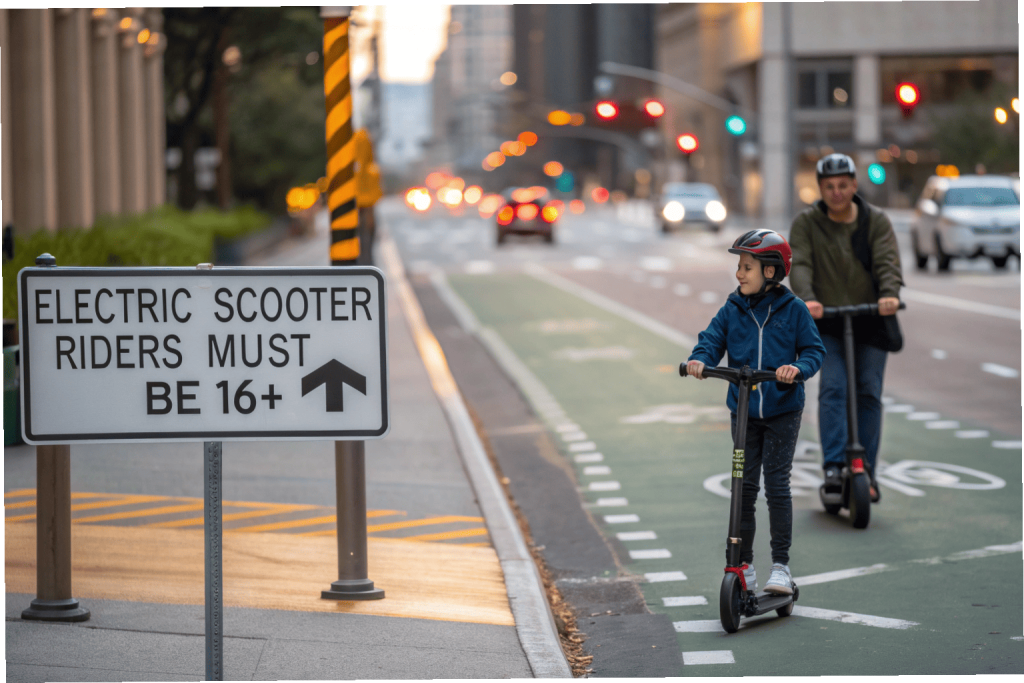
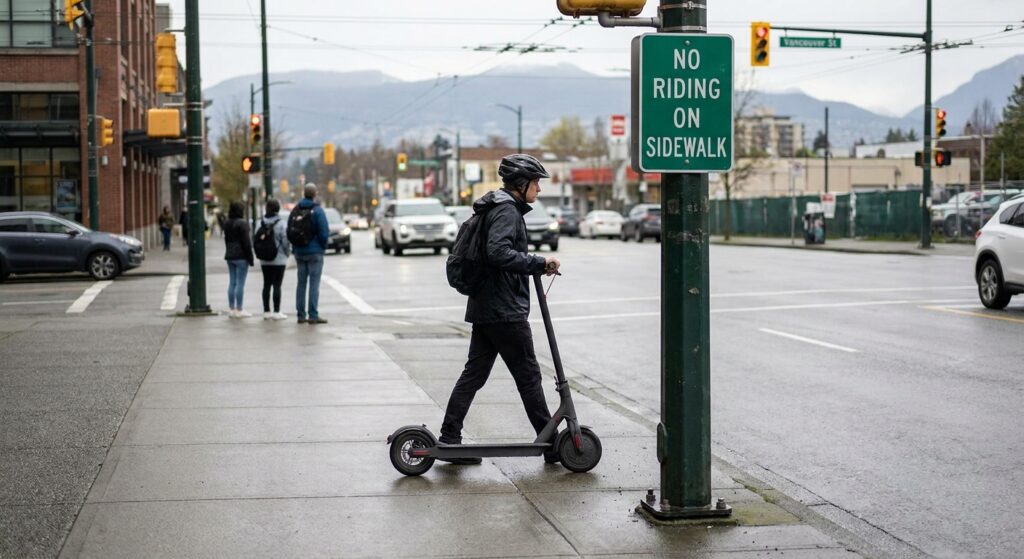
You pull your electric scooter out of the box, ready to zip through North Carolina’s streets, but a nagging question stops you cold: are you actually riding legally? The state’s legal framework remains highly fragmented, leaving riders vulnerable to unexpected local citations and confusing DMV guidelines. Without clear statewide regulations, you risk operating what local police might classify as an unregistered moped or even an illegal motorcycle. This regulatory gray area can turn a simple morning commute into an expensive legal headache with local authorities. Fortunately, keeping up with Electric Scooter Laws does not have to be an uphill battle. This comprehensive guide breaks down municipal exceptions, DMV requirements, and safety standards to keep your daily ride completely legal across the Tar Heel State. Are there statewide scooter rules in NC? The current moped classification Yes, North Carolina does have statewide regulations, which means understanding state-level Electric Scooter Laws is essential to ensure your ride is fully legal. Currently, any two- or three-wheeled vehicle that cannot exceed 30 mph on level ground is legally treated as a moped. This means standard personal e-scooters fall directly into this category by default. This classification binds you to state DMV registration laws. The motorcycle speed threshold If your device can exceed the 30 mph threshold, North Carolina’s legal framework shifts significantly. Think about it this way: at this high speed, the DMV reclassifies the vehicle as a motorcycle, subjecting you to strict motorcycle standards. This means high-performance models require specialized registration and licensing. Standard commuter devices, however, are designed to remain well within safe, moped-class velocity limits. Staying below this threshold simplifies your legal requirements dramatically. Key Takeaway: Under North Carolina state law, electric scooters are legally classified as mopeds if their maximum speed is 30 mph or less, but they are treated as motorcycles if they go faster. Vehicle Classification Top Speed Range Key Legal Requirements Moped Class Under 30 mph DMV registration, standard driver’s license Motorcycle Class Over 30 mph DMV registration, motorcycle endorsement, safety inspection The following analysis guides your understanding of the licensing requirements you must satisfy before hitting the pavement. Do you need a license to ride in NC? DMV registration requirements Yes, you do need a valid license to ride an e-scooter legally in North Carolina because of their state-level moped classification. Because the state categorizes these devices as mopeds, they technically require formal registration with the North Carolina DMV. This process involves submitting proof of ownership and paying a nominal registration fee. Driver’s license rules But that is not all. To operate any moped-class vehicle on public roadways in North Carolina, you must hold a valid driver’s license. This can be a standard Class C license or a learner’s permit. Riding on public streets without a valid license can result in immediate traffic citations. Key Takeaway: You must possess a valid driver’s license or learner’s permit to operate an e-scooter on NC roads, and the vehicle technically requires DMV registration under state-level moped rules. Requirement Type Legal Status Action Needed Driver’s License Mandatory Must carry a valid Class C license or permit DMV Registration Mandatory (State Level) Submit proof of ownership to the local DMV office Understanding licensing requirements is vital, but age-based limitations also dictate who can legally ride. How old do you have to be to ride? State minimum age limit You must be at least 16 years old to legally ride under North Carolina’s Electric Scooter Laws when operating on public streets. At the state level, North Carolina moped laws dictate that riders must meet this minimum age requirement. Operating these devices under this age limit on public streets is strictly prohibited. Local city age restrictions While the state sets the baseline at 16, individual municipalities have the authority to raise this limit. Here is the deal: major cities often set stricter limits to manage dense urban traffic. For example, Raleigh has established an older age threshold of 18 for riders using micromobility options. Always consult local municipal codes to ensure compliance in your specific city. Key Takeaway: The baseline minimum age to ride an e-scooter in North Carolina is 16, though major cities like Raleigh raise the age limit to 18. Jurisdiction Minimum Age Rule Reference State of North Carolina 16 Years Old General Moped Statutes City of Raleigh 18 Years Old Local Municipal Code These age parameters keep riders safe, but you must also know which public roads are actually open to scooter traffic. Can you ride an e-scooter on roads? Street speed limit rules Yes, you can ride your electric scooter on public roads in North Carolina, but only under very specific speed restrictions. Riding on the road is legal in North Carolina, but you must restrict your travel to specific streets. State laws limit moped-class vehicles to roadways with posted speed limits of 25 mph or less. Riding on high-speed thoroughfares or highways is illegal and highly dangerous. Where to ride safely Navigating urban areas safely requires choosing highly portable, compact electric scooter models that match city traffic patterns. Choosing a lightweight option makes it easier to transition between permitted streets and designated parking hubs. This can save you a lot of hassle. Make no mistake, utilizing quiet residential streets and marked lanes is the best way to enjoy your daily commute. This protects you from fast-moving traffic and keeps you fully compliant with state speed-matching guidelines. It also keeps you visible to other drivers. Key Takeaway: E-scooters are permitted on North Carolina public roads, provided the road’s posted speed limit does not exceed 25 mph. Roadway Type Speed Limit Legally Permitted? Residential Streets 25 mph or less Yes Major Arterials 30 mph to 45 mph No State Highways 55+ mph No While road access is clear, the rules regarding sidewalk riding vary dramatically depending on the city you are in. Are e-scooters legal on NC sidewalks? Sidewalk bans in Raleigh No, navigating municipal Electric Scooter Laws reveals that sidewalk riding is generally illegal in major cities across

Electric Scooter Laws In North Carolina: The Complete Guide to DMV & Local Rules Read More »

Why Kids Should Not Ride Electric Scooter: The Safety Facts

While seeing your child zoom down the sidewalk might look like simple fun, the reality is that an electric scooter is a powerful motorized vehicle that carries significant health risks. As pediatric experts, we want to help you understand the dangers that these high-speed devices pose to developing bodies and why waiting is the safest choice for your family. Is the speed of an electric scooter dangerous for kids? No, children are not physically or developmentally prepared for the high speeds these devices achieve without effort. Unlike a traditional bicycle where speed is earned through physical exertion, a motorized device can hit 15 to 25 mph instantly, which is far faster than a child can safely manage. The Impact of High Velocity Think about this: a fall at 20 mph is vastly different than a tumble from a slow-moving tricycle. Friction and Braking Challenges You might not realize that braking at high speeds requires significant coordination. Key Takeaway on Speed Risks The bottom line? The velocity of these machines turns minor falls into emergency room visits. Risk Factor Impact on Children Max Speed Often exceeds 15-20 mph, surpassing child reaction times. Braking Requires advanced motor skills to avoid flipping. Surface Small wheels catch on tiny cracks at high speed. What injuries happen on an electric scooter? Riding results in severe orthopedic fractures, facial trauma, and traumatic brain injuries that are often more complex than typical playground accidents. Because of the standing position and high center of gravity, children are frequently thrown forward onto their faces or outstretched arms. Common Orthopedic Fractures Look: we are seeing a spike in complex bone breaks that require surgery. Soft Tissue and Dental Damage Here is the truth: a helmet doesn’t protect the face or teeth. Key Takeaway on Physical Injuries It’s a fact that motorized scooter injuries are significantly more severe than bicycle-related accidents. Injury Category Typical Severity Recovery Period Head Trauma High (Concussions/Skull fractures) Weeks to Months Fractures Moderate to High (Often requiring surgery) 6-12 Weeks Skin/Dental Moderate (Painful grafting or implants) Variable At what age can a kid ride an electric scooter? You should wait until your child is at least 16 years old before they operate any motorized scooter. This recommendation is supported by the American Academy of Pediatrics (AAP) because of the unique risks associated with motorized transport and the maturity required to navigate them. The 16-Plus Safety Standard Listen: there is a reason for this specific age limit. Legal Restrictions and Local Laws In many areas, including Illinois, riding in public spaces is restricted to those 18 and older. Key Takeaway on Age Requirements The simple truth is that “kid-sized” doesn’t mean “kid-safe” when a motor is involved. Age Group Recommendation Primary Concern Under 16 Do Not Ride Developmental and physical inability to manage risk. 16-18 High Caution Requires adult-grade safety gear and training. 18+ Follow Laws Should always wear a helmet and follow traffic rules. Does an electric scooter require high maturity? Yes, operating these vehicles requires advanced executive function and impulse control that young children have not yet developed. A child’s brain is still learning how to assess “invisible” risks, such as a car turning a corner or the danger of a wet patch of leaves. Executive Function and Fast Movement Think about it. A split-second decision at 15 mph can be the difference between safety and a crash. Reaction Time Under Pressure When things go wrong, a child’s natural instinct is often to freeze or overcorrect. Key Takeaway on Cognitive Readiness The reality is that a child’s brain isn’t wired to handle motorized traffic until their mid-teens. Cognitive Skill Maturity Level in Kids Importance for Riding Impulse Control Low Prevents sudden, dangerous maneuvers. Risk Assessment Developing Helps anticipate car movements or road debris. Spatial Awareness Moderate Vital for maintaining distance from hazards. Can helmets keep an electric scooter rider safe? While a helmet is non-negotiable, a standard bicycle helmet is often insufficient for the high-impact forces of a motorized crash. Many parents don’t realize that standard gear is rated for much lower speeds and different types of falls than those occurring on scooters. Limitations of Standard Cycle Gear The deal is this: a bike helmet is designed for a different fall trajectory. Full-Face Protection Requirements If a device goes over 20 mph, motorcycle-grade equipment is actually what’s needed. Key Takeaway on Safety Equipment Do not rely on a helmet to make an inherently dangerous activity safe for a child. Gear Type Protection Level Missing Coverage Bike Helmet Basic Face, Jaw, Dental, High-speed impact. Pads Moderate Does not prevent internal injuries or fractures. Closed-Toe Shoes Essential Necessary to prevent severe toe/foot lacerations. Is an electric scooter too heavy for a child? Yes, the weight of the battery and motor makes these machines difficult for a child to steer or jump away from during a fall. A typical motorized model can weigh 30 to 50 pounds, which is a significant mass to have land on a small limb. Handling and Maneuverability Issues Here is the problem: a heavy machine is harder to turn quickly. Danger During a Fall or Tumble When a child falls, the heavy scooter often follows them down. Key Takeaway on Machine Mass The physical weight of the motor and battery creates a “crush risk” that manual scooters don’t have. Feature Manual Scooter Electric Model Average Weight 5-10 lbs 30-60 lbs Control Easy to maneuver Heavy and sluggish for kids Fall Risk Easy to step away Often falls on the rider How does an electric scooter behave in traffic? These devices are often invisible to drivers and lack the stability needed to navigate street traffic safely. Because they are quiet and low-profile, cars often don’t see them until it is too late, especially at intersections or when pulling out of driveways. Visibility in Crowded Streets You must realize that a child on a scooter is below the sightline of many SUVs. Navigating Complex Intersections Intersections are the most common site for fatal or life-altering

Why Kids Should Not Ride Electric Scooter: The Safety Facts Read More »

How Do Electric Scooters Make Our Lives Easy?

Electric scooters make our lives easy by providing a fast, cost-effective, and stress-free way to navigate crowded urban environments. Do you feel drained by the endless cycle of traffic jams and soaring fuel prices? This daily grind agitates your routine, leaving you exhausted before your workday even begins. An electric scooter solves these problems by offering a portable and efficient way to reclaim your time and energy. Why is an electric scooter better for your daily commute? An electric scooter is better for your daily commute because it allows you to bypass gridlock and reduce travel time significantly. You can navigate through narrow passages and use dedicated bike lanes that cars cannot access. This ensures you arrive at your destination on a predictable schedule every single day. Effortless navigation through traffic Think about it: You will find that your morning mood improves when you aren’t fighting for space on the road. The agility of the frame allows you to weave through stationary vehicles with ease. Reclaiming your morning routine But that’s not all. By slashing your commute time in half, you gain hours of personal freedom every week. This shift transforms your travel from a chore into an enjoyable part of your lifestyle. Benefit Category Impact on Commute Speed Bypasses 90% of urban traffic jams Predictability Arrival times vary by less than 5 minutes Mental Health Reduces daily commuting stress The data shows that switching to a motorized two-wheeler directly correlates with higher levels of commuter satisfaction and time efficiency. Key Takeaway: Choosing an electric vehicle for your daily route eliminates the unpredictability of traffic and grants you more personal time. How does an electric scooter improve urban mobility? An electric scooter improves urban mobility by bridging the gap between public transport hubs and your final destination. It serves as the perfect “last-mile” solution for those who live or work far from train stations or bus stops. You no longer have to worry about long walks or expensive taxi rides for short distances. Achieving true point-to-point travel Check this out: You can ride directly to the entrance of your office or home without any delays. This level of autonomy is something that traditional public transit simply cannot provide. Seamless integration with public transit But wait, there’s more. If your office is two miles from the station, you can cover that distance in minutes. This flexibility makes your entire city feel much smaller and more accessible. Mobility Factor Electric Scooter Advantage Last-Mile Gap Fills the gap between transit and destination Accessibility Reach areas poorly served by buses Flexibility Change your route on the fly Enhanced mobility allows you to explore your city with a level of freedom that was previously restricted by fixed transit schedules. Key Takeaway: Improving your mobility means having the freedom to travel exactly where you need to go without relying on rigid transport networks. Can an electric scooter match petrol performance? Yes, a high-quality electric scooter can match petrol performance with instant torque and rapid acceleration that feels incredibly responsive. Modern motors are designed to provide a punchy ride that keeps pace with city traffic effortlessly. You will notice that the power delivery is smoother and quieter than any combustion engine. Instant throttle response and power The best part? You get to experience the thrill of “silent speed” as you pull ahead of bulky cars. This immediate power makes merging into traffic a much safer and more confident experience. Competitive top speeds for city riders Look at the facts: You won’t feel underpowered or vulnerable when riding on main roads. Modern engineering ensures that these machines are robust enough for daily high-performance use. Performance Metric Electric Advantage Acceleration 0-25 km/h in mere seconds Sound Level Near-silent operation Maintenance No pistons or valves to wear out High-performance electric motors offer a superior power-to-weight ratio that makes traditional petrol scooters feel sluggish and outdated. Key Takeaway: Performance is no longer a compromise, as modern electric drives provide all the speed and torque needed for urban life. Is owning an electric scooter cheaper in the long run? Owning an electric scooter is significantly cheaper over time because you eliminate the need for expensive petrol and frequent mechanical repairs. While the initial investment might seem higher, the daily running costs are incredibly low. You will save hundreds, if not thousands, of dollars every year on fuel and maintenance. Eliminating fuel and oil expenses Simple as that: You can recharge your vehicle overnight using a standard outlet for a fraction of the cost of a gallon of gas. Over a few months, these savings significantly lower your total cost of ownership. Lowering long-term maintenance costs It gets better: You spend less time at the mechanic and more time on the road. The simplicity of the electric drivetrain means there is very little that can go wrong. Expense Category Typical Annual Savings Fuel/Energy Save up to 90% vs Petrol Scheduled Service Save up to 70% vs Petrol Parking/Tolls Often $0 for small scooters The financial benefits of going electric become undeniable once you calculate the massive reduction in daily operational expenses. Key Takeaway: Transitioning to electric power is a smart financial move that pays for itself through drastic reductions in fuel and upkeep costs. What smart features come with an electric scooter? Modern electric scooter models come with advanced smart features like Bluetooth connectivity, GPS tracking, and digital dashboards. These technologies are designed to integrate your ride with your digital life seamlessly. You can monitor your vehicle’s health and navigate the city using the screen right in front of you. Bluetooth connectivity and dashboards Check this out: You will feel like you are riding a vehicle from the future. The interface provides all the data you need to ensure a smooth and informed journey. Integrated security and app tracking But wait, there’s more. Your vehicle stays updated with the latest features without you ever having to visit a service center. This connectivity provides peace of mind whenever you park your scooter in

How Do Electric Scooters Make Our Lives Easy? Read More »

Health Benefits of Riding an Electric Scooter: 10 Real Perks

Riding an electric scooter provides significant health benefits by integrating low-impact physical activity into your daily routine, improving core stability, and enhancing mental well-being. Many people struggle with a sedentary lifestyle that leads to stiff joints and decreased energy levels. This lack of movement agitates chronic pain and increases the risk of long-term health complications By switching to a high-quality electric scooter, you can transform your commute into a wellness-boosting experience that keeps you moving without the sweat of a high-intensity workout. 1. Does an electric scooter improve physical health? Yes, an electric scooter improves your physical health by keeping you upright and active rather than seated in a car or bus. This shift from passive to active transportation encourages your body to burn more calories and stay engaged with your surroundings. You will find that even a short ride provides a refreshing boost to your metabolism. Is it a form of aerobic movement? Think about it: Riding at moderate speeds allows your heart rate to rise slightly above its resting state. This gentle elevation is perfect for building endurance over time. Why focus on stabilizing muscles? Check this out: Key Takeaway: Using a scooter turns a boring commute into a functional full-body engagement session. Benefit Category Impact Level Primary Muscle Group Aerobic Low/Moderate Heart and Lungs Muscle Tone Moderate Legs and Arms Metabolism Moderate Full Body This data shows that micro-activities performed during a scooter ride contribute significantly to daily physical maintenance. 2. Can an electric scooter strengthen your core? Riding an electric scooter strengthens your core because you must constantly use your abdominal and oblique muscles to maintain balance on a moving platform. Unlike sitting, where your core remains relaxed, standing requires these muscles to stay tight and responsive. This consistent engagement builds functional strength that carries over into your daily life. How does balance build muscle? The truth is: Developing a strong core is essential for preventing back pain and improving your overall athletic performance. Your scooter acts as a mobile balance board. Can it enhance your trunk stability? Look at this: Key Takeaway: The balance required to ride safely provides a continuous workout for your midsection. Core Component Engagement Type Benefit Upper Abs Isometric Stability Obliques Dynamic Turning Control Lower Back Support Posture The table above illustrates how different core sections are activated to ensure a smooth and safe ride. 3. Is riding an electric scooter good for mental health? Absolutely, riding an electric scooter is excellent for mental health as it reduces the stress of traffic and increases your exposure to the outdoors. Many users report feeling a sense of freedom and joy while gliding through their city, which provides a natural dopamine boost. It is a practical way to clear your head before or after a long day at work. How does it reduce commuting stress? Think about it: Taking control of your schedule reduces the cortisol spikes that usually accompany a hectic morning routine. This leads to a calmer, more productive mindset. What about exposure to fresh air? Check this out: Key Takeaway: Mental clarity is often the most immediate benefit you will notice after starting your scooter journey. Mental Metric Effect of Scooting Result Stress Levels Decreased Improved Mood Alertness Increased Better Focus Daily Joy Increased Higher Satisfaction This analysis highlights how moving away from closed-cabin transport positively impacts your psychological state. 4. How many calories does an electric scooter burn? An electric scooter burns between 150 and 250 calories per hour, which is significantly more than driving or sitting on a train. While it is not as intense as running, the caloric expenditure adds up quickly if you use your scooter for daily errands. It provides a sustainable way to increase your total daily energy expenditure without needing a gym membership. Is standing better than sedentary travel? The truth is: Think of it as a low-intensity steady-state workout that fits perfectly into your lifestyle. You are moving more without feeling the fatigue of a traditional gym session. How to sustain metabolic health? Look at this: Key Takeaway: You can burn hundreds of extra calories a week just by swapping your car for a scooter. Mode of Transport Calories per Hour Effort Level Driving Car 80 Passive E-Scooter 200 Light Active Walking 300 Moderate Consistent use of a scooter bridges the gap between being sedentary and being highly active. 5. Does an electric scooter help correct your posture? Yes, an electric scooter helps correct your posture by encouraging a tall, upright stance and discouraging the “desk hunch.” When you ride, you must keep your head up and shoulders back to see the road clearly and maintain control. This naturally aligns your spine and strengthens the muscles responsible for good posture. Can it promote upright spinal alignment? Think about it: Over time, this position becomes more natural for you even when you are not riding. It counteracts the negative effects of looking at screens all day. How to combat the desk hunch? Check this out: Key Takeaway: Regular riding acts as a daily reminder for your body to stay tall and aligned. Posture Point Riding Action Long-term Result Shoulders Back and Relaxed Reduced Tension Spine Vertical Alignment Better Posture Hips Neutral Position Less Back Pain The table suggests that the physical requirements of scooting directly oppose the typical sedentary slump. 6. Can an electric scooter reduce joint pain? Riding an electric scooter can reduce joint pain because it is a low-impact activity that doesn’t put the same stress on your knees and ankles as running or walking on concrete. The deck of a quality scooter often absorbs road vibrations, protecting your joints from harsh impacts. This makes it an ideal choice for individuals with sensitive joints or those recovering from minor injuries. Is it a gentle alternative to running? The truth is: You get the benefits of being outdoors and moving without the inflammatory response often triggered by high-impact sports. It is movement without the “pounding.” How to minimize impact on lower

Health Benefits of Riding an Electric Scooter: 10 Real Perks Read More »

Electric Scooter Laws in Michigan: Everything You Need to Know

Electric scooter laws in Michigan classify these compact transportation devices as “electric skateboards,” meaning you can legally ride them on roads with speed limits up to 45 mph. Navigating the legal landscape of micromobility can be a headache, especially when you are just trying to cut down your daily commute time. One wrong turn onto a prohibited downtown sidewalk or exceeding a local speed limit could result in hefty fines or even having your ride impounded by city authorities. Understanding the specific electric scooter laws in Michigan ensures you stay on the right side of the law while enjoying the freedom and efficiency of modern commuting. What are the general electric scooter laws in Michigan? Michigan law dictates that electric scooters must follow the same rules as electric skateboards, which include a 25 mph speed limit. These electric scooter laws in Michigan provide a clear framework for how you can integrate these devices into your daily travel. By categorizing them as skateboards rather than motor vehicles, the state keeps the requirements straightforward for the average user. Defining the Electric Skateboard To qualify under this specific classification, your device must meet certain physical criteria. It must have a floorboard for standing, be no longer than 60 inches, and have a width of no more than 18 inches. State-wide Speed and Power Limits The state enforces a strict 25 mph speed limit for anyone operating these devices on public paths or roads.Look: Here are the core technical requirements: The best part? You don’t have to worry about complex engine classifications as long as you stay within these bounds. Key Takeaway: Your scooter is legally a “skateboard” in Michigan as long as it stays under 25 mph and has a motor smaller than 2,500 watts. Regulation Michigan Requirement Legal Category Electric Skateboard Max Speed 25 MPH Max Motor Power 2,500 Watts Width Limit 18 Inches This classification ensures that riders can use bike infrastructure without the heavy regulations tied to mopeds. Do electric scooter laws in Michigan require a license? You do not need a driver’s license, title, or registration to operate a scooter in the Great Lakes State. Because electric scooter laws in Michigan do not define these devices as motor vehicles, they are exempt from standard DMV bureaucracy. This makes them an incredibly accessible option for residents who want to avoid the costs of car ownership. Freedom from the DMV Since there is no registration requirement, you won’t have to pay for license plates or annual tabs.Here is the deal: It is a truly “hop on and go” experience for most adult riders. Key Takeaway: Michigan removes the typical barriers to entry by not requiring any formal licensing or vehicle registration for scooter owners. Document Type Mandatory? Driver’s License No Vehicle Registration No Liability Insurance No The lack of licensing requirements reflects Michigan’s commitment to making green commuting as easy as possible for everyone. How do electric scooter laws in Michigan define power? The motor power for your device cannot exceed 2,500 watts according to current state regulations. These electric scooter laws in Michigan ensure that the devices remain safe for use in bike lanes and on local streets. If a device exceeds this power limit, it may be reclassified as a moped, which carries much stricter licensing and insurance rules. Understanding the 2500W Limit Most high-end commuter scooters operate between 350W and 1000W, meaning they are well within the legal limit.The best part? You have plenty of headroom to find a powerful hill-climber that still stays legal. Key Takeaway: Ensure your motor is rated at or below 2,500 watts to maintain your status as an electric skateboard rider. Technical Spec Legal Limit Motor Output 2,500 Watts Max Propulsion Electric Only Surface Type Paved/Level Ground Staying within these power limits protects you from the legal complexities of operating an unregistered motor vehicle. Where do electric scooter laws in Michigan allow riding? You are permitted to ride on any road with a speed limit of 45 mph or less, provided you stay to the far right. These electric scooter laws in Michigan are designed to keep you safe by separating slow-moving scooters from high-speed highway traffic. While you can cross a road with a higher speed limit, you cannot travel along it for any distance. Using Roadways and Bike Lanes When you are on the road, you must behave like a cyclist by following the direction of traffic and obeying all signals.Look: Here is how you should position yourself: The best part? You are generally welcome in most dedicated bike lanes across the state. Key Takeaway: Stick to roads with speed limits of 45 mph or lower and always stay to the right-hand side of the lane. Location Type Riding Status Roads $\le$ 45 mph Allowed Roads > 45 mph Crossing Only Bike Lanes Generally Allowed Michigan’s roadway rules provide a clear map for where you can safely and legally reach your destination. What age do electric scooter laws in Michigan require? You must be at least 12 years old to legally operate an electric scooter on a public street or highway. While electric scooter laws in Michigan set this low age floor, some local rental companies may require users to be 18 or older. It is important for parents to verify both state laws and local rental contracts before letting a minor ride. Age and Access Rules Younger riders are given a lot of freedom, but they also have the most safety requirements to follow.Look: The rules vary by age group: Here is the deal: Safety is paramount for younger commuters. Key Takeaway: Anyone 12 and older can ride, but those under 19 must always wear a helmet on public roads. Rider Age Requirement Minimum Age 12 Years Old Helmet (Under 19) Mandatory Helmet (19+) Recommended By setting the minimum age at 12, the state allows middle and high school students to use scooters for their school commute. Do electric scooter laws in Michigan allow sidewalks? State law generally permits

Electric Scooter Laws in Michigan: Everything You Need to Know Read More »

Electric Scooter Battery Fire Risks and How to Stay Safe

Electric scooter battery fires are primarily caused by thermal runaway in lithium-ion cells due to physical damage, overcharging, or the use of uncertified charging equipment. You are likely enjoying the freedom of gliding through city streets on your new ride, but a nagging thought lingers in the back of your mind every time you plug it in. We have all seen the viral videos of thick black smoke and sudden, violent flames erupting from a device in someone’s living room, turning a convenient tool into a terrifying hazard. This agitation of safety concerns is exactly why understanding the mechanics of electric scooter battery fires is essential for every rider. By following this comprehensive safety guide, you will learn how to identify risks, implement better charging habits, and ensure your daily commute remains both efficient and entirely secure. What causes electric scooter battery fires? Thermal runaway triggered by physical damage or improper voltage is the root cause of electric scooter battery fires. When the internal separator of a lithium-ion cell fails, it creates a short circuit that generates immense heat. This heat then spreads to neighboring cells, creating a self-sustaining fire that is extremely difficult to extinguish. Why do cells experience thermal runaway? The chemistry of a battery is delicate and requires a stable environment to function without incident. If the internal components are compromised, the energy stored within is released all at once as heat. But wait, there’s more: Here is the kicker: even a single faulty cell can eventually compromise the entire battery pack. How does electrical failure start? Electrical failures often begin when the battery management system (BMS) fails to regulate the flow of electricity. This allows for over-voltage or under-voltage scenarios that stress the lithium ions beyond their breaking point. Think about it: Key Takeaway: Understanding that internal chemical stability is the first line of defense helps you prioritize high-quality manufacturing over budget alternatives. Factor Description Danger Level Thermal Runaway Uncontrolled heat spread between cells Extreme BMS Failure Lack of electronic safety regulation High Water Ingress Short circuits caused by moisture Moderate Proper maintenance of the internal electronics is just as vital as checking your tire pressure. Can you prevent an electric scooter battery fire? Yes, you can significantly reduce the risk of electric scooter battery fires by following manufacturer guidelines and using high-quality components. Prevention starts with awareness and ends with the disciplined application of safety protocols during every stage of ownership. Most incidents are avoidable if the rider takes proactive steps to protect the battery’s integrity. Is regular inspection necessary? You should perform a visual check of your scooter’s deck and battery housing at least once a week. Look for any signs of warping, cracks, or discoloration that might indicate internal stress. Check this out: The best part? Spotting a small crack now can prevent a major catastrophe later this year. Should you follow a maintenance schedule? A consistent maintenance schedule ensures that small electrical issues do not escalate into fire hazards. Professional technicians can test cell health and ensure the wiring remains insulated and secure. Believe it or not: Key Takeaway: Proactive prevention through inspection and maintenance is the most effective way to ensure your safety. Action Frequency Purpose Visual Check Weekly Identify physical damage Port Inspection Monthly Prevent charging shorts Professional Service Yearly Verify BMS and cell health Consistency in your safety routine creates a layer of protection that technology alone cannot provide. Which charging habits lead to battery fires? Overcharging and using uncertified power adapters are the most dangerous habits that trigger electric scooter battery fires. Leaving a scooter plugged in overnight or using a charger from a different device can bypass the battery’s safety limits. These habits gradually degrade the lithium cells until they reach a point of failure. Why is overcharging dangerous? Overcharging forces excess energy into the cells, causing them to plate lithium and generate internal heat. While modern systems have shut-off features, they are not infallible and can fail over time. Now: Bottom line? Unplugging your device as soon as it reaches 100% is the smartest move you can make. Can extension cords cause issues? Using low-quality extension cords or power strips can lead to voltage drops and overheating at the plug. This creates an unstable power supply that stresses the charger and the battery simultaneously. It gets better: Key Takeaway: Charging your scooter under supervision and using a direct wall outlet eliminates the most common electrical risks. Habit Risk Safer Alternative Overnight Charging Overheating/BMS failure Charge only when awake Third-party Chargers Voltage mismatch Use original equipment Extension Cords Current instability Use wall outlets Changing how you power your device is a zero-cost way to enhance your household safety. Is indoor storage safe for your electric scooter? Indoor storage is safe provided the environment is climate-controlled and free of flammable materials that could ignite during electric scooter battery fires. Storing your scooter near a radiator or in a humid basement increases the likelihood of chemical instability. You must treat your scooter like any other high-energy electronic device in your home. Where is the best place to store it? The ideal storage location is a dry, cool area with plenty of ventilation and easy access to an exit. You want to ensure that if a problem does occur, the device is not blocking your only way out. Make no mistake: Wait, there is a catch: storing a scooter in a hot garage during summer can be just as risky as a damp basement. Does humidity affect the battery? High humidity can lead to condensation inside the deck, which corrodes connections and causes short circuits. Keeping your scooter in a dry environment prevents this slow degradation of the safety components. But wait, there’s more: Key Takeaway: Selecting a cool, dry, and unobstructed storage spot protects both the battery and your home’s exit routes. Location Safety Rating Reason Living Room Corner High Ventilated and monitored Hallway/Exit Low Blocks escape routes Damp Basement Low Corrosion and moisture risk Careful placement of

Electric Scooter Battery Fire Risks and How to Stay Safe Read More »

Electric Scooter Laws In Georgia: What You Must Know

You’ve finally grabbed a high-performance scooter to navigate the bustling streets of Atlanta or the scenic paths of Savannah, but there is a nagging feeling in the back of your mind. Is that sidewalk off-limits, or are you about to get flagged down by a police officer for missing a permit? The reality is that navigating urban traffic is stressful enough without worrying about legal technicalities. One simple mistake—like riding in the wrong lane or forgetting a specific piece of ID—could lead to unexpected fines, a confiscated scooter, or even a mark on your driving record. You want to enjoy the breeze, not a legal headache. That is why we have put together this definitive guide. By the time you finish reading, you will know exactly how to stay compliant with every regulation in the Peach State, ensuring your ride is as smooth and legal as possible. Is a license required for electric scooter laws in Georgia? Yes, you must have a valid driver’s license or a learner’s permit to operate an electric scooter on public roads according to electric scooter laws in Georgia. Driver’s license requirements Unlike many states that treat e-scooters like bicycles, Georgia views them as motorized vehicles requiring a base level of traffic knowledge. Learner’s permit rules If you do not have a full driver’s license, a standard learner’s permit is sufficient to keep you legal. Think about it:The state wants to ensure everyone on the road understands basic right-of-way and signaling. If you have more questions about specific documentation, you can always check our FAQ page for broader rider advice. Requirement Georgia Legal Status Valid Driver’s License Required Learner’s Permit Accepted No License Required Prohibited Do you need registration for electric scooter laws in Georgia? No, you do not need to register your device with the DMV or obtain a title under current electric scooter laws in Georgia. DMV registration status Georgia has opted for a “light-touch” regulatory approach to encourage micromobility. This means you can take your new ride straight from the box to the bike lane without a trip to the government office. Do you need number plates? Since registration isn’t required, you also don’t need to worry about mounting a license plate to your scooter’s deck or fender. Here is the deal:Keeping things simple helps more people get out of cars and onto two wheels. However, if you ever run into issues with your device’s technical specifications, our customer service team is ready to help you out. Regulation Type Requirement Status DMV Registration Not Required Title Document Not Required License Plates Not Required What is the age limit for electric scooter laws in Georgia? According to electric scooter laws in Georgia, the minimum age to operate an e-scooter on public infrastructure is 15 years old. Minimum age to ride Because a learner’s permit or driver’s license is required, the age limit naturally aligns with the state’s minimum driving age. Supervision for minors While the law doesn’t explicitly mandate a parent stand over a 15-year-old, the licensing requirement implies that the minor has been authorized by a guardian to operate a motor vehicle. Age Group Legal Status Under 15 Restricted to Private Property 15 – 16 Allowed with Permit/License 16 and Over Allowed with Full License Can you ride on roads under electric scooter laws in Georgia? Yes, electric scooter laws in Georgia permit riding on roads with speed limits of 35 mph or less, as well as in dedicated bike lanes. Permitted road types You are encouraged to stay in bike lanes whenever they are available. If a bike lane doesn’t exist, you can ride on the right side of the road on streets where cars aren’t flying by at high speeds. The sidewalk riding ban One of the most important rules to remember is that sidewalk riding is illegal in Georgia. But wait, there’s more:Sidewalks are strictly for pedestrians. Riding there can lead to collisions and significant fines. If you’re looking for a ride that handles the road with ease, the Dynamic Scooter Model B offers the stability you need for street commuting. Location Allowed? Bike Lanes Yes Roads (≤ 35 mph) Yes Sidewalks No What speed limits apply to electric scooter laws in Georgia? The maximum legal speed for an e-scooter on public paths and roads is 20 mph under electric scooter laws in Georgia. Maximum speed limits Even if your scooter is capable of hitting 30 or 40 mph, you must cap your speed at 20 mph when you are on public property. Device weight restrictions Georgia also limits the weight of the scooter itself to 100 lbs. This is to ensure that the device doesn’t pose a massive kinetic threat to others in the event of an accident. Metric Legal Limit Max Speed 20 MPH Max Device Weight 100 LBS Is insurance mandatory for electric scooter laws in Georgia? Yes, electric scooter laws in Georgia technically require riders to carry liability insurance because the devices are classified as motorized vehicles. Liability coverage amounts To stay fully legal, you need a policy that covers potential damage or injury you might cause to others. Property damage requirements This insurance protects you if you accidentally ding a parked car or cause a mishap with a pedestrian. The best part?Some specialized personal mobility insurance plans are very affordable, and they provide peace of mind that a simple mistake won’t ruin you financially. Coverage Type Minimum Amount Bodily Injury $25,000 Property Damage $25,000 Are helmets required by electric scooter laws in Georgia? Under electric scooter laws in Georgia, helmets are mandatory for any rider under the age of 16, while they are optional (but recommended) for adults. Helmet laws for minors If you are 15 years old and riding with a permit, you must have a helmet strapped on. There are no exceptions for short trips or quiet neighborhood streets. Safety recommendations for adults While the law doesn’t force adults over 16 to wear a helmet, the Department of Driver Services strongly

Electric Scooter Laws In Georgia: What You Must Know Read More »

Electric Scooter Wheels: Solid Tires VS Pneumatic Tires

You are finally ready to ditch the car for a faster commute, but you are paralyzed by the choice between different tire types. Choosing the wrong setup can lead to a bone-rattling ride or a frustrating flat tire just minutes before an important morning meeting. Imagine feeling every single crack in the sidewalk vibrating through your ankles, or worse, hearing that dreaded hiss of air escaping while you are miles from home. The wrong choice in electric scooter wheels doesn’t just ruin your comfort; it compromises your safety and your schedule. Understanding the technical trade-offs between solid and pneumatic systems allows you to tailor your ride to your specific environment. By selecting a balanced machine like the Dynamic Scooter Model B, you can enjoy the perfect marriage of durability and smooth performance. What are the types of electric scooter wheels? The primary types of electric scooter wheels you will encounter are pneumatic (air-filled) and solid (airless) tires. Each variety is engineered for specific road conditions and maintenance preferences. Are pneumatic tires the standard? Look: What defines a solid tire? Think about it: Key Takeaway: Choosing the right tire type depends entirely on whether you value ride smoothness or zero maintenance. Tire Type Main Material Primary Benefit Pneumatic Rubber + Air Shock Absorption Solid Polyurethane No Flats How do pneumatic electric scooter wheels work? Pneumatic electric scooter wheels function by trapping a volume of compressed air inside a rubber casing to act as a primary suspension system. This air pocket deforms when you hit a bump, absorbing energy that would otherwise travel to your feet. How does air pressure affect the ride? Believe it or not: What is the role of the inner tube? It gets better: Key Takeaway: Pneumatic wheels are the gold standard for riders who prioritize a cloud-like ride over rough city streets. Component Function Maintenance Outer Tire Grip and protection Monthly inspection Inner Tube Air retention Regular PSI checks Are solid electric scooter wheels maintenance-free? Solid electric scooter wheels are essentially maintenance-free because they do not rely on air pressure to maintain their shape. You will never have to worry about nails, glass, or sharp curbs causing a flat tire during your commute. Why skip the air pump? The best part: Does the material wear out? Here is the deal: Key Takeaway: Solid tires offer total peace of mind for commuters who want a “set and forget” transportation solution. Factor Solid Tire Pneumatic Tire Flat Risk Zero High Longevity 3,000+ miles 1,500 miles Which electric scooter wheels offer better traction? Pneumatic electric scooter wheels offer significantly better traction than solid alternatives because they have a larger and softer contact patch with the road. This flexibility allows the rubber to hug the ground, especially when you are leaning into corners. How do tires handle wet roads? Check this out: Is cornering safer with air? You might be wondering: Key Takeaway: If your route includes rain, metal grates, or sharp turns, pneumatic wheels are the safer choice for stability. Surface Condition Pneumatic Grip Solid Grip Wet Pavement Good Fair Loose Gravel Fair Poor How do honeycomb electric scooter wheels perform? Honeycomb electric scooter wheels utilize a series of internal holes or vents to mimic the damping effects of air without the risk of punctures. They provide a noticeable improvement in comfort compared to fully solid tires while remaining 100% flat-proof. Are they the best of both worlds? Don’t panic: Do they affect acceleration? You won’t believe it: Key Takeaway: Honeycomb wheels are the ideal compromise for the rider who hates flats but wants a smoother commute. Feature Honeycomb Fully Solid Ride Comfort Medium Low Puncture Risk Zero Zero Can you repair damaged electric scooter wheels easily? Repairing electric scooter wheels is generally easier if you have pneumatic tires, as most issues involve a simple inner tube swap that you can perform with basic hand tools. Solid tires cannot be repaired once damaged; they must be entirely replaced. Is a flat tire easy to fix? The reality is: How hard is solid tire replacement? Here is the kicker: Key Takeaway: Pneumatic tires are more prone to damage, but they are significantly more user-serviceable for the average rider. Issue Pneumatic Solution Solid Solution Small Puncture Patch or Sealant Replace Entire Unit Blowout New Inner Tube Replace Entire Unit Do electric scooter wheels affect your battery range? Your choice of electric scooter wheels has a direct impact on your range because of differences in weight and rolling resistance. Correctly inflated pneumatic tires are the most energy-efficient option, allowing the motor to work less. Does tire weight matter? Look: How does PSI impact range? Think about it: Key Takeaway: If you want to maximize your travel distance, keeping your pneumatic tires at the correct pressure is vital. Wheel Setup Efficiency Range Impact Pneumatic (High PSI) Highest Positive Solid Rubber Lowest Negative How long do different electric scooter wheels last? The lifespan of different electric scooter wheels varies greatly, with solid tires generally outlasting pneumatic versions by several hundred miles due to their denser material. A high-quality solid tire can easily last for 3,000 miles before the tread becomes a safety concern. When should you replace air tires? Believe it or not: Why does compound quality matter? It gets better: Key Takeaway: Solid tires are the more cost-effective long-term investment if you plan to ride thousands of miles annually. Tire Life Pneumatic Solid Avg. Mileage 1,500 miles 3,000+ miles Sun Resistance Moderate High Are tubeless electric scooter wheels better for speed? Tubeless electric scooter wheels are considered the superior choice for high-speed riding because they lack the internal friction of an inner tube. This reduction in heat and rolling resistance allows the motor to reach higher velocities more efficiently. Why do performance riders use tubeless? Check this out: Is solid rubber bad for speed? You won’t believe it: Key Takeaway: For performance enthusiasts and fast commuters, a tubeless pneumatic system provides the best speed and handling. Performance Tubeless Solid Top Speed Highest Lower

Electric Scooter Wheels: Solid Tires VS Pneumatic Tires Read More »

How to Store Your Electric Scooter? The Ultimate 2026 Manual

Proper electric scooter storage involves cleaning the frame, maintaining the battery at roughly 50% charge, and finding a dry, temperature-controlled environment. You’ve likely invested significant money into a high-performance machine, but now it’s sitting idle as the seasons change. If you simply park it and forget it, you’re inviting battery degradation and rust to ruin your ride. Thankfully, our guide ensures your scooter stays in showroom condition for your next adventure. How to prep for electric scooter storage? You prep by deep cleaning the deck, lubricating all moving joints, and applying anti-rust spray to any exposed metal parts. Proper electric scooter storage starts with removing the corrosive grime that accumulates during daily commutes. Leaving dirt on the frame can trap moisture against the metal, leading to oxidation over time. Why clean the frame before storing? Cleaning the frame ensures that salt, mud, and debris don’t eat away at your finish while the scooter sits. Here’s the deal: even a small amount of road salt can cause significant pitting on aluminum and steel components. Use a damp cloth and mild soap, but avoid high-pressure hoses that could force water into the electronics. How to lubricate the moving parts? Should you oil the folding mechanism before putting it away? Absolutely, as this prevents the metal-on-metal joints from seizing up during months of inactivity. Apply a thin layer of silicone lubricant to the following areas: Key Takeaway for Preparation The bottom line? A clean scooter is a protected scooter that will function flawlessly when you’re ready to ride again. Step Action Benefit Cleaning Wipe with damp cloth Prevents corrosion Drying Use microfiber towel Eliminates moisture Lubing Apply silicone spray Keeps joints fluid Thoroughly preparing the mechanical aspects of your ride prevents small issues from becoming expensive repairs during the off-season. Where is the best electric scooter storage? The best place for electric scooter storage is a dry, indoor location with a stable temperature between 50°F and 85°F. Humidity and extreme temperature swings are the hidden enemies of sensitive electronic components and battery cells. Storing your ride in a living room, hallway, or a climate-controlled basement is always the safest bet. Is a garage or basement safe? Garages are acceptable as long as they are dry and don’t experience sub-freezing temperatures. But wait, there’s more: if your garage is damp, you run the risk of internal condensation forming inside the motor controller. Ensure the area is well-ventilated and kept away from any chemicals that might off-gas and damage rubber parts. Key Takeaway for Location Selecting a stable environment is the most important factor in preserving the lifespan of your scooter’s internal electronics. Location Safety Level Climate Control Living Room Excellent Full Control Dry Garage Good Moderate Damp Shed Poor None An indoor environment protects the scooter from the primary causes of hardware failure: moisture and extreme heat. What battery tips aid electric scooter storage? Keep your battery level between 40% and 60% and check it once a month to prevent a dangerous deep discharge state. Strategic electric scooter storage ensures your battery chemistry remains stable while the device is not in active use. Never store a battery at 0% or 100%, as both extremes put unnecessary stress on the lithium cells. Should you charge to 100%? Is it a good idea to top off the battery before a long break? No, because keeping a lithium-ion battery at maximum voltage for months can cause permanent capacity loss. Here is the kicker: batteries naturally lose a small amount of charge over time, so starting at the middle range provides a safe buffer. Key Takeaway for Battery Care Monitoring your charge level is the single most effective way to ensure your battery doesn’t “brick” during the winter. Metric Ideal Range Frequency Charge Level 40% – 60% Permanent Check-up Status Check Monthly Temperature 50°F – 75°F Continuous Maintaining the “sweet spot” of battery voltage preserves the chemical integrity of the cells for hundreds of future cycles. How to treat tires during electric scooter storage? You should slightly over-inflate pneumatic tires and store the scooter on a stand to prevent the rubber from developing flat spots. Neglecting the tires during electric scooter storage can lead to cracks in the sidewalls or an uncomfortable, wobbly ride later. If the wheels support the full weight of the scooter in one position for months, the rubber can permanently deform. How to prevent tire flat spots? What’s the easiest way to keep tires round? Using a dedicated stand or even a sturdy box to lift the wheels off the ground is the professional’s choice. Think about it: if you can’t lift it, simply rolling the scooter a few inches every two weeks will redistribute the pressure points. Key Takeaway for Tire Health Lifting the scooter takes the pressure off the rubber and the bearings, ensuring a smooth transition back to the road. Tire Type Storage Action Risk Factor Pneumatic Elevate & Over-inflate Flat spots Solid Elevate Bearing stress Honeycomb Keep Dry Dry rot By removing the constant load from the tires, you prevent structural damage that often goes unnoticed until you reach high speeds. Why use covers for electric scooter storage? Using a breathable cover prevents dust buildup and protects sensitive electronics from moisture present in the ambient air. High-quality electric scooter storage solutions always prioritize environmental shielding even when the device is kept indoors. Dust can act as a bridge for static electricity or trap moisture against electrical contacts, potentially causing short circuits. How to keep your scooter dust-free? Can you just use an old bedsheet to cover your ride? While any cover is better than none, a specialized scooter cover offers a tighter fit and better protection against accidental scratches. Now for the best part: many covers are made from rip-stop material that resists punctures and UV damage if the sun hits your storage area. Key Takeaway for Shielding A simple cover acts as a first line of defense against the invisible threats of dust, pets, and household humidity. Cover

How to Store Your Electric Scooter? The Ultimate 2026 Manual Read More »

How to Set Up Your New Electric Scooter? Read This Before You Ride

To set up your new electric scooter, you must carefully unbox the frame, secure the handlebar assembly with the provided screws, and perform a full initial battery charge. Many new owners feel a surge of excitement when their package arrives, only to be met with a confusing array of wires and heavy components that seem impossible to align. This frustration can quickly turn a dream commute into a mechanical headache, leading to loose bolts or even electrical shorts if handled incorrectly. This comprehensive guide is the ultimate solution for your electric scooter setup, providing clear, step-by-step instructions to get you on the road safely and swiftly. How to begin your initial electric scooter setup unboxing? You begin your initial electric scooter setup by placing the box on a flat surface and carefully lifting the scooter out by its main stem and rear base. It is vital to avoid pulling on any exposed wires or plastic fenders that could snap under the weight of the device. What should you look for inside the box? Once the main unit is out, you must locate the small accessory box which typically contains your charger, tools, and user manual. Checking these items against the manifest ensures you have everything needed for a successful electric scooter setup. Check this out:Many riders discard the box immediately, but keeping it for at least 30 days is a smart move in case you need to utilize the warranty or return the unit. Key Takeaway: A methodical unboxing prevents physical damage to the frame and ensures no critical assembly tools are lost in the packaging. Unboxing Step Action Required Priority Lift Frame Use the stem and deck for support High Inventory Match tools to the manual list Medium Visual Check Inspect for shipping dents or scratches High The unboxing phase sets the tone for the entire assembly process by organizing your workspace and verifying the integrity of the hardware. How do you complete the electric scooter setup for handlebars? Completing the handlebar portion of your electric scooter setup requires connecting the internal communication cable and sliding the handlebar tube into the main stem. This connection allows the throttle and brake levers to communicate with the motor controller located in the deck. How do I connect the internal wiring? Before sliding the bars into place, you must align the plastic pins of the internal data cable and press them until you hear a distinct click. Be extremely careful not to pinch these wires when you finally seat the handlebars into the upright stem. But wait, there’s more…You should always test the power button immediately after connecting the wires to verify the circuit is closed before you tighten the permanent screws. Key Takeaway: Precision during the wiring stage prevents electrical failure and ensures responsive control during your first ride. Component Task Warning Data Cable Match pins and click together Do not force the connection Stem Bolts Tighten in a cross-pattern Avoid over-torquing the threads Control Grips Check for firm attachment Ensure they do not rotate Handlebar stability is the most critical factor for steering accuracy and rider confidence once you reach commuting speeds. What is required for electric scooter setup battery charging? Your electric scooter setup requires a full 100% charge before the first use to balance the lithium-ion cells and calibrate the battery management system. Skipping this step can lead to inaccurate battery readings on your display and may slightly reduce the overall lifespan of the power pack. Where is the charging port located? Most scooters, like the Dynamic Scooter Model B, feature a charging port near the folding mechanism or at the front of the deck protected by a rubber flap. You must ensure the port is completely dry and free of dust before inserting the charger. Look at this:The indicator light will usually glow red while the battery is drawing power and switch to a solid green once the capacity is full. Why use the Dynamic Scooter Model B? We recommend the Dynamic Scooter Model B because it features a detachable battery system that makes charging incredibly convenient. You can simply pop the battery out and charge it at your desk or in your apartment without having to bring the entire scooter inside. Key Takeaway: A full initial charge is the best way to condition your battery for long-term health and maximum range. Indicator Color Status User Action Solid Red Actively Charging Leave plugged in Solid Green Fully Charged Unplug immediately Flashing Red Battery Error Disconnect and check manual Consistent charging habits starting from day one will ensure you get the most out of your electric scooter setup and investment. How to check tire pressure during electric scooter setup? Checking tire pressure is a vital part of your electric scooter setup because it directly affects your ride comfort, top speed, and puncture resistance. If you are using pneumatic tires, riding on low pressure can cause “snake bite” flats or sluggish acceleration. What is the ideal PSI for commuters? For most adult riders, a tire pressure between 45 and 55 PSI is ideal for a balance of grip and speed. If you find the ride too bumpy, you can drop the pressure slightly, but never go below 40 PSI for safety reasons. Check this out:If your scooter has solid or honeycomb tires, you can skip the air pump entirely, though you should still inspect the tread for any factory defects. Key Takeaway: Maintaining correct tire pressure is the easiest way to prevent flats and optimize your scooter’s efficiency. Tire Type Maintenance Level Recommended Action Pneumatic High Check PSI every two weeks Solid Low Inspect for cracks or debris Honeycomb Medium Check for integrated shock wear Tires are your only point of contact with the road, making them a top priority for any maintenance checklist. How to perform the electric scooter setup brake test? You perform the electric scooter setup brake test by standing next to the device and pushing it forward while firmly engaging the brake levers. The

How to Set Up Your New Electric Scooter? Read This Before You Ride Read More »

Shopping Cart
Scroll to Top