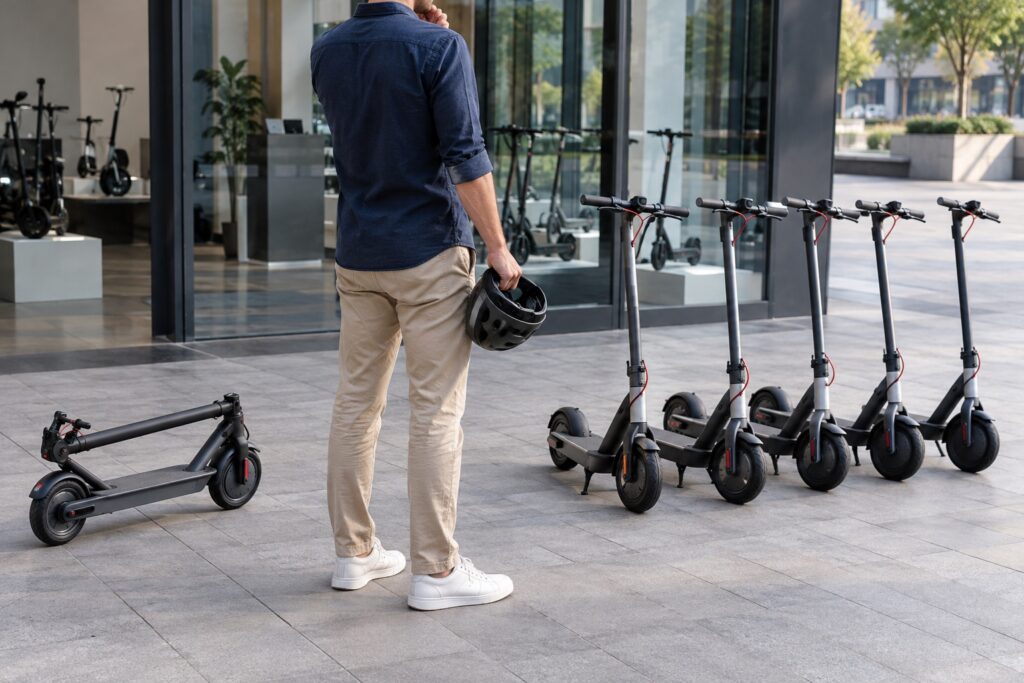
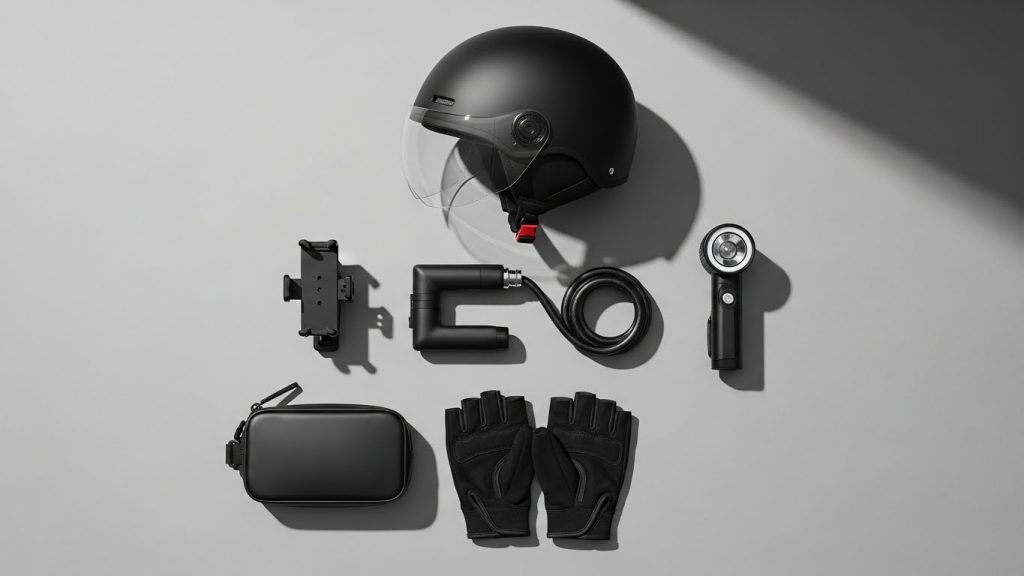
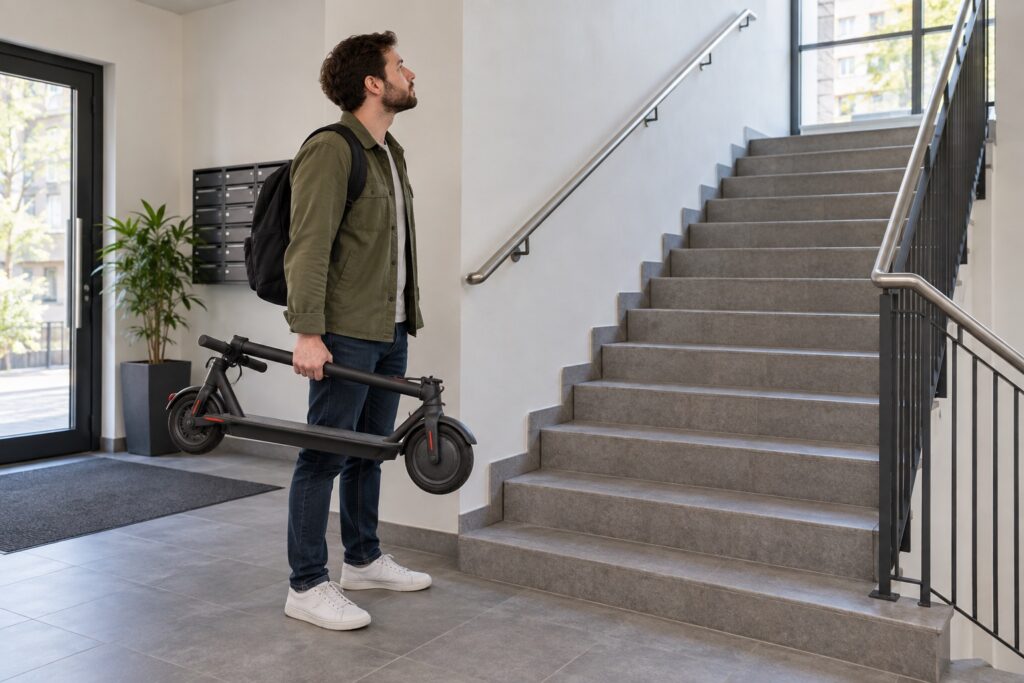
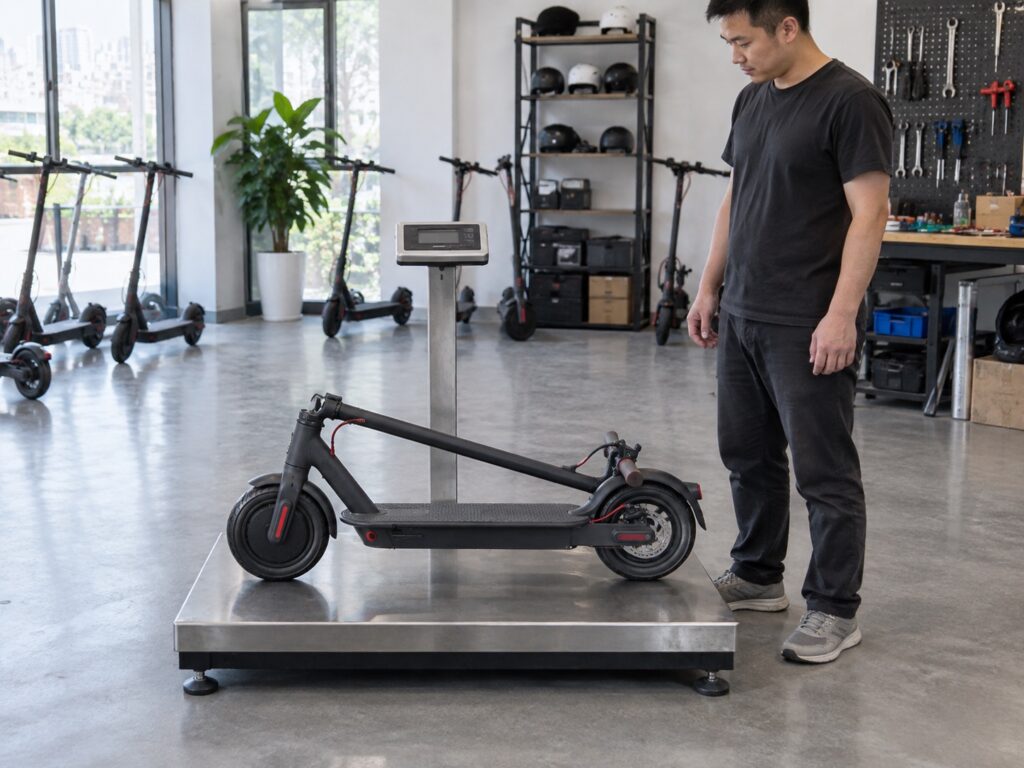
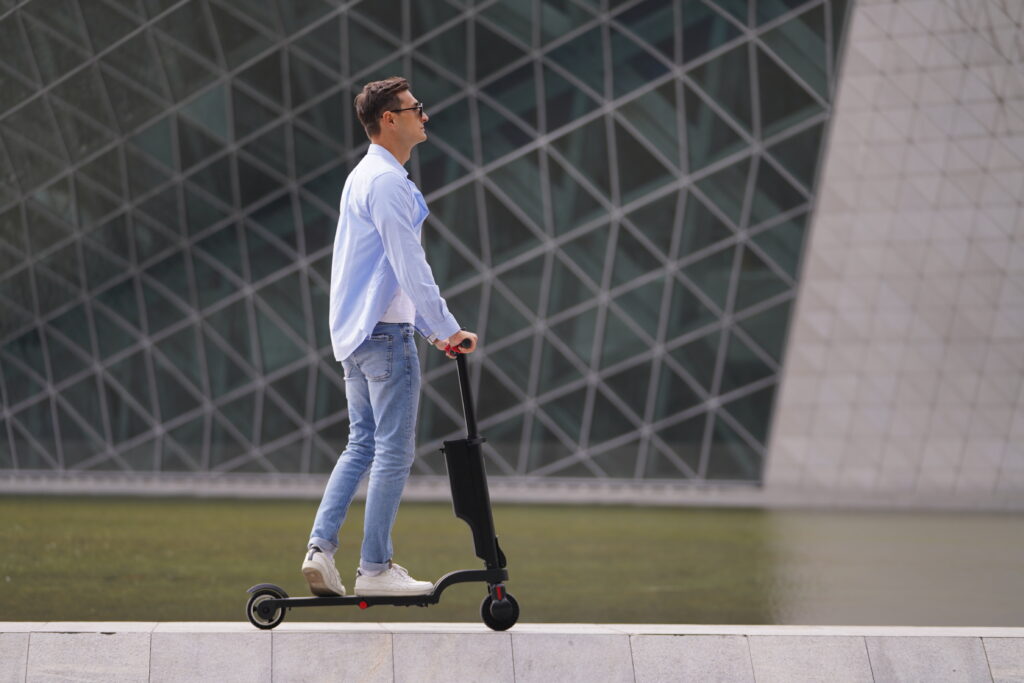
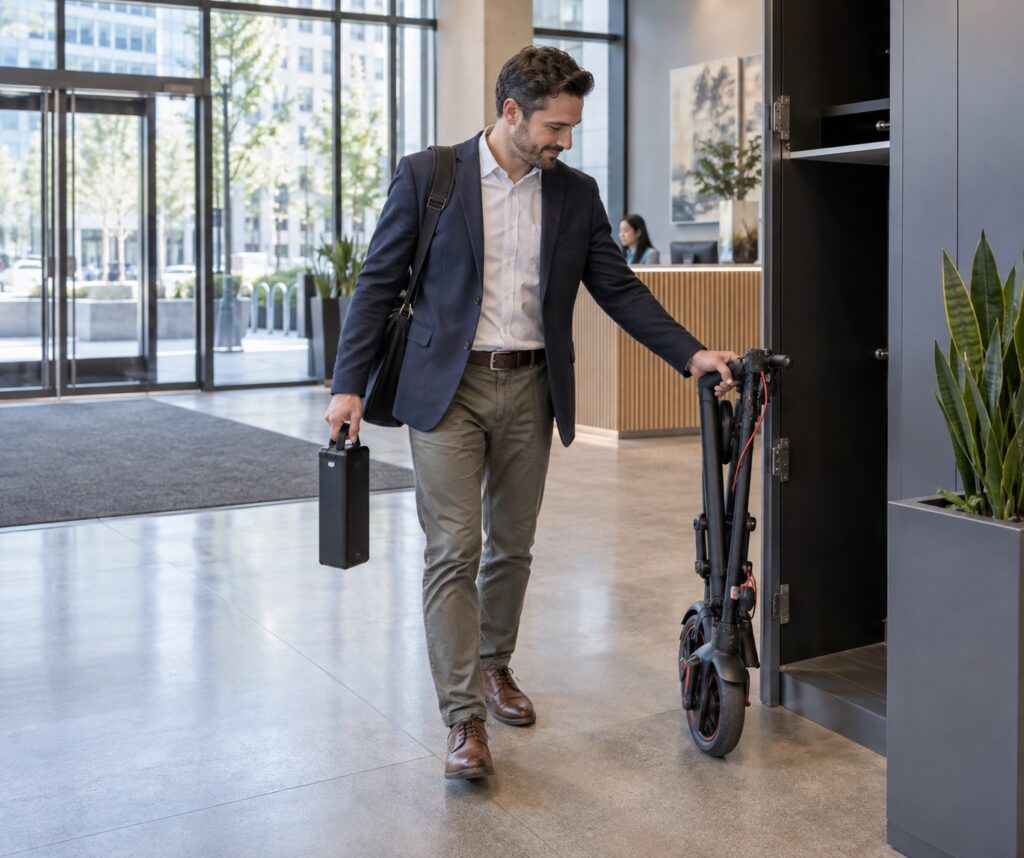
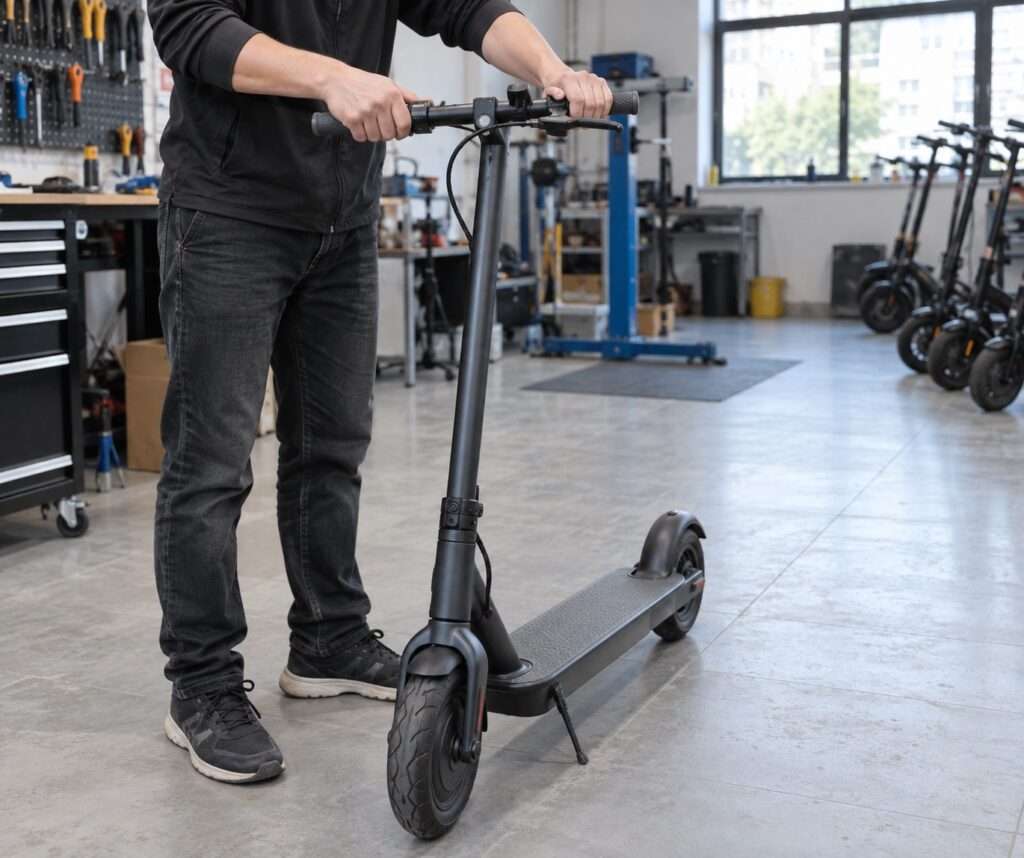
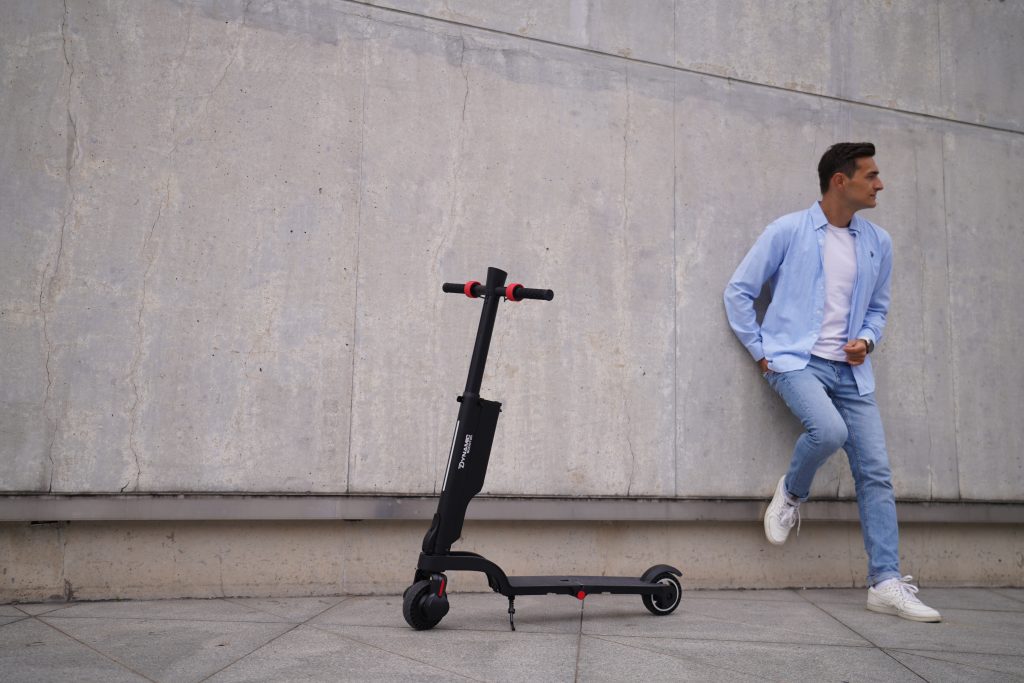
Fold and lock your scooter, lift it close to your body, and climb only when you can see each step and stay balanced. You reach your apartment after a wet commute, then face a narrow staircase with a scooter that swings when you pick it up. One slip could hurt you or damage the scooter. Carrying an electric scooter upstairs becomes more manageable when you check its weight and folding lock, choose a secure grip, and take another route when the stairs are unsafe. 1. Why is carrying an electric scooter upstairs difficult? For many riders, carrying an electric scooter upstairs is difficult because the long deck and uneven weight can pull the scooter away from your body. A tight turn or a dangling handlebar makes that problem worse, even when the listed weight sounds manageable. Why does the scooter feel heavier on stairs? Try a level-ground lift: pick up the folded scooter for a few seconds before approaching the staircase. Notice whether one end dips and whether you can hold the frame without squeezing cables or controls. Check whether you can see past the scooter. Find a solid grip that keeps the deck from swinging. Set it down if your hands or back strain during the trial. Which stair features make a carry harder? Narrow treads, sharp turns, poor lighting, and wet floors leave less room for a stable step. Treat the route as part of the load. Stair condition What it changes Narrow landing Less room to turn without swinging the deck Wet steps Less grip underfoot Poor lighting Harder to judge each tread Key Takeaway: Even a comfortable lift can be unsafe on a poor route; inspect the whole staircase before carrying it. 2. What should you check before lifting your scooter? Before carrying an electric scooter upstairs, check its actual weight, folding lock, intended grip points, and the path to your destination. If any of those is uncertain, pause on level ground and work it out before the climb. How can you verify the real carry weight? Look beyond the label: a listed weight may describe a different configuration from the one in your hands. Include the battery, bag, and accessories in the weight you test. The Dynamic Scooter model range lists Model B at 10 kg, but your stairs and grip still decide whether that weight works for you. Read the exact model’s current specifications. Practice lifting it from the floor without twisting. What should pass a pre-carry check? Turn the scooter off and follow its manual for folding. Confirm the latch is engaged, the handlebars cannot swing, and loose items are removed. Walk the empty route to find resting spots. Check Ready to climb when… Folding lock Stem stays secured during a gentle test Grip Hands hold solid structure, clear of wires Route Steps are dry, lit, and unobstructed Key Takeaway: A short inspection keeps you from adjusting a loose scooter halfway up; confirm the load and route before lifting. 3. How do you use the fold-and-lift method? The fold-and-lift method for carrying an electric scooter upstairs starts by switching the scooter off, folding it as instructed, and locking the stem. Lift from sturdy points named in your manual and keep the scooter close enough that it does not swing. Where should your hands go? Find the balance point: on many folded scooters, one hand supports the deck while the other steadies a solid part of the frame. Do not grab a cable, throttle, loose handlebar, or folding latch as a carry handle. Keep your elbows near your sides. Lift smoothly with your hips and knees. Put the scooter down if the lock shifts or clicks open. How do you move up the steps? Face the stairs and keep each tread in view. Move one step at a time, using the rail when your carry setup allows it. Reset your grip at a landing, never mid-step. Part of the move Safer habit Lift Bring the scooter close before standing Climb Watch each tread and avoid rushing Rest Set it down fully on a clear landing Key Takeaway: A repeatable lift keeps your sight and balance clear; secure the fold and use structural grip points. 4. When does a two-handed carry make sense? A two-handed carry for carrying an electric scooter upstairs makes sense only when the scooter stays close, you can see the treads, and the stair route remains clear. Both hands on the scooter can steady a heavy deck, but that also leaves no hand for the rail. When should you use both hands? Check your sight line: stand at the first step with the scooter held as you plan to carry it. If the deck blocks your feet or forces you sideways, use an elevator or ask another adult for help instead. A steady grip cannot compensate for a blocked view. Hold the deck and a solid frame point. Keep the load below your line of sight. What if the handlebar shifts during the lift? Put the scooter down on a landing and inspect the folding hardware. A loose bar can change the scooter’s balance without warning; the loose handlebar repair guide explains what to check before riding again. Never try to tighten a moving part while standing on a step. Sign Better response Clear view and steady load Continue slowly if the route is safe Swinging stem or blocked view Stop and change method or route Key Takeaway: Control on level ground does not prove control on stairs; use both hands only when you can still see and balance. 5. Can a strap or shoulder carry help on stairs? For carrying an electric scooter upstairs, a properly fitted strap or compatible bag can help you control the load and keep a hand free. Use only a carry accessory approved for your exact scooter and secure it to the points the maker specifies. Is a dedicated bag worth considering? Match the bag to the scooter: a loose bag can let the […]