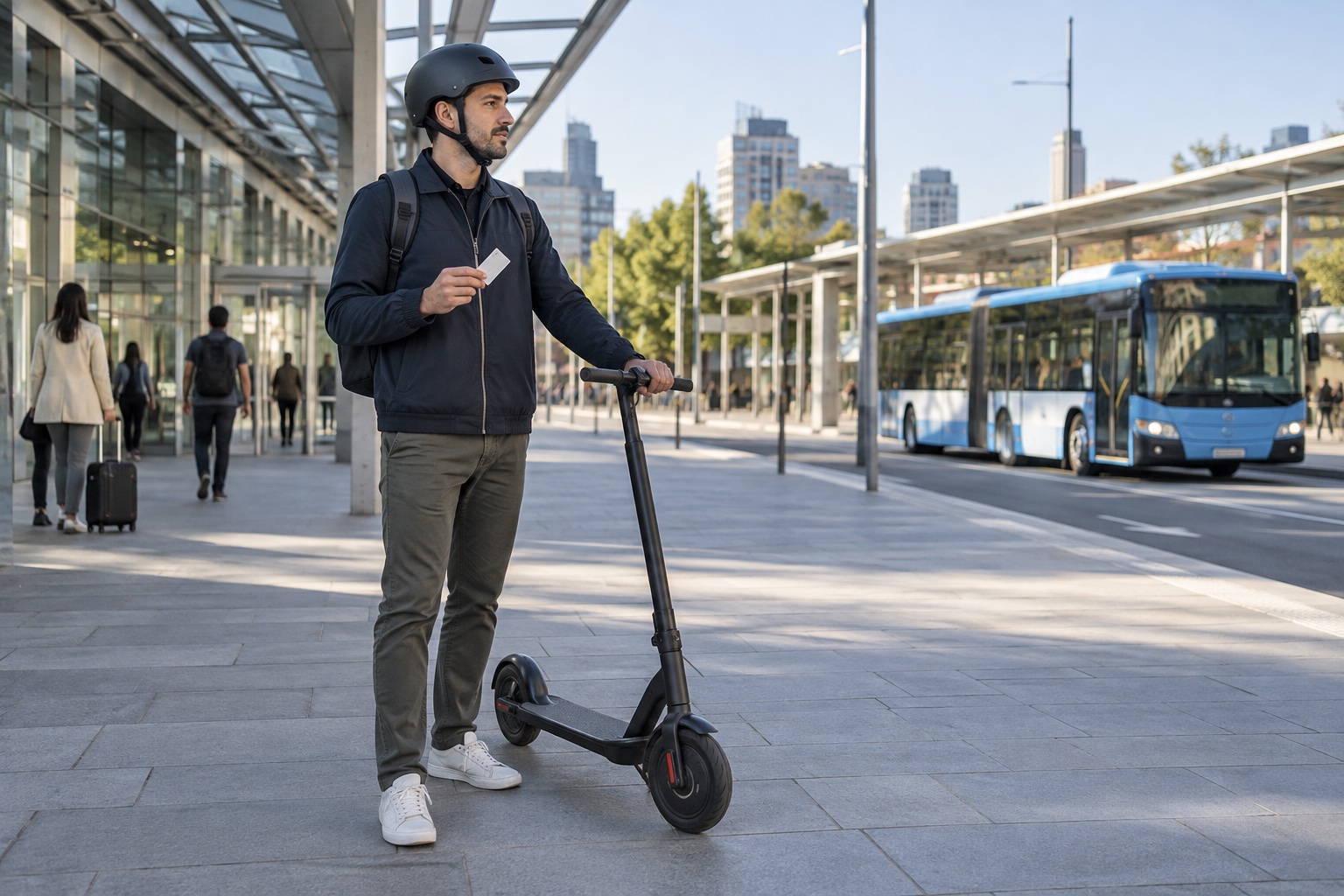

Are electric scooters legal in Nebraska? Yes, electric scooters are legal in Nebraska, but navigating the confusing patchwork of local rules can make any rider feel like they are one wrong turn away from an expensive ticket.
Staring at conflicting guidelines between different towns makes commuting stressful and leaves you second-guessing your route. Fortunately, our comprehensive guide to municipal electric scooter laws strips away the complex legal jargon to keep your daily ride smooth, safe, and fully compliant.
Are E-Scooters Legal Across the State of Nebraska?
Understanding Nebraska’s Electric Scooter Laws is essential because there is no single state-wide framework governing personal micromobility devices. Instead, the state delegates regulatory authority to individual cities and towns, creating different rules depending on your zip code. To explore wider micromobility trends and tips, you can browse through our comprehensive blog where we dissect safety guides, maintenance, and vehicle comparisons.
What Is the Current Legal Status of E-Scooters?
You might be wondering about the state’s official stance on personal electric rides. Here is the honest truth:
- E-scooters are formally categorized under electric personal assistive mobility devices.
- Individual towns retain complete legal control to ban or limit their operation.
- No single statewide registry exists for these personal transport devices.
This classification gives riders baseline rights on public roads across the state. However, local towns still hold the ultimate power to restrict your daily route.
Why Are Local Ordinances So Important Here?
Navigating different towns can become a legal headache if you do not know the local ordinances. Think about it:
- Omaha and Lincoln have established highly specific micromobility pilot programs.
- Smaller towns often apply outdated bicycle rules or motorized carriage laws.
- Fines for non-compliance are issued directly by local police departments.
A minor oversight can lead to unexpected municipal fines that ruin your ride. Therefore, knowing the exact rules of your destination is crucial.
Key Takeaway: Always check municipal ordinances before riding outside Nebraska’s two largest cities, as local rules dictate your legal boundaries.
| Region | Primary Regulatory Authority | State Framework Exist? | Key Risk Factor |
|---|---|---|---|
| Omaha | City Municipal Code | No | Local speed zones |
| Lincoln | City Municipal Code | No | Strict campus rules |
| Rural Areas | County / Town Clerks | No | Outdated bike laws |
This breakdown highlights how municipal jurisdiction supersedes state silence, making localized research mandatory.

Do You Have to Register an E-Scooter with the DMV?
Nebraska’s state-level Electric Scooter Laws make the registration process incredibly simple for personal owners. You will be pleased to know that these micromobility vehicles are fully exempt from titling and DMV registration across the entire state. To see how this compares to other light models, check out our sleek and fully compliant models designed for stress-free urban commuting.
Are Personal Electric Scooters Exempt from DMV Registration?
The Nebraska Department of Motor Vehicles classifies personal electric scooters as exempt utility devices. Believe it or not:
- No registration certificates are issued by state officials.
- No annual licensing fees are charged for operating these vehicles.
- This exemption dramatically lowers the barrier of entry for daily commuters.
This means you can purchase a scooter and hit the road immediately without waiting in long DMV lines. It is the ultimate hassle-free transportation solution.
Do You Need Number Plates for Your Electric Scooter?
Some riders worry about displaying visible plates when cruising on public roads. On top of that:
- Licence plate brackets are completely unnecessary for personal electric models.
- Local police departments do not require visible identification tags on non-commercial devices.
- Shared rental fleets may use proprietary QR codes, but these are not DMV plates.
You can enjoy a clean aesthetic on your personal ride without any bulky mounting brackets. Your scooter is legally cleared to run plate-free.
Key Takeaway: You save money and time because personal electric scooters bypass all DMV registration fees and plate requirements statewide.
The registration policies remain beautifully consistent across all local and state levels, minimizing administrative hurdles for riders.

Is a License Required to Ride a Scooter in Nebraska?
When examining Nebraska’s Electric Scooter Laws, the licensing requirements can vary significantly between different jurisdictions. While the state does not mandate a driver’s license for electric scooters, certain municipalities require some form of official identification.
Do You Need a Driver’s License in Omaha?
If you plan to ride in Omaha, you might be wondering if your standard driver’s license is necessary. Let’s face it:
- Omaha requires a valid form of identification to unlock and operate shared e-scooters.
- A full motor vehicle operator’s license is highly recommended to ensure you understand traffic rules.
- Instruction permits are generally accepted for younger riders operating within city limits.
Having your ID ready ensures you can easily access micromobility options whenever you need them. It is always best to keep it on hand.
What Permits Are Needed to Ride in Lincoln?
In Lincoln, the rules are slightly more restrictive for local and visiting riders alike. Here is the kicker:
- Lincoln municipal code mandates that riders possess a valid state-issued driver’s permit or ID card.
- Riding without any form of state-approved identification can result in an immediate municipal citation.
- These ID requirements are strictly enforced within Downtown Lincoln and the UNL campus.
Failing to carry identification can turn a fun ride into a legal headache very quickly. Make sure your wallet is secure before heading out.
Key Takeaway: Always carry a valid driver’s license or state ID card when riding in Nebraska’s major metropolitan areas to avoid legal penalties.
| Jurisdiction | Driver’s License Required? | Alternative State ID Allowed? | Permit Acceptable? |
|---|---|---|---|
| Omaha | Recommended | Yes (for identification) | Yes |
| Lincoln | Yes | Yes (state-issued ID) | Yes |
Reviewing these license restrictions reveals a split approach between Omaha’s relaxed recommendations and Lincoln’s strict enforcement.

What Are the Minimum Age Limits for Nebraska Riders?
Age restrictions represent a critical pillar of local Electric Scooter Laws across the state’s primary urban centers. Both Omaha and Lincoln enforce clear rules regarding how old a rider must be to legally operate these vehicles on public streets.
Can Teenagers Under 18 Ride Legally in Nebraska?
Many parents wonder if their children can use electric scooters for school commutes or weekend rides. To be blunt:
- Minor children are legally barred from operating e-scooters on public roadways in key urban centers.
- Parents face vicarious liability fines if they permit underage children to ride on public streets.
- Private property riding is exempt from these age limits, but safety precautions still apply.
Keeping underage riders off public roads is a matter of both legal compliance and physical safety. Private properties remain the safest playground for minors.
How Do Rental Companies Enforce Age Restrictions?
Shared scooter fleets use advanced technology to prevent underage riders from accessing their fleets. How do they do it?
- Mobile applications require in-app driver’s license scanning before unlocking any device.
- Riders must complete a strict digital birthdate verification check during the account setup process.
- Allowing a minor to use an adult-registered account violates terms of service and local city laws.
These verification steps help keep the streets safe and ensure that only mature riders are navigating active traffic lanes. Bypassing these checks carries severe legal risks.
Key Takeaway: The legal age limit is strictly set at 18 across Nebraska’s urban hubs, meaning younger riders are confined to private property.
| Location | Minimum Legal Age | Verification Required? | Underage Penalty? |
|---|---|---|---|
| Omaha | 18 Years | Yes (In-App Scan) | Parental Citation |
| Lincoln | 18 Years | Yes (ID Verification) | Direct Fine |
The strict age caps detailed below protect younger riders while ensuring traffic safety compliance on public roadways.
Can You Legally Ride Electric Scooters on Sidewalks?
Municipal Electric Scooter Laws in Nebraska generally prohibit riders from operating on pedestrian sidewalks in commercial areas. Instead, cities designate public roads and marked bike lanes as the primary pathways for micromobility. If you want a scooter that handles street transitions perfectly, explore our compact Model B which features reliable brakes and exceptional portable handling.
Why Are Sidewalks Restricted in Major Nebraska Cities?
Many riders intuitively look to sidewalks as a safe haven away from active car traffic. It comes down to this:
- High-speed scooter traffic on sidewalks creates severe crash hazards for pedestrians.
- Blind corners near building entryways and business storefronts increase collision risks.
- City planners prioritize keeping sidewalk spaces safe, accessible, and compliant with ADA regulations.
While sidewalks seem safe, they actually increase the danger of pedestrian collisions and building-exit accidents. Staying off the sidewalk is a critical safety rule.
Where Are the Safest Areas and Bike Lanes to Ride?
Knowing where you are legally allowed to ride makes your route planning much more efficient. Look at your options:
- Designated municipal bike lanes offer the safest path for high-speed scooter travel.
- Public roads with posted speed limits under 35 mph are fully legal for scooter operators.
- Multi-use urban trails can be utilized, provided you yield to pedestrians and maintain a safe speed.
Sticking to these designated zones keeps you visible to motorists and far away from pedestrian foot traffic. It is the best way to enjoy a fast, uninterrupted commute.
Key Takeaway: Sidewalk riding is completely illegal in Nebraska’s primary commercial centers; you must stay on the street or in marked bike lanes.
| Riding Surface | Legal in Omaha? | Legal in Lincoln? | Best Safety Practice |
|---|---|---|---|
| Sidewalks | No | No | Avoid entirely |
| Bike Lanes | Yes | Yes | Use as primary lane |
| Public Roads | Yes (under 35 mph) | Yes (under 35 mph) | Ride on far-right side |
Mapping out your daily path becomes much easier once you understand the strict boundary between foot paths and active wheel lanes.

What Are the Maximum Speed Limits for Nebraska E-Scooters?
Speed limits play an essential role in local Electric Scooter Laws to protect both riders and surrounding vehicle traffic. Although there is no single statewide limit, the major cities enforce consistent rules to manage travel speeds.
What Is the Legal Speed Cap on Municipal Streets?
Riders should be aware of how fast they are traveling when sharing lanes with vehicles. Keep this in mind:
- Omaha pilot programs restrict e-scooters to a maximum mechanical speed of 15 mph.
- Lincoln rules align with this 15 mph limit to ensure safe integration with motor vehicles.
- Automatic geofencing software slows rental scooters down to 8 mph in high-density pedestrian zones.
A maximum speed of 15 mph provides the perfect balance between swift travel and safe stopping distances. Exceeding this limit can result in local fines.
How Do Roadway Speed Limits Restrict Where You Ride?
Not all public streets are legally open to electric scooter traffic, depending on their posted limits. It gets worse:
- Scooters are legally barred from entering roadways with posted speed limits above 35 mph.
- Riding on fast-moving arterials or state highways carries severe fines and high physical danger.
- You must select secondary streets and low-speed residential corridors to navigate cities legally.
Avoiding high-speed arterials is a legal requirement that keeps you out of dangerous high-velocity traffic zones. Stick to residential or low-speed roads.
Key Takeaway: Plan your urban travel route along secondary roads, keeping in mind that your travel speed is capped at 15 mph.
| City | Maximum Scooter Speed | Restricted Roadways | Geofenced Zones? |
|---|---|---|---|
| Omaha | 15 mph | Roads > 35 mph | Yes (8 mph limits) |
| Lincoln | 15 mph | Roads > 35 mph | Yes (campus areas) |
Speed rules protect rider reaction times, as outlined in the comparative metric table below.
Are Helmets Legally Required for Riders in Nebraska?
In Nebraska, local Electric Scooter Laws do not legally require adult riders to wear helmets while operating personal scooters on public roads. However, even if it is not a legal mandate, wearing protective headwear is strongly recommended to protect against sudden accidents. To keep your scooter in optimal shape for safe riding, check out our maintenance checklist to keep your brakes, tires, and frame secure.
Is There a Statewide Helmet Mandate for Adults?
Understanding the exact legal requirements for protective gear can save you from worrying about tickets. Surprisingly enough:
- Nebraska’s state legislature does not impose a mandatory helmet law for adult scooter riders.
- Municipal ordinances in Lincoln and Omaha do not penalize adults who choose to ride without headwear.
- This legal freedom places the ultimate responsibility for personal safety on the individual rider.
While you will not face a fine for riding bareheaded, safety should always remain your top priority. Choosing to wear a helmet is a smart personal decision.
Why Is Wearing Head Protection Strongly Recommended?
Even at moderate speeds, a sudden fall can lead to serious physical consequences without proper gear. Here is the real risk:
- Head injuries account for over 40% of all emergency room visits involving electric scooters.
- Potholes, sudden debris, and distracted drivers can cause severe accidents even at low speeds.
- A quality helmet drastically reduces your risk of traumatic brain injury during an unexpected fall.
A minor crash on dry pavement can become a life-altering event without basic head protection. Investing in a good helmet is always worth it.
Key Takeaway: Helmets are not a legal requirement for adults in Nebraska, but they remain your absolute best defense against life-changing road accidents.
| Rider Class | Legal Requirement? | Average Injury Reduction | Recommended Action |
|---|---|---|---|
| Adults (18+) | Optional | Up to 85% | Wear on every ride |
| Minors (<18) | Optional (underage riding barred) | Up to 85% | N/A (prohibited from street) |
The helmet laws focus on freedom of choice, yet medical safety statistics point to a single clear recommendation.

What Are the Rules for Carrying Passengers and Parking?
Proper passenger limits and sidewalk parking regulations represent critical aspects of local Electric Scooter Laws that keep public spaces accessible. Ignoring these municipal rules can result in rapid citations and towing fees.
Can You Legally Carry Passengers on an E-Scooter?
Many riders attempt to share their scooter with a friend or child for quick trips. To be absolutely clear:
- E-scooters are engineered, weight-tested, and legally cleared for one rider only.
- Double-riding throws off the scooter’s balance, making steering and emergency braking dangerous.
- Cops in Lincoln can issue immediate tickets for tandem riding on public streets.
Exceeding the passenger limit compromises your scooter’s braking capacity and stability, increasing crash risks. Keep it to one person per ride.
How Must You Park Your Scooter on Sidewalks?
Where you leave your scooter at the end of your journey is just as important as how you ride. Check this out:
- Always leave at least four feet of usable sidewalk path for wheelchair accessibility.
- Never park in front of emergency exits, driveways, or inside designated transit bus stops.
- Utilize painted parking corrals or designated curbside micromobility zones when available.
Responsible parking ensures that sidewalks remain safe and fully accessible for pedestrians of all mobility levels. Proper parking protects the whole community.
Key Takeaway: One scooter equals one rider, and parking must be executed responsibly to keep public pathways safe and accessible for everyone.
| Action Category | Permitted in Omaha? | Permitted in Lincoln? | Ticket Fine Potential? |
|---|---|---|---|
| Double-Riding | No | No | High |
| Sidewalk Blockage | No | No | High |
| Dedicated Corral Parking | Preferred | Preferred | None |
Avoiding expensive municipal citations requires keeping public lanes clear, as detailed in the parking policy table.

How Do Terrain and Weather Affect Local Scooter Safety?
While Electric Scooter Laws focus on legal compliance, understanding the mechanical limitations of your ride on different terrains is equally important. Nebraska’s variable weather and road surfaces can introduce sudden hazards that require proactive riding habits.
Can Electric Scooters Handle Nebraska Gravel Safely?
Many rural routes and side roads in Nebraska feature unpaved surfaces that challenge scooter tires. Here is the deal:
- Loose gravel surfaces degrade tire traction and can lead to rapid control loss.
- Lightweight commuter scooters with small tires are especially vulnerable to sliding on unpaved roads.
- For a deep dive into gravel safety tips, check out our guide on how to safely handle gravel surfaces.
If you must cross gravel, slow down significantly and avoid making sudden sharp turns. Keeping your speed low prevents traction loss.
Can You Ride an Electric Scooter in the Rain?
Sudden Midwestern downpours can catch daily commuters off guard on their way home. The short answer is simple:
- Wet roads dramatically increase your braking distances and reduce your tire’s cornering grip.
- Electronic components can suffer permanent water damage unless the scooter has a certified IP rating.
- Standing water can hide deep potholes and cause dangerous hydroplaning accidents.
It is always best to wait out heavy storms rather than risking water damage or slip-and-fall injuries on wet roads. Safety should always come first.
Key Takeaway: Avoid loose gravel and wet roads whenever possible to maintain solid tire grip and protect your scooter’s electrical components from damage.
| Hazard Type | Grip Risk | Mechanical Danger | Safe Operating Speed |
|---|---|---|---|
| Loose Gravel | Extreme | Rock chips/scratches | Under 5 mph |
| Heavy Rain | High | Electrical short-circuits | Not recommended |
| Dry Asphalt | Low | None | Up to 15 mph |
Weather and road surfaces change quickly, and matching your speed to current conditions is vital for keeping your ride safe.
Conclusion
Navigating Nebraska’s municipal landscape does not have to be a daunting task when you are equipped with the correct legal knowledge. While local ordinances can differ, choosing a reliable, compliant, and portable electric scooter ensures that your daily rides remain stress-free. At Dynamic Scooter, we believe that urban commuting should be clean, efficient, and endlessly joyful.
That is why we meticulously design our products to offer unmatched freedom and legal compliance. To learn more about our lightweight models or get personalized recommendations, contact us today to start your journey toward a smarter commute.

Frequently Asked Questions
Can I ride my electric scooter on Nebraska state trails?
No, generally not permitted. Most unpaved and designated Nebraska state park trails restrict motorized vehicles, including electric scooters. However, paved city trails and designated multi-use paths may allow them depending on local municipal codes.
What’s the best electric scooter for Nebraska’s weather?
A highly water-resistant model with robust tires. Nebraska winters and sudden rainstorms require a scooter with at least an IP54 water-resistance rating and pneumatically dampened or durable solid tires to handle slick surfaces safely.
Can I park my scooter anywhere on a Lincoln sidewalk?
No, strict distance requirements apply. While sidewalk parking is legal, you must leave at least four feet of unobstructed pedestrian walkway and avoid parking near curb ramps, driveways, transit stops, or within 15 feet of intersections.
What is the maximum weight capacity for typical commuter scooters?
Typically up to 100 kg (220 lbs). Most ultra-portable commuter models are designed to safely support up to this limit while maintaining structural integrity and motor performance on moderate inclines.
How can I make sure my electric scooter complies with local laws?
Always verify with your local city or county clerk. Since Nebraska lacks a singular state-wide regulatory framework, local ordinances govern everything from speed to lane usage, making municipal guidelines your ultimate compliance resource.