
You pull your electric scooter out of the box, ready to zip through North Carolina’s streets, but a nagging question stops you cold: are you actually riding legally? The state’s legal framework remains highly fragmented, leaving riders vulnerable to unexpected local citations and confusing DMV guidelines.
Without clear statewide regulations, you risk operating what local police might classify as an unregistered moped or even an illegal motorcycle. This regulatory gray area can turn a simple morning commute into an expensive legal headache with local authorities.
Fortunately, keeping up with Electric Scooter Laws does not have to be an uphill battle. This comprehensive guide breaks down municipal exceptions, DMV requirements, and safety standards to keep your daily ride completely legal across the Tar Heel State.
Are there statewide scooter rules in NC?
The current moped classification
Yes, North Carolina does have statewide regulations, which means understanding state-level Electric Scooter Laws is essential to ensure your ride is fully legal. Currently, any two- or three-wheeled vehicle that cannot exceed 30 mph on level ground is legally treated as a moped. This means standard personal e-scooters fall directly into this category by default. This classification binds you to state DMV registration laws.
The motorcycle speed threshold
If your device can exceed the 30 mph threshold, North Carolina’s legal framework shifts significantly. Think about it this way: at this high speed, the DMV reclassifies the vehicle as a motorcycle, subjecting you to strict motorcycle standards. This means high-performance models require specialized registration and licensing.
Standard commuter devices, however, are designed to remain well within safe, moped-class velocity limits. Staying below this threshold simplifies your legal requirements dramatically.
- To stay compliant with state laws, make sure your device has:
- A maximum speed capability of under 30 mph.
- A motor design that fits standard micromobility criteria.
- Proper lighting for night riding.
Key Takeaway: Under North Carolina state law, electric scooters are legally classified as mopeds if their maximum speed is 30 mph or less, but they are treated as motorcycles if they go faster.
| Vehicle Classification | Top Speed Range | Key Legal Requirements |
|---|---|---|
| Moped Class | Under 30 mph | DMV registration, standard driver’s license |
| Motorcycle Class | Over 30 mph | DMV registration, motorcycle endorsement, safety inspection |
The following analysis guides your understanding of the licensing requirements you must satisfy before hitting the pavement.
Do you need a license to ride in NC?
DMV registration requirements
Yes, you do need a valid license to ride an e-scooter legally in North Carolina because of their state-level moped classification. Because the state categorizes these devices as mopeds, they technically require formal registration with the North Carolina DMV. This process involves submitting proof of ownership and paying a nominal registration fee.
- Required registration items:
- Proof of purchase or manufacturer’s certificate of origin.
- A valid form of identification.
- The required DMV processing fee.
Driver’s license rules
But that is not all. To operate any moped-class vehicle on public roadways in North Carolina, you must hold a valid driver’s license. This can be a standard Class C license or a learner’s permit. Riding on public streets without a valid license can result in immediate traffic citations.
Key Takeaway: You must possess a valid driver’s license or learner’s permit to operate an e-scooter on NC roads, and the vehicle technically requires DMV registration under state-level moped rules.
| Requirement Type | Legal Status | Action Needed |
|---|---|---|
| Driver’s License | Mandatory | Must carry a valid Class C license or permit |
| DMV Registration | Mandatory (State Level) | Submit proof of ownership to the local DMV office |
Understanding licensing requirements is vital, but age-based limitations also dictate who can legally ride.

How old do you have to be to ride?
State minimum age limit
You must be at least 16 years old to legally ride under North Carolina’s Electric Scooter Laws when operating on public streets. At the state level, North Carolina moped laws dictate that riders must meet this minimum age requirement. Operating these devices under this age limit on public streets is strictly prohibited.
- Age verification rules:
- Ages 15 and under: Strictly prohibited on public streets and bike paths.
- Ages 16 and 17: Permitted with a valid license or permit.
- Ages 18 and up: Fully permitted subject to standard municipal rules.
Local city age restrictions
While the state sets the baseline at 16, individual municipalities have the authority to raise this limit. Here is the deal: major cities often set stricter limits to manage dense urban traffic. For example, Raleigh has established an older age threshold of 18 for riders using micromobility options. Always consult local municipal codes to ensure compliance in your specific city.
Key Takeaway: The baseline minimum age to ride an e-scooter in North Carolina is 16, though major cities like Raleigh raise the age limit to 18.
| Jurisdiction | Minimum Age | Rule Reference |
|---|---|---|
| State of North Carolina | 16 Years Old | General Moped Statutes |
| City of Raleigh | 18 Years Old | Local Municipal Code |
These age parameters keep riders safe, but you must also know which public roads are actually open to scooter traffic.

Can you ride an e-scooter on roads?
Street speed limit rules
Yes, you can ride your electric scooter on public roads in North Carolina, but only under very specific speed restrictions. Riding on the road is legal in North Carolina, but you must restrict your travel to specific streets. State laws limit moped-class vehicles to roadways with posted speed limits of 25 mph or less. Riding on high-speed thoroughfares or highways is illegal and highly dangerous.
- Road access criteria:
- Allowed on roads with speed limits of 25 mph or lower.
- Prohibited on all expressways, highways, and major arterials.
- Recommended in designated bicycle lanes where available.
Where to ride safely
Navigating urban areas safely requires choosing highly portable, compact electric scooter models that match city traffic patterns. Choosing a lightweight option makes it easier to transition between permitted streets and designated parking hubs. This can save you a lot of hassle.
Make no mistake, utilizing quiet residential streets and marked lanes is the best way to enjoy your daily commute. This protects you from fast-moving traffic and keeps you fully compliant with state speed-matching guidelines. It also keeps you visible to other drivers.
Key Takeaway: E-scooters are permitted on North Carolina public roads, provided the road’s posted speed limit does not exceed 25 mph.
| Roadway Type | Speed Limit | Legally Permitted? |
|---|---|---|
| Residential Streets | 25 mph or less | Yes |
| Major Arterials | 30 mph to 45 mph | No |
| State Highways | 55+ mph | No |
While road access is clear, the rules regarding sidewalk riding vary dramatically depending on the city you are in.

Are e-scooters legal on NC sidewalks?
Sidewalk bans in Raleigh
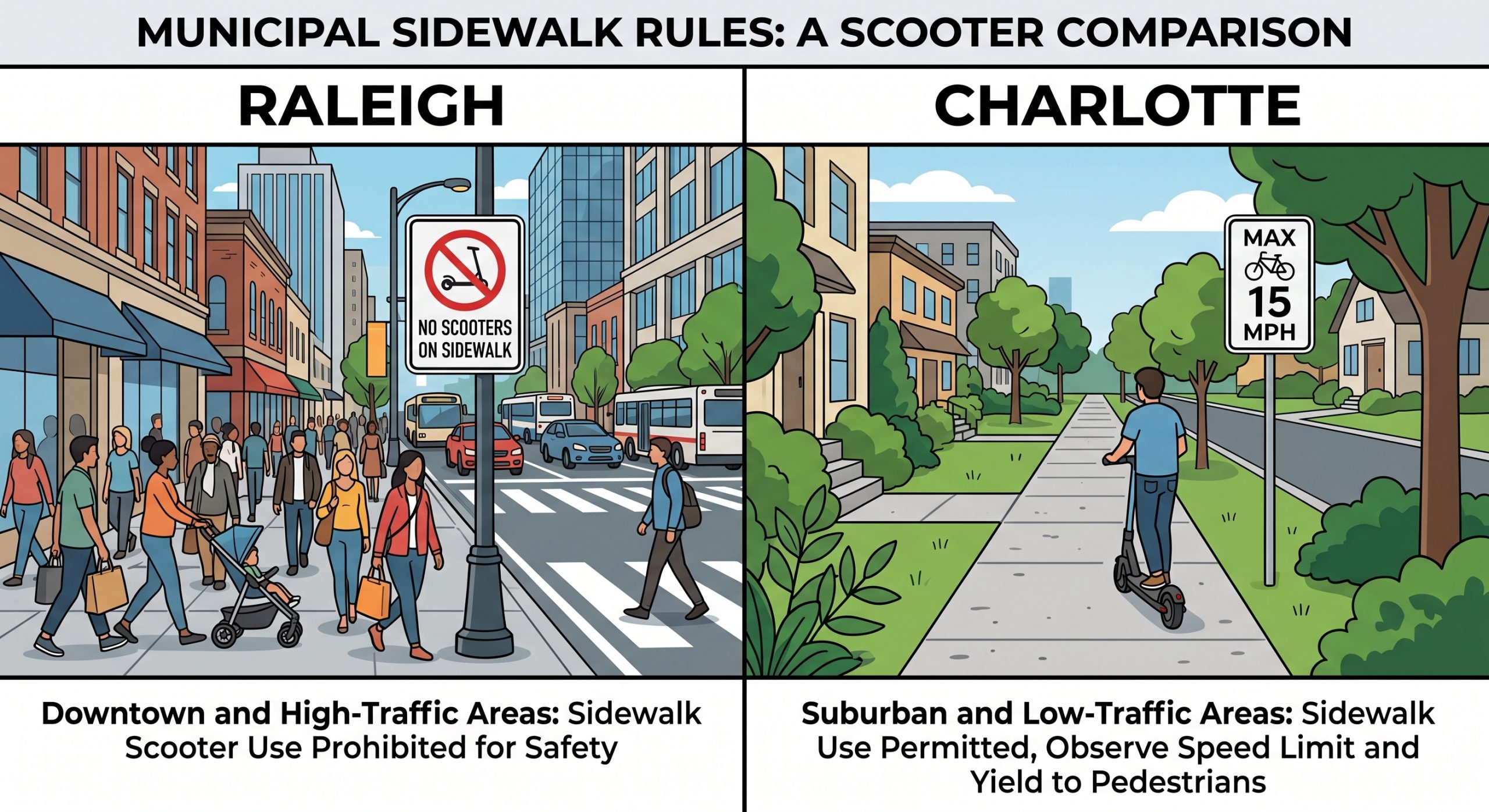
No, navigating municipal Electric Scooter Laws reveals that sidewalk riding is generally illegal in major cities across the state. In Raleigh, riding on sidewalks is completely illegal to protect pedestrian traffic. You must use designated bike lanes or stick to low-speed streets.
- Sidewalk restrictions include:
- Complete ban in the city of Raleigh.
- Banned in Charlotte’s central business district.
- Strict speed limits where sidewalk riding is permitted.
Sidewalk rules in Charlotte
Charlotte takes a more flexible approach but still enforces strict safety guidelines. Think about this: in the Queen City, you can ride on sidewalks outside of the central business district, provided you keep your speed below 15 mph. You must always yield the right-of-way to pedestrians.
Key Takeaway: Sidewalk riding is banned in Raleigh and heavily restricted in Charlotte, where it is only permitted outside business districts under a 15 mph limit.
| City | Sidewalk Riding Status | Conditions / Speed Limits |
|---|---|---|
| Raleigh | Prohibited | Must use bike lanes or roads |
| Charlotte | Permitted (Restricted) | Outside business districts only; Max 15 mph |
This comparison highlights municipal variation, which also influences whether you need to display physical license plates.
Do you need a physical license plate?
State-level moped mandates
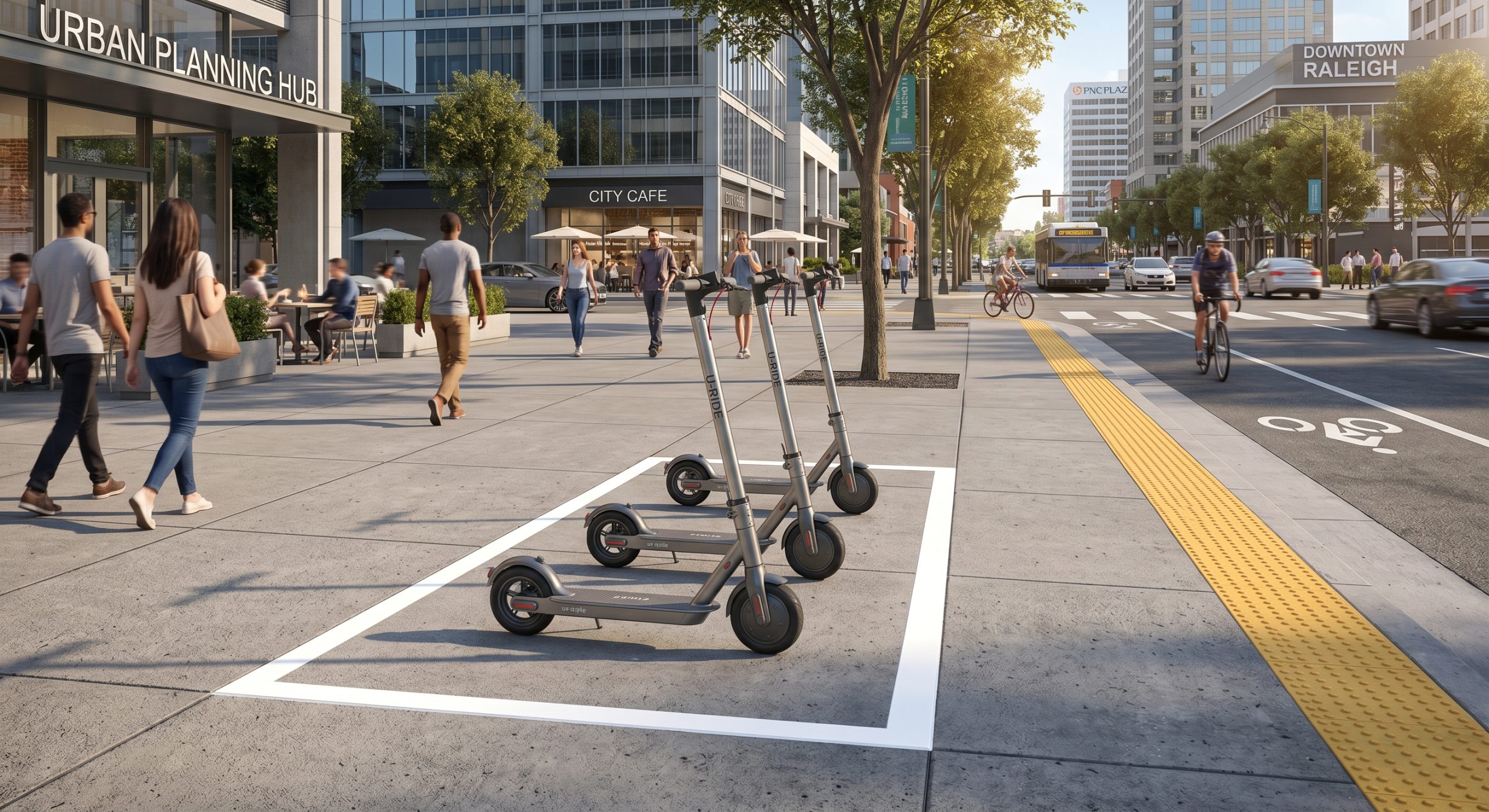
Technically yes, North Carolina state law requires e-scooters to display a license plate because they are classified as mopeds, though this is rarely enforced for personal electric models. This requirement is designed for gas-powered mopeds that travel regularly on public roads. Selecting high-quality foldable electric scooters helps you stay compliant while enjoying the convenience of modern electric engineering.
- State requirements versus reality:
- Official DMV rule: Plate registration is required.
- Practical local reality: Most police do not ticket personal e-scooters for lacking plates.
- Rural compliance: Officers in smaller towns may enforce the plate law more strictly.
City exceptions to the rule
Despite the state-level language, local police departments and municipal codes in cities like Durham and Charlotte do not enforce plate requirements. You see, they treat personal electric devices as unique micromobility units rather than traditional mopeds. Always check with your local DMV office if you are riding in rural areas.
Key Takeaway: While state moped laws require license plates, local municipalities almost universally exempt personal electric scooters from this rule.
| Jurisdiction | Plate Requirement | Practical Enforcement |
|---|---|---|
| State DMV (NC) | Mandatory | Rarely enforced for electric models |
| Major Cities | Exempt | No plate required for personal e-scoot-ers |
After figuring out registration, your next step is mastering where to park without getting fined.
What are the local scooter parking rules?
Designated parking hubs
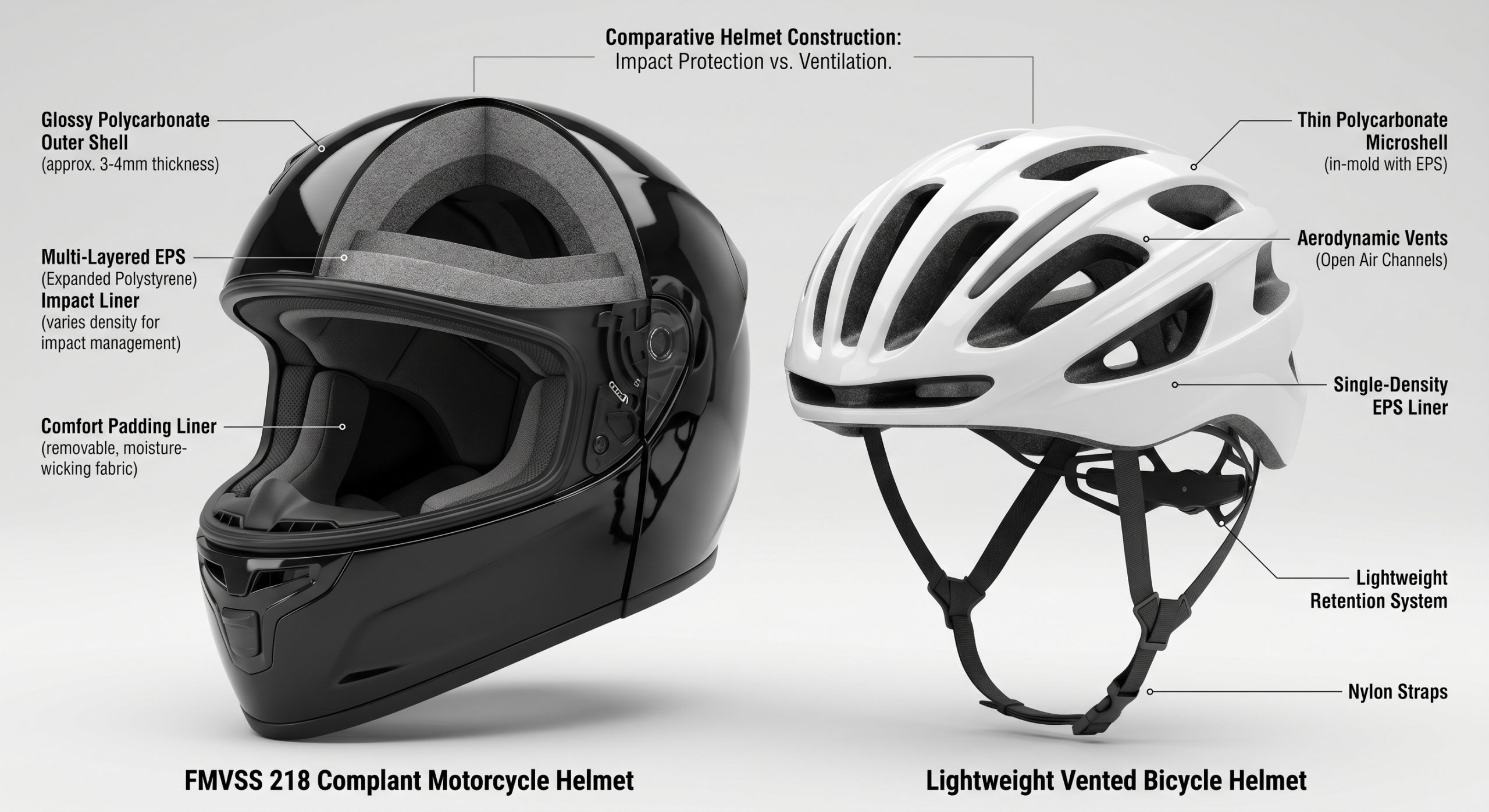
You must park your electric scooter upright in designated transit zones or on sidewalks without blocking pedestrian traffic according to local Electric Scooter Laws. Many North Carolina cities require you to park in painted transit zones or designated parking hubs. This prevents clutter along busy downtown corridors and keeps walkways clear.
- Prohibited parking areas:
- Directly in front of wheelchair ramps or ADA access paths.
- Directly blocking building entrances or emergency exits.
- Parked horizontally across public sidewalks.
Sidewalk storage and hurdles
If you park on a standard sidewalk, you must leave enough space for pedestrian traffic to pass safely. Never block doorways, wheelchair ramps, fire hydrants, or loading zones, as doing so can result in immediate impoundment. Always park your device in an upright position.
Let’s be honest, nobody wants their personal vehicle towed or knocked over. Taking an extra ten seconds to park properly ensures your ride remains safe and sound until you return.
Key Takeaway: E-scooters must be parked upright in designated hubs or on sidewalks without blocking pedestrian traffic, ADA ramps, or doorways.
| Parking Location | Permitted? | Restrictions |
|---|---|---|
| Designated Hubs | Yes | Must park upright within marked boundaries |
| Standard Sidewalks | Yes | Must maintain clear pedestrian path; do not block ramps |
Compliance with parking rules keeps the peace, but having the correct insurance coverage is what protects you financially.

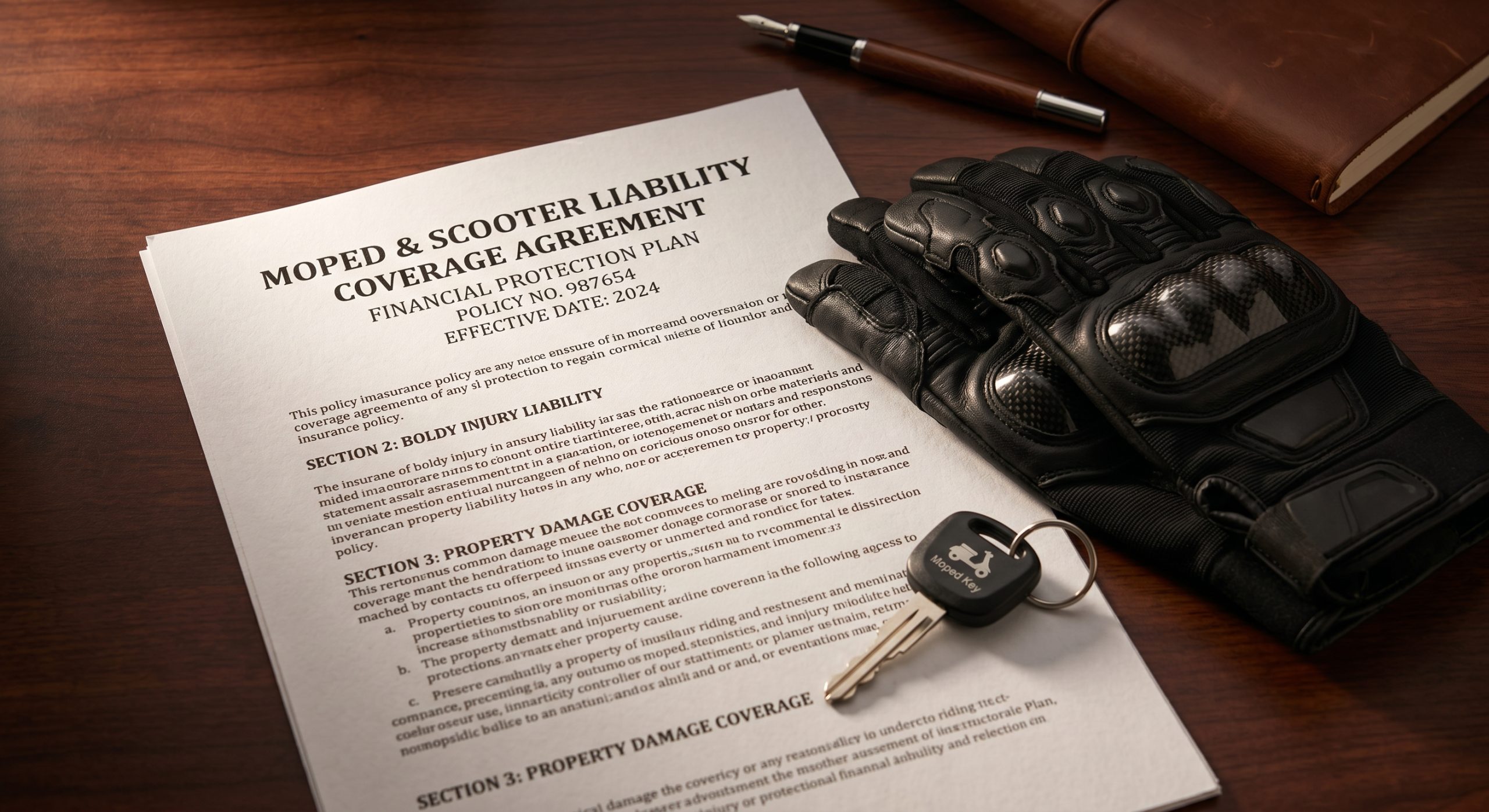
Is insurance required to ride legally?
Bodily injury coverage
Yes, North Carolina state law technically requires all electric scooter riders to carry liability insurance because they are classified as mopeds. Under North Carolina’s strict moped regulations, riders are legally required to carry liability insurance. The state mandates at least $30,000 in coverage for bodily injury to a single person. Additionally, you must have $60,000 in coverage for accidents involving multiple injured individuals.
- Required insurance limits:
- $30,000 for single person bodily injury.
- $60,000 for multi-person bodily injury.
- $25,000 for property damage.
Property damage coverage
In addition to bodily injury coverage, your policy must include at least $25,000 for property damage. Obtaining this insurance protects you financially in the event of an accident with another vehicle or pedestrian. Many standard auto insurance providers offer moped policies that cover these requirements.
Best of all, these policies are usually quite affordable and easy to set up. Securing this coverage takes the stress out of your daily commute.
Key Takeaway: North Carolina law requires e-scooter riders to carry liability insurance, including $30,000/$60,000 for bodily injury and $25,000 for property damage.
| Insurance Category | Minimum Coverage Required | Purpose |
|---|---|---|
| Single Person Injury | $30,000 | Covers medical bills for one injured party |
| Multi-Person Injury | $60,000 | Covers medical bills when multiple people are injured |
| Property Damage | $25,000 | Pays for damage to vehicles or public property |
While insurance protects your wallet, proper headgear is what actually protects your physical safety on the road.
Do NC laws mandate wearing a helmet?
Statewide helmet standards
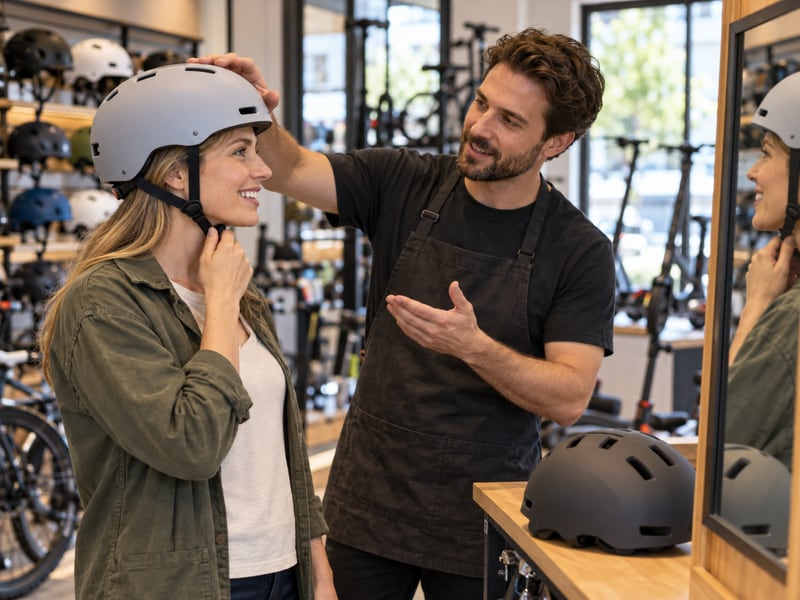
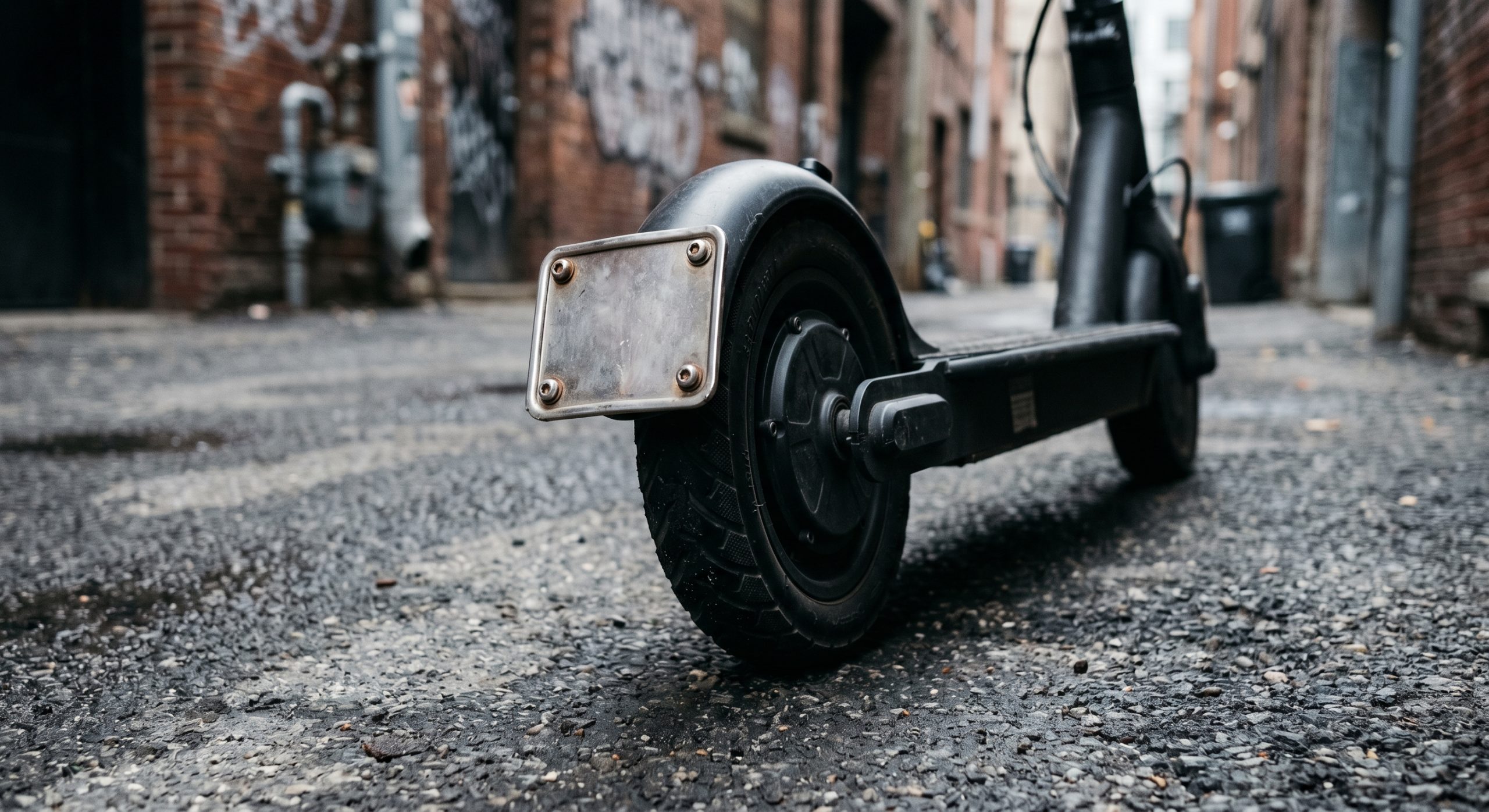
Yes, wearing a helmet is mandatory under North Carolina Electric Scooter Laws when you are riding moped-class vehicles on public roadways. Statewide regulations require all moped riders to wear a helmet that meets FMVSS 218 motorcycle safety standards. This law is strictly enforced on state-maintained roads and highways.
- Helmet guidelines by territory:
- State highways: Requires a certified motorcycle helmet (FMVSS 218).
- City roads: Often accepts standard bicycle or skateboard helmets.
- Private property: Helmets are optional but always highly recommended.
Municipal helmet rules
Despite state-level motorcycle helmet requirements, local municipal codes are often much more lenient. Believe it or not, in cities with designated micromobility programs, a standard bicycle helmet is usually acceptable for personal electric devices. Wearing a helmet of some kind is always highly recommended, regardless of local exceptions.
Key Takeaway: State law technically mandates motorcycle-certified helmets, but local cities typically accept standard bicycle helmets for personal e-scooter riders.
| Location | Legal Helmet Standard | Recommended Safety Gear |
|---|---|---|
| State Roads (NC) | FMVSS 218 (Motorcycle) | Full-face helmet |
| City Bike Lanes | Municipal / Bicycle standard | Bicycle or skate-style helmet |
Skipping these safety protocols can lead to heavy financial penalties and other legal headaches.
What penalties exist for violations?
Standard fines and tickets
Violating electric scooter laws in North Carolina can result in fines ranging from $50 to several hundred dollars, along with potential license points. Violating riding regulations in North Carolina can lead to immediate traffic tickets and fines. Law enforcement officers can issue citations for riding on prohibited sidewalks, speeding, or running red lights.
- Common violations and risks:
- Riding on banned sidewalks in Raleigh: Civil citation and fine.
- Operating without a license: Traffic ticket and court appearance.
- Riding under the influence: Severe criminal charge with active license suspension.
License suspension risks
More serious offenses, such as operating under the influence or riding without a license, carry severe penalties. These actions can result in points on your driver’s license, vehicle impoundment, or license suspension.
Let’s look closer: to learn more about our commitment to sustainable urban mobility and safe riding, check out the about us page. Operating responsibly keeps you safe and helps build a positive reputation for the micromobility community.
Key Takeaway: Fines for minor riding infractions can range from $50 to hundreds of dollars, while serious offenses can lead to license suspension and vehicle impoundment.
| Infraction Type | Typical Fine Range | Additional Penalties |
|---|---|---|
| Sidewalk Riding (Raleigh) | $50 – $100 | Written citation |
| Unlicensed Riding | $100 – $250 | Court appearance; license points |
| Operating Under Influence | Court Mandated | License suspension; possible jail time |
Staying safe and avoiding these steep penalties starts with choosing the right equipment and staying informed.
Navigating North Carolina’s regulatory gray area requires staying informed and choosing compliant gear. While state laws are still catching up to modern electric transit, choosing a reliable ride makes daily commuting much simpler.
If you need help picking the perfect model or have questions about local requirements, feel free to contact us today to connect with our support team.
Frequently Asked Questions
Can I ride my electric scooter on the sidewalk in Charlotte?
Yes, but only under specific conditions. Charlotte permits sidewalk riding outside of the central business district, provided you keep your speed below 15 mph and always yield the right-of-way to pedestrians.
Do I need a driver’s license to ride an e-scooter in North Carolina?
Yes, you must hold a valid driver’s license. Because North Carolina state law classifies e-scooters as mopeds, riders must carry a valid driver’s license or learner’s permit to operate on public streets legally.
What’s the best way to avoid getting a ticket while riding in NC?
Stick to low-speed streets and wear a helmet. To minimize your risk of receiving a ticket, always ride on streets with speed limits of 25 mph or less, wear a helmet, and avoid riding on sidewalks in cities like Raleigh.
Do I need to get insurance for my personal electric scooter?
Technically, yes. State-level moped regulations mandate liability insurance coverage of $30,000/$60,000 for bodily injury and $25,000 for property damage, though enforcement varies by city.
Can minors ride electric scooters on public streets in NC?
No, minors under the age of 16 cannot ride legally. State-level moped laws set the minimum riding age at 16, and some major cities like Raleigh raise this requirement to 18.