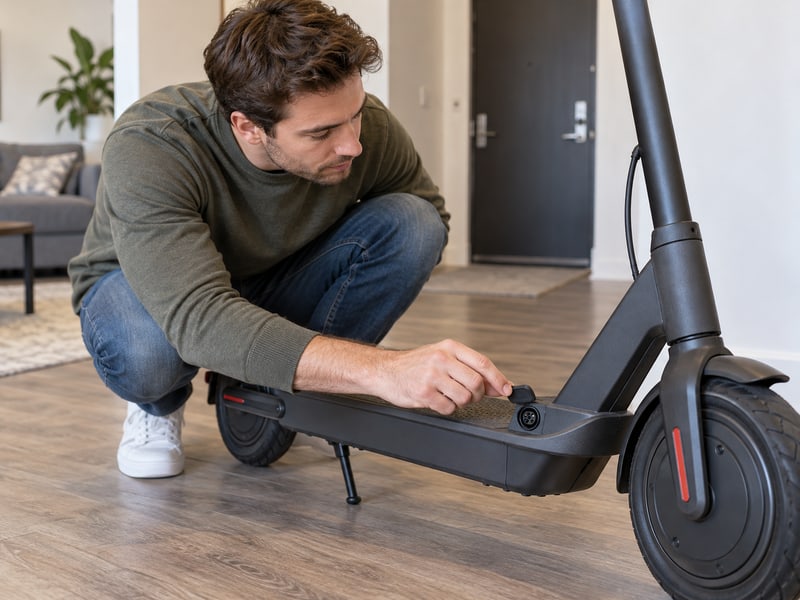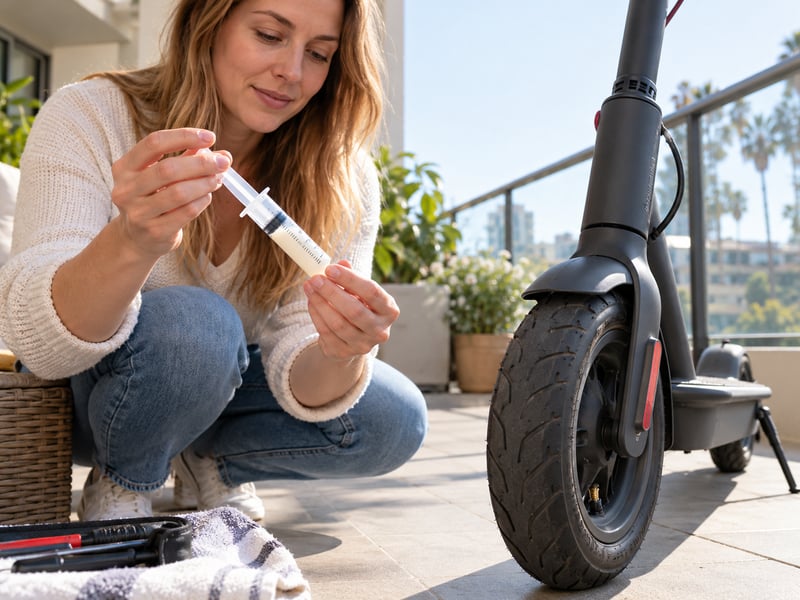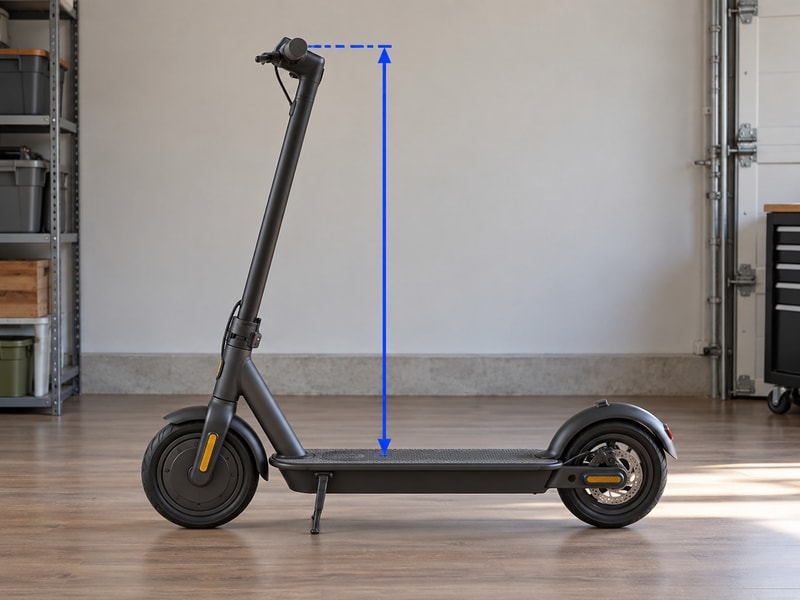

Electric scooters offer a convenient way to travel. However, many owners face challenges keeping their scooters in top condition. Neglecting maintenance can lead to costly repairs and reduced performance. This can also shorten the scooter’s lifespan. Proper care ensures your scooter runs smoothly and safely. It also saves you money over time.
This article will guide you through essential maintenance steps. You will learn how to keep your electric scooter running well.
1. Why is Electric Scooter Maintenance Important?
Maintaining your electric scooter is not just about keeping it clean. It directly impacts your safety. A well-maintained scooter reduces the risk of accidents. It ensures all parts work as they should. This gives you peace of mind on every ride. Here’s why it matters…
Proper maintenance also extends the life of your scooter. Regular checks prevent small issues from becoming big problems. This saves you money on expensive repairs. It also keeps your scooter performing at its best. You get the most out of your investment.
| Benefit of Maintenance | Description |
| Enhanced Safety | Reduces accident risk, ensures reliable operation. |
| Extended Lifespan | Prevents premature wear, delays replacement needs. |
| Optimal Performance | Maintains speed, range, and responsiveness. |
| Cost Savings | Avoids major repairs, reduces long-term expenses. |
Regular care helps maintain efficiency. Your scooter will hold its charge better. It will also deliver consistent power. This means more reliable rides. You will reach your destination without unexpected issues.
2. What Basic Tools Do You Need for Scooter Maintenance?
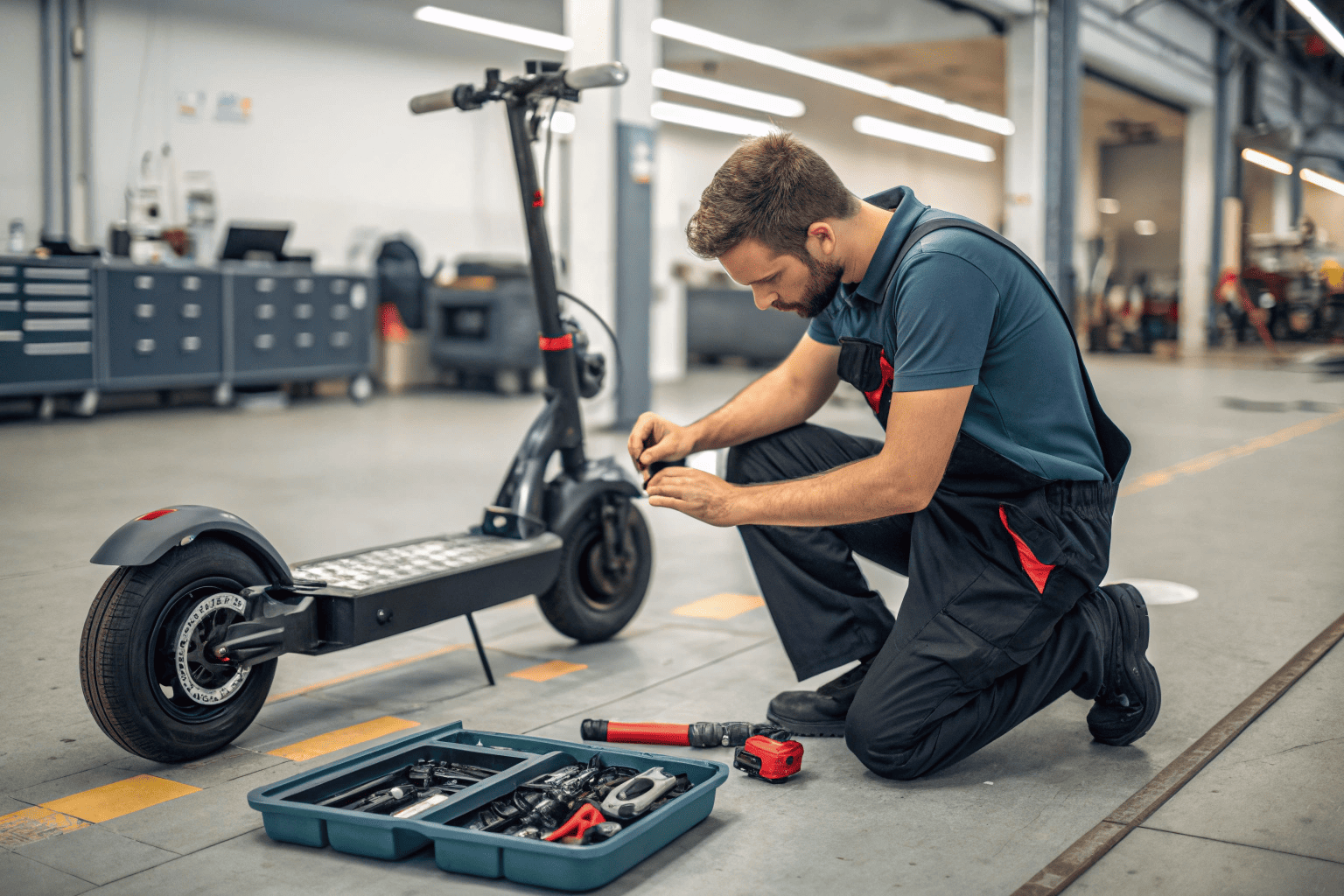
Having the right tools makes maintenance easier. You do not need a full workshop. A few essential items will suffice. These tools help with routine checks and minor repairs. They ensure you can handle common issues yourself. Let me explain…
Start with basic hand tools. A set of wrenches is crucial for tightening bolts. Screwdrivers, both Phillips and flathead, are also necessary. Pliers help with various tasks. These include gripping small parts or cutting wires. A tire pressure gauge is also a must-have.
| Tool Category | Specific Tools | Purpose |
| Hand Tools | Wrenches, Screwdrivers, Pliers | Tightening, adjusting, gripping |
| Tire Care | Tire pressure gauge, Pump, Patch kit | Inflation, puncture repair |
| Cleaning | Microfiber cloths, Mild soap | General cleaning, polishing |
| Lubrication | Chain lubricant, Grease | Reducing friction, preventing rust |
| Electrical | Multimeter | Checking voltage, continuity |
Lubricants and cleaning supplies are next. Use a good quality chain lubricant for moving parts. Mild soap and water work for cleaning the frame. Always use a soft cloth. A tire repair kit and pump are vital. They help fix flats quickly. A multimeter is useful for electrical checks. It helps diagnose battery or wiring issues. These tools empower you to keep your scooter in top shape.
3. How Do You Perform Regular Battery Care?
The battery is the heart of your electric scooter. Proper care extends its life. It also ensures consistent power. Most scooters use Lithium-ion batteries. Some older models might use Lead-acid. Understanding your battery type is the first step. Now, you might be wondering…
Always follow proper charging practices. Avoid overcharging. This can damage the battery over time. Do not let the battery drain completely. Charge it regularly, even if you do not use the scooter often. This keeps the cells active. Unplug the charger once the battery is full.
| Battery Type | Characteristics | Care Tips |
| Lithium-ion | Lightweight, high energy density | Avoid full discharge, charge regularly |
| Lead-acid | Heavier, lower energy density | Keep fully charged, avoid deep cycles |
Store your scooter in a cool, dry place. Extreme temperatures harm battery health. If storing for a long time, charge the battery to about 50-60%. Check it every few weeks. Recharge if needed. This prevents deep discharge. It keeps the battery ready for use. Watch for signs of degradation. These include reduced range or slower charging. Address these issues quickly. This helps maintain battery performance.

4. What Are the Steps for Tire and Wheel Maintenance?
Tires and wheels are crucial for a smooth ride. They also affect safety. Regular checks prevent unexpected breakdowns. Start by checking tire pressure. Low pressure can reduce range. It also makes steering harder. Refer to your scooter’s manual for the correct PSI. The best part?
Inspect the tread wear. Worn tires reduce grip. This can be dangerous, especially in wet conditions. Look for any punctures or cuts. Small debris can get stuck in the tire. Remove it carefully. Tighten wheel nuts and spokes regularly. Loose parts can cause instability. This ensures a safe and stable ride.
| Component | Maintenance Task | Frequency |
| Tire Pressure | Check and inflate to recommended PSI | Weekly |
| Tread Wear | Inspect for wear and damage | Monthly |
| Punctures | Check for embedded objects | Before each ride |
| Wheel Nuts | Tighten securely | Monthly |
| Spokes | Check for looseness | Monthly |
Replacing inner tubes or tires might be necessary. If you find a large puncture, a patch kit might not be enough. Learn how to remove the wheel. Then, replace the tube or tire. This can save you a trip to a repair shop. Proper tire care ensures a comfortable and safe journey.
5. How Do You Maintain the Brakes and Cables?
Brakes are your primary safety feature. Regular maintenance keeps them responsive. Start by inspecting brake pads and discs. Look for wear or damage. Worn pads reduce stopping power. Replace them if they are thin. Check the brake discs for warping or cracks. This is important because…
Adjust brake tension as needed. The brake levers should feel firm. They should not be too loose or too tight. Proper tension ensures quick stopping. It also prevents accidental braking. Lubricate brake and accelerator cables. This ensures smooth operation. It prevents sticking or sluggishness. Use a silicone-based lubricant. Apply it to the cable housing.
| Brake Component | Inspection Point | Action |
| Brake Pads | Wear, thickness | Replace if worn |
| Brake Discs | Warping, cracks | Replace if damaged |
| Brake Levers | Tension, responsiveness | Adjust as needed |
| Cables | Fraying, rust | Lubricate or replace |
Check for cable fraying or damage. Frayed cables can snap. This leads to a loss of control. Replace any damaged cables immediately. Ensure all connections are secure. Test your brakes before each ride. This confirms they work correctly. Proper brake maintenance keeps you safe on the road.
6. What Electrical System Checks Should You Do?
Your electric scooter relies on its electrical system. Regular checks prevent power issues. Start by inspecting all wiring. Look for any signs of fraying or exposed wires. Check connectors for corrosion. Loose or corroded connections can cause intermittent power. They can also lead to system failures. Want to know the secret?
Test all lights and the horn. Ensure they work correctly. Headlights, taillights, and brake lights are vital for safety. They make you visible to others. A working horn helps alert pedestrians. Check the controller and motor connections. These are often found near the battery or motor. Make sure they are secure. Loose connections can cause power loss or erratic behavior.
| Electrical Component | Check Point | Frequency |
| Wiring | Fraying, exposure | Monthly |
| Connectors | Corrosion, looseness | Monthly |
| Lights | Functionality | Before each ride |
| Horn | Functionality | Before each ride |
| Controller/Motor | Connections | Monthly |
Use a multimeter for voltage checks. This helps diagnose battery health. It also checks for power flow issues. A multimeter can identify if a component is receiving power. It can also show if there is a short circuit. These checks help keep your scooter’s electrical system reliable. They ensure a consistent and safe ride.
7. How Do You Clean and Lubricate Your Scooter?
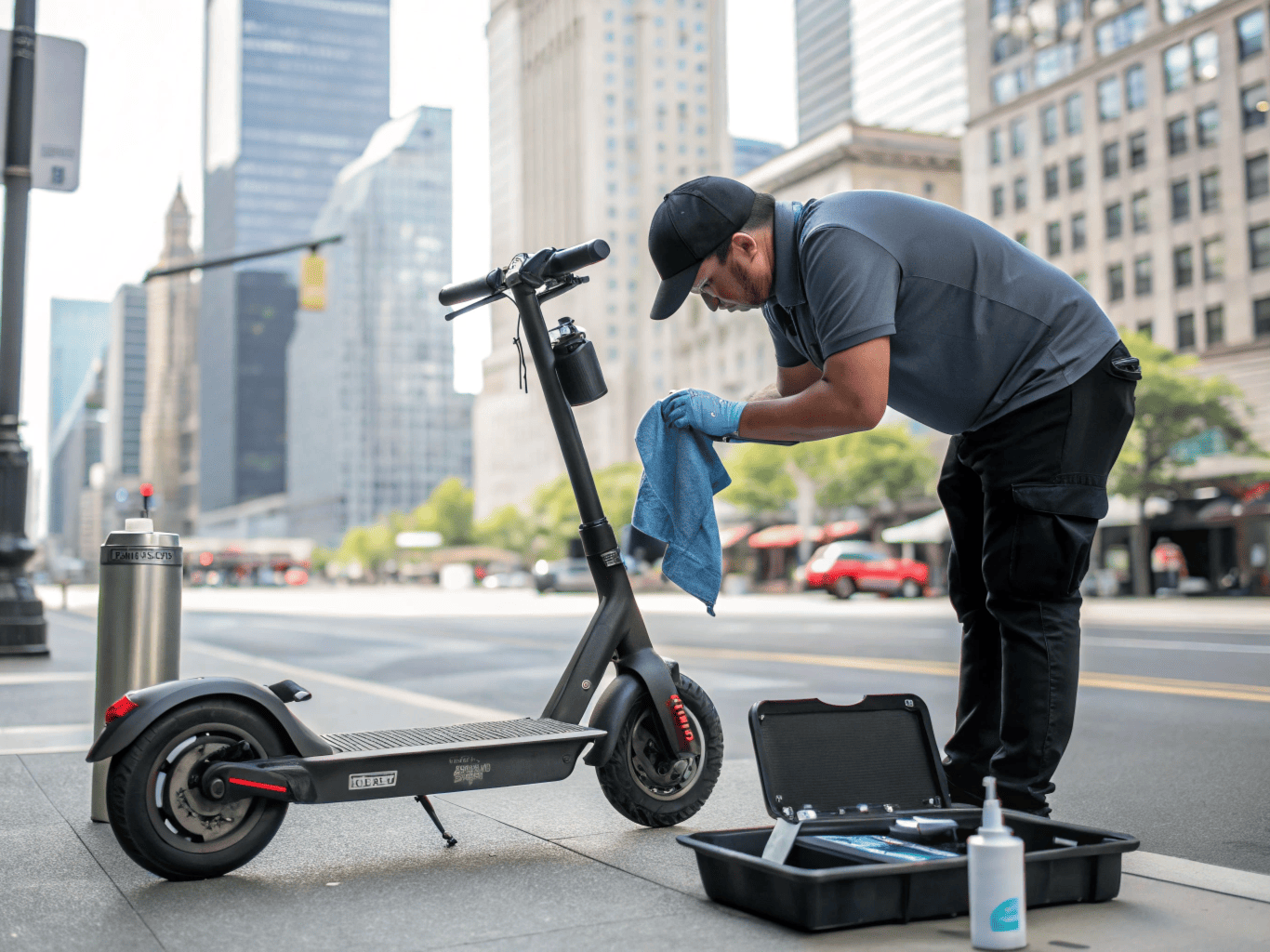
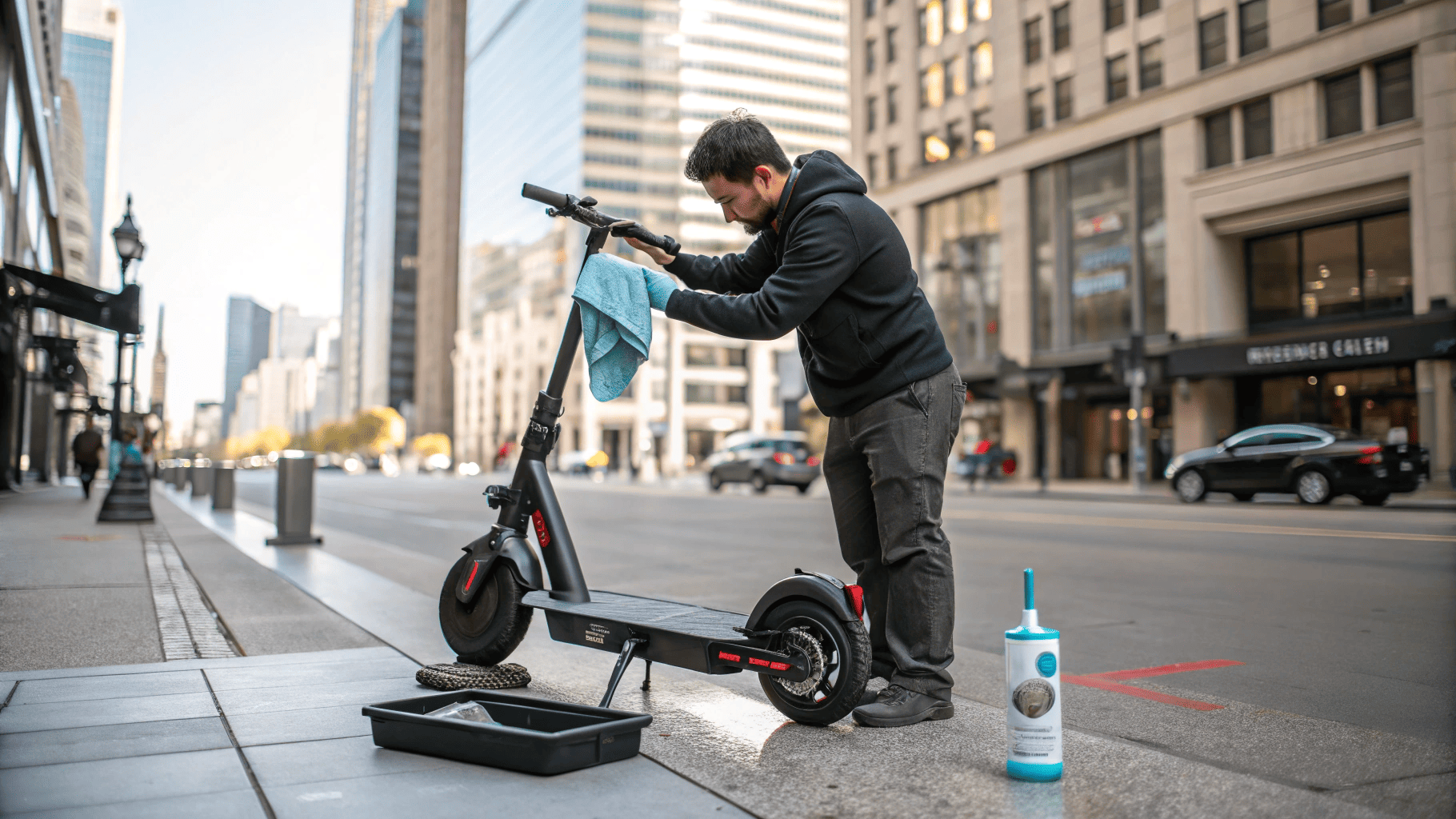
Keeping your scooter clean is more than just aesthetics. It prevents dirt and grime buildup. This can affect moving parts. Use recommended cleaning products. Mild soap and water work well for most surfaces. Always use a soft cloth or sponge. Avoid harsh chemicals. They can damage paint or plastic. Here’s the deal…
Do not use high-pressure washers. Water can get into electronic components. This causes damage. Instead, use a damp cloth to wipe down the frame. Clean the deck regularly. Dirt and debris can accumulate there. Dry all parts thoroughly after cleaning. This prevents rust and corrosion.
| Cleaning Area | Recommended Method | Avoid |
| Frame/Deck | Damp cloth, mild soap | High-pressure water, harsh chemicals |
| Wheels/Tires | Brush, water | Abrasive cleaners |
| Electronics | Dry cloth, compressed air | Direct water contact |
Lubricate moving parts regularly. Bearings and pivot points benefit from lubrication. This reduces friction. It also prevents squeaks. Use a suitable lubricant for each part. Check your scooter’s manual for specific recommendations. Proper cleaning and lubrication keep your scooter running smoothly. They also extend the life of its components.
8. When Should You Seek Professional Service?
While routine maintenance is manageable, some issues require expert attention. Knowing when to seek professional service saves you time and prevents further damage. Complex electrical issues, for example, are best left to trained technicians. Tampering with the electrical system can be dangerous. It can also void your warranty. What does this mean for you?
Motor or controller malfunctions also warrant professional help. These components are intricate. They require specialized diagnostic tools. Attempting repairs without proper knowledge can cause more harm. Frame damage or alignment problems also need expert assessment. A bent frame affects stability. It compromises safety. Professionals have the equipment to correct these issues.
| Issue Type | Reason for Professional Service |
| Electrical Problems | Requires specialized diagnostic tools, safety risks. |
| Motor/Controller | Complex components, needs expert repair. |
| Frame Damage | Affects structural integrity, requires specialized equipment. |
| Brake System | Critical safety component, needs precise adjustment. |
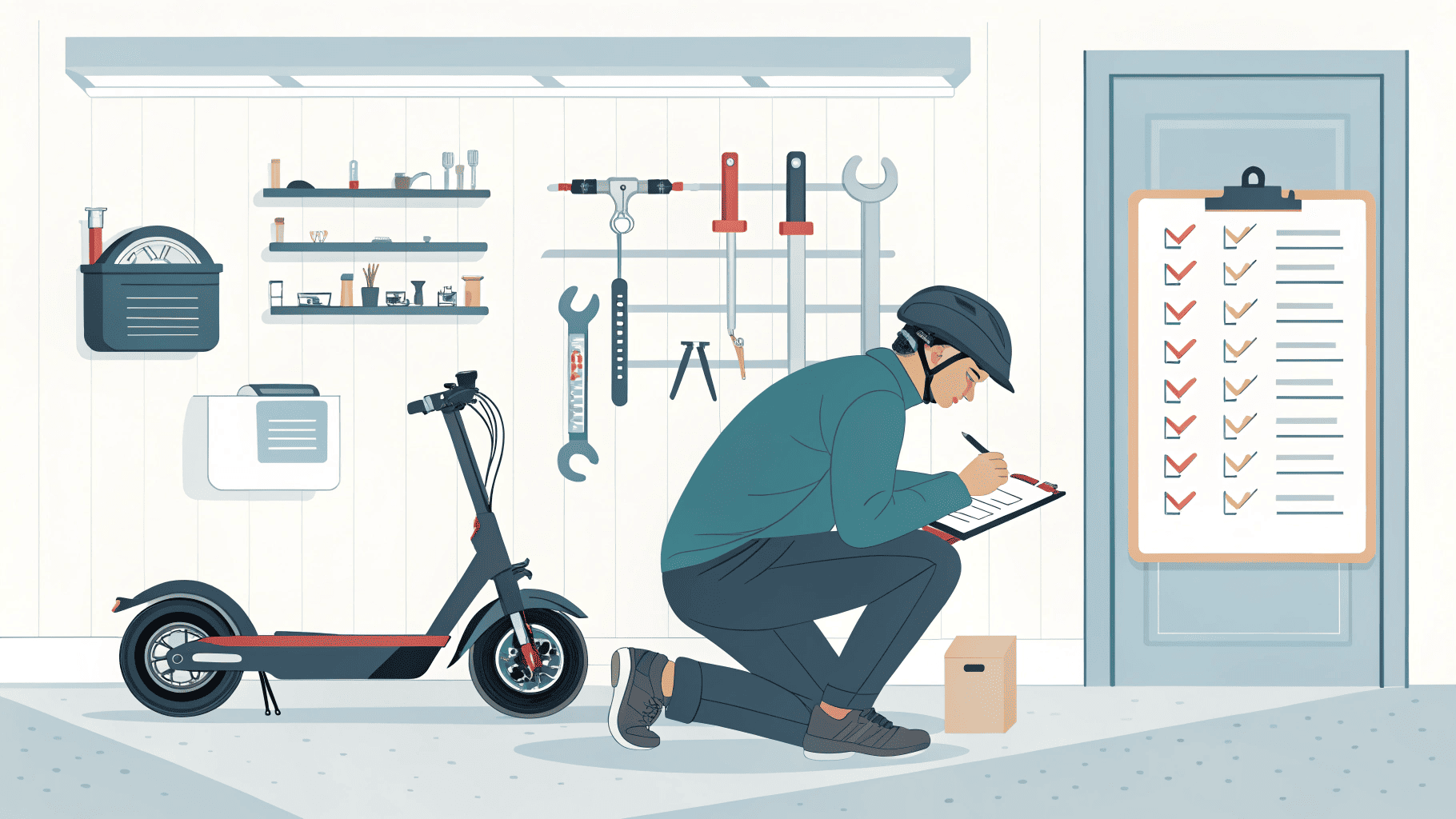
Regular professional tune-ups are also beneficial. Even if you perform routine maintenance, a professional can spot hidden problems. They can perform deeper diagnostics. This ensures your scooter remains in optimal condition. It extends its overall lifespan. Consider a professional check-up at least once a year. This proactive approach keeps your scooter reliable.
9. What Are Common Electric Scooter Problems and Solutions?
Electric scooters, like any vehicle, can develop common problems. Knowing these issues helps you troubleshoot effectively. One frequent complaint is loss of power or reduced range. This often points to battery issues. Check battery connections first. Ensure they are clean and secure. If the battery is old, it might need replacement. But here’s the thing…
Brake issues are another common problem. Squeaking brakes often mean dirty pads. Clean them with a suitable brake cleaner. If brakes feel ineffective, they might need adjustment. Check the brake cables for tension. Unusual noises or vibrations can indicate loose parts. Inspect all screws and bolts. Tighten any that are loose. Pay attention to the wheels and motor area.
| Problem | Possible Cause | Solution |
| Loss of Power | Low battery, loose connections | Charge battery, check connections |
| Brake Squeal | Dirty pads, worn pads | Clean pads, replace if worn |
| Ineffective Brakes | Loose cables, worn pads | Adjust cables, replace pads |
| Unusual Noises | Loose parts, worn bearings | Tighten screws, replace bearings |
| Display Errors | Sensor issue, controller fault | Restart scooter, check connections |
Display errors or warning lights can be confusing. Consult your scooter’s manual for error codes. Sometimes, a simple restart can clear minor glitches. If the error persists, it might indicate a sensor issue or controller fault. These often require professional diagnosis. Addressing these common problems quickly keeps your scooter running smoothly. It prevents minor issues from escalating.
10. How Can You Extend Your Scooter’s Lifespan?
Extending your electric scooter’s lifespan involves more than just maintenance. It also includes how you ride and store it. Adopting safe riding habits is crucial. Avoid sudden acceleration or braking. Ride smoothly and anticipate stops. This reduces wear and tear on components. It also conserves battery life. Always ride within the scooter’s weight limits. Overloading stresses the motor and frame. The bottom line?
Avoid extreme weather conditions. Riding in heavy rain can damage electronics. Extreme cold can reduce battery performance. Store your scooter indoors. Protect it from direct sunlight and moisture. This prevents rust and material degradation. Regularly inspect for wear and tear. Pay attention to small cracks or loose parts. Address these issues promptly. Early detection prevents bigger problems.
| Practice | Benefit | Impact |
| Smooth Riding | Reduces component stress | Extends motor and battery life |
| Weight Limits | Prevents overloading | Protects frame and motor |
| Weather Avoidance | Prevents water damage | Preserves electronics |
| Indoor Storage | Protects from elements | Prevents rust and degradation |
| Regular Inspection | Early problem detection | Avoids costly repairs |
Following manufacturer’s guidelines is also vital. Your scooter’s manual contains specific instructions. These include charging procedures, weight limits, and recommended service intervals. Adhering to these guidelines ensures optimal performance. It also keeps your warranty valid. By combining regular maintenance with smart riding and storage, you can significantly extend your electric scooter’s life. This ensures many years of reliable use.
Conclusion
Maintaining your electric scooter is crucial for its longevity and your safety. We have covered essential aspects, from battery care and tire maintenance to brake adjustments and electrical system checks. Regular cleaning and knowing when to seek professional help are also key. These practices prevent costly repairs and ensure consistent performance. By following these guidelines, you can significantly extend your scooter’s life. This proactive approach saves you money and enhances your riding experience. It ensures your investment continues to serve you well.
For unparalleled service and top-tier electric scooter solutions, Dynamic Scooter offers expert maintenance and a range of high-quality parts. Partner with us to keep your ride in peak condition. Visit our website or contact us today to schedule your next service and experience the difference professional care makes.
FAQ
Q1: How often should I service my electric scooter?
Regular maintenance is key. Check your scooter before each ride. Perform a more detailed inspection monthly. A professional service is good once a year.
Q2: Can I replace the battery myself?
Replacing the battery can be complex. It often requires specific tools. Consult your scooter’s manual. Consider professional help for battery replacement.
Q3: What causes electric scooter tires to go flat?
Punctures are common. Low tire pressure can also cause flats. Inspect tires regularly for damage. Keep tires properly inflated.
Q4: How do I clean my electric scooter without damaging electronics?
Use a damp cloth. Avoid direct water spray. Do not use high-pressure washers. Dry all parts thoroughly after cleaning.
Q5: Is it safe to ride an electric scooter in the rain?
Most scooters are not fully waterproof. Riding in heavy rain can damage electronics. Check your scooter’s IP rating. Avoid riding in wet conditions if possible.