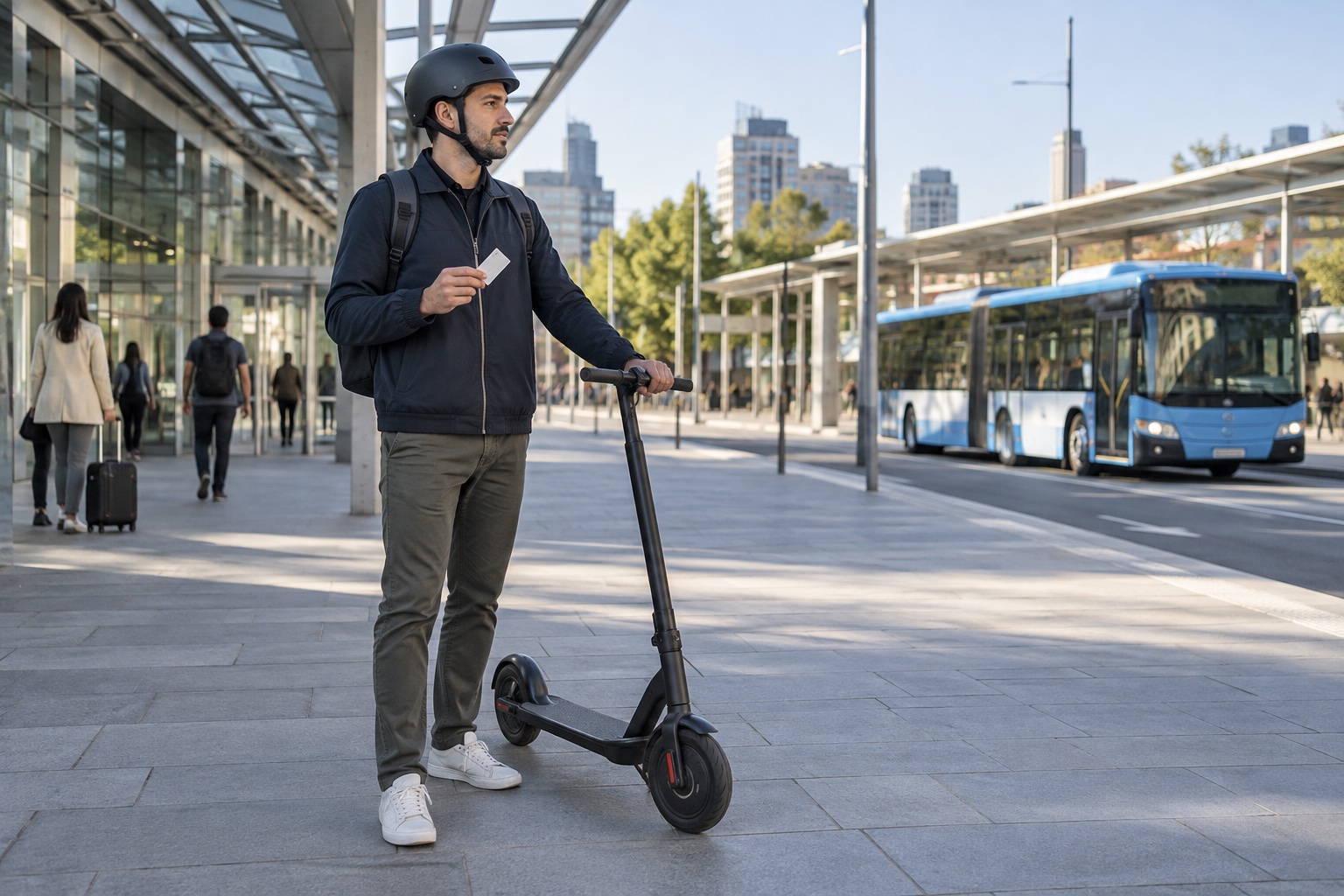

Electric scooters are fun, eco-friendly, and efficient for short trips. But before investing, you need to know: how long does an electric scooter last? Is your scooter breaking down too soon? Many scooters fail after just one year due to poor care. Learn simple tips that can make your scooter last twice as long.
Electric scooters last 1-5 years based on price and care. Cheap models (300) last 1−3 years. Mid−range models (300-800) last 2−3 years. Premium models (800) last 2−3years. Premium models (800+) last 3-5+ years. Battery life (300-1000 charges) matters most. Good charging habits help your scooter last longer.
This guide explores electric scooter lifespan, what affects it, and how to maximize your investment. Let’s dive into what determines if your scooter will last for years or just months.
1. What Determines an Electric Scooter’s Lifespan?
Several key factors work together to determine how long your electric scooter will last. Understanding these helps you make better choices both when buying and maintaining your ride.
Battery Technology and Expected Cycle Counts
The battery is often called the heart of an electric scooter. Most use lithium-ion batteries rated for 300-1000 charge cycles. Ready for the details? Budget scooters typically offer 300-500 cycles, while premium models may deliver 700-1000 cycles or more. A well-maintained battery might last 2-4 years depending on usage frequency. Proper charging habits and avoiding extreme temperatures significantly extend battery life.
Motor Durability Factors
Most electric scooters use brushless DC motors that require little maintenance. But here’s the kicker… Motor lifespan depends heavily on usage patterns. Overheating from hill climbing or carrying heavy loads can reduce motor life. Water damage is another risk if seals aren’t adequate. Look for motors with good heat management and water resistance (IPX4 or higher) for better durability.
Frame and Component Quality
A sturdy frame made from quality aluminum alloy or steel handles stress better than cheaper materials. Components like brakes, tires, and suspension all affect longevity. What’s the real story? Premium scooters often use better materials and components that resist wear and damage, directly impacting how long the scooter lasts.
Environmental Impact on Longevity
Where and how you ride matters tremendously. Smooth pavement is gentler on scooters than rough roads or off-road terrain. Rain, snow, and extreme temperatures accelerate wear. Indoor storage protects your scooter from harsh elements that can damage electrical components and cause corrosion.
| Factor | Key Aspect | Impact on Lifespan | How to Maximize |
| Battery | Charge Cycles (300-1000+) | High | Proper charging, avoid extremes |
| Motor | Heat/Water Resistance | Medium-High | Avoid strain, keep dry |
| Frame/Components | Material Quality | Medium | Regular maintenance |
| Environment | Riding Surface, Weather | Medium | Ride smooth surfaces, store indoors |
2. How Many Years Will an Electric Scooter Last?
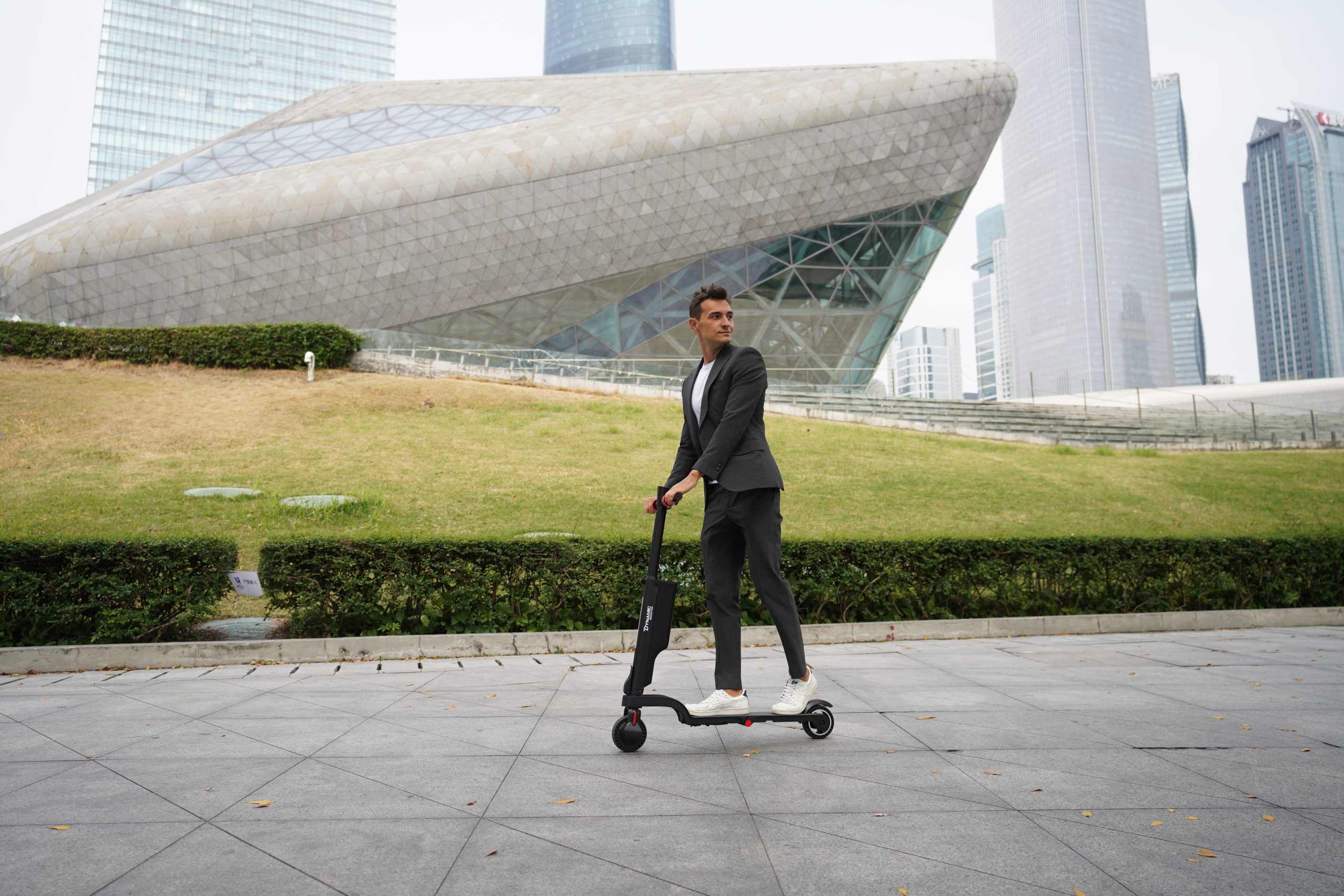
The typical electric scooter lifespan ranges from 1-5 years depending on several factors.
Average Lifespan Ranges by Price Point
Budget scooters (under 300) typically last 1−2 years.
Mid−range models (300) typically last 1-3 years.
Mid−range models (300-800) often provide 2−3 years of service.
Premium scooters (800) often provide 2-3 years of service.
Premium scooters (800+) can last 3-5 years or longer with proper care. These ranges assume regular use and basic maintenance.
Premium vs Budget Models Comparison
Premium models feature better waterproofing, stronger frames, and higher-quality batteries. They typically offer longer warranties (1-2 years vs. 6-12 months) and better parts availability. While budget models save money upfront, they often cost more long-term due to shorter lifespan and more frequent repairs.
Real-world Owner Experiences
Many budget scooter owners report battery degradation within the first year. Mid-range scooters typically perform well for 2-3 years before needing significant maintenance. Ready for the good part? Premium scooter owners often report their vehicles still running strong after 3+ years with only minor maintenance.
Factors that Extend Overall Lifespan
Regular maintenance, proper storage, and gentle riding habits significantly extend scooter life. The single biggest factor is battery care—proper charging habits can add years to your battery’s life, which often determines the overall lifespan of the scooter.
3. What is the Battery Life of an Electric Scooter?
The battery is typically the limiting factor in electric scooter longevity.
Typical Battery Lifespan
Most electric scooter batteries last between 300-1000 charge cycles. What’s the real story with these numbers? For average riders charging 2-3 times weekly, this translates to roughly 2-3 years before significant capacity loss. Premium scooters with high-quality batteries might extend this to 3-4 years.
Signs of Battery Degradation
Reduced range is the most obvious sign—if your scooter used to go 15 miles but now manages only 10-12, the battery is degrading. Faster discharge under load and decreased acceleration are other indicators. This is where it gets interesting… Many riders don’t realize that performance changes with battery degradation, even when showing a full charge.
Replacement Costs and Considerations
Battery replacement typically costs 150−150-150−600 depending on your scooter model. For budget scooters, this might approach the cost of a new scooter. For premium models, replacement is often worthwhile if other components remain in good condition.
Battery Technology Advancements
Today’s batteries are significantly better than those from just a few years ago. Newer lithium-ion batteries offer higher energy density for better range. Some premium scooters now use LG or Samsung cells known for reliability and longevity. Removable battery designs are becoming more common, making replacement easier.
4. How Can You Extend Your Electric Scooter’s Lifespan?
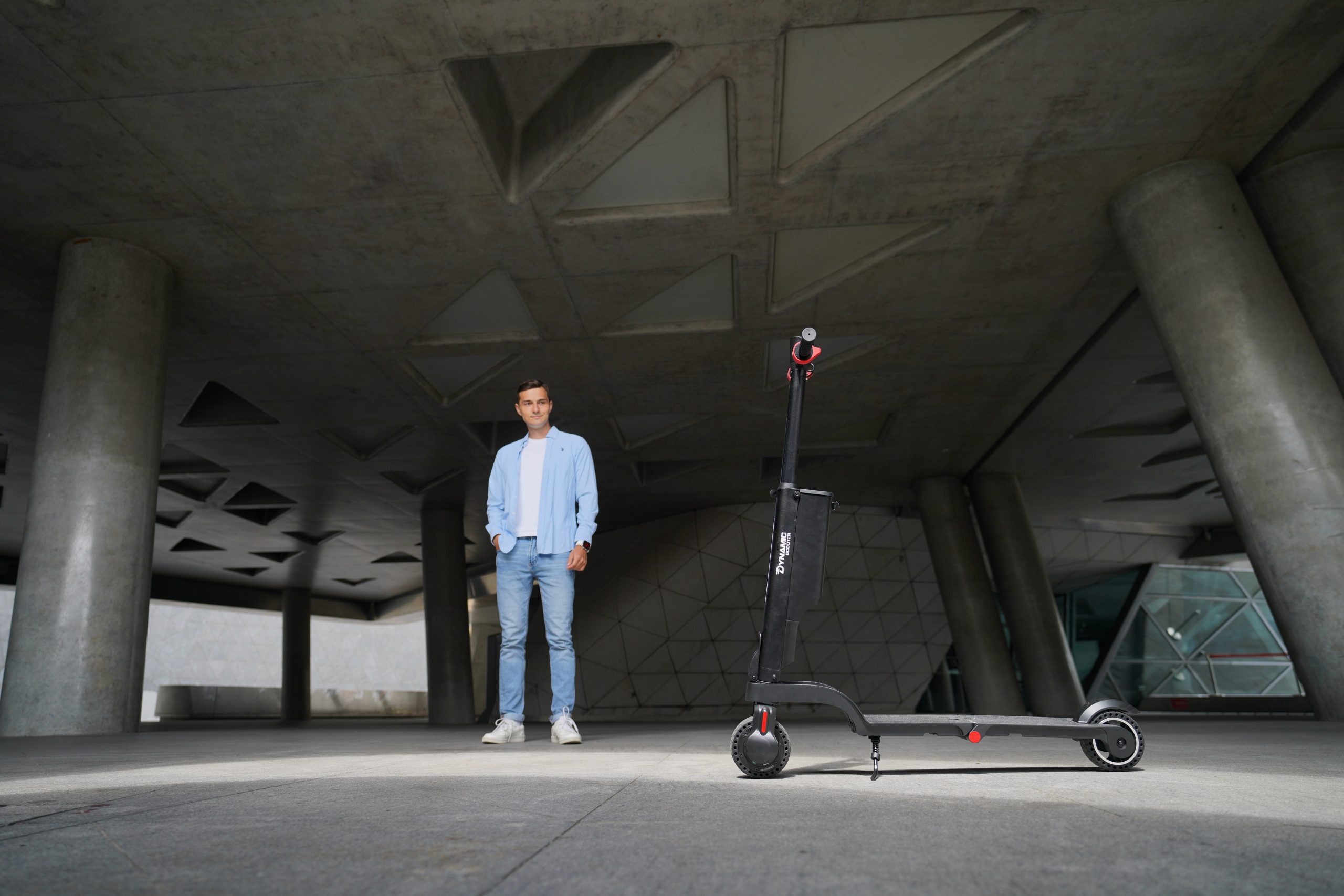
With proper care, you can significantly extend how long your electric scooter lasts.
Proper Charging Practices
Keep your battery between 20% and 80% charged for everyday use. Avoid complete discharge and use the original charger. Don’t charge immediately after riding—let the battery cool first. These simple habits can add hundreds of extra cycles to battery life.
Regular Maintenance Checklist
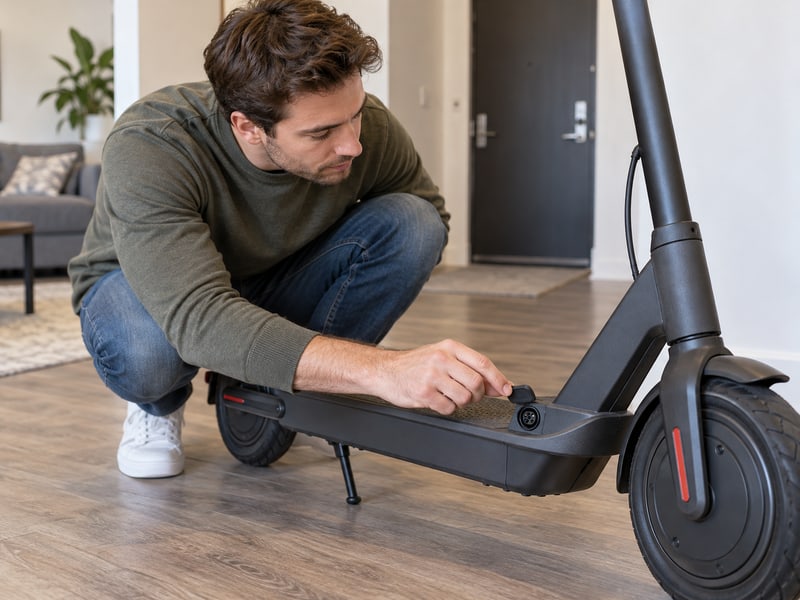
A simple 10-minute weekly inspection can save hundreds in repair costs. Check tire pressure, inspect screws and bolts, clean the scooter, and test brakes regularly. Listen for unusual noises that might signal developing problems.
Storage Recommendations
Even short-term storage decisions affect long-term durability. Store indoors away from extreme temperatures. For long-term storage, charge the battery to 40-60% and check it every 2-3 months to prevent deep discharge.
Riding Habits that Preserve Components
What’s the real story? Gentle riding can add years to your scooter’s life. Accelerate gradually, brake gently, avoid maximum speed for extended periods, and be mindful of terrain. Stay within the manufacturer’s weight limit and avoid deep puddles even with “waterproof” scooters.
| Maintenance Area | Frequency | Key Actions | Benefits |
| Charging | Every charge | Keep between 20-80% | Extends battery life by 50%+ |
| Inspection | Weekly | Check tires, bolts, brakes | Prevents small issues |
| Storage | As needed | Indoor, moderate charge | Prevents damage |
| Riding Style | Every ride | Gentle acceleration | Reduces component wear |
5. What Are Common Electric Scooter Failure Points?
Understanding where scooters typically fail helps you prevent problems before they occur.
Critical Components Most Likely to Fail First
The battery usually fails first, typically showing reduced capacity after 2-3 years. Tires, especially pneumatic ones, are another common failure point. Folding mechanisms experience stress and can develop issues, particularly on budget models. Controllers can fail from water damage or overheating.
Early Warning Signs of Potential Issues
Many riders miss subtle signs of developing problems. Decreased range indicates battery degradation. Unusual noises almost always signal mechanical issues. Inconsistent power delivery suggests controller or motor problems. Loose handlebars or stem wobble point to folding mechanism issues.
Preventative Measures for Common Problems
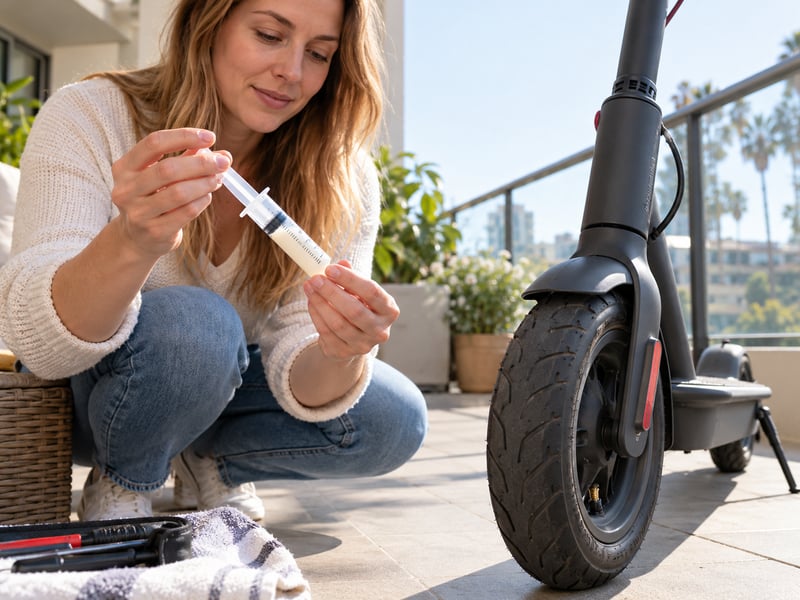
Simple preventative steps save significant money and hassle. Follow proper charging practices for battery health. Check tire pressure weekly and consider sealant for pneumatic tires. Clean and lubricate folding mechanisms regularly. Improve water resistance with silicone sealant around vulnerable areas.
Repair vs. Replacement Decision Factors
Consider the scooter’s age and condition when facing repair decisions. If repair costs exceed 50% of replacement value, a new scooter might make more sense. Factor in parts availability and whether newer models offer significant improvements that would benefit you.

6. How Does Riding Style Affect Electric Scooter Longevity?
Your riding habits significantly impact how long your electric scooter lasts.
Impact of Aggressive Acceleration and Braking
Aggressive riding puts much more stress on components than smooth, gentle riding. Hard acceleration creates heat and stress in the battery and motor. Sudden braking strains brake components and wears tires unevenly. Practice smooth, progressive acceleration and gentle braking to extend scooter life.
Weight Load Considerations
Every scooter has a maximum weight capacity, but staying well under it extends component life. Even within the stated limit, heavier loads make the motor work harder, drain the battery faster, and stress the frame and suspension.
Terrain Effects on Components
Smooth pavement is much gentler on scooters than rough terrain. What’s the real story? Rough surfaces create vibration that loosens components and stresses the frame. They also accelerate tire wear and can allow water and debris to damage electrical components.
Speed Management for Extended Life
Consistently riding at lower speeds can add years to your scooter’s life. Operating at 75% of maximum speed rather than 100% significantly reduces strain on the motor, battery, and controller while improving efficiency.
7. What Maintenance Schedule Should You Follow?
A regular maintenance schedule is key to maximizing your electric scooter’s lifespan.
Weekly Inspection Checklist
A simple weekly routine catches issues before they become serious. Visually inspect the entire scooter, check tire pressure, test brakes, verify the folding mechanism locks securely, and ensure all lights work properly.
Monthly Maintenance Tasks
Monthly deeper checks address issues that develop more slowly. Tighten all visible screws and bolts, clean thoroughly including hard-to-reach areas, lubricate moving parts, check brake pads for wear, and test all functions.
Seasonal Care Requirements
Different seasons create different challenges for electric scooters. What’s the real story? Before winter, add protection against moisture and check lights. Before summer, be mindful of extreme heat effects on the battery. Seasonal preparation prevents environment-specific damage.
Professional Service Intervals
Professional service every 6-12 months can identify issues you might miss. Technicians can check electrical systems, motor bearings, and internal components that are difficult to assess without proper equipment.
| Maintenance Type | Frequency | Time Required | Key Focus Areas |
| Quick Check | Before each ride | 30 seconds | Brakes, tires, folding |
| Weekly Inspection | Every 7 days | 5-10 minutes | Tires, fasteners, cleaning |
| Monthly Service | Every 30 days | 20-30 minutes | Thorough cleaning, lubrication |
| Professional Service | Every 6-12 months | Shop visit | Electrical system, internals |

8. How Do Weather Conditions Impact Electric Scooter Lifespan?
Weather significantly affects how long your electric scooter lasts.
Effects of Extreme Temperatures
High temperatures (above 95°F/35°C) accelerate battery degradation and can cause electronics to overheat. Cold weather (below 32°F/0°C) temporarily reduces battery capacity by 10-30% and makes lubricants thicker.
Moisture and Water Damage Prevention
Water is a major threat to electric scooters. But here’s the kicker… Even models with good water resistance ratings can suffer from prolonged exposure. Check your scooter’s IP rating—IPX4 means splash resistance, while IPX5 or higher offers better protection. After wet rides, thoroughly dry your scooter and consider additional waterproofing for vulnerable areas.
Seasonal Storage Best Practices
What’s the real story? Many scooters suffer damage during storage that could easily be prevented. Before long-term storage, clean thoroughly, charge the battery to 40-60%, and store in a cool, dry place with stable temperature. Check periodically and give the battery a partial charge every 2-3 months.
Weatherproofing Measures
Simple modifications can improve your scooter’s weather resistance. Apply additional sealant to seams, protect electrical connections with dielectric grease, add or upgrade fenders, and consider applying anti-corrosion spray to metal parts.
9. What Should You Look for When Buying for Longevity?
If durability is your priority, certain features deserve special attention when shopping for an electric scooter.
Key Specifications that Indicate Durability
Look for name-brand battery cells (LG, Samsung, Panasonic), advanced battery management systems, higher wattage motors that run cooler under normal loads, good water resistance ratings (IPX4+), and quality frame materials like aircraft-grade aluminum.
Material and Construction Quality Indicators
Physical construction details reveal much about potential longevity. Examine weld quality, cable routing and protection, deck construction, folding mechanism solidity, and waterproofing details like rubber gaskets around openings.
Warranty and Support Considerations
What’s the real story? Strong warranty terms often indicate manufacturer confidence in their product. Look beyond duration to what’s covered, the claim process, parts availability after the warranty period, and the existence of authorized repair centers in your region.
Future-proofing Features
Some features help ensure your scooter remains useful for years. Removable batteries top the list, allowing easy replacement when capacity degrades. Standard, non-proprietary components, firmware update capability, and modular designs all contribute to longer practical lifespan.
| Feature Category | What to Look For | Why It Matters | Red Flags to Avoid |
| Battery | Brand-name cells, advanced BMS | Determines overall lifespan | Unspecified cell origin |
| Construction | Quality welds, sealed electronics | Affects durability | Visible flaws, exposed wiring |
| Serviceability | Removable battery, standard parts | Enables cost-effective repairs | Proprietary parts only |
| Water Resistance | IPX5+, sealed compartments | Protects against damage | No IP rating, obvious entry points |
Conclusion
Electric scooter lifespan depends on multiple factors working together. Quality construction forms the foundation, but how you use and maintain your scooter often matters even more. With proper care, even mid-range scooters can provide years of reliable service. Regular maintenance prevents small issues from becoming major problems. By applying the knowledge from this guide, you can enjoy your electric scooter for many years while getting the best return on your investment.
FAQ
Q1: What is the average lifespan of an electric scooter battery?
Most electric scooter batteries last between 300-1000 charge cycles, translating to approximately 2-3 years of regular use. Premium batteries with name-brand cells typically last longer than generic ones. Battery lifespan is heavily influenced by charging habits, temperature exposure, and usage patterns. Proper care can significantly extend battery life beyond the average.
Q2: How does regular maintenance extend an electric scooter’s life?
Regular maintenance prevents small issues from becoming major problems. Weekly checks of tires, brakes, and fasteners catch wear before it affects safety. Monthly deeper cleaning and lubrication reduce friction and prevent corrosion. Professional service every 6-12 months addresses issues owners might miss. Together, these practices can easily double a scooter’s useful life.
Q3: Can electric scooters be used in rain or snow?
This depends on the scooter’s IP rating. Scooters with IPX4 ratings can handle light splashes but not sustained rain. Those with IPX5 or higher can withstand limited rainfall but should avoid puddles. Very few consumer scooters are designed for snow conditions. Even with water-resistant scooters, riding in severe weather increases wear and risk of damage.
Q4: Are replacement parts readily available for most electric scooters?
Parts availability varies by brand and model. Popular models from established manufacturers typically have good parts availability for several years. Lesser-known brands often have limited support after the warranty period. The most commonly available replacement parts are tires, brake components, and batteries. Structural components and electronics for older or obscure models can be challenging to source.
Q5: How do you know when it’s time to replace your electric scooter?
Several signs indicate replacement might be more practical than continued repair. When repair costs approach 50% of a new scooter’s price, replacement often makes economic sense. Multiple systems failing in quick succession suggest general wear. Structural issues like frame cracks present safety concerns. Parts scarcity for your model makes future repairs increasingly difficult and expensive.