Top Best Cheap Electric Scooters: Best Budget Picks for 2026
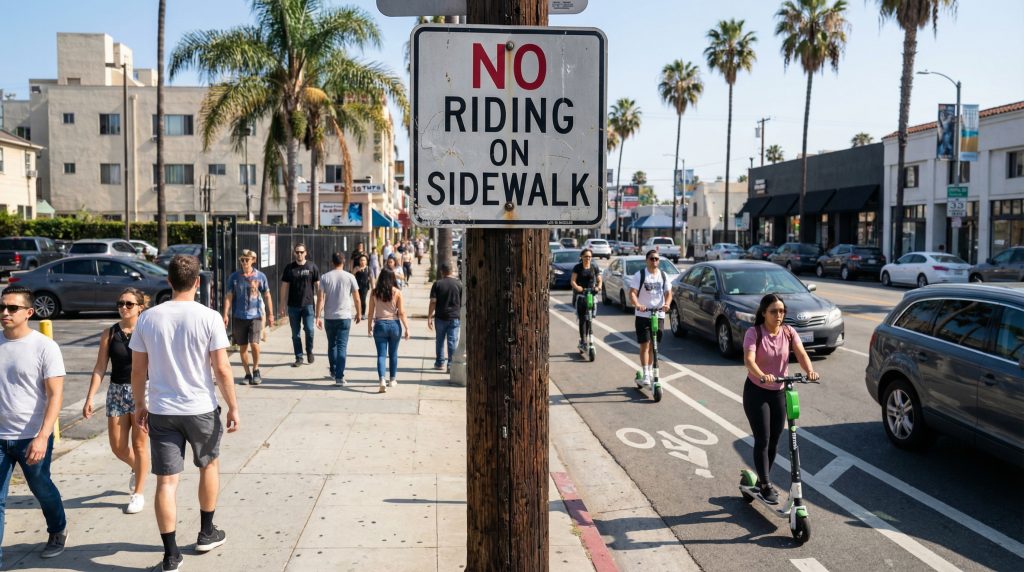
Stuck in bumper-to-bumper traffic every single morning? You watch the minutes tick away while your gas tank drains and your stress levels rise. It is an exhausting cycle that turns a simple commute into a daily battle. Think about the wasted hours and the mounting costs of ride-shares or parking fees. The frustration of being late to class or work shouldn’t be your “normal,” so fortunately, there is a better way to move. Switching to a cheap electric scooter is the ultimate hack for modern urban living. We have tested the leading budget models to ensure you get a ride that is both affordable and reliable. 1. What defines a high-quality cheap electric scooter? A high-quality budget ride is defined by a balance of frame durability and motor efficiency. When you are looking for a cheap electric scooter, you have to look closely at the materials used in the folding mechanism. A solid latch prevents the stem from wobbling during high-speed rides. Does build quality matter for budget rides? But that’s not all. The frame material determines how many years your vehicle will actually last on the road. Are air-filled tires better than solid ones? Here is the kicker. Tires are the only thing between you and the pavement, so choose wisely based on your local road conditions. Key Takeaway: A quality budget ride focuses on essential safety and frame durability over flashy, unnecessary “smart” features. Feature Specification Range Benefit Motor 250W – 350W Efficient city travel Weight 25 lbs – 35 lbs High portability Frame Aluminum Alloy Long-term durability Let’s look at whether these savings translate to a smart long-term financial decision. 2. Is a cheap electric scooter worth the investment? Owning a budget vehicle is absolutely worth it for anyone looking to slash their monthly transportation costs. Let’s face it; buying a cheap electric scooter pays for itself in just a few months when compared to bus passes or gas. You save money every single day you choose two wheels over four. How much can you save on monthly transit? Believe it or not. The math adds up quickly when you factor in the rising costs of traditional city travel. Does the battery life hold up over time? Here is the kicker. Modern lithium-ion cells used in budget models are designed to handle hundreds of charge cycles before losing capacity. Key Takeaway: The initial cost of a budget scooter is often recouped within 4 to 6 months of daily commuting. Expense Public Transit Budget Scooter Monthly Cost $100 – $150 ~$2 (Electricity) Time Waste High (Waiting) Low (Direct) Ownership None Permanent Asset Safety is the next major hurdle you need to clear when shopping for a lower price point. 3. How can you identify a safe cheap electric scooter? You identify a safe ride by inspecting the braking system and the visibility of the lighting package. Even for a cheap electric scooter, you shouldn’t compromise on your ability to stop quickly in an emergency. Look for certifications like UL 2272 to ensure the electrical system is fire-safe. What braking systems are most reliable? The best part is. You don’t need to spend thousands to get a dual-braking system that keeps you in control during sudden stops. Is the Model B a standard for safety? It gets better. When analyzing the Model B and other top-tier budget options, look for models that emphasize visibility. Key Takeaway: Never sacrifice braking performance for a lower price tag; always look for at least two independent braking methods. Safety Check Priority Requirement Brakes Critical Dual System Lights High Front & Rear LED Certification Essential UL 2272 Listed Now that we have covered safety, let’s explore the best places to take your new ride. 4. Where do you ride a cheap electric scooter daily? Most urban dwellers ride their scooters in dedicated bike lanes or on multi-use city trails. You see, a cheap electric scooter is perfectly suited for the infrastructure built for bicycles. Most cities have expanded these paths to accommodate the growing number of electric riders. Can it handle city bike lanes? Think about it. These lanes offer the fastest route through congested downtown areas without the risk of car collisions. Is sidewalk riding allowed in your area? But that’s not all. While sidewalks are tempting, most cities prefer you stay in the lane to protect pedestrians. Key Takeaway: Knowledge of local micromobility laws ensures you enjoy your budget ride without facing unexpected fines. Location Recommended Speed Safety Gear Bike Lane 15 mph Helmet Required Urban Trail 10 mph Bell/Horn Side Street 15 mph Reflective Vest Weather and terrain can change everything, so it’s important to know your scooter’s limits. 5. Can a cheap electric scooter survive rain or hills? Many modern budget scooters can handle light rain and moderate inclines if they have the right ratings. If you choose a cheap electric scooter with an IP54 rating, it can handle splashes but should never be submerged. Hills require a motor with enough torque to keep moving upward. What do water resistance ratings mean? Check this out. Not every budget ride is waterproof, so understanding the IP rating is vital if you live in a rainy climate. How do you find a ride for steep hills? That is not all. If your neighborhood is hilly, you need a motor with high torque to prevent stalling mid-climb. Key Takeaway: If you live in a wet or hilly area, check the educational blog for specific maintenance tips to protect your motor. Condition Feature Needed Recommended Rating Light Rain Sealed Deck IP54 Steep Hills High Torque 350W+ Nominal Rough Roads Large Tires 10-inch Pneumatic Different people use these vehicles in different ways, from students to working professionals. 6. Who benefits most from a cheap electric scooter? Office workers and students are the primary groups that benefit most from this type of mobility. Imagine arriving at the office without a drop of sweat because your cheap electric scooter did all the work. You bypass the […]
Top Best Cheap Electric Scooters: Best Budget Picks for 2026 Read More »