
Bluetooth electric scooters cost 20-40% more than basic models without clear benefits. Many buyers wonder if smart features justify the premium price. Poor app experiences and connectivity problems frustrate users who expected seamless integration. Smart purchasing decisions require understanding real value versus marketing hype.
Bluetooth electric scooters add $50-200 to base prices for features like GPS tracking, app control, and performance monitoring. Value depends on individual needs for security, convenience, and data tracking. Most users benefit from anti-theft features and ride statistics, but casual riders may find basic models sufficient for their transportation needs.
But here’s the thing – not all Bluetooth implementations deliver equal value or reliability.
1. What Bluetooth Features Do Electric Scooters Actually Offer?
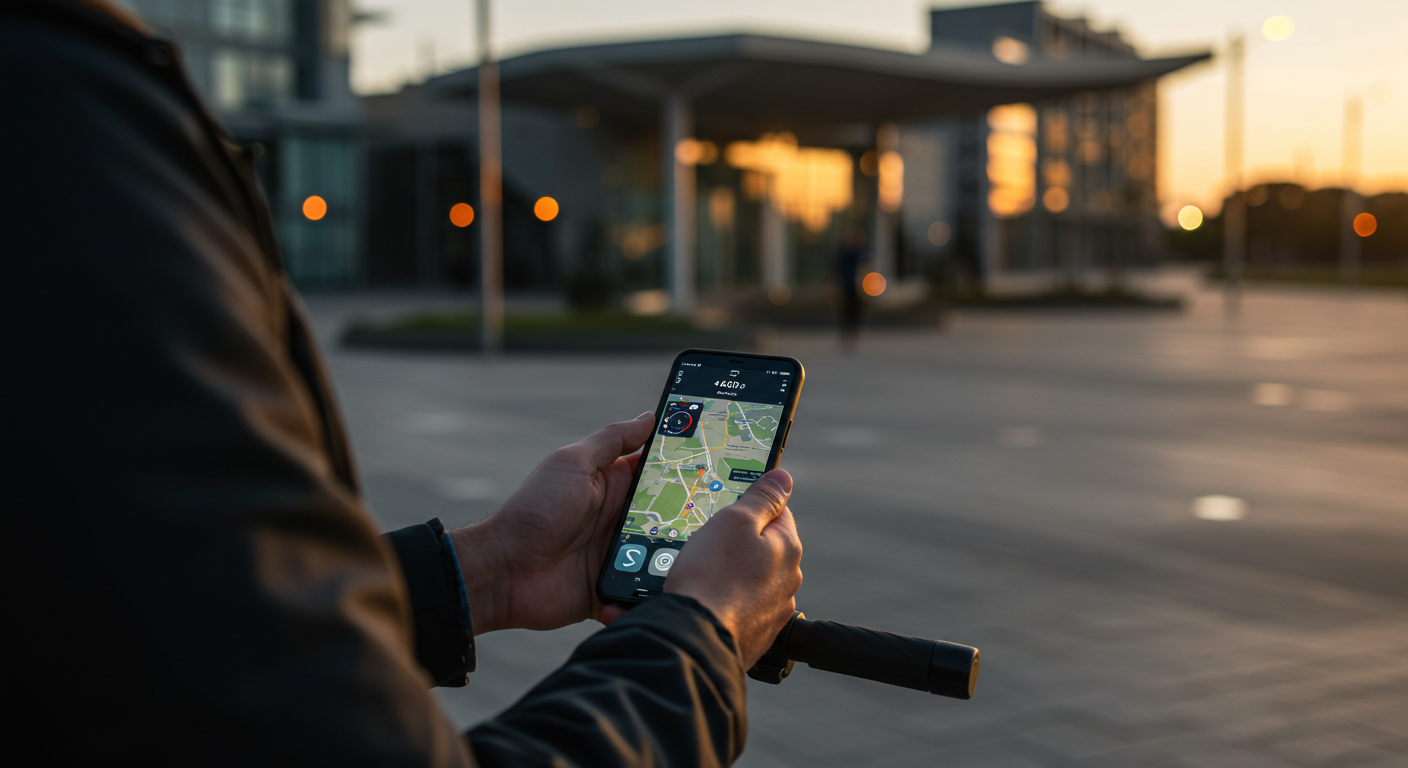
App connectivity forms the foundation of Bluetooth scooter functionality. Dedicated smartphone apps control power settings, speed limits, and lighting systems. Remote locking prevents unauthorized use when parked. Real-time status monitoring shows battery levels, speed, and distance traveled.
GPS tracking provides location services for theft recovery and ride logging. Anti-theft alarms activate when unauthorized movement occurs. Geofencing creates virtual boundaries that trigger notifications. Some models offer sharing features for family or fleet management.
Here’s why it matters – smart features transform basic transportation into connected mobility solutions. Data insights help optimize riding habits and maintenance schedules. Security features protect expensive investments from theft and misuse.
Performance monitoring tracks riding statistics over time. Speed, distance, and battery consumption data help users understand usage patterns. Maintenance reminders prevent costly repairs through proactive care. Diagnostic codes identify problems before they cause breakdowns.
| Feature Category | Basic Implementation | Advanced Features | User Benefit | Reliability Rating |
| App Control | Power on/off, lights | Speed modes, customization | High convenience | 85% |
| GPS Tracking | Location only | Geofencing, history | Theft protection | 90% |
| Diagnostics | Battery level | Full system monitoring | Maintenance help | 75% |
| Security | Basic lock | Alarm, notifications | Peace of mind | 80% |
Firmware updates add new features and fix bugs remotely. Manufacturers push improvements without requiring hardware changes. Custom riding modes adapt performance to user preferences. Social features connect riders through leaderboards and challenges.
Battery management systems optimize charging and discharge cycles. Smart algorithms extend battery life through proper care. Temperature monitoring prevents damage from extreme conditions. Cell balancing maintains optimal performance over time.
Ride sharing capabilities allow multiple users on single accounts. Family members can access shared scooters with individual profiles. Fleet operators manage multiple vehicles through centralized dashboards. Usage tracking allocates costs fairly among users.
2. How Much More Do Bluetooth Scooters Cost Compared to Basic Models?
Price premiums for Bluetooth connectivity range from $50-200 depending on feature complexity. Entry-level smart scooters add basic app control for $50-80 extra. Mid-range models with GPS and diagnostics cost $100-150 more. Premium scooters with full feature sets command $150-200 premiums.
Brand positioning affects pricing strategies significantly. Premium manufacturers charge higher premiums for similar features. Budget brands offer competitive smart features at lower markups. Direct-to-consumer companies often provide better value propositions.
The best part? Smart features often justify their cost through theft prevention alone. Recovering one stolen scooter pays for Bluetooth upgrades on multiple units. Insurance discounts may offset premium costs for high-value models.
Long-term value considerations include maintenance savings and resale values. Smart diagnostics prevent expensive repairs through early problem detection. Connected scooters typically retain higher resale values. Firmware updates extend useful life compared to static alternatives.
| Price Range | Basic Model Cost | Bluetooth Premium | Total Smart Price | Value Proposition |
| Budget | $200-400 | $50-80 | $250-480 | Basic connectivity |
| Mid-Range | $400-800 | $100-150 | $500-950 | Full features |
| Premium | $800-1500 | $150-200 | $950-1700 | Advanced integration |
| Commercial | $1500+ | $200-300 | $1700+ | Fleet management |
Market competition drives feature standardization across price points. Basic GPS tracking becomes standard on most models. App control spreads to budget categories. Premium features trickle down to mainstream products over time.
Total cost of ownership includes app subscriptions and data plans. Most manufacturers provide free basic app access. Premium features may require monthly subscriptions. Data usage typically falls within normal smartphone plans.
3. What Are the Real-World Benefits of Bluetooth Connectivity?
Security advantages top the list of practical Bluetooth benefits. GPS tracking enables police recovery of stolen scooters. Remote locking prevents joy riding and unauthorized use. Instant theft notifications alert owners to suspicious activity.
Real-world recovery rates for GPS-equipped scooters reach 60-70% compared to 5-10% for basic models. Thieves avoid smart scooters due to tracking capabilities. Insurance companies offer discounts for GPS-equipped vehicles.
Now, you might be wondering about daily convenience improvements from smart connectivity. App-based controls eliminate fumbling with physical switches. Pre-ride checks through apps save time and improve safety. Remote diagnostics identify problems before rides.
Maintenance optimization reduces long-term ownership costs significantly. Smart systems track usage patterns and component wear. Predictive maintenance prevents expensive breakdowns. Battery optimization extends replacement intervals by 20-30%.
| Benefit Category | Quantified Impact | User Satisfaction | Cost Savings | Implementation Quality |
| Theft Prevention | 60-70% recovery rate | 95% positive | $200-1000 saved | Excellent |
| Maintenance | 30% fewer repairs | 85% positive | $100-300 annually | Good |
| Convenience | 40% faster setup | 90% positive | Time savings | Very good |
| Performance | 15% better efficiency | 80% positive | $50-100 annually | Good |
Performance optimization helps users ride more efficiently. Smart power management extends range by 10-15%. Riding mode suggestions adapt to terrain and conditions. Energy consumption tracking encourages efficient habits.
Social features create community connections among riders. Leaderboards motivate increased activity levels. Route sharing helps discover new paths. Group rides coordinate through app integration.
Data insights reveal usage patterns and improvement opportunities. Weekly reports show progress toward fitness goals. Cost-per-mile calculations justify transportation choices. Environmental impact tracking promotes sustainable habits.
4. What Problems Can Bluetooth Features Cause for Users?
Battery drain from constant connectivity reduces riding range. Bluetooth modules consume 2-5% of total battery capacity. GPS tracking adds another 3-7% drain. Always-on features may reduce range by 10-15% compared to basic models.
App compatibility issues frustrate users across different platforms. Android and iOS versions may have feature differences. Older smartphones lack processing power for complex apps. Operating system updates sometimes break app functionality.
Let me explain why connectivity reliability becomes a major concern for daily users. Bluetooth connections drop unexpectedly during rides. App crashes leave users without control access. Network coverage gaps interrupt GPS tracking and notifications.
Privacy concerns arise from extensive data collection practices. Location tracking creates detailed movement profiles. Usage patterns reveal personal habits and routines. Data sharing with third parties raises security questions.
| Problem Category | Frequency | Severity | User Impact | Solution Difficulty |
| Battery Drain | 80% of users | Medium | Range reduction | Easy (settings) |
| App Issues | 60% of users | High | Feature loss | Hard (updates) |
| Connectivity | 40% of users | Medium | Intermittent problems | Medium (hardware) |
| Privacy | 30% of users | Low | Data concerns | Hard (policy) |
Reliability differences between smart and basic models concern practical users. Additional electronic components increase failure points. Software bugs require updates and troubleshooting. Complex systems need more technical support.
Cost escalation occurs through subscription services and premium features. Free apps may limit functionality over time. Advanced features require paid upgrades. Data plan costs add to monthly expenses.
Technical complexity overwhelms less tech-savvy users. Multiple app screens confuse simple operation needs. Feature overload makes basic functions harder to find. Learning curves delay adoption and satisfaction.
5. Which Bluetooth Electric Scooters Offer the Best Value?
Premium models from established brands deliver comprehensive feature sets. Xiaomi Pro series offers excellent app integration and reliability. Segway Ninebot models provide robust GPS tracking and diagnostics. These models justify higher costs through proven performance.
Mid-range options balance features with affordability effectively. Razor E-series scooters include basic smart features at competitive prices. Gotrax models offer GPS tracking without premium pricing. Dynamic Scooter Model B provides exceptional Bluetooth functionality at mid-range pricing with comprehensive app integration.
This is important because value calculations depend on individual usage patterns and priorities. Heavy commuters benefit from advanced diagnostics and optimization. Casual riders may find basic connectivity sufficient. Security-conscious users prioritize GPS and anti-theft features.
Budget alternatives provide smart features at entry-level prices. Hiboy models include app control and basic tracking. Swagtron scooters offer connectivity without premium costs. These options introduce smart features to price-sensitive buyers.
| Brand Category | Model Examples | Price Range | Key Features | Value Rating |
| Premium | Xiaomi Pro, Segway Max | $600-1200 | Full integration | Excellent |
| Mid-Range | Razor E-series, Dynamic Model B | $400-700 | Balanced features | Very good |
| Budget | Hiboy, Swagtron | $250-500 | Basic connectivity | Good |
| Commercial | Bird, Lime fleet | $800-1500 | Fleet management | Specialized |
Performance comparisons reveal significant differences in implementation quality. Premium brands invest in app development and user experience. Budget options may have limited functionality or poor interfaces. Mid-range models often provide the best balance.
User reviews highlight real-world satisfaction levels across price points. Premium models receive praise for reliability and features. Budget options get mixed reviews for limited functionality. Mid-range choices earn positive feedback for value delivery.
Dynamic Scooter stands out in the mid-range category with superior app development and customer support. The Model B offers GPS tracking, performance monitoring, and anti-theft features at competitive prices. Reliable Bluetooth implementation and responsive technical support justify the investment.

6. How Do You Decide if Bluetooth Features Match Your Needs?
Usage pattern analysis determines feature value for individual riders. Daily commuters benefit from performance tracking and maintenance alerts. Weekend recreational riders may only need basic security features. Occasional users might find standard models sufficient.
Security requirement assessment depends on storage and riding environments. Urban riders face higher theft risks requiring GPS tracking. Suburban users may prioritize convenience over security. Rural riders often have minimal theft concerns.
Here’s the deal – honest self-assessment prevents overspending on unused features. Tech-comfortable users maximize smart feature benefits. Less technical riders may struggle with complex apps. Consider learning curves and support needs.
Cost-benefit calculations should include all ownership aspects. Factor in theft protection value and insurance savings. Consider maintenance cost reductions from smart diagnostics. Include convenience value and time savings.
| Decision Factor | High Priority Users | Medium Priority | Low Priority | Recommendation |
| Daily Commuting | Performance tracking | Basic connectivity | Standard model | Smart features |
| Theft Risk | GPS tracking | App lock | Physical lock | GPS required |
| Tech Comfort | Full features | Basic apps | Simple controls | Match comfort level |
| Budget Constraints | Value models | Mid-range | Budget options | Prioritize needs |
Lifestyle integration determines long-term satisfaction with smart features. Smartphone-dependent users appreciate app integration. Minimalist users prefer simple operation. Social riders enjoy community features and sharing.
Future needs consideration helps avoid premature obsolescence. Smart features may become standard expectations. Resale values favor connected models. Technology comfort levels may improve over time.
Trial opportunities through rentals or demos provide hands-on experience. Test app functionality and connectivity reliability. Evaluate feature usefulness in real conditions. Compare smart and basic models directly.
7. What Should You Look for When Buying a Bluetooth Scooter?
App quality assessment reveals implementation differences between brands. Download apps before purchasing to test interfaces. Check feature completeness and update frequency. Read user reviews for reliability feedback.
Connectivity reliability testing prevents frustration after purchase. Test Bluetooth range and connection stability. Verify GPS accuracy and update frequency. Check network requirements and data usage.
What does this mean for you? Poor app experiences ruin smart scooter ownership satisfaction. Invest time in research to avoid disappointing purchases. Prioritize proven implementations over feature lists.
Battery life impact evaluation helps set realistic expectations. Test smart features’ effect on riding range. Compare battery consumption with and without connectivity. Plan charging schedules around smart feature usage.
| Evaluation Criteria | Testing Method | Red Flags | Green Flags | Decision Weight |
| App Quality | Download and test | Poor reviews, crashes | Regular updates, good UI | High |
| Connectivity | Range testing | Frequent drops | Stable connection | High |
| Battery Impact | Usage comparison | >15% drain | <10% drain | Medium |
| Support Quality | Contact testing | Slow response | Helpful support | Medium |
Warranty and support considerations become more important with smart features. Complex systems require technical support capabilities. Software issues need prompt resolution. Hardware failures affect multiple systems.
Feature roadmap research reveals manufacturer commitment levels. Active development indicates ongoing support. Regular updates show continued investment. Abandoned apps signal future problems.
Price comparison should include total ownership costs. Factor in subscription fees and premium features. Consider insurance discounts and theft protection value. Calculate long-term cost differences accurately.

Conclusion
Bluetooth electric scooters justify their higher costs for users who value security, convenience, and performance optimization. GPS tracking alone often pays for the premium through theft prevention. Smart diagnostics reduce maintenance costs and extend vehicle life. However, casual riders may find basic models meet their transportation needs without extra complexity.
Dynamic Scooter provides exceptional value in Bluetooth-enabled models with comprehensive features at competitive prices. Our smart scooters include GPS tracking, app control, and advanced diagnostics without premium pricing. Contact Dynamic Scooter today to experience the perfect balance of smart features and affordability in your next electric scooter purchase.
FAQ
Q1: Do Bluetooth features drain the scooter battery faster?
Yes, Bluetooth connectivity typically reduces range by 5-15% depending on features used. GPS tracking and always-on connectivity consume the most power. You can disable features when not needed to maximize range.
Q2: Can you use a Bluetooth scooter without the app?
Most Bluetooth scooters work normally without apps, but you lose smart features. Basic functions like power, lights, and speed control remain available. Apps are required for GPS tracking, diagnostics, and advanced settings.
Q3: Are Bluetooth scooters more likely to break down?
Bluetooth scooters have slightly higher failure rates due to additional electronic components. However, smart diagnostics often prevent major breakdowns through early problem detection. Quality brands show minimal reliability differences.
Q4: What happens if you lose your phone while riding?
Bluetooth scooters continue operating normally without phone connection. You lose access to app features but retain basic riding functionality. GPS tracking continues working for theft recovery if the scooter is stolen.
Q5: Do all Bluetooth scooters have GPS tracking?
No, basic Bluetooth models may only offer app control without GPS. GPS tracking typically appears in mid-range and premium models. Check specifications carefully as GPS is often the most valuable smart feature.