
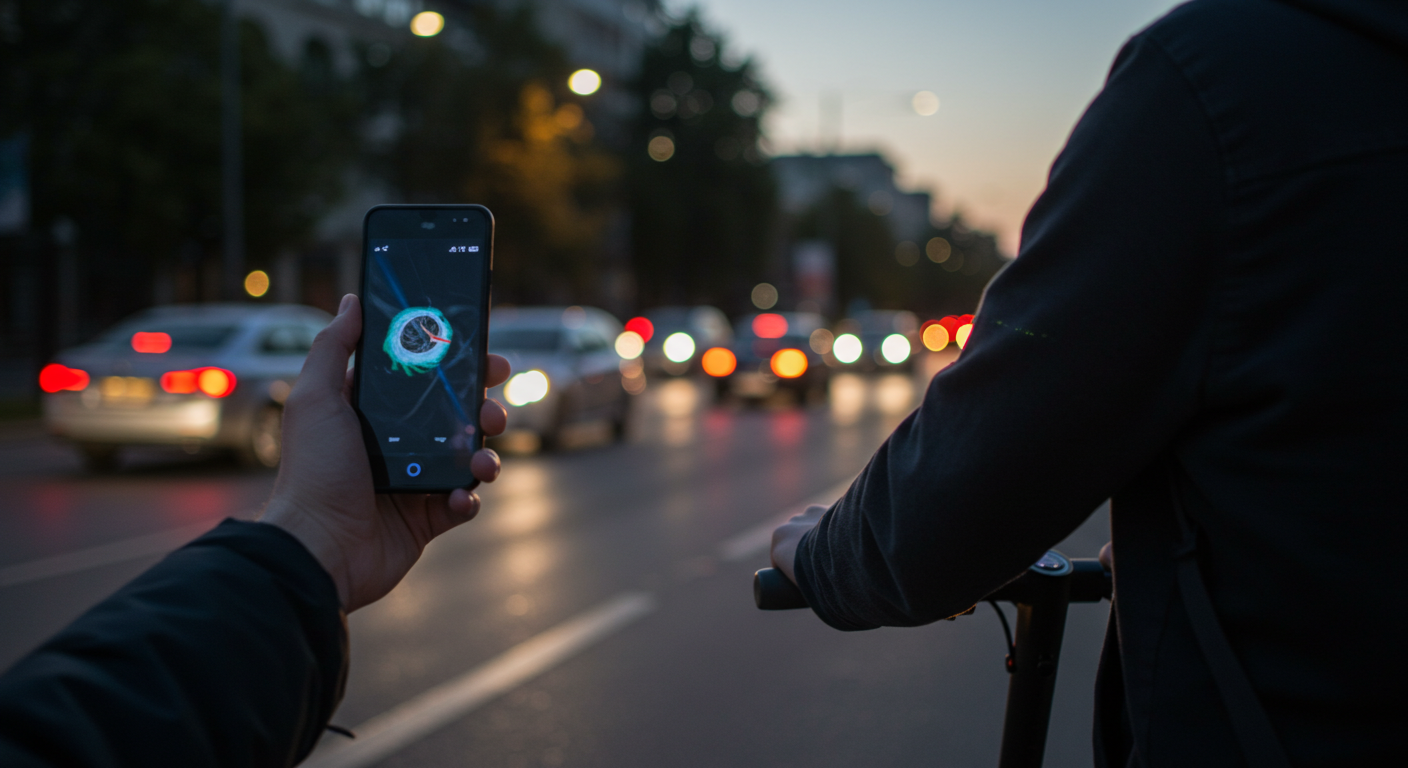
Using your phone while riding electric scooters causes serious problems. Many riders think scooter rules are the same as bike rules. This mistake leads to crashes, fines, and legal trouble. Distracted riding hurts people and damages property.
Phone use while riding electric scooters is banned in most places and very dangerous. Laws stop you from holding devices while riding any motor vehicle. This includes electric scooters. Bluetooth headsets might be okay in some areas, but check your local rules first. Safe phone use means stopping completely and parking your scooter before touching your device.
But here’s the thing – rules and punishments change a lot between different places.
1. Is It Legal to Use Your Phone While Riding an Electric Scooter?
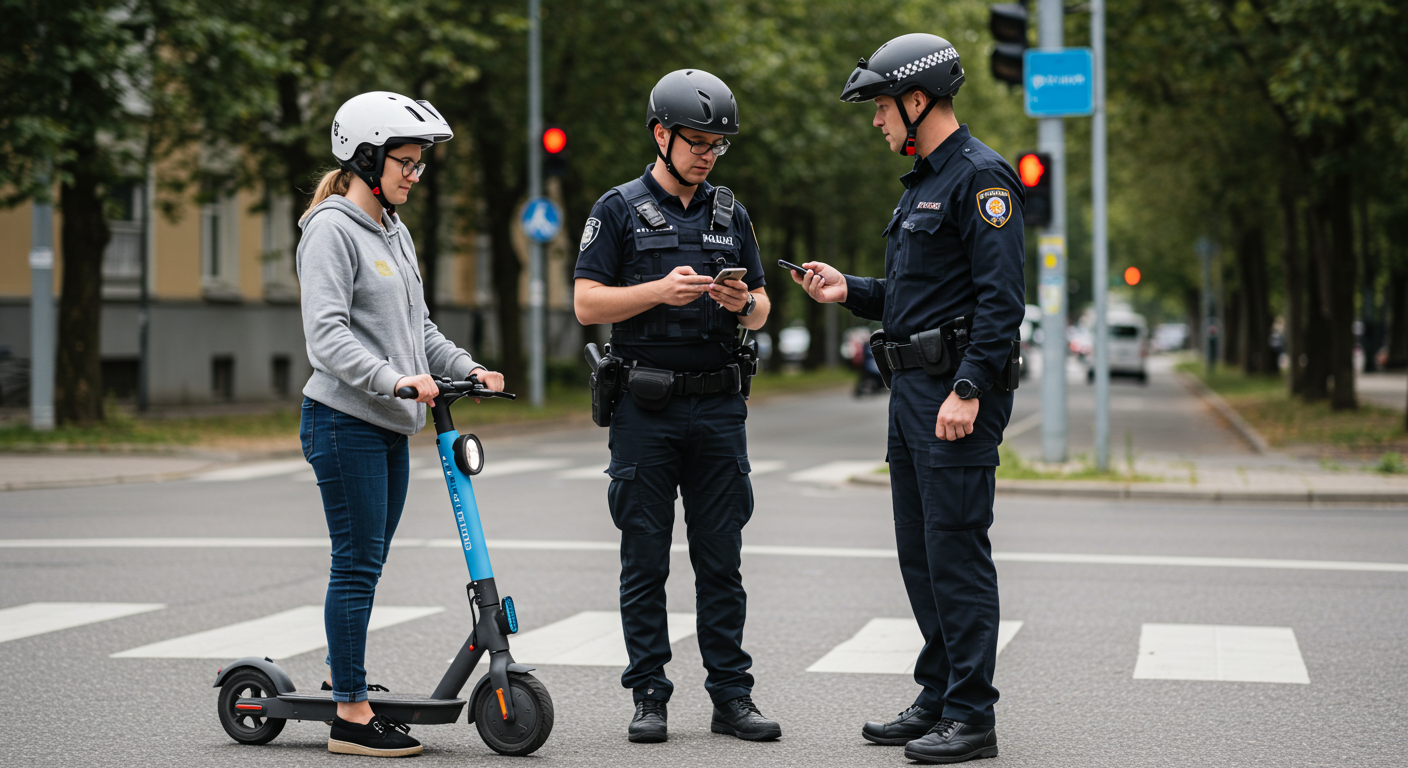
Local laws treat electric scooters differently across jurisdictions worldwide. Most cities classify electric scooters as motor vehicles subject to traffic laws. This classification makes handheld phone use illegal while riding. Penalties range from warnings to substantial fines and license points.
Here’s why it matters – legal consequences extend beyond simple fines. Insurance claims may be denied for accidents involving illegal phone use. Criminal charges can result from accidents causing injury or property damage. Employment consequences affect commercial drivers and delivery workers.
Hands-free device usage receives different treatment under various legal frameworks. Some jurisdictions permit Bluetooth headsets and voice commands. Others prohibit any audio devices that reduce environmental awareness. Emergency situations may provide legal exceptions in certain areas.
| Jurisdiction Type | Handheld Phone Use | Hands-Free Devices | Typical Penalties | Enforcement Level |
| Major Cities | Prohibited | Sometimes allowed | $100-500 fines | High |
| Suburban Areas | Usually prohibited | Often allowed | $50-200 fines | Medium |
| Rural Regions | Varies widely | Generally allowed | Warnings to $100 | Low |
| College Campuses | Institution rules | Usually allowed | Academic penalties | Variable |
Federal regulations in many countries delegate scooter laws to local authorities. This creates a patchwork of different rules and enforcement practices. Riders must research specific regulations for each area they plan to ride.
International travelers face additional complexity with varying national standards. European Union countries generally prohibit handheld use but allow hands-free devices. Asian countries often have stricter rules with higher penalties. Always check local laws before riding in unfamiliar areas.
Legal exceptions typically cover genuine emergency situations only. Medical emergencies, reporting crimes, or calling for roadside assistance may be permitted. However, riders must prove the emergency nature of their phone use if challenged.
2. What Are the Safety Risks of Phone Use on Electric Scooters?
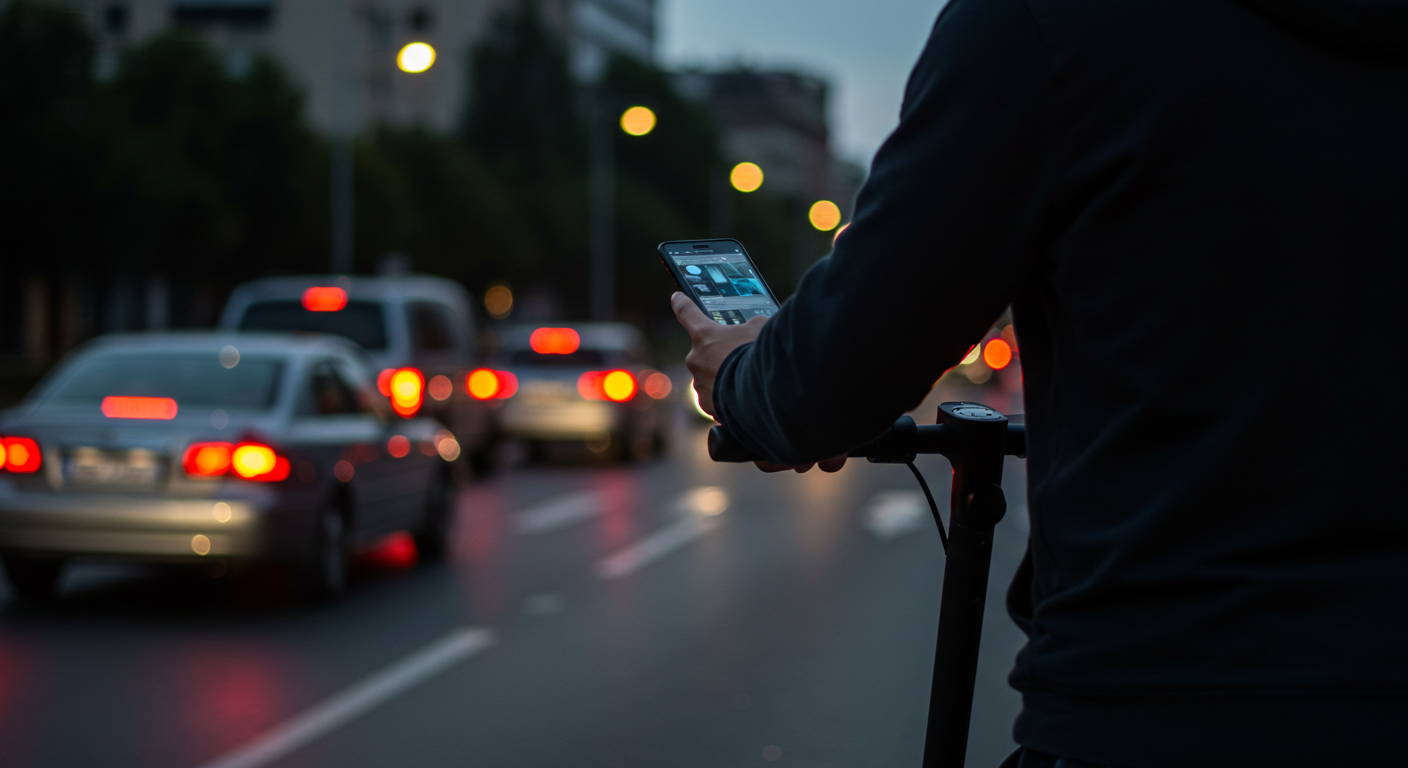
Accident statistics reveal alarming trends in distracted riding incidents. Studies show phone use increases accident risk by 300-400% for scooter riders. Distracted riders cause 60% more accidents than focused riders. Emergency room visits from scooter accidents increased 70% since smartphone adoption.
Collision causes directly link to specific phone activities. Texting creates the highest risk with 8-second average distraction periods. Voice calls reduce awareness by 40% even with hands-free devices. Social media use causes complete attention loss for 5-15 seconds.
Now, you might be wondering about the specific injury patterns from distracted riding. Head injuries occur 50% more often in phone-related accidents. Broken bones increase by 35% due to improper braking and steering. Facial injuries double when riders look down at screens.
Reaction time studies show dramatic performance degradation with phone use. Normal braking response takes 1.5 seconds for alert riders. Phone use extends reaction time to 3-4 seconds. This delay often means the difference between minor incidents and serious accidents.
| Phone Activity | Accident Risk Increase | Average Distraction Time | Injury Severity | Recovery Time |
| Texting | 400% higher | 8 seconds | Severe | 6-12 weeks |
| Voice calls | 200% higher | Continuous | Moderate | 2-6 weeks |
| Navigation | 150% higher | 3-5 seconds | Moderate | 2-4 weeks |
| Music control | 100% higher | 2-3 seconds | Minor | 1-2 weeks |
Environmental awareness drops significantly during phone use. Riders miss 70% of audio cues like car horns and sirens. Visual scanning reduces by 80% when looking at screens. Peripheral vision narrows by 50% during phone conversations.
Speed control becomes erratic with phone distractions. Riders unconsciously slow down by 20-30% while using phones. Sudden speed changes confuse other traffic participants. Inconsistent speeds increase rear-end collision risks.
Weather conditions amplify phone-related risks dramatically. Rain reduces visibility and traction while phones demand visual attention. Wind affects balance when riders use one hand for phones. Cold weather makes phone screens less responsive, increasing interaction time.
3. How Does Phone Use Affect Your Riding Performance?
Balance control suffers immediately when riders handle phones. Single-handed riding reduces stability by 60% on electric scooters. Weight distribution changes affect steering precision and cornering ability. Phone weight and positioning create additional balance challenges.
Steering precision decreases substantially with phone distractions. One-handed steering reduces control authority by 40%. Delayed steering inputs cause overcorrection and wobbling. Emergency maneuvers become nearly impossible with phone in hand.
Let me explain why multitasking fails so dramatically on electric scooters. Human brains cannot process multiple complex tasks simultaneously. Phone conversations consume 40% of available cognitive resources. Visual tasks like texting demand 80% of mental capacity.
Speed management becomes inconsistent and dangerous with phone use. Riders lose awareness of current speed and traffic flow. Acceleration and deceleration inputs become erratic and unpredictable. Speed limit compliance drops significantly during phone use.
| Performance Metric | Normal Riding | Phone Use Impact | Safety Margin Lost | Accident Risk |
| Balance Control | Stable | 60% reduction | Critical | Very high |
| Steering Precision | Accurate | 40% reduction | Significant | High |
| Speed Awareness | Good | 70% reduction | Major | High |
| Braking Response | 1.5 seconds | 3-4 seconds | Critical | Very high |
Braking performance deteriorates rapidly with phone distractions. Emergency stops require both hands and full attention. Phone use delays brake application by 2-3 seconds. Stopping distances increase by 50-100% during phone use.
Navigation challenges multiply when riders attempt phone-based directions. Looking at maps requires extended visual attention away from traffic. Voice directions may be unclear or mistimed. GPS accuracy issues cause confusion and sudden direction changes.
Traffic integration becomes problematic for distracted riders. Phone users miss traffic signals and signs regularly. Lane positioning becomes erratic and unpredictable. Communication with other road users through signals and eye contact disappears.
4. What Hands-Free Options Work Best for Scooter Riders?
Bluetooth headset technology offers the safest phone connectivity option. Quality headsets provide clear audio without blocking environmental sounds. Noise-canceling features should be avoided to maintain situational awareness. Battery life must support full riding sessions without interruption.
Voice command systems reduce physical phone interaction significantly. Modern smartphones support comprehensive voice control for calls, texts, and navigation. Setup requires pre-ride configuration to minimize riding distractions. Voice recognition accuracy varies with wind noise and helmet use.
This is important because proper hands-free setup prevents dangerous mid-ride adjustments. Pre-configure all settings before starting your ride. Test voice commands in safe environments first. Have backup plans for system failures.
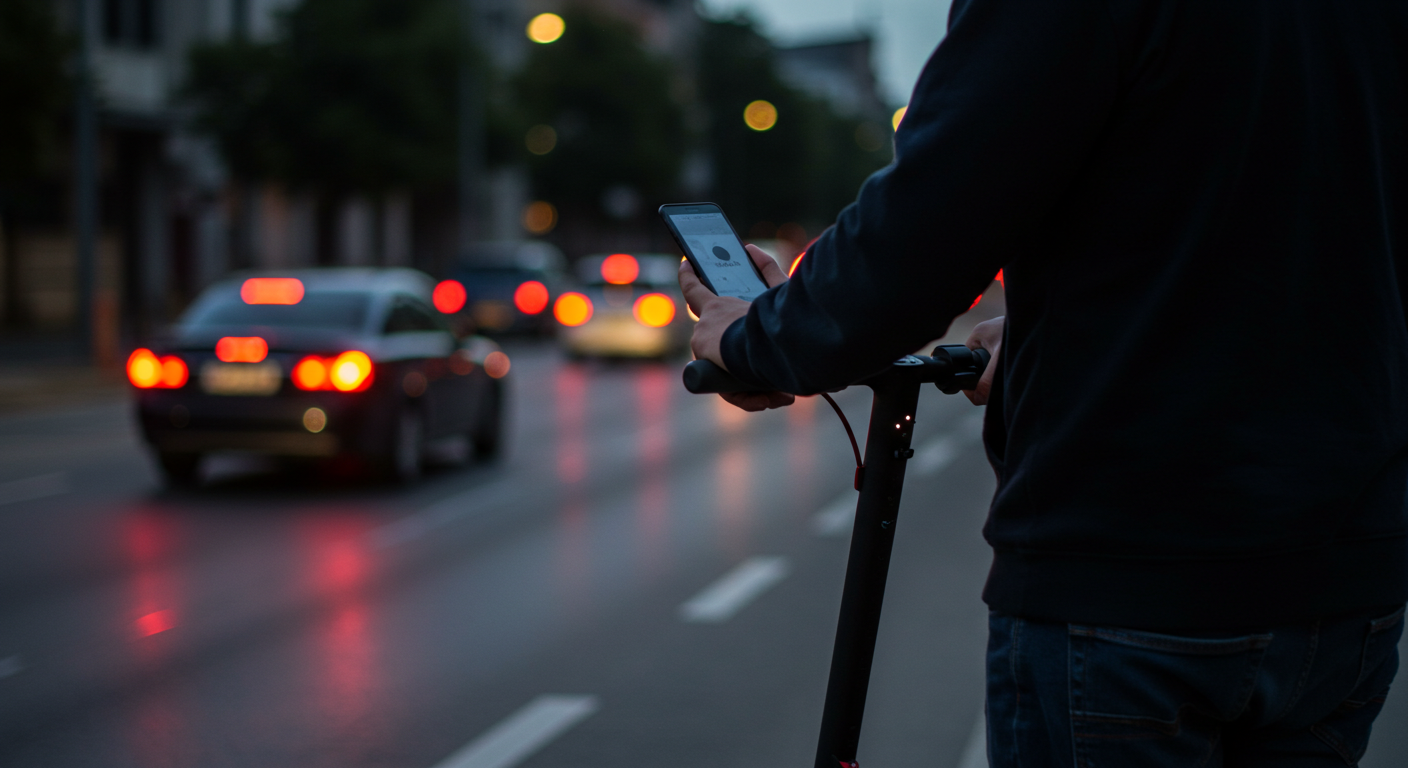
Handlebar phone mounts provide visual access without handheld use. Quality mounts secure phones against vibration and impacts. Waterproof cases protect devices from weather exposure. Positioning must not obstruct controls or rider vision.
| Hands-Free Option | Safety Level | Setup Complexity | Cost Range | Reliability Rating |
| Bluetooth Headset | High | Low | $30-200 | Excellent |
| Voice Commands | Medium | Medium | Free-$50 | Good |
| Handlebar Mount | Medium | Low | $15-80 | Very good |
| Smart Watch | High | High | $200-800 | Excellent |
Smart watch integration provides the most seamless connectivity experience. Watches display notifications without requiring phone access. Voice responses work through watch microphones and speakers. Fitness tracking adds value for health-conscious riders.
Bone conduction headphones offer unique advantages for scooter riders. They transmit sound through skull bones while leaving ears open. Environmental awareness remains nearly normal with these devices. Comfort during long rides exceeds traditional headphone designs.
Helmet-integrated communication systems provide professional-grade solutions. Built-in speakers and microphones offer superior audio quality. Aerodynamic designs reduce wind noise significantly. Higher costs limit adoption to serious commuters and enthusiasts.
5. When Is It Safe to Use Your Phone on an Electric Scooter?
Stopped and parked scenarios provide the only truly safe phone use opportunities. Complete stops with scooter secured prevent movement-related accidents. Parking away from traffic eliminates collision risks. Engine-off conditions prevent accidental acceleration.
Low-traffic area considerations may allow limited hands-free use. Empty parking lots and closed courses reduce external risks. Private property usage may have different legal requirements. However, balance and control risks remain unchanged.
Here’s the deal – even “safe” phone use carries inherent risks on any moving vehicle. Unexpected situations develop rapidly requiring immediate attention. Phone conversations reduce environmental awareness even when hands-free. Risk assessment must consider all potential scenarios.
Emergency communication needs may justify careful phone use. Medical emergencies require immediate professional assistance. Mechanical breakdowns may need roadside support calls. Personal safety threats demand police contact.
| Scenario Type | Safety Level | Recommended Action | Risk Factors | Legal Status |
| Complete Stop | Safe | Full phone use | None | Usually legal |
| Slow Traffic | Risky | Hands-free only | Other vehicles | Often illegal |
| Empty Areas | Moderate | Limited use | Balance issues | Varies |
| Emergencies | Justified | Necessary calls | Situation dependent | Usually legal |
Passenger communication situations create additional complexity. Riders carrying passengers must maintain control and awareness. Phone use while carrying passengers increases liability significantly. Communication with passengers should not involve phone devices.
Weather conditions affect safe phone use opportunities dramatically. Rain makes stopping and phone handling difficult. Wind increases balance challenges during stops. Cold weather reduces phone responsiveness and finger dexterity.
Time of day influences safe phone use possibilities. Daylight provides better visibility for safe stopping. Night riding requires extra caution for phone use. Rush hour traffic eliminates most safe phone use opportunities.
6. How Can You Stay Connected While Riding Safely?
Pre-ride planning eliminates most mid-ride phone needs effectively. Review routes and destinations before starting. Set up navigation systems while stationary. Inform contacts about riding schedules and availability.
Voice-activated navigation systems provide safe route guidance. Configure systems before riding begins. Use simple, clear voice commands only. Have backup navigation methods available.
What does this mean for you? Proper preparation prevents dangerous mid-ride phone handling. Invest time in setup to save safety risks later. Technology should support riding, not distract from it.
Emergency contact protocols establish communication procedures. Designate emergency contacts with riding schedules. Set up automatic location sharing with trusted contacts. Program emergency numbers for voice dialing.
| Safety Strategy | Implementation Difficulty | Effectiveness | Cost | User Satisfaction |
| Pre-ride Planning | Low | High | Free | Very high |
| Voice Navigation | Medium | High | $0-50 | High |
| Emergency Protocols | Low | Very high | Free | High |
| Smart Integration | High | Very high | $100-500 | Very high |
Smart scooter app integration offers advanced connectivity features. Apps provide ride statistics and maintenance reminders. GPS tracking helps with theft recovery and route logging. Remote diagnostics identify problems before they cause breakdowns.
Automatic response systems handle communications during rides. Set up auto-reply messages for texts and calls. Voice mail greetings can explain riding unavailability. Calendar integration blocks calls during scheduled rides.
Buddy system approaches improve safety and connectivity. Ride with partners who can handle communications. Establish hand signals for common needs. Take turns handling phone duties in groups.

7. What Are the Best Practices for Phone Management While Riding?
Storage solutions must balance accessibility with security. Secure pockets prevent phone loss during rides. Waterproof cases protect against weather damage. Easy access enables emergency use without fumbling.
Battery conservation techniques extend phone availability. Airplane mode with GPS saves significant power. Screen brightness reduction extends battery life. Background app management prevents unnecessary drain.
The bottom line? Proper phone management prevents mid-ride problems and distractions. Plan for battery needs and weather protection. Secure storage prevents loss and damage.
Weather protection methods preserve phone functionality. Waterproof cases handle rain and snow exposure. Temperature extremes affect battery performance and screen responsiveness. Condensation prevention protects internal components.
| Management Aspect | Best Practice | Common Mistakes | Cost Impact | Safety Impact |
| Storage | Secure, accessible pocket | Loose placement | $0-30 | High |
| Battery | Power management | Full brightness | $0-50 | Medium |
| Weather Protection | Waterproof case | No protection | $20-100 | Medium |
| Theft Prevention | Hidden storage | Visible mounting | $0-200 | Low |
Theft prevention strategies protect valuable devices. Hidden storage reduces theft opportunities. Secure mounting systems deter quick grabs. Insurance coverage protects against loss and damage.
Backup communication methods provide redundancy. Carry emergency contact cards with important numbers. Know locations of public phones and emergency services. Have alternative transportation plans for phone failures.
Regular maintenance keeps phone systems reliable. Clean charging ports and connections regularly. Update software and apps for optimal performance. Test hands-free systems periodically for proper function.
Conclusion
Using mobile phones while riding electric scooters creates serious legal and safety risks that far outweigh any perceived benefits. Most jurisdictions prohibit handheld phone use while operating electric scooters, with penalties ranging from fines to criminal charges. Distracted riding increases accident risk by 300-400% and causes severe injuries. Safe connectivity requires hands-free systems, proper planning, and complete stops for phone handling.
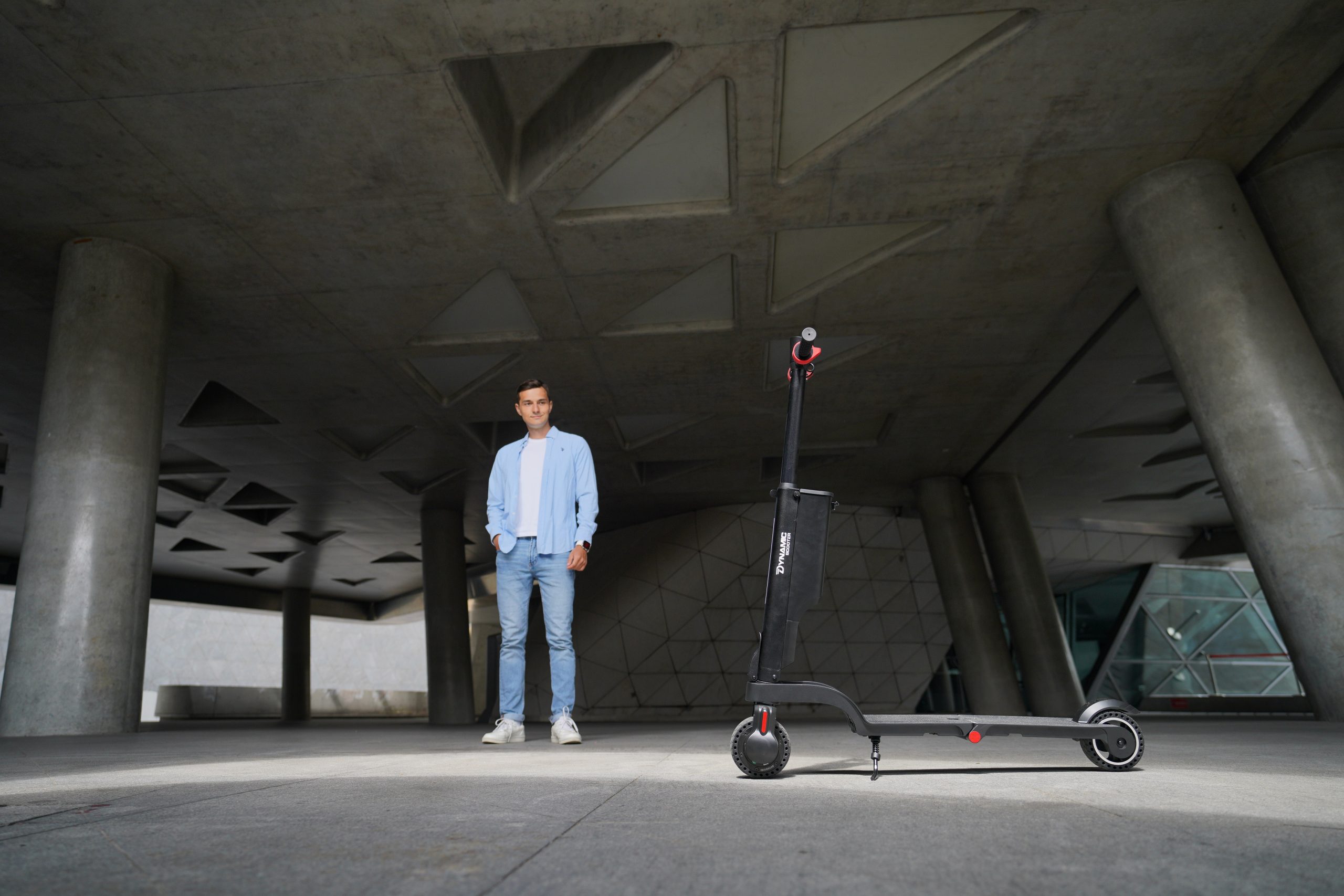
Dynamic Scooter prioritizes rider safety through advanced hands-free integration and smart connectivity features. Our Dynamic Scooter Model B includes Bluetooth connectivity, voice command support, and integrated navigation systems that keep you connected without compromising safety. Contact Dynamic Scooter today to experience safe, smart riding technology that protects you while keeping you connected.
FAQ
Q1: Can I answer calls while riding my electric scooter?
Answering calls while riding is illegal in most areas and extremely dangerous. If you must take an important call, pull over safely, stop completely, and park your scooter before answering. Hands-free devices may be legal in some jurisdictions but still reduce safety.
Q2: Is texting while riding an electric scooter illegal?
Yes, texting while riding an electric scooter is illegal in virtually all jurisdictions and carries the same penalties as texting while driving a car. Texting creates the highest accident risk of all phone activities, increasing crash likelihood by 400%.
Q3: What happens if I get caught using my phone while riding?
Penalties vary by location but typically include fines of $50-500, possible license points, and increased insurance rates. Accidents while using phones can result in criminal charges, denied insurance claims, and personal liability for damages.
The safest approach is setting up navigation before riding and using voice-only directions through Bluetooth headsets. If you must check directions, pull over completely and stop. Handlebar mounts allow visual access but still create distraction risks.
Q5: Can I use my phone for music while riding an electric scooter?
Music control should be set up before riding using voice commands or handlebar controls. Avoid handling your phone for music changes while riding. Bluetooth headsets or helmet speakers provide safer audio options than handheld devices.