
Riding your electric scooter at night can be risky. Poor visibility makes it hard for you to see the road and for others to see you. This increases the chance of accidents. Following key safety tips is the best way to protect yourself and enjoy your ride.
To ride an electric scooter safely at night, you must focus on visibility and awareness. Equip your scooter with powerful front and rear lights. Wear bright, reflective clothing to make yourself stand out to drivers. Slow down, stay alert, and choose well-lit routes you know. Regularly checking your scooter’s lights, brakes, and battery before you ride is also key for a safe trip after dark. These simple steps can greatly reduce the risks of night riding.
Ready to light up your ride? Let’s get started.
1. Why Is Riding an Electric Scooter at Night More Dangerous?
Riding an electric scooter is a fun and efficient way to get around. But when the sun goes down, the risks go up. The biggest danger is reduced visibility. It is much harder for you to see the path ahead. Potholes, cracks, and other hazards can appear out of nowhere. This makes it easy to lose control and have an accident. You need to be extra careful to spot these dangers in time.
It is also harder for other people to see you. Here’s the deal… cars, cyclists, and pedestrians might not notice you until it is too late. Most scooters are dark and do not have very powerful built-in lights. This makes you blend into the background. Without bright lights and reflective gear, you are nearly invisible to a driver. This is a very dangerous situation, especially at intersections or in busy areas.
Traffic patterns also change at night. There may be fewer cars on the road, but they are often traveling faster. Drivers may also be more tired or less attentive. This combination of factors increases the risk of a serious collision. You cannot assume that a driver sees you. You have to ride defensively and be prepared for unexpected actions from others.
Finally, your own perception can be a factor. Your depth perception and peripheral vision are not as sharp in the dark. This can make it difficult to judge distances and react quickly. All these factors combined make riding at night a serious challenge. Understanding these risks is the first step toward a safer ride.
| Risk Factor | Why It’s Dangerous at Night |
| Reduced Rider Visibility | Harder to spot potholes, debris, and other road hazards. |
| Lower Visibility to Others | Drivers and pedestrians may not see you in the dark. |
| Faster Traffic | Cars often travel at higher speeds on emptier roads. |
| Hidden Dangers | Poorly lit areas can hide unexpected obstacles. |

2. What Essential Gear Do You Need for Night Riding?
Having the right gear is one of the most effective ways to stay safe when riding at night. Your gear has two main jobs: to help you see and to help others see you. Investing in high-quality safety equipment is not just a good idea; it is a necessity. Do not cut corners when it comes to your safety. The right gear can make the difference between a safe ride and a serious accident.
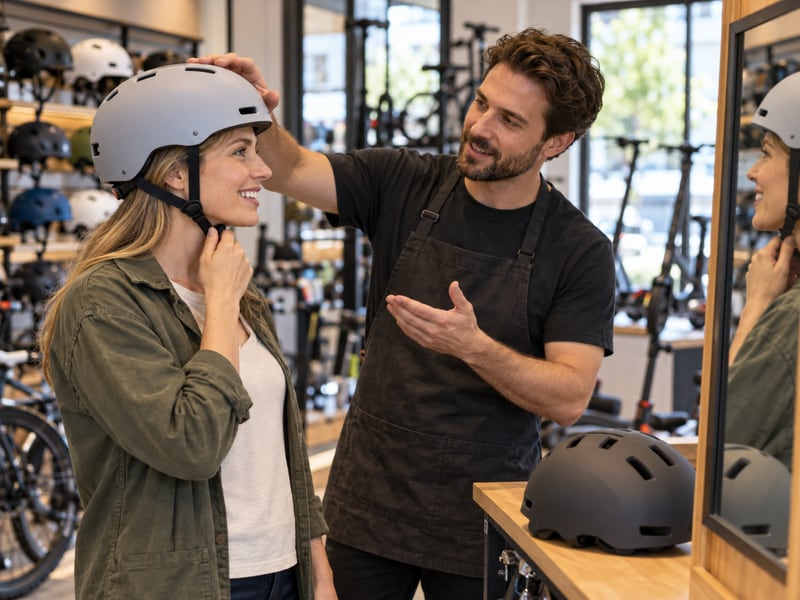
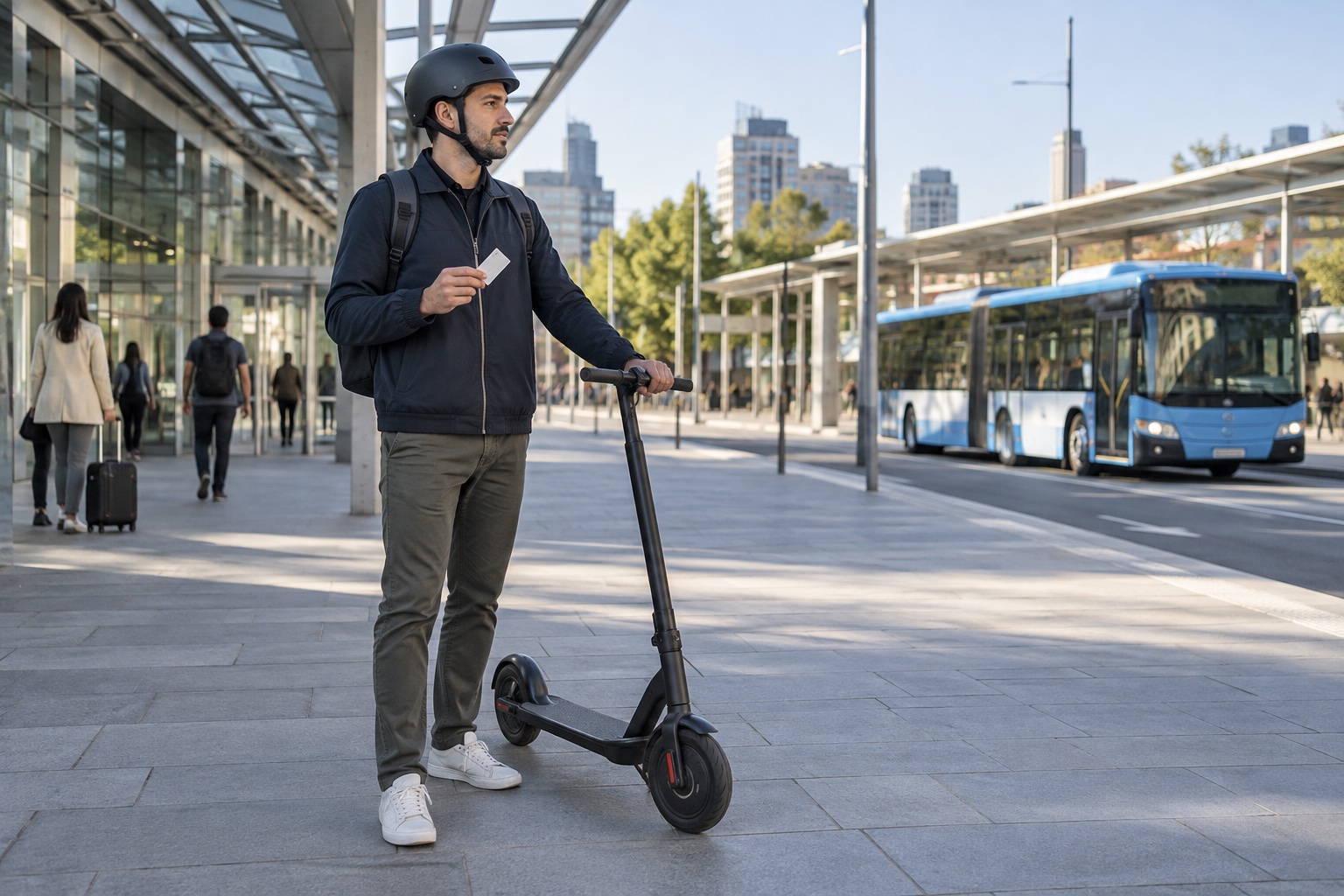
A high-quality helmet is the most important piece of safety gear you can own. Look for a helmet that has built-in reflective elements or a place to mount a light. A brightly colored helmet also helps you stand out. The bottom line? a helmet is your best defense against a head injury. Make sure it fits properly and that you wear it every time you ride, day or night.
Reflective clothing is also a must-have. A reflective vest or jacket will make you much more visible to drivers. The material reflects light from headlights, making you glow in the dark. You can also add reflective ankle and wrist bands. These are especially effective because their movement attracts the eye. The more reflective surfaces you have, the better.
Finally, you need powerful lights that you can attach to your scooter or your gear. Most scooters come with basic lights, but they are often not bright enough for safe night riding. A powerful front headlight will light up the path ahead, while a bright rear taillight will make you visible from behind. We will talk more about lights in the next section, but for now, know that they are an essential part of your night riding kit.
| Gear | Key Feature for Night Riding |
| Helmet | Bright color with reflective elements or a light mount. |
| Clothing | Reflective vest or jacket to make you highly visible. |
| Attachable Lights | Powerful front and rear lights to see and be seen. |
| Reflective Bands | Ankle and wrist bands add visibility through movement. |
3. How Can You Make Your Scooter More Visible to Others?
Making your scooter more visible is just as important as making yourself more visible. A scooter is a small vehicle, and it can easily disappear into the darkness. Taking steps to make it stand out is a proactive way to prevent accidents. There are several simple and effective ways to increase your scooter’s visibility from every angle.
First, consider upgrading the built-in lights on your scooter. The stock lights are often designed to meet minimum legal requirements, but they may not be very powerful. Now, you might be wondering… is it hard to upgrade them? Not usually. You can find many aftermarket LED lights that are much brighter and more effective. A brighter headlight and taillight will make a huge difference in how well others can see you.
Reflective tape is another great tool. You can apply strips of reflective tape to the frame, fenders, and stem of your scooter. When a car’s headlights hit the tape, it will light up brightly. This makes the shape and size of your scooter much clearer to drivers. You can find reflective tape in various colors at most hardware or auto parts stores. It is an inexpensive and easy way to boost your visibility.
Adding reflectors to your wheels is another smart move. As the wheels spin, the reflectors create a flashing effect that is very eye-catching. Some companies make special reflective stickers that are designed to fit on the spokes or rims of scooter wheels. You can also attach a small, reflective flag to the back of your scooter. The movement of the flag will help you stand out, especially from a distance.
| Visibility Hack | How It Helps |
| Upgrade Lights | Brighter lights make you visible from farther away. |
| Reflective Tape | Outlines the shape of your scooter to drivers. |
| Wheel Reflectors | Creates an eye-catching motion that attracts attention. |
| Reflective Flag | Adds height and movement to increase visibility. |

4. What Are the Best Lighting Practices for Night Riding?
Good lighting is the cornerstone of safe night riding. It is not just about having lights; it is about using them correctly. The right lighting setup will illuminate your path and announce your presence to everyone on the road. Understanding a few key principles will help you choose and use your lights effectively.
When you are shopping for lights, you will see their brightness measured in lumens. The more lumens, the brighter the light. For a front headlight, you want at least 200 lumens for riding in well-lit urban areas. This is important because… if you ride on dark paths or poorly lit streets, you will need a more powerful light, in the range of 400-600 lumens or more. This will give you enough light to see hazards in time to react.
Your front light should be a steady white light. Its main job is to light up the path in front of you. A flashing front light can be distracting and can make it harder to see the road. Mount your headlight on the handlebars and aim it slightly downward. This will illuminate the ground 15-20 feet in front of you without blinding oncoming traffic.
For your rear light, a flashing red light is the best choice. The blinking pattern is very effective at grabbing the attention of drivers. It cuts through the visual noise of a city at night. Mount the rear light on the back of your scooter or on your helmet. Make sure it is not blocked by your backpack or clothing. Using both a front and rear light is not just a good idea; it is often required by law.
| Light Type | Recommended Practice |
| Front Headlight | Steady white beam, 200+ lumens, aimed at the path. |
| Rear Taillight | Flashing red light for maximum attention-grabbing power. |
| Positioning | Mount lights securely where they are not obstructed. |
5. How Should You Adjust Your Riding Style After Dark?
Having the right gear is only half the battle. You also need to adjust the way you ride. Riding at night requires a different mindset. You need to be more cautious, more defensive, and more aware of your surroundings. Your goal is to see, be seen, and have plenty of time to react to whatever comes your way.
First and foremost, slow down. Your visibility is lower at night, so you will have less time to react to obstacles. Reducing your speed gives you more time to spot a pothole or a pedestrian. Let me explain… it also reduces your stopping distance. This is critical when a car pulls out in front of you unexpectedly. Riding at a slower, more controlled pace is one of the simplest and most effective ways to stay safe.
Increase your following distance from cars and other vehicles. This gives you more room to maneuver and stop if needed. It also makes you more visible to the driver in front of you, as you will be in their mirrors for a longer period. Try to stay out of a driver’s blind spot. Assume that they cannot see you and give them plenty of space.
Be extra cautious at intersections, driveways, and crosswalks. These are high-risk areas where accidents are most likely to happen. Make eye contact with drivers whenever possible to confirm that they see you. Avoid distractions like listening to music with headphones. You need all your senses to be alert to the sounds of traffic around you. Staying focused is key to a safe night ride.
| Riding Adjustment | Reason for the Change |
| Reduce Speed | Increases reaction time and reduces stopping distance. |
| Increase Following Distance | Provides more space to react and makes you more visible. |
| Use Extra Caution | Intersections and driveways are common accident spots. |
| Avoid Distractions | Keeps you focused and aware of your surroundings. |

6. What Common Road Hazards Should You Watch For at Night?
Road hazards that are easy to spot during the day can become nearly invisible at night. Your headlight will help, but shadows and poor lighting can still hide dangers. Knowing what to look for can help you anticipate and avoid these common hazards. A smooth ride is a safe ride, and that means keeping an eye out for anything that could cause you to lose control.
Potholes, cracks, and uneven pavement are some of the biggest threats. They can be hard to see, especially when they are filled with water or shadows. Hitting a pothole at speed can cause you to crash. Want to know the secret? scan the road ahead continuously. Look for dark patches or irregularities in the pavement. If you cannot avoid a hazard, slow down as much as possible before you hit it.
Loose debris on the road is another common problem. This can include gravel, sand, wet leaves, or trash. These materials can reduce your tire traction and cause you to slip. Be especially careful when cornering or braking on a surface with loose debris. Try to ride around these patches whenever it is safe to do so.
Animals can also be a surprising hazard, especially in suburban or rural areas. A deer, raccoon, or even a dog can dart into the road without warning. Be aware of your surroundings, especially when riding near parks or wooded areas. Slowing down gives you more time to react if an animal appears in your path. Staying alert is your best defense against these unpredictable dangers.
| Hazard | How to Handle It at Night |
| Potholes and Cracks | Scan the road ahead and slow down if you cannot avoid them. |
| Loose Debris | Avoid turning or braking suddenly on gravel, sand, or wet leaves. |
| Animals | Be extra alert near parks and wooded areas, and be ready to stop. |

7. How Does Weather Impact Night Riding Safety?
Weather adds another layer of complexity to night riding. Rain, fog, and cold can all create new challenges and increase your risk. Before you head out for a night ride, always check the weather forecast. If the conditions are poor, it might be best to choose another way to get to your destination. If you do decide to ride, you need to know how to adjust for the conditions.
Rain is one of the biggest weather-related dangers. Wet roads are slippery, which reduces your tire traction and increases your stopping distance. Here’s why it matters… your brakes will not work as well in the rain. Visibility is also much lower for both you and for drivers. If you must ride in the rain at night, slow down significantly and give yourself extra room to stop. Be very gentle with your braking and steering.
Fog and mist can be even more dangerous than rain. They can reduce visibility to just a few feet. Your headlights will not penetrate very far into the fog. In these conditions, it is extremely difficult for drivers to see you. It is best to avoid riding in fog altogether. If you get caught in unexpected fog, pull over to a safe location and wait for it to clear.
Cold temperatures can also affect your scooter. Your battery will not perform as well in the cold, which can reduce your range. You might find that you have less power than you expected. Dress in warm layers to protect yourself from the cold. Cold hands can make it harder to operate the brakes and throttle. Wearing good gloves is essential for maintaining control of your scooter.
| Weather Condition | Safety Adjustment |
| Rain | Reduce speed, increase stopping distance, brake gently. |
| Fog/Mist | Avoid riding if possible; pull over if caught in fog. |
| Cold | Be aware of reduced battery range; dress in warm layers. |
Conclusion
Staying safe while riding your electric scooter at night is all about being prepared and being cautious. By using the right lights and reflective gear, you make yourself visible to others. By adjusting your riding style and being aware of your surroundings, you can avoid common hazards.
These tips will help you enjoy the freedom of your scooter, day or night. For a scooter with excellent built-in safety features, check out the Dynamic Scooter Model B. Its powerful lights and reliable brakes are designed to keep you safe. Visit our website to find the right scooter for your nighttime adventures.

FAQ
Q1: Is it legal to ride an electric scooter on the sidewalk at night?
This depends heavily on local laws. Many cities prohibit riding on sidewalks to protect pedestrians. At night, this is even more important. Always check your local regulations. It is generally safer to use bike lanes.
Q2: How many lumens should my front scooter light be?
For urban riding, a front light of at least 200 lumens is recommended to see the path ahead. If you ride in poorly lit areas, a light with 400-600 lumens or more is a much safer choice.
Q3: Can I use a helmet-mounted light instead of a scooter-mounted one?
A helmet-mounted light is a great addition for visibility, as it shows where you are looking. However, it should not replace a scooter-mounted headlight. The scooter light provides a steady beam on the path, which is key for spotting hazards.
Q4: What is the best color to wear for maximum visibility at night?
Bright, fluorescent colors like neon yellow, green, and orange are most visible during the day and at dusk. At night, the most important factor is reflectivity. Wear a jacket or vest with wide reflective stripes.
Q5: Does a flashing rear light really make a difference?
Yes, a flashing red rear light is highly effective at attracting the attention of drivers. The blinking pattern helps the human eye notice movement more quickly than a steady light, making you stand out in traffic.