
Choosing an electric scooter can feel overwhelming. You face many options, and picking the right one is hard. Many buyers struggle with technical specifications and matching them to their daily needs. This often leads to purchasing a scooter that does not meet expectations, causing frustration and wasted money.
This article helps you avoid those pitfalls. It guides you through the essential features and considerations for a smart purchase. We will cover key performance metrics, design elements, safety features, and after-sales support to help you make an informed decision.
1. What Key Features Define a High-Performance Electric Scooter?
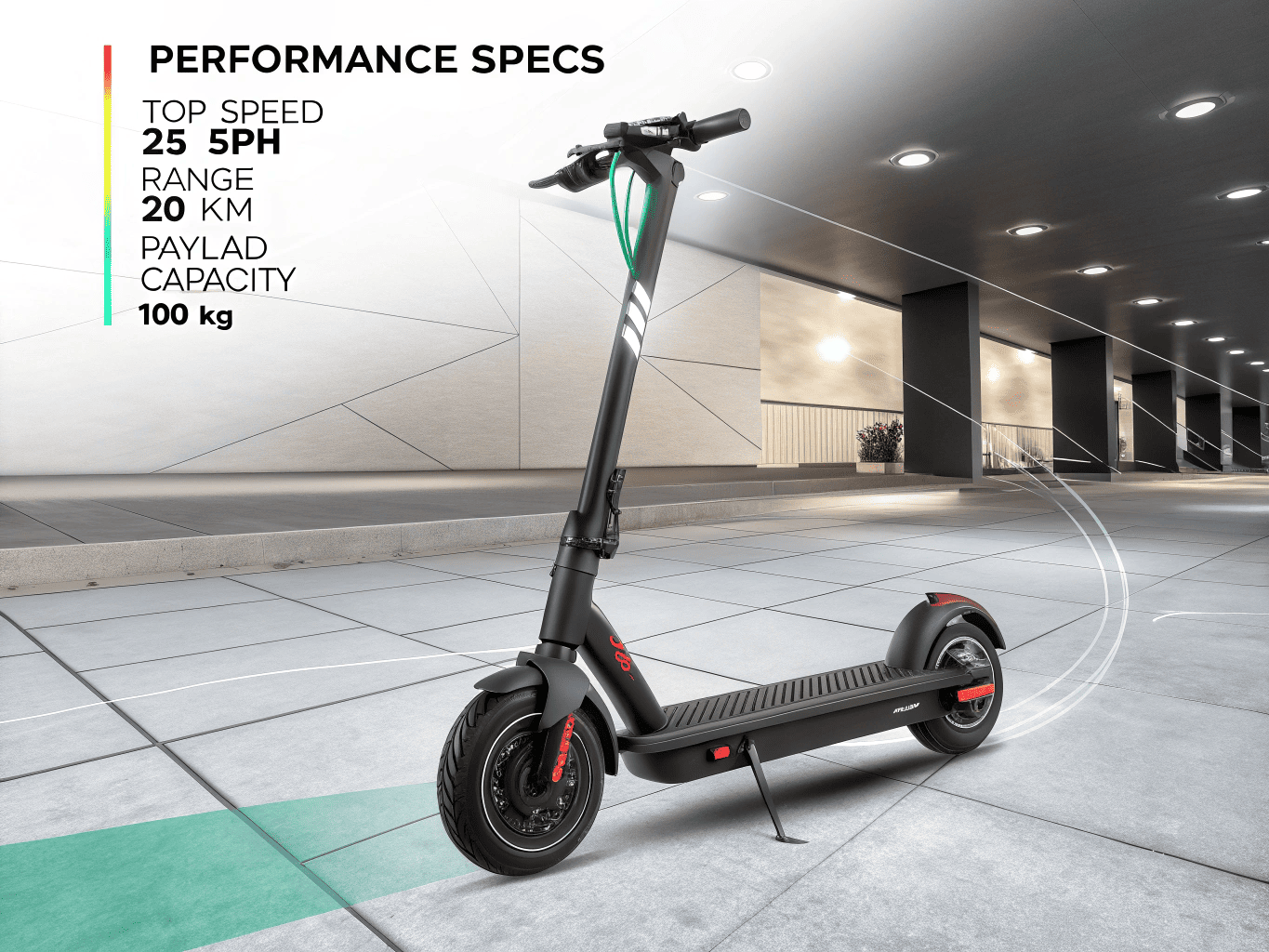
When you look for an electric scooter, performance is a top concern. Key features set a high-quality model apart from the rest. Top speed and maximum range are critical factors. A good scooter should offer a speed of around 25 kph (15 mph) and a range of at least 20 km (12 miles). These numbers ensure you can handle most urban commutes without issue. The payload, or how much weight the scooter can carry, is also important. Look for a model that supports up to 100 kg (220 lbs) to accommodate most riders and their gear.
A scooter’s ability to climb hills, known as the climbing angle, is another vital feature. A 10° climbing angle is a good benchmark for city environments with moderate inclines. This ensures you will not get stuck pushing your scooter up a hill. Portability is also a major consideration for commuters. A lightweight and foldable design makes it easy to carry your scooter onto public transport or store it at your destination. Here’s why it matters… these features combine to create a scooter that is not just a toy, but a reliable mode of transportation.
Braking systems are non-negotiable when it comes to safety. A dual-brake system, which might include a disc brake and an electronic brake, provides reliable stopping power. This is essential for navigating unpredictable city traffic. The display is your scooter’s dashboard. A large, high-definition LED screen gives you clear access to your speed, battery level, and other important information at a glance. Finally, the battery is the heart of your scooter. A detachable lithium battery offers convenience, allowing you to charge it separately from the scooter. A Smart Battery Management System (BMS) is a must-have for safety and longevity, protecting against issues like overcharging and short circuits.
| Feature | Ideal Specification |
| Top Speed | Up to 25 kph (15 mph) |
| Max Range | Up to 20 km (12 miles) |
| Payload | Up to 100 kg (220 lbs) |
| Climbing Angle | 10° |
Understanding these key features helps you compare different models effectively. It allows you to move beyond marketing claims and focus on the specifications that truly matter for a high-performance electric scooter. A scooter that excels in these areas will provide a better, safer, and more enjoyable riding experience. This knowledge empowers you to invest in a product that meets your specific needs for daily travel. It ensures your new scooter is a practical and dependable part of your routine.

2. How Does Portability and Design Impact Daily Commuting?
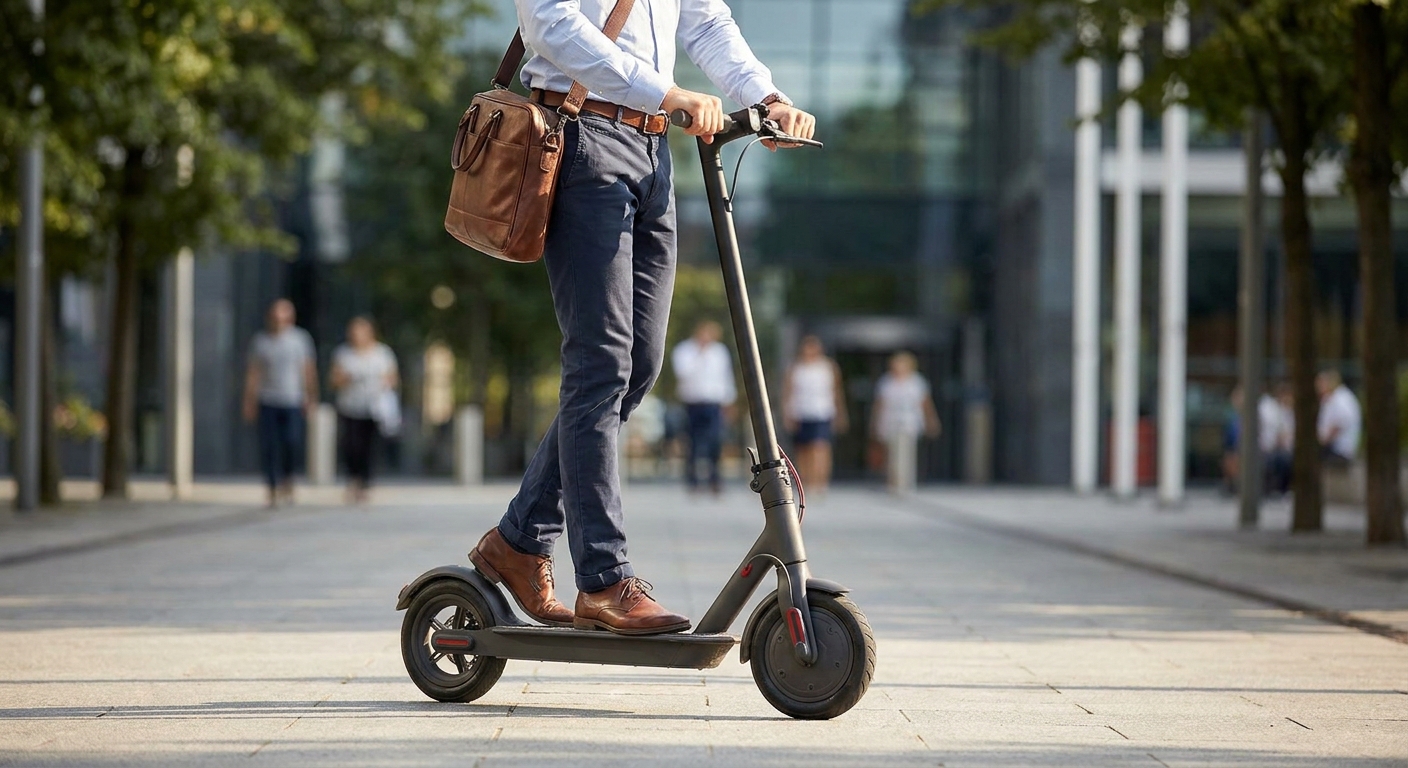
For daily commuters, a scooter’s portability and design are just as important as its performance. A lightweight construction makes a big difference. You need to carry your scooter up stairs, onto buses, or into your office. Models that fit in a backpack or are compact when folded offer great convenience. This design makes multimodal commuting easy. You can ride part of the way and then switch to public transport without hassle. The overall size and weight directly affect how often you will use your scooter.
Ergonomic design also plays a crucial role in comfort. Non-slip grips, often made from silicone and aluminum-magnesium alloy, provide a secure hold. This prevents hand fatigue on longer rides. A well-designed scooter feels natural to ride. Waterproofing is another key design element. An IP54 waterproof level protects your scooter from splashes and dust. This means you can ride in light rain without worry. But here’s the thing… this level of protection ensures your investment lasts longer, even with daily exposure to the elements.
Consider the starting modes: zero-start and non-zero start. Zero-start means the scooter accelerates from a standstill with the throttle. Non-zero start requires a kick-off before the throttle engages. Both have their uses. Zero-start offers quick acceleration, good for stop-and-go traffic. Non-zero start provides a safer, more controlled start, especially for new riders. The choice depends on your riding style and comfort level. A scooter that offers both modes gives you flexibility.
| Design Feature | Commuting Benefit |
| Lightweight | Easy to carry and transport |
| Foldable | Compact storage, fits in small spaces |
| Ergonomic Grips | Comfortable, secure handling |
| IP54 Waterproof | Protection from splashes and dust |
These design elements make your daily commute smoother. They turn the electric scooter into a practical tool for urban travel. A well-designed scooter integrates seamlessly into your life. It offers convenience and reliability, making your journey more enjoyable. Choosing a scooter with these features means you choose ease and adaptability for your daily routine.
3. What Safety Features Are Essential for Electric Scooters?
Safety is paramount when riding an electric scooter. The braking system is your first line of defense. A dual-brake system, combining mechanical and electronic brakes, offers superior stopping power. This setup ensures quick and reliable deceleration, even in emergencies. It reduces the risk of accidents significantly. Always check for this feature when considering a purchase. It provides peace of mind on busy streets.
Battery safety is another critical aspect. A Smart Battery Management System (BMS) protects the battery from various hazards. This system prevents overcharging, which can damage the battery and pose a fire risk. It also guards against over-discharging, extending the battery’s lifespan. Overcurrent protection prevents damage from sudden power surges. Now, you might be wondering… how these systems work together to keep you safe.
Temperature protection is also built into a good BMS. It stops the battery from operating outside safe temperature ranges, preventing overheating or freezing damage. Low voltage auto sleep protection puts the battery into a safe mode when its charge is too low. This prevents deep discharge, which can permanently harm the battery. These protections are not just about the scooter’s longevity; they are about your personal safety. They ensure the electrical components operate within safe limits.
| Safety Feature | Benefit |
| Dual-Brake System | Reliable, quick stopping |
| Smart BMS | Prevents overcharging, over-discharging |
| Overcurrent Protection | Guards against power surges |
| Temperature Protection | Prevents overheating/freezing |
| Low Voltage Auto Sleep | Protects battery from deep discharge |
These safety features are non-negotiable. They provide a robust layer of protection for both the rider and the scooter. Investing in a scooter with these advanced safety mechanisms means you prioritize your well-being. It allows you to ride with confidence, knowing that the scooter is designed to handle unexpected situations. Always review the safety specifications before making your final decision.

4. How Does Battery Life and Charging Affect Scooter Usability?
Battery life is a primary concern for any electric scooter user. The range of your scooter directly depends on its battery capacity. A detachable lithium battery offers significant convenience. You can remove it for charging, which is ideal if you live in an apartment or do not have an outdoor charging point. This also allows for easier battery replacement or upgrades in the future. A good battery should provide enough range for your daily commute, typically around 20 km (12 miles).
Rider weight influences both speed and range. Heavier riders will experience a shorter range and potentially lower top speeds. This is because the motor needs more power to move a heavier load. Understanding this relationship helps you choose a scooter with adequate power for your needs. The charging interface and efficiency are also important. A standard DC charging interface is common and convenient. Fast charging capabilities can reduce downtime between rides. Let me explain… a quick charge means more riding and less waiting.
Battery warranty is a key indicator of quality and expected lifespan. Look for a scooter with a decent battery warranty, such as 12 months. This protects your investment against premature battery degradation. A robust Smart Battery Management System (BMS) further extends battery life by preventing common issues like overcharging and deep discharge. This system ensures the battery operates within safe parameters, maximizing its efficiency and longevity. Proper battery care, like avoiding extreme temperatures, also contributes to its overall lifespan.
| Battery Aspect | Impact on Usability |
| Detachable Lithium | Convenient charging, easy replacement |
| Range (20km+) | Sufficient for daily commutes |
| Rider Weight | Affects speed and range |
| Charging Interface | Standard DC for convenience |
| 12-Month Warranty | Protects investment, indicates quality |
These battery and charging considerations are vital for long-term satisfaction. A scooter with a reliable, long-lasting battery makes your daily travel stress-free. It means fewer interruptions for charging and more time on the road. Prioritize these aspects to ensure your electric scooter remains a dependable mode of transport for years to come.

5. What Should You Consider Regarding After-Sales Support and Warranty?
After-sales support and warranty terms are crucial for any significant purchase. A good warranty protects your investment. Look for a product warranty of at least 6 months. This covers manufacturing defects and ensures you receive a functional product. The battery often has a separate warranty, typically 12 months. This longer period reflects the battery’s importance and cost. Always read the warranty details carefully to understand what is covered and for how long.
The return policy is another vital consideration. A 7-day return policy gives you time to test the scooter and ensure it meets your expectations. This is especially important for online purchases where you cannot physically inspect the product beforehand. Clear return policies indicate a company’s confidence in its products. This is important because… it provides a safety net if the scooter does not fit your needs.
Availability of maintenance and support is also key. Does the company offer repair services? Are spare parts readily available? Knowing you can get help if something goes wrong adds significant value. Excellent customer service makes a big difference. Responsive and helpful support can resolve issues quickly, minimizing downtime. This support ensures your scooter remains operational and enjoyable for a long time. It reflects a commitment to customer satisfaction.
| Support Aspect | Importance |
| Product Warranty (6 months) | Covers manufacturing defects |
| Battery Warranty (12 months) | Protects key component |
| 7-Day Return Policy | Allows testing, ensures fit |
| Maintenance Availability | Ensures long-term usability |
| Customer Service | Quick issue resolution |
These after-sales considerations ensure a smooth ownership experience. A strong support system means you are not left stranded if issues arise. It builds trust and confidence in your purchase. Prioritizing companies with robust warranties and excellent customer service protects your investment and enhances your overall satisfaction.

6. How Does Price and Value Influence Electric Scooter Purchases?
Price is often a deciding factor when buying an electric scooter. However, focusing solely on the lowest price can be misleading. High cost performance is what you should seek. This means getting the best features and reliability for your money. It is about balancing quality with competitive pricing. A scooter that offers a good blend of performance, durability, and features at a reasonable price provides true value. This approach ensures you are not overpaying for unnecessary bells and whistles.
Discounts and reasonable pricing points can make a significant difference. Many retailers offer promotions, especially during seasonal sales. Keep an eye out for these opportunities. Comparing multiple stores is always a smart move. Prices can vary widely for the same model. This comparison helps you find the best deal available. It also gives you leverage if you are negotiating with a local dealer. Want to know the secret? It is not just about the initial price, but the long-term value.
Consider the long-term value versus the initial cost. A cheaper scooter might save you money upfront but could cost more in repairs or replacements later. A slightly more expensive model with better components and a stronger warranty might be more economical in the long run. Think about the total cost of ownership. This includes maintenance, potential part replacements, and battery longevity. Investing in a quality product often pays off over time. It provides a more reliable and satisfying experience.
| Price Factor | Consideration |
| High Cost Performance | Best features and reliability for money |
| Competitive Pricing | Balance quality with affordability |
| Discounts | Look for seasonal sales, promotions |
| Compare Stores | Find best deals, negotiate |
| Long-Term Value | Consider total cost of ownership |
Understanding how price relates to value helps you make a smarter purchase. It moves you beyond simple sticker shock to a more informed decision. A scooter that offers excellent value will serve you well for years. It ensures your investment is sound and provides reliable transportation. This careful consideration leads to greater satisfaction with your purchase.
7. What Are the Common Pain Points for Electric Scooter Users?
Even with the best electric scooters, users often face common challenges. High initial price is a frequent concern. Many potential buyers find the upfront cost a barrier. This is especially true for those new to electric personal transportation. Finding a balance between budget and desired features can be difficult. It requires careful research and comparison. This pain point highlights the need for high cost-performance models.
Battery life issues are another significant pain point. Users worry about the scooter’s range and how long the battery lasts on a single charge. Slow charging times can also be frustrating. Nobody wants to wait hours for their scooter to be ready. These concerns often lead to range anxiety, limiting where and how users can travel. The bottom line? Reliable battery performance is key to user satisfaction.
Usage and transportation issues also arise. Carrying a scooter on public transport or storing it in small spaces can be awkward if the design is not compact enough. Navigating crowded sidewalks or uneven terrain presents its own set of challenges. Safety issues are always a concern. Riders worry about accidents, especially with cars or pedestrians. They also think about the scooter’s stability and braking effectiveness. These fears can deter potential buyers.
| Pain Point | Impact on User |
| High Price | Barrier to entry, budget concerns |
| Battery Life | Range anxiety, slow charging |
| Usage/Transport | Awkward carrying, storage |
| Safety | Accident fears, stability worries |
| After-Sales Service | Lack of support, maintenance issues |
After-sales service can also be a pain point. Users expect prompt and effective support for repairs or warranty claims. A lack of clear communication or slow service can lead to frustration. This can damage a brand’s reputation. Addressing these pain points directly helps manufacturers build trust. It also helps users make more informed decisions about their purchase. A good scooter anticipates and mitigates these common problems.
8. How Do Environmental Factors Affect Scooter Choice and Usage?
Environmental factors play a significant role in how you choose and use an electric scooter. Waterproofing is a key feature for riders in diverse weather conditions. An IP54 rating, for example, means the scooter resists splashes and dust. This allows you to ride in light rain without damaging the electronics. However, it is important to remember that such ratings do not mean the scooter is submersible. Avoid heavy downpours or riding through deep puddles. This protection ensures your scooter remains functional in varied climates.
Adaptability to different environments is also crucial. Some scooters are better suited for smooth city pavements, while others can handle light off-road conditions. Consider your typical riding environment. Will you encounter uneven sidewalks, gravel paths, or only smooth roads? The type of tires and suspension system will affect comfort and safety on different surfaces. What does this mean for you? Choosing a scooter that matches your local terrain will greatly enhance your riding experience.
Daily commuting in various climates requires specific considerations. In colder regions, battery performance can decrease. Batteries are less efficient in low temperatures, which can reduce range. In warmer climates, overheating can be a concern, though a good BMS helps manage this. Maintenance considerations also change with the environment. Regular cleaning is more important in dusty or muddy areas. Protecting your scooter from extreme temperatures extends its lifespan. Environmental awareness also drives many purchases. Electric scooters offer a green alternative to cars, reducing carbon emissions.
| Environmental Factor | Scooter Consideration |
| Light Rain/Splashes | IP54 Waterproofing |
| Uneven Terrain | Tire type, Suspension |
| Cold Weather | Battery performance |
| Hot Weather | Overheating protection |
| Dusty/Muddy Areas | Regular cleaning, IP rating |
These factors directly influence the practicality and longevity of your electric scooter. Selecting a model that can withstand your local climate and terrain ensures reliable performance. It also helps you contribute to a more sustainable mode of transport. A well-suited scooter provides consistent performance, regardless of the weather or road conditions.
9. What User Experience Factors Drive Scooter Satisfaction?
Beyond technical specifications, the overall user experience greatly influences satisfaction. Easy operation and intuitive controls are essential. A scooter should be simple to learn and ride, even for beginners. Controls like the accelerator and brakes should be easily accessible and responsive. This reduces the learning curve and makes riding enjoyable from the start. A well-designed interface contributes to a seamless experience.
A comfortable riding experience is also key. This includes factors like the deck size, handlebar height, and grip design. Non-slip grip designs, often made with silicone and aluminum-magnesium alloy, provide a secure and comfortable hold. This prevents hand fatigue on longer rides. A smooth ride minimizes vibrations and bumps, making your commute more pleasant. Here’s the deal… comfort directly impacts how often you will choose to ride your scooter.
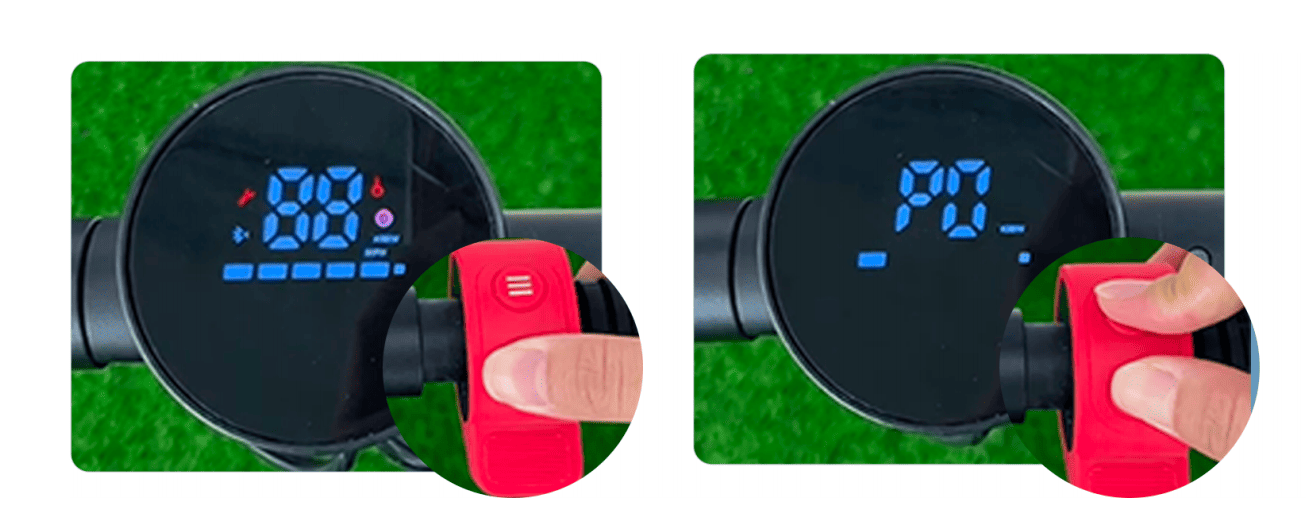
A high-definition LED screen display provides vital information at a glance. You can easily check your speed, battery level, and riding mode without distraction. Clear visibility of this data enhances safety and convenience. Word of mouth and user reviews also play a significant role in building trust. Positive reviews from other riders indicate a reliable and satisfying product. They offer real-world insights into the scooter’s performance and durability. This social proof helps new buyers make informed decisions.
| User Experience Factor | Benefit |
| Easy Operation | Quick learning curve, enjoyable rides |
| Comfortable Ride | Reduces fatigue, enhances pleasure |
| Non-Slip Grips | Secure hold, better control |
| HD LED Display | Clear information, improved safety |
| User Reviews | Builds trust, provides real insights |
These user experience factors combine to create a scooter that is not just functional but also enjoyable to ride. A positive experience encourages regular use and long-term satisfaction. Prioritizing these aspects ensures your electric scooter becomes a favorite mode of transport. It transforms a simple commute into a pleasant journey. This focus on the rider makes a significant difference.
10. Who Is the Typical Electric Scooter Buyer and What Are Their Needs?
Understanding the typical electric scooter buyer helps tailor your search. The age range for electric scooter users is broad, generally from 25 to 64 years old. However, a significant portion falls within the 35-44 age bracket, often males. These individuals are usually seeking convenient and efficient short-distance transportation. They often have a need for commuting between home and work, or for quick errands. Their primary need is convenience and reliability in their daily travel.
Spending power is another key demographic. Many electric scooter buyers come from households with incomes in the top 10%-30%, with a notable concentration in the top 10%. This suggests that while they seek value, they are also willing to invest in quality products. They are not just looking for the cheapest option. They prioritize durability, features, and a reliable brand. This group often views the scooter as a practical investment rather than a luxury item.
Interest tags for these buyers often include consumer electronics, loyal news readers, and fitness enthusiasts. This indicates a tech-savvy audience that values efficiency and an active lifestyle. They are likely to research products thoroughly before making a purchase. Our additional target groups also include students, especially for campus scenes. This highlights the versatility of electric scooters for various user segments. This is important because… it shows the diverse needs and preferences within the market.
| Buyer Demographic | Characteristics |
| Age Range | 25-64, especially 35-44 males |
| Spending Power | Top 10%-30% household income |
| Interests | Consumer electronics, news, fitness |
| Primary Need | Convenient, efficient transport |
| Buying Preference | Quality and competitive prices |
These insights into the typical buyer help manufacturers and sellers meet specific market demands. They also help you, as a buyer, understand if an electric scooter fits your lifestyle. Knowing the common user profile can guide your decision-making process. It ensures you select a scooter that aligns with your personal needs and expectations. This understanding leads to a more satisfying purchase and usage experience.

Conclusion
Choosing the right electric scooter involves careful consideration of performance, design, safety, and after-sales support. We have explored key features like top speed, range, portability, and essential safety mechanisms such as dual-brake systems and Smart Battery Management Systems. Understanding these aspects helps you navigate the market with confidence.
This comprehensive approach ensures you select a scooter that not only meets your commuting needs but also provides lasting value and peace of mind. You gain a reliable, efficient, and enjoyable mode of short-distance transportation.
To experience the difference that quality engineering and thoughtful design make, visit Dynamic Scooter today. Explore our range of high-performance electric scooters and find the perfect model to revolutionize your daily commute. Partner with us for a smoother, smarter journey.
FAQ
Q1: How does rider weight affect an electric scooter’s performance?
Rider weight directly impacts a scooter’s speed and range. Heavier riders may experience slightly reduced top speeds and shorter battery ranges compared to lighter riders. This is because the motor needs to work harder to move more mass, consuming more power.
Q2: What is the importance of a Smart Battery Management System (BMS)?
A Smart Battery Management System (BMS) is crucial for battery safety and longevity. It protects against common issues like overcharging, over-discharging, overcurrent, and extreme temperatures. A BMS helps maintain battery health, extending its lifespan and ensuring safe operation.
Q3: Can electric scooters be used in all weather conditions?
Many electric scooters offer some level of water resistance, often indicated by an IP rating like IP54. This rating means the scooter is protected against splashes and dust, making it suitable for light rain. However, it is not designed for submersion or heavy downpours.
Q4: What is the typical warranty period for an electric scooter?
Warranty periods vary by manufacturer and component. For example, a common warranty might be 6 months for the scooter itself and 12 months for the battery. Always check the specific warranty terms before purchase to understand coverage and duration.
Q5: Are electric scooters suitable for daily commuting?
Electric scooters are highly suitable for daily commuting, especially for short to medium distances. Their portability, ease of use, and ability to navigate traffic make them an efficient and convenient alternative to traditional transport. Factors like range, speed, and comfort are key for commuters.