
A wobbly handlebar or a folding mechanism that just won’t budge. These are common frustrations for electric scooter owners. Ignoring a clamp issue can lead to dangerous riding conditions or damage your electric scooter. You need a reliable fix, and you need it now.
To loosen an electric scooter clamp, you typically need an Allen key or a socket wrench. Locate the main adjustment bolt on the clamp mechanism. Turn the bolt counter-clockwise in small increments, usually a quarter-turn at a time. Test the folding action or stem stability after each adjustment until the desired looseness is achieved. Always check for wobble before riding.
So, what are the exact steps for different types of clamps, and what safety checks should you perform? Let me explain…
1. Why Would You Need to Loosen Your Electric Scooter Clamp?
Understanding why you need to adjust your electric scooter clamp is the first step to a safe ride. The most common reason is difficulty in folding or unfolding. A clamp that is too tight can make this simple action a real struggle.
Another key reason is stem wobble on your electric scooter. If you feel your handlebars shaking or moving while you ride, your clamp is likely too loose. Sometimes a clamp can be so tight that it doesn’t engage properly, which can also cause a wobble. Here’s why it matters… a stable stem is crucial for safe steering.
Routine maintenance is another important reason to loosen your electric scooter clamp. Over time, dirt and grime can build up inside the folding mechanism. This can cause it to stick or wear out prematurely. Loosening the clamp allows you to clean these hard-to-reach areas.
Finally, you may need to loosen the electric scooter clamp to replace worn-out parts. The clamp is a high-stress component, and parts like the locking latch can wear out.
| Reason for Loosening | Common Symptom | Desired Outcome |
| Folding Difficulty | Clamp is hard to open or close. | Smooth and easy folding action. |
| Stem Wobble | Handlebars shake during the ride. | A stable and secure steering stem. |
| Maintenance | Grinding noise or sticking mechanism. | A clean and well-lubricated clamp. |
| Part Replacement | A broken latch or stripped bolt. | A fully functional and safe clamp. |
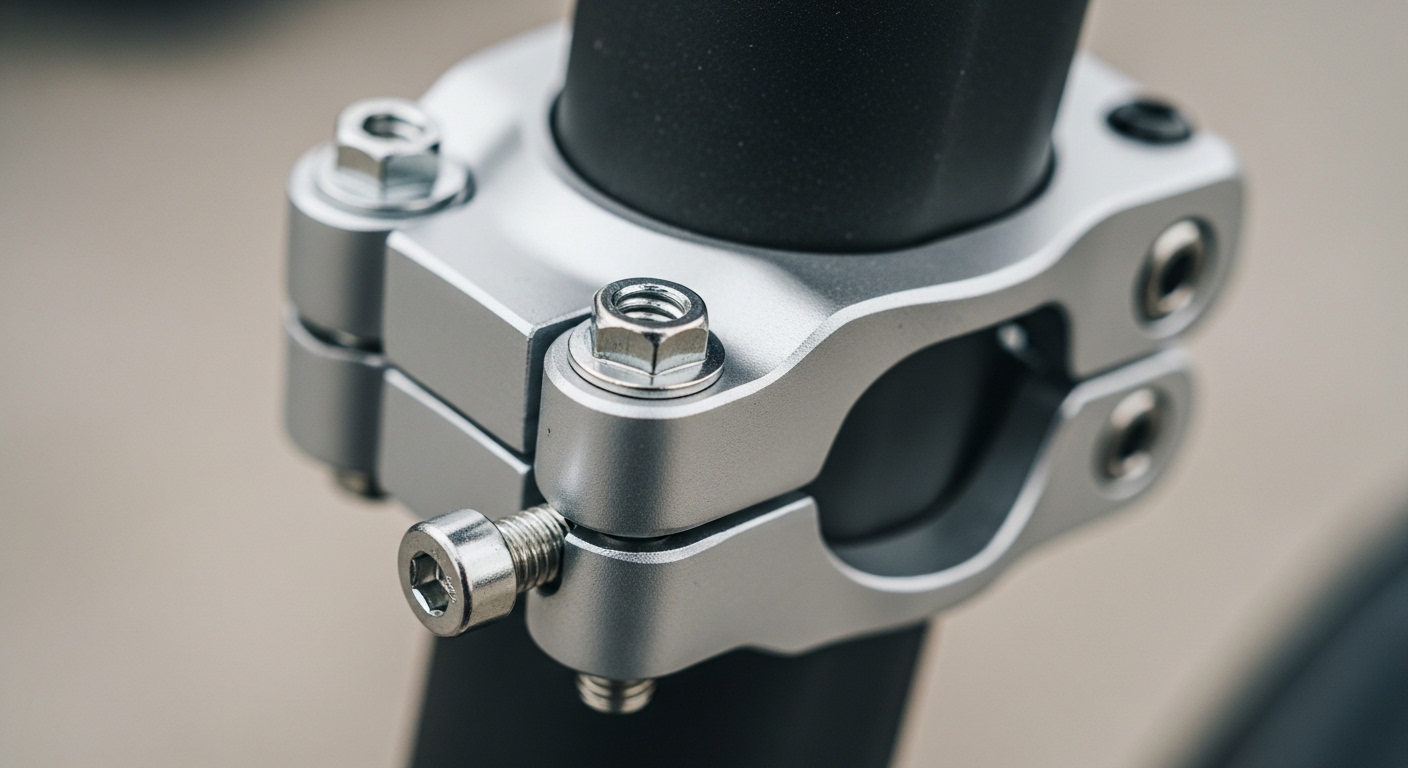
2. What Tools and Steps Are Needed to Loosen the Clamp?
Having the right tools on hand makes any electric scooter maintenance task easier and safer. For loosening a clamp, you don’t need a full mechanic’s workshop. A few basic tools will get the job done. The most common tool you will need is a set of Allen keys, also known as hex wrenches.
Most electric scooter clamps use hexagonal bolts. A good set of metric Allen keys (usually sizes 4mm, 5mm, and 6mm) will cover most models. It’s best to use high-quality keys to avoid stripping the bolts.
Some clamps may use standard hex bolts or nuts. For these, you will need a socket wrench set. The best part? These tools are useful for many other electric scooter repairs.
Once you have located the main adjustment bolt on your electric scooter, select the correct tool. For a hex bolt, use the appropriate size Allen key. Insert the tool firmly into the bolt head. To loosen the clamp, you will turn the bolt counter-clockwise. Make small, incremental adjustments. A quarter-turn at a time is usually enough.
After each quarter-turn, test the folding mechanism. Try to open and close the clamp. Is it easier to move? Here’s the deal… patience is key to getting the adjustment just right. Continue this process until the clamp operates smoothly but still locks securely.
| Tool | Primary Use | Why It’s Important |
| Allen Keys (Hex Wrenches) | Loosening/tightening hexagonal bolts. | Most common bolt type on electric scooter clamps. |
| Socket Wrench Set | Loosening/tightening standard hex bolts/nuts. | Provides a secure grip to prevent slipping. |
| Screwdrivers | Removing covers or accessing components. | Needed for disassembly on some electric scooter models. |
| Lubricant & Cloths | Cleaning and lubricating the mechanism. | Essential for smooth operation and longevity. |
3. How Do You Adjust Handlebar Clamps and Check for Proper Tightness?
Sometimes, the wobble you feel on your electric scooter isn’t from the main folding clamp. It’s from the clamps that hold your handlebars in place. These are usually located at the top of the steering stem. First, locate the bolts that secure the handlebar clamp.
There are typically two or four bolts on a handlebar clamp. It is important to loosen them evenly. Use the correct size Allen key and loosen each bolt a little at a time.
With the bolts loose, you can now adjust the alignment of your handlebars on your electric scooter. Make sure they are perfectly centered and at the correct angle for your comfort. The handlebars should be perpendicular to the front wheel. Now, you might be wondering… how tight should they be?
Once you are happy with the alignment, you can re-tighten the bolts. Again, do this evenly. Tighten each bolt a little at a time, moving in a star or cross pattern. This ensures even pressure across the clamp. The bolts should be snug, but do not overtighten them.
Knowing how to spot an improperly adjusted electric scooter clamp is a key safety skill. Let’s start with a clamp that is too tight. The most obvious sign is that it is very difficult to open or close. You may also hear a grinding or creaking sound.
A clamp that is too loose is usually easier to spot. The most common sign is a wobbly or unstable handlebar stem. You will feel this as you ride. You may also hear a rattling or clunking noise coming from the folding mechanism.
To check for a loose clamp, you can perform a simple physical test. Stand in front and hold the front wheel between your feet. Grab the handlebars and try to move them forward and backward. If you feel any wobble, your clamp is too loose. The bottom line? Any wobble is a safety hazard.
| Clamp Condition | Audible Sign | Physical Sign |
| Too Tight | Grinding or creaking noises. | Difficult to open or close the latch. |
| Too Loose | Rattling or clunking noises. | Handlebar stem wobbles forward and backward. |
| Just Right | Silent operation. | No wobble, and the latch is easy to operate. |
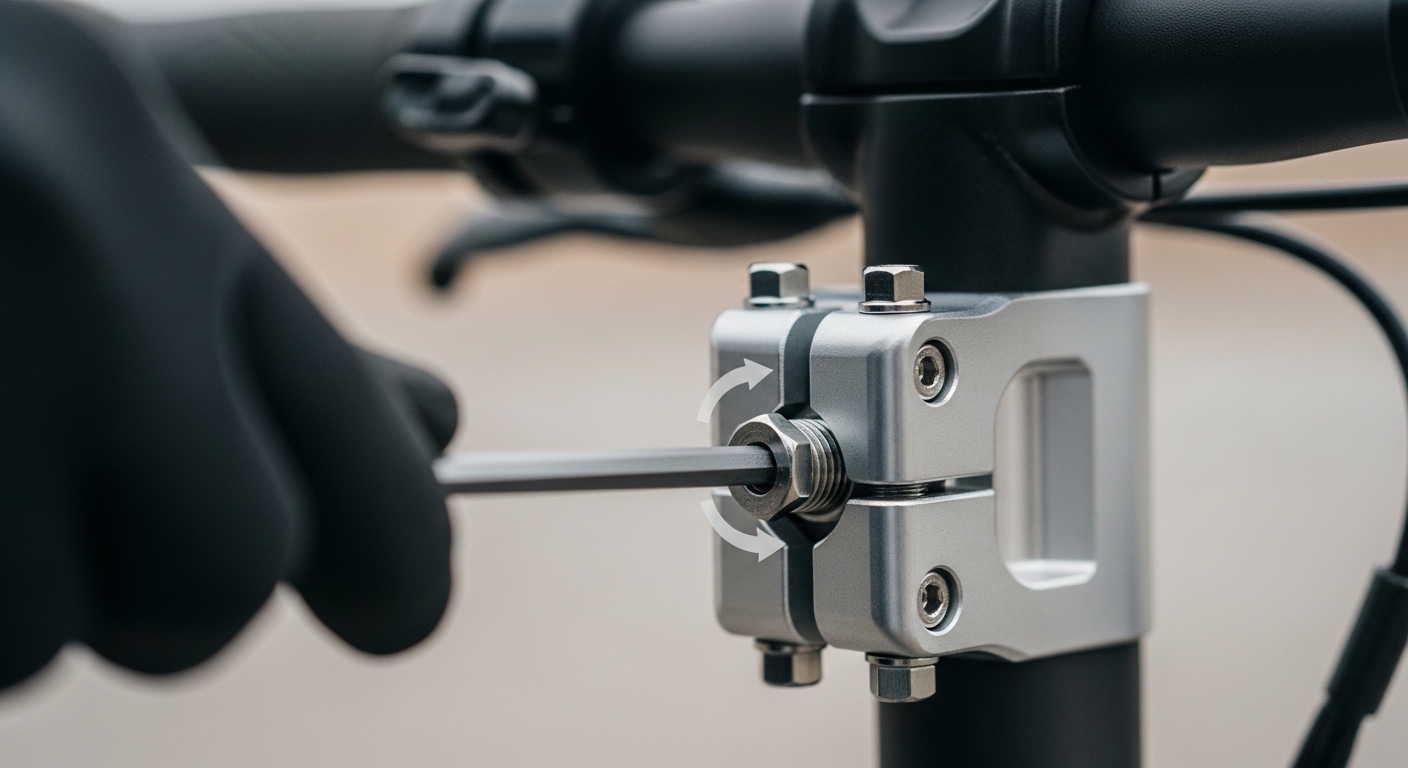
4. What Are the Safety Risks and How Do You Lubricate the Clamp?
The clamp is one of the most critical safety components on your electric scooter. An improperly adjusted clamp can lead to serious accidents. The most catastrophic failure is the sudden collapse of the folding mechanism while you are riding. This can cause you to lose control and be thrown off.
A loose clamp that causes stem wobble is also very dangerous on an electric scooter. It can make steering unpredictable. At high speeds, even a small amount of wobble can be amplified, leading to a loss of control. This is important because… it can lead to a sudden and unexpected failure.
Taking a few minutes to properly adjust your electric scooter clamp is one of the most important things you can do to stay safe. Before every ride, do a quick check for wobble.
Proper lubrication is key to a smooth and long-lasting electric scooter clamp mechanism. It reduces friction, prevents wear, and protects against rust. The first step is to choose the right lubricant. Do not use WD-40. A high-quality white lithium grease or a silicone-based grease is a much better choice.
Before you apply new lubricant, you must clean the old grease and dirt out of the mechanism. Use a clean cloth and a degreaser if necessary. Make sure the area is completely dry before you proceed.
Now you can apply the new lubricant. You only need a thin, even layer. Use a small brush or your finger to apply the grease to all the moving parts of the clamp. Want to know the secret? A little goes a long way.
After you have applied the lubricant, open and close the clamp a few times. This will help to spread the grease evenly throughout the mechanism. A properly lubricated clamp should operate smoothly and quietly.
| Risk | Cause | Consequence |
| Sudden Collapse | A loose or faulty folding clamp. | Loss of control, being thrown from the electric scooter. |
| Loss of Steering | A wobbly handlebar stem. | Unpredictable steering, overcorrection, crashes. |
| Component Failure | Accelerated wear from vibration or stress. | Sudden and unexpected breakage of parts. |
5. What Are Common Clamp Problems and Their Solutions?
Even with proper maintenance, you may run into some common electric scooter clamp problems. One of the most frequent is a stripped screw or bolt. This can happen if you use the wrong size tool or overtighten the bolt. If a bolt is stripped, you must replace it.
Another common issue is a worn-out locking latch. This is the part of the clamp that hooks or clicks into place to secure the stem. Over time, it can become rounded or lose its sharp edge. In most cases, the latch itself can be replaced without having to replace the entire clamp assembly.
Misaligned clamp components can also be a problem on your electric scooter. This can happen after a fall or if the scooter has been assembled incorrectly. What does this mean for you? A few minutes of adjustment can solve a major safety issue.
Finally, rust and corrosion can be a major enemy of your electric scooter clamp, especially if you ride in wet conditions. If you see signs of rust, clean it off immediately with a wire brush.
| Problem | Cause | Solution |
| Stripped Bolt | Overtightening or using the wrong tool. | Replace the bolt immediately. |
| Worn Latch | Normal wear and tear over time. | Replace the locking latch component. |
| Misalignment | A fall or incorrect assembly. | Loosen and carefully realign the components. |
| Rust/Corrosion | Riding in wet conditions. | Clean, apply rust inhibitor, and lubricate. |
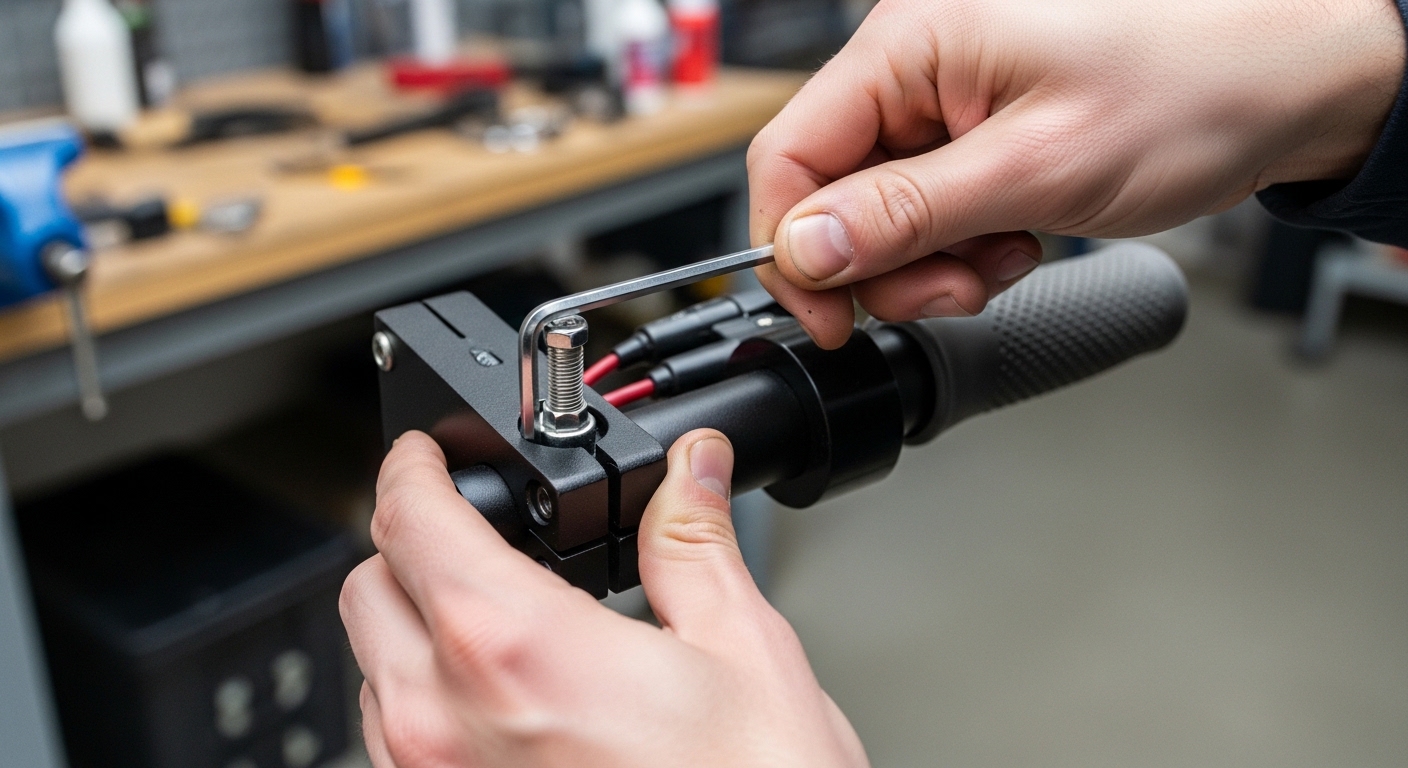
6. When Should You Replace the Clamp Instead of Adjusting It?
Adjusting and maintaining your electric scooter clamp can solve most problems. But sometimes, a clamp is simply worn out and needs to be replaced. Knowing when to replace it is crucial for your safety. The most obvious sign is visible damage. If you see any cracks, stress fractures, or significant bending in the metal, the clamp is no longer safe.
Another clear sign is when the clamp will no longer lock securely, no matter how much you adjust it. If you have tightened the adjustment bolt as far as it will go and the stem still wobbles, the components are likely too worn to create a tight fit.
Stripped adjustment threads are another red flag on your electric scooter. If the main adjustment bolt just spins without tightening or loosening the clamp, the threads inside the clamp or on the bolt itself are stripped. Here’s the deal… a stripped thread means the clamp can no longer be reliably secured.
Finally, follow the manufacturer’s recommendations. Some manufacturers may recommend replacing the electric scooter clamp after a certain number of miles or years of use.
| Sign of Replacement | Why It’s Unsafe | Action to Take |
| Visible Cracks | The clamp could fail catastrophically at any moment. | Replace the entire clamp assembly immediately. |
| Won’t Lock Securely | Worn components can no longer create a tight fit. | Replace the clamp to ensure a secure lock. |
| Stripped Threads | The clamp can no longer be tightened or adjusted. | Replace the clamp assembly to restore function. |
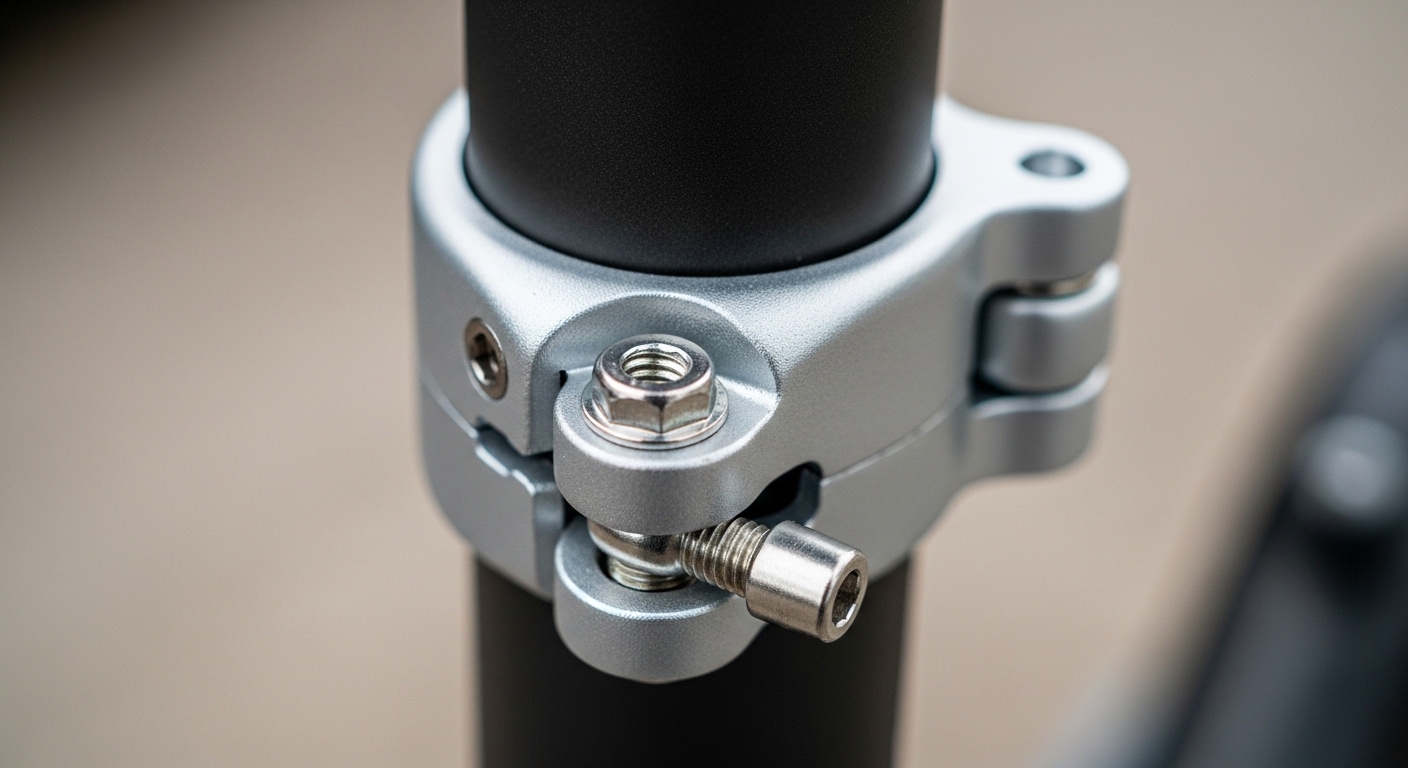
7. How Do You Maintain Your Electric Scooter Clamp for Long-Term Safety?
Long-term safety of your electric scooter depends on consistent and proactive maintenance. Don’t wait for a problem to appear. A regular maintenance schedule will keep your clamp in top condition. The most important habit to develop is a pre-ride check. Before every single ride, grab the handlebars and check for wobble.
Once a month, you should perform a more thorough inspection of your electric scooter. Open and close the clamp. Does it move smoothly? Is the latch engaging securely? Check all the bolts to make sure they are tight.
Keeping the clamp clean and dry is also crucial for your electric scooter. After riding in the rain, wipe the clamp down with a dry cloth. If you ride in a dusty or sandy area, clean the clamp more frequently.
Finally, store your electric scooter properly. Keep it in a dry place, away from extreme temperatures. The bottom line? A little bit of regular care will ensure your clamp provides safe and reliable transportation for years to come.
| Maintenance Task | Frequency | Purpose |
| Pre-Ride Wobble Check | Before every ride. | To catch a loose clamp before it becomes dangerous. |
| Monthly Inspection | Once a month. | To check for wear, tightness, and smooth operation. |
| Cleaning and Lubricating | As needed, or every 1-3 months. | To prevent wear, rust, and sticking. |
| Proper Storage | After every ride. | To protect the electric scooter from moisture and extreme temperatures. |
Conclusion
Properly adjusting and maintaining your electric scooter clamp is not just about convenience; it is a critical aspect of your safety. From the initial wobble test to regular cleaning and lubrication, each step ensures your ride is stable and secure. By understanding how to perform these simple adjustments, you take control of your electric scooter’s performance and longevity.
Ready to ride without the worry? The Dynamic Scooter Model B features a robust and easy-to-adjust clamp system, designed for maximum safety and minimal maintenance.
FAQ
Q1: How often should I check my electric scooter’s clamp?
You should perform a quick check for any looseness or wobble before every ride. A more thorough inspection and adjustment should be done every month or every 100-200 miles, depending on your usage.
Q2: Can I use WD-40 on my electric scooter clamp?
It is not recommended. WD-40 is a water displacer and solvent, not a long-term lubricant. It can strip away the necessary grease. Use a proper lubricant like white lithium grease or a silicone-based grease.
Q3: What should I do if a bolt on my electric scooter clamp is stripped?
If a bolt is stripped, you must replace it immediately. Do not ride until the bolt has been replaced with a new one of the correct size and grade. You can find replacement parts from the manufacturer or a local hardware store.
Q4: Is a wobbly handlebar on my electric scooter always a clamp issue?
Most of the time, yes. A wobbly handlebar is usually caused by a loose stem clamp or handlebar clamp. However, it could also indicate worn headset bearings, so a full inspection is necessary if tightening the clamp doesn’t solve the problem.
Q5: Can I overtighten my electric scooter clamp?
Yes, overtightening can be just as bad as leaving it too loose. It can strip the threads, damage the clamp, or make it impossible to fold. Always make small adjustments and tighten bolts to the manufacturer’s recommended torque specifications.