
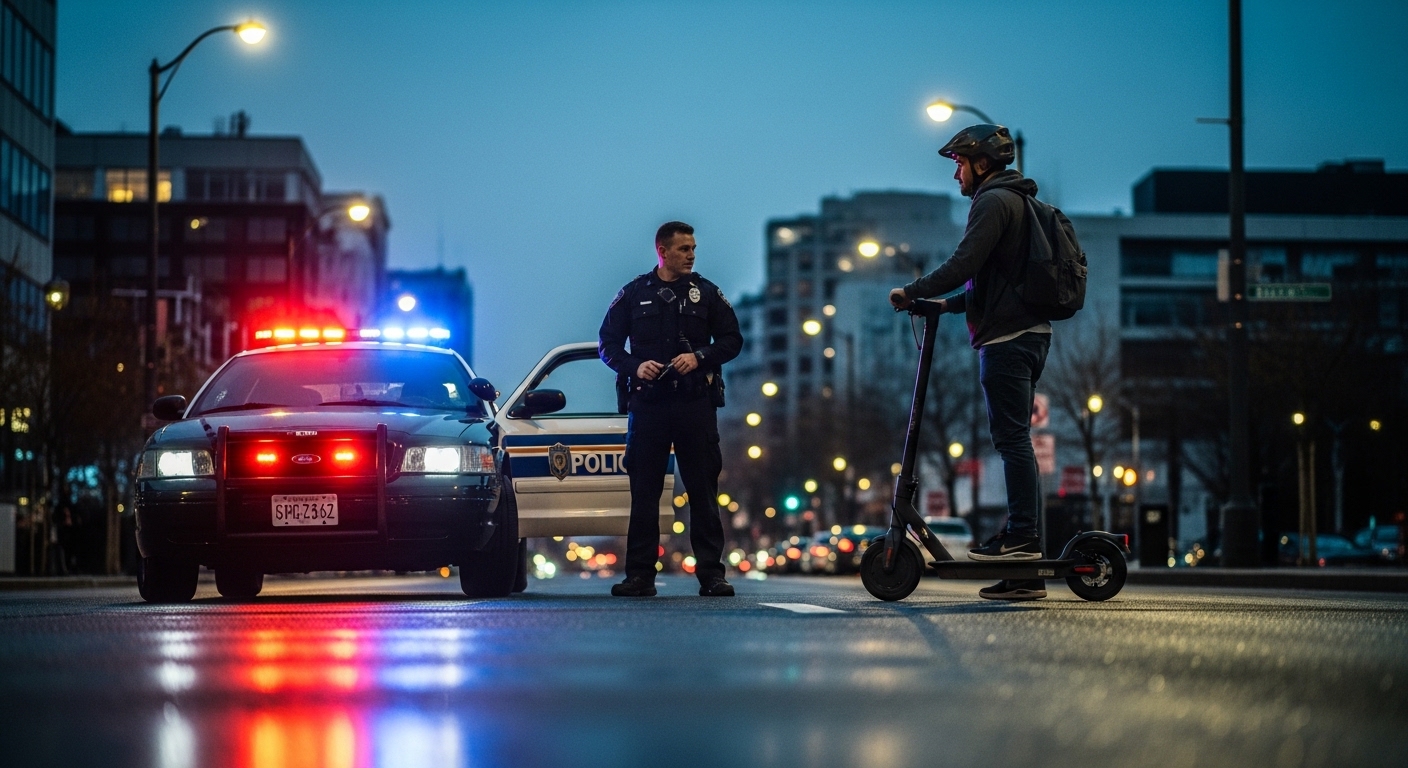
Electric scooters have become a common sight on city streets, offering a convenient and eco-friendly way to commute. But as their popularity has grown, so has the attention from law enforcement. Many new riders wonder if they can be pulled over by police while riding their electric scooter, and the answer is a definite yes. Understanding why you might be stopped, what your rights are, and how to avoid common violations is essential for any responsible rider.
Yes, police can and do pull over electric scooter riders. Common reasons include running red lights, riding on sidewalks where prohibited, speeding, and riding under the influence. The penalties can range from verbal warnings to significant fines, penalty points on your license, and even impoundment of your scooter. Riding responsibly and knowing the local laws is the best way to avoid a stop. Dynamic Scooter encourages all riders to prioritize safety and legal compliance.
Want to know more? Here’s the complete guide…
1. Why Would Police Stop an Electric Scooter Rider?
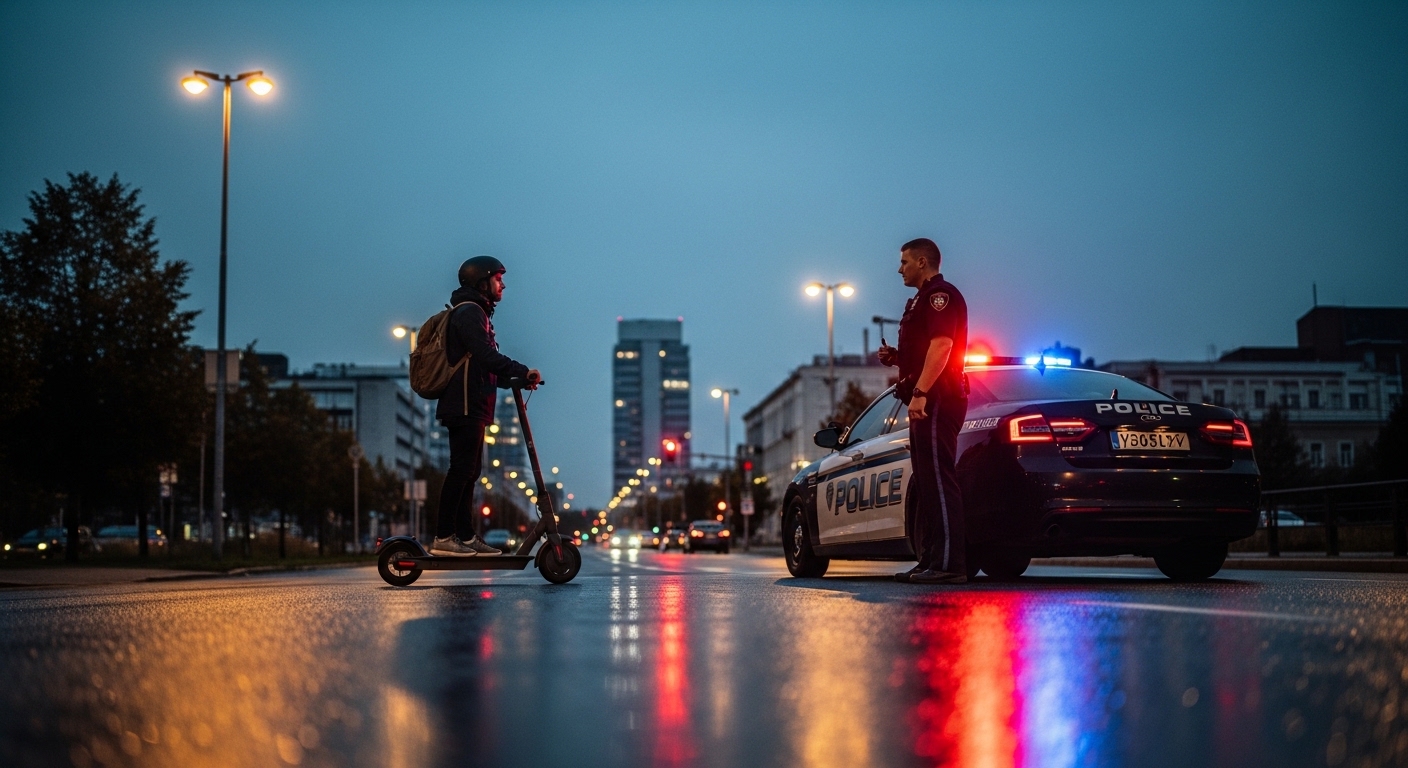
Police officers stop electric scooter riders for the same reasons they stop any other road user: to enforce traffic laws and ensure public safety. The most common reason is a traffic violation. This includes running red lights, ignoring stop signs, or failing to yield to pedestrians at crosswalks. These are serious offenses that put both the rider and others at risk. The bottom line is that electric scooters are vehicles, and riders are expected to follow the rules of the road.
Another frequent cause for a stop is riding on sidewalks. In many cities, it is illegal to ride an electric scooter on the sidewalk because it poses a danger to pedestrians. If an officer sees you zipping past pedestrians on a busy sidewalk, they have every right to pull you over. Similarly, riding in the wrong direction on a one-way street or against the flow of traffic is a clear violation that will attract police attention.
Speeding is also a concern, particularly in areas with designated speed limits for micro-mobility devices. Some cities have zones where electric scooters must travel at reduced speeds, such as near schools or in pedestrian-heavy areas. Exceeding these limits can result in a stop. Finally, riding under the influence of alcohol or drugs is a serious offense that police actively look for, especially late at night.
| Reason for Stop | Description | Severity Level |
| Running Red Lights | Failing to stop at a red traffic signal. | High |
| Sidewalk Riding | Riding where pedestrians have right of way. | Medium |
| Speeding | Exceeding posted speed limits for scooters. | Medium |
| DUI/DWI | Operating a scooter while intoxicated. | Very High |
| No Lights at Night | Riding without required lighting after dark. | Medium |
2. What Are the Most Common Traffic Violations for Scooters?
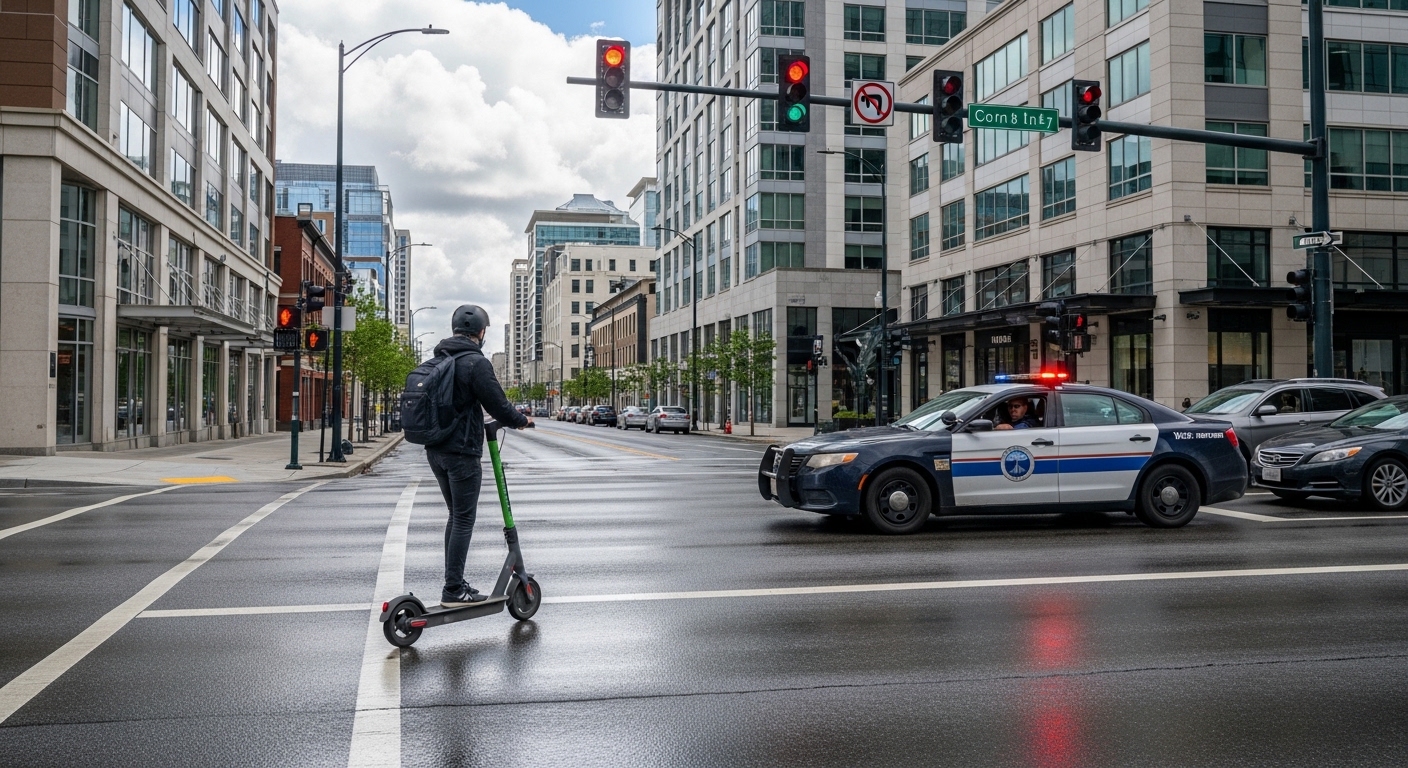
Understanding the most common violations can help you avoid them. At the top of the list is failure to stop at intersections. Many scooter riders, perhaps because they feel less visible or more agile than cars, treat stop signs and red lights as optional. This is not only illegal but extremely dangerous. Intersections are where most collisions occur. Here’s the reality: police are well aware of this behavior and often target intersections for enforcement.
Riding against the flow of traffic is another common mistake. Some riders think it is safer to see oncoming traffic, but this is incorrect and illegal. It confuses drivers and makes accidents more likely. You should always ride in the same direction as traffic, using bike lanes where available. Illegal sidewalk riding is also prevalent. While it might feel safer to be away from cars, sidewalks are for pedestrians, and a collision with a walker can cause serious injury.
Not yielding to pedestrians is a related issue. Even when you are in a bike lane or on the road, pedestrians crossing the street have the right of way. Failing to stop for them is a violation. Finally, distracted riding, particularly using a phone while riding, is increasingly being targeted by police. Just like with driving, taking your attention off the road is a recipe for disaster.
| Violation | Why It’s Dangerous | Typical Fine Range |
| Failure to Stop | High risk of collision at intersections. | $100 – $250 |
| Wrong-Way Riding | Confuses drivers; increases collision risk. | $50 – $150 |
| Sidewalk Riding | Endangers pedestrians. | $50 – $200 |
| Not Yielding to Pedestrians | Can cause serious injury to walkers. | $75 – $200 |
| Distracted Riding | Reduces reaction time; causes accidents. | $100 – $300 |
3. How Do Police Enforce Electric Scooter Laws?
Police enforcement of electric scooter laws varies by jurisdiction, but there are common approaches. For minor, first-time infractions, an officer may issue a verbal warning. This is often the case if you are cooperative and the violation was not particularly dangerous. A warning is a chance to correct your behavior without any penalty. Take it seriously: a warning today could be a ticket tomorrow.
For clear violations, police will issue a citation, commonly known as a ticket. This is a formal notice that you have broken the law and must pay a fine. The citation will detail the offense, the fine amount, and instructions for payment or contesting the ticket. In more serious cases, such as repeat offenses or reckless riding, police have the authority to impound your electric scooter. Getting your scooter back typically involves paying impound fees and proving ownership.
If an officer suspects you are riding under the influence, they can conduct a field sobriety test, just as they would for a motorist. Failing this test can lead to arrest and criminal charges. Some cities also engage in targeted enforcement campaigns in areas with high complaint rates, such as busy downtown areas or near parks. During these campaigns, you are more likely to be stopped even for minor violations.
| Enforcement Action | When It’s Used | Consequence for Rider |
| Verbal Warning | Minor, first-time infractions. | None (educational) |
| Citation (Ticket) | Clear violations of traffic law. | Fine payment required |
| Scooter Impoundment | Serious or repeat offenses. | Loss of scooter; fees |
| Sobriety Test | Suspected DUI/DWI. | Potential arrest |
| Targeted Enforcement | High-complaint areas or safety campaigns. | Increased stop rate |
4. What Are Your Rights if You Are Pulled Over?
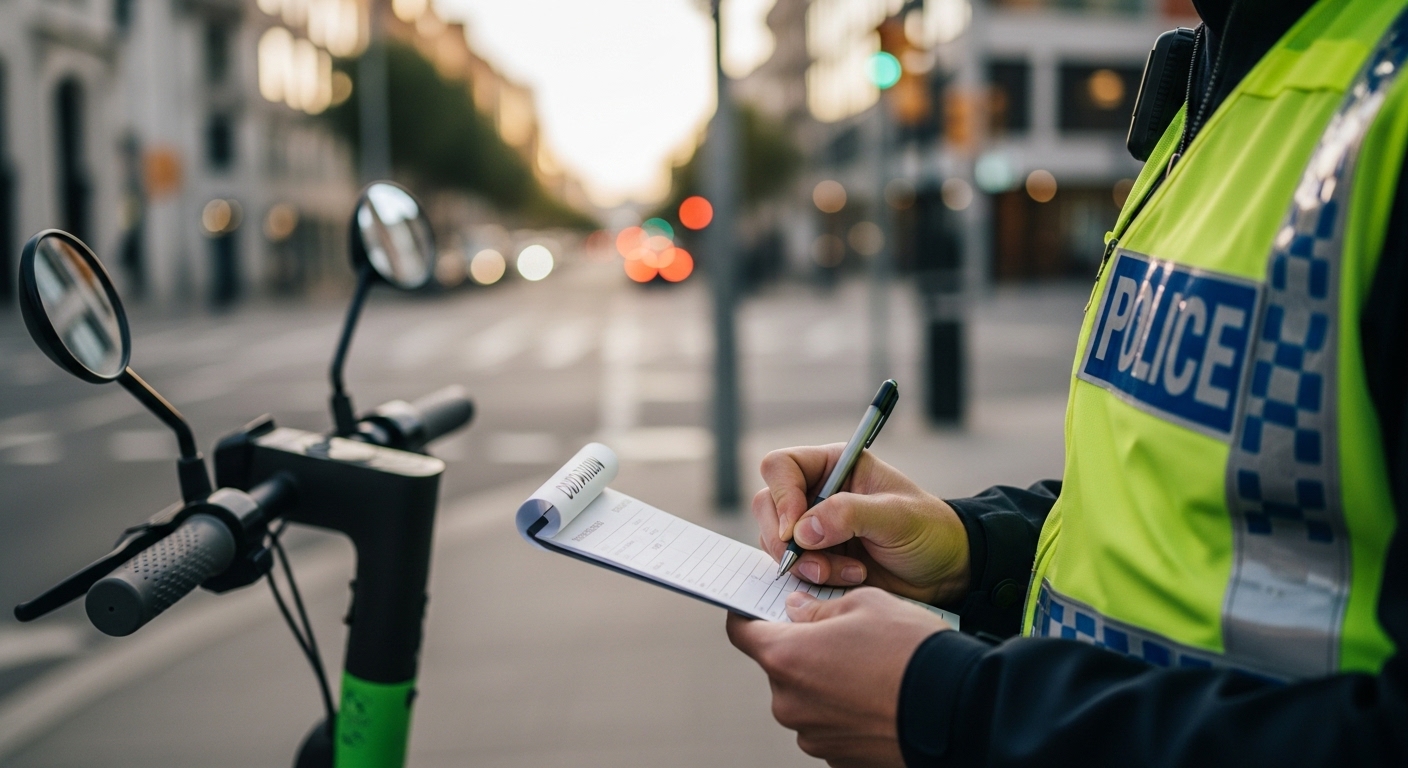
Knowing your rights during a police stop is important for any citizen. First, you have the right to remain silent. You are not required to answer questions beyond providing basic identification. If you choose to remain silent, you should clearly state that you are exercising this right. This is crucial: anything you say can be used against you if the situation escalates.
You also have the right to know why you are being stopped. A police officer should tell you the reason for the stop. If they do not, you can politely ask. In most jurisdictions, you are required to provide identification if asked. This typically means showing a driver’s license or state ID. Refusing to identify yourself can lead to further complications, including arrest in some states.
It is important to understand the difference between a stop and an arrest. A stop is a temporary detention for investigation. An arrest means you are being taken into custody. If you are unsure, you can ask the officer if you are free to leave. Throughout any interaction, remain calm and respectful. Being argumentative or confrontational will not help your situation and can make things worse. Comply with lawful orders, and if you believe your rights have been violated, address it later through proper legal channels.
| Your Right | What It Means | How to Exercise It |
| Right to Remain Silent | You don’t have to answer questions. | State it clearly. |
| Right to Know the Reason | Officer should explain why you were stopped. | Ask politely. |
| Provide Identification | You must show ID if lawfully requested. | Carry your ID. |
| Ask if Free to Leave | Clarifies if you are detained or arrested. | Ask the question. |
| Remain Calm and Respectful | De-escalates the situation. | Control your emotions. |
5. What Are the Penalties for Scooter-Related Offenses?
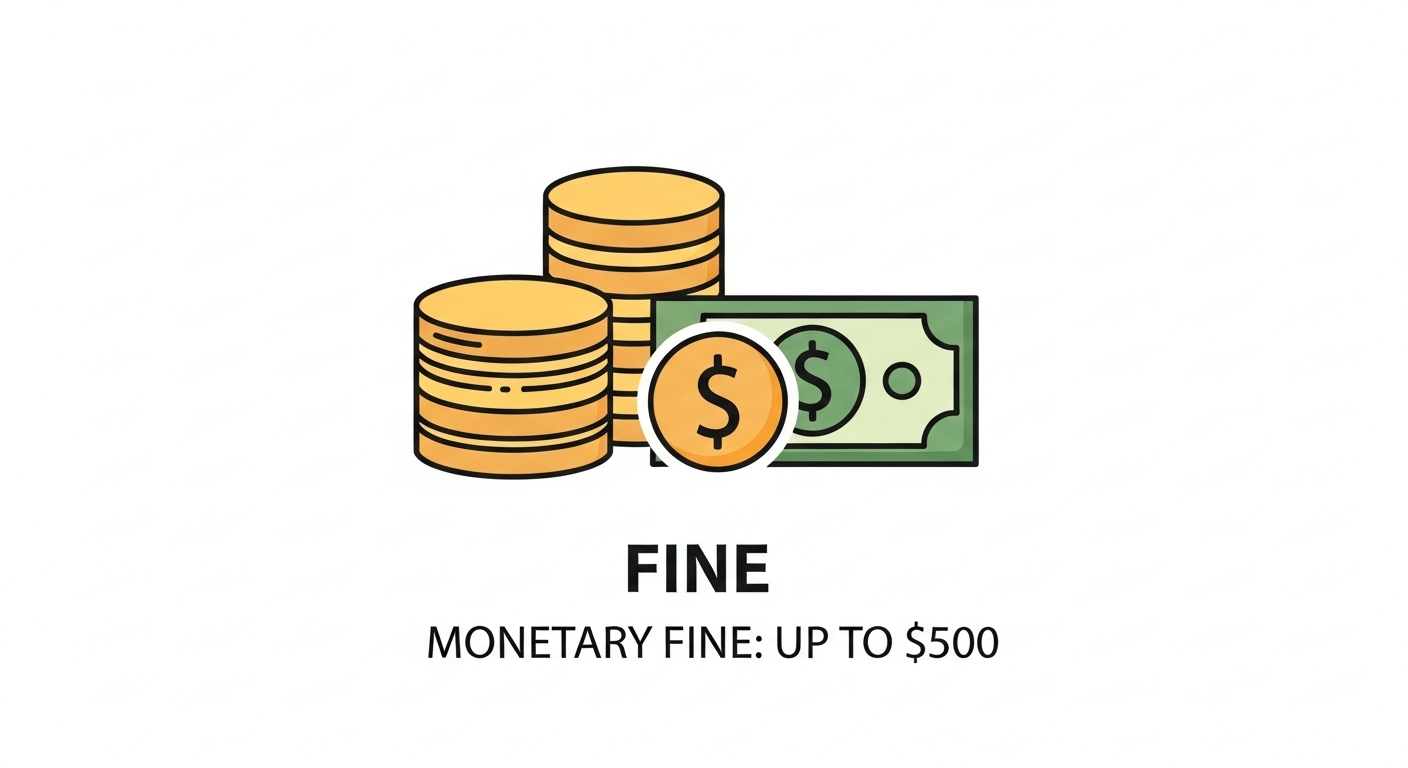
The penalties for electric scooter violations can vary widely depending on the offense and your location. For common traffic violations like running a stop sign or riding on the sidewalk, fines typically range from $50 to $250. These fines can add up quickly if you are a repeat offender. Here’s what you need to know: even seemingly small fines can have bigger consequences.
In many jurisdictions, traffic violations on an electric scooter can result in penalty points being added to your driver’s license. This is because electric scooters are often classified as motor vehicles under the law. Accumulating too many points can lead to license suspension, which affects your ability to drive a car. This is a significant consequence that many riders do not anticipate.
If your scooter is impounded, you will face additional costs. Impound fees can range from $100 to $500 or more, depending on how long the scooter is held. You will also need to provide proof of ownership to get it back. The most serious penalties are reserved for DUI offenses. Riding an electric scooter while intoxicated can result in criminal charges, heavy fines, license suspension, and even jail time. Your insurance rates may also increase after a violation.
| Offense | Typical Fine | Additional Consequences |
| Minor Traffic Violation | $50 – $250 | Possible points on license |
| Sidewalk Riding | $50 – $200 | Warning or fine |
| Speeding | $100 – $300 | Points on license |
| Scooter Impoundment | $100 – $500+ (recovery fees) | Loss of transportation |
| DUI/DWI | $500 – $5,000+ | Criminal record; jail |
6. How Can You Avoid Being Pulled Over?
The best way to avoid a police stop is to ride responsibly and follow all traffic laws. Start by learning the specific laws in your city. Regulations for electric scooters vary widely, so what is legal in one place may be illegal in another. Check your local government’s website or contact the transportation department for accurate information. This is the foundation: you cannot follow rules you do not know.
Ride predictably and defensively. This means signaling your intentions, making eye contact with drivers, and anticipating potential hazards. Use hand signals to indicate turns and stops. Avoid sudden movements that could surprise drivers or pedestrians. Riding predictably makes you safer and less likely to attract negative attention from police.
Ensure your electric scooter is well-maintained and equipped with all required safety features. This includes working front and rear lights, which are mandatory for riding at night in most places. Reflectors and a bell or horn are also good additions. Wear a helmet, even if it is not legally required in your area. Visible clothing, especially at night, makes you easier to see. A well-equipped rider on a well-maintained scooter presents a responsible image that police are less likely to stop.
| Prevention Tip | Why It Works | Action to Take |
| Know Local Laws | Prevents unintentional violations. | Research your city’s rules. |
| Ride Predictably | Reduces risk and avoids suspicion. | Use hand signals. |
| Use Lights at Night | Legal requirement; improves visibility. | Check lights before riding. |
| Wear a Helmet | Shows responsibility; protects you. | Always wear one. |
| Maintain Your Scooter | Prevents equipment-related stops. | Regular checks. |
7. What Should You Do After Receiving a Ticket?
If you do receive a ticket, do not panic. The first step is to carefully read the citation. It will contain important information, including the specific violation, the fine amount, the due date for payment, and instructions for how to pay or contest the ticket. Make sure you understand all of this information. Do not ignore the ticket: failing to respond can lead to additional fines, a warrant for your arrest, or a suspension of your driver’s license.
You have two main options: pay the fine or contest the ticket. Paying the fine is the simplest option and resolves the matter quickly. You can usually pay online, by mail, or in person at a courthouse. However, paying the fine is typically an admission of guilt, which means any associated penalty points will be added to your license. If you believe the ticket was issued in error or you have a valid defense, you can contest it in court.
Contesting a ticket involves appearing before a judge and presenting your case. You may want to consult with a lawyer, especially for more serious offenses. If you are found not guilty, the ticket is dismissed. Another option in some jurisdictions is to attend traffic school. Completing a traffic safety course can sometimes reduce or eliminate the penalty points associated with a violation. Finally, use the experience as a learning opportunity. Understand what you did wrong and commit to not repeating the mistake.
| Step After Ticket | Description | Outcome |
| Read the Citation | Understand the violation and your options. | Informed decision. |
| Pay the Fine | Resolves the matter; admits guilt. | Points may apply. |
| Contest in Court | Present your defense to a judge. | Possible dismissal. |
| Attend Traffic School | Complete a course to reduce points. | Mitigated penalty. |
| Learn from It | Avoid future violations. | Safer riding habits. |
Conclusion
In conclusion, yes, police do pull over electric scooter riders, and they have every right to do so. Electric scooters are subject to traffic laws, and violating those laws can result in stops, tickets, fines, and even more serious consequences like impoundment or DUI charges. The key to avoiding these problems is simple: ride responsibly. Know the laws in your area, follow the rules of the road, and ensure your scooter is properly equipped with lights and safety features. If you are stopped, remain calm, know your rights, and cooperate with the officer. And if you receive a ticket, handle it promptly and learn from the experience.
For a reliable, well-built electric scooter designed with safety in mind, consider the Dynamic Scooter Model B. Visit Dynamic Scooter today to find a scooter that helps you ride safely and legally.
FAQ
Q1: Can I get a DUI on an electric scooter?
Yes. In most jurisdictions, operating any motorized vehicle, including an electric scooter, while under the influence of alcohol or drugs is illegal. The penalties can be severe, including fines, license suspension, and even jail time. Always ride sober.
Q2: Will a scooter ticket put points on my driver’s license?
It depends on your location and the specific violation. In many places, electric scooters are classified as motor vehicles, meaning traffic violations can result in points on your driver’s license. Check your local laws for specifics.
Q3: What is the most common reason police stop scooter riders?
The most common reasons are running red lights or stop signs, riding on sidewalks where prohibited, and riding without lights at night. These are easily avoidable violations if you know and follow the rules.
Q4: Do I have to show ID if I’m stopped on a scooter?
In most jurisdictions, yes. If a police officer lawfully stops you and asks for identification, you are required to provide it. Refusing to do so can lead to further legal complications.
Q5: How can I find the specific scooter laws for my city?
The best resource is your local government’s official website, often the transportation or public works department. You can also contact your city council or local police department for information on electric scooter regulations.