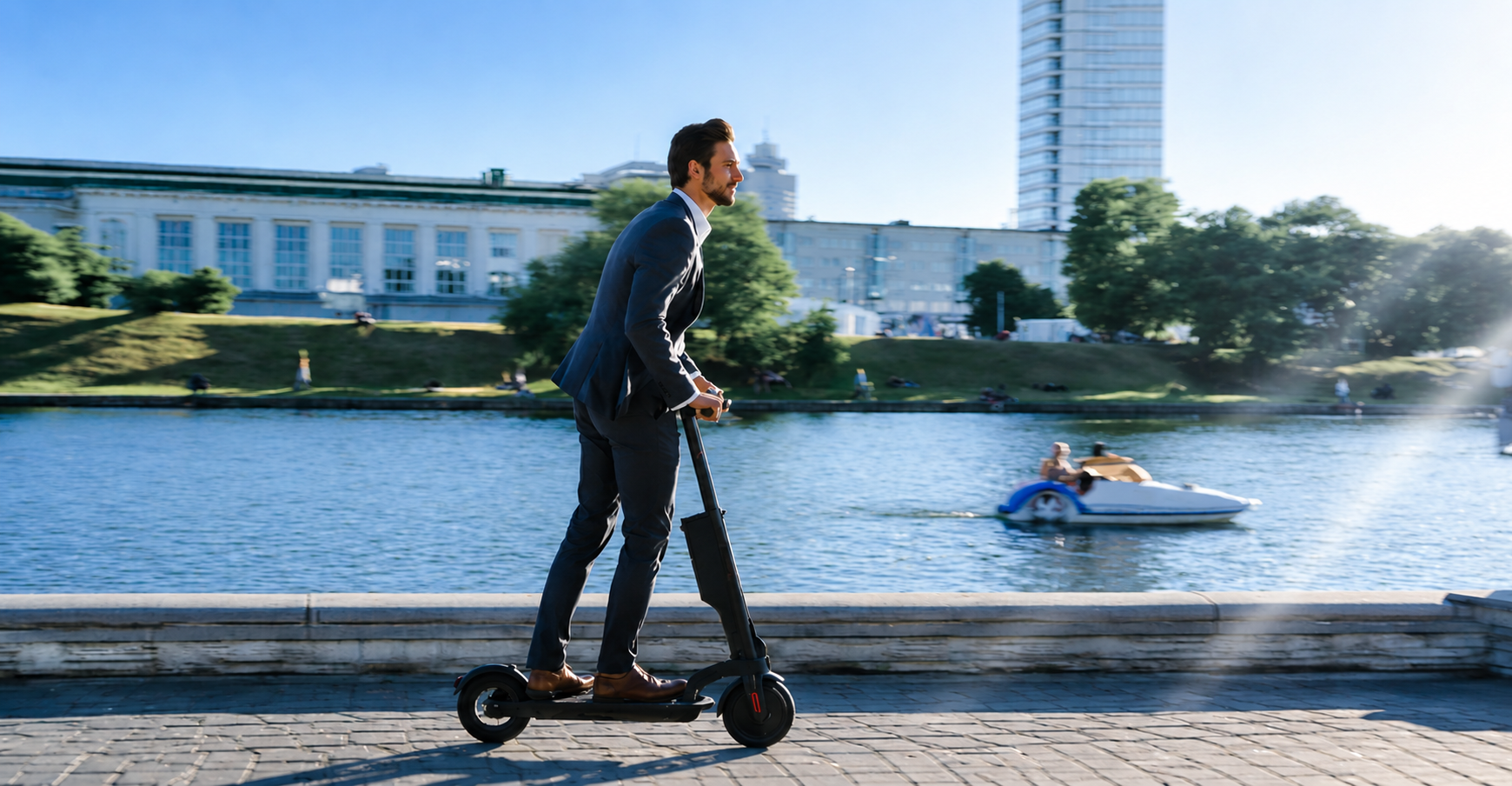

The primary challenges for electric scooter parking in cities involve sidewalk clutter and safety hazards caused by disorganized dockless models, while the most effective solutions include designated parking zones, geofencing enforcement, and a shift toward personal ownership.
You have likely noticed how urban streets are becoming increasingly crowded as micromobility rises, leading to disorganized electric scooter parking that clutters sidewalks and blocks essential pathways. Improperly parked scooters aren’t just an eyesore; they are tripping hazards for the elderly and major obstacles for people with disabilities, leading to public frustration and potential city-wide bans.
By implementing a mix of smart urban planning, geofencing technology, and promoting personal ownership models, cities can create a seamless, safe, and efficient transportation ecosystem.
Why is electric scooter parking becoming such a major urban issue?
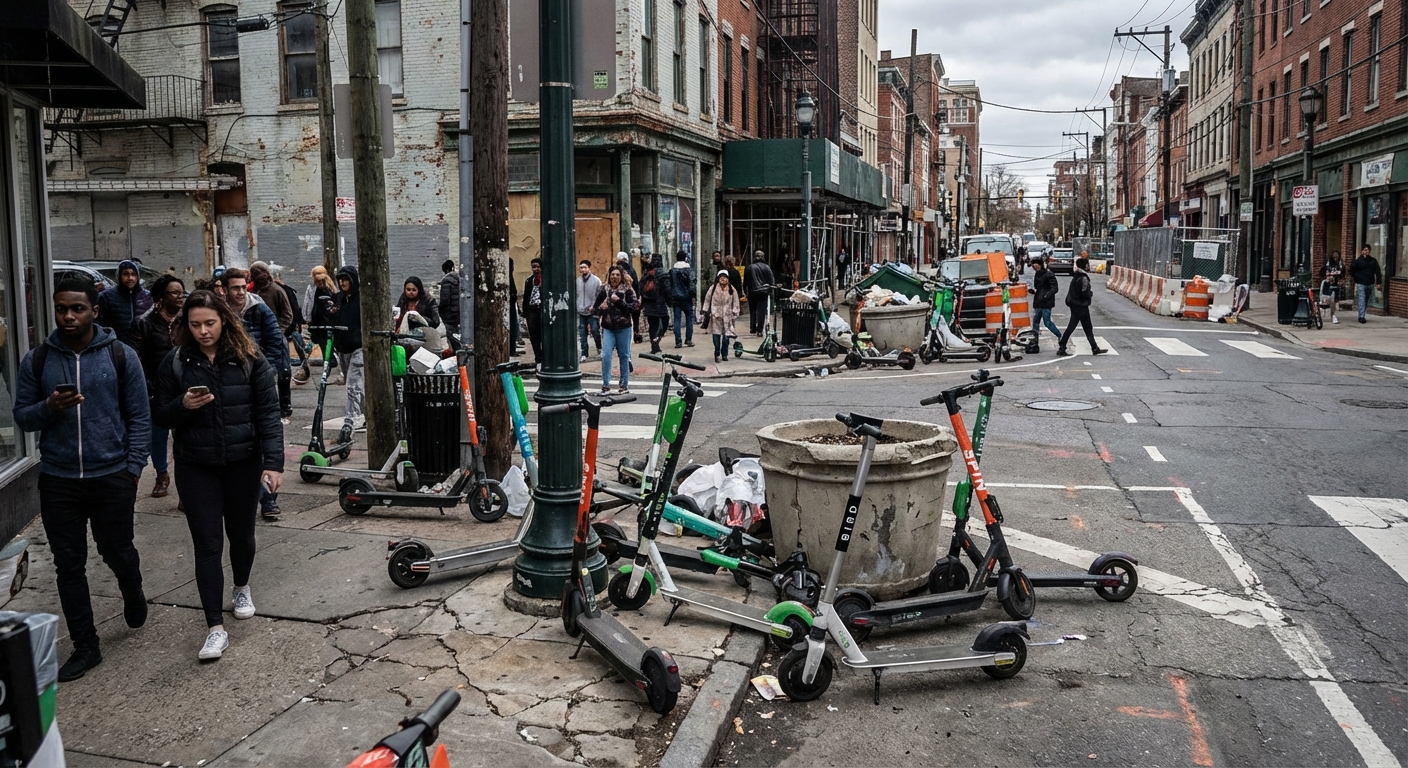
The rapid adoption of micromobility has significantly outpaced the development of city infrastructure needed for electric scooter parking. You are seeing more riders on the street every day, but the number of designated spots remains stagnant. This lag creates a “scooter graveyard” effect in high-traffic areas.
Is rapid adoption outpacing city infrastructure?
Infrastructure simply hasn’t kept up with how quickly you and your neighbors have embraced two-wheeled travel. When thousands of vehicles arrive in a city overnight without a home, chaos is the natural result.
- Cities lack enough painted zones.
- Sidewalks weren’t designed for vehicle storage.
- High-demand areas face the most clutter.
And that’s not all. The mismatch between vehicle volume and available space turns every corner into a potential obstacle course.
Does lack of space lead to sidewalk clutter?
When you don’t have a specific place to leave your ride, the sidewalk becomes the default option. This takes away valuable real estate from pedestrians and creates a negative perception of micromobility.
Key Takeaway: Rapid adoption without corresponding infrastructure leads to disorganized streets and public friction.
| Cause | Impact on Cities |
|---|---|
| Rapid Adoption | Infrastructure lag and “scooter graveyards” |
| Lack of Space | Pedestrian pathway obstruction |
This table highlights how the disconnect between usage and planning creates a logistical nightmare for city councils.
What are common problems with electric scooter parking today?
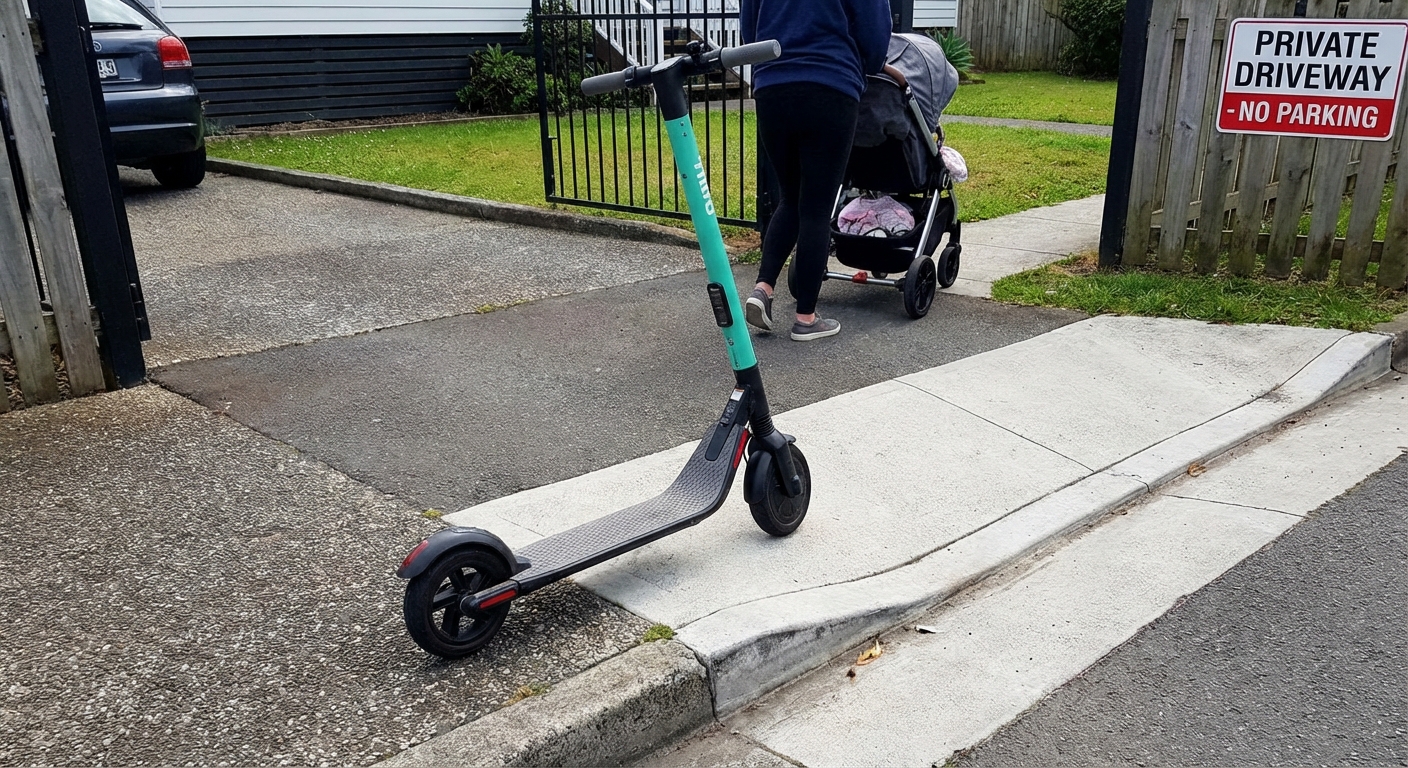
Common grievances regarding electric scooter parking center on the obstruction of private driveways and the creation of dangerous tripping hazards on public walkways. You might find it frustrating when a stray vehicle blocks your entrance or makes a simple walk to the store difficult. These issues affect local businesses and resident accessibility alike.
Why do riders block driveways and private property?
Riders often park in haste without considering the impact on homeowners or business access. This lack of intentionality leads to blocked exits and general frustration for the community.
- Driveways are often mistaken for public space.
- Hasty “end-of-trip” decisions ignore property lines.
- Lack of signage leaves riders guessing.
Here is the kicker: a single poorly placed scooter can result in a complaint that threatens the entire city’s scooter program.
How does improper placement cause tripping hazards?
Improperly placed scooters are a major safety risk, especially at night or for those with limited mobility. When a scooter is left in the middle of a path, it becomes a liability for the city.
Key Takeaway: Improper parking is a significant safety and legal liability that affects city-wide accessibility.
| Issue | Impact |
|---|---|
| Blocked Driveways | Residential and business frustration |
| Tripping Hazards | Safety risks for pedestrians |
Managing these hazards is essential for maintaining a positive relationship between riders and the non-riding public.
How does sidewalk clutter impact electric scooter parking?
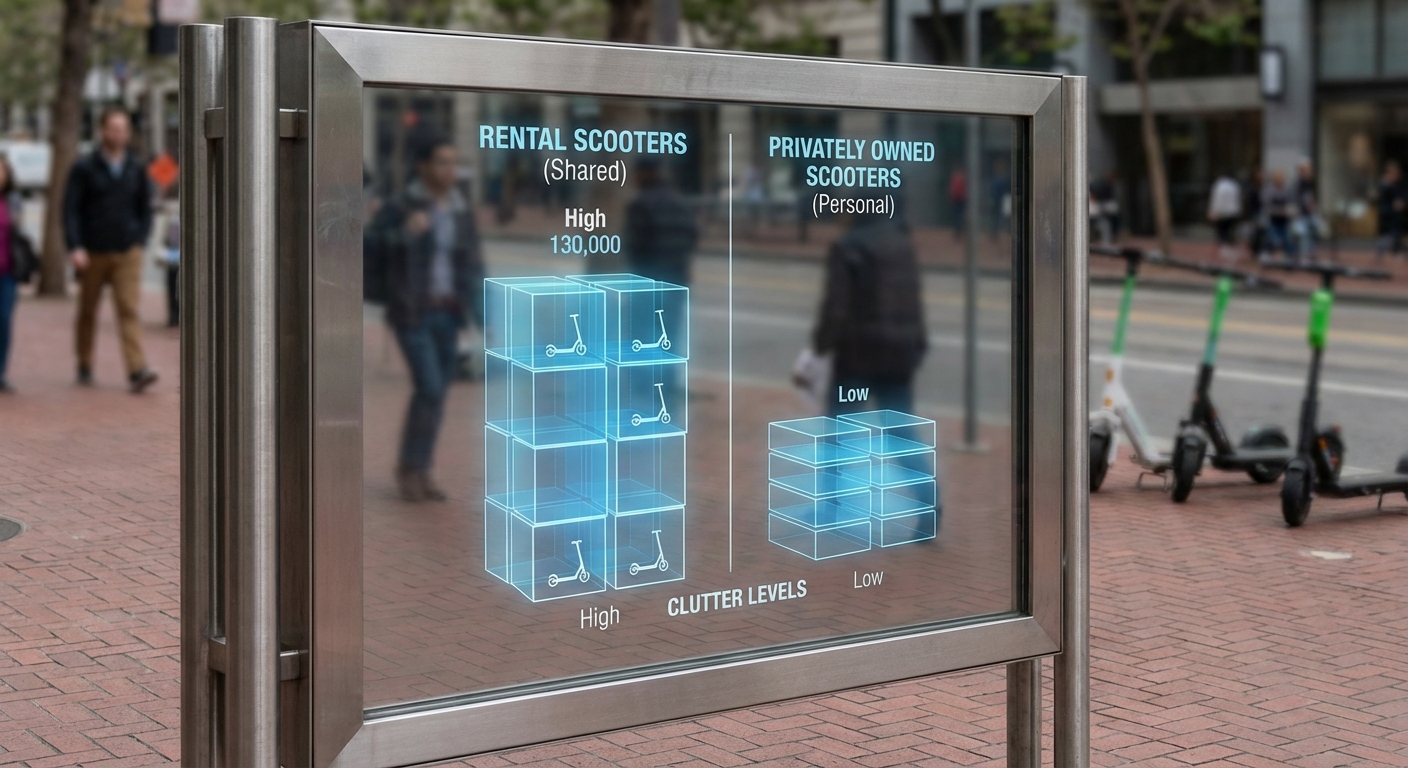
Sidewalk clutter is primarily driven by dockless rental models where electric scooter parking is often treated as an afterthought by temporary users. You can easily distinguish the difference between a rental left in the mud and a personal scooter handled with care. Disorganized parking patterns make our streets look messy and unmanaged.
Are dockless rental models the main cause of chaos?
Dockless models allow you to end a trip anywhere, which often translates to “everywhere” in practice. Without a physical dock, the incentive to park neatly is significantly lower for the average renter.
- Rental users feel less “ownership” of the vehicle.
- Incentives for tidy parking are often missing.
- Fleet density can overwhelm specific blocks.
But wait, there’s more. Personal ownership models usually involve more intentional parking because you want to keep your property safe.
Can designated zones resolve the sidewalk mess?
Designated zones provide a visual cue for where a vehicle belongs, reducing the “scatter” effect. When you see a painted box, you are much more likely to park within its boundaries.
Key Takeaway: Moving away from dockless chaos toward designated zones or personal ownership significantly cleans up urban pathways.
| Model Type | Parking Behavior |
|---|---|
| Dockless Rental | Higher likelihood of random placement |
| Personal Ownership | More careful and intentional parking |
Personal ownership naturally promotes a higher standard of care and tidiness compared to high-volume rental fleets.
Can bike rack sharing improve electric scooter parking?
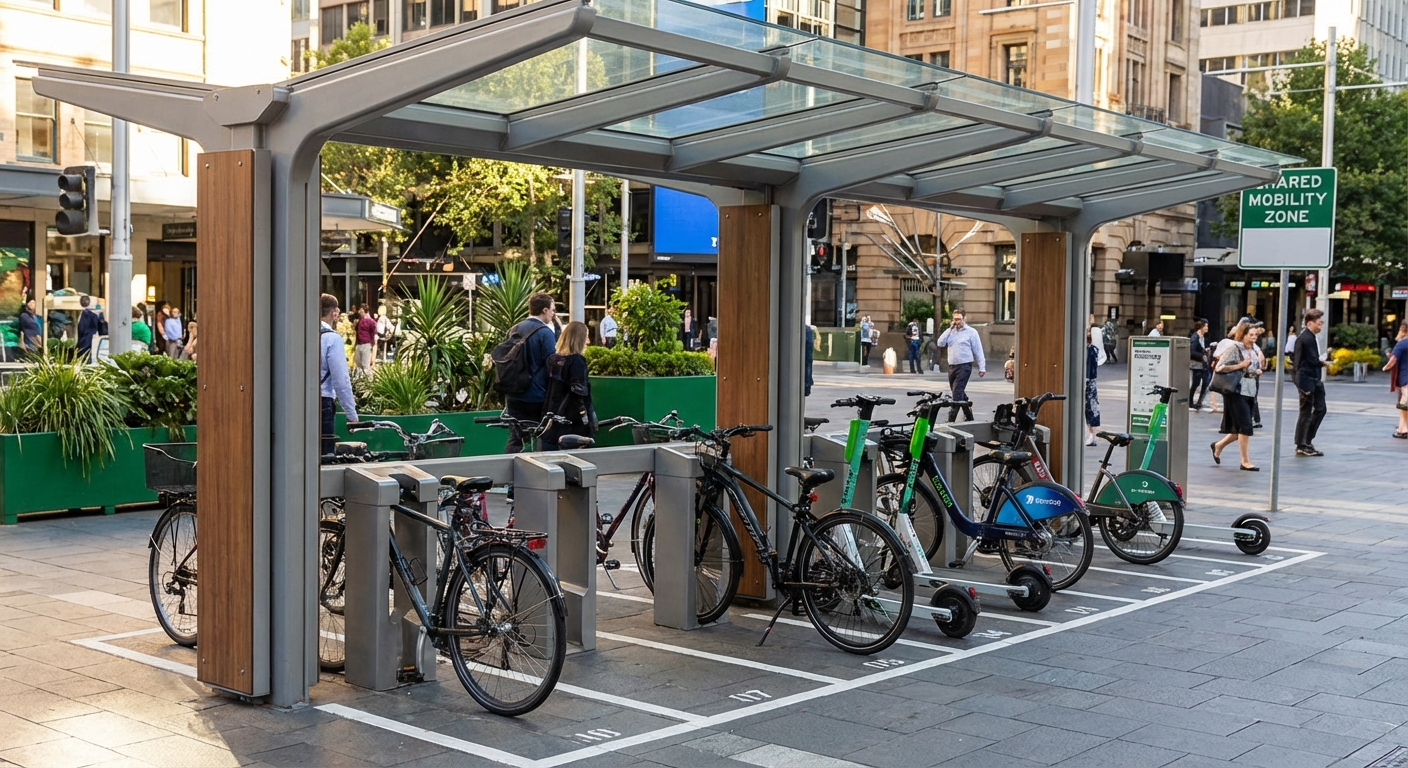
Sharing existing bike racks can provide immediate relief for electric scooter parking demand, provided there is enough space for both cyclists and scooter riders. You have likely noticed that bike racks are often the only secure place to lock up. However, this can lead to conflict if cyclists feel their dedicated space is being invaded.
Using bike racks makes sense from a resource perspective, but it requires careful management. You don’t want to find the rack full when you arrive with your bike or scooter.
- Shared racks maximize existing infrastructure.
- Clear signage is needed to define shared rules.
- Expansion is necessary to avoid overcrowding.
Believe it or not, most cities already have the blueprint for parking; they just need to adapt it.
Will dedicated spots reduce conflict with cyclists?
Creating scooter-specific spots next to bike racks ensures that everyone has a home. This separation reduces the friction between different types of micromobility users.
Key Takeaway: Multi-modal hubs that integrate both bikes and scooters are the most efficient use of curb space.
| Infrastructure Strategy | Benefit |
|---|---|
| Shared Racks | Low-cost immediate solution |
| Dedicated Spots | Reduced user conflict |
Strategic integration allows cities to support diverse transportation modes without favoring one over the other.
What are the current tech solutions for electric scooter parking?
Smart docks and sensor-based zones are the leading technological advancements helping cities manage electric scooter parking with precision. You no longer have to guess where it is acceptable to leave your ride. These systems use real-time data to guide you and ensure the street remains orderly.
How does geofencing enforce parking boundaries?
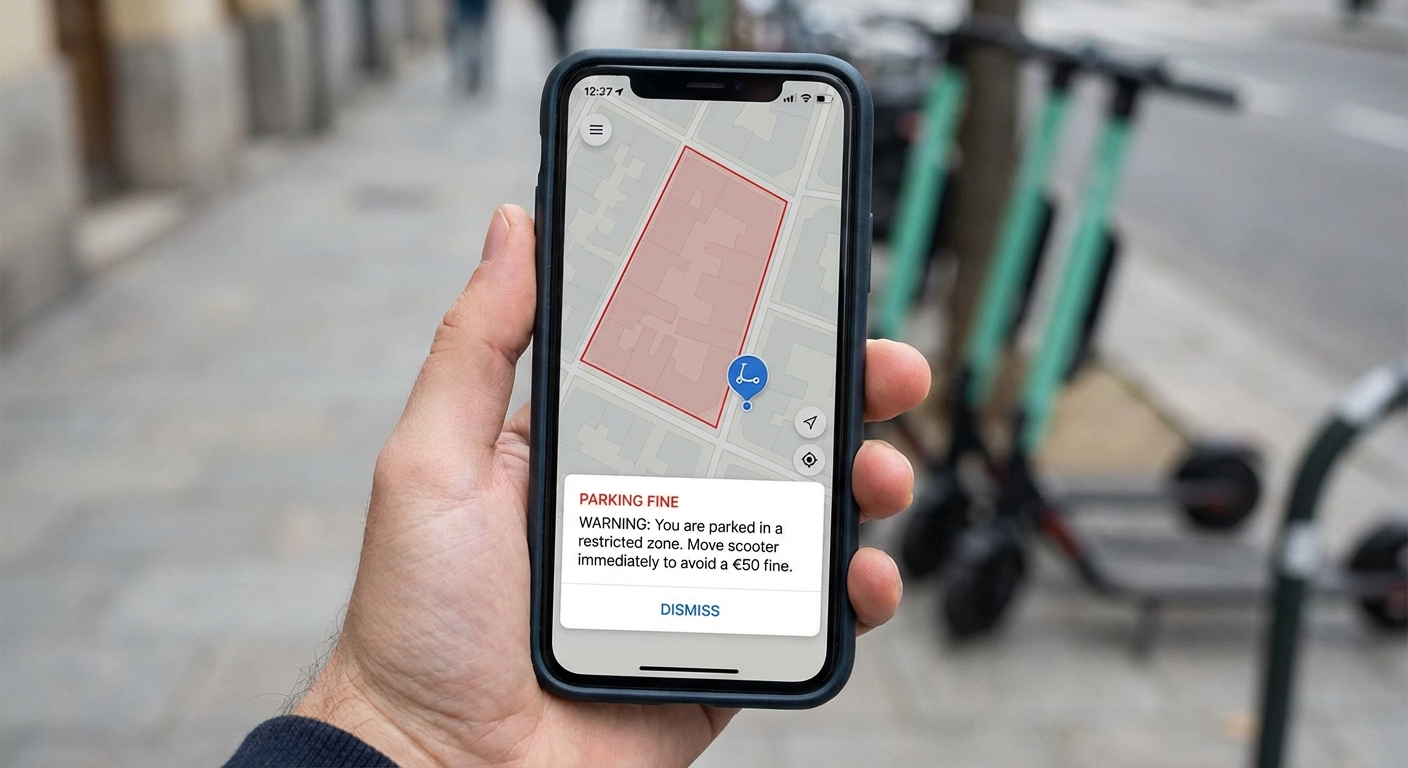
Geofencing uses GPS to create virtual perimeters that dictate where you can and cannot end your ride. If you try to park in a forbidden zone, the app simply won’t let you close the trip.
- Virtual fences prevent parking in parks or narrow alleys.
- Real-time alerts guide you to the nearest hub.
- It automates compliance for thousands of users.
Think about it: technology can now act as a digital “hall monitor” for our streets.
Can mobile apps guide riders to proper spots?
Apps act as a personal navigator, showing you exactly where the nearest designated parking is located. This reduces the time you spend circling the block looking for a spot.
Key Takeaway: Technology like geofencing and app-based navigation is essential for enforcing order in high-density areas.
| Tech Solution | Primary Benefit |
|---|---|
| Geofencing | Automated enforcement of zones |
| Smart Docks | Charging and organized storage |
Applying technology to urban logistics removes the burden of manual enforcement while improving the rider experience.
How do fines and geofencing help electric scooter parking?
Monetary fines and real-time tracking are powerful deterrents that improve compliance with electric scooter parking regulations. You are much more likely to double-check your parking job if you know a $50 fine is on the line. These mechanisms turn general guidelines into enforceable rules.
Are financial penalties effective for rider behavior?
Fines provide an immediate behavioral deterrent that encourages you to park responsibly. When the cost of bad parking is high, users quickly learn to follow the rules.
- Fines can be passed directly to the user.
- Repeat offenders can be banned from the platform.
- Revenue can fund better infrastructure.
You might be wondering if this is too harsh, but it is often the only way to ensure public safety.
Is real-time tracking the key to order?
Real-time tracking allows operators to see exactly where every vehicle is located at any moment. This data helps cities identify “trouble spots” where clutter is most frequent.
Key Takeaway: A combination of digital “fences” and financial accountability is the most effective way to change rider habits.
| Enforcement Tool | Primary Benefit |
|---|---|
| Monetary Fines | Immediate behavioral deterrent |
| Real-time Tracking | Better fleet management and recovery |
Enforcement ensures that the benefits of scooters aren’t overshadowed by the negligence of a few users.
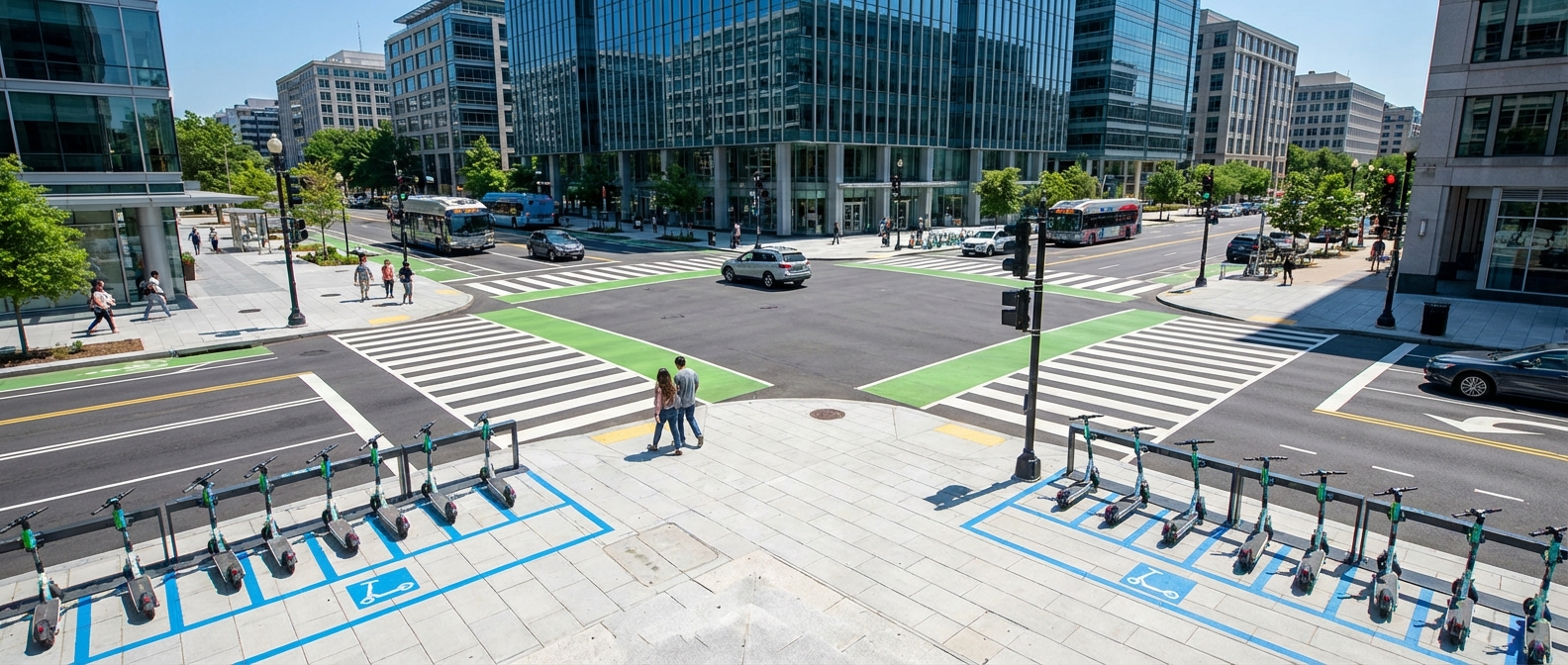
What safety benefits come from better electric scooter parking?
Organized electric scooter parking significantly reduces pedestrian accidents and keeps sightlines clear for motorists. You feel much safer walking down a street when you aren’t constantly dodging metallic obstacles. Better parking leads to a more predictable and harmonious urban environment.
Does organized parking reduce pedestrian accidents?
Keeping sidewalks clear means fewer trips and falls for everyone, especially for the elderly and young children. When the path is predictable, the risk of injury drops dramatically.
- Clear paths prevent sudden “swerve” accidents.
- Predictability improves the walking experience.
- Reduced clutter helps those with visual impairments.
The bottom line is simple: a tidy sidewalk is a safe sidewalk.
Can visibility prevent vehicle-scooter collisions?
When scooters are parked neatly in designated zones away from corners, drivers have a better view of the road. This prevents accidents at intersections and driveways.
Key Takeaway: Tidy streets preserve clear sightlines, which is a critical factor in reducing urban traffic accidents.
| Safety Benefit | Target Audience |
|---|---|
| Reduced Trips/Falls | Pedestrians and elderly |
| Better Sightlines | Drivers and cyclists |
Safety is the ultimate goal of any urban parking regulation, ensuring everyone gets home without incident.
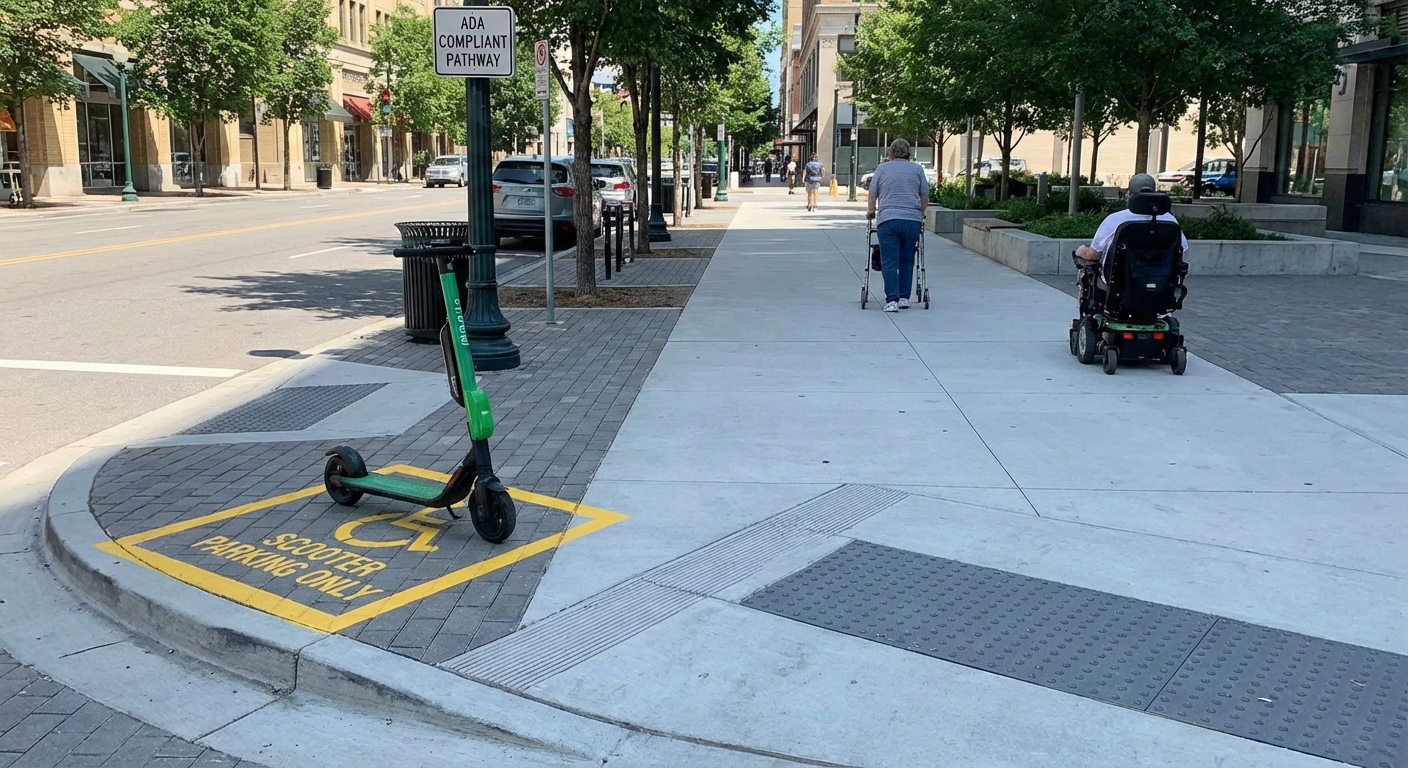
Will better electric scooter parking boost city accessibility?
Maintaining ADA compliance is a legal and ethical necessity that depends heavily on organized electric scooter parking. You should be able to navigate your city regardless of your physical mobility. When scooters block ramps or narrow the sidewalk, they effectively “lock out” certain citizens from public spaces.
How does clutter hinder mobility for the disabled?
For someone in a wheelchair, a single scooter left on a ramp can be an impassable barrier. This clutter forces vulnerable people into the street, which is incredibly dangerous.
- Blocked ramps prevent safe street crossings.
- Narrowed paths hinder wheelchair movement.
- Random placement is a major hazard for the blind.
And here is the kicker: accessibility isn’t a “nice to have,” it’s a civil right that we must protect.
Can ADA-compliant zones make cities more inclusive?
Designating parking zones that stay away from essential pathways ensures that our cities remain open to everyone. Inclusive design benefits the whole community, not just those with mobility aids.
Key Takeaway: Clear sidewalks are essential for legal ADA compliance and the ethical treatment of all urban residents.
| Accessibility Focus | Requirement |
|---|---|
| Curb Ramps | Must be 100% clear of vehicles |
| Sidewalk Width | Must maintain a minimum clear path |
Prioritizing accessibility ensures that the micromobility revolution doesn’t leave anyone behind.
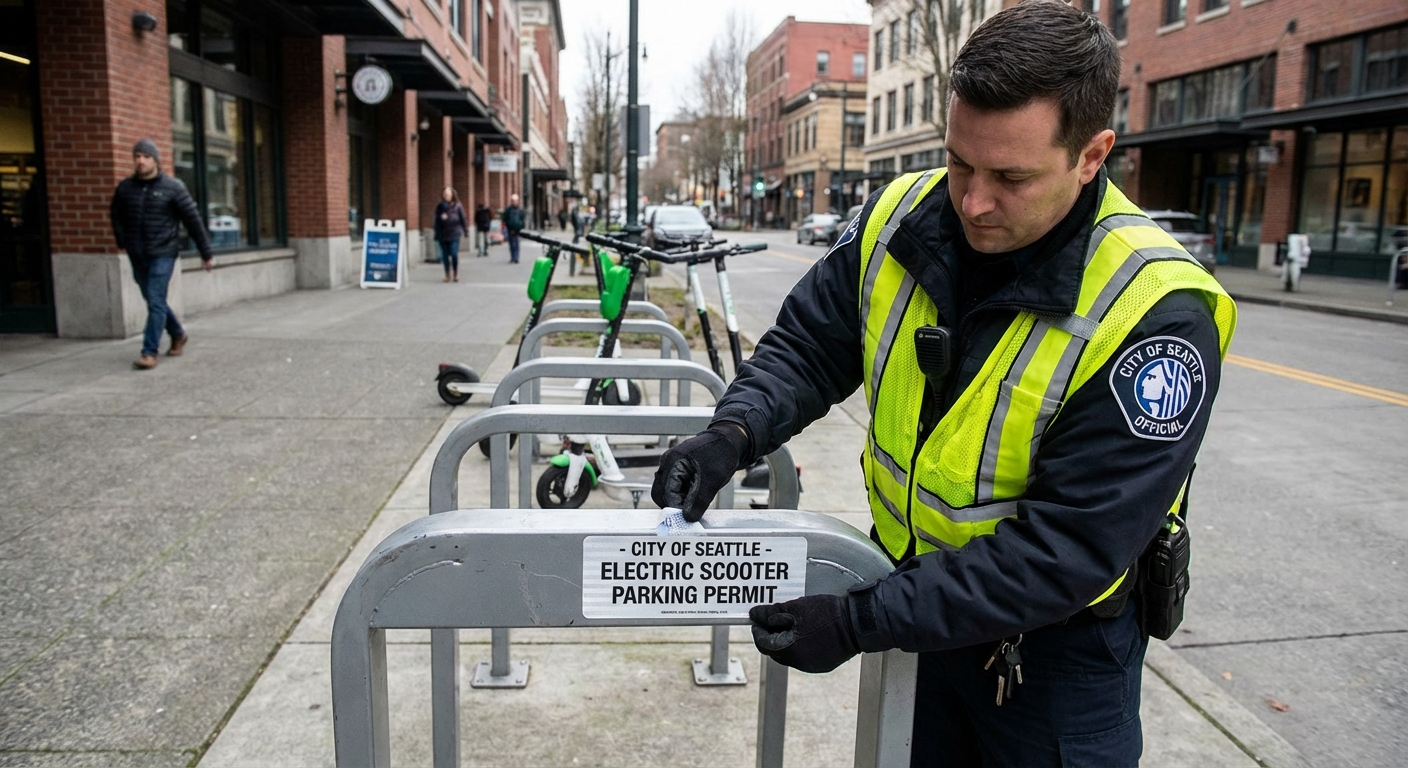
How do local laws influence electric scooter parking success?
Legislative frameworks and municipal bylaws provide the necessary structure for successful electric scooter parking management. You might find city regulations tedious, but they are what keep the system from collapsing. Strong partnerships between cities and providers lead to better compliance and higher-quality service.
Are city-wide regulations necessary for order?
Without clear rules, operators and riders are left to their own devices, which usually leads to the chaos you see today. Regulations define where you can ride and where you must park.
- Bylaws set clear expectations for users.
- Permits give cities leverage over operators.
- Zoning laws help distribute vehicles fairly.
You might be surprised to learn that the most successful scooter cities are often the most regulated ones.
Should companies be held liable for parking issues?
Holding operators accountable ensures they invest in the technology and staff needed to keep streets tidy. When the company is liable, they create better incentives for you to park correctly.
Key Takeaway: Effective legislation creates a framework of accountability that benefits the city, the provider, and the rider.
| Policy Tool | Function |
|---|---|
| Operator Permits | Ensures company compliance |
| Permitting Fees | Funds parking infrastructure |
Legislation turns the “wild west” of early scooter adoption into a structured part of the city’s transit network.
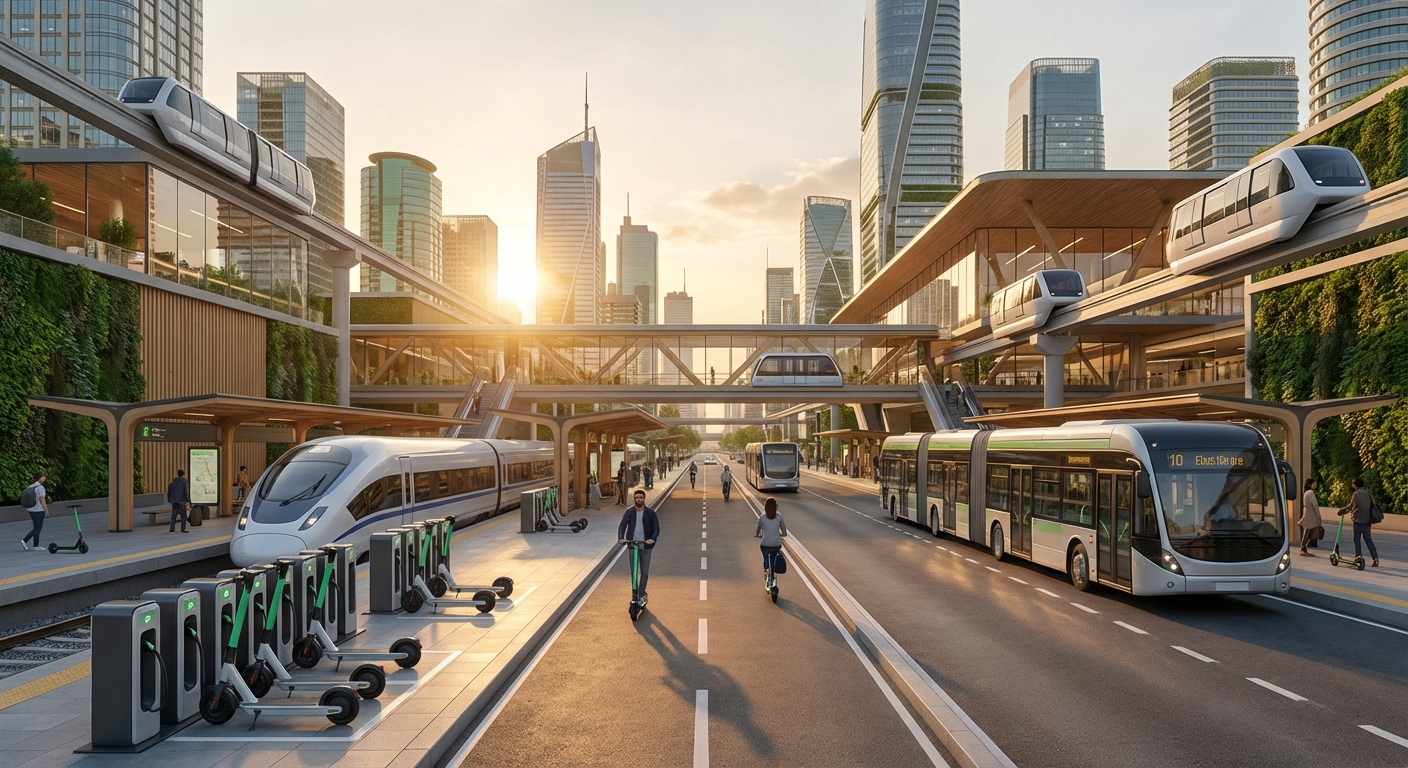
Can we build smarter systems for electric scooter parking?
The future of electric scooter parking lies in deep integration with public transit and a shift toward high-quality personal ownership. You can imagine a world where your scooter and the local train work together as a single, seamless system. Smarter racks and integrated hubs will eventually make sidewalk clutter a thing of the past.
Will integration with transit solve the last-mile?
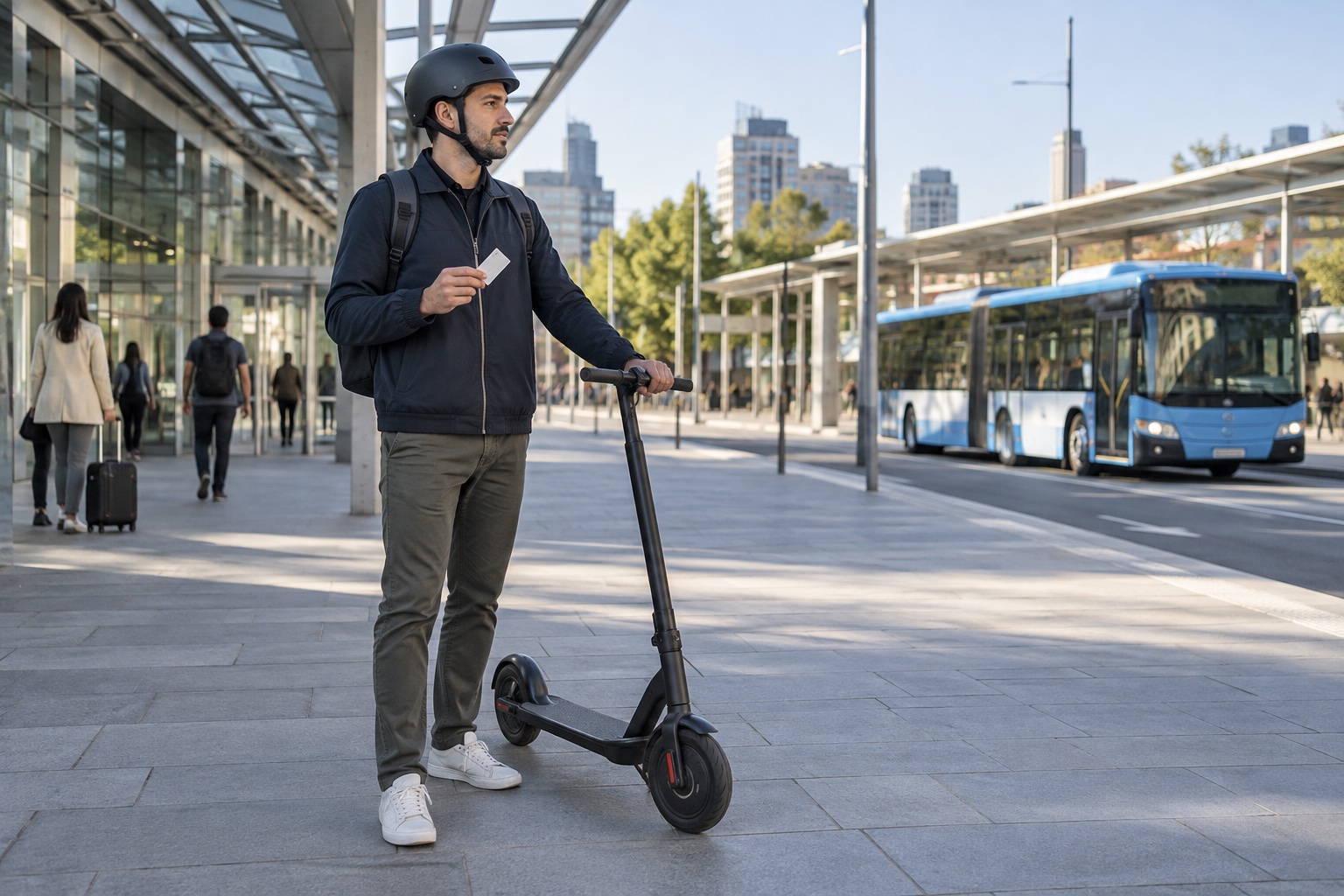
Placing parking hubs at bus stops and train stations makes it easier for you to bridge the “last mile” of your commute. This integration makes public transit more attractive and reduces car dependency.
- Hubs provide a centralized “anchor” for riders.
- Shared data helps transit agencies plan better routes.
- Seamless transfers save you time every morning.
And that’s not all—this integration is the key to truly sustainable urban living.
Is personal ownership the future of city commuting?
Owning a personal scooter, like the Model B, naturally encourages better parking habits because you care about the security and longevity of your vehicle. You are more likely to bring it inside or lock it securely than to leave it in the middle of a path.
Key Takeaway: The ultimate solution for urban order is a combination of transit-linked hubs and a culture of personal ownership.
| Future Goal | Success Metric |
|---|---|
| Transit Integration | Increased public transportation ridership |
| Smarter Racks | 100% reduction in sidewalk clutter |
As we build smarter systems, the friction of parking will vanish, leaving only the joy and efficiency of the ride.
Summary of Solutions
The path to better urban mobility is clear: we must move away from the disorganized “drop and go” culture and toward a more structured, intentional system. By combining smart technology like geofencing with better physical infrastructure and local regulations, cities can reclaim their sidewalks. We believe that personal ownership is a vital part of this solution; when you own your ride, you treat the city with more respect.
At Dynamic Scooter, we are committed to being part of the solution. Our Dynamic Scooter Model B is designed to be portable and easy to store, reducing the need for public parking altogether. Let’s work together to make our cities cleaner and more accessible. If you have questions about how to manage your commute or need advice on the best accessories for your ride, please contact us today.

Reader-Centric FAQ
- Can I park my electric scooter on any sidewalk?
Generally, no; you must ensure you leave enough room for pedestrians and never block ramps, doorways, or fire hydrants. - What’s the best way to secure my personal scooter in public?
The best way is to use a high-quality U-lock or heavy-duty chain to secure the frame to a permanent bike rack in a well-lit area. - How do I know if I am in a “no-parking” zone?
Most ride-sharing apps will show these zones in red on the map, and your vehicle may not allow you to end your trip within those boundaries. - Can I be fined for a rental scooter I didn’t park?
No, fines are typically issued to the last person who ended a trip on that specific vehicle, so always double-check your own parking. - What’s the best way to report a scooter blocking a wheelchair ramp?
You should use the city’s 311 reporting system or the specific “report an issue” feature within the scooter provider’s mobile app.