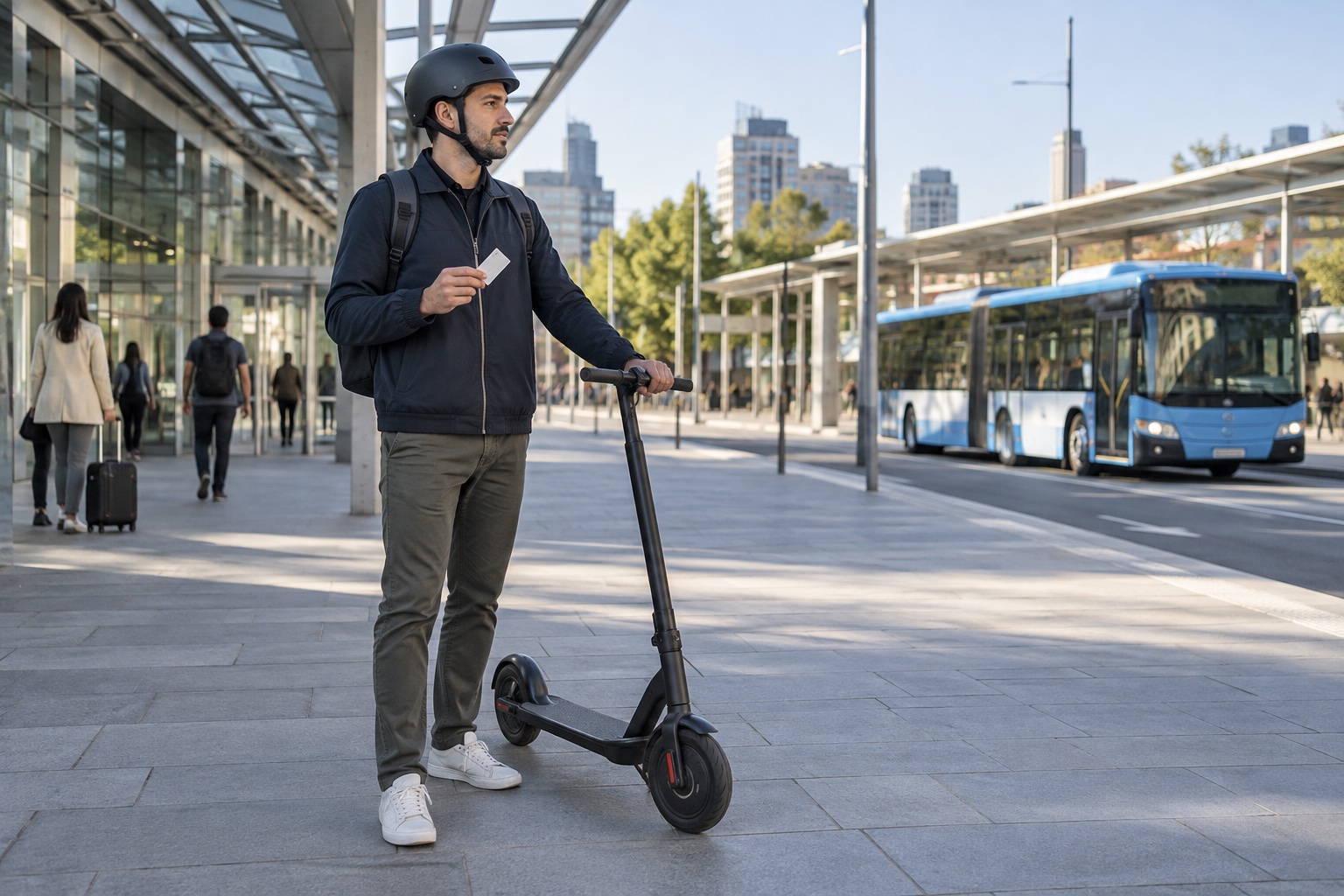

Planning to bring your electric scooter on the bus but unsure about transit rules? Many riders face confusion and potential fines when policies aren’t clear. This guide covers everything you need to know about safely and legally transporting your electric scooter on buses and other public transit.
Most bus systems allow folding electric scooters under 20-25 pounds with specific requirements. You’ll typically need to fold your scooter, turn off the battery, and store it in designated areas without blocking aisles or wheelchair spaces. Some systems charge extra fees while others include electric scooter transport in regular fare.
But here’s the thing – knowing bus policies beforehand saves you time, money, and embarrassment at stops.
1. What Are the General Bus Rules for Electric Scooters?
Bus authorities across the country have developed specific policies for electric scooter transport. Most systems treat folding electric scooters like large luggage items. The key requirement is that your scooter must fold completely and fit within designated storage areas.
Weight limits typically range from 20 to 25 pounds for most bus systems. Your electric scooter must be powered off during transport for safety reasons. Some bus authorities also require protective covers to prevent damage to other passengers’ belongings.
Here’s why it matters – following these basic bus rules prevents delays and ensures smooth boarding for everyone.
| Bus System | Weight Limit | Folding Required | Battery Off |
| NYC MTA Buses | 25 lbs | Yes | Yes |
| LA Metro Buses | 22 lbs | Yes | Yes |
| Chicago CTA Buses | 20 lbs | Yes | Yes |
Size restrictions focus on folded dimensions rather than extended measurements. Most buses accommodate electric scooters that fold to roughly 40 inches long by 20 inches wide. Height restrictions vary but generally allow folded scooters up to 30 inches tall.
Bus safety guidelines require riders to secure their electric scooters properly during transport. You cannot leave scooters in aisles or block emergency exits. Many bus systems prohibit riding scooters inside stations or terminals.
2. How Do Different Bus Systems Handle Electric Scooter Transport?
Major metropolitan bus networks have varying approaches to electric scooter policies. West Coast bus systems tend to be more permissive with weight limits, while East Coast buses often have stricter regulations. Understanding your local bus rules prevents unexpected boarding denials.
New York’s MTA buses allow folding electric scooters under 25 pounds during off-peak hours only. Peak hour restrictions run from 6-10 AM and 4:30-6:30 PM on weekdays. Los Angeles Metro buses permit electric scooters up to 22 pounds but charge a $1 surcharge for scooters over 20 pounds.
The best part? Many smaller bus systems follow simpler rules with fewer restrictions than major metropolitan areas.
| City Bus System | Weight Limit | Peak Hour Rules | Extra Fees |
| San Francisco Buses | 25 lbs | Allowed | None |
| Boston MBTA Buses | 20 lbs | Restricted 7-9 AM | $2 surcharge |
| Seattle Metro Buses | 23 lbs | Allowed | None |
International bus systems offer interesting comparisons. European buses commonly accommodate electric scooters with weight limits around 20-25 pounds. Asian bus networks often require advance booking for scooter transport.
Regional variations within states can be significant. Suburban bus routes typically have more flexible policies than urban express services. Rural bus systems may lack specific electric scooter policies altogether.
3. What Preparation Steps Should You Take Before Boarding the Bus?
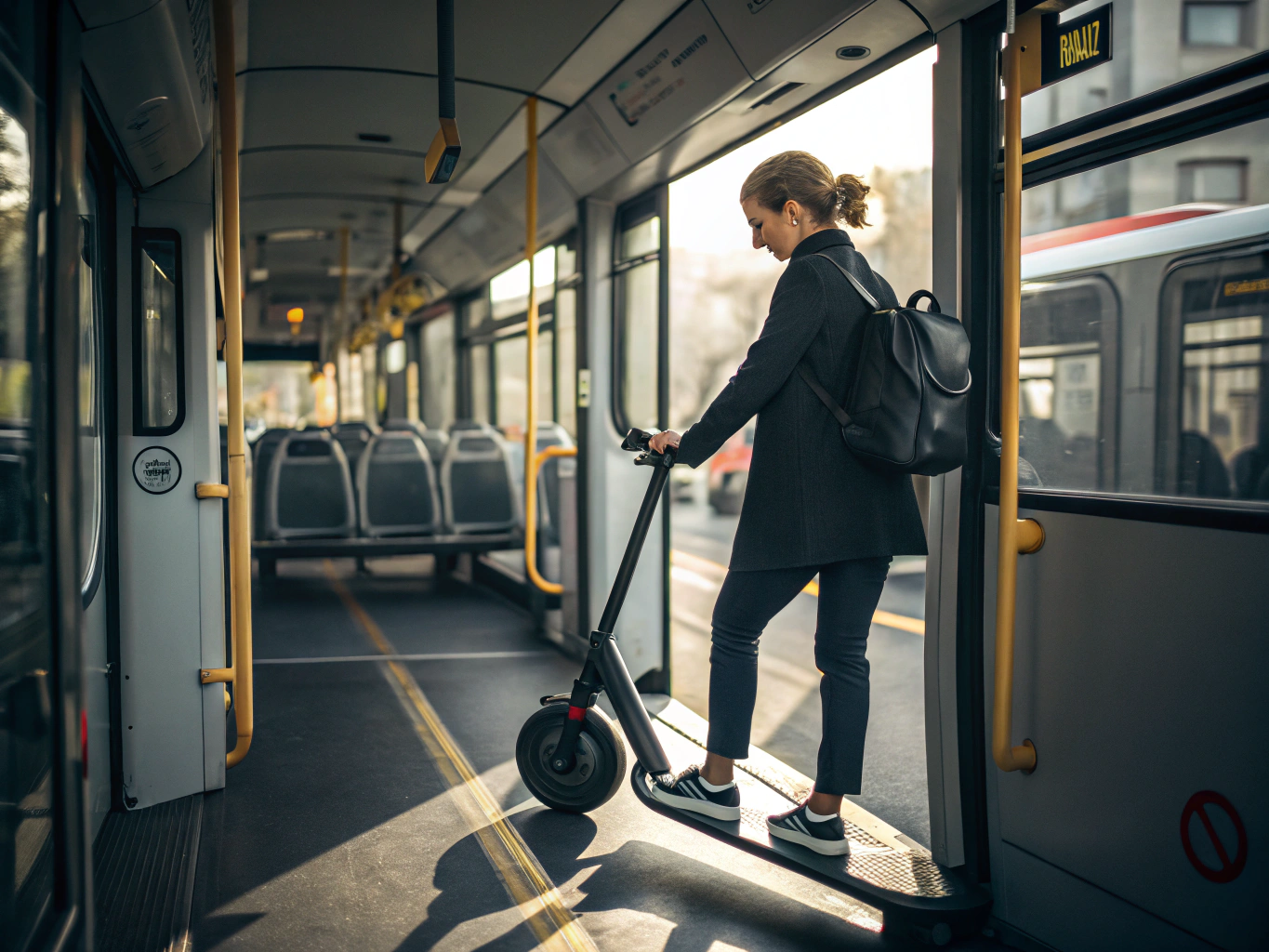
Proper preparation makes bus boarding smooth and stress-free. Start by checking your bus route’s specific weight limits and policies online or by calling customer service. Download your transit app to verify real-time bus capacity and delays.
Folding your electric scooter correctly takes practice. Most lightweight models fold in 10-15 seconds once you master the technique. Practice at home to avoid fumbling at busy bus stops. Clean your scooter beforehand to prevent dirt transfer to other bus passengers.
Battery preparation involves more than just powering off. Remove any loose accessories that might fall during bus transport. Check that your folding mechanism locks securely to prevent accidental unfolding on the bus.
Now, you might be wondering about timing your arrival at bus stops.
| Preparation Task | Time Required | Weight Check |
| Folding electric scooter | 15 seconds | Under 25 lbs |
| Battery check | 30 seconds | Power off required |
| Cleaning | 2 minutes | Prevent dirt transfer |
Protective gear helps prevent damage during bus transport. Soft carrying cases protect both your electric scooter and other bus passengers’ belongings. Some riders use bungee cords for extra security during bumpy bus rides.
Bus route planning becomes more complex with electric scooters. Allow extra time for folding and boarding procedures. Consider alternative bus routes if your primary choice has peak-hour restrictions or stricter weight limits.
4. Where Can You Store Your Electric Scooter on the Bus?
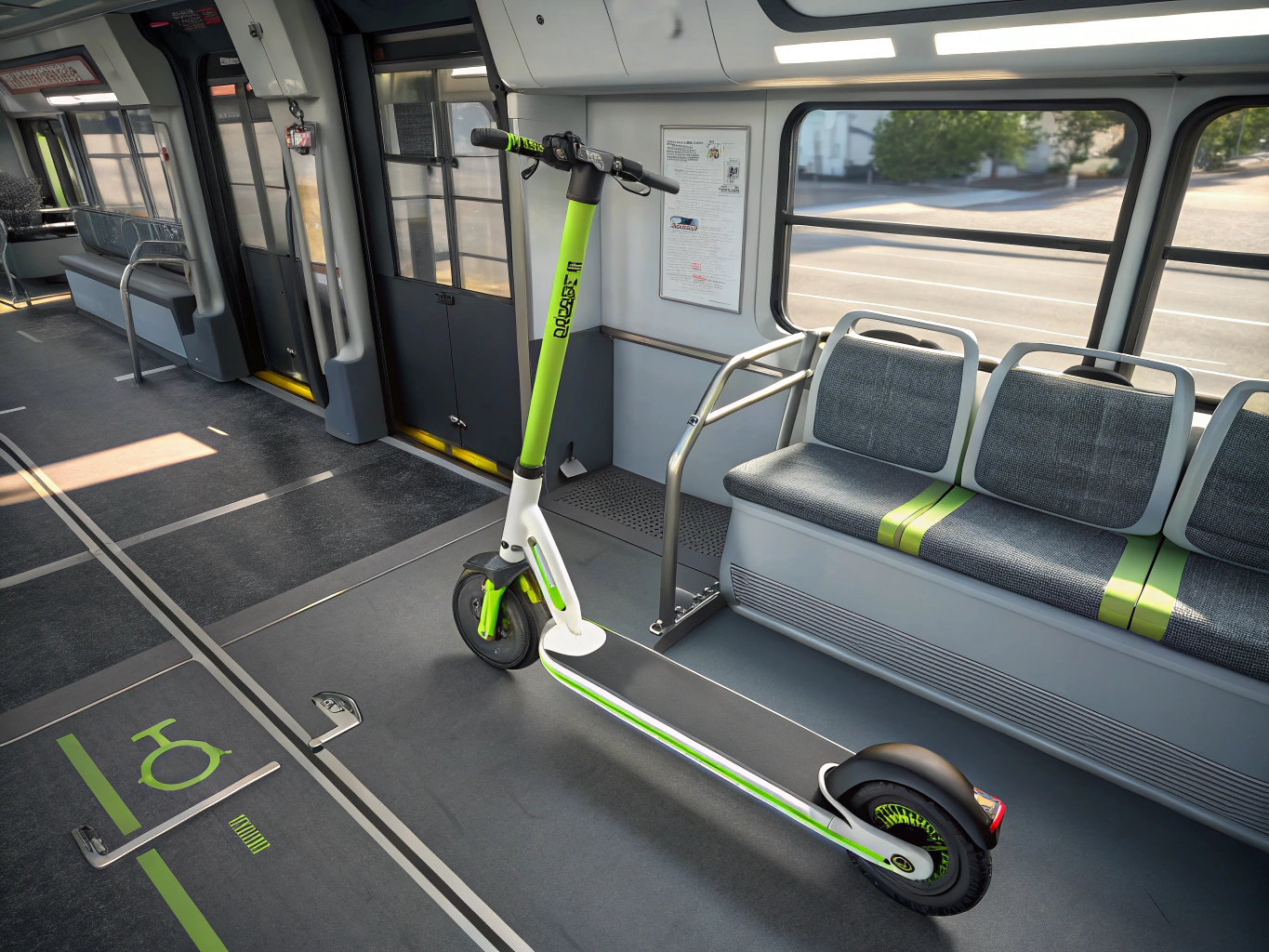
Bus storage areas vary significantly between vehicle types and transit systems. Newer buses often feature dedicated spaces for mobility devices and large items. Older buses may only offer floor space near the front or back doors.
Wheelchair accessibility zones take priority over electric scooter storage on buses. You must move your scooter immediately if someone with a wheelchair needs to board the bus. This requirement applies even if you were there first.
Floor space storage works best for most lightweight folding electric scooters on buses. Position your scooter parallel to the bus wall to minimize aisle obstruction. Hold onto your electric scooter during bus acceleration and braking to prevent sliding.
Let me explain why proper positioning matters for everyone’s safety on the bus.
| Bus Storage Location | Pros | Cons | Weight Consideration |
| Front door area | Easy access | Blocks boarding | Under 25 lbs only |
| Back door area | Less crowded | Hard to exit | Lightweight preferred |
| Wheelchair zone | Spacious | Must move for wheelchairs | Any approved weight |
Overhead compartments on buses rarely accommodate electric scooters due to weight and size limitations. Most bus overhead storage is designed for lightweight bags and personal items only. Even lightweight scooters under 25 pounds are typically too bulky for overhead storage.
Peak hour considerations affect bus storage availability significantly. Morning and evening rush periods see higher bus passenger loads and less available space. Plan alternative transport during these times if possible.
5. What Are the Bus Safety Requirements for Electric Scooters?
Battery safety represents the primary concern for bus authorities. Lithium-ion batteries can overheat or catch fire under certain conditions. Most bus systems require batteries to be completely powered off during transport.
Capacity restrictions typically limit batteries to 300 watt-hours or less on buses. This covers most lightweight consumer electric scooters under 25 pounds but excludes some high-performance models. Check your scooter’s specifications before attempting bus transport.
Power-off requirements extend beyond simply turning off the display. Some bus systems require removing the battery entirely for transport. Others accept powered-off electric scooters with batteries installed.
This is important because battery incidents can result in emergency bus evacuations and service delays.
| Bus Safety Requirement | Standard Rule | Weight Factor | Penalties |
| Battery off | Required | All weights | Bus boarding denial |
| Weight limit | 20-25 lbs max | Strictly enforced | Boarding refusal |
| Protective cover | Recommended | Lightweight models | None |
Protective covering prevents damage to other bus passengers and their belongings. Soft cases or blankets work well for most bus situations. Hard cases may be required during peak hours on some bus systems.
Bus passenger safety protocols require keeping electric scooters secure during transport. You remain responsible for your scooter throughout the bus journey. Any damage caused by unsecured scooters may result in liability claims.

6. How Much Does Electric Scooter Transport Cost on Buses?
Most bus systems include lightweight folding electric scooter transport in regular bus fare. This approach treats scooters under 25 pounds like personal luggage rather than separate vehicles. However, weight-based surcharges apply on some bus routes.
Additional fees typically range from 1to1 to 1to3 per bus trip for electric scooters approaching the weight limit. Weight-based pricing starts at 20-22 pounds depending on the bus system. Some authorities charge flat rates regardless of scooter specifications within the weight limit.
Monthly bus pass inclusions vary widely between transit systems. Some include unlimited electric scooter transport while others require separate permits. Annual passes often provide better value for regular scooter commuters using buses.
Here’s the deal – understanding bus fee structures helps you budget for multimodal transportation.
| Bus Fee Type | Typical Cost | Weight Threshold | Payment Method |
| Standard bus fare | $2-4 | Under 20 lbs | Transit card |
| Weight surcharge | $1-3 | 20-25 lbs | Cash/card |
| Monthly bus permit | $10-25 | All approved weights | Online/station |
Free transport conditions exist in many smaller bus systems. Rural and suburban bus routes often waive additional fees for folding electric scooters under 25 pounds. Some bus systems offer free transport during off-peak hours only.
Weight-based pricing tiers create incentives for ultra-lightweight electric scooters on buses. Premium fees for heavier models help manage bus capacity and encourage appropriate vehicle choices.
7. What Other Public Transit Options Allow Electric Scooters?
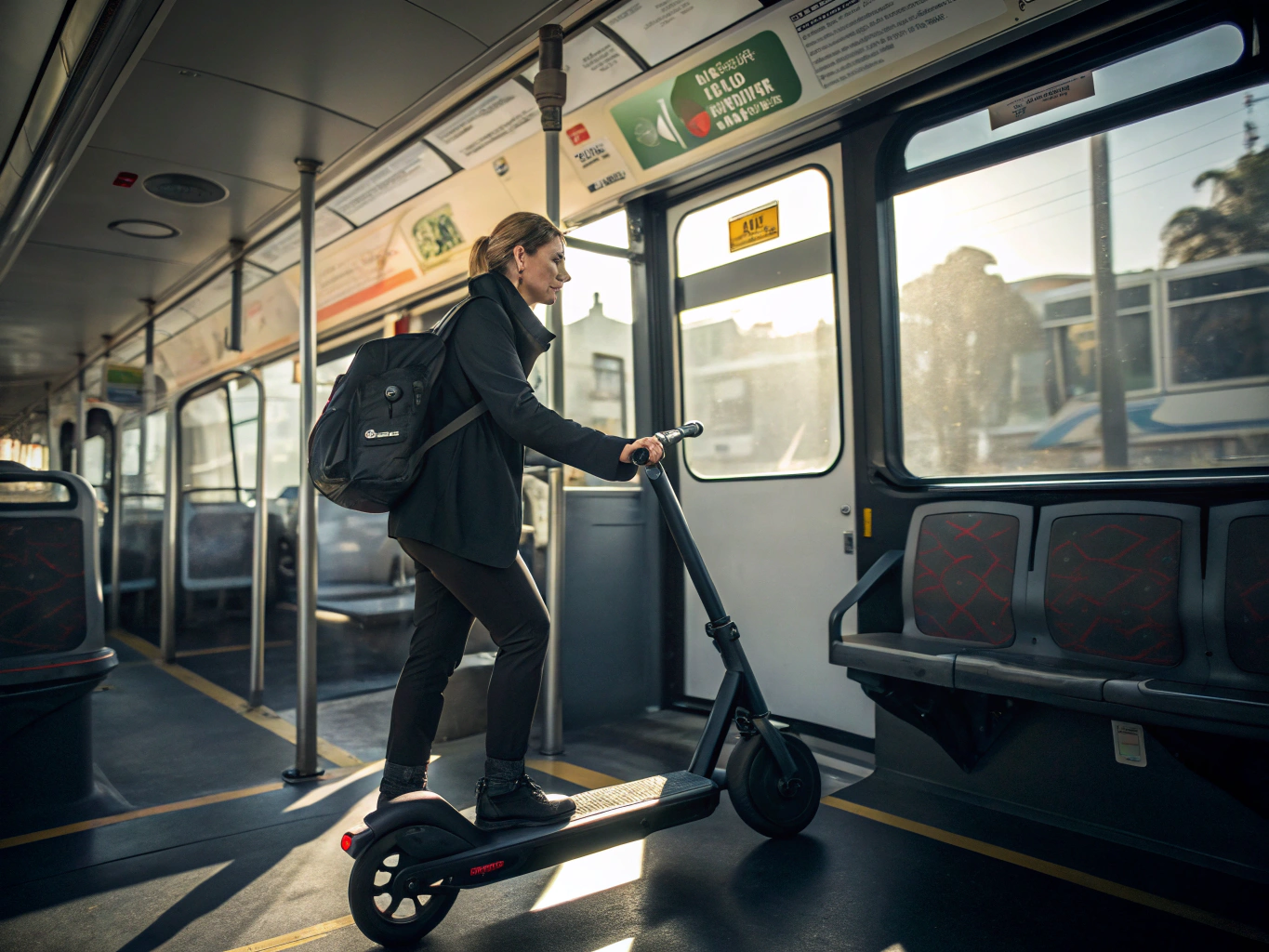
Light rail and subway systems often have different electric scooter policies than buses. Many allow scooters with higher weight limits than the 20-25 pound bus restriction. Check your local rail authority’s specific rules for comparison with bus policies.
Train services typically offer more storage space than buses for electric scooters. Amtrak and regional rail systems often accommodate models up to 40-50 pounds that buses cannot handle. Some trains feature dedicated bike and scooter cars.
Ferry systems provide unique opportunities for electric scooter transport. Most ferries treat scooters like bicycles with weight limits around 30-40 pounds. Vehicle decks offer secure storage during water crossings.
What does this mean for you? Having multiple transit options ensures you’re never limited to just bus transport with strict weight limits.
| Transit Type | Weight Limit | Storage Space | Typical Fees |
| Light rail | 30-40 lbs | Moderate | Included in fare |
| Subway | 25-35 lbs | Limited | Usually free |
| Trains | 40-50 lbs | Ample | $5-15 surcharge |
| Ferries | 30-40 lbs | Vehicle deck | $2-5 extra |
Ride-sharing services provide flexible alternatives when public transit weight limits are too restrictive. Most drivers accept folding electric scooters in their vehicles regardless of weight. Uber and Lyft have specific policies for transporting personal mobility devices.
Park-and-ride facilities increasingly accommodate electric scooters of various weights. Secure parking areas protect your investment while you use public transit. Some facilities offer charging services for longer parking periods, making them ideal complements to bus travel.
Conclusion
Taking your electric scooter on the bus requires understanding strict weight limits, proper preparation, and safety awareness. Most bus systems allow folding electric scooters under 20-25 pounds with batteries turned off. Storage areas, fees, and restrictions vary significantly between bus authorities. When bus weight limits are too restrictive, light rail, trains, ferries, and ride-sharing provide viable alternatives with higher weight allowances. The bottom line? Choosing a lightweight electric scooter under 25 pounds ensures maximum compatibility with bus systems and saves time and money.
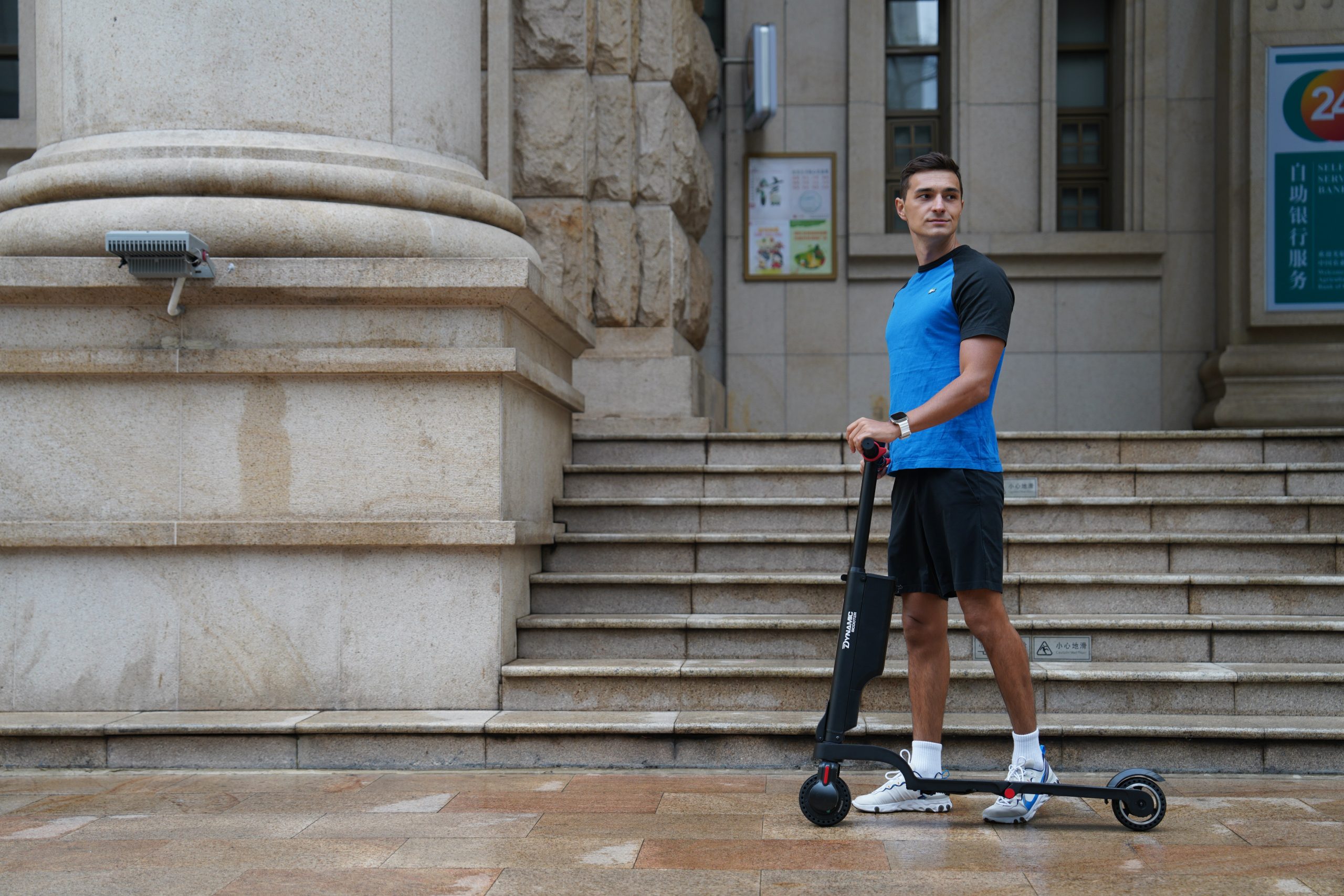
Dynamic Scooter offers ultra-lightweight, compact models designed specifically for bus and public transit compatibility. Visit our product to find the perfect lightweight electric scooter for your commuting needs and start enjoying seamless bus-scooter combinations today.
FAQ
Q1: Can I take any type of electric scooter on the bus?
Most buses only allow folding electric scooters under 20-25 pounds, which excludes many heavier models. Check your local bus authority’s specific weight limits before traveling.
Q2: Do I need to turn off my electric scooter battery during bus transport?
Yes, most bus systems require electric scooters to be powered off during transport for safety reasons. Some also have battery capacity restrictions.
Q3: Are there extra fees for bringing an electric scooter on the bus?
Many bus systems allow lightweight folded electric scooters at no extra charge, treating them like luggage. However, some may charge additional fees for scooters approaching the weight limit.
Q4: What happens if my electric scooter is too heavy for the bus?
Bus drivers will refuse boarding if your electric scooter exceeds the weight limit, typically 20-25 pounds. Consider alternative transit options with higher weight allowances.
Q5: Can I ride my electric scooter to the bus stop and then board?
Yes, this is a common practice called “last-mile” transportation. Just make sure your electric scooter meets the weight requirements and you can fold and carry it before the bus arrives.