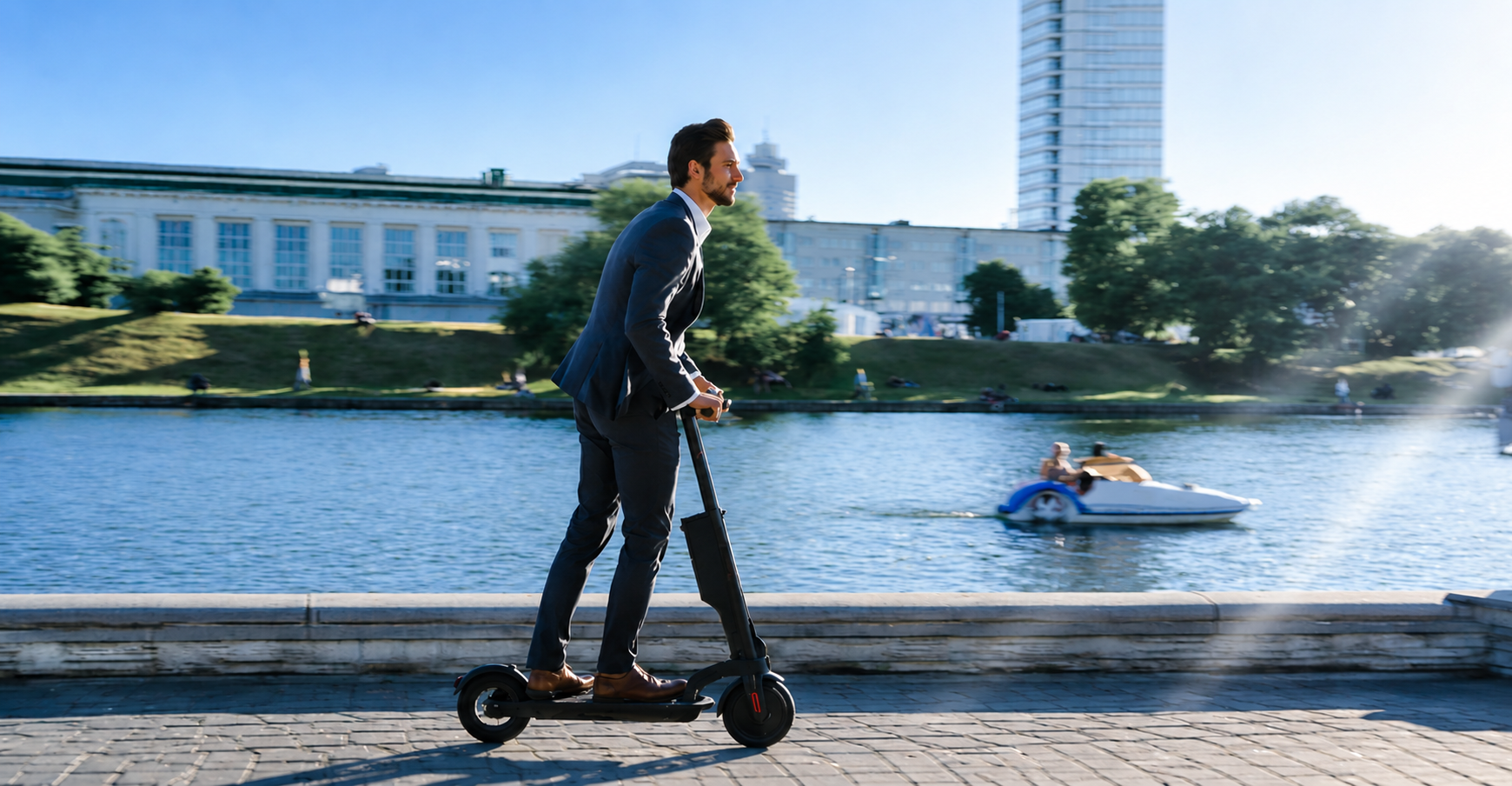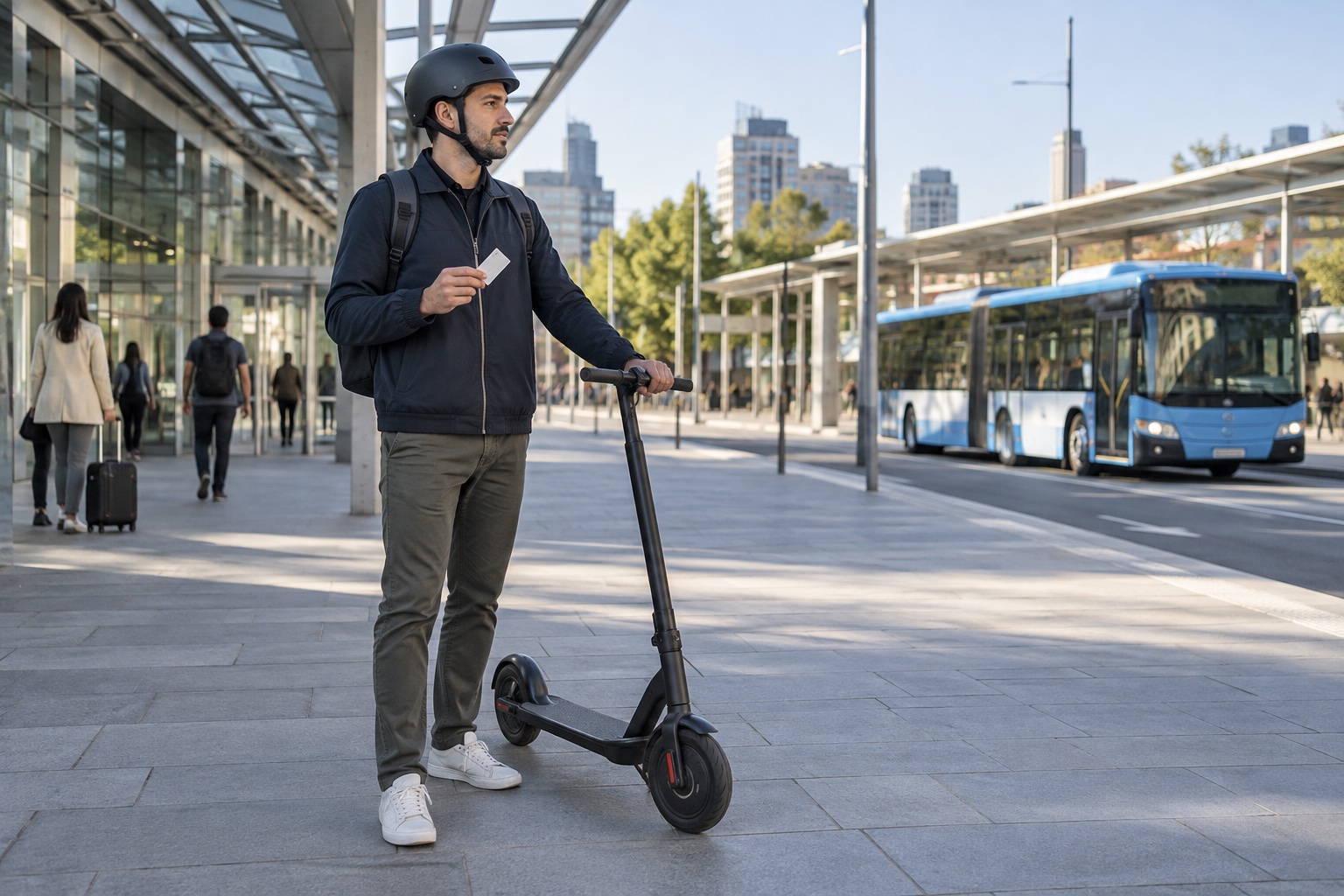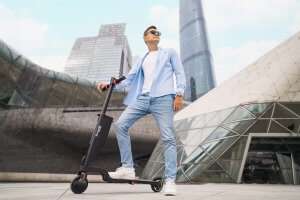

In South Carolina, electric scooters occupy a legal gray area at the state level—often treated under Electric Personal Assistive Mobility Device (EPAMD) statutes—but are primarily governed by strict local city ordinances that regulate sidewalk riding, speed limits, parking, and business permits. Picture yourself cruising down a sun-drenched historic street in Charleston, enjoying a breezy morning ride on your way to work. Suddenly, you hear a siren and find yourself being pulled over by an officer, facing an expensive ticket because you rode on a sidewalk where local rules forbid it.
Fortunately, understanding electric scooter laws in South Carolina is the key to enjoying your daily commute with absolute confidence and peace of mind. This comprehensive guide demystifies the complex web of statewide statutes and local city codes, giving you a clear, easy-to-follow roadmap. Let’s make sure you stay safe, legal, and fully compliant on every single ride.
Is Your Ride Legal in South Carolina?

Yes, riding an electric scooter is generally legal in South Carolina, but the exact rules depend heavily on municipal ordinances since state-level rules are built around older technology. Navigating electric scooter laws in South Carolina requires understanding this crucial legal division. While state codes provide a baseline, they leave plenty of room for local municipalities to set their own standards.
This dual-layered regulatory system means that what is perfectly legal in one neighborhood could get you stopped in another. Because state laws have not fully caught up to modern stand-up scooters, local towns have taken matters into their own hands. As a rider, staying informed about your local area is your absolute best defense against unexpected citations.
How Do State Statutes Define Micromobility?
South Carolina’s broad transit codes struggle to place modern electric kick-scooters into a neat classification box. Instead, the state baseline groups low-speed personal vehicles into broad categories of alternative transport.
Here is the deal: without a dedicated statewide category for standard stand-up scooters, individual officers and towns are forced to make their own rules. The state mainly recognizes:
- EPAMDs (Electric Personal Assistive Mobility Devices)
- Mopeds and low-speed electric cycles
- Traditional motorized vehicles
Why Does South Carolina Focus on EPAMDs?
Statewide laws heavily focus on EPAMDs because they were originally designed to regulate Segway-style self-balancing vehicles. To qualify under this classification, a device must possess very specific self-balancing technology.
Think about it: most daily stand-up electric scooters don’t actually self-balance on their own. This technical gap is why local governments have to step in and draft customized municipal ordinances.
- Self-balancing designs require continuous sensor feedback.
- Non-self-balancing scooters often default to local city jurisdictions.
- EPAMD speeds are typically governed up to 15 mph.
Key Takeaway: Statewide legislation is built around self-balancing devices, leaving standard stand-up scooters in a legal gray area that local municipalities must address.
| Device Category | State Definition | Max Power/Speed (State) | Local Regulation Allowed? |
|---|---|---|---|
| EPAMD | Self-balancing, 2 non-tandem wheels | 15 mph / Unspecified power | Yes, highly encouraged |
| Moped | Under 50cc or electric equivalent | 30 mph / Under 2 brake HP | Yes, subject to traffic codes |
| Stand-Up E-Scooter | Not explicitly defined statewide | N/A (Defaults to local) | Yes, completely local jurisdiction |
An analysis of state-level classifications reveals a clear gap between vintage statutory language and contemporary scooter designs.
How Are Scooter Regulations Decided?
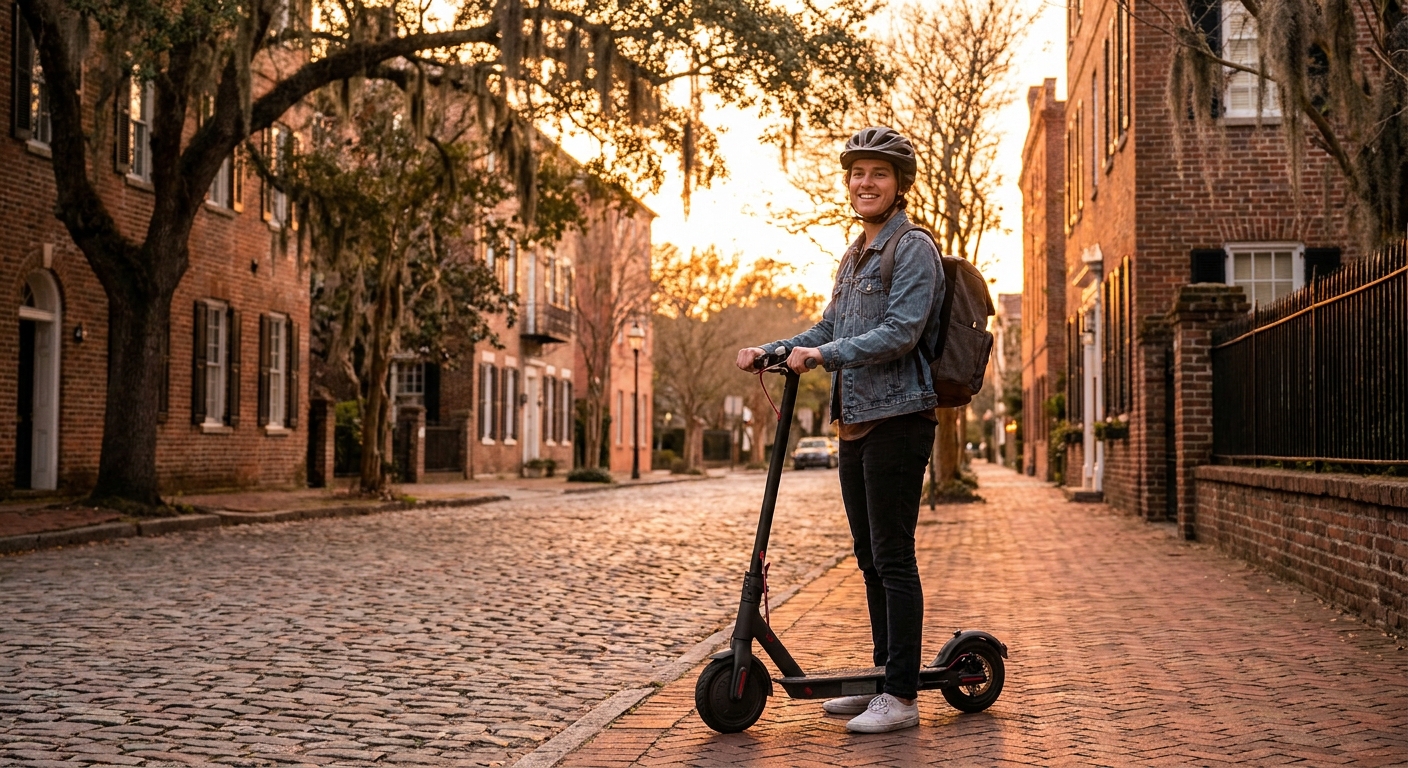
Scooter regulations in South Carolina are ultimately decided by a combination of broad state traffic guidelines and highly specific municipal city ordinances. Understanding how electric scooter laws in South Carolina are structured helps riders avoid unexpected legal trouble. Because the state level focuses on older EPAMD classifications, local city councils have complete authority to override or define terms.
This means you must know the specific local code of any town you enter. While this decentralized system allows cities to protect their historic streets, it places the responsibility of compliance directly on the rider. Let’s look at how these rules are interpreted in daily life.
What Makes Stand-Up Scooters Legally Ambiguous?
The legal status of stand-up electric scooters remains fuzzy because they do not utilize the dual non-tandem, self-balancing wheel configuration required of EPAMDs. Because of this, standard personal scooters occupy a legal middle ground.
Look at it this way: riding an unclassified device means you might be subjected to erratic law enforcement stops depending on which road you choose.
- Some jurisdictions might try to classify you as a pedestrian.
- Other areas might treat you like a slow-moving motorized vehicle.
- The risk of incorrect citations remains high without clear local rules.
Are We Treating Stand-Up Units as Mopeds?
Some local courts and enforcement officers have occasionally attempted to categorize high-powered stand-up scooters under state moped regulations. However, mopeds require formal DMV registration, license plates, and distinct equipment standards.
The best part? Personal electric scooters generally escape these restrictive requirements because their motor power falls well below typical moped thresholds.
- Mopeds require minimum brake horsepower and specific frame shapes.
- Standard stand-up scooters are powered by small hub motors.
- True registration is practically impossible for standard personal scooters.
Key Takeaway: Never assume a standard stand-up scooter is legally identical to an EPAMD; always check local definitions first to avoid misclassification citations.
| Classification Route | Primary Legal Risk | Operational Impact | Recommended Action |
|---|---|---|---|
| EPAMD Fallback | Lack of self-balancing design | Unintended traffic violations | Keep speed governed below 15 mph |
| Moped Fallback | Stricter registration rules | Equipment & licensing issues | Verify with local DMV offices |
Determining the correct vehicle class requires analyzing both design specs and local interpretation frameworks.
Should You Ride on Sidewalks or Roads?
You should ride your electric scooter on public roadways or designated bike lanes, as sidewalk riding is strictly banned in most major South Carolina business districts. Knowing how electric scooter laws in South Carolina treat different riding surfaces keeps both you and pedestrians safe. While state rules technically allow EPAMDs on sidewalks, cities heavily restrict riding on pedestrian paths to prevent accidents.
Choosing a lightweight electric scooter makes transitioning between roadways and bike paths incredibly seamless. This flexibility allows you to adapt instantly to local sidewalk restrictions without breaking a sweat.
Can You Ride Your Scooter on the Sidewalk?
Riding on the sidewalk is heavily regulated and often banned in commercial city centers like downtown Charleston or Columbia. This is done to prevent high-speed collisions with shoppers and tourists walking on narrow pathways.
Think about it: sidewalks are designed first and foremost for pedestrians, making any fast motorized device a major hazard.
- Sidewalk riding is prohibited in most business districts.
- Violations can lead to immediate local fines and impoundments.
- Riders must yield the right-of-way to pedestrians at all times.
What Are the Rules for Riding on Roadways?
When you take your electric scooter onto public roads, you are generally required to ride as far to the right side of the lane as possible. You must obey all standard traffic lights, stop signs, and lane markings just like a bicycle.
The best part? Riding on roads with speed limits below 35 mph is widely accepted, letting you commute efficiently through neighborhoods.
- Stick to roads with low posted speed limits.
- Always utilize hand signals when turning at intersections.
- Use front white lights and rear red reflectors after sunset.
Key Takeaway: Sidewalk riding is generally restricted or banned in busy downtown areas, pushing riders onto secondary roadways where standard traffic rules apply.
| Riding Surface | General State Stance | Common City Restriction | Safety Protocol |
|---|---|---|---|
| Sidewalks | Allowed for EPAMDs | Heavily restricted in business zones | Yield to all pedestrians |
| Public Roads | Allowed (far right lane) | Limited to roads under 35 mph | Use active hand signals and lights |
| Shared Paths | Allowed unless posted | Speed governed (usually 12 mph) | Pass on the left with warning |
Sidewalk and roadway restrictions vary by city and are heavily enforced in high-density commercial zones.
Is a License Needed for SC Scooters?

No, you do not need a driver’s license, special permit, or state DMV registration to ride a personal electric scooter in South Carolina. However, understanding how local electric scooter laws in South Carolina handle licensing prevents any confusing encounters with law enforcement. This lack of driver’s license requirements makes electric scooters incredibly accessible for teenagers and commuters.
Just remember that while you don’t need a license, you still must follow all basic traffic safety codes. This open access keeps the barrier to green transportation remarkably low for everyone in the Palmetto State.
Do You Need a DMV Driver’s License?
You do not need to show a driver’s license or pass any written tests to ride a stand-up personal scooter on South Carolina streets. This low barrier to entry is one of the main reasons micromobility has exploded in popularity.
Here is the deal: while state laws don’t demand a driver’s license, some rental companies might require you to upload an ID to verify your age.
- No DMV written or practical tests are required.
- Riders are exempt from standard driver’s licensing laws.
- Local rental companies may enforce their own age verifications.
Is DMV Registration Required for Fleets?
Private personal electric scooters do not need to be registered with the South Carolina DMV, nor do they require metal license plates. For commercial operators, however, cities frequently mandate local business permits and fleet ID stickers.
Think about it: keeping personal scooters exempt from DMV registration saves you time, money, and typical DMV headaches.
- No state registration fees or licensing costs apply.
- Commercial fleets must apply for municipal permits.
- Identification decals are usually required on shared units.
Key Takeaway: No driver’s license or state registration is required for personal stand-up e-scooters, keeping the entry barrier low for daily riders.
| Requirement Type | Personal E-Scooter | Commercial Fleet Scooter | Mopeds (For Comparison) |
|---|---|---|---|
| Driver’s License | Not Required | Not Required | Required (Class G or higher) |
| Registration | Not Required | Municipal Permit Required | DMV Registration Required |
| License Plate | Not Required | Fleet ID Sticker Required | Metal License Plate Required |
Although state-level registration remains unnecessary, local municipalities often mandate private permit programs for fleets.
Who Sets South Carolina’s Speed Limits?

Local city governments set the actual speed limits for electric scooters in South Carolina, often enforcing caps far lower than the state’s baseline limit. Staying informed about electric scooter laws in South Carolina requires paying close attention to these regional speed caps. While South Carolina’s default EPAMD baseline allows speeds up to 15 mph, municipalities are aggressively introducing lower speed zones.
Many popular coastal towns and city centers now restrict travel speeds on sidewalks and shared paths. Knowing these numbers ensures you remain a welcome part of the community.
What Is Mount Pleasant’s New Speed Cap?
The town of Mount Pleasant has implemented a strict 12 mph speed limit for electric devices operating on sidewalks and shared pathways. This ordinance was introduced specifically to protect pedestrians in heavy foot-traffic areas.
Look at it this way: riding at a controlled pace ensures you can react quickly to sudden obstacles or children running onto the path.
- Sidewalk and shared path speeds are capped at 12 mph.
- Local police are empowered to enforce these speed limits.
- Geofencing software is used by rentals to automatically slow down.
Are Speed Rules Set by State or City?
Although the state sets a general baseline of 15 mph, local city councils have the ultimate power to lower speed regulations within their borders. This conflict means you might be legally riding at 15 mph in one block, but violating a 10 mph local zone in the next.
The best part? Many modern personal scooters allow you to toggle speed modes, making it simple to stay legal wherever you ride.
- Statewide EPAMD baseline limits speed to 15 mph.
- Cities can override state limits via local municipal ordinances.
- Commercial rental zones often automatically govern speeds to 10 mph.
Key Takeaway: Speed limits are highly localized; municipal speed caps on sidewalks and paths range from 10 to 12 mph to protect pedestrian traffic.
| Jurisdiction | Maximum Allowed Speed | Applicable Areas | Enforcement Tool |
|---|---|---|---|
| State Baseline | 15 mph | Standard public roads | Visual radar/Police patrol |
| Mount Pleasant | 12 mph | Sidewalks and shared paths | Geofenced speed limiters |
| Downtown Cores | 10 mph | Pedestrian plazas | Automatic speed reduction |
Local speed caps override state baselines, meaning riders must adapt their speed to municipal boundaries.
Where Are You Allowed to Park Scooters?

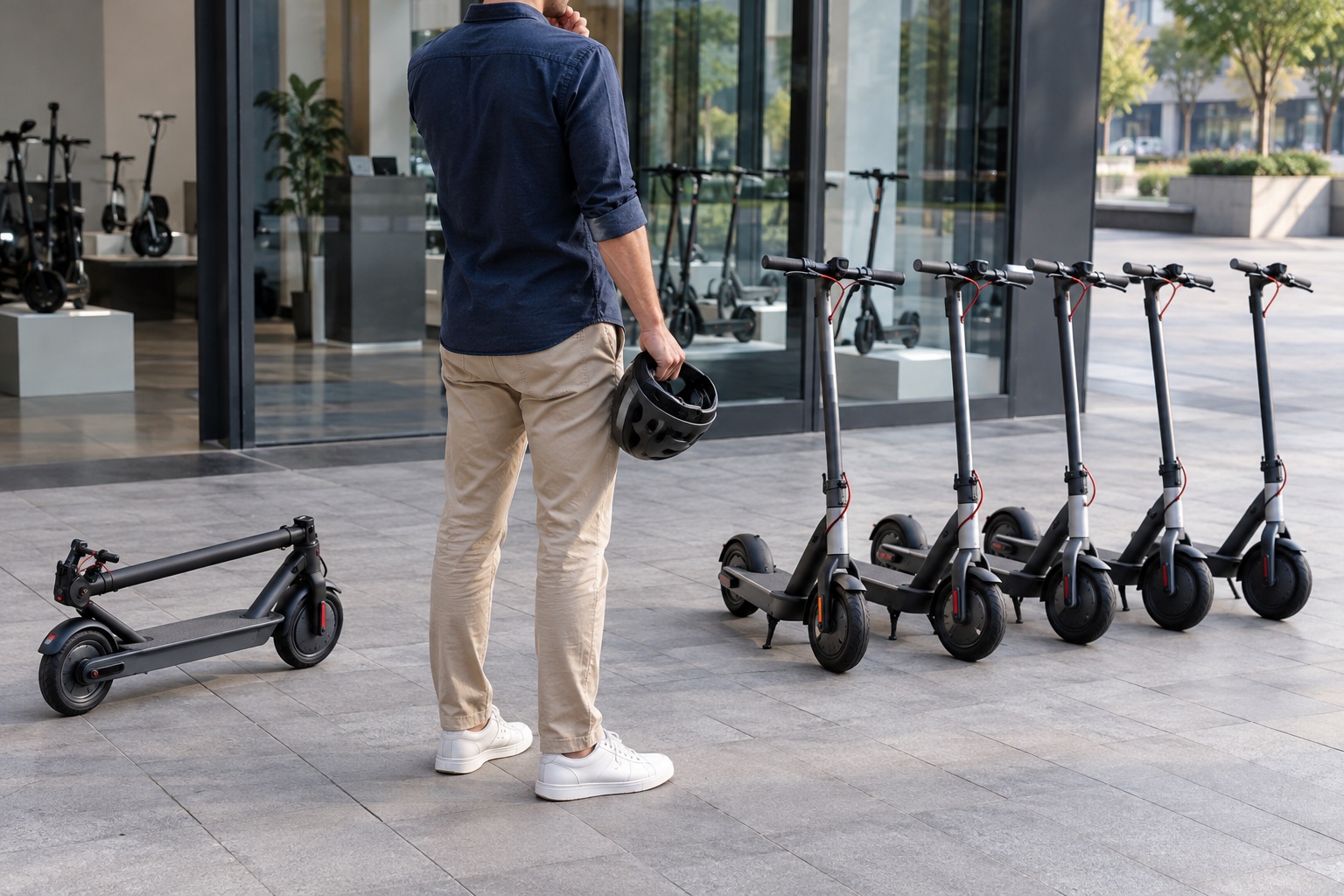
You are allowed to park your electric scooter along the outer edge of sidewalks, in designated parking corrals, or near public bicycle racks, provided you do not block pedestrian traffic. Understanding electric scooter laws in South Carolina regarding parking ensures you avoid costly fines or city impoundments. Improperly parked scooters are a major headache for cities, often leading to strict local enforcement sweeps.
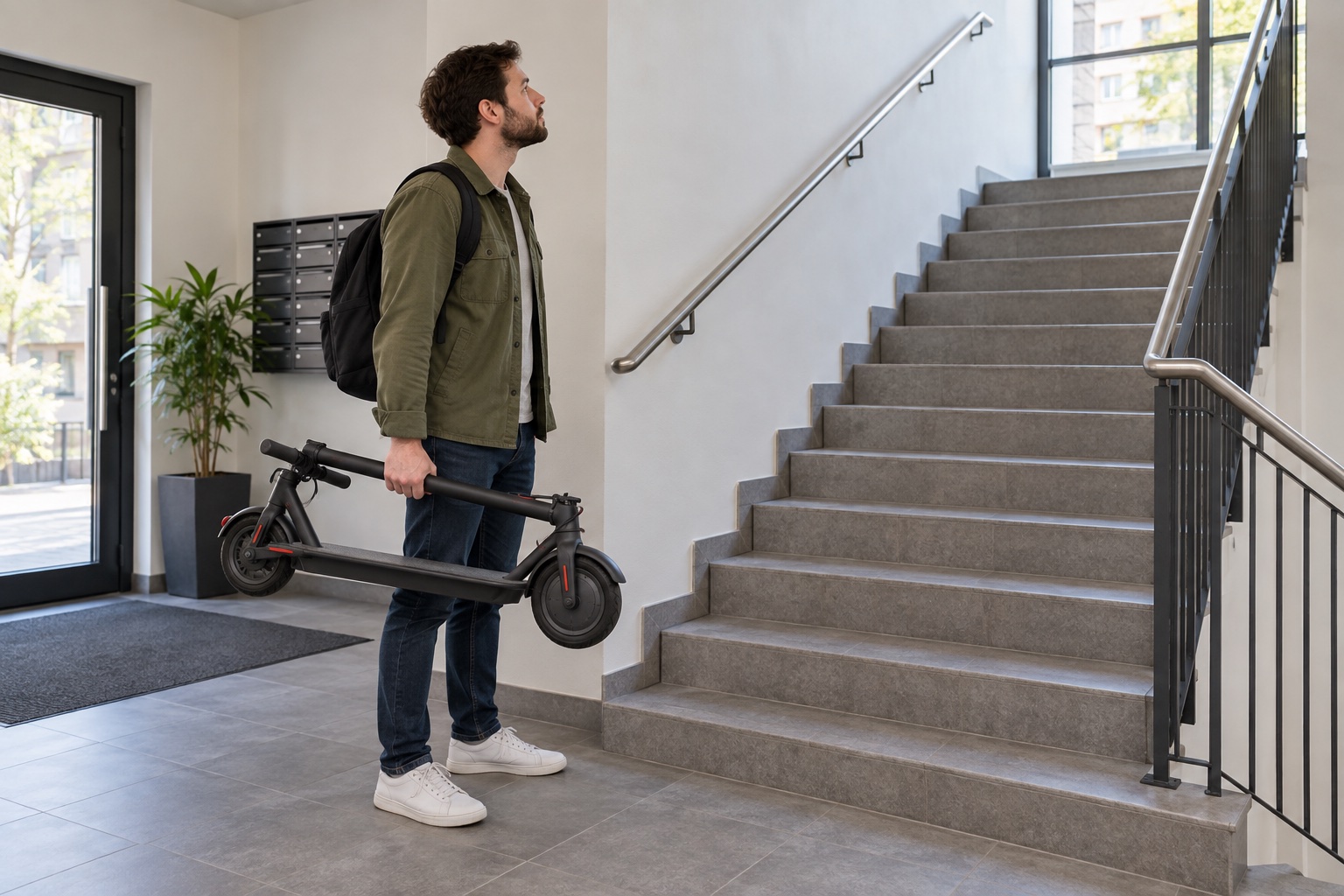
Riding a compact foldable electric scooter allows you to fold it up and bring it inside, completely bypassing sidewalk parking worries. Let’s look at the absolute best parking practices to keep everyone happy.
Where Can You Legally Park a Scooter?
Legal parking spots include designated street-side corrals, bike racks, and wide sidewalk edges that do not impede foot traffic. Keeping your scooter upright and aligned is key to keeping public pathways clean and accessible.
Here is the deal: parking responsibly protects your device from being knocked over, damaged, or swept up by city cleanup crews.
- Park adjacent to existing bicycle racks whenever possible.
- Keep the device standing upright using its kickstand.
- Ensure the scooter does not spill onto public roadways.
How to Avoid Sidewalk Obstruction Fines?
To avoid receiving sidewalk obstruction tickets, you must make absolutely certain your parked scooter does not block ADA wheelchair ramps, doorways, or bus stops. Cities are extremely strict about keeping these pathways clear to protect disabled citizens.
Think about it: a single poorly placed scooter can create a dangerous barrier for someone in a wheelchair or a parent pushing a stroller.
- Never leave a scooter lying flat on a pedestrian walkway.
- Avoid parking directly in front of emergency fire exits.
- Maintain at least several feet of clear sidewalk space.
Key Takeaway: Always park scooters upright in designated corrals or outer sidewalk edges, maintaining a clear path for ADA access.
| Approved Parking Zones | Prohibited Parking Zones | Penalties for Violations |
|---|---|---|
| Parking Corrals / Bike Racks | ADA Access Ramps & Curb Cuts | Instant City Impoundment |
| Outer Sidewalk Edges | Building Entrances / Fire Escapes | Fines to Operator or Rider |
| Designated Dockless Zones | Driveway Aprons / Bus Stops | Temporary Account Suspension |
Proper parking prevents expensive city impoundments and preserves essential public accessibility.
How Do SC Cities Differ on Scooter Laws?
South Carolina cities vary dramatically in how they regulate electric scooters, with some towns enforcing outright bans on shared rentals while others embrace micromobility with open arms. Navigating these local electric scooter laws in South Carolina is essential if you plan to travel across different municipal lines. This hyper-local regulatory environment means that a riding style that is perfectly legal in Columbia could land you a hefty ticket in Charleston.
Always look up local municipal codes before unloading your scooter in a new town. Let’s take a closer look at the rules in South Carolina’s most famous locations.
Why Does Charleston Ban Right-of-Way Rentals?
Charleston enforces a very strict posture against dockless commercial rental programs to protect its historic cobblestone streets from clutter. The city actively impounds any shared devices left on public sidewalks or within the public right-of-way.
Look at it this way: Charleston’s tight layout and heavy tourist crowds mean there simply isn’t room for hundreds of abandoned rental scooters.
- Commercial shared rental operations are strictly prohibited.
- Unattended rental units are subject to immediate city impoundment.
- Personal scooter ownership remains the best way to ride legally.
How Do Columbia’s Scooter Ordinances Work?
Columbia takes a much more structured approach by allowing licensed commercial operators to run permit-backed shared scooter programs. The city relies on geofenced zones to manage speed limits and prevent riders from entering busy commercial pedestrian plazas.
Here is the deal: Columbia’s framework proves that scooters and cars can co-exist happily when backed by smart municipal planning.
- Shared scooters are permitted under strict city licensing.
- Riders must keep devices off sidewalks in central commercial zones.
- Maximum speed limits are digitally controlled in active areas.
Is Hilton Head Pathway Riding Prohibited?
Hilton Head Island has banned all motorized and electric scooters from its famous public multi-use pathways to preserve safety for cyclists and hikers. The island’s strict rules prioritize traditional non-motorized recreation along its beautiful coastal corridors.
Think about it: with thousands of tourists walking these pathways daily, fast-moving electric devices present an unacceptable hazard.
- Motorized and electric scooters are prohibited on public paths.
- Enforcement is highly active near beach access points.
- Violators face potential fines from local beach patrol officers.
Key Takeaway: Local ordinances vary wildly, ranging from complete rental bans in Charleston to strict pathway restrictions in Hilton Head.
| City | Rental Program Status | Sidewalk Riding Posture | Primary Constraint |
|---|---|---|---|
| Charleston | Prohibited | Strictly Prohibited | Right-of-way impoundment |
| Columbia | Permitted with License | Prohibited in Commercial Zones | Roadway speed limit link |
| Hilton Head | Restricted | Prohibited on Public Pathways | Tourism corridor bans |
South Carolina’s major municipalities enforce highly distinct and restrictive local rules.
Are Scooter Operators Tracking Your Data?

Yes, commercial scooter operators are required to track and share real-time GPS telemetry data with South Carolina municipalities to monitor compliance and retain their business permits. This level of data tracking is a core requirement under current electric scooter laws in South Carolina for shared fleet programs. While personal scooter owners enjoy total privacy, shared rental riders have their routes, speeds, and parking locations actively monitored.
This data helps cities optimize bike lane infrastructure and identify high-risk riding zones. Let’s delve into how this information is monitored and utilized.
How Are Measuring Compliance KPIs?
Municipalities require shared scooter companies to track strict Key Performance Indicators (KPIs) to ensure they are keeping streets orderly. These metrics focus heavily on sidewalk obstruction response times and geofence speed limit compliance.
Here is the deal: if an operator fails to meet these strict response times, they risk losing their municipal business license entirely.
- GPS tracking monitors every time a scooter enters a no-ride zone.
- Speed-cap breaches are logged automatically on the operator’s system.
- Parking compliance is validated using rider-submitted end-trip photos.
Which Tracking Metrics Satisfy City Councils?
City councils are primarily concerned with how quickly operators resolve public complaints and clear illegally parked scooters. Operators must maintain highly responsive on-ground rebalancing teams to address blocked wheelchair ramps.
Think about it: keeping the city happy means resolving major parking obstructions in under two hours.
- Obstruction response times are monitored around the clock.
- Geofence breach rates must be kept below minimal targets.
- Photographic end-ride audits help reduce improper parking habits.
Key Takeaway: Tracking compliance KPIs like geofence breaches and response times is essential for retaining municipal operating permits.
| Compliance KPI | Target Threshold | Measurement Method | Failure Consequence |
|---|---|---|---|
| Obstruction Response Time | Under 2 Hours | Operator App Timestamp | Financial penalties / Impound |
| Geofence Breach Rate | < 1% of total rides | GPS Telemetry Tracking | Program suspension warning |
| Mis-parking Rate | < 2% of ended rides | Rider End-Ride Photo Audit | Reduction of total fleet cap |
Fleet operators must leverage software dashboards to prove compliance to municipal regulators.
FAQs
- Can I ride my electric scooter on the highway in South Carolina?
Absolutely not. State highways and high-speed roads with speed limits over 35 mph are strictly off-limits for scooters. - What’s the best way to handle varying city laws in South Carolina?
Riding a personal scooter with built-in speed modes is your best option. This allows you to quickly adjust your speed setting to match highly localized municipal limits. - How do I know if I need insurance to ride in South Carolina?
No, you do not. State law does not require liability insurance for personal e-scooters, although commercial fleets must maintain coverage. - Can I ride my electric scooter on Hilton Head public pathways?
Absolutely not. Local beach town ordinances completely ban motorized devices on their leisure pathways to protect tourist foot traffic. - How do I know if my child is legally allowed to ride a scooter?
Check your local city laws directly. While South Carolina state statutes set no age limits, cities often require riders to be at least 16.
Conclusion
South Carolina’s beautiful cities are incredible to explore, but navigating their patchwork of micromobility rules requires a smart approach. This article solved your biggest compliance headaches by mapping out state EPAMD classifications, localized sidewalk and road restrictions, speed limits, and parking requirements. Navigating local rules is simple when you are riding a scooter built for compliance.
At Dynamic Scooter, we design industry-leading, compliant micromobility solutions that blend top-tier safety engineering with everyday urban utility. Our premium, ultra-commuter model—the Dynamic Scooter Model B—is currently available for just $392.17. It is the perfect travel companion, featuring a compact, lightweight, and easily foldable frame, a powerful electric motor, and highly reliable brakes designed to keep you safe and legal on every street.
We envision a world where clean, personal transport is safe and seamless for everyone. To find the perfect micromobility setup or to ask our team any questions about local compliance, please contact us today and let our experts help you.