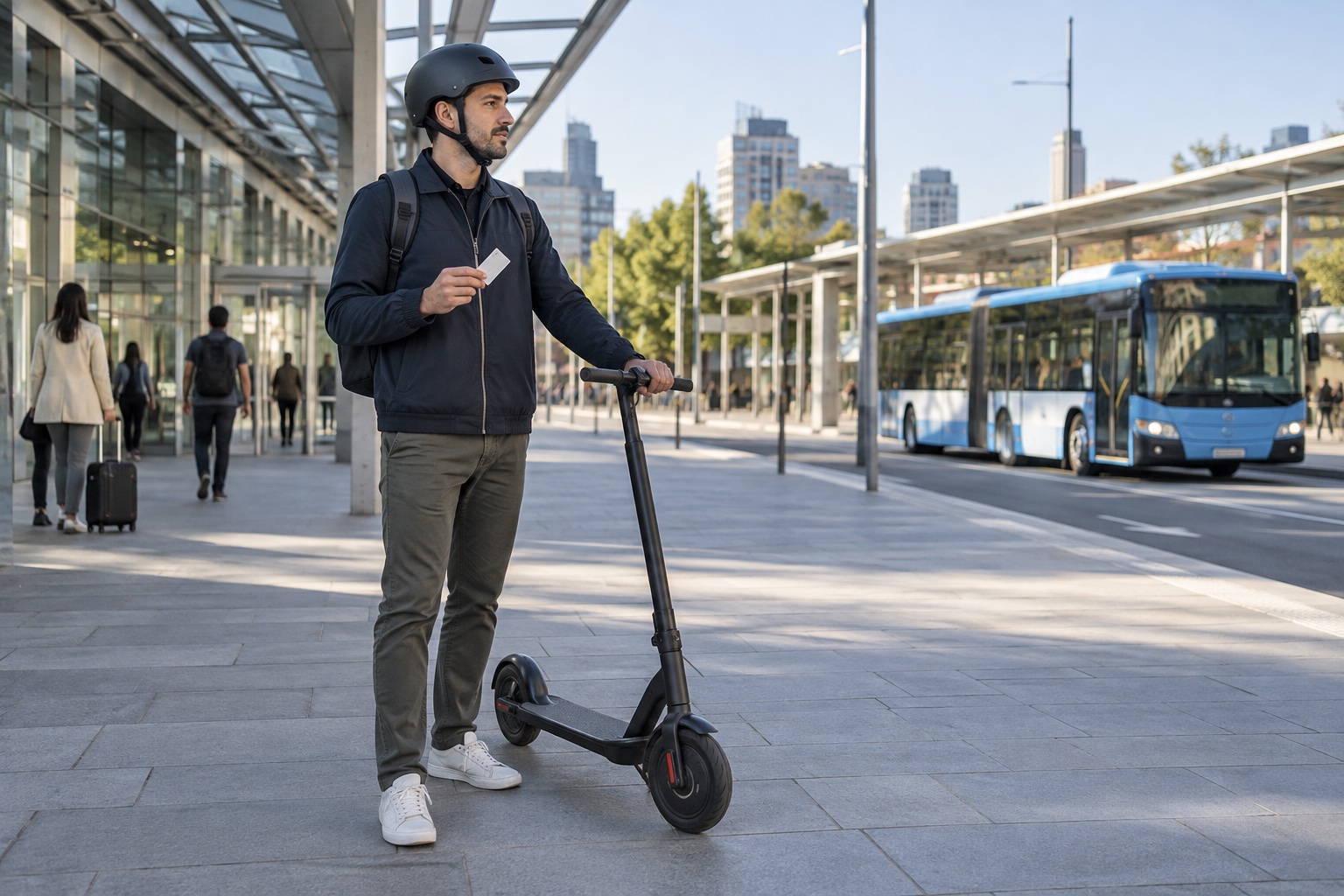

So, you feel a desire for speed on your electric scooter, eh? Many riders, after getting comfortable with their e-scooters, start wondering how to make electric scooter faster. This article is your comprehensive roadmap for understanding various methods available, from simple tweaks toward more involved modifications. We will look into battery upgrades, motor replacements, and even how your riding style can contribute.
To make your electric scooter faster, upgrade the battery voltage, replace the motor with a more powerful one, optimize controller settings, maintain proper tire pressure, and adopt an aerodynamic riding posture. These methods combined can significantly increase speed, but always consider safety implications and local regulations before making modifications.
Our main objective offers you safe, effective strategies for getting more pep from your personal transporter, while also considering legal and safety implications. You might be wondering if it’s even possible without breaking your bank or scooter. Let us find out!
1. What Are the Simplest Methods to Boost My Electric Scooter’s Speed?
Getting a bit more zip from your electric scooter does not always mean a complete overhaul. Believe it or not, some simplest approaches can yield noticeable results in your quest for understanding how to make electric scooter faster. Before diving into complex hardware changes, it’s wise exploring these foundational aspects.
Understanding your scooter’s current speed limitations and specifications
First things first, you need know what you are working with. Every electric scooter model comes with factory-set speed limitations, often governed by local regulations or a manufacturer’s design choices for safety and component longevity. Check your scooter’s manual or a manufacturer’s website for its official top speed, motor power (usually in Watts), and battery voltage (V). Some scooters have different riding modes (e.g., Eco, Standard, Sport) that affect speed; ensure you are using a fastest mode if speed is your priority. Here’s the deal: knowing these baseline figures helps you set realistic expectations for how to make electric scooter faster and identify if your scooter is even underperforming.
For instance, a scooter designed with a 250W motor and a 36V battery will have inherent limits that a simple software tweak might not overcome significantly. This knowledge prevents you from chasing impossible gains or potentially damaging your ride by pushing it beyond its designed capabilities. A clear grasp of current specs forms a bedrock for any speed enhancement project.

Performing basic software or app-based adjustments (if available)
Many modern electric scooters connect a smartphone app. What’s the real story? These apps sometimes offer settings that can influence performance, including speed. You might find options switching between performance modes, or in some cases, there might be firmware updates that could unlock a bit more speed or improve power delivery. Some manufacturers cap speeds via software complying with regional laws, and an update or a settings change (if permissible and available for your region) could alter this.
However, be cautious with third-party apps or unofficial firmware, as these can void your warranty or even damage your scooter. Always prefer official channels for software modifications. For example, a popular scooter brand might release a firmware update that refines a motor control algorithm, leading toward a smoother and slightly faster acceleration. This presents a safe way exploring how to make electric scooter faster without touching any hardware. It’s always better checking for these options first. This method is often a first port of call for those seeking how to make electric scooter faster with minimal effort.
Ensuring optimal scooter maintenance for peak performance (tire pressure, lubrication)
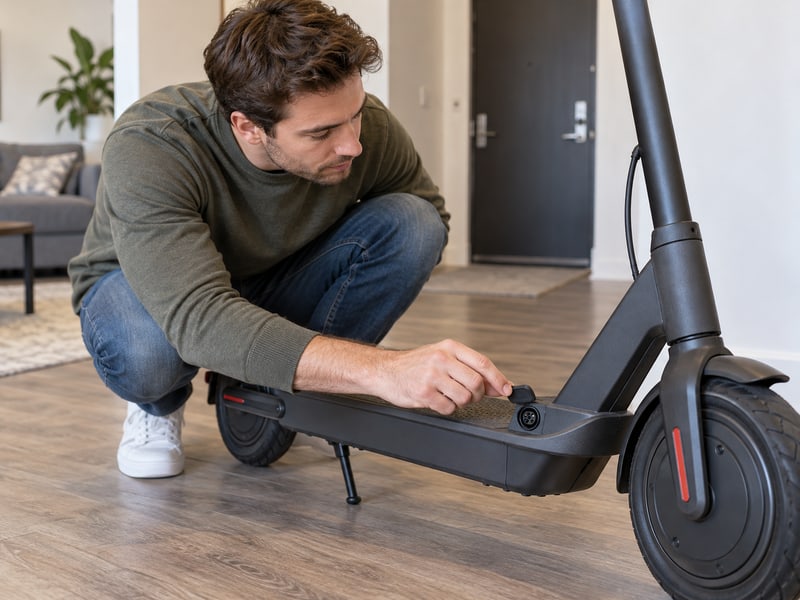
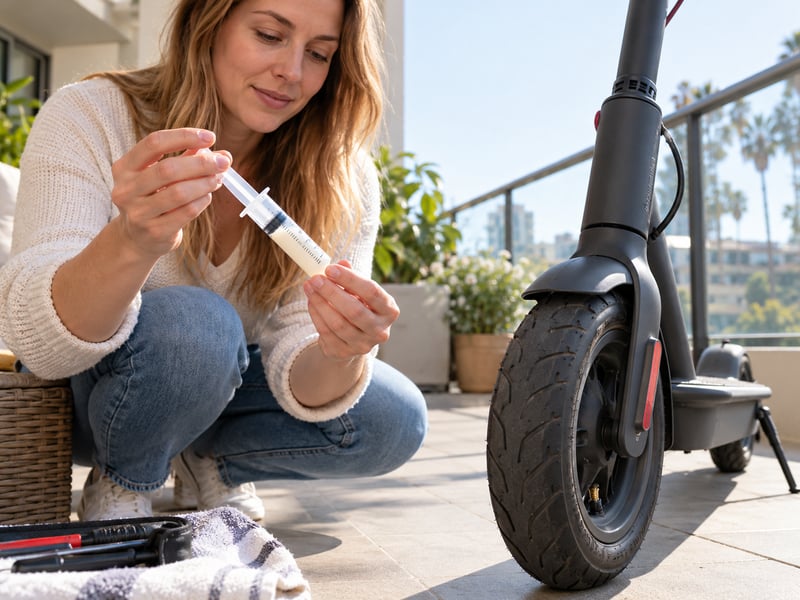
It might surprise you, but regular maintenance plays a huge part in how fast your electric scooter can go. Underinflated tires, for example, create more rolling resistance, which directly slows you down and consumes more battery. Check your tire pressure regularly and inflate them toward a manufacturer’s recommended PSI. Proper lubrication of moving parts, like wheel bearings (if accessible) and any folding mechanisms, can also reduce friction. A clean scooter is often a happier, and slightly faster, scooter.
Think of it like this: an athlete would not perform their best if they were out of shape or their equipment was faulty. The same applies toward your e-scooter. Ensuring all components are in top condition is a fundamental aspect of maximizing its current potential and a key consideration when thinking about how to make electric scooter faster. A well-maintained scooter is also a safer scooter, which is paramount when you start increasing speeds. Neglecting maintenance is a common pitfall when attempting how to make electric scooter faster.
Table 1: Basic Speed Enhancement Checklist
| Check Item | Action Required | Potential Impact on Speed | Cost |
|---|---|---|---|
| Riding Mode | Select “Sport” or highest performance mode via app/display | Moderate | Free |
| Tire Pressure | Inflate toward manufacturer’s recommended PSI | Noticeable | Free |
| Software/Firmware Update | Check official app for updates | Minor to Moderate | Free |
| Basic Lubrication | Lubricate bearings (if applicable), moving parts | Minor | Low |
| Scooter Cleanliness | Keep scooter clean, especially wheels and drivetrain | Minor | Free |

2. How Does Upgrading the Battery Impact My E-Scooter’s Velocity?
When basic tweaks are not enough, upgrading your scooter’s battery is often a next logical step for those serious about how to make electric scooter faster. A battery is a heart of your e-scooter, providing power that dictates its performance. But here’s the kicker: not all battery upgrades are equal, and understanding a science behind them is vital. A more powerful battery can significantly boost your scooter’s acceleration and top speed, but it also comes with considerations like compatibility, safety, and cost. This modification is more involved than software adjustments or maintenance, requiring a degree of technical understanding or professional help. Many enthusiasts find this upgrade offers one of most significant gains when researching how to make electric scooter faster.
The relationship between battery voltage (V), capacity (Ah), and scooter speed
Higher voltage (V) generally translates directly toward higher top speed. If your scooter’s motor and controller can handle it, increasing battery voltage (e.g., from 36V up to 48V) will make a motor spin faster, thus increasing your scooter’s speed. Battery capacity (Ah, Ampere-hours) primarily affects range, not top speed directly, but a battery with a higher discharge rate (often found in higher capacity or performance-oriented batteries) can deliver power more effectively, potentially improving acceleration and ability maintain higher speeds, especially uphill. It’s a game of balance.
A higher voltage battery is a common path for how to make electric scooter faster, but ensure your controller and motor are rated for that increased voltage. For example, fitting a 48V battery into a system designed for 36V without upgrading other components could lead to overheating and failure. This interrelation is key for anyone wanting how to make electric scooter faster through battery mods.
Selecting a compatible higher-voltage or higher-discharge-rate battery
Choosing a right battery upgrade is critical. You must ensure physical compatibility (will it fit in a battery compartment?) and electrical compatibility (voltage, discharge rate, connector type). Look for batteries from reputable manufacturers that use high-quality cells (e.g., LG, Samsung, Panasonic). If you are increasing voltage, you will likely need a new charger compatible with that higher voltage. Also, consider a Battery Management System (BMS), which protects a battery from overcharging, over-discharging, and overheating.
The bottom line is this: a poorly chosen battery can be ineffective or even dangerous. When aiming how to make electric scooter faster, research thoroughly or consult a professional. For instance, if your stock battery is 36V 10Ah, an upgrade might be a 48V 10Ah battery for more speed, or a 36V 15Ah battery with a higher C-rating (discharge rate) for better acceleration and sustained power. Careful selection is paramount for a successful attempt at how to make electric scooter faster.
Safety precautions and potential risks of battery modifications
Modifying your e-scooter’s battery system carries inherent risks. Lithium-ion batteries, while powerful, can be hazardous if mishandled, damaged, or improperly charged. Using an incompatible charger, short-circuiting a battery, or puncturing cells can lead to fire or explosion. This is where it gets interesting… or dangerous. Always use appropriate tools and safety gear (like insulated gloves and eye protection) when working with batteries. Ensure all connections are secure and insulated. If you are not confident in your electrical skills, leave battery modifications toward professionals.
Furthermore, a higher-powered battery can put additional stress on other scooter components, like a motor and controller, potentially shortening their lifespan if they are not designed for increased power. Safety should always be your top priority when exploring how to make electric scooter faster, especially with battery alterations.

3. Can Replacing the Motor Significantly Increase My Scooter’s Top Speed?
If a battery upgrade provides a jolt, a motor replacement can feel like a complete transformation in your efforts for how to make electric scooter faster. A motor is what converts electrical energy from a battery into motion. Ready for the good part? A more powerful motor can offer substantial improvements in both acceleration and top speed, particularly if your current motor is a limiting factor.
However, this is one of most complex and potentially expensive upgrades. It requires careful matching of a motor with your battery and controller, and often involves significant mechanical and electrical work. For those truly committed how to make electric scooter faster, a motor swap can be a game-changer.
Different types of electric scooter motors (hub vs. chain-drive) and their power ratings (W)
Electric scooters typically use either hub motors (integrated into a wheel) or chain-drive motors (mounted on a frame, connected via a chain). Hub motors are more common, quieter, and require less maintenance. Chain-drive motors can sometimes offer more torque. Motors are rated in Watts (W); a higher wattage generally means more power and potential for higher speed. For example, upgrading from a 250W motor toward a 500W or even an 800W motor (if your system can support it) will make a dramatic difference.
Think about this: understanding your current motor type and power helps you choose a suitable upgrade path for how to make electric scooter faster. A 500W hub motor might be a direct replacement for a similar-sized 350W hub motor, but ensure mounting points and wheel sizes match. This knowledge is crucial for anyone aiming how to make electric scooter faster via motor enhancement.
Choosing a more powerful motor compatible with your scooter’s system
Compatibility is king when selecting a new motor. A new motor must match your battery’s voltage. A 48V motor needs a 48V battery. Crucially, your motor controller must also be able handle a new motor’s power demands and be compatible with its type (e.g., brushless DC). It’s not just plug and play. Often, upgrading a motor necessitates upgrading a controller as well, and possibly even a battery, to supply sufficient current. You also need consider physical fitment – will a new motor fit in your scooter’s frame or wheel hub? For example, if you are upgrading how to make electric scooter faster from a 350W motor toward a 500W motor, ensure your controller is rated for at least 500W and can provide adequate amperage. This holistic approach is vital for a successful motor upgrade when trying how to make electric scooter faster.
Installation complexities, controller compatibility, and potential drawbacks
Installing a new motor can be challenging. Hub motor replacement involves disassembling a wheel, while chain-drive motors require aligning sprockets and tensioning a chain. Wiring can also be complex, especially if a new motor has different connectors or requires a new controller. Here’s a tough pill to swallow: an incorrectly installed motor can perform poorly or even damage other components. As mentioned, controller compatibility is paramount; a mismatched controller can limit a new motor’s performance or even burn out. Potential drawbacks include increased battery consumption (reducing range), added weight, and potentially more noise (especially with some chain-drive motors). The quest for how to make electric scooter faster through a motor swap demands careful planning and execution, or professional help.

4. What Role Do Tires and Aerodynamics Play in E-Scooter Speed?
While battery and motor upgrades are primary targets for speed, do not underestimate a supporting cast: tires and aerodynamics. You might be surprised what a difference these can make! These elements might not offer a same dramatic leap in top speed as a new motor, but they can certainly help you eke out extra miles per hour and improve overall efficiency. Optimizing tires and reducing drag are often more subtle but still valuable strategies in your journey for how to make electric scooter faster. These factors become increasingly important as speeds rise, where even small improvements can be felt. Many riders focusing on how to make electric scooter faster find these tweaks provide a good return on investment or effort.
Impact of tire size, type (pneumatic vs. solid), and pressure on rolling resistance and speed
Tires are your scooter’s only contact with a ground, and they significantly influence rolling resistance. Larger diameter tires generally roll more easily over imperfections and can sometimes contribute toward a slightly higher top speed (due to a larger circumference, if gearing is not a factor). Pneumatic (air-filled) tires typically offer better comfort and lower rolling resistance than solid tires, provided they are properly inflated. This is key: maintaining correct tire pressure is crucial. Underinflated tires increase rolling resistance, slowing you down and draining your battery faster. Overinflated tires can reduce grip and make for a harsh ride. For example, switching from knobby off-road tires toward smoother street-profile tires can reduce friction and help when you want how to make electric scooter faster on paved surfaces. Tire choice and maintenance are fundamental for anyone serious about how to make electric scooter faster.
Reducing wind resistance through riding posture and aftermarket accessories
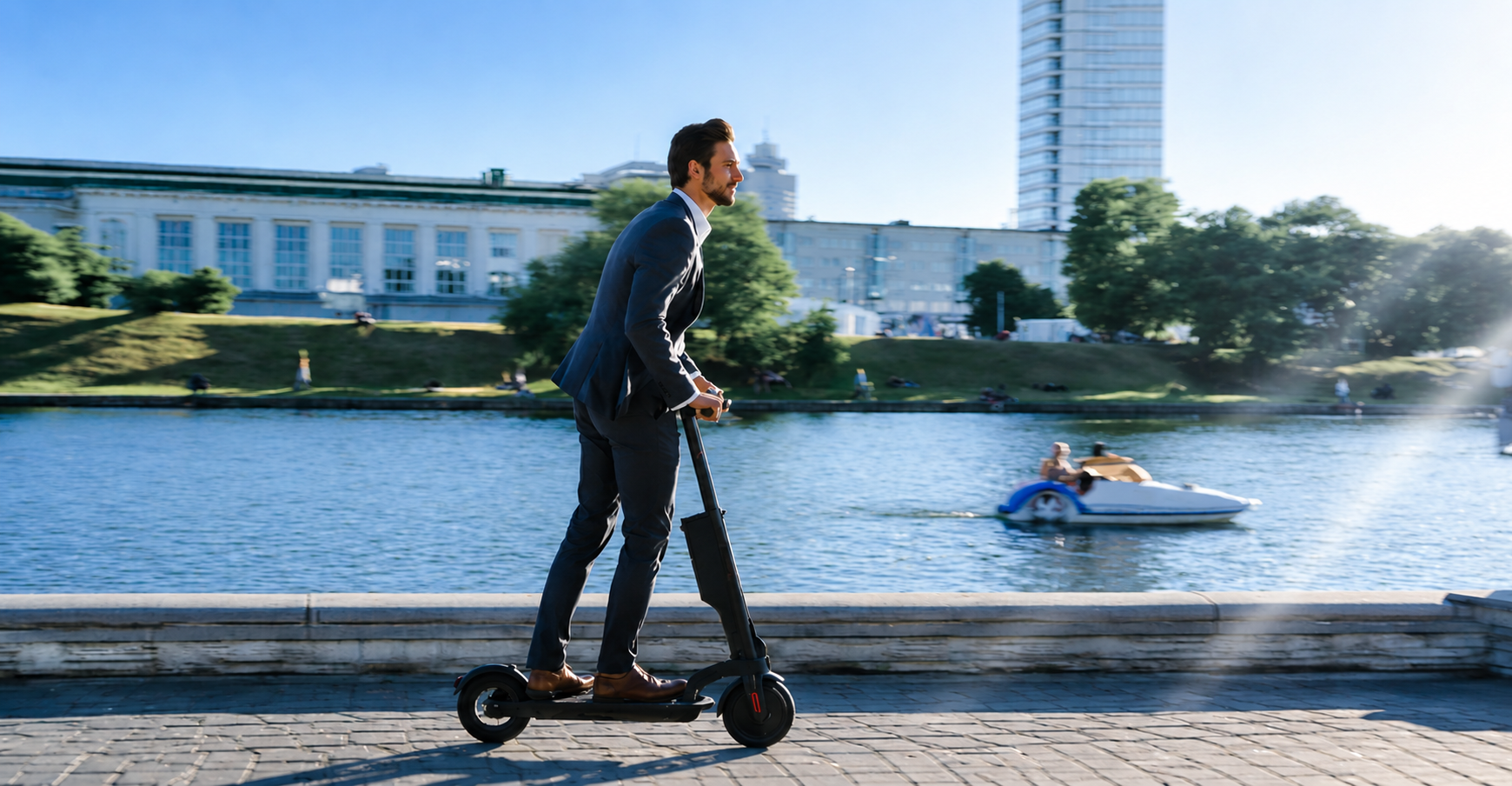
As your scooter’s speed increases, wind resistance (or aerodynamic drag) becomes a major force working against you. Get this: at higher speeds, you are pushing a lot of air out of a way! Adopting a more aerodynamic riding posture – tucking your elbows and knees in, leaning forward slightly – can make a noticeable difference. Some riders even experiment with aftermarket accessories like smaller windshields or fairings, though their effectiveness on a stand-up scooter can vary. Even your clothing choices can play a small role; baggy clothes create more drag than form-fitting attire. For instance, a rider in a full tuck position might gain an extra 1-2 mph compared to riding upright, a simple yet effective technique for how to make electric scooter faster. This aspect of how to make electric scooter faster is entirely free.
The science of aerodynamics in personal electric vehicles
Aerodynamics is a science of how air flows around objects. For personal electric vehicles like e-scooters, a rider’s body constitutes a largest part of a frontal area creating drag. Drag increases with a square of velocity, meaning that doubling your speed quadruples wind resistance. It’s a powerful force! While e-scooters are not typically designed with aerodynamics as a primary focus (unlike sports bikes or racing cars), understanding basic principles can help. Reducing frontal area and ensuring smoother airflow around a scooter and rider can minimize this resistive force. This is why competitive cyclists and motorcyclists wear specialized gear and adopt specific postures.
While you might not go that extreme, even small considerations for airflow can contribute when you are trying how to make electric scooter faster. This scientific approach can refine your strategy for how to make electric scooter faster.
Table 2: Tire and Aerodynamic Optimization Tips
| Optimization Area | Specific Tip | Expected Speed Gain | Difficulty | Notes |
|---|---|---|---|---|
| Tire Pressure | Maintain manufacturer’s recommended PSI | Minor to Noticeable | Easy | Check weekly |
| Tire Type | Consider smoother street tires (if applicable) | Minor | Moderate | Depends on current tires |
| Riding Posture | Adopt a tucked, aerodynamic position | Minor to Noticeable | Easy | Practice for comfort and stability |
| Clothing | Wear form-fitting clothing | Minor | Easy | Avoid baggy items |
| Accessories | Remove unnecessary drag-inducing items (baskets etc.) | Minor | Easy | Unless essential for your commute |

5. Is Modifying the Controller or Firmware an Effective Way to Go Faster?
Delving into your scooter’s electronic brain – a controller and its firmware – can be a potent method for how to make electric scooter faster. A controller acts as an intermediary between your battery, throttle, and motor, dictating how much power is delivered and when. Now, this is where things get technical. Modifying these components can unlock hidden performance, but it also carries significant risks if not done correctly. This approach is favored by tech-savvy riders who are comfortable with electronics and software. For many, tweaking firmware is a popular route when investigating how to make electric scooter faster without immediate hardware swaps.
Understanding the function of the motor controller in regulating speed and power
A motor controller is essentially a scooter’s central processing unit for power management. It takes input from your throttle and then draws a corresponding amount of current from a battery to send toward a motor. Controllers have limits on how much voltage and current they can handle. They also contain firmware – software that dictates parameters like maximum speed, acceleration rate, and power output curves. Here’s the inside scoop: some manufacturers program controllers conservatively to prolong component life or meet legal speed limits. Understanding that your controller might be a bottleneck is important if you are looking at how to make electric scooter faster.
For example, even if you have a powerful battery and motor, a restrictive controller can prevent you from reaching their full potential. This component is central to the performance equation when considering how to make electric scooter faster.
Risks and benefits of flashing custom firmware (CFW) or replacing the controller
Flashing Custom Firmware (CFW) involves replacing a manufacturer’s stock firmware with a modified version, often created by enthusiast communities. Benefits can include removing software-based speed limiters, increasing acceleration, and enabling other custom features, offering a direct path for how to make electric scooter faster. However, risks are substantial: CFW can void your warranty, lead to instability, cause overheating of a motor or controller, or even
brick your controller entirely, rendering your scooter inoperable. Replacing a controller with a more powerful, programmable one is another option. This can give you more control and potentially higher performance, but it requires careful matching with your motor and battery, and proper configuration. For example, a rider might flash CFW onto their scooter to remove a 20 mph speed cap, achieving 25 mph, but they risk overheating their motor if a firmware pushes it too hard. This is a high-stakes game in the pursuit of how to make electric scooter faster.
Warranty implications and potential for damaging components
Let’s be clear: almost any modification involving firmware or controller replacement will void your manufacturer’s warranty. If something goes wrong after such a mod, you are likely on your own for repairs. Pushing more power through components than they were designed for can lead to premature wear or outright failure of a motor, battery, or controller itself. For instance, a controller not designed for higher amperage drawn by a modified firmware setting might burn out its MOSFETs (Metal-Oxide-Semiconductor Field-Effect Transistors). It’s a calculated risk.
Before you proceed, weigh a potential speed gain against a possibility of costly repairs and a loss of warranty coverage. This consideration is vital for anyone seriously contemplating how to make electric scooter faster through electronic modifications. Thorough research into your specific scooter model and experiences of other modders is highly recommended before attempting these advanced changes. Many forums and online communities discuss these modifications, offering valuable insights into how to make electric scooter faster this way, but also highlighting potential pitfalls.
Table 3: Controller and Firmware Modification Risks vs. Benefits
| Aspect | Benefit | Risk |
|---|---|---|
| Speed Limiter | Can remove software-imposed speed caps | May exceed safe operational limits of other components |
| Acceleration | Can improve throttle response and takeoff speed | Increased strain on battery and motor, potential overheating |
| Customization | Allows fine-tuning of performance parameters | Bricking the controller, software instability, voiding warranty |
| Cost | CFW flashing can be free (if software is available) | Controller replacement can be expensive; potential for component damage |
| Skill Level | Requires technical knowledge and caution | High risk of error for inexperienced users |

6. What Safety Concerns Arise When Making an Electric Scooter Faster?
Increasing your electric scooter’s speed is exhilarating, but it fundamentally changes its safety profile. This isn’t child’s play. As you explore how to make electric scooter faster, you must simultaneously consider how to make your ride safer to handle that increased velocity. Higher speeds mean less reaction time, greater impact forces in case of an accident, and increased stress on every component of your scooter. Ignoring these safety aspects is not just irresponsible; it can be life-threatening. Every rider aiming for a speedier scooter must prioritize safety upgrades and awareness. The pursuit of how to make electric scooter faster must go hand-in-hand with enhanced safety measures.
Increased braking distances and the need for upgraded braking systems
Kinetic energy increases with a square of speed. This means that if you double your speed, your scooter has four times a kinetic energy, and consequently, it will take significantly longer to stop. Your stock brakes, designed for a scooter’s original top speed, may not be adequate for higher velocities. Here’s a sobering thought: you might find yourself unable stop in time to avoid an obstacle or collision. Consider upgrading your braking system. This could involve switching from drum brakes toward disc brakes (if possible), installing larger diameter disc rotors, using higher-quality brake pads, or even adding a secondary braking system like regenerative braking if your controller supports it more aggressively. For example, if your modified scooter now reaches 30 mph instead of 15 mph, your braking distance could easily double or triple, making brake upgrades a non-negotiable part of learning how to make electric scooter faster safely.
Reduced stability and control at higher speeds
Electric scooters, with their small wheels and high center of gravity (due to a standing rider), are not inherently as stable as bicycles or motorcycles, especially at higher speeds. Increased speed can exacerbate instability, making a scooter more susceptible to wobbles (speed wobbles) or loss of control, particularly when encountering uneven surfaces or making sudden maneuvers. It can get sketchy, fast. Ensure your steering column is secure, your tires are in good condition and properly inflated, and consider if your scooter’s frame and suspension (if it has any) are robust enough for higher speeds. Some riders install steering dampers, though this is a more advanced modification. Practicing smooth throttle and brake control becomes even more critical. When you are figuring out how to make electric scooter faster, remember that control is just as important as raw speed.
Importance of appropriate safety gear (helmet, pads, gloves)
If you are going faster, you need better protection. A simple bicycle helmet might not be sufficient. Seriously, gear up! Consider a full-face helmet, especially one certified for motorcycle or downhill mountain biking use (e.g., DOT or ECE certified). Motorcycle-style armored jackets, elbow pads, knee pads, and gloves with palm sliders can significantly reduce injuries in a crash. Reflective gear or lights are also crucial for visibility, as you will be covering ground more quickly and potentially surprising other road users. For instance, a fall at 25 mph can cause severe abrasions, fractures, or head injuries. Proper safety gear is an indispensable companion to your journey of discovering how to make electric scooter faster. Do not skimp on this; your well-being depends on it.
Potential for component stress and failure (frame, motor, battery)
Pushing your scooter beyond its designed performance parameters puts additional stress on all its components. A frame might not be built to handle vibrations and forces at higher speeds. A motor and battery, as discussed, can overheat or wear out prematurely if consistently run at their limits or beyond. Things can break. Regularly inspect your scooter for any signs of wear and tear, such as cracks in a frame, loose bolts, or unusual noises from a motor. Upgrading one component (like a motor) without considering its impact on others can create a cascade of failures. When you are learning how to make electric scooter faster, adopt a holistic view of your scooter as a system, where each part needs to cope with increased demands. This proactive approach to component health is vital for long-term enjoyment and safety.
7. Are There Legal Limits on Modifying Electric Scooter Speeds?
Before you go all out trying how to make electric scooter faster, you absolutely must understand a legal landscape. Ignorance of a law is no excuse. Electric scooter regulations vary wildly depending on your city, state, and country. These laws often dictate maximum speed, motor power, and where you can legally ride. Modifying your scooter to exceed these limits can land you in hot water, with consequences ranging from fines toward confiscation of your ride. This is a critical, yet often overlooked, aspect of the quest for how to make electric scooter faster.
Overview of local, state, and national laws regarding e-scooter speed and power
Research your local regulations thoroughly. Many jurisdictions classify e-scooters similarly toward e-bikes, with speed caps around 15-20 mph (25-32 km/h) and motor power limits (e.g., 750W in some parts of a US). Some areas may require registration, a driver’s license, or insurance for scooters exceeding certain specifications, effectively treating them as mopeds or motorcycles. The rules can be confusing. Websites of your local Department of Transportation or municipal authorities are good places to start. For example, in New York City, e-scooters are generally limited to 15 mph, while in some European countries, a limit might be 25 km/h. Understanding these specific rules is step one before you even think about how to make electric scooter faster beyond legal thresholds.
Consequences of operating an illegally modified scooter (fines, confiscation)
If you are caught riding an e-scooter that has been illegally modified for speed or power, a penalties can be significant. Law enforcement officers can issue hefty fines. And it gets worse. In some cases, they may have authority to impound or confiscate your scooter permanently. Repeat offenses could lead to even more severe consequences. Consider a scenario where you are involved in an accident on an illegally modified scooter; your legal troubles could escalate dramatically. The thrill of extra speed might not be worth a financial and legal headaches that can arise from disregarding regulations when trying how to make electric scooter faster.
Impact on insurance coverage and personal liability
If you have any form of insurance that might cover your e-scooter usage (like personal liability under a homeowner’s or renter’s policy, or a specific e-scooter policy), modifying your scooter to be faster, especially beyond legal limits, could void that coverage. Read that fine print. In an event of an accident where you cause injury or property damage, if your insurance company discovers your scooter was illegally modified, they may refuse your claim, leaving you personally liable for all costs. This could be financially devastating. The desire for how to make electric scooter faster should be tempered by a realistic assessment of these potential financial and legal liabilities. Always prioritize lawful operation and adequate insurance.
8. How Can My Riding Style Help Maximize My Electric Scooter’s Speed?
Beyond hardware modifications and legal considerations, your own riding style can play a surprisingly significant role in how fast you can effectively and efficiently travel on your electric scooter. It’s not just what you ride, but how you ride it. While these techniques might not increase your scooter’s absolute top speed like a motor upgrade, they can help you reach and maintain its optimal speed more consistently, conserve battery for sustained performance, and improve your overall riding experience. This is a free and often overlooked method when people ask how to make electric scooter faster in practical terms.
Adopting an aerodynamic body position to minimize drag
As we touched upon earlier, aerodynamic drag is a major speed-limiting factor, especially as you approach your scooter’s top end. Tuck in for speed! By adopting a more aerodynamic posture, you reduce your frontal area and allow air to flow more smoothly around you. This means leaning forward slightly, keeping your elbows and knees tucked in close to your body, and trying to present a smaller profile to a wind. While you might not look like a MotoGP racer, even subtle adjustments can reduce drag enough to give you an extra mile or two per hour, or at least make it easier to maintain higher speeds against a headwind. For example, many riders find that simply lowering their torso a few inches can make a noticeable difference. This is a simple trick for how to make electric scooter faster without spending a dime.
Choosing optimal routes and riding surfaces
Where you ride matters. Smooth, flat surfaces offer less rolling resistance than rough, uneven, or loose terrain. Pick your path wisely. Planning your route to favor well-paved roads or bike paths can help you maintain higher average speeds. Hills are an obvious speed killer; if speed is your priority for a particular journey, a flatter, albeit slightly longer, route might actually be faster. Also, be mindful of wind conditions. A strong headwind will significantly slow you down, while a tailwind can provide a welcome boost. For instance, choosing a route that avoids steep inclines and features freshly paved asphalt will undoubtedly contribute to a faster ride than a path with potholes and gravel patches. This strategic thinking is part of effectively learning how to make electric scooter faster in real-world conditions.
Efficient throttle control and energy management techniques
How you use your throttle directly impacts both your speed and your battery life. Smoothness is key. Avoid jerky, aggressive acceleration and deceleration. Gradual throttle application is more efficient and helps maintain momentum. When approaching a stop or a downhill section, anticipate and ease off a throttle early, allowing regenerative braking (if your scooter has it) to recapture some energy. Maintaining a steady speed rather than constantly speeding up and slowing down also conserves battery, ensuring you have enough power for sustained high-speed riding when desired. For example, instead of gunning a throttle from a standstill, a progressive increase in power will often result in a smoother, more controlled, and ultimately more efficient path toward your top speed. This disciplined approach is an underrated aspect of mastering how to make electric scooter faster and farther.
Table 4: Riding Style Enhancements for Speed
| Technique | Description | Impact on Speed | Battery Conservation | Learning Curve |
|---|---|---|---|---|
| Aerodynamic Posture | Tuck body, lean forward slightly | Minor to Noticeable (top end) | Minor | Easy to Medium |
| Route Selection | Favor smooth, flat surfaces; avoid excessive hills | Noticeable (average speed) | Moderate | Easy |
| Throttle Control | Smooth, gradual acceleration and deceleration | Improves efficiency at speed | High | Medium |
| Momentum Conservation | Anticipate stops, minimize unnecessary braking | Improves average speed | Moderate | Medium |
| Wind Awareness | Utilize tailwinds, minimize exposure to headwinds where possible | Variable (situational) | Minor | Easy |

9. Which Maintenance Routines Are Crucial for Sustaining Top Speed?
Consistent top speed isn’t just about initial modifications; it’s about sustained performance. Don’t neglect the upkeep! Proper maintenance is absolutely essential to ensure your electric scooter continues to operate at its peak potential, especially after you’ve invested time and money in learning how to make electric scooter faster. Neglecting regular checks and servicing can lead to a gradual decline in speed, efficiency, and overall reliability. These routines are your best bet for keeping that enhanced speed you worked so hard to achieve. This is a long-term strategy for how to make electric scooter faster and keeping it that way.
Regular battery health checks and proper charging practices
Your battery is a lifeblood of your scooter’s speed. Treat it right! Regularly inspect your battery for any signs of damage, swelling, or leaks. Follow manufacturer guidelines for charging – avoid consistently draining it to zero or leaving it fully charged for extended periods if not recommended. Use only a correct charger for your battery type and voltage. Most modern lithium-ion batteries benefit from being kept between 20% and 80% charge for daily use to prolong their lifespan. A healthy battery delivers power more effectively and consistently, which is crucial for maintaining top speed. For example, a battery that’s nearing an end of its life or has degraded cells will struggle to provide a necessary current for high-speed operation, directly impacting your efforts for how to make electric scooter faster.
Consistent tire inspection and inflation
We’ve mentioned tires before, but their importance for sustained speed cannot be overstated. Pump them up! Check your tire pressure at least once a week using a reliable gauge. Underinflated tires are one of most common culprits for speed loss and increased battery drain. Inspect your tires for wear, cuts, or embedded objects that could cause a puncture. Ensure your wheels are properly aligned and that bearings are spinning freely. For instance, a slow leak in a tire might not be immediately obvious but can gradually reduce your top speed over a few rides. Consistent tire care is a simple yet highly effective part of keeping your scooter performing optimally after you’ve figured out how to make electric scooter faster.
Cleaning, lubrication, and tightening of all components
A clean scooter is a fast scooter. Keep it sparkling! Dirt, grime, and debris can work their way into moving parts, increasing friction and wear. Regularly clean your scooter, paying particular attention toward wheels, brakes, and any drivetrain components (if applicable). Lubricate moving parts as recommended by a manufacturer, such as wheel bearings (if accessible without disassembly that voids warranty) and folding mechanisms. Crucially, regularly check and tighten all bolts, nuts, and screws. Vibrations from riding, especially at higher speeds, can cause components to loosen over time, which is not only a safety hazard but can also affect performance. For example, a loose axle nut could cause wheel wobble and reduce speed. This diligence is key to maintaining the benefits of your work on how to make electric scooter faster.
Checking brakes and electrical connections
While brakes don’t directly make you faster, ensuring they are not dragging is important for maintaining speed. Stop when you want to, not before! Periodically check that your brakes are properly adjusted and that brake pads or shoes are not rubbing against a disc or drum when brakes are not applied. Also, inspect all visible electrical connections for tightness and any signs of corrosion or damage. Loose or corroded connections can lead to power loss and erratic performance, undermining your efforts for how to make electric scooter faster. For instance, a slightly dragging brake caliper can create constant friction, effectively acting as a permanent speed reducer. Regular checks ensure all power generated is going towards speed, not fighting unnecessary resistance.
10. Can Software Applications or Custom Firmware Unlock Higher Speeds?
In our digitally driven world, it’s no surprise that software plays a pivotal role in electric scooter performance, offering another avenue for those exploring how to make electric scooter faster. There’s an app for that… sometimes! Beyond physical modifications, interacting with your scooter’s brain through official apps or delving into a realm of custom firmware can potentially unlock higher speeds and fine-tune performance characteristics. This approach often appeals to a more tech-savvy rider, as it involves less wrenching and more digital tinkering. However, it comes with its own set of benefits and significant risks, a crucial consideration in your quest for how to make electric scooter faster.
Exploring official manufacturer apps for performance modes or settings
Many electric scooter manufacturers provide companion smartphone apps that connect to your scooter via Bluetooth. Check the official source first! These apps often allow you to switch between different riding modes (e.g., Eco, Standard, Sport), with Sport mode typically offering a highest speed and acceleration. Sometimes, manufacturers release firmware updates through these apps that can improve performance, fix bugs, or even slightly increase top speed by optimizing motor control algorithms. For example, a scooter might be shipped with a conservative speed limit in its default mode, but a Sport mode accessible via an app could unleash its full factory-set potential. Always explore these official channels first when looking into how to make electric scooter faster, as they are generally a safest and warranty-compliant way to adjust performance.
The world of third-party applications and custom firmware (CFW) communities
Beyond official apps, a vibrant community of enthusiasts often develops third-party applications and Custom Firmware (CFW) for popular scooter models. Enter the modding scene! These unofficial software modifications can offer more granular control over performance parameters, such as removing hard-coded speed limiters, adjusting acceleration curves, and modifying motor power output. Websites, forums (like Reddit communities dedicated to specific scooter brands), and GitHub repositories are often where you will find these tools and firmware files. For instance, a CFW might allow a user to bypass a 15 mph regional speed cap and set a new limit of 20 mph, or even higher, significantly impacting how to make electric scooter faster. However, this path is fraught with peril.
Risks involved with unofficial software: bricking, instability, security
Using unofficial apps or flashing CFW is inherently risky and almost always voids your manufacturer’s warranty. Proceed with extreme caution! A primary risk is
bricking your controller, which means it becomes completely unresponsive and useless. This can happen if a flashing process is interrupted or if a firmware file is corrupted or incompatible. Unofficial software can also introduce instability, causing your scooter to behave erratically, shut down unexpectedly, or display incorrect information. And that’s not all. There could also be security vulnerabilities in third-party software that malicious actors could exploit. For example, a poorly written CFW could push a motor or controller beyond its thermal limits, leading to permanent damage. While the allure of extra speed via software is strong for those figuring out how to make electric scooter faster, a potential downsides are severe and require careful consideration and technical expertise.

11. What Financial Costs Are Associated with Different Speed Enhancements?
Embarking on a journey for how to make electric scooter faster is not just about technical know-how; it also involves a financial investment. Let’s talk money. The costs can vary dramatically, from virtually free for some software tweaks or riding style adjustments, toward hundreds or even thousands of dollars for high-performance motor and battery upgrades. Understanding these potential expenses upfront can help you make informed decisions and budget accordingly. It is important to weigh a desired speed increase against an associated cost, ensuring your pursuit of how to make electric scooter faster aligns with your financial comfort zone. A clear budget helps manage expectations.
Cost-benefit analysis of various modifications (battery, motor, controller, tires)
Each type of modification comes with its own price tag and potential speed gain. Basic maintenance and riding style adjustments are typically low-cost or free, offering modest but worthwhile improvements. Software flashing, if you use free community-developed firmware, might only cost your time, but carries risk. Tire upgrades can range from $50 to $150 for a set, potentially offering better grip and slightly lower rolling resistance. A battery upgrade is a significant investment, often costing $200 to $600+, depending on voltage, capacity, and cell quality; this usually offers a good speed boost for your money if compatible. Motor upgrades can also be pricey, from $100 toward $400+ for a motor itself, and often require a new controller ($50-$200+). The big question is: is a few extra mph worth hundreds of dollars? For example, a $300 battery upgrade might give you an extra 5-7 mph, while a $50 tire change might only yield 1 mph. This analysis is key when deciding how to make electric scooter faster economically.
DIY costs versus professional installation fees
If you have technical skills and tools, doing modifications yourself (DIY) can save on labor costs. However, you will still need to pay for parts, and potentially specialized tools if you do not already own them. But consider this: if you make a mistake during a DIY installation, you could damage components, leading to even higher costs than if you had hired a professional. Professional installation fees can vary widely depending on a complexity of a job and a technician’s rates, potentially adding $50 to $300+ per major component upgrade. For instance, installing a new motor and controller might take a professional a few hours, and their labor charge could significantly increase a total cost of your project for how to make electric scooter faster. Weigh your skills and a value of your time against professional fees.
Hidden costs: specialized tools, potential damage, reduced lifespan of parts
Beyond direct costs of parts and labor, there are often hidden expenses to consider when planning how to make electric scooter faster. You might need specialized tools like specific spanners, crimping tools for electrical connectors, or a multimeter for diagnostics. If a modification goes wrong, you might have to pay for replacement parts or even a new scooter in a worst-case scenario. And here’s something else to keep in mind: pushing components harder can reduce their lifespan. A motor run consistently at higher power might wear out sooner. A battery subjected to higher discharge rates might see its overall cycle life diminish. These accelerated wear-and-tear costs can add up over time. For example, if your stock motor was expected to last 3 years but only lasts 1.5 years after modifications, that’s an indirect cost. Factoring in these potential hidden expenses provides a more realistic financial picture for your quest for how to make electric scooter faster.
Table 5: Estimated Costs for Speed Modifications
| Modification Type | Estimated Part Cost (USD) | DIY Difficulty | Potential Professional Labor (USD) | Notes |
|---|---|---|---|---|
| Tire Upgrade (Pair) | 50 – 150 | Medium | 30 – 70 | Improves grip, may slightly reduce resistance |
| Battery Upgrade | 200 – 600+ | High | 70 – 200 | Significant speed/acceleration potential |
| Motor Upgrade | 100 – 400+ | Very High | 100 – 300+ | Often requires controller upgrade too |
| Controller Upgrade | 50 – 200+ | High | 70 – 150 | Necessary for more powerful motors/batteries |
| Custom Firmware (Software) | 0 – 50 (for tools/donations) | Medium to High | N/A (usually DIY) | High risk, voids warranty |
12. When Is It Advisable to Seek Professional Assistance for Speed Upgrades?
While a DIY spirit is commendable, there are times when seeking professional assistance is a smartest and safest approach for how to make electric scooter faster. Know your limits. Modifying electric scooters, especially their electrical systems, can be complex and potentially dangerous if you lack experience or proper tools. Recognizing when a task is beyond your capabilities can save you time, money, and prevent injury or damage to your scooter. For many, professional help ensures that upgrades for how to make electric scooter faster are done correctly and safely.
Assessing your own technical skills and knowledge limitations
Be honest with yourself about your mechanical and electrical expertise. Have you worked with lithium-ion batteries before? Are you comfortable soldering wires, diagnosing electrical faults, or understanding wiring diagrams? This is crucial. If terms like MOSFET, BMS, or Hall sensors are foreign to you, or if you are unsure about safe battery handling procedures, it is likely best to consult a professional for anything beyond very basic modifications. For example, while changing a tire might be within reach for many, rewiring a new controller and motor system requires a much higher skill level. Overestimating your abilities is a common pitfall when trying how to make electric scooter faster on your own.
For complex modifications involving electrical systems or structural changes
Any modification that involves altering a scooter’s core electrical system – such as upgrading a battery to a different voltage, installing a new motor and controller, or significantly rewiring components – should ideally be handled by an experienced technician. Don’t gamble with safety. Similarly, if you are considering structural modifications to a frame to accommodate larger parts, professional advice is highly recommended to ensure a scooter’s integrity is not compromised. Professionals have a right tools, diagnostic equipment, and experience to perform these upgrades safely and effectively. For instance, a technician will know how to properly match a motor, controller, and battery for optimal performance and safety, a key aspect of successfully achieving how to make electric scooter faster.
Finding reputable e-scooter technicians or modification shops
Locating a qualified professional can sometimes be a challenge. Do your homework. Look for local e-bike or e-scooter repair shops that have experience with modifications. Check online reviews, ask for recommendations in local rider communities or forums, and inquire about their experience with your specific scooter model or type of upgrade you are considering. A reputable technician will be transparent about costs, potential risks, and will guarantee their workmanship. For example, asking a shop if they have experience upgrading a specific brand’s controller or installing higher voltage batteries can give you an idea of their expertise. This due diligence is important when entrusting someone with your project for how to make electric scooter faster.
Ensuring modifications are performed safely and reliably
The primary benefit of professional assistance is an assurance of safety and reliability. Peace of mind is priceless. A qualified technician will understand a nuances of e-scooter systems and will perform modifications in a way that minimizes risks of electrical shorts, battery fires, or component failures. They can also advise on necessary complementary upgrades (like better brakes) to handle increased speed safely. While it costs more upfront, professional help can prevent more expensive problems down a line, including injury or irreparable damage to your scooter. When it comes to complex work for how to make electric scooter faster, investing in professional service is often a wise decision for long-term satisfaction and safety.
Conclusion
Your journey toward understanding how to make electric scooter faster reveals a spectrum of possibilities, from simple maintenance tweaks and riding style adjustments toward more involved battery, motor, and controller modifications. We have explored how each element, including tires and aerodynamics, plays a role. Key takeaways emphasize that while speed can be increased, it must be balanced with critical safety considerations, adherence to legal limits, and an understanding of potential costs and risks. Whether you opt for DIY enhancements or professional assistance, a well-informed approach is paramount. Ultimately, the goal is not just a faster scooter, but a faster, safer, and more enjoyable riding experience. Remember to prioritize your well-being and ride responsibly as you explore a thrilling potential of your upgraded electric scooter.
Dynamic Scooter offers high-performance electric scooters with lightweight foldable design and powerful drive systems, delivering exceptional speed without complex modifications.

FAQ Section
Q1: What is the average top speed of a standard electric scooter?
Standard e-scooters typically top out at 15-25 mph (24-40 km/h), varying by model and local laws. This baseline is what many riders seek to improve when looking into how to make electric scooter faster.
Q2: How does removing a speed limiter work on an electric scooter?
It usually involves software tweaks via official or custom firmware, or sometimes by disconnecting a specific wire that signals a controller to restrict speed. However, this can void warranties, be illegal, and risk component damage if a system is not designed for higher outputs. It is a common but risky method for how to make electric scooter faster.
Q3: Will making my electric scooter faster drain the battery quicker?
Yes, absolutely. Higher speeds and more aggressive acceleration demand significantly more power from a battery, which will reduce your scooter’s range per charge. This is a direct trade-off when you decide how to make electric scooter faster.
Q4: Are there any e-scooter models designed for higher speeds from the factory?
Yes, there are performance-oriented e-scooters specifically built for higher speeds. These models typically feature more powerful motors, larger capacity and higher voltage batteries, sturdier frames, and upgraded braking systems from a manufacturer, offering a safer, albeit more expensive, way how to make electric scooter faster.
Q5: What is the most cost-effective way to get a small speed boost?
Proper tire inflation to a recommended PSI, regular maintenance (cleaning, lubrication), and adopting a more aerodynamic riding posture are a most cost-effective methods. For some models, simply switching to a Sport mode via an official app might provide a slight, safe boost. These are good starting points when considering how to make electric scooter faster without significant investment or risk.