
Choosing an electric scooter as a senior can feel hard. Prices range from hundreds to thousands of dollars. Without proper help, you might spend too much on features you don’t need. You might also buy a cheap model that breaks quickly. This guide answers “how much is an electric scooter for elderly” users. It helps you make the right choice for your needs and budget.
When asking how much is an electric scooter for elderly users, expect to pay between $300 and $3,000. Most quality models cost $500-$1,500. Budget options under $500 work for basic needs. Premium models over $1,500 offer better safety features and longer warranties. The cost depends on your mobility needs, how often you use it, and what features you want.
Here’s what you need to know about electric scooter pricing to make a smart buy.
1. What Factors Affect Electric Scooter Prices for Elderly Users?
Several key factors decide how much is an electric scooter for elderly users. Battery size plays a big role in pricing. Longer-range models cost more. A scooter with a 20-mile range costs $200-$500 more than one with a 10-mile range.
Battery type varies a lot between price points. Lithium-ion batteries cost more than lead-acid options. But they last longer and weigh less.
Weight capacity affects both price and safety. Models that support 300+ pounds cost more than those rated for 250 pounds. The frame materials needed for higher weight limits cost more to make. Heavy-duty models often have stronger chassis, bigger motors, and better suspension.
Safety features add to the price. But they give peace of mind for seniors and families. Anti-tip wheels, LED lights, and better brakes can add $100-$300 to the base price. Here’s why it matters – these features prevent accidents that could cause costly medical bills and serious injuries.
| Price Factor | Budget Impact | Cost Increase | Benefit |
| Longer Battery Range | High | $200-$500 | 15-25 mile range |
| Higher Weight Capacity | Medium | $150-$300 | 300-400 lb support |
| Better Safety Features | Medium | $100-$300 | Accident prevention |
| Premium Brand Name | High | $300-$800 | Warranty & support |
Brand name affects how much is an electric scooter for elderly buyers. Well-known medical equipment makers charge more for their reputation. They often give better warranty coverage and parts. They also have better customer service. Lesser-known brands may offer similar features for less money. But they have limited warranty support.

2. How Much Do Budget Electric Scooters for Seniors Cost?
Budget electric scooters for elderly users cost $300 to $500. This makes them affordable for seniors on fixed incomes. These basic models work for short trips. They typically go 5-10 miles per charge. They work well for grocery shopping, doctor visits, and neighborhood trips.
Most budget scooters support 250-300 pounds. They reach speeds of 4-6 mph. This meets most local rules for sidewalk use. The seats are basic but work fine. They usually have vinyl covers and light padding. Controls are simple to use. Basic throttle and brake systems are easy for seniors to learn.
Battery life ranges from 8-15 miles. This depends on terrain, rider weight, and weather. Lead-acid batteries are standard in this price range. They need 6-8 hours for full charging. They weigh more than lithium batteries. But they work well and cost less.
The best part? Budget models often have the same basic safety features as expensive ones. This includes front and rear lights, reflectors, and good brakes. You don’t give up safety for low cost with good budget brands.
| Budget Features | Specs | Price Range | Best Use |
| Range per Charge | 8-15 miles | $300-$400 | Short trips |
| Weight Capacity | 250-300 lbs | $350-$450 | Average users |
| Top Speed | 4-6 mph | $300-$500 | Sidewalk travel |
| Basic Safety | Lights, brakes, horn | $320-$480 | Standard safety |
Budget scooters work best for elderly users who need help sometimes. They’re perfect for people who walk most of the time. But they need help with longer distances or carrying groceries. Many users like them for shopping centers and medical visits.
3. What Do Mid-Range Electric Scooters Offer Elderly Riders?
Mid-range electric scooters cost $500-$1,500. They offer the best mix of features and value for most elderly users. These models go 15-25 miles per charge. They have comfortable padded seats and better suspension. This makes rides smoother over different terrain types.
Build quality gets much better in this price range. Frames use stronger materials like aluminum. Wheels are bigger for better stability. Electrical parts last longer with proper care. Many have adjustable seats, armrests, and storage areas.
Battery technology gets better in mid-range models. Lithium batteries replace lead-acid ones. This cuts weight by 30-50% and makes them last 3-5 years. Charging times drop from 8-10 hours to 4-6 hours. This makes daily use easier for active seniors.
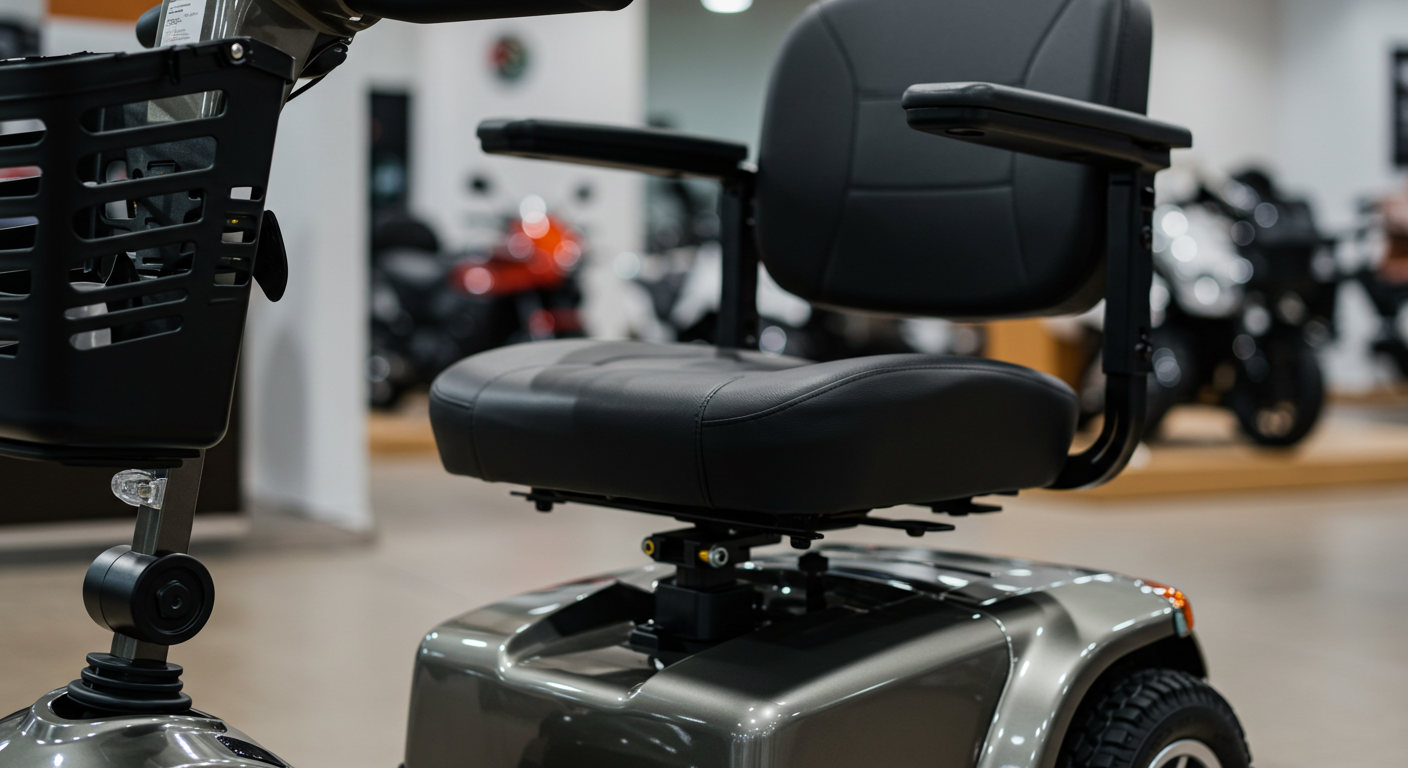
Comfort features become standard at this price. Padded seats with back support help reduce fatigue. Adjustable armrests and easy controls make longer trips better. Suspension systems smooth out bumps in sidewalks. This helps elderly users with joint problems.
But here’s the thing – mid-range scooters often have smartphone features. GPS tracking and theft protection come with many models. These modern features appeal to tech-savvy seniors. They also give peace of mind to family members.
| Mid-Range Features | Performance Boost | Added Value | User Benefit |
| Lithium Battery | 50% longer life | $200-$300 | Less replacement |
| Comfort Seating | Padded, adjustable | $100-$200 | Less fatigue |
| Smart Features | GPS, connectivity | $150-$250 | Modern convenience |
| Extended Warranty | 2-3 years coverage | $100-$150 | Peace of mind |
Mid-range scooters suit elderly users who use mobility aids daily. They work for work, social activities, and regular errands. They give reliable transportation without the high price of luxury models. Better range and comfort make them good for longer outings.

4. Are Premium Electric Scooters Worth the Investment for Seniors?
Premium electric scooters cost $1,500-$3,000. They target elderly users who want the best features and performance. These models offer 25-40 mile ranges. They work on all terrain types. Luxury comfort features include heated seats, advanced suspension, and premium materials.
Build quality reaches car-level standards with premium models. Frames use aircraft-grade aluminum or carbon fiber. Wheels have puncture-resistant tires with advanced tread patterns. Electrical systems have backup safety features. Weather sealing protects against rain, snow, and extreme temperatures.
Advanced safety systems set premium scooters apart. Features include automatic emergency braking and collision detection sensors. Electronic stability control systems help prevent falls. Some models offer remote monitoring. Family members can track location, battery status, and usage patterns.
Now, you might be wondering if premium features justify the high cost for elderly users. For seniors with big mobility challenges, the answer is often yes. Those who rely on scooters as main transportation also benefit. Better reliability and safety make the cost worth it.
| Premium Features | Benefit | Cost Addition | Target User |
| All-Terrain Use | Outdoor versatility | $300-$500 | Active seniors |
| Advanced Safety | Accident prevention | $400-$600 | High-risk users |
| Luxury Comfort | Better experience | $200-$400 | Daily users |
| Extended Range | 25-40 miles | $500-$800 | Long trips |
Premium scooters make sense for active elderly users. They work for those who travel often or live in challenging terrain. They also help those with specific medical needs. The higher upfront cost often pays off. Reduced maintenance and longer lifespan help. Better quality of life also matters.
5. What Hidden Costs Should Seniors Consider When Buying?
Electric scooter ownership has costs beyond the purchase price. When thinking about how much is an electric scooter for elderly users, maintenance costs average $100-$300 per year. This includes tire replacements, brake adjustments, and electrical checks. Regular service prevents costly breakdowns and makes scooters last longer.
Battery replacement is the biggest hidden cost. Batteries need replacement every 1-3 years. This depends on usage patterns and battery type. Costs range from $100-$400. Lithium batteries cost more upfront but last longer than lead-acid ones. This can save money over time.
Insurance costs vary by location and coverage level. Basic liability insurance runs $50-$150 per year. Full coverage protecting against theft and damage costs $150-$400 yearly. Some homeowner’s policies give limited coverage. But dedicated mobility insurance offers better protection.
Let me explain why accessories add up quickly. Weather covers protect against rain and sun damage ($50-$100). Storage bags and baskets help carry things ($30-$80). Safety equipment like mirrors, flags, and extra lighting costs $40-$120.
| Hidden Cost Type | Annual Cost | How Often | Budget Impact |
| Regular Maintenance | $100-$300 | Yearly | Medium |
| Battery Replacement | $100-$400 | 1-3 years | High |
| Insurance Coverage | $50-$400 | Yearly | Medium |
| Accessories | $200-$500 | One-time | High |
Registration and licensing fees apply in some places. Many areas don’t require registration for mobility scooters. But some cities and states charge annual fees of $25-$100. Check local rules before buying to avoid surprises.
6. How Do Electric Scooter Prices Compare to Other Mobility Options?
Electric scooters offer good pricing compared to other mobility solutions for elderly users. Manual wheelchairs cost $100-$800 for basic models. Electric wheelchairs range from $1,500-$15,000. This depends on features and abilities. Scooters give better value for seniors who can move independently.
Public transportation costs add up over time. Monthly bus passes average $50-$100 in most cities. This totals $600-$1,200 per year. An electric scooter pays for itself within 1-3 years. It also gives door-to-door convenience and removes schedule limits.
Walking aids like rollators and walkers cost $100-$400. But they severely limit range and carrying ability. They work for short distances but don’t help with longer transportation needs. Mobility scooters extend independence for longer distances. They also give comfortable seating and storage space.
This is important because the total cost often favors electric scooters over other options. Lower ongoing costs and increased independence justify the higher upfront cost for most elderly users.
| Mobility Option | Initial Cost | Annual Cost | 5-Year Total | Independence |
| Electric Scooter | $800-$2,000 | $200-$500 | $1,800-$4,500 | High |
| Electric Wheelchair | $2,000-$8,000 | $300-$800 | $3,500-$12,000 | Medium |
| Public Transportation | $0 | $600-$1,200 | $3,000-$6,000 | Low |
| Taxi/Rideshare | $0 | $2,000-$5,000 | $10,000-$25,000 | Medium |
Long-term financial benefits include reduced healthcare costs. Increased mobility and social engagement help. Studies show that mobile elderly users have lower rates of depression. They also have better physical health and reduced medical expenses.

7. Where Can Seniors Find the Best Electric Scooter Deals?
Online retailers often offer the lowest prices when shopping for electric scooters for elderly users. They have reduced overhead costs and competitive pressure. Major platforms give extensive selection, customer reviews, and competitive pricing. But shipping costs and assembly needs may offset initial savings. Limited hands-on testing is also a drawback.
Physical stores allow hands-on testing before purchase. This proves valuable for elderly users making their first mobility equipment purchase. Medical equipment suppliers, mobility stores, and some pharmacies carry electric scooters. They have knowledgeable staff. Prices may be higher, but the expertise and service often justify the cost.
Seasonal sales give significant savings opportunities throughout the year. Black Friday and Cyber Monday offer discounts of 20-40% on many models. End-of-year clearances in late fall clear inventory for new models. Spring mobility fairs and health expos often feature special pricing and package deals.
Here’s the deal – timing your purchase around sales events can maximize savings. Insurance approval can also help. Planning ahead lets you take advantage of the best deals and financing options.
| Purchase Channel | Price Advantage | Service Level | Best For | Typical Savings |
| Online Retailers | Lowest prices | Self-service | Tech-savvy buyers | 15-30% |
| Medical Suppliers | Insurance billing | Expert guidance | First-time buyers | Variable |
| Mobility Stores | Product testing | Personal service | Specific needs | 5-15% |
| Used Market | Big savings | Variable quality | Budget-conscious | 40-60% |
Used and refurbished scooters offer big savings but need careful checking. Check battery condition, tire wear, and electrical systems. Check overall mechanical condition before buying. Good dealers give limited warranties on refurbished units. They may also offer trade-in programs.
Financing options make expensive scooters affordable. Monthly payments range from $50-$200. Many retailers offer 0% interest financing for qualified buyers. Medical equipment suppliers give rent-to-own programs for those with limited credit.
Conclusion
How much is an electric scooter for elderly users? Prices range from $300 for basic models to $3,000 for premium options. Most quality scooters cost $500-$1,500. The right choice depends on your mobility needs and usage frequency. It also depends on budget limits and desired features. Mid-range models typically offer the best value. They combine reliability with useful features that make daily life better. Budget options work well for occasional use. Premium models suit elderly users who rely on scooters as main transportation.
What does this mean for you? Think about your specific needs. Factor in hidden costs like maintenance and accessories. Look into financing options to make your purchase affordable. Don’t forget to check insurance coverage possibilities.
Dynamic Scooter offers high-quality electric scooters designed for elderly mobility needs. We have competitive pricing starting at $375.37 and great customer support. Visit our website to find the perfect scooter for your lifestyle and budget. We back it with our full warranty and service commitment.
FAQ
Q1: How much is an electric scooter for elderly users on average?
Electric scooters for elderly users typically cost $300 to $3,000. Budget models cost $300-$500. Mid-range options run $500-$1,500. Premium models cost over $1,500. The price depends on features like battery range, weight capacity, safety systems, and build quality.
Q2: Do Medicare or insurance plans cover electric scooter costs for elderly users?
Medicare Part B may cover electric scooters if a doctor prescribes them. They must be deemed medically necessary for mobility problems. Coverage typically applies to basic mobility scooters, not recreational models. Private insurance policies vary a lot. Check with your provider about specific coverage terms.
Q3: What safety features should elderly users look for when choosing an electric scooter?
Key safety features include anti-tip wheels and reliable dual braking systems. Bright LED lights and reflective materials help too. Look for stable three or four-wheel designs. Models should have adjustable speed settings. Comfortable seating with back support and easy-to-reach controls are also important.
Q4: How long do electric scooter batteries last for elderly users and what do replacements cost?
Most electric scooter batteries last 1-3 years with regular use. This depends on battery type and usage patterns. Replacement batteries typically cost $100-$300 for lead-acid. Lithium options cost $200-$400. Proper charging habits and storage make batteries last longer.
Q5: Are there financing options available for elderly users buying electric scooters?
Many retailers offer financing plans. Monthly payments range from $50-$200. This depends on the scooter price and terms. Some medical equipment suppliers give rent-to-own options. Credit cards, personal loans, and manufacturer financing programs are also available for qualified buyers.