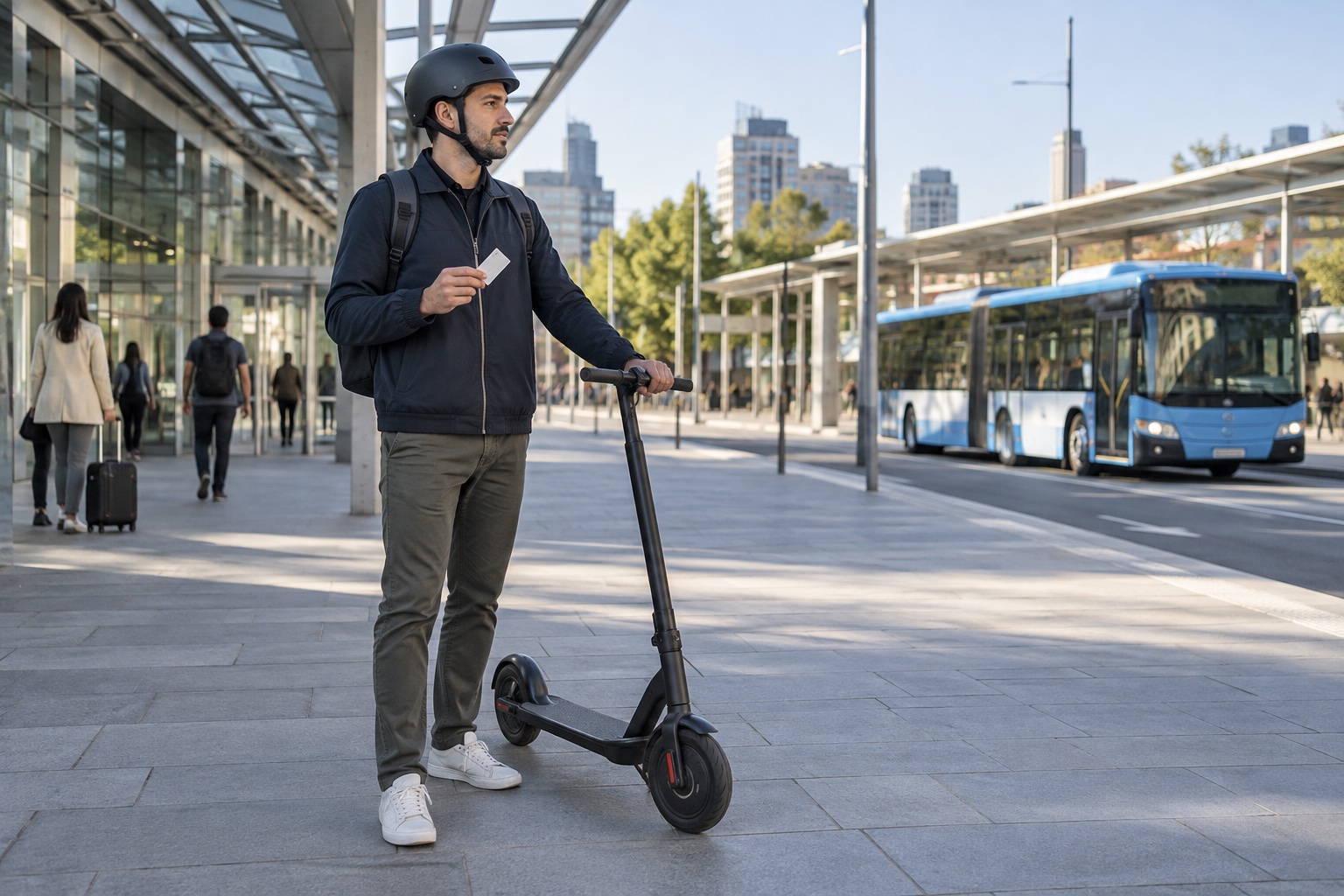

Electric scooter batteries create a big waste problem. If not handled right, they leak harmful toxins. This guide shows the future of battery recycling for electric scooters and how it can turn waste into value.
The future of battery recycling for electric scooters uses new methods. These include hydrometallurgy and direct recycling. They recover up to 95% of materials. This includes lithium, cobalt, and nickel. It cuts the need for new mining. It also lowers the impact on our planet. New rules and buyer awareness drive this change.
Ready to see how this works? Here’s what you need to know.
1. Why Does Battery Recycling Matter for Electric Scooters?
The future of battery recycling for electric scooters is a key topic. The number of e-scooters is growing fast. This means more used batteries. Without a good plan, these batteries harm our planet. They hold materials that can get into soil or water. Proper recycling keeps our world safe. It also helps us reuse key materials.
Think about what is inside each battery. Materials like lithium and cobalt are rare. Mining them takes lots of energy. It can also damage the land. When we recycle batteries, we get these materials back. This means we mine less. It saves energy. It also protects nature. Here’s why it matters… the future of battery recycling for electric scooters is a smart way to handle battery waste.
Governments are paying attention now. New rules require companies to manage battery waste. This is part of a move toward a circular economy. In this model, we reuse products and materials. Recycling fits this model well. For companies that make e-scooters, a strong recycling program is now a must. The future of battery recycling for electric scooters shapes industry standards.
| Environmental Benefit | Description |
| Reduces Landfill Waste | Keeps toxic battery materials out of landfills. |
| Conserves Natural Resources | Lowers the need for mining new raw materials. |
| Saves Energy | Recycling uses less energy than making new materials. |
2. What Happens to Old Electric Scooter Batteries?
When a battery gets old, it needs care. You cannot throw it in regular trash. These batteries are hazardous waste. If they end up in a landfill, they leak harmful chemicals. These chemicals pollute soil and water. They cause long-term damage. There is also a fire risk if the batteries get damaged. The future of battery recycling for electric scooters addresses these safety concerns.
Many places now have special collection programs. You might find drop-off points at stores. Some are at local recycling centers. Some scooter companies offer take-back programs. These make it easy to dispose of old batteries safely. Once collected, batteries go to special facilities. The best part? This keeps them out of the waste stream.
At these facilities, the real work starts. Batteries are sorted and taken apart. The goal is to separate the valuable parts. This is complex work. Batteries have many different parts. Some parts can be reused right away. Others need more work to extract raw materials. The future of battery recycling for electric scooters depends on making this better.
| Disposal Method | Risk Level | Environmental Impact |
| Landfill | High | Soil and water contamination, fire hazard. |
| Incineration | Medium | Air pollution if not filtered well. |
| Recycling | Low | Recovers materials and stops pollution. |
3. How Does Battery Recycling Work?
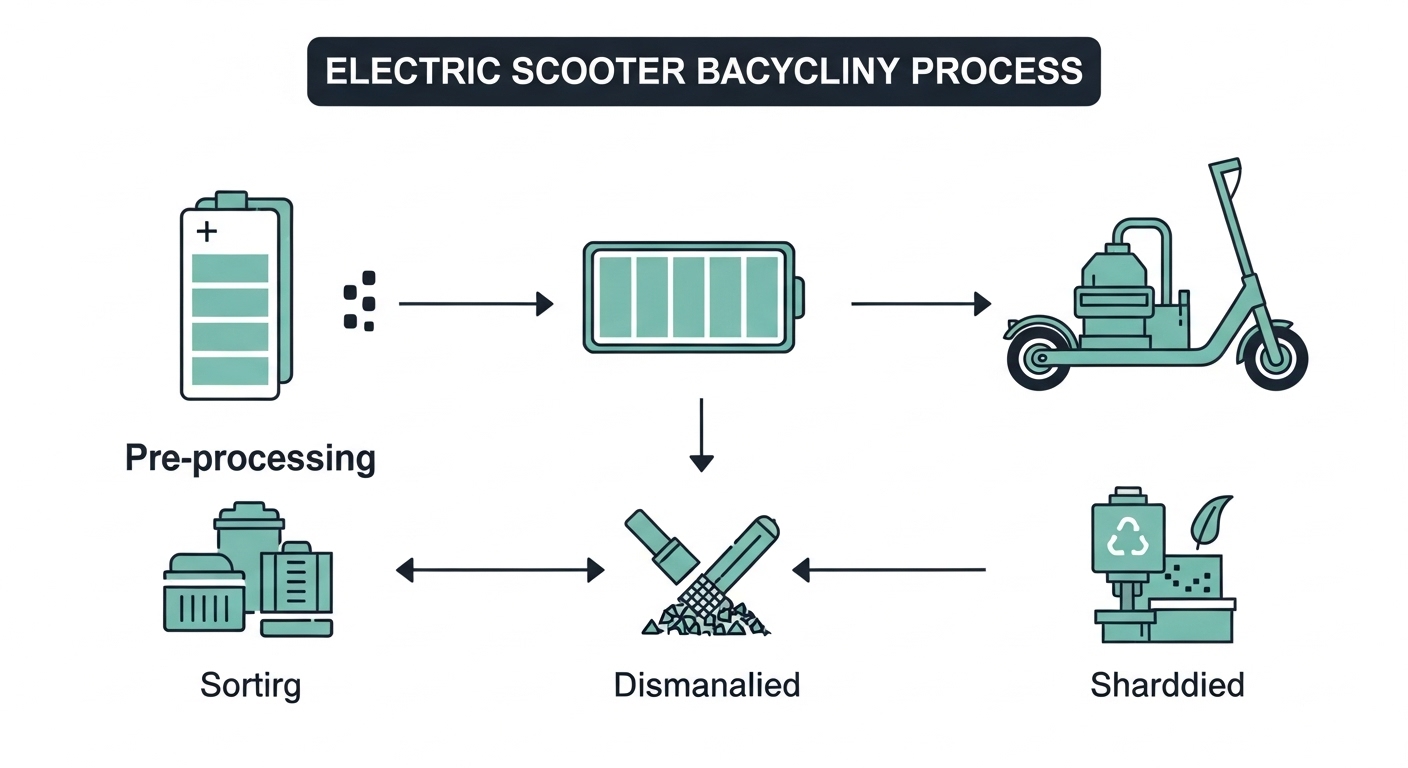
Recycling has several steps. It starts with getting old batteries to the right place. This means collecting them from people and businesses. Transport must be done safely. Special containers prevent accidents. Once at the recycling plant, batteries are sorted by type. The future of battery recycling for electric scooters relies on efficient sorting.
Next comes the disassembly stage. Workers take batteries apart. This can be done by hand or with machines. This is careful work. The outer casing is removed first. This reveals the battery cells inside. These cells hold the valuable materials. The goal is to separate cells from plastic and metal housing. But here’s the thing… every part gets sorted for recycling.
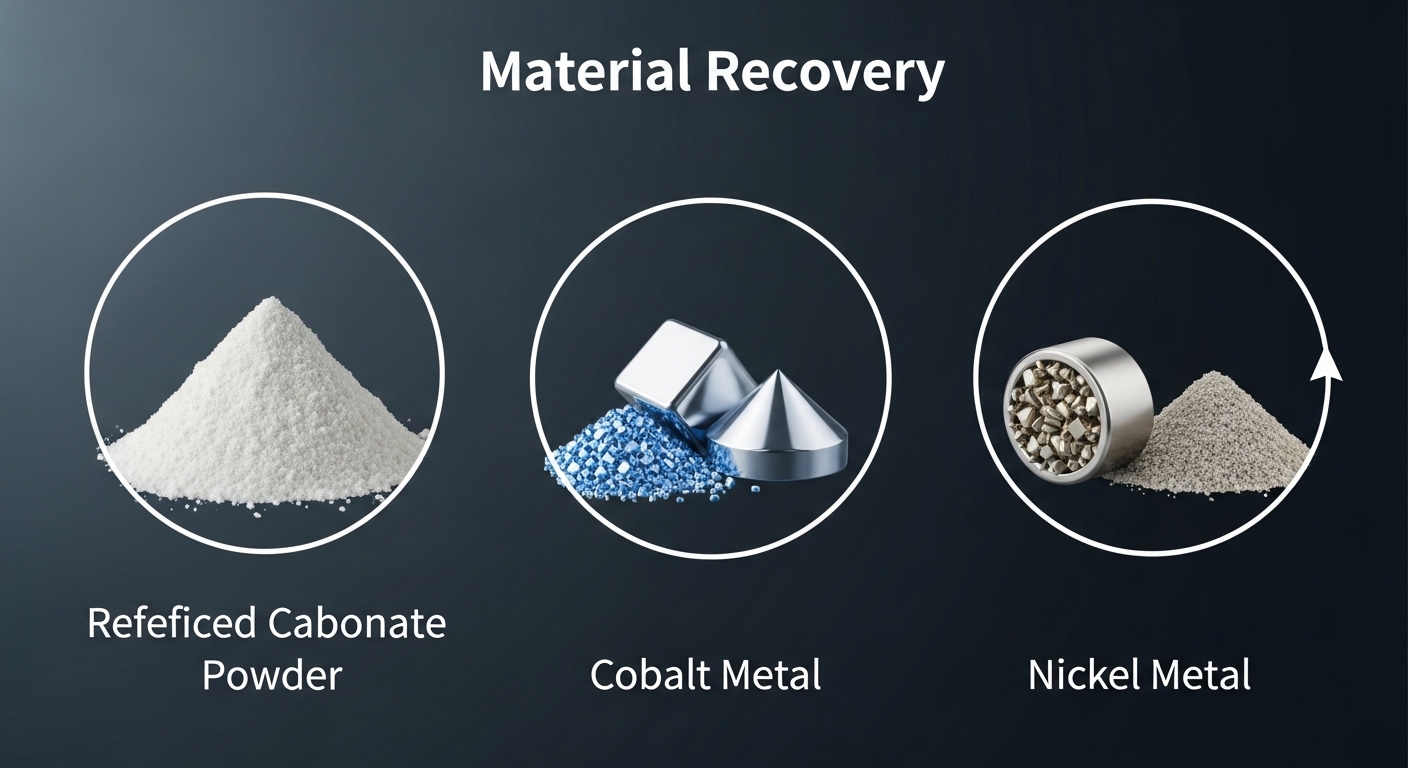
After disassembly, cells go through material recovery. There are a few ways to do this. One common method is to shred the cells. Then chemicals dissolve the metals. This lets recyclers separate lithium, cobalt, and other materials. The recovered materials are then purified. They can be used to make new products. This includes new batteries. This is a key step in the future of battery recycling for electric scooters.
| Recycling Step | Purpose |
| Collection & Transport | Safely gather and move used batteries to facilities. |
| Sorting & Disassembly | Separate batteries by type and take them apart. |
| Material Extraction | Recover valuable metals like lithium and cobalt. |
| Purification & Reuse | Clean the recovered materials for new manufacturing. |
4. What Technologies Are Shaping Battery Recycling?
New technologies make battery recycling work better. One of the best is hydrometallurgy. This method uses water-based solutions. It extracts metals from old batteries. It works very well. It can recover a high percentage of materials. It also makes less air pollution than older methods. This makes it a cleaner choice. The future of battery recycling for electric scooters benefits from these green technologies.
Another method is pyrometallurgy. This uses high heat to melt battery parts. The metals separate into layers. They can then be extracted. This method works well. But it uses a lot of energy. Researchers are making it work better. Now, you might be wondering… what is the newest technology? Direct recycling is a new idea. It is gaining attention.
Direct recycling takes the cathode material from an old battery. It reuses it directly in a new one. This saves many steps. It also saves energy. It keeps the structure of the materials. This can lead to better performance in the new battery. Automation is also playing a big role. Robots and AI sort batteries faster. They are also more accurate. This makes the whole system safer. It also cuts costs. The future of battery recycling for electric scooters looks bright with these advances.
| Technology | Description | Key Advantage |
| Hydrometallurgy | Uses liquids to dissolve and separate metals. | High recovery rates, lower emissions. |
| Pyrometallurgy | Uses high heat to melt and extract metals. | Can handle mixed battery types. |
| Direct Recycling | Reuses cathode materials with minimal steps. | Saves energy and keeps material quality. |
5. What Are the Economic Benefits of Battery Recycling?
Recycling electric scooter batteries is good for the planet. It also makes good economic sense. The materials inside these batteries are valuable. Things like cobalt, lithium, and nickel are in high demand. When we recover these through recycling, we can sell them. This creates a new source of income. It also cuts our reliance on mining. Mining can be expensive. The future of battery recycling for electric scooters creates new economic opportunities.
Building a recycling industry also creates jobs. We need people to collect and transport batteries. We also need people to handle them. We need scientists and engineers too. They develop new recycling technologies. These are skilled jobs. They help grow the economy. As electric scooters grow, the need for recycling will grow too. This means more job opportunities. Let me explain… this creates a positive cycle.
The future of battery recycling for electric scooters also helps makers. By using recycled materials, they can lower costs. This can lead to more affordable scooters for everyone. It also creates a more stable supply chain. The prices of raw materials can swing up and down. Using recycled materials protects companies from these swings. It is a smart business move. It also helps the planet.
| Economic Benefit | Impact on the Economy |
| Material Income | Creates income from selling recovered metals. |
| Job Creation | Adds new jobs in collection, handling, and research. |
| Lower Production Costs | Cuts expenses for manufacturers, potentially lowering prices. |
| Supply Chain Stability | Lessens dependence on volatile raw material markets. |
6. What Challenges Does Battery Recycling Face?
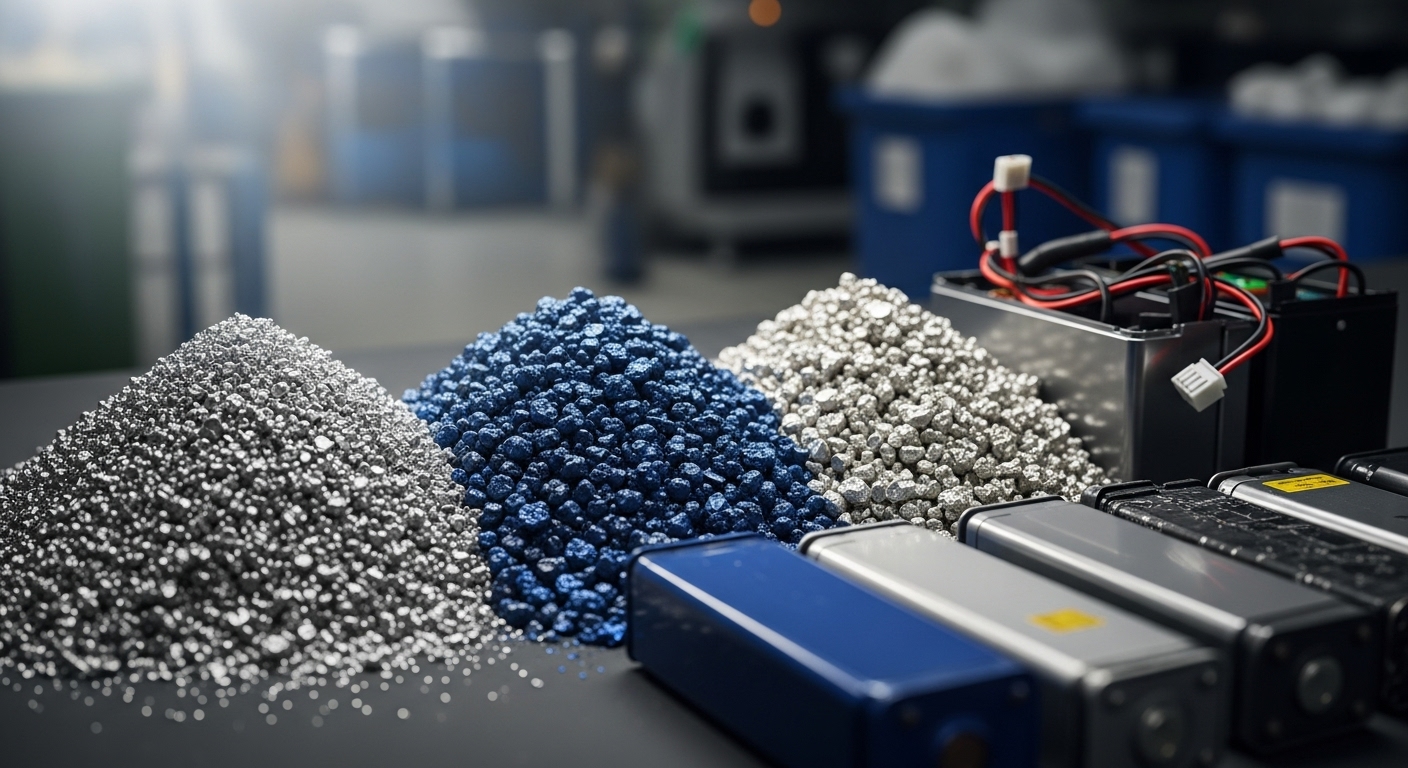
The future of battery recycling for electric scooters is promising. But there are still challenges. One of the biggest is the technology itself. Separating different materials in a battery is complex. It is a chemical method. It can be hard to get pure materials. Pure materials are good enough to be used again. Researchers are working on this. But it takes time and money.
Cost is another big hurdle. Setting up a recycling plant requires a large investment. Recycling can also be expensive. Sometimes, it costs more to recycle a battery than the value of materials recovered. This makes it hard to build a profitable business. This matters because… without a clear path to profit, it is hard to attract investment. The future of battery recycling for electric scooters needs better economic models.
There is also a lack of standardization in battery design. Different makers use different sizes and shapes. They also use different chemistries. This makes it hard to create a single recycling method. Each type of battery may need different care. In many areas, there are not enough facilities. We need more collection points. We also need more recycling plants. This will handle the growing number of used batteries.
| Challenge | Description |
| Technical Barriers | Difficulty in separating materials to a high purity. |
| High Costs | Large starting investment and operational expenses. |
| Lack of Standardization | Battery designs vary, complicating recycling methods. |
| Limited Facilities | Not enough collection points or recycling plants. |
7. How Can Consumers Support Battery Recycling?
You have a role to play in the future of battery recycling for electric scooters. It starts with how you handle old batteries. Never throw them in regular trash. Look for proper disposal options in your area. This might be a special bin at a local store. It could also be a city-run collection event. Taking this small step makes a big difference.
Many companies that sell electric scooters offer take-back programs. When your battery reaches the end of its life, you can return it. The maker will then recycle it properly. When you shop for a new scooter, look for brands with these programs. Choosing a company with a strong commitment to recycling helps the entire system. Here’s the deal… your choices as a buyer have power. The future of battery recycling for electric scooters depends on consumer action.
You can also help by taking good care of your battery. Follow the maker’s instructions for charging and storage. This can make your battery last longer. The longer it lasts, the longer before you need to replace it. This cuts waste. It also saves you money. Simple things help a lot. For example, do not leave your scooter in extreme heat or cold. This has a big impact on battery health.
| Consumer Action | How It Helps |
| Proper Disposal | Stops pollution and ensures batteries enter the recycling stream. |
| Use Take-Back Programs | Supports manufacturers who are committed to recycling. |
| Extend Battery Life | Cuts the frequency of battery replacement and waste. |
| Choose Sustainable Brands | Sends a market signal that recycling matters to customers. |
8. What Role Do Manufacturers Play in Battery Recycling?
Manufacturers are at the heart of the future of battery recycling for electric scooters. They can make the biggest impact. They do this by changing how they design products. By thinking about recycling from the start, they can make batteries easier to take apart. This is called “design for recyclability.” It can mean using screws instead of glue. It can also mean labeling parts clearly.
Another key concept is extended producer responsibility. This is also called EPR. This is the idea that makers are responsible for products even after they are sold. This includes taking them back at the end of their life. Many governments are putting EPR laws in place. This pushes companies to create and fund recycling programs. Want to know the secret? It makes recycling a part of the cost of doing business. The future of battery recycling for electric scooters requires manufacturer commitment.
Partnerships are also very valuable. Scooter companies can work with recycling experts. They can develop better methods. They can also work together to create a larger network. This network collects used batteries. By sharing knowledge and resources, they solve problems faster. Transparency is also key. When companies are open about where materials come from, it builds trust. The same is true when they share how products are recycled.
| Manufacturer Responsibility | Description |
| Design for Recyclability | Creating batteries that are easy to disassemble and recycle. |
| Extended Producer Responsibility | Taking ownership of products at the end of their life. |
| Recycling Partnerships | Collaborating with experts to improve recycling methods. |
| Supply Chain Transparency | Being open about material sourcing and recycling practices. |
9. What Does the Future Hold for Battery Recycling?
The future of battery recycling for electric scooters is full of exciting possibilities. We are seeing new technologies appear. They promise to make recycling work better. They also promise to make it less expensive. For example, scientists are exploring the use of sound waves. These can separate materials. Others are looking at biological methods. They use bacteria to extract metals. These innovations could change the industry completely.
Policy will also play a huge role. We expect more governments to create stronger rules. These will be for battery disposal. This could include mandatory recycling targets for makers. It might also involve new standards for battery design. These standards make batteries easier to recycle. These policies will create a level playing field. They will drive the industry forward. The bottom line? Change is coming. The future of battery recycling for electric scooters will be shaped by policy and innovation.
A shift toward a circular economy is also gaining momentum. This means moving away from a “take, make, dispose” model. Instead, we will focus on keeping materials in use. We want to keep them in use for as long as possible. Battery recycling is a perfect example of this. It closes the loop. It turns old products into new resources. Global collaboration will be needed. By working together, countries can share best practices. They can build a global recycling network.
10. How Does Dynamic Scooter Approach Battery Sustainability?
At Dynamic Scooter, we believe in building great electric scooters. We also believe in protecting our planet. That is why battery sustainability is a core part of our mission. We start by equipping every Dynamic Scooter with a smart Battery Management System. This is also called BMS. This system protects the battery from common issues. These include overcharging and overheating. It helps the battery perform better. It also helps it last longer.
We stand behind the quality of our batteries. Every scooter comes with a 6-month warranty. The battery itself is covered for 12 months. When a battery reaches the end of its life, we want it handled correctly. We are building partnerships with leading recycling companies. This makes sure the valuable materials in our batteries are recovered. They are also reused. What does this mean for you? It means you can ride with peace of mind.
We also believe in empowering our customers. Our website offers resources on battery care. These help extend battery lifespan. We provide clear instructions on how to prepare your battery for recycling. The future of battery recycling for electric scooters depends on everyone doing their part. We are committed to making it easy for our customers. We want them to make sustainable choices. We see it as our responsibility. We want to lead the way in creating a greener future. This is for urban transportation.
Final Thoughts
The future of battery recycling for electric scooters is key for a sustainable future. It protects our world from harmful waste. It conserves precious natural resources. It also brings economic benefits. It creates jobs and cuts manufacturing costs. New technologies and supportive policies are making recycling work better. As a buyer, you can contribute. Choose brands that focus on sustainability. Dispose of your batteries correctly.
For a partner in sustainable transport, consider Dynamic Scooter. We build our scooters to last. We are committed to responsible end-of-life solutions. Let’s work together for a cleaner tomorrow.
FAQ
Q1: Can all electric scooter batteries be recycled?
Most lithium-ion batteries used in electric scooters can be recycled. Recycling recovers valuable materials like lithium, cobalt, and nickel. However, recycling rates vary by region and facility availability.
Q2: How long do electric scooter batteries last before recycling?
Electric scooter batteries typically last 1-5 years or 300-800 charge cycles. Proper care can extend battery life. When performance drops below 80%, recycling becomes the best option.
Q3: Where can I recycle my electric scooter battery?
You can recycle batteries at designated collection points, electronics retailers, or through manufacturer take-back programs. Many cities offer hazardous waste drop-off events. Contact your local waste management for options.
Q4: Is battery recycling profitable?
Battery recycling can be profitable due to recovered materials. Lithium, cobalt, and nickel have high market value. However, handling costs and technology investments affect profitability. Scale and efficiency are key factors.
Q5: What happens if batteries aren’t recycled properly?
Improper disposal causes environmental damage. Batteries in landfills leak toxic chemicals into soil and water. Fire risks increase in waste facilities. Valuable materials are lost, requiring more mining for new batteries.