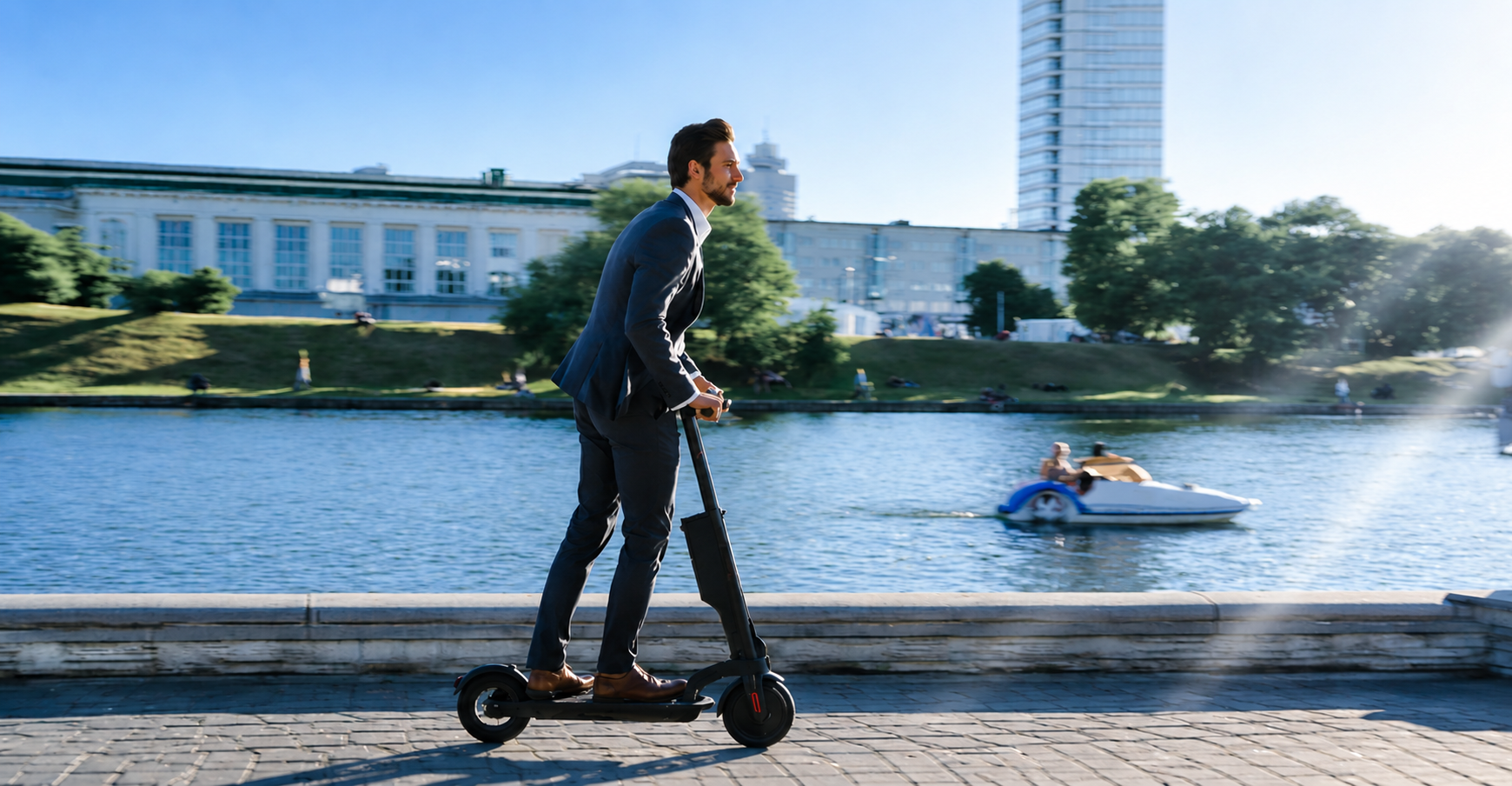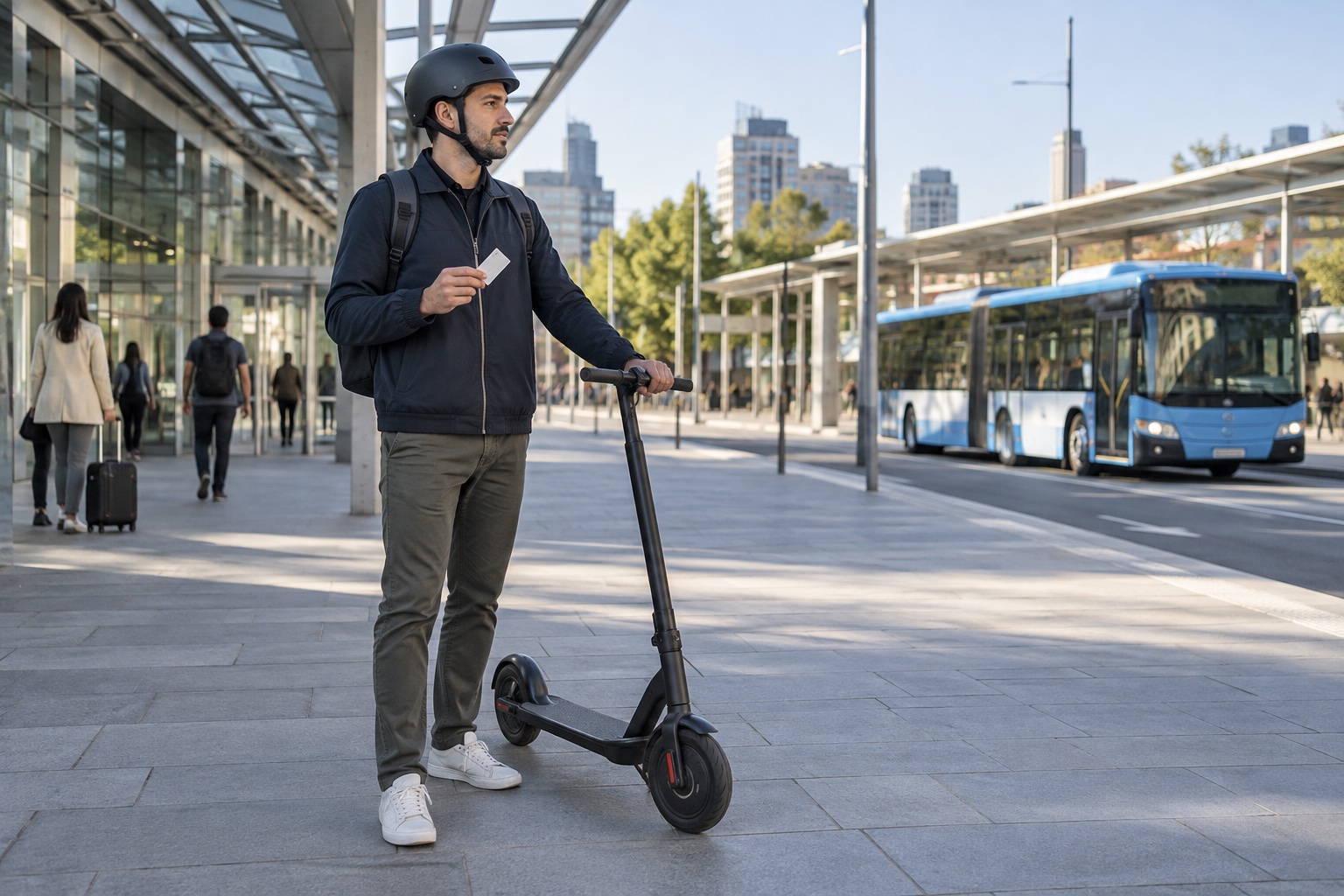

The scooter’s journey tells a fascinating story of innovation and adaptation. It started as a simple wooden toy. Today it’s a sophisticated electric vehicle. Many people don’t realize how dramatically scooters have transformed over the past century. They evolved from basic push-powered devices to high-tech transportation solutions.
Understanding the evolution of past and present scooter designs reveals important insights. This humble vehicle became a cornerstone of modern urban mobility. It influences everything from children’s play to adult commuting and last-mile transportation solutions.
Here’s the thing – the scooter’s evolution mirrors our changing transportation needs and technological capabilities.
1. What Were the Origins of the First Scooters?
The earliest scooters emerged in the early 1900s as homemade children’s toys created from wooden crates and roller skate wheels. Here’s why it matters – these primitive designs established the fundamental scooter concept that remains unchanged today: a platform for standing with wheels and a steering mechanism.
The first commercial scooters appeared around 1915-1920, manufactured by companies like Autoped and Krupp. These early models featured small engines and were marketed as practical transportation for adults. The Autoped, introduced in 1915, is considered the first motorized scooter with a 155cc engine.
World War I significantly influenced early scooter development. Fuel shortages and transportation restrictions made small, efficient vehicles attractive alternatives to automobiles. Many manufacturers pivoted from bicycle production to scooter manufacturing during this period.
| Era | Key Features | Notable Models | Primary Users |
| 1900-1920 | Wooden platforms, steel wheels | Homemade versions | Children |
| 1920-1940 | Metal construction, small engines | Autoped, Krupp Roller | Adults and children |
| 1940-1960 | Improved stability, better brakes | Vespa, Lambretta | Urban commuters |
The Great Depression sparked innovation in affordable transportation. Scooter manufacturers focused on creating economical vehicles that offered basic mobility without the expense of automobiles. This period saw the development of more reliable engines and improved construction techniques.
Post-World War II Europe embraced scooters as essential transportation. Countries like Italy and Germany, with damaged infrastructure and limited resources, found scooters provided practical mobility solutions. The famous Vespa, introduced in 1946, exemplified this trend.
Early safety concerns led to the first regulations and design improvements. Manufacturers began incorporating better braking systems, improved lighting, and more stable platforms. These changes established safety standards that influence modern scooter design.

2. How Did Scooters Gain Popularity in the Mid-20th Century?
The 1950s and 1960s marked the golden age of scooter culture, particularly in Europe and parts of Asia. The best part? This era established scooters as symbols of freedom, youth culture, and practical urban transportation that continues to influence modern perceptions.
Italian manufacturers dominated the scooter market during this period. Vespa and Lambretta became household names, producing millions of units and establishing design principles still used today. Their success came from combining style, reliability, and affordability.
The mod subculture in Britain adopted scooters as cultural symbols. Young people customized Vespa and Lambretta scooters with mirrors, lights, and accessories, creating a distinctive aesthetic that influenced fashion and music. This cultural movement spread scooter popularity beyond practical transportation.
Manufacturing improvements during this era included better engines, automatic transmissions, and weather protection. Scooters became more reliable and user-friendly, attracting riders who might have been intimidated by motorcycles or unable to afford cars.
| Decade | Cultural Impact | Technical Advances | Market Growth |
| 1950s | Italian style influence | Automatic transmission | 500% increase |
| 1960s | Mod culture adoption | Improved engines | European expansion |
| 1970s | Decline in Western markets | Basic electric experiments | Asian market growth |
The oil crisis of the 1970s briefly renewed interest in fuel-efficient scooters. However, improving car affordability and changing lifestyle preferences led to declining scooter sales in Western markets. Many manufacturers shifted focus to motorcycles or other products.
Asian markets, particularly in India and Southeast Asia, continued embracing scooters throughout this period. Companies like Bajaj and TVS built thriving businesses serving growing urban populations who needed affordable, efficient transportation.
The foundation for modern scooter design was established during this era. Key innovations included CVT transmissions, step-through frames, and under-seat storage that remain standard features in contemporary models.
3. When Did Electric Scooters First Appear?
Electric scooter development began in the 1970s, though early attempts were limited by battery technology and market readiness. Now, you might be wondering how these primitive electric models evolved into today’s sophisticated e-scooters that dominate urban transportation.
The first electric scooters were essentially motorized versions of traditional kick scooters. Companies like Go-Ped introduced electric models in the 1980s, but heavy lead-acid batteries and limited range restricted their appeal to niche markets.
Razor revolutionized the scooter market in 1999 with their aluminum kick scooter, creating a global phenomenon. While not electric, this model established the folding scooter format that would later become standard for electric versions.
Early 2000s electric scooters remained hobbyist products due to technological limitations. Battery technology hadn’t advanced sufficiently to create practical, lightweight electric scooters. Most models were heavy, expensive, and offered limited range.
| Period | Battery Type | Typical Range | Weight | Market Reception |
| 1970s-1980s | Lead-acid | 5-10 miles | 60-80 lbs | Very limited |
| 1990s-2000s | Nickel-metal hydride | 10-15 miles | 40-60 lbs | Niche market |
| 2010s | Lithium-ion | 15-25 miles | 25-35 lbs | Growing adoption |
The smartphone revolution indirectly accelerated electric scooter development. Lithium-ion battery improvements for phones and laptops made lightweight, powerful batteries available for scooters. This technological spillover effect was crucial for the industry.
Crowdfunding platforms like Kickstarter enabled electric scooter innovation in the 2010s. Small companies could raise capital for development without traditional manufacturing partnerships. Many successful modern brands started through crowdfunding campaigns.
The sharing economy model, pioneered by companies like Bird and Lime around 2017, finally brought electric scooters into mainstream consciousness. Suddenly, electric scooters were available on street corners in major cities worldwide.

4. What Innovations Define Modern Electric Scooters?
Today’s electric scooters incorporate advanced technologies that were unimaginable in past and present scooter comparisons from just a decade ago. This is important because these innovations have transformed scooters from simple transportation devices into sophisticated mobility platforms with smart features.
Lithium-ion battery technology enables the lightweight, long-range performance that makes modern e-scooters practical. Current batteries provide 15-40 mile ranges while weighing just 5-10 pounds, a dramatic improvement over earlier technologies.
Brushless electric motors deliver efficient, quiet power with minimal maintenance requirements. These motors can provide 250-1000+ watts of power, enabling speeds of 15-30+ mph depending on local regulations and model specifications.
Smart connectivity features distinguish modern scooters from their predecessors. GPS tracking, smartphone apps, anti-theft systems, and remote diagnostics are becoming standard features on premium models like the Dynamic Scooter Model B.
| Innovation Category | Past Scooters | Present Scooters | Future Trends |
| Power Source | Manual/small engines | Lithium-ion batteries | Solid-state batteries |
| Connectivity | None | GPS, apps, Bluetooth | 5G, IoT integration |
| Safety Features | Basic brakes | LED lights, electronic brakes | AI-assisted safety |
| Portability | Limited folding | Quick-fold mechanisms | Ultra-compact designs |
Regenerative braking systems recover energy during deceleration, extending range and reducing brake wear. This technology, borrowed from electric cars, represents a significant advancement in scooter efficiency and sustainability.
Advanced suspension systems provide comfort and control that rival motorcycles. Air suspension, adjustable damping, and sophisticated linkages create smooth rides even on rough urban surfaces.
The Dynamic Scooter Model B exemplifies modern innovation with its combination of 20-mile range, smartphone connectivity, and premium build quality at an accessible price point of $375.37.
5. How Have Safety Standards Evolved Over Time?
Safety improvements represent one of the most significant differences between past and present scooter designs, driven by increased usage and regulatory attention. Let me explain how modern safety standards address risks that were largely ignored in earlier scooter generations.
Early scooters had minimal safety features beyond basic mechanical brakes. Lighting was often absent or inadequate, and protective equipment was rarely considered necessary. Accident rates were high, but limited usage kept overall incidents low.
Modern safety standards require comprehensive lighting systems, including front headlights, rear taillights, and side reflectors. Many jurisdictions mandate specific brightness levels and beam patterns to ensure visibility in various conditions.
Braking systems have evolved from simple mechanical systems to sophisticated electronic and hydraulic setups. Dual braking systems, anti-lock capabilities, and regenerative braking provide stopping power that far exceeds historical standards.
| Safety Feature | Historical Scooters | Modern Standards | Regulatory Requirements |
| Lighting | Optional/basic | LED systems required | Brightness specifications |
| Braking | Mechanical only | Electronic + mechanical | Stopping distance limits |
| Speed Limiting | None | Electronic governors | 15-20 mph typical limits |
| Helmet Requirements | Rarely enforced | Increasingly mandatory | Age and speed dependent |
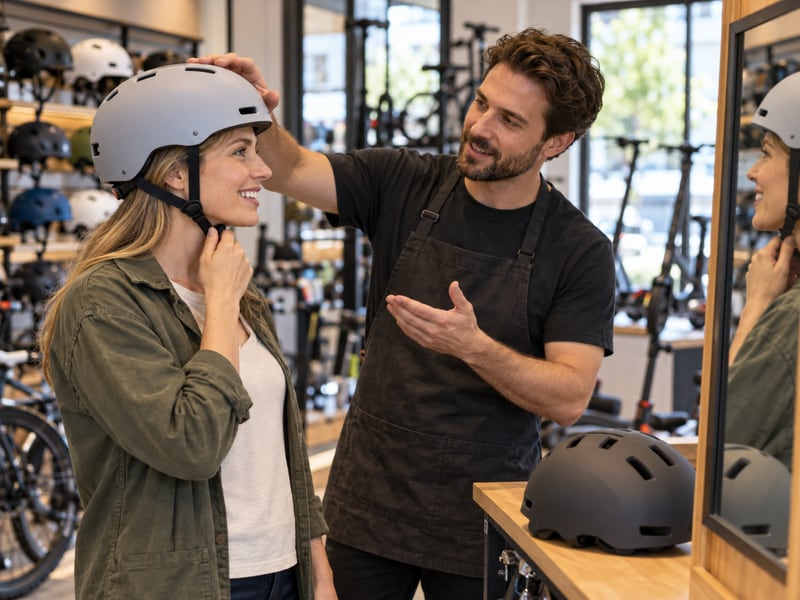
Helmet requirements have become more stringent as scooter usage has increased. Many jurisdictions now require helmets for all riders or specific age groups, with enforcement becoming more common in urban areas.
Speed limiting technology allows manufacturers to comply with local regulations automatically. GPS-based systems can adjust maximum speeds based on location, ensuring compliance with varying local laws.
The Dynamic Scooter Model B incorporates multiple safety features including dual braking systems, comprehensive lighting, and speed limiting capabilities that exceed many regulatory requirements.

6. What Role Do Scooters Play in Modern Urban Transportation?
The transformation from past and present scooter usage patterns reveals how these vehicles have become integral to modern urban mobility ecosystems. Want to know the secret? Today’s scooters fill transportation gaps that traditional vehicles cannot address efficiently.
Scooters now serve as crucial “last-mile” transportation links, connecting users to public transit systems. This role was virtually nonexistent in historical scooter usage but has become essential in modern urban planning.
Shared scooter systems have created new business models and usage patterns. Companies deploy thousands of scooters in urban areas, making them available for short-term rental through smartphone apps. This model has introduced scooters to millions of new users.
Environmental concerns drive modern scooter adoption in ways that weren’t relevant historically. Electric scooters produce zero direct emissions and require minimal energy compared to cars, making them attractive for environmentally conscious users.
| Transportation Role | Past Era | Present Era | Future Potential |
| Primary transport | Limited to specific regions | Growing in urban areas | Autonomous integration |
| Last-mile connectivity | Not applicable | Essential service | Seamless multimodal |
| Recreation | Primary use case | Secondary benefit | Enhanced experiences |
| Delivery services | Rare | Rapidly expanding | Automated systems |
Urban planning increasingly accommodates scooters through dedicated parking areas, charging stations, and modified traffic regulations. Cities recognize scooters as legitimate transportation modes requiring infrastructure support.
Delivery services have adopted scooters for food delivery, package transport, and other logistics applications. This commercial usage represents a significant evolution from purely personal transportation.
The integration of scooters with public transportation systems creates comprehensive mobility networks. Users can seamlessly transition between buses, trains, and scooters using unified payment and planning systems.
7. What Does the Future Hold for Scooter Technology?
Emerging technologies promise to further transform the relationship between past and present scooter capabilities, potentially creating vehicles that bear little resemblance to their historical predecessors. Here’s the deal – the next decade will likely bring changes as dramatic as the transition from manual to electric power.
Autonomous scooter technology is under development by several companies. Self-driving scooters could reposition themselves for optimal availability, return to charging stations automatically, and even provide guided tours or deliveries without human operators.
Battery technology continues advancing with solid-state batteries promising lighter weight, faster charging, and longer lifespans. These improvements could enable 100+ mile ranges in lightweight packages, eliminating range anxiety completely.
Artificial intelligence integration will enable predictive maintenance, personalized performance optimization, and enhanced safety features. AI systems could learn individual riding patterns and adjust scooter behavior accordingly.
| Technology Area | Current Capability | Near-term Development | Long-term Vision |
| Autonomy | Remote monitoring | Semi-autonomous features | Full self-driving |
| Connectivity | 4G, GPS, Bluetooth | 5G, edge computing | Neural network integration |
| Energy Storage | Lithium-ion | Solid-state batteries | Wireless charging |
| Materials | Aluminum, steel | Carbon fiber, composites | Smart materials |
Wireless charging infrastructure could eliminate the need for physical charging connections. Scooters could charge while parked at designated spots, similar to wireless phone charging but at much higher power levels.
Advanced materials like carbon fiber and smart composites will create lighter, stronger scooters with self-healing capabilities. These materials could automatically repair minor damage and adjust properties based on conditions.
The Dynamic Scooter Model B represents current technology leadership while positioning for future upgrades through its modular design and software-updatable systems.

Conclusion
The evolution from past and present scooter designs shows remarkable innovation and adaptation. Scooters have continuously evolved to meet changing transportation needs. They started as simple wooden toys. Now they are sophisticated electric vehicles. Modern scooters combine the best aspects of historical designs with cutting-edge technology. This creates practical, efficient, and enjoyable transportation solutions.
The bottom line? Today’s scooters represent over a century of development. They incorporate lessons learned from each era. They also embrace new technologies. The transformation from basic mechanical devices to smart, connected vehicles is remarkable. It shows how innovation can revolutionize even simple concepts.
The Dynamic Scooter Model B embodies this evolution. It combines historical reliability with modern innovation. At $375.37 with code SS10 for 10% off, it represents exceptional value. Fast shipping costs just $29.90. Visit dynamicscooter.com to experience our Model B. See how it bridges past and present scooter technology. It delivers the reliability of traditional designs. It also provides the convenience and performance of modern electric systems.

FAQ
Q1: When were the first electric scooters invented?
The first electric scooters appeared in the 1970s, but early models were limited by heavy lead-acid batteries and short range. Modern practical electric scooters didn’t emerge until the 2000s when lithium-ion battery technology became available, enabling lightweight designs with useful range.
Q2: How fast could historical scooters travel compared to modern ones?
Early motorized scooters from the 1920s could reach 20-30 mph, similar to many modern electric scooters. However, historical models were much heavier, less reliable, and lacked safety features. Modern scooters achieve similar speeds with better efficiency, safety, and convenience.
Q3: What was the most popular scooter brand in history?
Vespa, introduced in 1946, became the most iconic and popular scooter brand historically. Produced in Italy, Vespa scooters sold millions of units worldwide and established many design principles still used today. They remain popular and continue production with modern electric models.
Q4: How have scooter safety features improved over time?
Modern scooters include LED lighting systems, dual braking mechanisms, speed limiting technology, and smartphone connectivity for tracking and security. Historical scooters had basic mechanical brakes and minimal lighting. Current safety standards require comprehensive visibility and stopping capabilities.
Q5: What role did World War II play in scooter development?
World War II significantly influenced scooter development, particularly in Europe. Post-war fuel shortages and damaged infrastructure made scooters attractive transportation alternatives. This period saw the introduction of iconic models like the Vespa, designed specifically for practical urban mobility in challenging conditions.