
Choosing between an electric scooter and a kick scooter can feel overwhelming. Both options offer unique benefits for different users. Electric scooters provide effortless transportation with motor assistance. Kick scooters offer exercise benefits and simplicity. Without understanding the key differences, you might invest in the wrong type. This could waste money on something that doesn’t fit your needs, budget, or lifestyle.
The key is comparing several important factors. You need to look at speed, cost, exercise benefits, and maintenance requirements. You should also consider practical applications. This helps you make an informed decision that matches your specific transportation goals and daily usage patterns.
Here’s the thing – the right choice depends entirely on your priorities and intended use.
1. What Are the Key Performance Differences?
Electric scooters and kick scooters represent fundamentally different approaches to personal transportation. Here’s why it matters – understanding these performance differences helps you choose the option that best matches your speed requirements, distance needs, and physical capabilities.
Electric scooters deliver consistent speeds of 15-25 mph without physical effort. They maintain performance regardless of rider fitness level, terrain challenges, or weather conditions. Most quality electric models can travel 15-30 miles per charge, making them suitable for longer commutes.
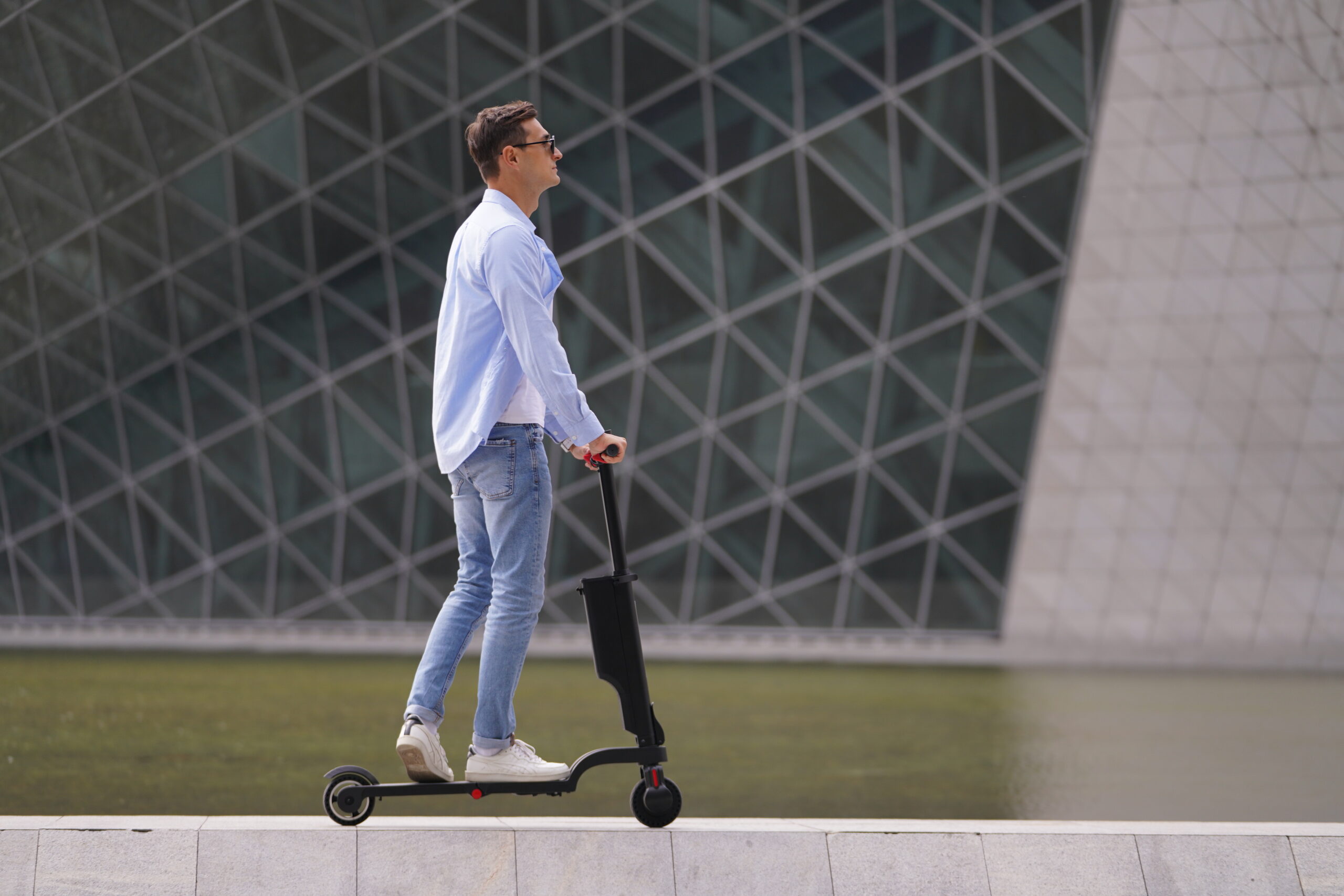
Some manufacturers also produce electric kick scooter models that combine traditional kick scooter design with small electric motors. These hybrid models offer the best of both worlds, providing exercise when desired and motor assistance when needed.
Kick scooters rely entirely on human power, with speeds typically ranging from 8-15 mph depending on rider fitness and effort level. Performance varies significantly based on physical condition, terrain, and weather. Range is limited only by rider endurance, but practical distances rarely exceed 5-10 miles.
Hill climbing capabilities differ dramatically between the two options. Electric scooters handle inclines effortlessly with motor assistance, while kick scooters require significant physical effort on hills. This difference significantly impacts route planning and usability in hilly areas.
| Performance Factor | Electric Scooters | Kick Scooters | Advantage |
| Top Speed | 15-25 mph | 8-15 mph | Electric |
| Range | 15-30 miles | 5-10 miles practical | Electric |
| Hill Climbing | Effortless | Requires effort | Electric |
| Consistency | Weather independent | Varies with conditions | Electric |
Acceleration patterns also vary significantly. Electric scooters provide instant acceleration from a standstill, while kick scooters require time to build momentum through pushing. This affects traffic integration and stop-and-go urban riding scenarios.
Weather resistance favors electric scooters in challenging conditions. Rain, wind, and cold temperatures minimally impact electric performance, while these conditions can make kick scooter riding difficult or dangerous.
The Dynamic Scooter Model B exemplifies electric scooter performance with its 20-mile range, 18 mph top speed, and reliable hill-climbing capabilities that make it suitable for diverse urban environments.

2. How Do Costs Compare Between Electric and Kick Scooters?
The financial comparison between electric and kick scooters extends beyond initial purchase price to include long-term ownership costs. The best part? Understanding total cost of ownership helps you make a financially sound decision based on your usage patterns and budget constraints.
Initial purchase prices show significant differences between the two options. Quality kick scooters cost $50-300, while electric scooters range from $200-2000+. The Dynamic Scooter Model B offers exceptional value at $375.37, bridging the gap between basic and premium electric options.
Operating costs favor kick scooters due to their mechanical simplicity. Electric scooters require electricity for charging, typically costing $20-50 annually for regular users. Kick scooters have zero operating costs beyond occasional maintenance.
Maintenance requirements differ substantially between the options. Kick scooters need basic upkeep like wheel bearing lubrication and brake adjustments. Electric scooters require battery maintenance, electrical system care, and more complex repairs when problems occur.
| Cost Category | Electric Scooters | Kick Scooters | Annual Difference |
| Initial Purchase | $200-2000+ | $50-300 | $150-1700+ |
| Electricity | $20-50/year | $0 | $20-50 |
| Maintenance | $50-150/year | $20-50/year | $30-100 |
| Insurance | $50-100/year | $0-25/year | $25-75 |
Replacement costs impact long-term budgeting differently. Electric scooter batteries typically need replacement every 2-4 years at $100-300 cost. Kick scooters may need wheel or bearing replacements but at much lower costs.
Theft risk affects insurance and replacement considerations. Electric scooters are more attractive to thieves due to higher value, potentially requiring additional security measures or insurance coverage.
Value retention varies between options. Quality kick scooters maintain value well due to simple construction, while electric scooters depreciate faster due to battery aging and technology advancement.
3. Which Option Provides Better Exercise Benefits?
Exercise considerations play a crucial role in scooter selection for health-conscious users. Now, you might be wondering how these two options compare for fitness goals, calorie burning, and overall physical activity integration into daily routines.
Kick scooters provide excellent cardiovascular exercise through continuous pushing motion. Users burn 200-400 calories per hour depending on intensity, terrain, and body weight. This makes kick scooters effective for fitness goals and weight management.
Electric scooters offer minimal exercise benefits since motors provide propulsion. Users primarily engage core muscles for balance and steering, burning only 50-100 calories per hour. However, they enable longer distances that might encourage more frequent outdoor activity.
Muscle engagement differs significantly between options. Kick scooters work leg muscles, core, and cardiovascular system intensively. Electric scooters mainly engage core and balance muscles while providing a low-impact standing position.
| Exercise Aspect | Electric Scooters | Kick Scooters | Health Impact |
| Calories Burned | 50-100/hour | 200-400/hour | Kick scooters win |
| Cardiovascular | Minimal | Moderate to high | Kick scooters win |
| Muscle Engagement | Core only | Full body | Kick scooters win |
| Joint Impact | Very low | Low to moderate | Electric slightly better |
Age and fitness considerations affect exercise suitability. Kick scooters require good physical condition and may be challenging for older adults or those with mobility limitations. Electric scooters accommodate various fitness levels and physical capabilities.
Weather impact on exercise varies between options. Kick scooters provide year-round exercise opportunities in suitable weather, while electric scooters enable consistent transportation regardless of physical energy levels.
Long-term health benefits favor kick scooters for users seeking active transportation. Regular kick scooter use can improve cardiovascular health, leg strength, and overall fitness levels over time.
4. How Do Portability and Storage Requirements Differ?
Portability and storage considerations significantly impact daily usability for urban commuters and occasional users. This is important because your ability to easily transport and store your scooter affects how often you’ll actually use it for transportation or recreation.
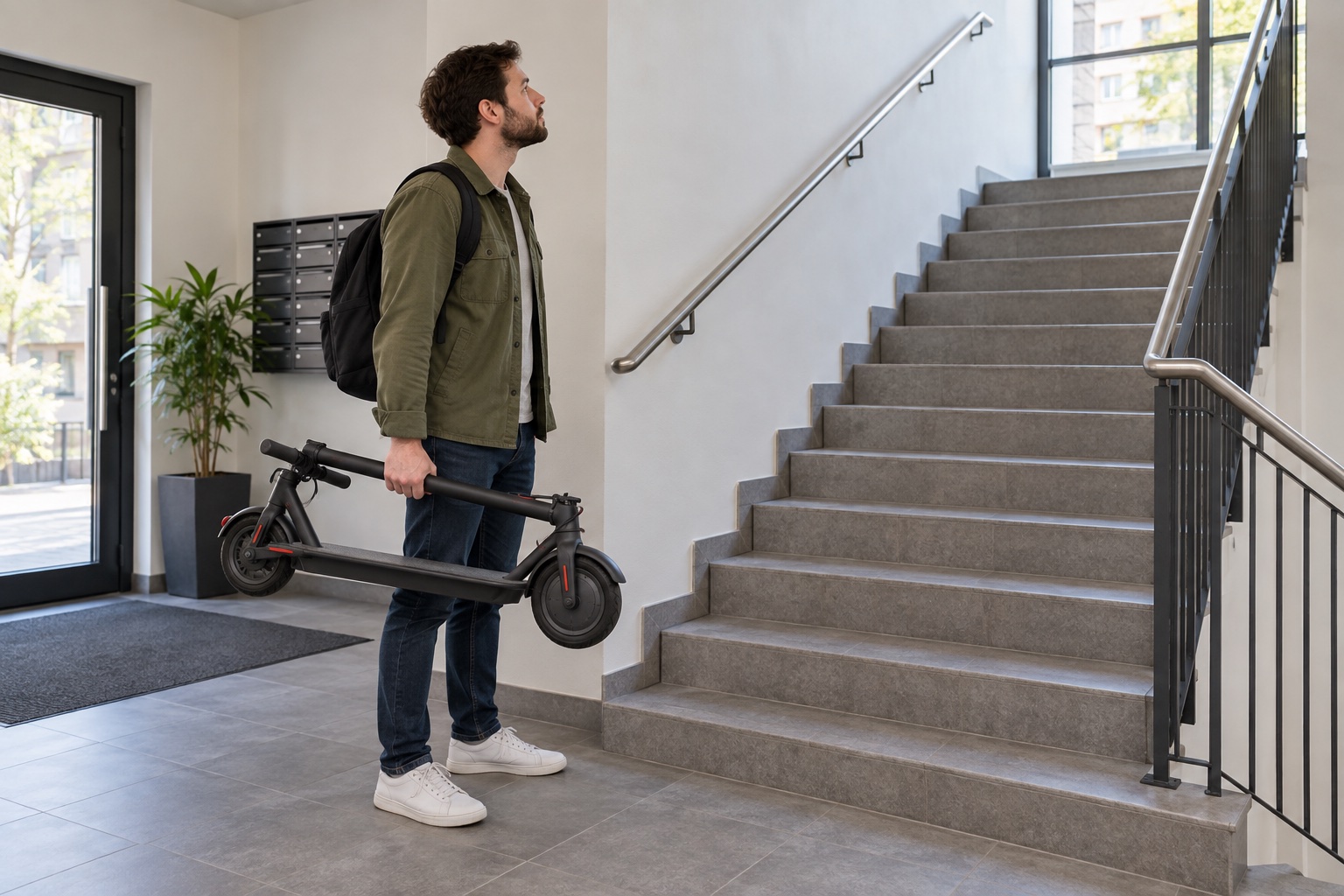
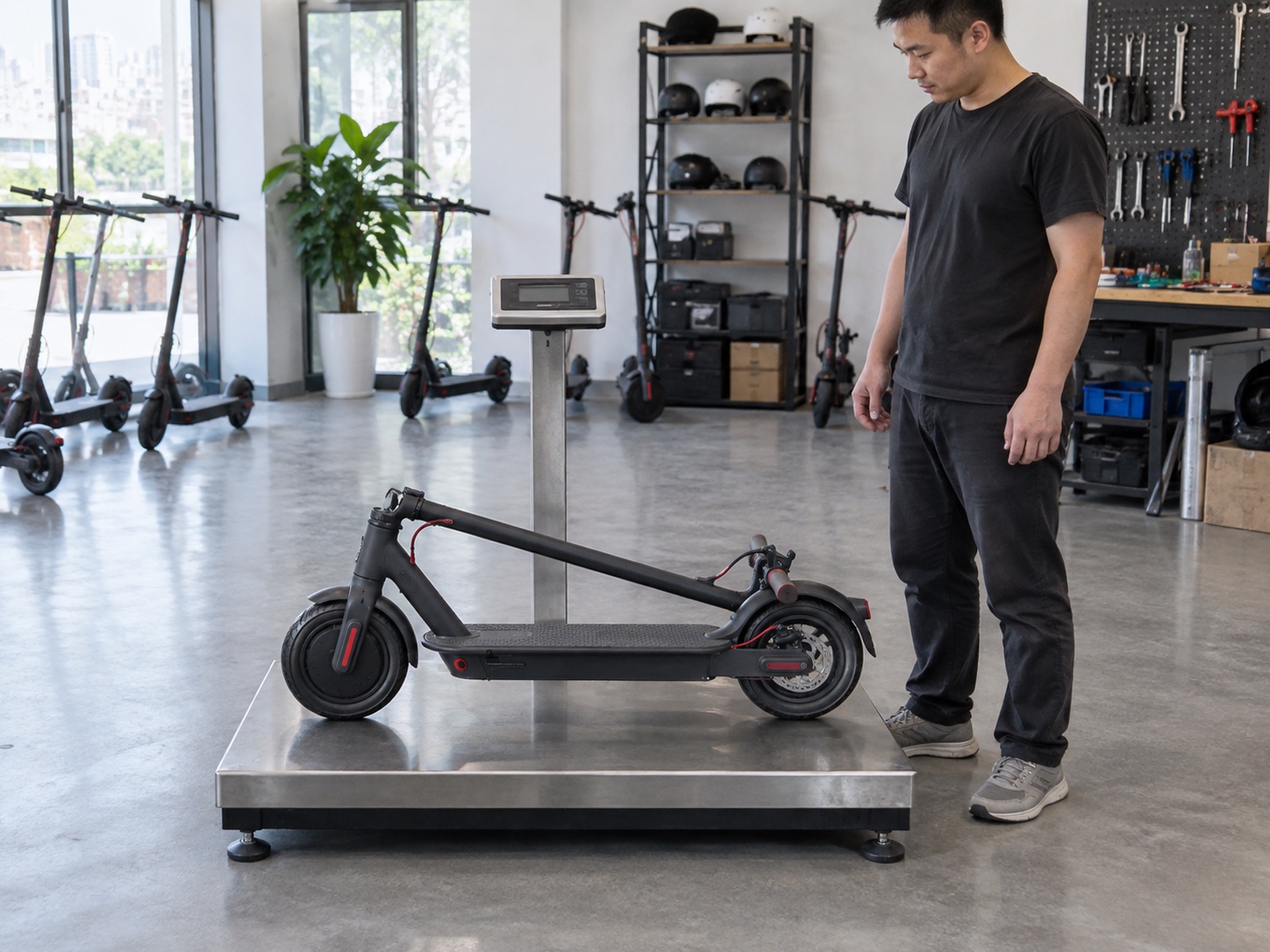
Weight differences substantially impact portability. Most kick scooters weigh 5-15 pounds, making them easy to carry upstairs, into buildings, or onto public transportation. Electric scooters typically weigh 25-40 pounds, requiring more effort for manual transport.
Folding mechanisms vary in complexity and speed between options. Quality kick scooters fold in 5-15 seconds with simple mechanisms. Electric scooters may take 30-60 seconds due to additional components and safety considerations.
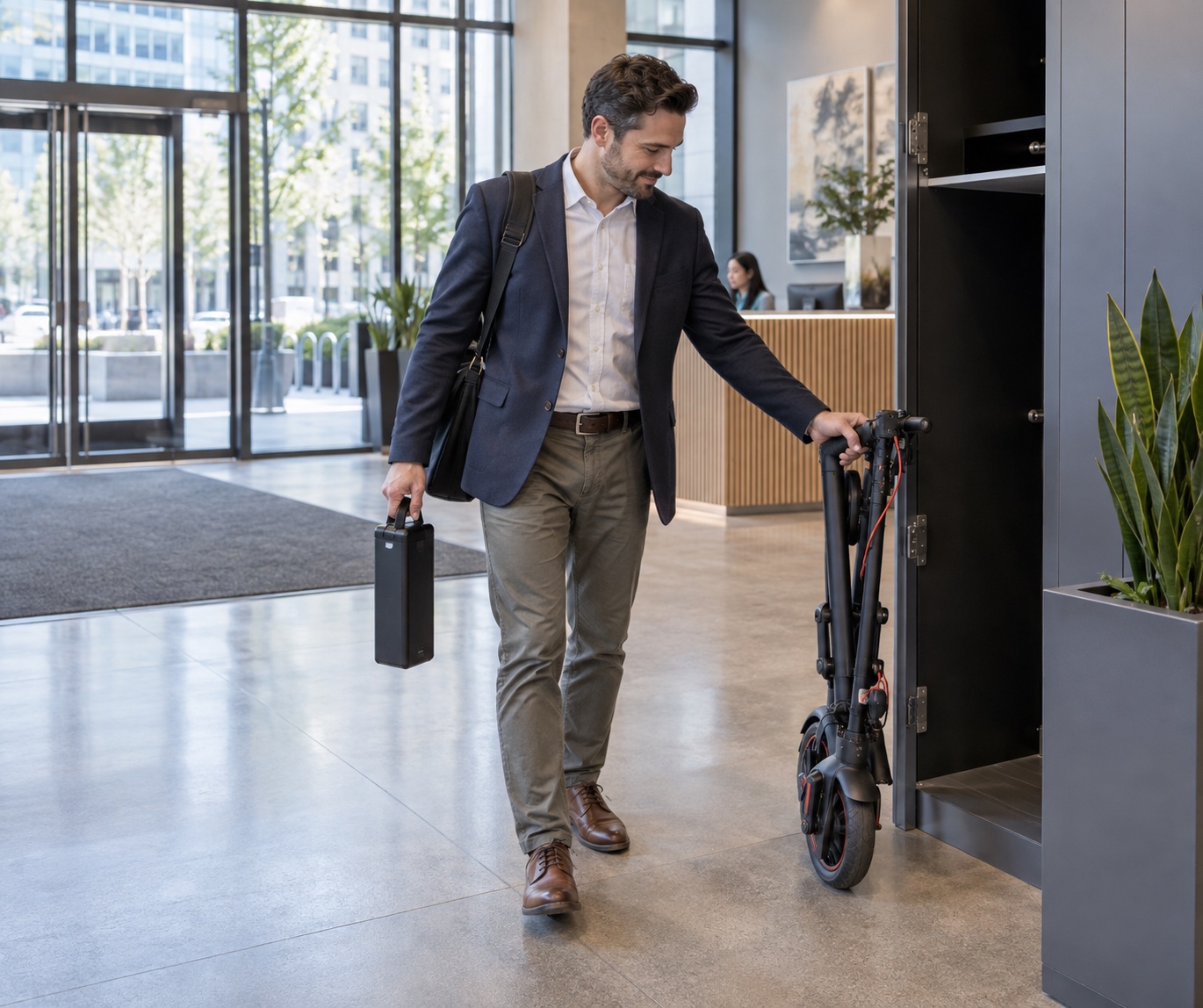
Storage space requirements favor kick scooters in most situations. Folded kick scooters occupy minimal space and fit easily in closets, under desks, or in car trunks. Electric scooters require more storage space and may need charging access.
| Portability Factor | Electric Scooters | Kick Scooters | Urban Advantage |
| Weight | 25-40 lbs | 5-15 lbs | Kick scooters |
| Folding Time | 30-60 seconds | 5-15 seconds | Kick scooters |
| Storage Space | Larger footprint | Compact | Kick scooters |
| Carrying Ease | Requires effort | Easy to carry | Kick scooters |
Public transportation compatibility strongly favors kick scooters. Most buses, trains, and subways allow folded kick scooters as personal items without restrictions. Electric scooters may face weight or size limitations on public transit.
Travel considerations make kick scooters more versatile. They can accompany users on flights, in hotel rooms, or rental cars without charging concerns. Electric scooters require power access and may face airline restrictions.
Security concerns affect storage decisions differently. Kick scooters can be brought indoors easily, eliminating theft risk. Electric scooters may require outdoor storage with locks due to weight and size constraints.
5. What Are the Safety and Legal Considerations?
Safety and legal requirements vary between electric and kick scooters, affecting where and how you can ride legally. Let me explain why understanding these differences prevents legal issues and helps you choose the safer option for your riding environment and skill level.
Speed-related safety differs significantly between options. Electric scooters’ higher speeds increase accident severity potential but provide better traffic integration. Kick scooters’ lower speeds reduce injury risk but may create traffic flow problems.
Legal restrictions vary by location and scooter type. Many areas treat kick scooters like bicycles with minimal restrictions. Electric scooters face more regulations including speed limits, age requirements, and licensing in some jurisdictions.
Helmet requirements often differ between the two options. Some areas mandate helmets for electric scooter users but not kick scooter riders. Age-specific requirements may apply differently to each type.
| Safety Factor | Electric Scooters | Kick Scooters | Risk Level |
| Speed Risk | Higher speeds | Lower speeds | Electric higher |
| Stability | Motor-assisted | Human-powered | Similar |
| Visibility | LED lights standard | Often no lights | Electric better |
| Legal Restrictions | More regulated | Fewer restrictions | Kick scooters easier |
Visibility concerns affect both options but impact them differently. Electric scooters typically include LED lighting systems for better visibility. Kick scooters often lack lighting, requiring aftermarket additions for safe night riding.
Insurance availability and requirements vary by scooter type and location. Some areas require insurance for electric scooters but not kick scooters. Check local requirements before purchasing either option.
Traffic integration capabilities differ between options. Electric scooters can better match traffic speeds but require more skill to operate safely. Kick scooters may struggle in fast-moving traffic but are easier to control.
6. Which Option Suits Different User Types Better?
User lifestyle and needs determine which scooter type provides the best match for long-term satisfaction. Want to know the secret? Matching scooter characteristics to your specific situation ensures you’ll actually use your investment regularly rather than letting it collect dust.
Commuters with longer distances typically benefit more from electric scooters. The effortless travel and consistent speeds make electric models practical for 3+ mile commutes. Kick scooters work better for shorter distances under 2 miles.
Fitness enthusiasts often prefer kick scooters for their exercise benefits. Users seeking active transportation appreciate the cardiovascular workout and muscle engagement. Electric scooters appeal to those prioritizing convenience over exercise. Some users choose electric kick scooter models for flexibility between exercise and convenience.
Age considerations influence scooter choice significantly. Children and teenagers often prefer kick scooters for their simplicity and lower cost. Adults with longer commutes or physical limitations may find electric scooters more practical.
| User Type | Electric Scooters | Kick Scooters | Best Match |
| Long Commuters | Excellent | Limited | Electric |
| Fitness Focused | Poor | Excellent | Kick |
| Budget Conscious | Expensive | Affordable | Kick |
| Convenience Seekers | Excellent | Good | Electric |
Urban vs suburban environments affect suitability differently. Dense urban areas with good infrastructure favor electric scooters for their speed and range. Suburban areas with hills and longer distances also benefit from electric assistance.
Occasional vs daily users have different priorities. Daily commuters may justify electric scooter costs through regular use. Occasional recreational users often find kick scooters provide better value and lower maintenance burden.
Family considerations impact choice for households with multiple users. Kick scooters accommodate various ages and skill levels more easily. Electric scooters may require age restrictions and supervision for younger users.
7. How Do Maintenance and Durability Compare?
Long-term ownership experiences differ significantly between electric and kick scooters in terms of maintenance complexity and durability. Here’s the deal – understanding these differences helps you choose the option that matches your mechanical skills and maintenance preferences.
Maintenance complexity strongly favors kick scooters due to their mechanical simplicity. Most maintenance involves basic tasks like cleaning, lubrication, and occasional part replacement. Electric scooters require electrical system knowledge and specialized tools for many repairs.
Component durability varies between scooter types and quality levels. Quality kick scooters can last decades with proper care due to simple construction. Electric scooters typically last 2-5 years before major component replacement becomes necessary.
Weather exposure affects durability differently. Kick scooters handle weather exposure better due to fewer sensitive components. Electric scooters require protection from moisture and extreme temperatures to prevent electrical damage.
| Maintenance Aspect | Electric Scooters | Kick Scooters | Complexity Level |
| Routine Maintenance | Complex | Simple | Kick scooters easier |
| Repair Costs | Higher | Lower | Kick scooters cheaper |
| DIY Capability | Limited | High | Kick scooters better |
| Professional Service | Often required | Rarely needed | Kick scooters independent |
Battery maintenance represents the most significant electric scooter consideration. Proper charging habits, storage conditions, and replacement timing affect performance and longevity. Kick scooters eliminate battery-related concerns entirely.
Parts availability impacts long-term ownership costs. Kick scooter parts are widely available and often interchangeable between brands. Electric scooter parts may be model-specific and more expensive to replace.
The Dynamic Scooter Model B addresses many electric scooter maintenance concerns through quality construction and readily available replacement parts, making it more reliable than many competitors.
Conclusion
Choosing between electric and kick scooters depends on your specific needs and priorities. Electric scooters excel for longer commutes, convenience, and consistent performance. Kick scooters provide exercise benefits, lower costs, and simpler maintenance. Both options serve different user types effectively.
The bottom line? Consider your daily travel distance, fitness goals, budget, and maintenance preferences. For commutes over 3 miles, electric scooters offer clear advantages. Users seeking convenience will also prefer electric models. For shorter distances, kick scooters provide excellent value. They also work well for exercise benefits or budget constraints.
The Dynamic Scooter Model B represents the best of electric scooter technology. It costs $375.37 with excellent features. With code SS10, you save 10% plus fast shipping for just $29.90. Visit dynamicscooter.com to see our Model B. It combines reliability, performance, and value. Experience the convenience of electric transportation. Maintain the quality and durability you expect from a premium scooter.

FAQ
Q1: Can electric scooters be used when the battery dies?
Most electric scooters can be pushed manually when batteries are depleted, but they become much heavier and more difficult to maneuver than kick scooters. The added weight of motors and batteries makes manual operation impractical for long distances, unlike kick scooters which maintain consistent performance.
Q2: How long do electric scooter batteries typically last?
Electric scooter batteries usually last 2-4 years or 300-800 charge cycles depending on usage patterns and care. Proper charging habits, avoiding extreme temperatures, and regular use help extend battery life. Replacement batteries typically cost $100-300 depending on the model.
Q3: Are kick scooters suitable for adults?
Yes, many kick scooters are designed specifically for adult use with weight capacities of 220+ pounds and larger deck sizes. Adult kick scooters offer excellent exercise benefits and practical transportation for short to medium distances, making them popular among fitness-conscious commuters.
Q4: Which type is better for children?
Kick scooters are generally better for children due to lower costs, simpler operation, and exercise benefits. They help develop balance, coordination, and provide physical activity. Electric scooters may be suitable for older children but require supervision and safety equipment.
Q5: Do I need insurance for either type of scooter?
Insurance requirements vary by location and scooter type. Most areas don’t require insurance for kick scooters, while some jurisdictions mandate coverage for electric scooters over certain power levels. Check local regulations and consider personal liability coverage regardless of requirements.