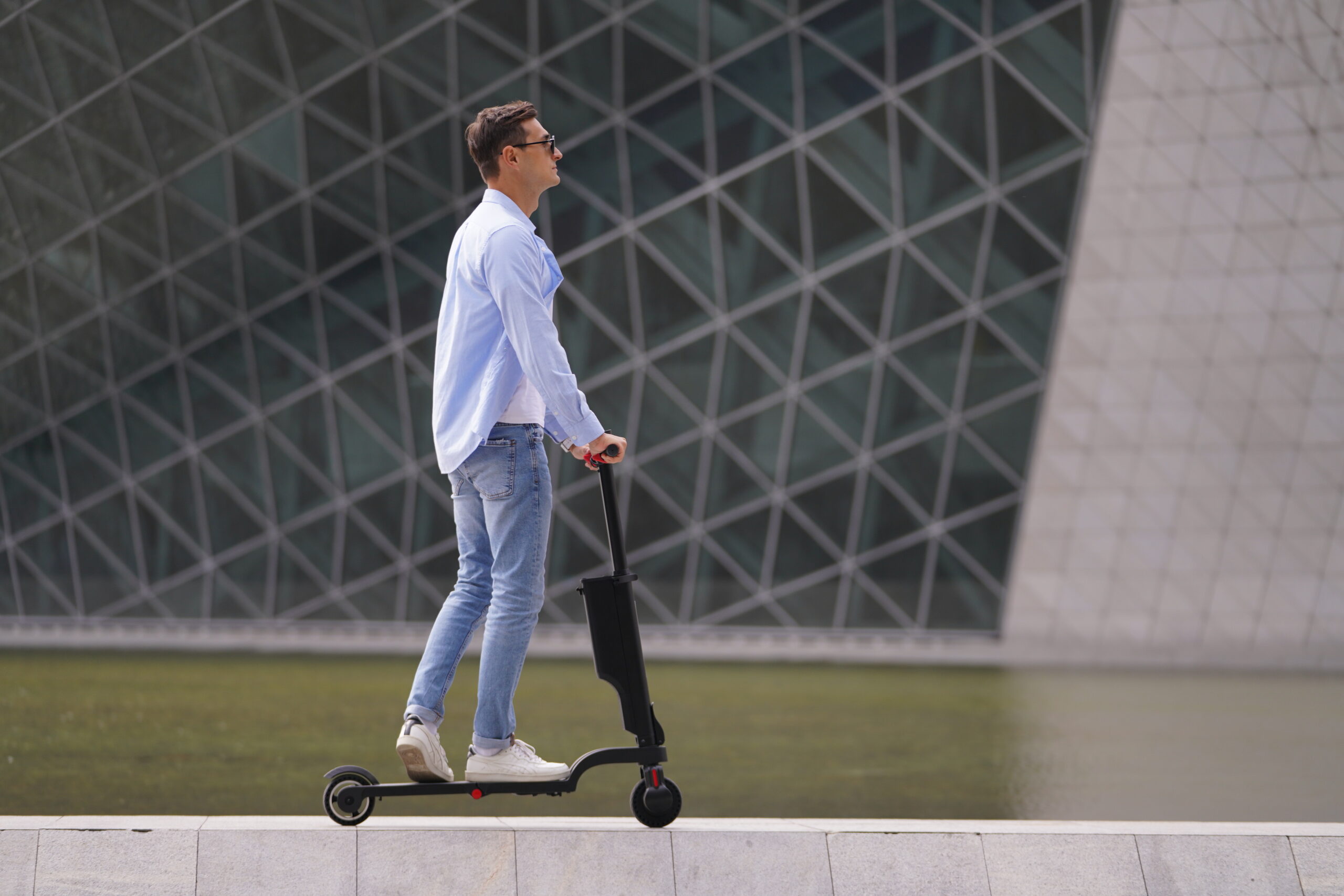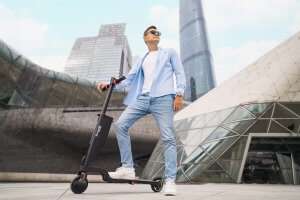

You ride your electric scooter to the mall, but what do you do when you get there? Can you bring it inside? This is a common question for scooter riders. The answer is not always simple. It depends on store policy, local laws, and safety rules.
Generally, personal electric scooters are not allowed to be ridden inside stores. Most retailers prohibit them due to safety and liability concerns. However, many stores will allow you to bring a folded scooter inside to carry. Scooters used as genuine mobility devices under the ADA may be permitted, but this does not apply to recreational scooters. Always check a store’s specific policy before entering with your scooter. The lightweight and foldable Dynamic Scooter Model B is easy to carry, making it a great choice for shopping trips.
Ready to learn the rules of the road for retail? Here’s everything you need to know.
1. Why Do Stores Have Rules About Electric Scooters?
Stores create rules about electric scooters primarily for safety. Retail environments are often crowded. They have narrow aisles filled with shoppers, carts, and displays. An electric scooter, even when ridden slowly, can pose a risk. It can be hard to maneuver in tight spaces. This increases the chance of collisions with people or merchandise.
Liability is another major reason. Here’s why it matters. If a customer is injured by an electric scooter in a store, the store could be held liable. This could lead to expensive lawsuits and insurance claims. To avoid this risk, most stores choose to ban the use of personal electric scooters. It is a simple way to protect themselves and their customers.
Space is also a factor. Electric scooters take up more space than a person walking. They can block aisles and create congestion. This can be frustrating for other shoppers. It can also be a hazard in an emergency. Stores need to keep aisles clear for everyone’s safety and convenience. A parked scooter can be a tripping hazard.
Finally, store policies are designed to create a consistent and predictable shopping experience. By setting clear rules, stores make sure that all customers are treated the same. This avoids confusion and conflict. While it may be an inconvenience for scooter riders, these rules are in place for the benefit of everyone in the store. It is all about creating a safe and pleasant environment.
| Reason for Rules | Impact on Store Environment |
| Customer Safety | Prevents collisions and injuries in crowded aisles. |
| Liability Concerns | Reduces the risk of lawsuits from scooter-related accidents. |
| Space Management | Keeps aisles clear and prevents congestion and tripping hazards. |
| Policy Consistency | Provides a fair and predictable experience for all shoppers. |

2. What Is the General Policy for Electric Scooters in Stores?
The general policy in most stores is that you cannot ride a personal electric scooter inside. This rule is nearly universal across major retailers, grocery stores, and shopping malls. The primary reason is the distinction between a personal electric scooter and a medical mobility device. Stores see personal scooters as recreational vehicles, not aids for disability.
It is important to understand the role of the Americans with Disabilities Act (ADA). The best part? The ADA requires stores to allow mobility devices used by people with disabilities. This includes wheelchairs and mobility scooters. However, the ADA does not automatically cover personal electric scooters. If you use your scooter as a genuine mobility aid due to a disability, you may have rights. But you may need to explain this to store management.
Private property rights are also key. A store is private property. The owner has the right to set rules for conduct on their premises. This includes banning electric scooters. As long as these rules do not discriminate against a protected class, they are legally enforceable. This is why you will see signs that say “No Skateboards, No Scooters.”
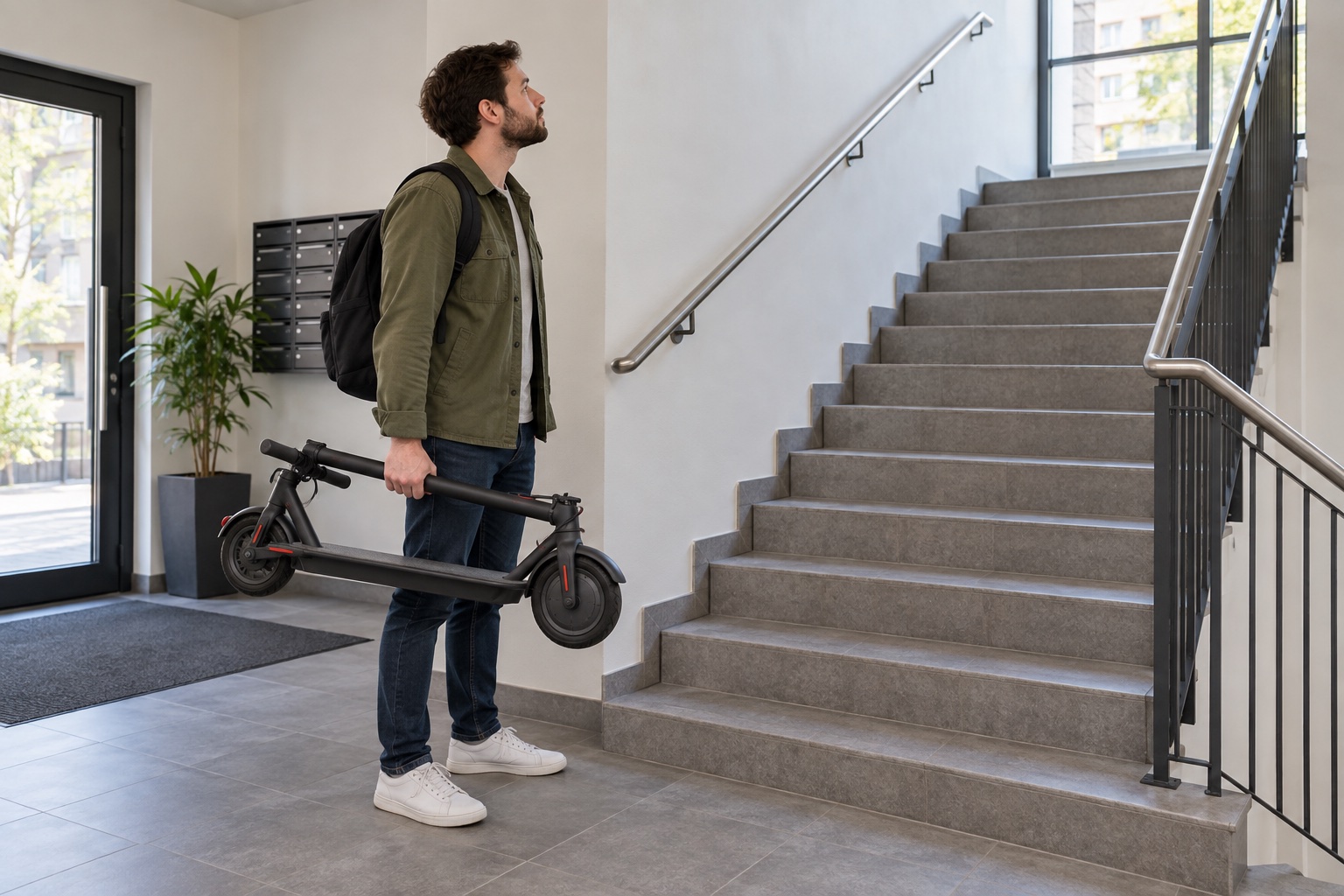
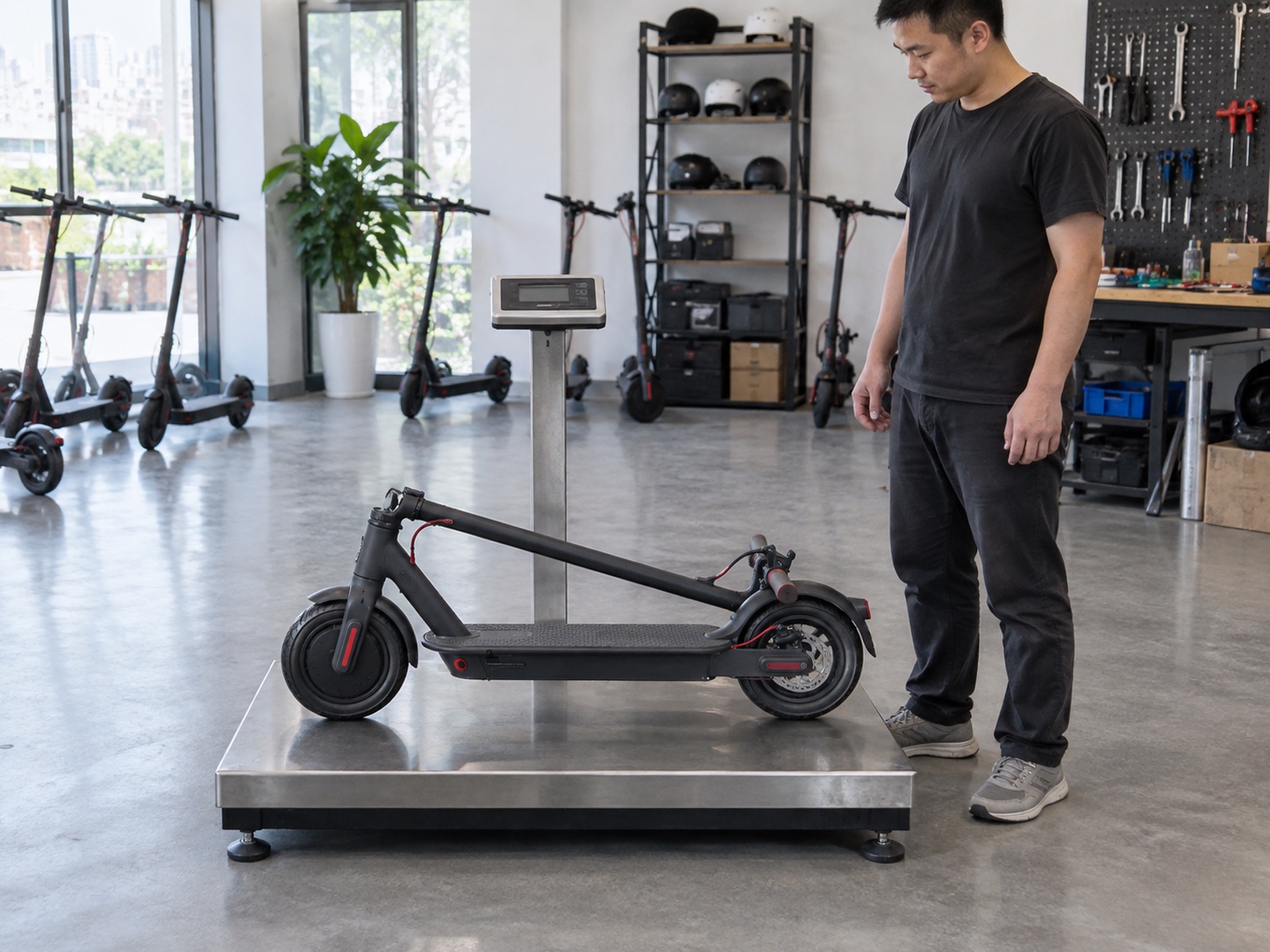
While you cannot ride your scooter, many stores will let you bring it inside if it is folded. A folded scooter is treated like a piece of luggage or a large shopping bag. You can carry it or place it in your shopping cart. This is often the best compromise. It allows you to keep your scooter safe while you shop. The lightweight Dynamic Scooter Model B is perfect for this, as it folds quickly and is easy to carry.
| Device Type | Typical Store Policy | ADA Consideration |
| Personal Electric Scooter | Riding is generally not allowed. | Not covered unless used as a primary mobility device. |
| Medical Mobility Scooter | Allowed for use by people with disabilities. | Protected under the ADA. |
| Folded Electric Scooter | Usually allowed to be carried or placed in a cart. | Treated as personal property, not a vehicle. |
3. Which Major Retailers Allow Electric Scooters Inside?
When it comes to specific store policies, there is some variation. However, most major retailers follow the same general rule: no riding inside. Let’s look at some of the biggest names. Walmart’s official policy does not permit riding personal electric scooters in their stores. They see it as a safety risk. They do, however, provide electric mobility carts for customers who need them.
Target has a similar policy. But here’s the thing. They do not allow the use of personal recreational vehicles in their stores. This includes electric scooters. Like Walmart, they are concerned about the safety of their guests and team members. You can, however, bring a folded scooter inside to carry. This is a common courtesy extended by most large retailers.
Grocery store chains like Kroger, Safeway, and Whole Foods also generally ban riding scooters inside. Their aisles are often narrower and more crowded than in a big-box store. The risk of collision is even higher. Again, carrying a folded scooter is usually fine. Some smaller, independent grocery stores might be more flexible, but you should always ask first.
Shopping malls are a bit different. The policy is set by the mall management, not the individual stores. Most malls in the U.S. do not allow riding scooters in the common areas. They are treated like skateboards or rollerblades. You will need to park your scooter outside or carry it. Some malls may have designated scooter parking areas near the entrances.
| Retailer/Venue | Policy on Riding Scooters | Policy on Carrying Folded Scooters |
| Walmart | Not allowed. | Generally allowed. |
| Target | Not allowed. | Generally allowed. |
| Grocery Stores | Not allowed. | Generally allowed. |
| Shopping Malls | Not allowed in common areas. | Generally allowed. |

4. What Are the Reasons Stores Ban Electric Scooters?
The reasons stores ban electric scooters all come back to creating a safe and orderly shopping environment. The primary concern is the safety of other customers. People, especially children and the elderly, can be unpredictable. A rider may not be able to stop in time to avoid a collision. The risk is simply too high for most retailers.
Speed and control are also major factors. Now, you might be wondering about your own skill. Even if you are a skilled rider, store staff have no way of knowing that. They must create a policy that works for everyone. An inexperienced rider could easily lose control. A scooter can reach speeds that are unsafe for an indoor environment. A simple slip can send a scooter careening into a display.
Damage to merchandise is another real concern. A collision with a display could cause hundreds or even thousands of dollars in damage. Aisle endcaps are often stacked high with fragile items. A scooter could easily knock one over. The cost of this potential damage is another reason stores choose to prohibit scooters.
Finally, there is the disruption to the overall shopping experience. The presence of electric scooters can make other shoppers feel unsafe or anxious. The noise and motion can be distracting. Stores want to create a calm and pleasant atmosphere. Electric scooters, in their view, can detract from that. It is a business decision based on managing risk and customer perception.
| Reason for Ban | Specific Risk to the Store |
| Safety Hazard | Risk of injury to customers and employees. |
| Lack of Control | Unpredictable speed and maneuverability in tight spaces. |
| Merchandise Damage | Potential for costly damage to products and displays. |
| Shopping Disruption | Creates anxiety and detracts from a calm shopping atmosphere. |
5. How Can You Find Out a Store’s Electric Scooter Policy?
Finding out a store’s policy on electric scooters before you go can save you a lot of hassle. The easiest way is to check the store’s official website. Many large retailers have a “Store Policy” or “FAQ” section. You can search for terms like “scooter” or “personal vehicles.” This is the most reliable source of information.
If you cannot find the information online, the next best step is to call the store directly. This is important because policies can sometimes vary by location. A store in a dense urban area might have a stricter policy than a suburban one. Ask to speak to a manager and explain your question clearly. They can give you the definitive answer for that specific store.
When you arrive at the store, look for posted signs. Most stores that ban scooters will have a sign near the entrance. This is part of their legal due diligence. The sign will often show a picture of a scooter with a red line through it. This is a clear indication that you cannot bring your scooter inside.
If you are still unsure, just ask. Find a store employee or a manager at the customer service desk. It is better to ask and be told no than to assume it is okay and be asked to leave. Being polite and respectful will go a long way. Most employees will appreciate you asking and will be happy to clarify the rules for you.
| Method | Pros | Cons |
| Check Website | Official, reliable information. | May not have details for specific locations. |
| Call the Store | Get a definitive answer for that location. | Can take time, may need to speak to a manager. |
| Look for Signs | Clear, immediate visual confirmation. | Signs may not always be present or easy to see. |
| Ask an Employee | Quick and direct. | Employee may not be sure of the official policy. |

6. What Are the Alternatives If Scooters Aren’t Allowed?
If you find out that a store does not allow electric scooters, you have several alternatives. The most common solution is to park your scooter outside. Look for a bike rack. Use a high-quality U-lock or chain lock to secure your scooter’s frame to the rack. If there is no bike rack, look for a sturdy pole or railing in a well-lit area.
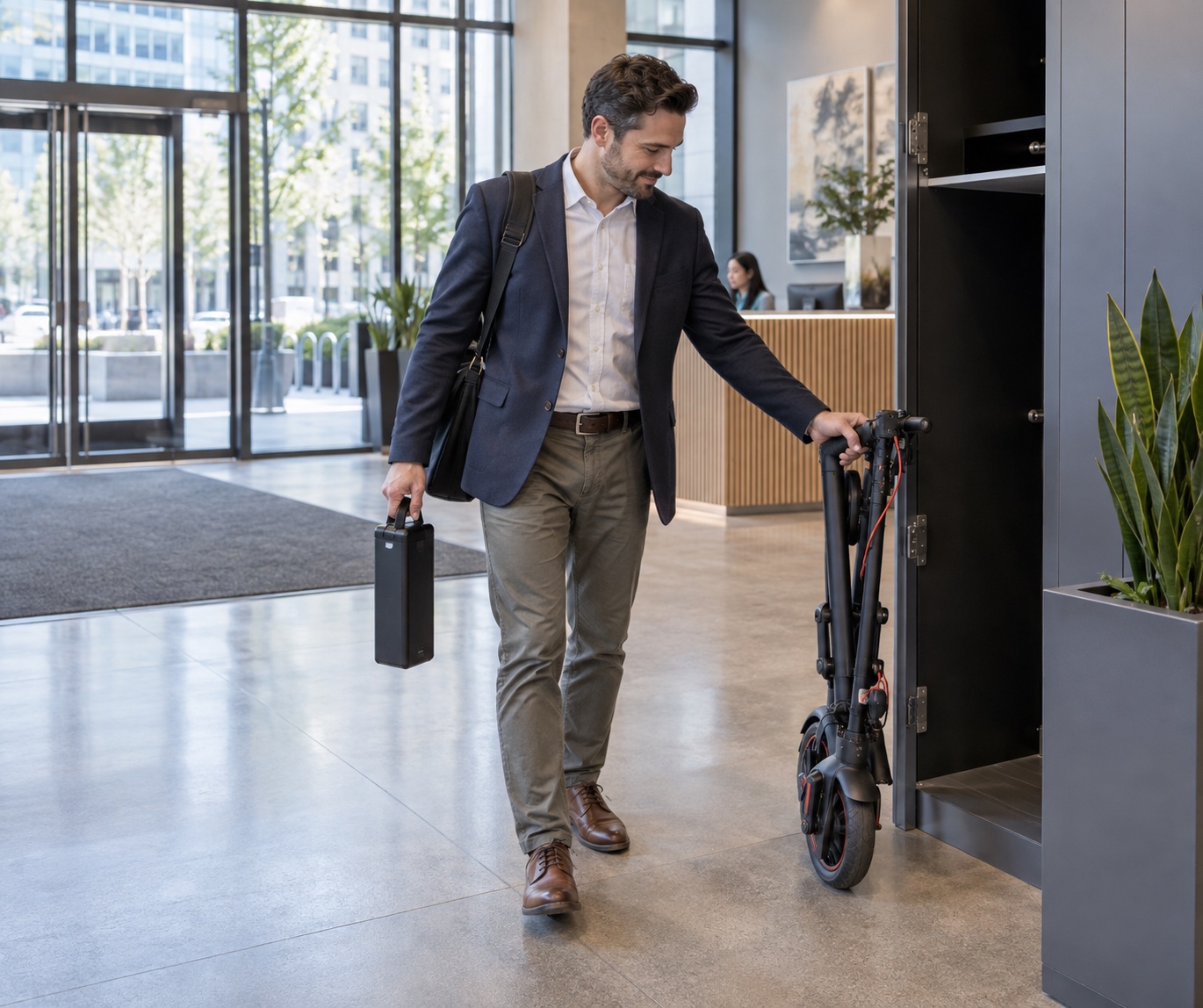
Another great option is to fold your scooter and bring it inside. Here’s the deal. Most modern electric scooters, like the Dynamic Scooter Model B, are designed to be portable. They fold down in seconds. You can then carry it or place it in your shopping cart. This keeps your scooter safe from theft and the elements. It is the most convenient option for many riders.
If you need assistance getting around the store, most large retailers and grocery stores provide electric mobility carts. These are available for free for any customer who needs one. They are usually located near the entrance. Do not be afraid to use one if you need it. That is what they are there for.
Finally, consider curbside pickup. This service became very popular in recent years. You can place your order online. Then, you ride your scooter to the store and park in a designated spot. An employee will bring your order out to you. It is a great way to shop without ever having to leave your scooter unattended.
| Alternative | Best For | Key Consideration |
| Park Outside | Quick trips, stores with bike racks. | Requires a high-quality lock. |
| Fold and Carry | Keeping your scooter safe and with you. | Requires a lightweight, portable scooter. |
| Use Store Cart | Shoppers who need mobility assistance. | Carts are free and readily available. |
| Curbside Pickup | Avoiding store entry altogether. | Requires online ordering in advance. |
7. What Should You Do If You Need Your Scooter for Mobility?
If you rely on your electric scooter as a mobility device due to a disability, the situation is different. The Americans with Disabilities Act (ADA) protects your right to access public places. This includes stores. The ADA requires businesses to make “reasonable modifications” to their policies to accommodate people with disabilities.
This means you may be allowed to use your electric scooter in a store, even if they have a policy against it. The bottom line? You should be prepared to communicate with store staff. When you enter, find a manager. Politely explain that you use your scooter as a mobility device. Explain that it is not for recreation. Most managers will be understanding and accommodate you.
It can be helpful to have documentation. While you are not required to show proof of your disability, having a doctor’s note can make the conversation easier. It can help educate the store manager about your needs. It is about communication, not confrontation. Your goal is to help them understand that your scooter is a necessary medical aid.
Remember that the store can still place some restrictions on your use. They can ask you to operate your scooter at a safe speed (walking pace). They can also prohibit use if your scooter is a direct threat to the safety of others. For example, if it is oversized or you cannot control it safely. In most cases, a standard electric scooter like the Dynamic Scooter Model B will be considered a reasonable accommodation.
| Action to Take | Why It Helps | Example |
| Communicate Clearly | Educates staff about your needs. | “I use this scooter as a mobility device due to a disability.” |
| Have Documentation | Provides support for your request. | A doctor’s note explaining your need for a mobility aid. |
| Operate Safely | Shows you are being responsible and respectful. | Drive at a walking pace and yield to pedestrians. |
| Request Accommodation | Formally invokes your rights under the ADA. | “I am requesting a reasonable accommodation to use my mobility device.” |

Conclusion
The rules about electric scooters in stores are mostly about safety and liability. While you generally cannot ride a personal scooter inside, most stores allow you to carry a folded one. If you use your scooter for mobility, you have rights under the ADA, but clear communication is key. The best approach is always to check the store’s policy in advance.
For riders who need a portable solution, the Dynamic Scooter Model B is an excellent choice. Its easy-to-fold design and lightweight frame make it the perfect companion for a day of shopping, giving you the freedom to ride and the flexibility to carry.

FAQ
Q1: Can I bring my electric scooter into Walmart?
Most Walmart stores do not allow personal electric scooters inside. They provide mobility scooters for customers who need assistance. Policies may vary by location. Always check with your local store first.
Q2: Are electric scooters considered mobility devices under ADA?
The ADA covers mobility devices for people with disabilities. Personal electric scooters used for recreation are not covered. If you use your scooter due to a medical condition, you may have protections. Documentation helps.
Q3: What happens if I ride my scooter in a store that bans them?
You may be asked to leave the store. Store staff can enforce their private property rules. Repeated violations could result in being banned. It is best to respect store policies.
Q4: Can I fold my electric scooter and carry it in a store?
Yes, most stores allow folded scooters to be carried. They are treated like shopping bags or strollers. Make sure it is fully folded and secure. This is the best option for many riders.
Q5: Where can I safely park my electric scooter outside a store?
Look for bike racks or designated parking areas. Use a good lock to secure your scooter. Park in a visible, well-lit area. Some stores have specific scooter parking zones. The Dynamic Scooter Model B is lightweight and easy to secure.