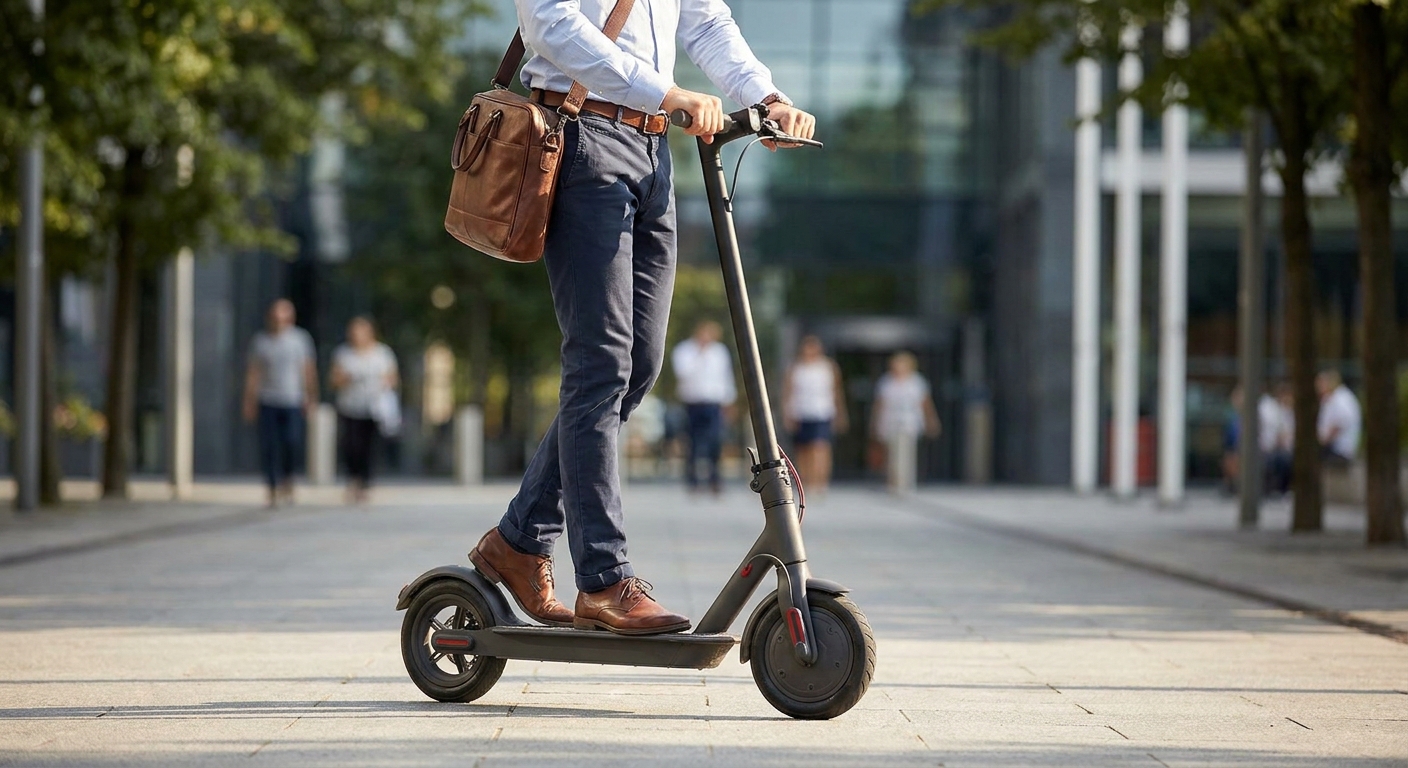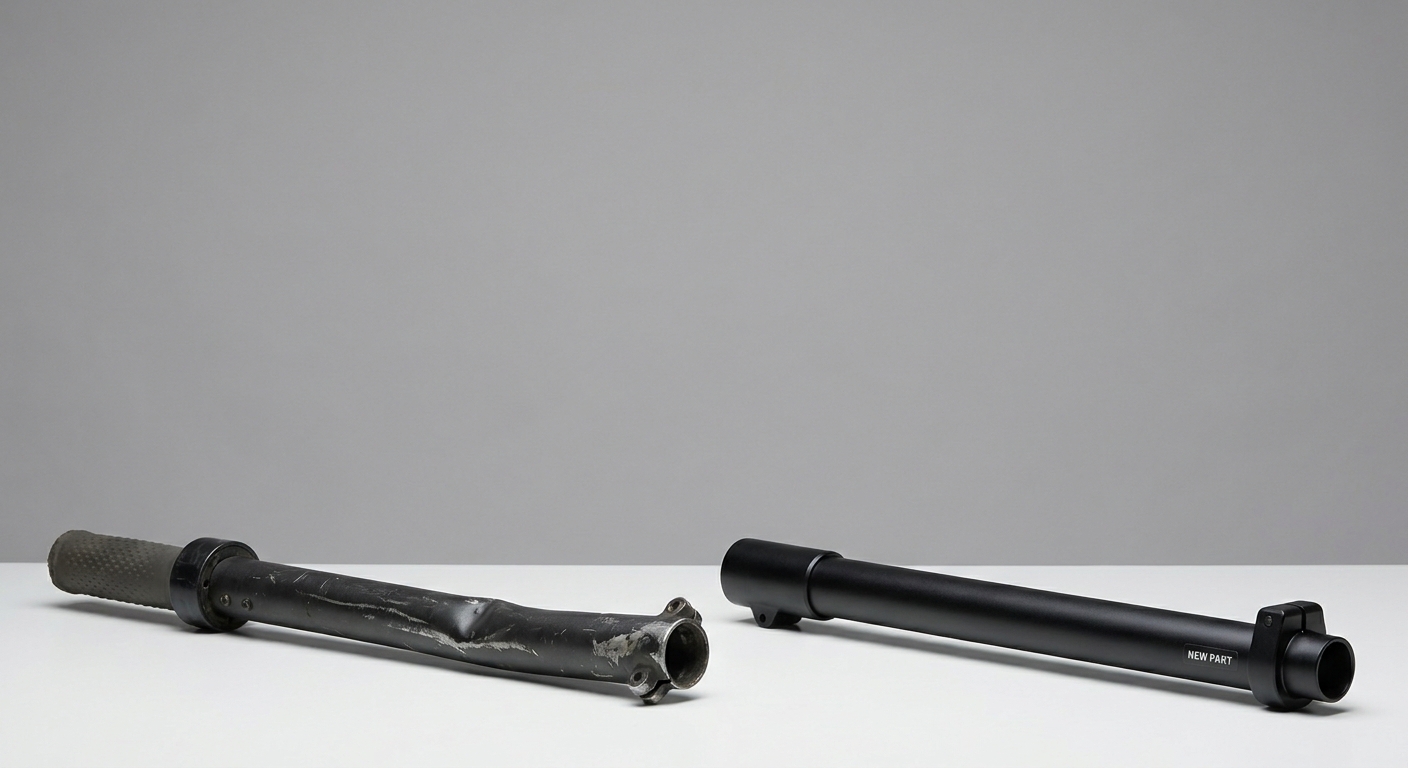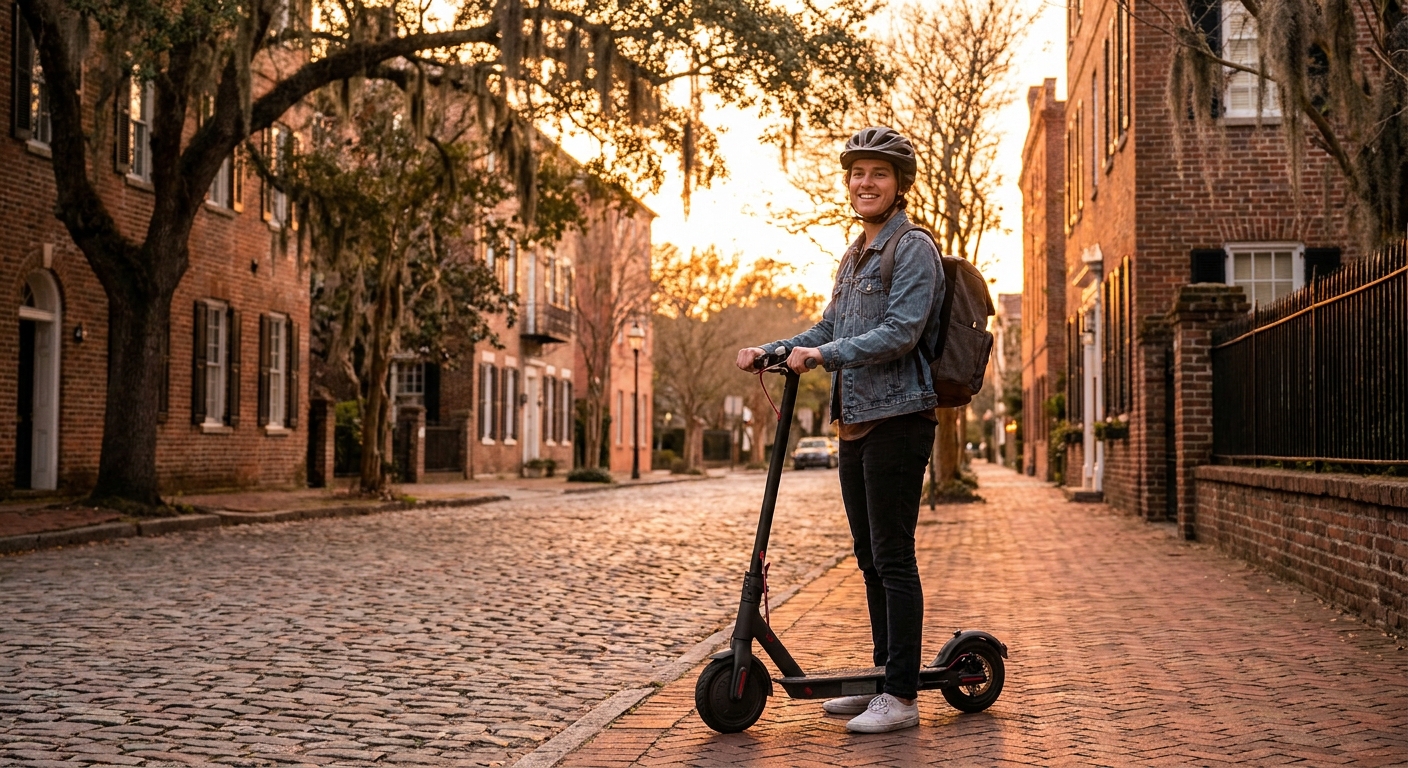

Choosing between a moped and an electric scooter ultimately comes down to whether you prioritize long-range seated cruising or ultra-portable, lane-filtering agility.
Picture your typical morning commute: you are trapped in a suffocating gridlock of steel and exhaust, watching the minutes tick away while your stress levels skyrocket. The endless search for a parking spot that drains your wallet, the volatile gas prices, and the sheer frustration of a crawling bumper-to-bumper crawl turn your daily transit into an expensive, exhausting chore. Fortunately, there is a better way to reclaim your time, energy, and freedom.
Modern commuters are bypassing these highway headaches by switching to mopeds and electric scooters to transform their daily grind into a swift, exhilarating sprint. Let’s take a close look at how these two micro-mobility powerhouses compare so you can choose your perfect urban companion.
Why buy mopeds and electric scooters?
You should buy mopeds and electric scooters if you want to bypass exhausting traffic jams, slash your daily commuting costs, and enjoy a faster, more flexible journey through the city. Choosing between these two modes of transport represents a major lifestyle decision that determines how seamlessly your ride integrates into your daily workspace and personal routine.
While both vehicles escape traditional gridlock, they offer completely different approaches to personal freedom and style. Understanding their distinct mechanical and legal profiles is the first step toward reclaiming your time and upgrading your daily mobility.
Are you ready to upgrade your morning grind?
Let’s face it: time is your most valuable commodity. Sitting passively in a gridlocked sedan drains your mental energy long before you step into your first meeting of the day.
Switching to personal micro-mobility turns your daily commute from a stressful tax into an active, focus-boosting morning routine. You gain predictable travel times, direct point-to-point routing, and a refreshing burst of morning energy.
- Zero Parking Stress: Roll past expensive downtown parking garages and tuck your ride away safely.
- Lowered Daily Anxiety: Arrive at the office with elevated energy levels instead of traffic-induced fatigue.
- Complete Autonomy: Escape rigid train timetables and crowded municipal bus routes.
Key Takeaway: Reclaiming your personal schedule begins with choosing an agile, active vehicle that fits your spatial needs and gives you direct control over your door-to-desk timeline.
How fast are mopeds and electric scooters?
Traditional mopeds generally achieve higher maximum speeds on open roads, while electric scooters deliver quicker instantaneous acceleration for navigating tight, stop-and-go urban gridlock. The velocity profile of modern mopeds and electric scooters is shaped heavily by their distinct engine and motor designs.
Evaluating these performance characteristics ensures you pick a ride that keeps up with your local traffic flow. Choosing the right speed profile depends entirely on the speed limits and density of your standard route.

What is the true top speed of a modern moped?
Here is the thing: raw speed on paper doesn’t always translate to a faster urban commute. Gas-powered and high-wattage electric mopeds easily sustain speeds between 30 mph and 35 mph, which lets you merge comfortably onto multi-lane suburban avenues.
However, because of their wider frames, you are still restricted to sharing standard vehicle lanes with large, distracted drivers. This keeps you bound to the flow of traditional traffic lanes.
- Suburban Lane Cohesion: Fast enough to ride safely in the right lane of most local avenues.
- Steady Top End: Maintain 30+ mph easily over multi-mile stretches.
- Engine Lag: Gas models can experience slight delays in power delivery off the line.
Can high-end electric scooters keep pace?
Think about it: how often do you actually hit top speed in bumper-to-bumper city traffic? Premium electric scooters are engineered with high-torque brushless motors that launch you from 0 to 15 mph almost instantly.
While software governors often cap top speeds to 15–20 mph for bike path compliance, high-performance models can unlock speeds up to 32 mph on private paths. This rapid power delivery gives you immediate tactical agility at busy intersections.
- Instant Torque: Direct electric drives propel you ahead of static traffic immediately.
- Agile Maneuvering: Quick direction changes make dodging potholes and unexpected obstacles effortless.
- Adaptive Speed Modes: Easily toggle between eco-friendly lane speeds and maximum performance settings.
Key Takeaway: While mopeds boast a slightly higher maximum velocity on open suburban corridors, electric scooters offer superior tactical speed in crowded downtown centers, using immediate electric torque to effortlessly carve through bottlenecks.
| Speed Performance Metric | Traditional 50cc Mopeds | Premium Electric Scooters |
|---|---|---|
| Top Speed Range | 30 – 35 MPH | 15 – 32 MPH (Model-Dependent) |
| Acceleration (0-15 MPH) | Moderate (Engine lag) | Instant (Brushless Motor Torque) |
| Congestion Performance | Sub-optimal (Trapped in traffic lanes) | Exceptional (Bypasses gridlock via bike lanes) |
Let us now look at how the physical weight of these two platforms impacts your daily storage and transport options.
Who wins on mopeds and electric scooters weight?
High-performance electric scooters win the weight and portability battle by a landslide, offering a lightweight, foldable build that you can easily carry indoors. Comparing the physical footprints of modern mopeds and electric scooters reveals how drastically their weights affect your storage, lifting, and parking routines.
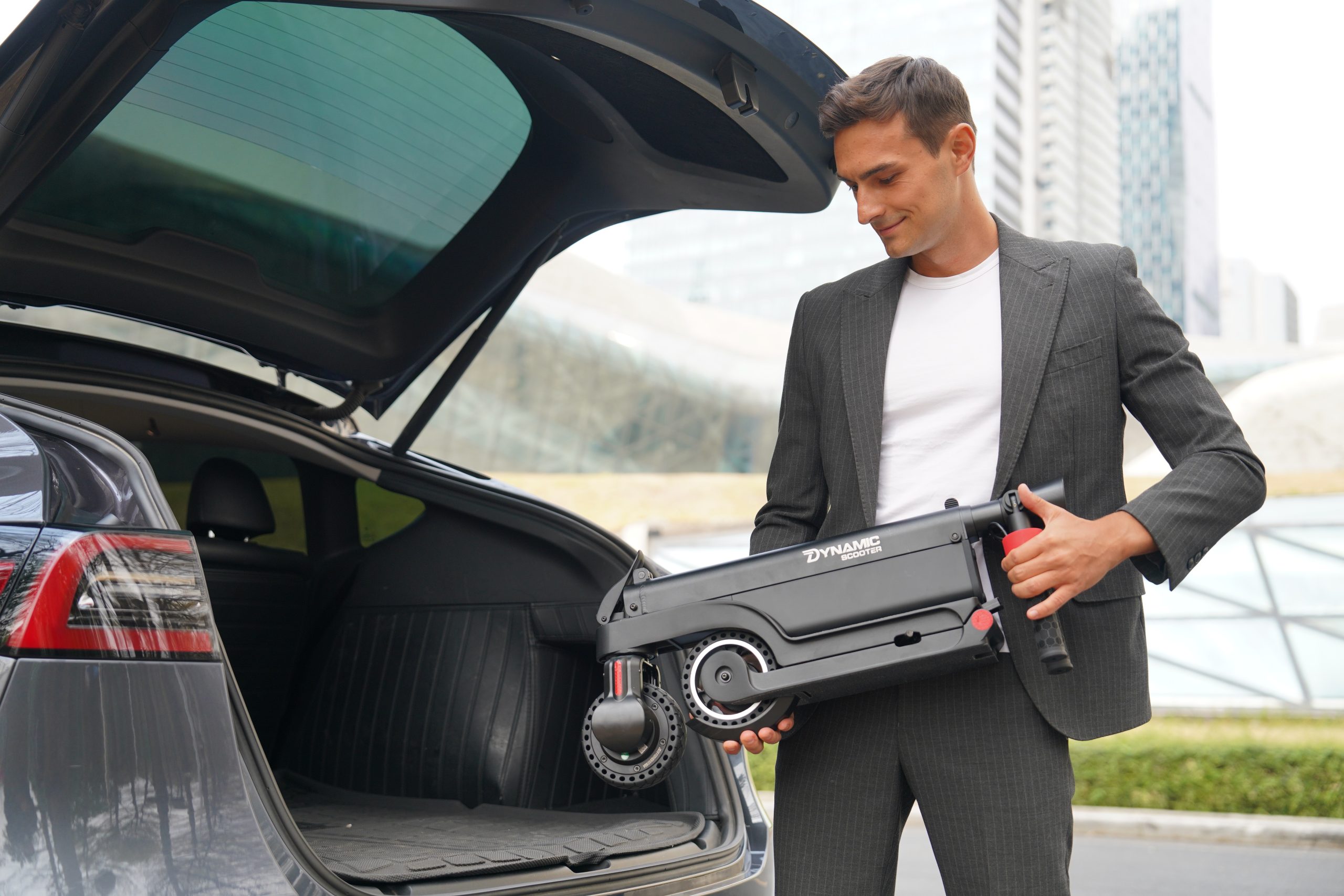
While one vehicle can be folded in seconds and stored under your office desk, the other behaves like a heavy motorcycle. Your residential layout and office setup will largely dictate which of these physical profiles fits your lifestyle.
How much heavy lifting are you willing to do?
Let’s face it: hauling a heavy vehicle up a flight of stairs is nobody’s idea of fun. Standard mopeds weigh between 150 and 250 pounds due to their steel frames and fuel systems, requiring a solid kickstand and dedicated ground-floor storage.
This weight makes it physically demanding to navigate tight spots. It also locks you out of most indoor storage options entirely.
- Zero Indoor Access: Forbidden in elevators, residential corridors, and high-rise office suites.
- Street Vulnerability: Must be left parked on the curb overnight, exposing it to bad weather and theft.
- Physical Demands: Requires significant physical effort to maneuver over high curbs or tight parking spots.
Is portability the ultimate commuter cheat code?
The best part? Foldable electric scooters present a completely hassle-free relationship with your living and working spaces.
Weighing only 35 to 55 pounds, they are crafted from aerospace-grade aluminum, allowing you to effortlessly carry them anywhere. They represent peak portable freedom for the modern professional.
- Three-Second Folding: The steering stem collapses quickly to lock the vehicle into a compact, hand-carriable package.
- Multi-Modal Master: Fits easily into the trunk of a rideshare or the luggage rack of a commuter train.
- Safe Indoor Storage: Keep your investment secure from thieves and rain by sliding it right under your desk.
Key Takeaway: If you live in an upper-floor apartment or lack a secure garage, the lightweight, foldable design of an electric scooter is a crucial, daily game-changer.
| Weight & Footprint Metric | Traditional Mopeds | Foldable Electric Scooters |
|---|---|---|
| Average Weight | 150 – 250 lbs | 30 – 65 lbs |
| Folding Capability | None | Yes (Quick-Release Steer Tube) |
| Indoor Storage Suitability | Non-existent (Must park curbside) | Outstanding (Fits under desk, in closet) |
With the physical footprint established, let’s examine how these two options compare when it comes to riding comfort and seating posture.
Do mopeds and electric scooters have seats?
Traditional mopeds come standard with permanently integrated seats for a relaxed, motorcycle-style ride, whereas electric scooters typically feature a stand-up deck designed for active, athletic riding postures. The choice of riding position on mopeds and electric scooters fundamentally shapes your comfort, road visibility, and physical engagement during your daily commute.
Each approach has unique ergonomic benefits that affect how you feel after a long journey across the city. Finding your ideal stance is key to staying refreshed and energized on the road.
Why do traditional mopeds offer built-in seats?
But wait, there’s more: a seated ride does more than just rest your legs. Mopeds feature wide, cushioned benches paired with dual rear shocks, keeping you comfortable on commutes exceeding 45 minutes.
This motorcycle-adjacent setup provides passive relaxation for long-distance trips. It is highly effective at reducing physical fatigue over extended suburban miles.
- Plush Cushioned Seating: Built for prolonged sitting on paved city streets.
- Fixed Posture: Keeps your feet on pegs and hands forward, reducing leg fatigue.
- Passive Shock Absorption: Relies entirely on the vehicle’s mechanical suspension to handle bumps.
Can you enjoy comfort on a stand-up deck?
Here is the real kicker: standing up actually turns your body into an active suspension system. By bending your knees slightly, you can absorb road vibrations far better than when sitting down.
Plus, standing elevates your eye-level, making it much easier to spot road hazards and stay visible to SUV drivers. This active stance engages your core and keeps you fully alert throughout your journey.
- Active Core Engagement: Standing naturally aligns your spine and keeps your core active.
- Elevated Line of Sight: Spot traffic patterns over the tops of standard passenger cars.
- Modular Comfort Options: High-end models often offer detachable seat accessories for maximum versatility.
Key Takeaway: Mopeds deliver superior passive comfort for long, highway-style cruising, while electric scooters offer an active, athletic stance that maximizes your road awareness and core engagement.
| Comfort & Posture Metric | Traditional Mopeds | Premium Electric Scooters |
|---|---|---|
| Primary Riding Stance | Seated (Fixed Bench) | Standing (Active Deck) |
| Vibration Absorption | Mechanical shocks only | Legs/Knees + Advanced Suspension |
| Rider Eye-Level | Lower (Passenger car level) | Elevated (Standing tall, high visibility) |
Next, let’s explore how safety systems and braking technologies compare to keep you protected on busy urban streets.
Are mopeds and electric scooters safe to ride?
Both mopeds and electric scooters are highly safe to ride when equipped with responsive braking systems, high-intensity LED light packages, and proper defensive riding habits. Designing safety directly into the vehicle’s frame is a core engineering priority for modern manufacturers of mopeds and electric scooters.
When sharing crowded roads with heavy cars, having strong stopping power and high visibility is absolutely non-negotiable. Let us break down the active safety features that protect you during your daily travels.

How visible are you on a packed multi-lane road?
Make no mistake: staying visible is your best defense against distracted drivers. Traditional mopeds have a wider physical presence on the road, which helps vehicles spot you from behind.
However, their lower seated position can sometimes tuck you into the blind spots of larger vehicles. Standing tall on a deck helps solve this issue by elevating your head above standard rooflines.
- Wide Physical Profile: Makes the vehicle easier to spot from directly behind.
- Static Seated Eye-Line: Keeps your head lower, sometimes blocking your view of upcoming traffic patterns.
- Headlight Dependency: Older gas models can experience dimming lights when idling at intersections.
What active safety tech should you look for?
Truth be told: modern technology has revolutionized electric vehicle safety. High-end electric scooters are packed with advanced electronic braking, always-on LED lighting, and self-healing tires.
These features work together to prevent accidents before they happen. They give you complete confidence when riding on wet or uneven asphalt.
- Regenerative Braking: Electronic braking works seamlessly alongside physical discs for smooth, controlled stops.
- Always-On LED Lights: Ultra-bright lights on the handlebars and deck ensure you stay highly visible at all times.
- Self-Healing Pneumatic Tires: Internal sealant gel automatically seals punctures to prevent sudden tire blowouts.
Key Takeaway: Mopeds rely on their physical size for road presence, but premium electric scooters utilize modern, active safety tech and a tall standing posture to keep you out of harm’s way.
| Safety Element | Traditional Mopeds | High-Performance E-Scooters |
|---|---|---|
| Braking Mechanism | Cable-actuated Drum/Disc brakes | Electronic Regenerative + Dual Disc Brakes |
| Tire Protection | Standard tubed tires (Puncture prone) | Tubeless, Self-healing pneumatic tires |
| Weight-Based Inertia | High inertia (Longer stopping distances) | Low inertia (Nearly instantaneous stopping) |
Now that we have covered safety, let’s demystify the legal rules and licenses needed to ride these vehicles.
What laws govern mopeds and electric scooters?
Electric scooters enjoy far more relaxed legal rules than mopeds, allowing you to ride immediately without a driver’s license, vehicle registration, or liability insurance in most areas. The regulatory framework surrounding mopeds and electric scooters varies significantly depending on your local jurisdiction and the vehicle’s top speed.
Bypassing unnecessary paperwork and fees can save you a massive amount of time and administrative hassle. This makes your transition to micro-mobility incredibly straightforward.

Do you need a license, registration, or insurance?
Let’s be honest: nobody likes dealing with the DMV. Traditional mopeds are treated similarly to small motorcycles in most states, which triggers several strict legal requirements before you can even touch the road.
These legal processes demand both your time and financial resources on a recurring basis. Bypassing this red tape is a major benefit of electric micro-mobility.
- Mandatory DMV Registration: Requires a physical license plate and annual registration fees.
- Driver’s License Requirements: Requires a valid driver’s license or a specialized moped endorsement.
- Monthly Insurance Premiums: Ongoing liability insurance is mandatory to ride legally on public streets.
Are you allowed on bike paths and sidewalks?
On the flip side: electric scooters offer unmatched, barrier-free access to your city’s infrastructure. They are legally classified as personal mobility devices, which lets you bypass the DMV and ride on a much wider variety of paths.
This regulatory exemption makes them incredibly easy to integrate into your daily life. You can simply charge up and ride without any ongoing administrative costs.
- No DMV Overhead: Absolutely zero requirements for licensing, plates, or insurance.
- Bike Lane Access: Legally utilize dedicated bike lanes and multi-use paths to skip car traffic.
- Lowered Age Limits: Broad legal access for teens and adults without complex testing requirements.
Key Takeaway: Electric scooters provide a friction-free legal experience, letting you skip licensing and insurance and giving you direct access to traffic-free bike paths.
| Legal Dimension | Traditional 50cc Mopeds | Standard Electric Scooters |
|---|---|---|
| DMV Registration | Mandatory in almost all states | Exempt (Treated as micromobility) |
| Insurance Requirements | Yes (Liability insurance required) | None |
| Infrastructure Access | Roadways only (Banned from bike lanes) | Roads, Bike Lanes, Multi-use paths |
Next, let’s look at the financial side of ownership to see which option is lighter on your wallet.
Which cost less: mopeds and electric scooters?
Electric scooters cost significantly less than mopeds, saving you thousands of dollars in both upfront purchase prices and ongoing maintenance expenses. Calculating the total cost of ownership for mopeds and electric scooters is key to making a smart financial decision for your daily budget.
From purchase price to daily fuel costs, the financial footprints of these two vehicles are vastly different. Let us dive into the numbers to see how quickly your investment can pay for itself.

What is the true upfront and maintenance cost?
Run the numbers: a high-quality moped represents a substantial financial commitment right off the bat. Upfront prices usually start around $2,500 and can easily climb past $4,000 for top-tier electric models.
In contrast, premium commuter scooters provide elite reliability for a fraction of that cost. This lower barrier to entry makes them highly accessible for daily professionals.
- High Initial Capital: Requires a significant upfront investment.
- Complex Fuel Needs: Gas models require regular trips to the gas station and ongoing fuel costs.
- Specialized Maintenance: Requires engine tune-ups, oil changes, and belt replacements at professional shops.
How fast will your transit choice pay off?
The numbers don’t lie: electric scooters offer an unbeatable financial return on investment. With no gas to buy and almost zero mechanical parts to maintain, you can commute for just pennies a day.
In fact, most owners offset their entire purchase cost in just a few months of avoiding public transit and rideshares. It represents one of the smartest financial upgrades you can make.
- Pennies per Charge: Recharging your battery costs less than fifteen cents of electricity.
- Zero Complex Servicing: No oil, spark plugs, or carburetors to maintain or replace.
- Fast Financial Payback: Rapidly offsets parking fees, toll costs, and rideshare fares.
Key Takeaway: Electric scooters are the clear financial winner, offering a low entry price, negligible running costs, and rapid payback times.
| Financial Factor | Traditional 50cc Mopeds | Premium Electric Scooters |
|---|---|---|
| Upfront Purchase Cost | $2,000 – $4,500 | $600 – $1,500 |
| Fuel / Operating Cost | $15 – $30 per month (Gasoline) | ~$1 per month (Electricity) |
| Annual Maintenance | $200 – $500 (Belts, oil, filters) | <$50 (Tire wear, brake pads) |
Let us now look at the environmental impact of these two travel options to see which is greener.
How green are mopeds and electric scooters?
Electric scooters are the greenest choice available, operating completely emission-free with incredible battery efficiency that leaves a virtually zero carbon footprint. Comparing the environmental impact of mopeds and electric scooters is crucial for modern riders who want to reduce their daily carbon footprint and support clean, sustainable city transit.
Let us take a close look at how their power sources affect the air and noise quality of your local community. Choosing a cleaner ride is a direct investment in your city’s sustainable future.
Are gas-powered options polluting your local city?
Let’s face it: gas engines produce unavoidable tailpipe emissions, no matter how small they are. Standard 50cc mopeds release carbon monoxide and unburnt hydrocarbons directly into city streets.
These pollutants directly degrade the air quality of dense metropolitan areas. Even electric mopeds require substantially larger battery cells, increasing their manufacturing footprint.
- Direct Tailpipe Emissions: Contributes directly to localized air pollution in dense urban neighborhoods.
- Noise Pollution: High-pitched engine sounds can disrupt quiet residential streets.
- Fluid Leak Risks: Potential for engine oil and gasoline leaks on public roads and driveways.
Why is the battery efficiency comparison vital?
Here is the real win: electric models convert nearly all of their stored energy directly into forward motion. High-grade lithium-ion batteries and silent brushless motors produce zero emissions and operate in complete, peaceful silence.
This structural efficiency makes battery power the premier option for ecological commuters. You save money while actively reducing urban pollution.
- Absolute Zero Emissions: Zero localized pollutants are released into your city’s air.
- Silent Operation: Whisper-quiet motors help reduce urban noise pollution.
- High Grid Efficiency: Maximizes every single watt of electrical energy taken from the power grid.
Key Takeaway: Electric scooters deliver clean, silent, and highly efficient transport that protects our planet while keeping our neighborhood streets peaceful.
| Ecological Indicator | Traditional Gas Mopeds | Electric Scooters |
|---|---|---|
| Tailpipe Emissions | Yes (Carbon monoxide, hydrocarbons) | Absolute Zero |
| Acoustic Signature | Loud (50cc single-cylinder engine) | Silent (Whisper-quiet brushless hub motors) |
| Operating Efficiency | Low (Internal combustion thermal waste) | High (90%+ direct electrical energy conversion) |
With the ecological impacts clear, let’s explore where you can actually ride these vehicles on your daily routes.
Where can you ride mopeds and electric scooters?
Electric scooters offer unmatched routing freedom, letting you ride on secondary roads, dedicated bike paths, and multi-use trails, whereas mopeds are strictly restricted to public roadways. Choosing between mopeds and electric scooters dictates how easily you can navigate narrow lanes, avoid traffic bottlenecks, and customize your daily commute.
We want you to feel completely confident in your choice, which is why reviewing our customer-friendly policy ensures a seamless shopping experience. Route flexibility is often the deciding factor in how much time you save on your commute.

How do they handle tight traffic and back alleys?
But wait, there’s more: being restricted to car lanes can severely limit your routing options. Since mopeds are legally classified as motor vehicles, they must stay in standard vehicle lanes.
This restriction keeps you stuck behind slow-moving cars with no easy way to escape. You are fully bound to standard traffic queues and delays.
- Roadway Confined: Completely prohibited from using bike lanes, parks, and pedestrian zones.
- No Multi-Modal Backups: Cannot be carried onto trains or buses if the weather turns bad.
- Rigid Routes: Must follow standard traffic patterns with no options for shortcuts.
What is the range limit for your daily commute?
Think about it: how much faster could you get to work if you could take a shortcut through a park or hop into a bike lane? Electric scooters offer unparalleled route flexibility.
They let you transition seamlessly between roads and bike paths to bypass bottlenecks. This dual-environment capability ensures you always find the fastest, most enjoyable path.
- Dual-Environment Riding: Ride smoothly on secondary streets or switch instantly to dedicated bike lanes.
- Seamless Transit Hops: Easily fold your ride to hop onto a subway, bus, or train.
- Direct Point-to-Point routing: Walk your scooter through pedestrian plazas to reach your destination directly.
Key Takeaway: Electric scooters give you unmatched routing flexibility, letting you switch between roads and bike lanes to find the fastest path.
| Routing Variable | Traditional 50cc Mopeds | Premium Electric Scooters |
|---|---|---|
| Dedicated Bike Lanes | Strictly prohibited | Highly permitted / standard use case |
| Parkways & Cut-Throughs | Banned | Permitted (at safe, pedestrian-friendly speeds) |
| Multi-Modal Integration | Impossible | Seamless (Easily fits in car trunks and trains) |
Let us now look at the most frequently asked questions from commuters to clear up any final doubts.
FAQ
Can I ride an electric scooter on the sidewalk if the road gets busy?
No, in most North American cities, riding motorized electric vehicles on sidewalks is illegal to protect pedestrians. You should stick to dedicated bike lanes or local roads for a safe, legal commute.
What’s the best way to prevent my commuter ride from being stolen?
The ultimate security measure is simply folding your electric scooter and bringing it indoors with you. If you must lock it outside, use a high-security U-lock combined with a disc lock or a GPS tracker.
Can I carry a passenger on these vehicles?
Mopeds are physically built to handle passengers, but standard electric scooters are strictly designed for single riders. Carrying a passenger on a standing scooter can affect your balance and make riding unsafe.
What’s the best battery size for a long-distance daily commute?
Look for a lithium-ion battery with a rating of at least 48V and 15Ah. This setup ensures you can cover 30+ miles on a single charge without experiencing power drops.
Can I legally ride my electric scooter in the rain?
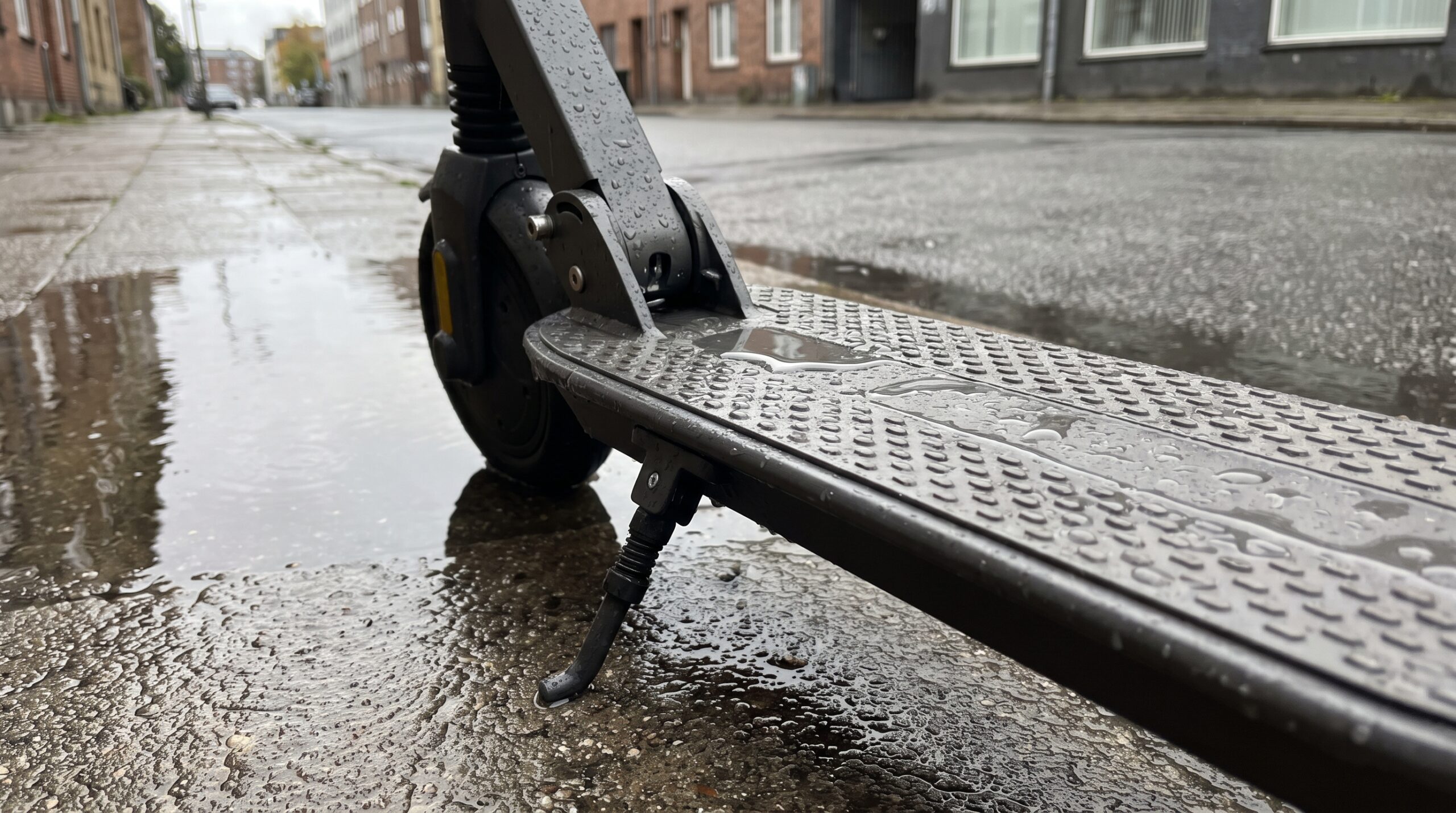
Yes, most premium electric scooters feature high IP water-resistance ratings to handle light rain and road splashes. However, you should always avoid deep puddles to protect the internal electronic systems.
Conclusion
By transitioning away from stressful traffic delays, costly fuel charges, and the daily frustration of finding parking, you reclaim complete control over your city schedule. Dynamic Scooter is here to elevate your urban journey with premium micro-mobility vehicles that deliver exceptional high performance, lightweight portability, and advanced safety features.
Our brand’s vision is to build a cleaner, quieter, and more efficient metropolitan world where your daily travel becomes the best part of your day rather than a stressful tax on your time. To explore our high-end electric lineup and find your perfect commuter partner, contact us today and let our expert team guide you to a smarter way to ride.