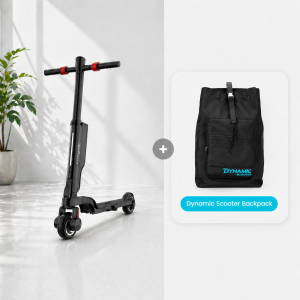

Electric scooter tire sealant can reduce flats from small tread punctures when its formula matches an approved pneumatic tire or inner tube. Finding a soft tire before work can leave you walking beside a scooter you expected to ride. The right sealant may close a small tread puncture; the wrong bottle can leave you with the same leaking tire. Check the tire construction, product instructions and source of any leak before adding liquid.
1. What does electric scooter tire sealant do?
Electric scooter tire sealant helps close certain small punctures from inside an air-filled tire or tube. It works within the limits of its formula and the condition of the tire.
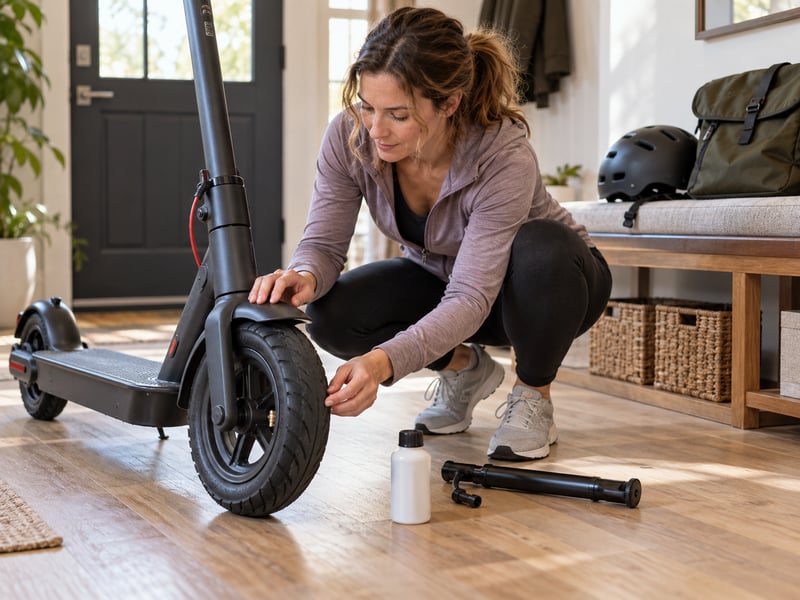
How does the liquid reach a puncture?
As a wheel turns, sealant moves around its interior. For particle-based products, escaping air carries material toward a puncture, where it can build a plug. Slime describes this mechanism in its tire and tube sealant information.
The liquid goes inside the tube on a tube-type wheel and inside the tire cavity on an approved tubeless wheel. Brushing it across the outside of a tire does not follow that installation method. A bottle of preventive sealant also serves a different purpose from an emergency inflation product, so read the exact product name before use.
What result should you expect?
Treat puncture-size claims as limits for that formula rather than promises for every scooter. After an eligible puncture seals:
- Inspect the tire for other damage.
- Check that it maintains the specified pressure.
- Follow the product’s repair and service instructions.
| Sealant may help with | Sealant cannot establish |
|---|---|
| An eligible small tread puncture | Whether a damaged tire remains fit for use |
| Certain leaks listed by its manufacturer | Whether wheel components are correctly fitted |
2. Which scooter tires can use sealant?
Only pneumatic tires or tubes approved for the chosen sealant should receive it; solid tires do not need it. Confirm the construction before buying supplies.
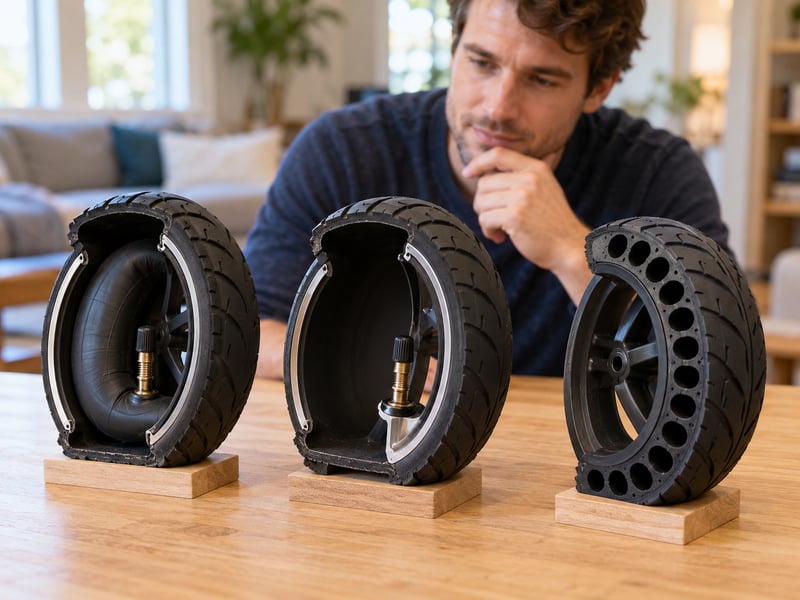
Can you identify the air chamber?
Your manual or replacement-part specification should identify whether the wheel uses an inner tube, a tubeless tire or a solid tire. An inflation valve shows that a wheel holds air, but that clue alone does not identify every component inside it.
Our solid versus pneumatic scooter tire guide explains the broader construction choices. For sealant selection, you need the exact tire type rather than a general description such as “rubber wheels.”
Does a self-sealing tire need more liquid?
A “self-sealing” description calls for checking the scooter maker’s instructions before adding anything. Find out what protection is already fitted and whether another product is permitted. Ask support if the manual leaves that unclear.
For a used scooter, check what the previous owner added:
- Request the bottle name or service record.
- Avoid identifying an unknown liquid by color.
- Record the product before a future refill.
| Construction | Where approved sealant goes |
|---|---|
| Tire with an inner tube | Inside the tube |
| Tubeless pneumatic tire | Inside the tire cavity |
| Solid or honeycomb solid tire | No sealant application |
3. How do you choose electric scooter tire sealant?
Choose a formula that matches the tire system, permitted application and maintenance instructions. Read the application details even if you have used the brand before.
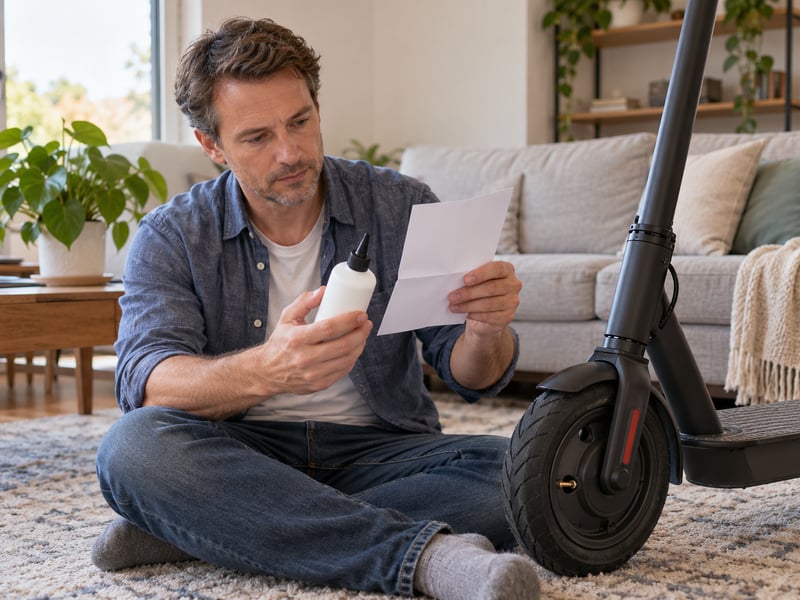
What must the manufacturer approve?
Check compatibility with the tire or tube, rim and any existing sealing treatment. Tube and tubeless formulas are not automatically interchangeable. For example, Muc-Off’s tubeless sealant instructions direct users toward a separate inner-tube product for non-tubeless setups.
Before choosing a bottle, confirm these details:
- The exact formula permits your tire construction and intended use.
- Its application instructions cover your valve or another approved installation method.
- Its operating limits suit the conditions in which you ride and store the scooter.
Which claims deserve a closer look?
Read what a puncture claim covers, including location, size and tire construction. Compare instructions for routine prevention with those for an existing puncture. A temporary emergency product may require a later repair even after air loss stops.
Check tire warranty guidance too. Stan’s advises that some tire manufacturers restrict liquid sealant under their warranty terms. If you cannot establish compatibility, send the scooter maker the tire specification and proposed product name before installation.
| Label describes | Verify before buying |
|---|---|
| Preventive use | Permitted vehicle, tire construction and refill plan |
| Emergency repair | Follow-up repair requirement and use limits |
4. What tools should you prepare before installation?
Prepare the approved sealant, its dosing equipment, suitable valve tools and an inflator with a pressure gauge. Lay out everything before deflating a wheel.
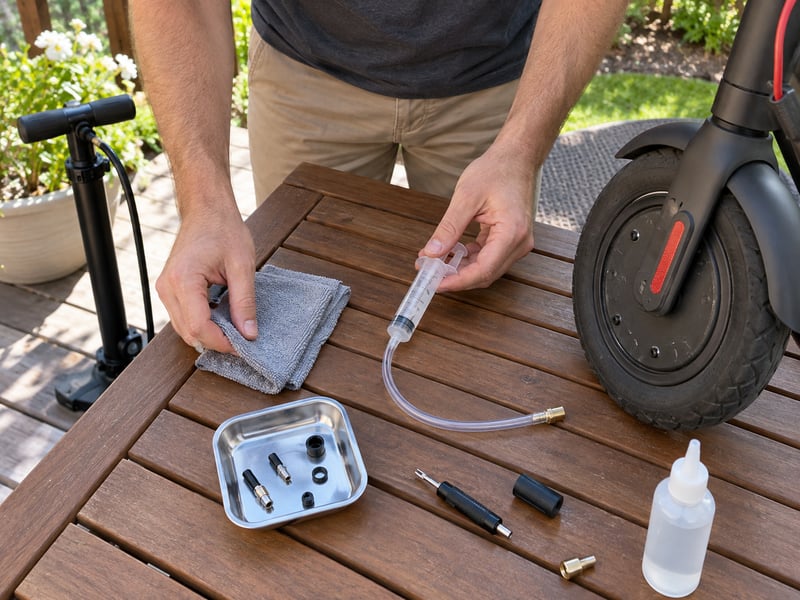
Can you reach the valve safely?
Check valve access with the scooter switched off and supported as its manual directs. Some wheel layouts leave little room for a nozzle or tool. Test the fit without bending the valve or forcing an adapter against nearby parts.
If the instructions require core removal:
- Confirm that the core is removable and use the correct tool.
- Keep loose parts in a small tray.
- Follow handling precautions and protect the area from spills.
What information should you keep beside your scooter?
Keep the tire specification, sealant instructions and scooter manual together. A saved product page can help, but make sure it describes the formula in your bottle. Two bottles with similar packaging may carry different application limits.
| Information | Where to obtain it |
|---|---|
| Tire construction and size | Manual or exact replacement-part listing |
| Approved quantity and method | Sealant instructions or manufacturer support |
| Correct inflation pressure | Instructions for the exact scooter and tire setup |
5. How much electric scooter tire sealant should you add?
Add the quantity specified for your tire size, construction and exact sealant formula. There is no reliable single dose for every electric scooter wheel.
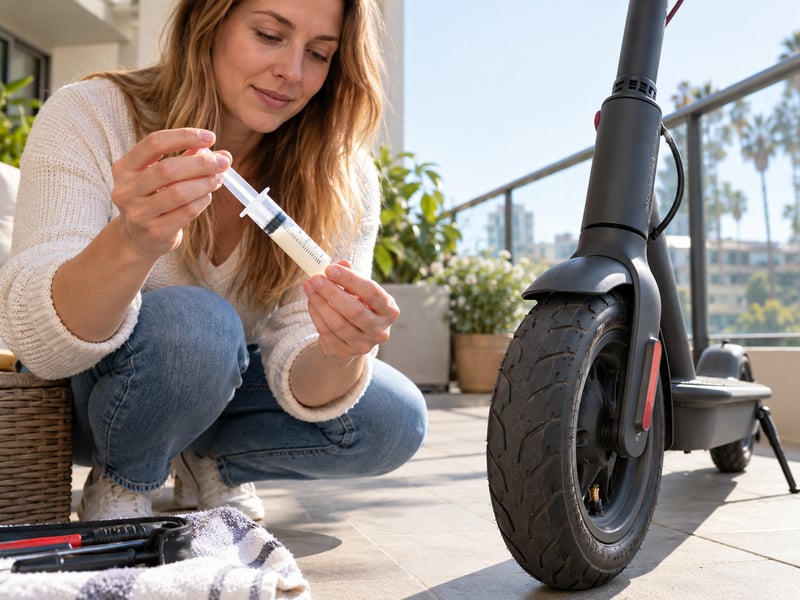
Why does tire size affect the amount?
Sealant manufacturers use tire dimensions or volume when setting quantities. Diameter alone does not describe the whole tire. Read the complete size marking and distinguish a tube application from a tubeless one when using a dosing guide.
A bicycle or automotive example on a bottle may not cover your scooter’s size. If a calculator cannot identify the application, ask the manufacturer for a quantity rather than scaling a number from an unrelated vehicle. Save the answer with your maintenance record.
How do you keep the measurement clear?
Use the bottle graduations or a compatible measuring injector according to the instructions. Check whether the quantity refers to each wheel or the whole vehicle. Measure both wheels separately if their sizes or specified amounts differ.
Keep a dosing record for later service:
- Note the formula, quantity, wheel and installation date.
- Investigate pressure loss before adding more.
- Follow refill instructions rather than repeating a full starting dose.
| Dosing detail | Use |
|---|---|
| Full tire size and construction | Find the matching application |
| Exact product instructions | Measure the specified quantity |
6. How do you install sealant through a removable valve?
Use valve injection only when the tire system and sealant instructions approve it. Some formulas require installation through an opened tire instead.
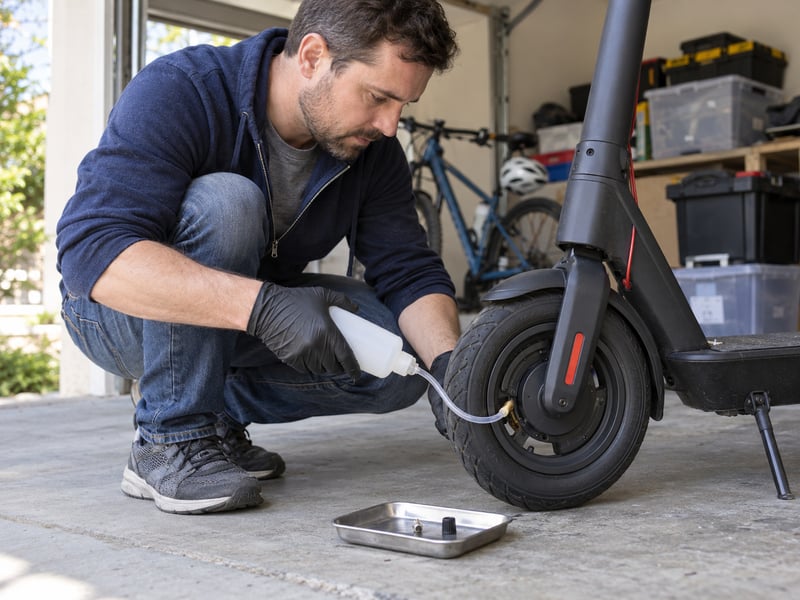
What is the usual installation sequence?
A typical valve-injection procedure involves releasing air, removing a permitted valve core, adding a measured dose, reinstalling the core and inflating the tire. Follow the exact bottle instructions for wheel position, preparation and distribution. Slime’s installation procedure includes these stages; they are not universal instructions for every sealant.
Work through the instructions in order:
- Switch off and support the scooter as directed by its manual.
- Prepare the wheel, bottle and valve using the approved procedure.
- Deflate and remove the core only as instructed.
- Add the specified quantity through compatible equipment.
- Refit the core, then inflate to the scooter maker’s specified pressure.
- Distribute the sealant and check for leaks as instructed before riding.
When should a technician handle the job?
Get help if the valve cannot be reached, the core will not release, or the tire must be opened using a procedure you cannot perform correctly. Forcing equipment into place can leave you with another repair.
Do not remove a tire bead merely because an injector will not pass a thick formula. Check the product method beforehand. For example, Stan’s specifies direct pouring for its Race Day formula because its larger particles prevent injector use.
| Installation question | Decision |
|---|---|
| Valve method approved and accessible? | Follow its procedure |
| Access or method uncertain? | Ask a qualified technician |
7. What if a treated tire keeps losing air?
Stop adding sealant and locate the leak if a treated tire continues losing pressure. The problem may lie outside the area or damage type the product can treat.
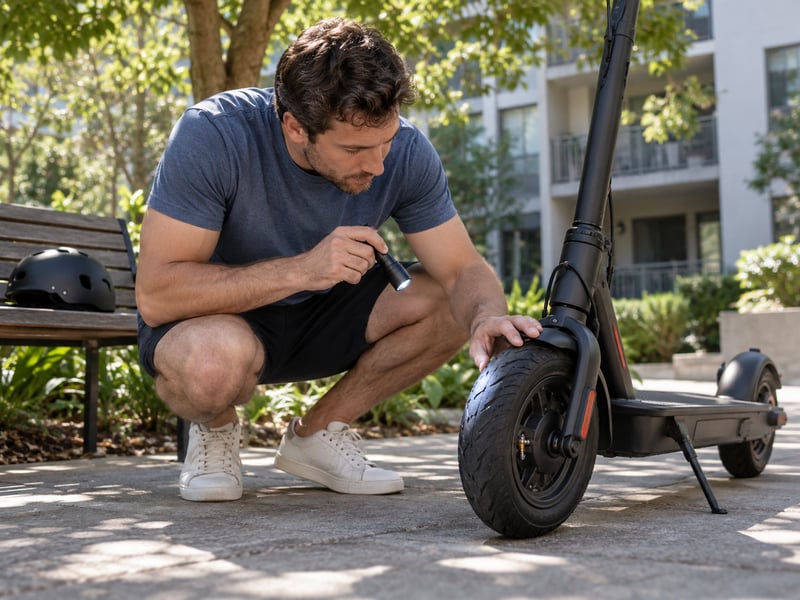
Where is the air escaping?
Use the tire maker’s approved leak-check procedure:
- Inspect the tread, tire sides and valve.
- Tell the technician which sealant is inside.
- Ask about valve or rim-sealing service for a leaking tubeless wheel.
Slime limits its relevant puncture treatment to the tread area and excludes bead leaks and large punctures. Avoid treating sidewall damage, torn tubes or blowouts as routine sealant repairs. Size limits on a different brand’s bottle do not expand your product’s approval.
When should you arrange a replacement?
Arrange service when the tire cannot maintain its specified pressure or shows damage requiring replacement under its maker’s guidance. Repeated inflation is not proof that the wheel is ready for a commute.
Our scooter tire replacement guide covers the separate replacement task. If you cannot establish that the wheel is serviceable, arrange transport instead of riding it to the repair shop.
| Observation | Useful next step |
|---|---|
| Persistent tread leak | Check damage against the exact formula’s limits |
| Leak around a valve | Have the valve and its installation inspected |
| Side damage or tire distortion | Stop riding and arrange tire assessment |
8. How often should you check or replace sealant?
Check your electric scooter tire sealant on the exact formula’s inspection and refill schedule, and respond to leaks or changes in condition sooner. Service intervals vary between products.

What affects the service interval?
Some sealants need inspection and replenishment as liquid evaporates or gets used during puncture sealing. Stan’s sealant support guidance identifies temperature, humidity, storage, tire construction and previous punctures among the factors affecting service life.
When installing the product:
- Save the manufacturer’s check date in your calendar.
- Review the wheel before riding again after storage.
- Check active sealant as directed; remaining air does not establish its level.
Can you change to another formula?
Check the new product’s instructions before topping up over an unknown or different liquid. Muc-Off recommends removing previous sealant before installing its No Puncture Hassle product. Other manufacturers may approve specific combinations, so use a documented answer for the products involved.
Keep the original bottle or a clear photograph of its label. When a shop services the wheel, ask it to record the replacement formula and installation date. A short service note prevents the next refill from becoming a guess.
| Before a refill | Confirm |
|---|---|
| Same formula | Its inspection and refill instructions |
| Different or unknown formula | Removal or mixing guidance |
9. How can you prevent flats beyond adding sealant?
Maintain pneumatic tire pressure and inspect tire condition even after installing sealant. Sealant does not remove those tasks.
Which checks belong in your riding routine?
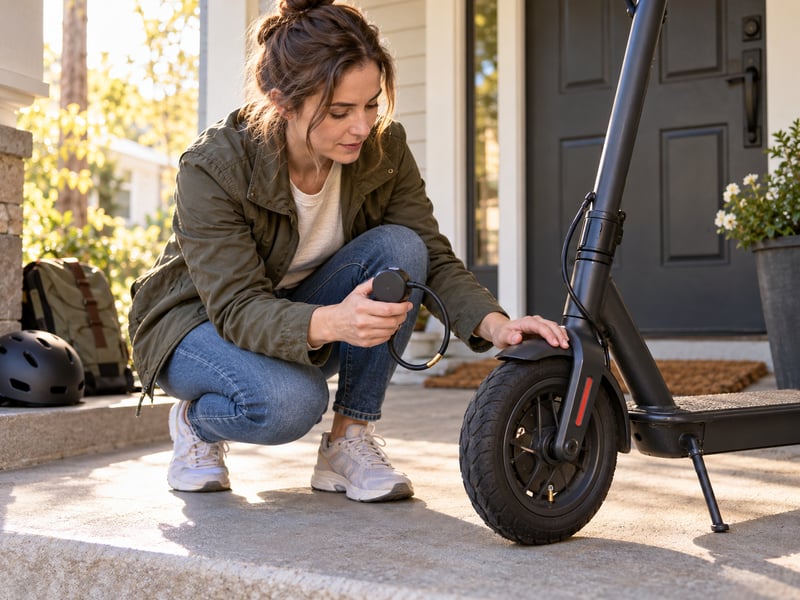
Use the pressure specified for the exact scooter and tire setup. Our electric scooter tire pressure guide explains the checking process; your model’s instructions supply the applicable target. Do not copy a number from another scooter with a similar-looking wheel.
Include these checks in your routine:
- Look for damage, unusual wear and embedded debris.
- Investigate repeated pressure loss before a trip.
- Use an inflator for pressure adjustment, not as a remedy for a damaged tire.
Would a solid-tire scooter suit your routine?
A scooter designed around solid tires removes inflation and liquid-sealant tasks from its tire-care routine. The Dynamic Scooter Model B has 5.5-inch honeycomb solid tires. It does not take tire sealant and has no pneumatic tire pressure to maintain.
Solid tires still need inspection for wear, damage and secure fit. Decide whether that maintenance approach suits your route and riding preferences before buying a scooter. Do not assume that a solid replacement tire can be fitted to a wheel designed for another construction.
| Tire construction | Routine care |
|---|---|
| Pneumatic | Specified pressure and condition checks |
| Model B honeycomb solid | Wear, damage and secure-fit checks; no inflation or sealant |
10. What should you check before buying or riding again?
Confirm tire compatibility, the prescribed dose and service requirements before buying sealant, then confirm wheel condition and pressure before riding. Use the details for your own wheel when making each check.

What should your final wheel check cover?
Keep these details ready when asking for help:
- Tire type and full size.
- Existing leak location and visible damage.
- Proposed sealant and its application instructions.
| Before buying | Before riding |
|---|---|
| Confirm tire and formula compatibility | Check tire condition |
| Check dose and service instructions | Confirm specified pneumatic pressure |
If you want fewer tire-care tasks, contact us through Dynamic Scooter to ask whether Model B’s solid tires suit your regular route. Check tire construction before ordering accessories for your scooter.
FAQ
Q1: Can I put sealant in a Model B tire?
No. Model B uses honeycomb solid tires, so adding sealant or attempting inflation is inappropriate. Inspect those tires for wear and damage instead.
Q2: Can I use a car emergency sealant in my scooter?
Only if the exact product and scooter instructions approve that application. Vehicle type, tire construction and repair requirements vary. A bottle intended for a car emergency is not an automatic substitute for a compatible preventive scooter product.
Q3: How do I know a treated tire is ready for use?
Check that the tire meets the maker’s condition and pressure requirements after the prescribed installation or repair checks. Continued air loss, visible damage or uncertain valve work calls for service. Ask a technician to assess the wheel before your next ride if you cannot confirm its condition.