
The ideal electric scooter tire pressure for beginners is typically between 40 to 50 PSI, as this range offers the perfect balance of speed, comfort, safety, and battery range. Imagine unboxing your brand-new electric scooter, excited for your first ride, only to find yourself struggling to maintain speed while feeling every single bump in the pavement.
Riding on incorrectly inflated tires not only ruins your comfort but also risks sudden pinch flats that can leave you stranded. Fortunately, mastering your everyday electric scooter tire pressure is a simple, highly effective solution that immediately restores your ride quality and protects your investment.
What is the ideal electric scooter tire pressure?

The ideal electric scooter tire pressure is typically between 40 and 50 PSI for most standard commuter models. This range ensures that you achieve optimal battery range, high top speeds, and a comfortable ride. Maintaining this sweet spot will keep your machine running efficiently.
Why is 50 PSI the standard benchmark?
But here is the catch: dropping even slightly below this standard level can cause your motor to work harder, draining your battery much faster than expected. Keeping your tires at 50 PSI ensures you enjoy a clean, responsive ride every single day.
- Lower rolling resistance preserves precious battery charge.
- Optimal traction improves your safety on tight city corners.
- Higher pressure protects your delicate inner tubes from pinch flats.
Key Takeaway: Sticking to a standard 50 PSI pressure range maximizes your battery range and protects your wheels from sudden urban road hazards.
| Tire Pressure | Performance Level | Comfort Rating |
|---|---|---|
| Under 35 PSI | Sluggish and slow | Soft but risky |
| 40 to 50 PSI | Highly optimized | Excellent balance |
| Over 55 PSI | Maximum speed | Harsh and bumpy |
Understanding these optimal benchmarks is just the first step in unlocking your ride’s true potential.
Why should you check electric scooter tire pressure?
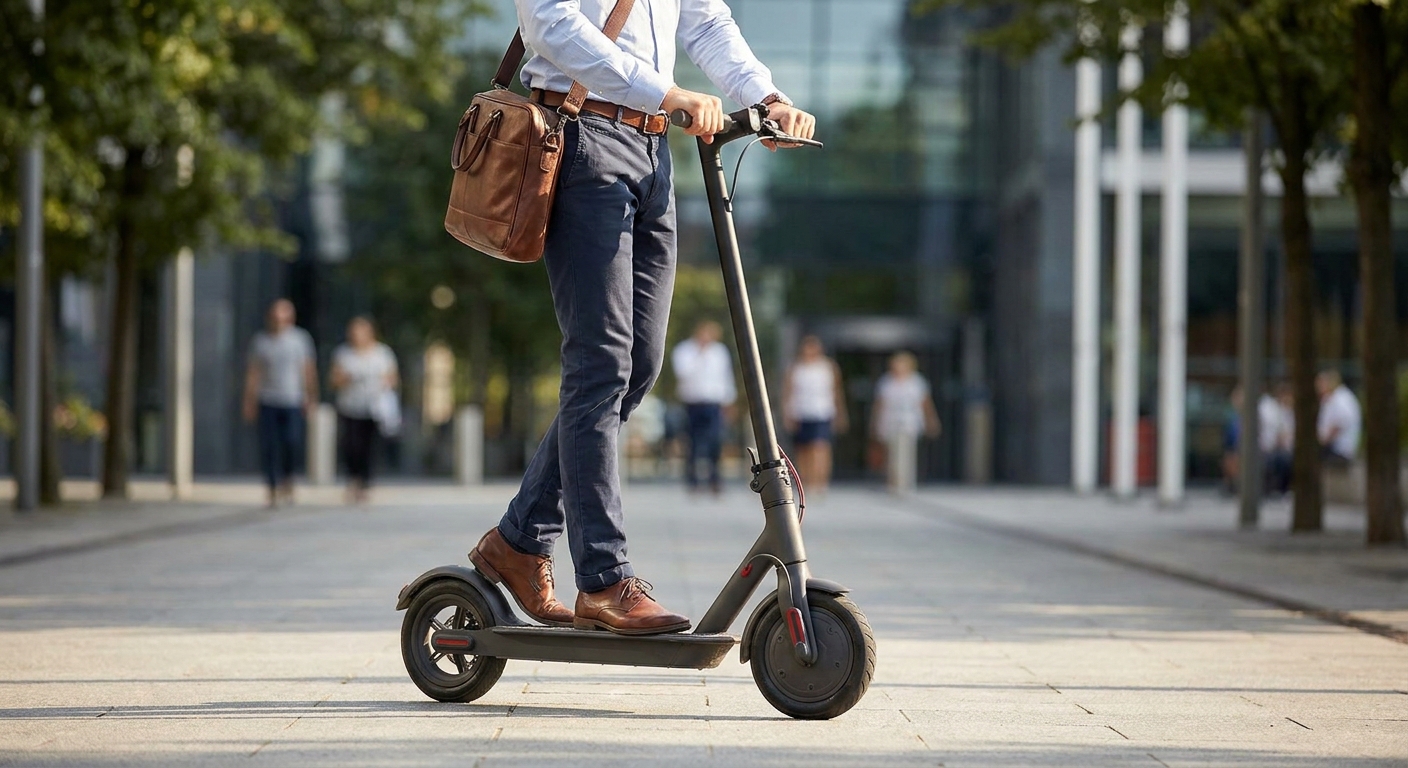
You should check your electric scooter tire pressure regularly because improper inflation can directly cause flat tires, sluggish handling, and accelerated wear on your motor. Over time, air naturally escapes through the rubber of pneumatic tires, leading to a slow and silent performance drop. Ignoring this simple maintenance task can cost you heavy repair bills down the road.
How does pressure impact your safety?
Want to know the best part? Maintaining the correct air volume ensures that your brakes grip the pavement perfectly, keeping you safe during sudden emergency stops.
- Shorter braking distances protect you in heavy city traffic.
- Firm tires provide predictable steering when navigating corners.
- Proper pressure prevents tyre beads from slipping off the rims.
Key Takeaway: Routine pressure checks ensure your brakes and steering perform flawlessly to keep you safe on every commute.
| Inflation Level | Braking Efficiency | Cornering Stability |
|---|---|---|
| Low Pressure | Poor and slow | Soft and unpredictable |
| Proper Pressure | Excellent and responsive | Firm and stable |
Now that you know why it matters, let us examine how to quickly measure these levels.
How do you measure electric scooter tire pressure?

You measure electric scooter tire pressure by attaching a digital or analog tire pressure gauge directly to the tire’s valve stem. This process takes less than a minute and gives you a precise reading of the exact air pressure inside your wheels.
Which measuring tool should you choose?
Think about it: relying on the manual “squeeze test” with your fingers is highly inaccurate and can easily lead to riding on dangerously soft wheels.
- Digital pressure gauges offer the most accurate decimal readouts.
- Portable hand pumps with built-in gauges let you top up anywhere.
- Electronic smart pumps automatically stop inflating at your target PSI.
Key Takeaway: Using a dedicated digital pressure gauge eliminates guesswork and ensures your tires are perfectly inflated for every trip.
| Tool Type | Accuracy Level | Convenience |
|---|---|---|
| Finger Squeeze | Extremely Low | High |
| Analog Gauge | Moderate | Moderate |
| Digital Gauge | Extremely High | High |
Once you have the proper tools, you must consider how your specific wheel design alters your pressure needs.
How does rider weight impact electric scooter tire pressure?
Rider weight impacts your electric scooter tire pressure because heavier riders place more downward force on the wheels, requiring higher PSI levels to prevent the tire from bottoming out. If a heavier rider uses the same low pressure as a lighter rider, the tire will sag, slowing down the scooter and exposing the rims to damage.
How do you calibrate pressure to your weight?
But here is the catch: over-inflating your tires just because of weight can make your ride feel incredibly harsh and reduce your road grip.
- Light riders (under 150 lbs) should target 40 to 43 PSI for comfort.
- Average riders (150 to 220 lbs) perform best between 45 to 48 PSI.
- Heavy riders (over 220 lbs) require 50 to 55 PSI for rim protection.
Key Takeaway: Adjusting your tire pressure based on your exact body weight maintains speed and protects your wheels from bottoming out on potholes.
| Rider Weight Range | Front Tire PSI | Rear Tire PSI |
|---|---|---|
| Under 150 lbs | 40 PSI | 42 PSI |
| 150 to 220 lbs | 45 PSI | 48 PSI |
| Over 220 lbs | 50 PSI | 55 PSI |
Failing to calibrate your wheels to your weight can lead to the dangerous consequences of low inflation.
What happens with low electric scooter tire pressure?

Low electric scooter tire pressure causes sluggish acceleration, reduced top speeds, significantly shorter battery range, and a highly unstable, unsafe ride. When your tires are soft, they deform against the asphalt, creating a massive contact patch that increases rolling resistance and forces your motor to work twice as hard.
Why are pinch flats your worst enemy?
Think about it: riding over a simple curb with low pressure will immediately pinch your inner tube against the metal rim, causing an instant flat.
- Low pressure causes the tire to squish on minor impacts.
- Under-inflation accelerates the wear and cracking of tire sidewalls.
- Soft tires can easily slide off the wheel rim during sharp turns.
Key Takeaway: Maintaining firm pressure completely eliminates the risk of pinch flats and keeps your battery running at peak efficiency.
| Pressure State | Pinch Flat Risk | Battery Range |
|---|---|---|
| Under-inflated | Extremely High | Drastically Reduced |
| Fully Inflated | Extremely Low | Maximum Range |
While low pressure is a massive headache, inflating your tires too high carries its own set of dangers.
Is high electric scooter tire pressure dangerous?
Yes, excessively high electric scooter tire pressure is extremely dangerous because it reduces your tire’s contact patch with the road, leading to a severe loss of traction and stability. When tires are over-inflated, they become rock-hard, making your scooter bounce violently over cracks and drastically increasing your braking distance.
Can over-inflation cause a tire blowout?
Want to know the best part? Staying safely below the maximum PSI printed on the sidewall is the simplest way to prevent a catastrophic blowout.
- Over-inflated tires are prone to bursting on hot summer asphalt.
- A smaller contact patch reduces your grip when riding on wet roads.
- Extreme pressure damages the structural threads inside the tire carcass.
Key Takeaway: Keeping your tire pressure below the maximum limit ensures a safe grip on the road and prevents explosive tire blowouts.
| PSI Level | Road Grip | Blowout Risk |
|---|---|---|
| Safely Inflated | Maximum Traction | Minimum Risk |
| Over-inflated | Poor Traction | Extremely High |
Finding this balance is crucial on smooth roads, but off-road riding requires its own unique pressure settings.
How do you adjust electric scooter tire pressure off-road?
You adjust electric scooter tire pressure off-road by lowering your PSI by 5 to 8 units below your standard road setting to increase tire traction on loose dirt, gravel, or sand. This slight decrease allows the rubber to conform to uneven obstacles, acting as natural suspension to cushion your journey.
Why is lower pressure better for off-road trails?
Here is why: a slightly softer tire spreads its tread wider, preventing your wheels from spinning out on slippery dirt climbs.
- Lower PSI absorbs rugged trail vibrations, reducing arm fatigue.
- Wider tread contact patches improve stability on gravel paths.
- This trick works best with tubeless tires to avoid pinch flats.
Key Takeaway: Dropping your pressure slightly for off-road trails dramatically increases trail grip and keeps your ride stable and comfortable.
| Riding Surface | Ideal PSI Range | Main Performance Goal |
|---|---|---|
| Smooth Pavement | 45 to 50 PSI | Speed and Maximum Range |
| Off-Road Trails | 38 to 42 PSI | Traction and Shock Absorption |
Whether you ride on smooth streets or rugged dirt trails, consistency in your tire maintenance schedule is key.
How often should you adjust electric scooter tire pressure?
You should check and adjust your electric scooter tire pressure at least once a week to ensure your vehicle is always performing at its absolute best. Small wheel volumes lose pressure much faster than car tires, making regular checkups essential to prevent unexpected flats and slow commutes.
What is the ideal weekly tire check routine?
Think about it: spending just sixty seconds checking your wheels before you leave for work can save you hours of roadside frustration.
- Check your tire pressure when the rubber is cold for accuracy.
- Inspect the tread carefully for embedded sharp glass or wire.
- Look closely for any sidewall cracks, wear, or strange bulges.
Key Takeaway: Developing a fast weekly checking habit keeps your tires in peak condition, saving you money and maximizing performance.
| Check Frequency | Main Advantage | Best For |
|---|---|---|
| Every Single Ride | Absolute Safety | Occasional Riders |
| Once a Week | Preventative Protection | Daily Commuters |
To perform these quick weekly checks successfully, you must know exactly where to find your manufacturer’s specifications.
Where can you find your electric scooter tire pressure specs?

You can find your electric scooter tire pressure specifications printed directly on the tire’s outer sidewall or detailed inside your model’s official user manual. Manufacturers always stamp the maximum safe PSI limit directly onto the rubber so you never over-inflate your wheels by mistake.
How do you read the sidewall marking?
But here is the catch: the print is often small and molded into the black rubber, so you might need a flashlight to read it clearly.
- Look for the text saying “Max Inflation” or “Max Pressure” on the rubber.
- Note the number listed right before the “PSI” or “BAR” measurement units.
- Always keep your daily riding pressure about 3 to 5 PSI below this max limit.
Key Takeaway: Locating and reading your tire’s sidewall markings gives you the ultimate guidelines for a safe, perfectly customized ride.
| Reference Source | Type of Information | Best Use Case |
|---|---|---|
| Tire Sidewall | Maximum Safe Limit | Quick Field Reference |
| User Manual | Recommended Commuting PSI | Setup and Daily Calibration |
Armed with this exact safety data, you are ready to hit the road with complete peace of mind.
Dynamic Scooters: Ride with Complete Confidence
We believe that maintaining perfect tire pressure should never stand in the way of a thrilling, eco-friendly ride. By keeping your wheels properly inflated, you completely solve common problems like sluggish acceleration, battery drain, and dangerous flats.
At Dynamic Scooter, we are committed to helping you enjoy clean, efficient, and trouble-free urban transportation. If you need any assistance calibrating your wheels or selecting the ultimate travel companion, please feel free to contact us today for expert support.
FAQs
Can I ride my electric scooter if the tire pressure is low?
No. Riding on soft tires makes handling highly unstable, degrades battery range, and can quickly result in costly pinch flats.
What’s the best tire pressure for everyday urban commuting?
Around 50 PSI. This standard pressure provides the perfect balance of top speed, maximum range, and exceptional ride comfort on city streets.
How do I know if my electric scooter has pneumatic tires?
Check the valve stems. If your wheels have a visible air valve on the rim, they are pneumatic and require regular inflation.
Can I use a standard car tire pump at a gas station?
Yes, but with extreme caution. Gas station air compressors fill small scooter tires very quickly and can easily over-inflate or pop them.