Best lightweight electric scooter for adults: Buyer’s Guide 2026
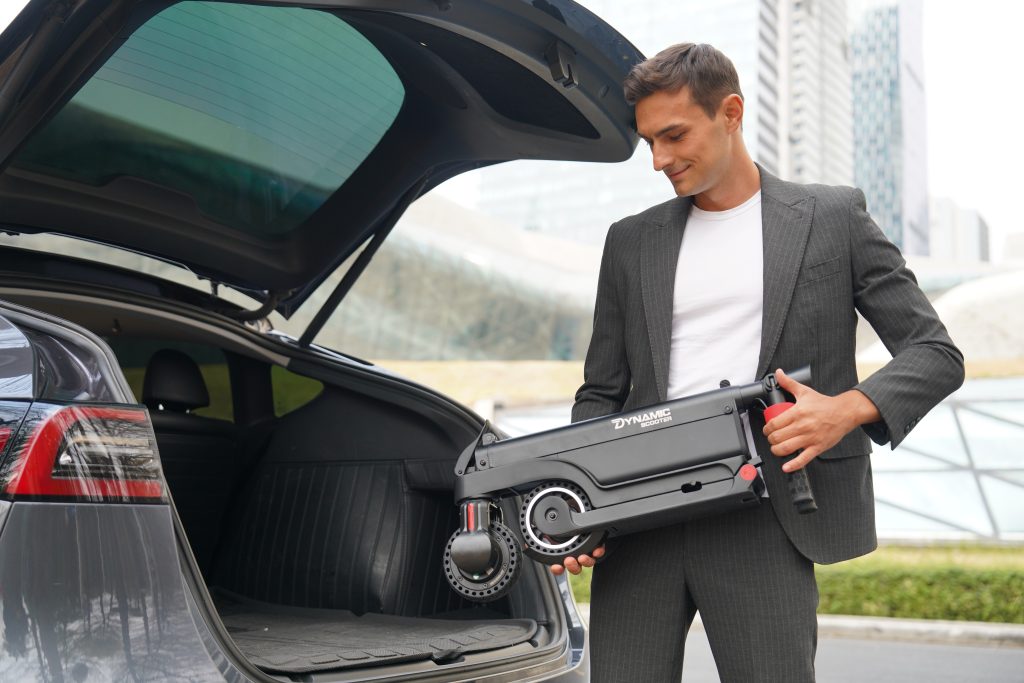
A lightweight electric scooter offers the perfect blend of portability and performance, making it an ideal choice for adult commuters. These scooters are designed to be easy to carry, store, and integrate into a busy urban lifestyle. But with so many options on the market, how do you choose the best one? The best lightweight electric scooter for adults combines a portable design with a powerful motor and a reliable battery. It should be light enough to carry on public transport but robust enough for daily use. The Dynamic Scooter Model B, for example, weighs just 22 lbs (10 kg) and offers a 15-mile range, making it a top contender for commuters who value both convenience and performance. Ready to find the perfect lightweight electric scooter for your needs? Here’s everything you need to know. 1. What Makes a Lightweight Electric Scooter Ideal for Adults? A lightweight electric scooter is a game-changer for adult commuters. The primary benefit is portability. A scooter that weighs under 30 pounds is easy to carry up a flight of stairs, take on a bus or train, or store under your desk at work. This convenience is a huge advantage for those with multi-modal commutes or limited storage space. Think about it… no more struggling with a heavy, bulky machine. The ease of carrying and storage is huge. A lightweight electric scooter folds down in seconds. You can transition from riding to walking without any hassle. This makes it perfect for last-mile travel, connecting you from the train station to your final destination. The compact size means it won’t take up much room in your apartment or office. There is a trade-off between weight and performance. Lighter scooters often have smaller batteries. They have less powerful motors. However, modern engineering has changed this. Manufacturers now create lightweight models that still offer impressive speed and range. The key is to find a balance that suits your specific needs. For most urban commutes, a lightweight electric scooter provides more than enough power. The daily commuting advantages are clear. You can avoid traffic, save money on gas and parking, and reduce your carbon footprint. A lightweight electric scooter gives you the freedom to navigate your city on your own terms. It’s a fun, efficient, and practical solution for modern urban living. Feature Benefit for Adults Portability Easy to carry on public transport. Compact Storage Fits under a desk or in a small apartment. Last-Mile Solution Bridges the gap from public transport to your destination. Cost-Effective Saves money on gas, parking, and ride-sharing. 2. What Weight Range Qualifies as Lightweight? The term “lightweight” can be subjective, but in the world of electric scooters, there are some generally accepted standards. A scooter weighing between 20 and 30 pounds (9 to 14 kg) is typically considered lightweight. These models are designed for maximum portability without sacrificing too much in terms of performance. Here’s the deal… anything under 25 pounds is exceptionally easy to carry. When compared to standard models, the difference is significant. A standard or long-range electric scooter can weigh anywhere from 40 to 60 pounds or more. While these heavier scooters offer more power and longer range, they are much more difficult to carry. A lightweight electric scooter is the clear winner for anyone who needs to lift their scooter regularly. It’s helpful to think of electric scooters in weight categories. Ultra-lightweight models are under 25 pounds. Lightweight models are 25-35 pounds. Mid-weight models are 35-45 pounds. Heavyweight models are anything over 45 pounds. This categorization helps you narrow down your options based on how much weight you’re comfortable carrying. While focusing on the scooter’s weight, don’t forget to check its carrying capacity. Most lightweight scooters can support a rider weight of up to 220 pounds. Make sure the scooter you choose can safely accommodate your weight. Exceeding the weight limit will reduce performance and can be a safety hazard. Weight Category Weight Range (lbs) Best For Ultra-Lightweight < 25 lbs Maximum portability, short trips. Lightweight 25 – 35 lbs Balanced portability and performance. Mid-Weight 35 – 45 lbs Longer range, less frequent carrying. Heavyweight > 45 lbs High performance, no carrying. 3. What Are the Best Lightweight Models Available? Several excellent lightweight electric scooter models are available for adults. The Dynamic Scooter Model B is a top contender, weighing in at just 22 pounds (10 kg) while offering a 15-mile range and a top speed of 18 mph. It’s known for its durable build and reliable performance, making it a favorite among commuters. The bottom line is… it’s a fantastic all-around choice. Other popular models include the Unagi Model One, which is praised for its sleek design and dual motors, and the Glion Balto, which offers a unique self-standing feature and a swappable battery. When comparing models, look at the key specifications side-by-side. Pay attention to weight, range, top speed, and motor power. Price ranges for lightweight electric scooters can vary. Budget-friendly options can be found for around $300 to $500. Mid-range models, which offer a better balance of features and quality, typically cost between $500 and $900. Premium lightweight models can exceed $1,000, offering advanced features like dual motors and carbon fiber construction. User reviews and ratings are a valuable resource. They provide real-world insights into a scooter’s performance. They show reliability and durability. Look for reviews from riders who have similar needs to your own. A scooter that works well for a casual weekend rider may not be the best choice for a daily commuter. Model Weight (lbs) Range (miles) Price Range Dynamic Scooter Model B 22 15 $600 – $800 Unagi Model One 26.5 15.5 $990+ Glion Balto 38 20 $600 – $800 4. How Do You Balance Weight with Performance? Balancing weight with performance is the main challenge. The two are often inversely related. As weight goes down, so does performance. However, battery and motor technology have improved. You can now find lightweight scooters that still pack a punch. You see… it’s all […]
Best lightweight electric scooter for adults: Buyer’s Guide 2026 Read More »