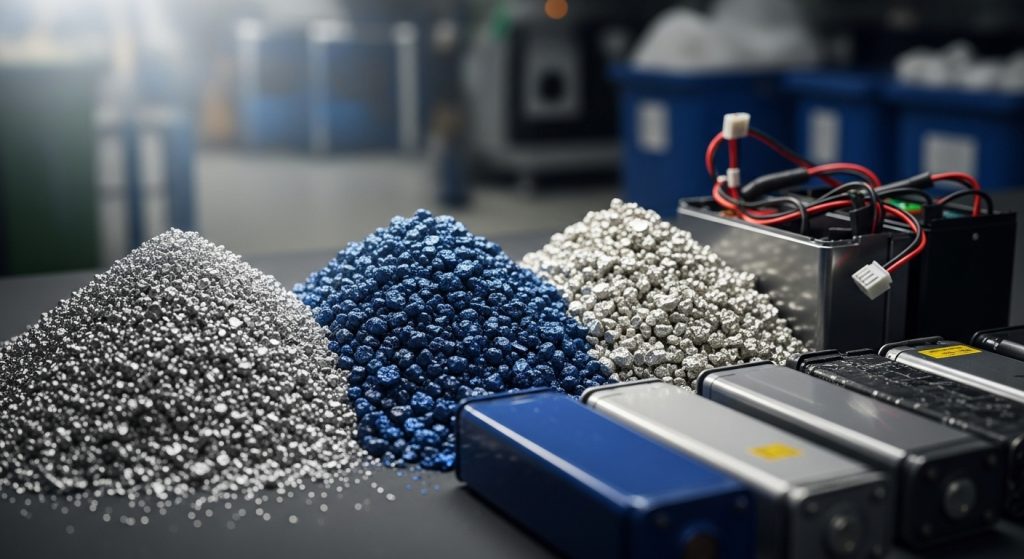
The Future of Battery Recycling for Electric Scooters
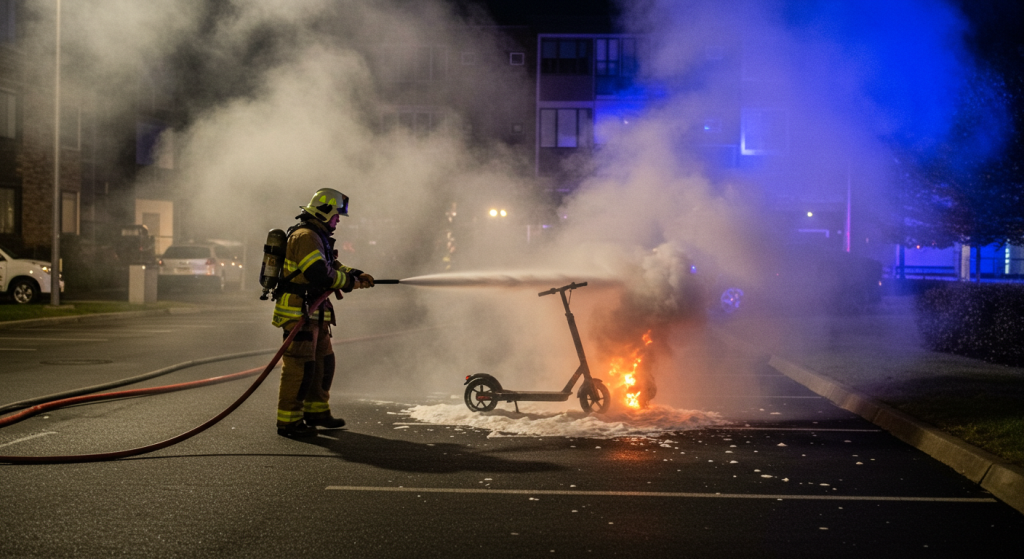
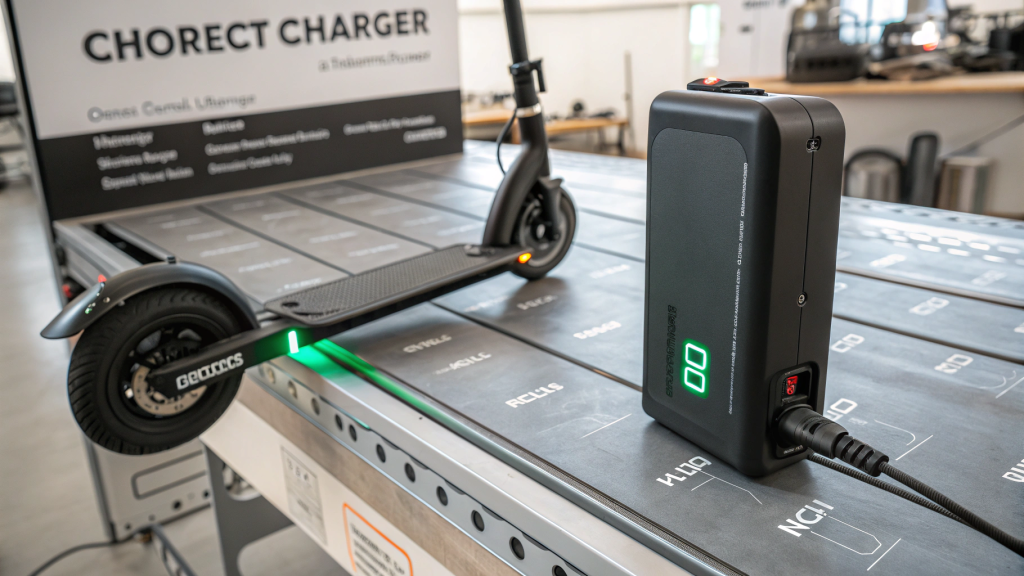
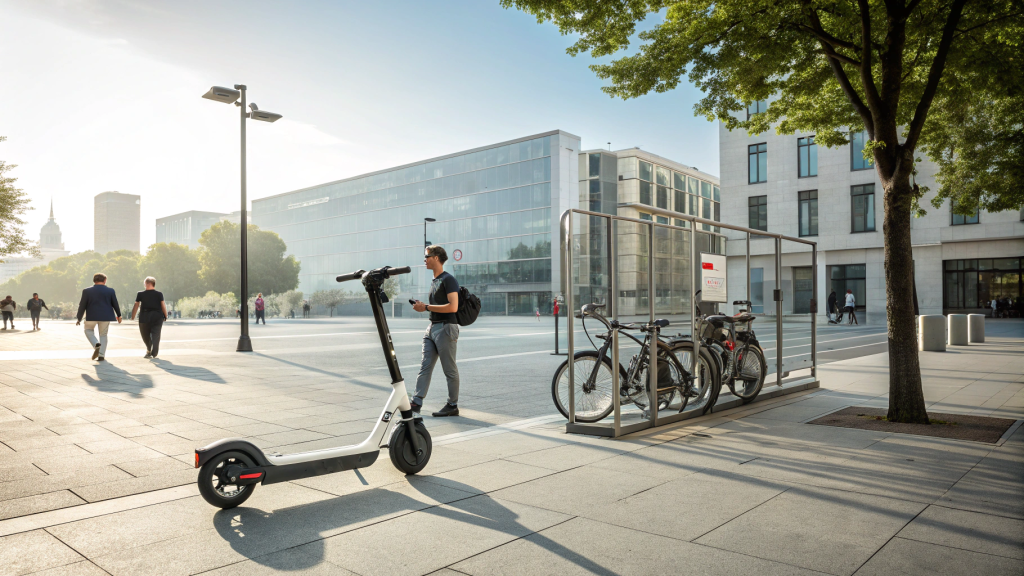
Electric scooter batteries create a big waste problem. If not handled right, they leak harmful toxins. This guide shows the future of battery recycling for electric scooters and how it can turn waste into value. The future of battery recycling for electric scooters uses new methods. These include hydrometallurgy and direct recycling. They recover up to 95% of materials. This includes lithium, cobalt, and nickel. It cuts the need for new mining. It also lowers the impact on our planet. New rules and buyer awareness drive this change. Ready to see how this works? Here’s what you need to know. 1. Why Does Battery Recycling Matter for Electric Scooters? The future of battery recycling for electric scooters is a key topic. The number of e-scooters is growing fast. This means more used batteries. Without a good plan, these batteries harm our planet. They hold materials that can get into soil or water. Proper recycling keeps our world safe. It also helps us reuse key materials. Think about what is inside each battery. Materials like lithium and cobalt are rare. Mining them takes lots of energy. It can also damage the land. When we recycle batteries, we get these materials back. This means we mine less. It saves energy. It also protects nature. Here’s why it matters… the future of battery recycling for electric scooters is a smart way to handle battery waste. Governments are paying attention now. New rules require companies to manage battery waste. This is part of a move toward a circular economy. In this model, we reuse products and materials. Recycling fits this model well. For companies that make e-scooters, a strong recycling program is now a must. The future of battery recycling for electric scooters shapes industry standards. Environmental Benefit Description Reduces Landfill Waste Keeps toxic battery materials out of landfills. Conserves Natural Resources Lowers the need for mining new raw materials. Saves Energy Recycling uses less energy than making new materials. 2. What Happens to Old Electric Scooter Batteries? When a battery gets old, it needs care. You cannot throw it in regular trash. These batteries are hazardous waste. If they end up in a landfill, they leak harmful chemicals. These chemicals pollute soil and water. They cause long-term damage. There is also a fire risk if the batteries get damaged. The future of battery recycling for electric scooters addresses these safety concerns. Many places now have special collection programs. You might find drop-off points at stores. Some are at local recycling centers. Some scooter companies offer take-back programs. These make it easy to dispose of old batteries safely. Once collected, batteries go to special facilities. The best part? This keeps them out of the waste stream. At these facilities, the real work starts. Batteries are sorted and taken apart. The goal is to separate the valuable parts. This is complex work. Batteries have many different parts. Some parts can be reused right away. Others need more work to extract raw materials. The future of battery recycling for electric scooters depends on making this better. Disposal Method Risk Level Environmental Impact Landfill High Soil and water contamination, fire hazard. Incineration Medium Air pollution if not filtered well. Recycling Low Recovers materials and stops pollution. 3. How Does Battery Recycling Work? Recycling has several steps. It starts with getting old batteries to the right place. This means collecting them from people and businesses. Transport must be done safely. Special containers prevent accidents. Once at the recycling plant, batteries are sorted by type. The future of battery recycling for electric scooters relies on efficient sorting. Next comes the disassembly stage. Workers take batteries apart. This can be done by hand or with machines. This is careful work. The outer casing is removed first. This reveals the battery cells inside. These cells hold the valuable materials. The goal is to separate cells from plastic and metal housing. But here’s the thing… every part gets sorted for recycling. After disassembly, cells go through material recovery. There are a few ways to do this. One common method is to shred the cells. Then chemicals dissolve the metals. This lets recyclers separate lithium, cobalt, and other materials. The recovered materials are then purified. They can be used to make new products. This includes new batteries. This is a key step in the future of battery recycling for electric scooters. Recycling Step Purpose Collection & Transport Safely gather and move used batteries to facilities. Sorting & Disassembly Separate batteries by type and take them apart. Material Extraction Recover valuable metals like lithium and cobalt. Purification & Reuse Clean the recovered materials for new manufacturing. 4. What Technologies Are Shaping Battery Recycling? New technologies make battery recycling work better. One of the best is hydrometallurgy. This method uses water-based solutions. It extracts metals from old batteries. It works very well. It can recover a high percentage of materials. It also makes less air pollution than older methods. This makes it a cleaner choice. The future of battery recycling for electric scooters benefits from these green technologies. Another method is pyrometallurgy. This uses high heat to melt battery parts. The metals separate into layers. They can then be extracted. This method works well. But it uses a lot of energy. Researchers are making it work better. Now, you might be wondering… what is the newest technology? Direct recycling is a new idea. It is gaining attention. Direct recycling takes the cathode material from an old battery. It reuses it directly in a new one. This saves many steps. It also saves energy. It keeps the structure of the materials. This can lead to better performance in the new battery. Automation is also playing a big role. Robots and AI sort batteries faster. They are also more accurate. This makes the whole system safer. It also cuts costs. The future of battery recycling for electric scooters looks bright with these advances. Technology Description Key Advantage Hydrometallurgy Uses liquids to dissolve and separate metals. High […]
The Future of Battery Recycling for Electric Scooters Read More »