Electric Scooter

What Certifications Do Electric Scooters Need? A Complete Compliance Guide (2026)

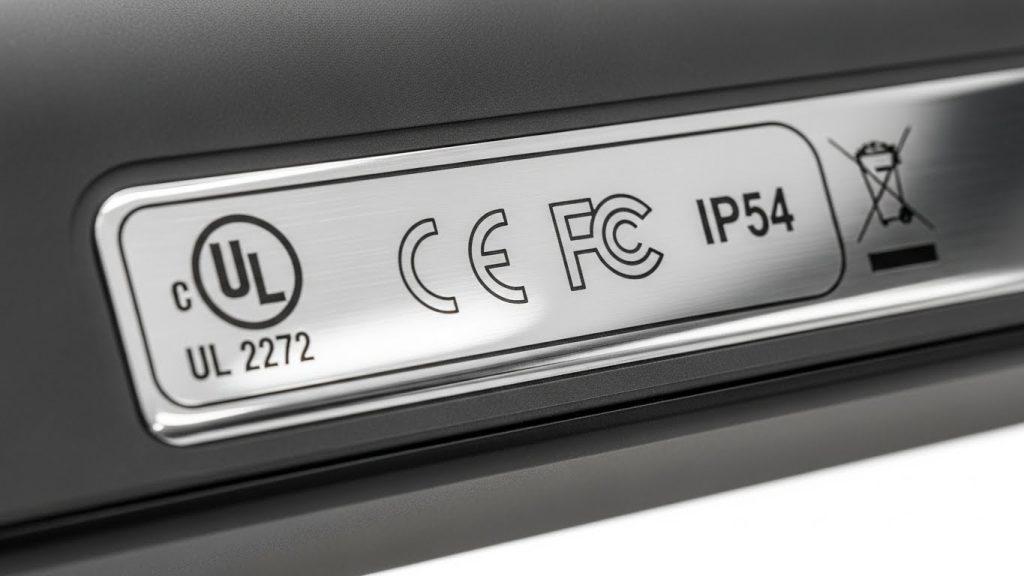
Buying an electric scooter without checking certifications is a huge risk. An electric scooter needs proper safety marks. You could end up with an unsafe product that is a fire hazard or illegal to ride. This guide explains the key electric scooter certifications to look for. They protect yourself and your investment. The most important certification for an electric scooter is UL 2272. It tests the entire electrical system. This includes the battery and charger. It checks for fire safety. Other key certifications include CE for European markets. FCC is for wireless components. IP ratings show water resistance. These certifications mean the scooter meets strict safety standards. They also confirm quality and regulatory compliance. Always verify these markings before buying an electric scooter. The Dynamic Scooter Model B, for example, is fully UL 2272 certified. Ready to decode the alphabet soup of electric scooter safety? Here’s everything you need to know. 1. Why Do Electric Scooters Need Certifications? Electric scooter certifications are not just stickers on a box. They are a critical part of consumer safety. These standards protect you from unsafe products. They cover electrical systems. They also cover material quality. Without them, there is no guarantee your scooter is safe. This is a big risk. You need these standards. These rules also provide legal protection. In many places, it is illegal to sell or ride an uncertified electric scooter. Here’s why it matters. If you are in an accident on an uncertified scooter, your insurance may not cover you. You could also face fines. Manufacturers who follow these rules show they care about safety. They show they care about quality. Certifications create a baseline for quality. They force manufacturers to meet minimum safety and performance standards. This helps remove dangerous, low-quality products from the market. For you, it means a more reliable and safer ride. It also protects your investment. A certified scooter is a scooter that is built to last. It is strong. It is safe. It lasts long. Think about liability. If an uncertified scooter causes a fire or an injury, the legal consequences can be severe. This applies to the seller. It can also apply to the owner. Certifications from bodies like UL mean the product has been independently tested. UL stands for Underwriters Laboratories. This third-party validation is your best defense. It protects you from faulty products. It is a sign of a trustworthy brand. Trust matters. Safety matters. Reason for Certification Why It Is Important for You Consumer Safety Protects against fire, electrical, and mechanical failures. Legal Compliance Makes sure the scooter is legal to ride in your area. Quality Assurance Guarantees a minimum standard of performance and durability. Insurance & Liability Provides coverage in case of an accident and reduces legal risk. 2. What Is UL 2272 Certification? UL 2272 is the gold standard for electric scooter safety in North America. It is a comprehensive testing standard. Underwriters Laboratories created it. It focuses on the risk of fire. It also focuses on electrical shock. This standard was developed in response to fires. Early hoverboards caused these fires. The UL 2272 test covers the entire electrical system. This includes the battery pack. It includes the charger, the motor, and all wiring. The best part? It does not just test individual parts. It tests them all working together. This is a much tougher test. It is more realistic. It simulates real-world conditions. This is smart. This is safe. To get UL 2272 certified, a scooter must pass tough tests. These include overcharge tests. They include short circuit tests. They include temperature tests. The scooter is also tested for impact. It is tested for vibration. It is tested for water exposure. The goal is to make sure the electrical system will not fail. This is true even under stress. This rigorous process makes the UL label trustworthy. You can trust it. It means safety. The certification process is long and expensive for manufacturers. They must submit their product to a UL-approved lab for testing. If it passes, they can use the UL mark on their product and packaging. This mark is a clear sign that the scooter has met high safety standards. The Dynamic Scooter Model B proudly carries the UL 2272 certification, a testament to its safety-first design. UL 2272 Test Category Purpose of the Test Electrical Tests Checks for overcharging, short circuits, and overheating. Mechanical Tests Assesses stability, vibration, and impact resistance. Environmental Tests Tests for performance in extreme temperatures and water exposure. Material Tests Confirms plastics and other materials are flame-resistant. 3. Which Other Certifications Are Important? While UL 2272 is key, other certifications also matter. The CE marking is required for products sold in the European Union. It shows the product meets EU safety requirements. It also shows health and environmental protection standards. If you are in Europe, the CE mark is a must-have. It is the law. You need it. The FCC mark is another one to look for. This is required for electronic products with wireless components. This applies to products sold in the United States. But here’s the thing. If your electric scooter has Bluetooth for an app, it needs FCC certification. This means it will not interfere with other wireless signals. It is a sign of proper electronic design. Good design is key. It keeps you safe. The CPSC in the U.S. also plays a role. CPSC stands for Consumer Product Safety Commission. They do not issue a certification mark themselves. But they set safety standards for consumer products. A manufacturer that states its product complies with CPSC rules shows a commitment to safety. They confirm their product is safe for its intended use. This is good. This is right. Finally, look for an IP rating. This stands for Ingress Protection. It is a two-digit number. It tells you how resistant the scooter is to dust and water. The first digit is for dust protection. It ranges from 1 to 6. The second is for water […]

What Certifications Do Electric Scooters Need? A Complete Compliance Guide (2026) Read More »

What Is the Best Electric Scooter for Kids? Top Picks for 2026

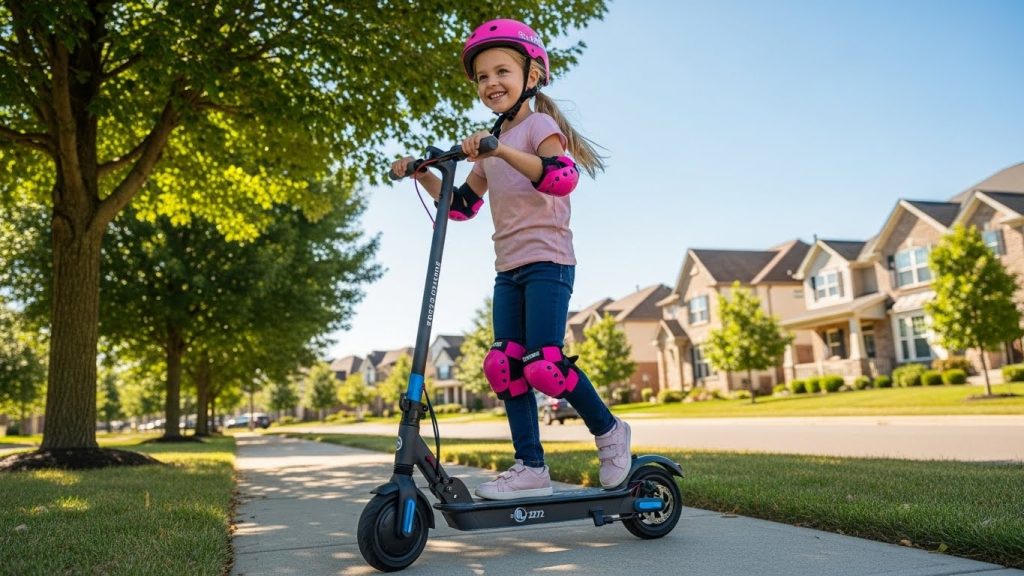
Finding a safe and fun electric scooter for your child can be tough. You worry about speed, safety, and making the right choice. A wrong scooter can lead to accidents or a toy that gathers dust. This guide helps you pick the perfect ride for your kid. The best electric scooter for kids balances safety, age-appropriateness, and fun. Key features to look for include adjustable speed limits, a sturdy frame, reliable brakes, and a lightweight design. For younger riders (6-8), models with lower speeds (under 10 mph) and a simple throttle are ideal. Older kids (9-12) can handle more power and features. Always prioritize scooters with safety certifications like UL 2272 for electrical system safety. The Dynamic Scooter Model B is a great example of a safe, reliable option. Ready to find the perfect scooter? Here’s everything you need to know. 1. Why Do Kids Need Electric Scooters? Electric scooters get kids outdoors. They offer a fun way to play and explore. This helps reduce screen time. It encourages an active lifestyle from a young age. Riding a scooter improves balance and coordination. These are skills that help in other sports and activities. It is a great way to build physical confidence. They also build self-esteem. Kids learn to navigate their surroundings. They gain a sense of independence. The best part? This happens in a controlled and safe way. Mastering a new skill like riding a scooter gives a child a sense of accomplishment. This feeling can carry over into school and other parts of their life. An electric scooter is a practical tool. It can be used for short trips to a friend’s house. It is a safe alternative to a bike in some areas. It teaches kids responsibility. They learn to care for their scooter and charge it. This is a valuable life lesson. It also helps them understand the basics of electric vehicles. Using an electric scooter for short trips is also good for the environment. It teaches kids about green transportation. They learn that not every trip needs a car. This builds good habits for the future. It is a small step towards a more sustainable lifestyle. Benefit Description Physical Activity Encourages kids to play outside and be active. Builds Confidence Teaches navigation, independence, and skill mastery. Practical Transport Useful for short, local trips to friends or parks. Teaches Responsibility Kids learn to care for their scooter and charge it. 2. What Age Range Is Best for Electric Scooters? Age is a key factor in choosing an electric scooter. Safety experts generally recommend electric scooters only for riders 16 and older. However, if you choose to get one for a younger child, close adult supervision is a must. Most kid-friendly models are for ages 6 and up. For children aged 6 to 8, safety is the main concern. They need scooters with lower speeds, usually under 10 mph. They also need a stable platform and simple controls. A push-button throttle is often best for this age group. Look at your child’s readiness. Can they balance well on a regular scooter? Do they follow safety rules? Here’s why it matters. A child who is not ready may be at higher risk. Their coordination and judgment are still developing. A simple readiness test is to see if they can ride a bike without training wheels. This shows they have the basic balance needed. Check the weight and height limits of the electric scooter. A scooter that is too big or small is unsafe. The handlebars should be at a comfortable height, around their waist. Your child should be able to stand on the deck with both feet easily. Their knees should be slightly bent. An ill-fitting scooter is hard to control. For kids aged 9 to 12, you can look at more advanced models. They can handle speeds up to 15 mph. They can also use more complex features like hand brakes. At this age, they might want a scooter that looks more like an adult model. Age Group Recommended Speed Key Features to Look For 6-8 years Under 10 mph Lightweight, simple controls, three-wheel options 9-12 years 10-15 mph Adjustable handlebars, better brakes, sturdier frame 13+ years Over 15 mph Longer range, more durable frame, advanced features 3. What Safety Features Should You Look For? Safety should be your top priority when choosing an electric scooter for kids. Many safety experts recommend that children under 16 should not ride electric scooters without close adult supervision. Young riders lack the judgment and reaction time needed for safe operation. If you do choose an electric scooter for your child, look for models with multiple speed settings or a speed limiter. This lets you set a max speed. It is a great feature for beginners. You can increase the speed as they get more confident and skilled. Brakes are also very important. Rear fender brakes are common on kids’ scooters. They are activated by pushing down on the rear fender. They are simple and intuitive. Some models have hand-operated brakes, either electric or disc brakes. This is important because it helps kids learn skills for bigger bikes or scooters later. A scooter with dual brakes offers the most safety. A sturdy frame is a must for any electric scooter. It should be made of high-quality materials like aluminum alloy. It should handle bumps and regular use. Look for safety certifications like UL 2272. This standard checks the battery, charger, and electrical system. It helps prevent fires and confirms the scooter is electrically sound. Protective gear is not optional. Your child needs a well-fitting helmet. It should be CPSC certified. Knee and elbow pads are also a good idea. Good gear protects against scrapes and more serious injuries. Make sure your child wears closed-toe shoes when riding. Brightly colored clothing and lights also improve visibility. Safety Feature Purpose & Benefit Speed Limiter Allows parents to set a maximum speed for safety. Reliable Brakes Allows the child to stop quickly and […]

What Is the Best Electric Scooter for Kids? Top Picks for 2026 Read More »

Must-Have Accessories for Your Electric Scooter: A Complete Rider’s Guide

Electric scooters offer a fun way to travel. But you need the right accessories. They help you get the most from your ride. From safety gear to convenience items, add-ons can transform your experience. They boost safety, comfort, and practicality. A few key accessories make your electric scooter more versatile. They make it more enjoyable. Whether you’re new to riding or experienced, these items make a big difference. This guide covers the must-have accessories for any electric scooter owner. The right accessories are not just about style. They make your ride safer. They make it more comfortable. They make it more convenient. A good helmet is a must for safety. Lights and locks provide security. Storage solutions like bags and phone mounts add practicality. For riders looking to enhance their experience, the Dynamic Scooter Model B is a great starting point. It provides a solid foundation for adding accessories. This article will help you choose the best gear for your electric scooter. Ready to upgrade your scooter experience? Here’s everything you need to know. 1. Why Do You Need Accessories for Your Electric Scooter? Electric scooter accessories are not just for show. They serve practical purposes. They are useful. They are important. Think of them as investments. They boost safety, comfort, and usability. Without them, you miss out on the full potential of your electric scooter. You also face unnecessary risks. Safety is the biggest reason to get accessories. A helmet can save your life. Lights make you visible to others. A horn alerts pedestrians and drivers. These are not optional items. They are needed for safe riding. This is true in urban environments. Ignoring safety gear is a risk not worth taking. Many cities now require lights and helmets for electric scooter riders. Comfort and convenience are also key. A phone mount lets you navigate hands-free. A storage bag helps you carry groceries. It also holds your work essentials. A seat attachment can make long rides more comfortable. These accessories make your electric scooter more practical for daily use. They turn your electric scooter from a fun toy into a serious transportation tool. You can run errands, commute to work, or explore your city with ease. Accessories also protect your investment. A good lock deters thieves. Electric scooters are popular targets for theft. A cover protects your scooter from the elements. Rain, sun, and dust can damage components. Regular maintenance with the right tools extends its lifespan. By taking care of your scooter, you keep it working well for years. The Dynamic Scooter Model B is built to last. The right accessories will help you keep it in top condition. Accessory Category Primary Benefit Examples Safety Injury prevention and visibility Helmet, lights, horn Convenience Practicality and ease of use Phone mount, bag, cup holder Protection Security and longevity Lock, cover, fenders 2. What Are the Best Safety Accessories? When it comes to electric scooter accessories, safety should always be your top priority. Your well-being is paramount. Safety comes first. It is vital. The right safety gear protects you from serious injury in an accident. It also makes you more visible to others on the road. This helps prevent accidents from happening. A helmet is the top safety accessory you can own. Head injuries are the most common and severe type of injury in electric scooter accidents. A certified helmet significantly reduces your risk. Look for helmets with certifications like CPSC or ASTM. These standards make sure the helmet has been tested for impact. Choose a helmet that fits snugly. It should sit level on your head and not move around. Lights and reflectors are also crucial for your electric scooter. Most scooters come with basic lights. But upgrading them is a good idea. Brighter lights make you more visible at night. They also help in low-light conditions. Reflective tape or clothing can also boost your visibility. The more visible you are, the safer you will be. Consider adding side lights or underglow for extra visibility. Other safety accessories to consider include a horn or bell, mirrors, and protective gear. A loud horn can alert pedestrians and drivers to your presence. This is helpful in busy areas. Mirrors help you see what’s behind you. You don’t need to turn your head. Knee and elbow pads protect you from scrapes. Gloves protect your hands if you fall. The Dynamic Scooter Model B has integrated lights. But adding more is always a good idea for your electric scooter. Safety Accessory Purpose Key Feature Helmet Protects your head from injury CPSC or ASTM certification Lights Enhances visibility to others High lumen output Horn/Bell Alerts others to your presence Loud and clear sound Protective Gear Protects joints from impact Padding and abrasion resistance 3. Which Storage Solutions Work Best? An electric scooter is a practical way to get around. It is handy. It is fast. But it lacks built-in storage. This can be a major inconvenience. Where do you put your phone, wallet, or groceries? Fortunately, there are many storage accessories available. They can solve this problem. The right storage solution makes your scooter much more useful for daily errands. A phone mount is one of the most popular accessories. It allows you to use your phone for navigation. You don’t need to take your hands off the handlebars. This is both convenient and safe. Look for a sturdy mount that holds your phone securely. Many models are adjustable. They fit different phone sizes. For carrying larger items, a handlebar bag or basket is a great option. These attach to the front of your scooter. They provide space for groceries, a backpack, or other essentials. Some riders even add rear racks. This gives more carrying capacity. Check that any bag or basket is securely attached. It should not interfere with your steering. Other convenience accessories include cup holders and carrying straps. A cup holder is great for your morning coffee. A carrying strap makes it easier to transport your scooter. You can use […]

Must-Have Accessories for Your Electric Scooter: A Complete Rider’s Guide Read More »

Dual Motor Or Single Motor Electric Scooters: Which is Right for You?

When choosing an electric scooter, one big decision is single motor or dual motor. This choice affects speed, acceleration, hill-climbing, and price. A single motor scooter is lighter and more affordable. It’s great for casual riders and flat terrain commuters. A dual motor scooter gives you more power and performance. It’s perfect for steep hills and speed lovers. Understanding the differences helps you pick the right scooter. The main difference is power and performance. A single motor electric scooter uses one motor. It sits in the front or rear wheel. This offers efficiency and portability. It’s great for daily commuting. A dual motor electric scooter has two motors. One in each wheel. This delivers superior acceleration. You get higher top speed. You get better hill-climbing power. For most urban commuters, a single motor works well. Ready to dive deeper and find out which is right for you? Here’s everything you need to know. 1. What Is the Difference Between Single and Dual Motor Scooters? The fundamental difference is motor configuration. A single motor electric scooter has one motor. It sits in the hub of the front or rear wheel. This is the most common setup. You’ll find it in most commuter scooters. It’s a simple, efficient design. This simplicity keeps costs down. It also reduces weight. A dual motor scooter has two motors. One sits in the front wheel. One sits in the rear wheel. This setup appears in high-performance models. You’ll also find it in off-road electric scooters. Power distribution is another key difference. In a single motor scooter, all power goes to one wheel. This can mean less traction on slippery surfaces. In a dual motor scooter, power goes to both wheels. This gives you all-wheel drive. It improves traction, stability, and control. This matters in wet conditions or on uneven terrain. Motor performance is what riders notice most. A single motor works well for urban commuting. It offers good speed, range, and portability. A dual motor gives you a big performance jump. You get faster acceleration. You get higher top speeds. You can climb steep hills with ease. The thrill is undeniable. There are some common misconceptions about electric scooters. Many people think a dual motor scooter always has double the power. This isn’t always true. Two motors provide more power than one. But total power output depends on each motor’s wattage. A dual motor scooter with two 250W motors gives you 500W total. A single motor scooter with a 750W motor is more powerful. Always check the total wattage when comparing electric scooters. Don’t just count the number of motors. Feature Single Motor Scooter Dual Motor Scooter Motor Configuration One motor (front or rear wheel) Two motors (one in each wheel) Power Distribution Power to one wheel Power to both wheels (AWD) Best For Commuting on flat terrain Performance and hill climbing Common Wattage 250W – 750W 1000W – 3000W+ 2. How Does Motor Configuration Affect Speed and Acceleration? Motor configuration impacts speed and acceleration. A dual motor setup beats a single motor in both areas. It’s simple physics. Two motors working together generate more torque. They deliver power to the ground better. Dual motor scooters have a clear speed advantage. A single motor commuter scooter tops out at 15-20 mph. A dual motor scooter can reach 30, 40, or even 50 mph. This extra speed is exciting. But it requires more skill and caution. Dual motor scooters shine in acceleration. Two motors provide thrilling, instant acceleration. This is fun. It’s also practical in city traffic. You can quickly get ahead of cars at green lights. A single motor scooter has gradual, gentle acceleration. Real-world speed tests show the superiority of dual motor electric scooters. In side-by-side comparisons, dual motors win. A dual motor electric scooter leaves a single motor in the dust. The difference is dramatic. However, top speed and acceleration aren’t everything. For many electric scooter riders, moderate performance is enough. A single motor electric scooter handles daily commuting well. It can even feel safer. Lower speeds mean more control. This matters in busy city traffic. Performance Metric Single Motor Scooter Dual Motor Scooter Top Speed 15 – 25 mph 25 – 50+ mph Acceleration Moderate Very Fast 0-15 mph Time 5 – 8 seconds 2 – 4 seconds 3. Which Motor Setup Is Better for Hill Climbing? Hill climbing shows the biggest difference. A dual motor setup is vastly superior for inclines. There’s no contest. Two motors combined give you raw power. You can climb steep hills without losing speed. Torque is rotational force. It’s what gets you up a hill. A single motor scooter has limited torque. It struggles on steep inclines. You’ll slow down a lot. On very steep hills, you may need to walk. Dual motor scooters have all-wheel drive. This gives them a big advantage. The front motor pulls you up. The rear motor pushes. This creates an efficient, powerful climb. Dual motor scooters are ideal for hilly areas. Terrain matters for electric scooter riders. Think about where you ride most. If your daily commute is mostly flat, a single motor electric scooter works great. It provides all the power you need. But if you face hills regularly, consider a dual motor. A dual motor electric scooter is worth the investment. It makes rides more enjoyable. You won’t struggle on climbs. The Dynamic Scooter Model B has a powerful single motor. It handles moderate hills well. Many commuters find it perfect. For the steepest climbs, a dual motor electric scooter performs better. It climbs without slowing down. Hill Grade Single Motor Performance Dual Motor Performance 5% (Slight) Good, minimal speed loss. Excellent, no speed loss. 10% (Moderate) Fair, noticeable speed loss. Excellent, minimal speed loss. 15%+ (Steep) Poor, may require walking. Good, maintains speed well. 4. What Are the Battery and Range Implications? The extra power of a dual motor electric scooter has a cost. That cost is battery life. Dual motors use more energy than a single […]

Dual Motor Or Single Motor Electric Scooters: Which is Right for You? Read More »

Best lightweight electric scooter for adults: Buyer’s Guide 2026

A lightweight electric scooter offers the perfect blend of portability and performance, making it an ideal choice for adult commuters. These scooters are designed to be easy to carry, store, and integrate into a busy urban lifestyle. But with so many options on the market, how do you choose the best one? The best lightweight electric scooter for adults combines a portable design with a powerful motor and a reliable battery. It should be light enough to carry on public transport but robust enough for daily use. The Dynamic Scooter Model B, for example, weighs just 22 lbs (10 kg) and offers a 15-mile range, making it a top contender for commuters who value both convenience and performance. Ready to find the perfect lightweight electric scooter for your needs? Here’s everything you need to know. 1. What Makes a Lightweight Electric Scooter Ideal for Adults? A lightweight electric scooter is a game-changer for adult commuters. The primary benefit is portability. A scooter that weighs under 30 pounds is easy to carry up a flight of stairs, take on a bus or train, or store under your desk at work. This convenience is a huge advantage for those with multi-modal commutes or limited storage space. Think about it… no more struggling with a heavy, bulky machine. The ease of carrying and storage is huge. A lightweight electric scooter folds down in seconds. You can transition from riding to walking without any hassle. This makes it perfect for last-mile travel, connecting you from the train station to your final destination. The compact size means it won’t take up much room in your apartment or office. There is a trade-off between weight and performance. Lighter scooters often have smaller batteries. They have less powerful motors. However, modern engineering has changed this. Manufacturers now create lightweight models that still offer impressive speed and range. The key is to find a balance that suits your specific needs. For most urban commutes, a lightweight electric scooter provides more than enough power. The daily commuting advantages are clear. You can avoid traffic, save money on gas and parking, and reduce your carbon footprint. A lightweight electric scooter gives you the freedom to navigate your city on your own terms. It’s a fun, efficient, and practical solution for modern urban living. Feature Benefit for Adults Portability Easy to carry on public transport. Compact Storage Fits under a desk or in a small apartment. Last-Mile Solution Bridges the gap from public transport to your destination. Cost-Effective Saves money on gas, parking, and ride-sharing. 2. What Weight Range Qualifies as Lightweight? The term “lightweight” can be subjective, but in the world of electric scooters, there are some generally accepted standards. A scooter weighing between 20 and 30 pounds (9 to 14 kg) is typically considered lightweight. These models are designed for maximum portability without sacrificing too much in terms of performance. Here’s the deal… anything under 25 pounds is exceptionally easy to carry. When compared to standard models, the difference is significant. A standard or long-range electric scooter can weigh anywhere from 40 to 60 pounds or more. While these heavier scooters offer more power and longer range, they are much more difficult to carry. A lightweight electric scooter is the clear winner for anyone who needs to lift their scooter regularly. It’s helpful to think of electric scooters in weight categories. Ultra-lightweight models are under 25 pounds. Lightweight models are 25-35 pounds. Mid-weight models are 35-45 pounds. Heavyweight models are anything over 45 pounds. This categorization helps you narrow down your options based on how much weight you’re comfortable carrying. While focusing on the scooter’s weight, don’t forget to check its carrying capacity. Most lightweight scooters can support a rider weight of up to 220 pounds. Make sure the scooter you choose can safely accommodate your weight. Exceeding the weight limit will reduce performance and can be a safety hazard. Weight Category Weight Range (lbs) Best For Ultra-Lightweight < 25 lbs Maximum portability, short trips. Lightweight 25 – 35 lbs Balanced portability and performance. Mid-Weight 35 – 45 lbs Longer range, less frequent carrying. Heavyweight > 45 lbs High performance, no carrying. 3. What Are the Best Lightweight Models Available? Several excellent lightweight electric scooter models are available for adults. The Dynamic Scooter Model B is a top contender, weighing in at just 22 pounds (10 kg) while offering a 15-mile range and a top speed of 18 mph. It’s known for its durable build and reliable performance, making it a favorite among commuters. The bottom line is… it’s a fantastic all-around choice. Other popular models include the Unagi Model One, which is praised for its sleek design and dual motors, and the Glion Balto, which offers a unique self-standing feature and a swappable battery. When comparing models, look at the key specifications side-by-side. Pay attention to weight, range, top speed, and motor power. Price ranges for lightweight electric scooters can vary. Budget-friendly options can be found for around $300 to $500. Mid-range models, which offer a better balance of features and quality, typically cost between $500 and $900. Premium lightweight models can exceed $1,000, offering advanced features like dual motors and carbon fiber construction. User reviews and ratings are a valuable resource. They provide real-world insights into a scooter’s performance. They show reliability and durability. Look for reviews from riders who have similar needs to your own. A scooter that works well for a casual weekend rider may not be the best choice for a daily commuter. Model Weight (lbs) Range (miles) Price Range Dynamic Scooter Model B 22 15 $600 – $800 Unagi Model One 26.5 15.5 $990+ Glion Balto 38 20 $600 – $800 4. How Do You Balance Weight with Performance? Balancing weight with performance is the main challenge. The two are often inversely related. As weight goes down, so does performance. However, battery and motor technology have improved. You can now find lightweight scooters that still pack a punch. You see… it’s all […]

Best lightweight electric scooter for adults: Buyer’s Guide 2026 Read More »

Electric Scooter Motors Explained: Everything You Need to Know

The motor is the heart of your electric scooter. It turns battery energy into forward motion. It defines your scooter’s speed, acceleration, and hill-climbing ability. Understanding how your motor works helps you choose the right scooter. It also helps you keep it in top condition. From wattage to motor types, the details can seem complex. But grasping the basics is easier than you think. It empowers you to make smarter decisions. Electric scooter motors convert battery power into motion. Most use brushless DC hub motors built into the wheel. They range from 250W to 1000W+. Higher wattage means more speed and hill-climbing power. The motor works with an electronic speed controller (ESC) that manages power from the battery. This controls your acceleration and top speed. Ready to dive into the world of electric scooter motors? Here’s everything you need to know. 1. What Is an Electric Scooter Motor and How Does It Work? An electric scooter motor converts electrical energy from the battery into mechanical energy. This energy turns the wheels. The conversion happens through electromagnetism. The motor has a stationary part (the stator) and a rotating part (the rotor). When electricity flows through coils in the stator, it creates a magnetic field. This field interacts with magnets on the rotor. The rotor spins. Think about it… this simple principle propels you forward. The electronic speed controller (ESC) is the brain. It draws power from the battery. It delivers power to the motor in a controlled way. When you press the throttle, the ESC sends more power to the motor. This makes it spin faster. The ESC manages speed, acceleration, and performance. Without it, the motor would be off or running at full power all the time. The motor’s role in electric scooter performance is huge. It influences your top speed. It affects how quickly you accelerate from a stop. It determines your ability to climb hills. A more powerful motor handles heavier loads. It tackles steeper inclines without slowing down. It’s the difference between a scooter that struggles on a slope and one that conquers hills with ease. Most electric scooters use hub motors. These are integrated directly into the wheel. This design is compact and efficient. It requires very little maintenance. The motor sits inside the hub of the front or rear wheel. Sometimes it’s in both wheels. This direct-drive system eliminates chains or belts. The result is a quieter and more reliable ride. It’s an elegant solution that has become the industry standard. Motor Component Function Stator The stationary part with wire coils. Rotor The rotating part with magnets. Controller (ESC) Manages power flow from battery to motor. 2. What Are the Different Types of Electric Scooter Motors? Electric scooter motors come in several types. The most common distinction is between hub motors and chain-drive motors. Hub motors are located inside the wheel hub. They are quiet and efficient. They require almost no maintenance. Chain-drive motors are mounted to the scooter’s frame. They connect to the wheel via a chain and sprocket. This is similar to a bicycle. Here’s the deal… chain-drive systems are noisier. They require more maintenance. But they can offer higher torque. Another key difference is between brushed and brushless DC motors. Brushed motors are an older technology. They use physical contacts (brushes) to deliver power to the rotor. These brushes wear out over time. They need to be replaced. Brushless DC (BLDC) motors use an electronic controller instead of brushes. This makes them more reliable and efficient. They last longer. Almost all modern electric scooters use a BLDC motor. Many scooters come with a single motor. It’s usually in the rear wheel. This is sufficient for most commuting and general use. High-performance scooters often feature a dual motor setup. They have one motor in each wheel. Dual motors provide more power. They offer better acceleration and superior hill-climbing ability. They also offer all-wheel drive. This improves traction on slippery surfaces. The final distinction is between geared and direct-drive hub motors. Direct-drive motors have the rotor spinning at the same speed as the wheel. They are simple and reliable but can sometimes feel less powerful at low speeds. Geared hub motors use an internal set of planetary gears to increase torque. This gives them better acceleration and hill-climbing power, but the gears add complexity and can be slightly noisier. Motor Type Pros Cons Hub Motor Quiet, low maintenance, efficient. Can be harder to service. Chain-Drive High torque, easy to change gear ratios. Noisy, requires maintenance. Dual Motors High power, great on hills, better traction. More expensive, heavier. 3. How Much Motor Power Do You Really Need? Motor power is measured in watts (W). It’s one of the key specs to consider. The wattage tells you how much power the motor can handle. A higher wattage means more speed. It also means better hill-climbing ability. For casual city riding on flat terrain, a 250W to 350W motor works well. The bottom line is… this power level gets you around town comfortably. If your commute includes hills, look for a motor with at least 500W of power. Want a bit more zip? Look for 500W or more. A 500W motor improves acceleration. It tackles moderate inclines without losing much speed. For heavier riders or very hilly areas, a 750W motor is better. A dual motor setup is even better. Understand the relationship between power, speed, and torque. Power determines your top speed. Torque determines your acceleration and hill-climbing ability. A motor can be designed for high speed with lower torque. Or it can have high torque with lower speed. Most scooter motors aim for a balance. Dual motors excel at providing both high speed and high torque. Many regions have legal limits on electric scooter motor power. In some areas, motors over 750W classify the scooter as a moped. This requires a license and registration. Always check your local laws before purchasing a high-powered electric scooter. This saves you from fines and legal headaches. Rider […]

Electric Scooter Motors Explained: Everything You Need to Know Read More »

Electric Scooter Maintenance Checklist: Weekly, Monthly & Seasonal Guide

An electric scooter is a fantastic investment for modern commuting. It’s fun, efficient, and eco-friendly. But like any vehicle, it needs regular care to stay in top shape. Neglecting maintenance can lead to poor performance, costly repairs, and even safety hazards. A little bit of attention goes a long way in keeping your ride smooth and reliable. Don’t wait for a breakdown to start thinking about upkeep. Following a simple maintenance checklist is the best way to protect your electric scooter and make sure it lasts for years. From weekly checks to seasonal adjustments, routine care keeps your scooter safe, reliable, and performing at its best. The Dynamic Scooter Model B is designed for easy maintenance, making it a great choice for riders who value longevity and hassle-free ownership. Ready to become a scooter maintenance pro? Here’s your complete guide. 1. Why Is Regular Maintenance Critical for Your Electric Scooter? Regular maintenance for your electric scooter is not just a suggestion; it’s a necessity for safe and reliable operation. The most significant benefit is safety. Routine checks of your brakes, tires, and lights can prevent accidents caused by equipment failure. Imagine your brakes failing on a steep hill or your lights going out at night. These are dangerous situations that regular upkeep can help you avoid. Think about it… a few minutes of your time can save you from a serious injury. Beyond safety, consistent maintenance extends the lifespan of your electric scooter. Components like the battery, motor, and tires wear out over time. By keeping them clean, lubricated, and properly adjusted, you can slow down the aging process. This means you get to enjoy your scooter for more years and miles, maximizing your investment. A well-cared-for scooter holds its value better if you decide to sell it later. Preventing costly repairs is another major advantage. Small issues, like a loose bolt or a low tire, can turn into big problems if ignored. A loose bolt can cause other parts to vibrate and break. A flat tire can damage the wheel rim. By catching and fixing these minor problems early, you avoid expensive and time-consuming repairs down the road. Regular maintenance is an investment that pays for itself. A well-maintained electric scooter simply performs better. You’ll experience a smoother ride, more responsive acceleration, and a longer battery range. When all components are working in harmony, your scooter operates at peak efficiency. This makes every ride more enjoyable and dependable. Don’t let neglect ruin your commuting experience. Maintenance Benefit Why It Matters Enhanced Safety Prevents accidents from equipment failure. Longer Lifespan Maximizes your investment and scooter’s value. Cost Prevention Avoids expensive repairs from small issues. Better Performance Delivers a smooth, efficient, and reliable ride. 2. What Should You Check Weekly on Your Electric Scooter? Your weekly check-up is a quick but critical routine that keeps your electric scooter ready for the road. First on the list is tire pressure. For scooters with pneumatic (air-filled) tires, proper inflation is key. Low pressure can reduce your range, make handling sluggish, and increase the risk of a flat. Use a pressure gauge to check that the PSI matches the recommendation on the tire sidewall. You see… this simple step can dramatically improve your ride quality. Next, give your brakes a thorough test. Squeeze the brake levers to make sure they feel firm and responsive. They shouldn’t feel spongy or pull all the way to the handlebar. Roll the scooter and apply the brakes to confirm they bring you to a quick, smooth stop. If you have disc brakes, visually inspect the pads for wear. If they look thin, it’s time for a replacement. Your brakes are your most critical safety feature. Don’t forget to check your lights. Turn on your front headlight, rear taillight, and any other lights to make sure they are all working. This is critical if you ride at night or in low-light conditions. A functioning set of lights makes you visible to others, which is key for avoiding accidents. Clean the lenses to get maximum brightness. Lastly, take a look at your battery charge level. While you should charge your battery after most rides, it’s good practice to check the level before you head out. This prevents you from getting stranded with a dead battery. Most electric scooter models have a display that shows the current charge, so a quick glance is all it takes. This habit keeps you from running out of power on your journey. Weekly Check What to Look For Tire Pressure Correct PSI, no signs of damage. Brake Function Firm levers, smooth stopping power. Light Operation All lights working and lenses clean. Battery Level Sufficient charge for your planned trip. 3. What Monthly Maintenance Does Your Scooter Need? Once a month, it’s time to give your electric scooter a more in-depth inspection. Start with a deep clean. Use a damp cloth to wipe down the frame, deck, and wheels. A clean scooter not only looks better but also makes it easier to spot potential issues like cracks or loose parts. Avoid using a pressure washer, as it can force water into sensitive electrical components. The result? You’ll have a scooter that looks great and is easier to inspect. Next, go over every bolt and screw on your scooter. The vibrations from riding can cause them to loosen over time. Use an Allen key or screwdriver to check that everything is snug. Pay special attention to the handlebars, folding mechanism, and wheels. A loose bolt can lead to a catastrophic failure, so this is a critical safety check. Don’t over-tighten, as this can strip the threads. If your electric scooter has a chain or belt drive, now is the time to inspect it. Check the tension to make sure it’s not too loose or too tight. Look for signs of wear, such as cracks or missing teeth. If you have a chain, lubricate it with a product designed for bicycles. This keeps it running smoothly and […]

Electric Scooter Maintenance Checklist: Weekly, Monthly & Seasonal Guide Read More »

Electric Scooter Lighting Laws: What Riders Need to Know

Riding an electric scooter is a great way to get around. It’s convenient, eco-friendly, and fun. But it comes with responsibilities. One of the most critical is making sure your electric scooter is properly lit, especially at night. The laws around electric scooter lighting can be confusing. They vary from place to place. Understanding them is key. Riding without the proper lights can be dangerous and can also lead to a hefty fine. Don’t get caught in the dark. Understanding and following electric scooter lighting laws is crucial for your safety and to avoid legal trouble. These laws, which typically require a white front light and a red rear light, exist to make you visible to others and prevent accidents. The Dynamic Scooter Model B comes equipped with bright, compliant lighting, making it a safe and legal choice for riders. Ready to light up your ride the right way? Here’s what you need to know. 1. Why Do Electric Scooter Lighting Laws Exist? Electric scooter lighting laws are not just about red tape. They are about saving lives. They protect you and others on the road. The primary reason for these laws is public safety. Electric scooters are small and quiet. This can make them difficult for drivers to see. This is especially true at night. Proper lighting makes you visible, which is one of the best ways to prevent an accident. Here’s why it matters… a driver who can see you is a driver who is less likely to hit you. These laws also create a clear legal framework for electric scooter riders. They establish a minimum standard for safety equipment. This helps make sure that all riders are taking basic precautions. This not only protects the rider but also pedestrians and other road users. When everyone follows the same rules, the roads become safer for everyone. Enforcement of these laws is also a key part of the equation. Police officers regularly check for lighting violations. The threat of a fine can be a powerful motivator for riders to comply with the law. While no one likes getting a ticket, the goal of enforcement is to encourage safe behavior and reduce the number of scooter-related accidents. Ultimately, these laws are in place to protect you. By understanding and following them, you are doing your part to make every ride a safe one. Reason for Lighting Laws Why It Matters Public Safety Prevents accidents and saves lives. Visibility Makes you visible to drivers and others. Legal Framework Creates clear rules for all riders. Enforcement Encourages compliance and safe behavior. 2. What Are the Federal Lighting Requirements? In the United States, there is no single federal law that specifically governs electric scooter lighting. This can be confusing for riders. Instead, the regulation of electric scooters is largely left up to the states and individual cities. However, the Consumer Product Safety Commission (CPSC) does have some guidelines that apply to all “low-speed electric personal assistive mobility devices,” which includes electric scooters. These CPSC guidelines are primarily focused on the manufacturing and initial sale of scooters. They recommend that all scooters be sold with a lighting system that includes a white front light and a red rear light. They also recommend that scooters have side reflectors. But here’s the thing… these are just recommendations, not a legal requirement for riders. This means that while most scooters are sold with lights, it is up to the rider to make sure they are using them in compliance with local laws. The federal government has taken a hands-off approach, allowing local jurisdictions to create laws that best fit their own unique traffic and safety conditions. So, while there is no overarching federal law to follow, it is still a good idea to choose a scooter that meets the CPSC’s recommendations. This will give you a good starting point for complying with the laws in your area. Federal Guideline (CPSC) Recommendation Front Light White light, visible from a distance. Rear Light Red light, visible from a distance. Side Reflectors Amber or red, on both sides. 3. How Do State Laws Differ Across the US? This is where things can get a bit complicated when it comes to electric scooter lighting laws. Because there is no federal law, each state has the authority to create its own laws regarding electric scooter lighting. This leads to variation. And to make things even more confusing, many cities have their own local ordinances that may be stricter than the state law. However, there are some common themes that you will find in most state laws. The vast majority of states require a white front light and a red rear light for riding at night. The required visibility distance for these lights can vary, but it is typically between 200 and 500 feet. Now, you might be wondering… what about during the day? Most states do not require lights during the day, but some are starting to. California, for example, requires a white front light to be used at all times, day or night. Other states may require lights during the day if visibility is poor, such as in fog or heavy rain. It is crucial to check the specific laws in your state and city before you ride. A quick search on your state’s DMV website or your city’s government website should provide the information you need. Don’t assume that the laws are the same everywhere. State Example Front Light Requirement Rear Light Requirement California White, required at all times. Red, required at night. New York White, required at night. Red, required at night. Florida White, required at night. Red, required at night. 4. What Lighting Equipment Is Legally Required? While the specifics can vary, the basic lighting equipment required by most electric scooter laws is fairly consistent. You will almost always need a white front light and a red rear light on your electric scooter. The front light should be bright enough to illuminate the path ahead of you […]

Electric Scooter Lighting Laws: What Riders Need to Know Read More »

What you should wear when riding an electric scooter? A Beginner’s Safety Guide

Riding an electric scooter is a fun and convenient way to get around. But before you head out, it’s critical to think about what you’re wearing. Your safety depends on it. The right gear can make a huge difference in your safety and comfort. A fall at even a moderate speed can cause serious injuries if you’re not properly protected. Don’t let a preventable injury ruin your ride. Wearing the right gear, including a helmet, protective clothing, and proper footwear, is critical for a safe and enjoyable electric scooter ride. This gear protects you from injuries, improves your visibility to others, and keeps you comfortable in different weather conditions. The Dynamic Scooter Model B is a great choice for safety-conscious riders, with a stable platform and responsive brakes that complement your protective gear. Ready to gear up for a safe ride? Here’s what you need to know. 1. Why Does Your Clothing Matter When Riding? What you wear when riding an electric scooter is about more than just style. It’s a critical safety decision. It’s a critical part of your safety. The right clothing can protect you from serious injuries in a fall. Road rash, a painful skin abrasion caused by sliding on pavement, is a common injury for scooter riders. Protective clothing, like a durable jacket and pants, can provide a barrier between your skin and the road. Your clothing also plays a big role in your visibility to others. Brightly colored or reflective clothing makes you more visible to drivers, cyclists, and pedestrians, especially at night or in low-light conditions. Here’s why it matters… being seen is one of the best ways to avoid a collision. If others can see you, they are less likely to pull out in front of you or cut you off. Weather is another key consideration. Dressing in layers allows you to adjust to changing temperatures. A waterproof outer layer will keep you dry in the rain, while breathable fabrics will help you stay cool in the heat. Being comfortable allows you to focus on the road and ride more safely. Ultimately, dressing for the ride is about taking responsibility for your own safety. It’s a simple but effective way to reduce your risk of injury and make every ride a good one. Clothing Factor Why It Matters Protection Prevents road rash and other injuries. Visibility Helps others see you on the road. Weather Keeps you comfortable and focused. Safety Reduces your overall risk of an accident. 2. What Type of Helmet Should You Wear? If you only wear one piece of protective gear when riding an electric scooter, make it a helmet. A helmet is the single most critical piece of safety equipment for an electric scooter rider. It protects your head from serious injury in a fall. There are several types of helmets to choose from, but the most critical thing is to choose one that is certified for safety. Look for a helmet with a certification from the CPSC (Consumer Product Safety Commission) or ASTM (American Society for Testing and Materials). These certifications mean the helmet has been tested and meets specific safety standards. A bicycle helmet is a good starting point for most scooter riders. For higher speeds, you might consider a motorcycle or moped helmet for more protection. The best part? A good helmet can literally save your life. A proper fit is also crucial. A helmet that is too loose can come off in a crash, and one that is too tight will be uncomfortable. To find the right size, measure the circumference of your head and compare it to the manufacturer’s sizing chart. The helmet should sit level on your head and should not move around when you shake your head. There are two main styles of helmets: full-face and half-shell. A full-face helmet offers the most protection, covering your entire head and chin. A half-shell helmet is lighter and more breathable but leaves your face and chin exposed. The right choice for you depends on your speed and risk tolerance. Helmet Type Protection Level Best For Bicycle Helmet Good Casual riding, lower speeds. Skateboard Helmet Better Urban commuting, more side protection. Full-Face Helmet Best High speeds, maximum protection. 3. What Should You Wear on Your Upper Body? When it comes to your upper body while riding an electric scooter, a good jacket is your best friend. A jacket not only protects you from the elements but also provides a crucial layer of protection in a fall. Look for a jacket made from a durable, abrasion-resistant material like leather, denim, or a synthetic textile like Cordura. For added safety, choose a jacket with built-in armor. This armor is typically made from a high-density foam or a more advanced material like D3O, which is soft and flexible until it’s impacted. The armor is placed in key areas like the shoulders, elbows, and back to absorb the force of a crash. But here’s the thing… even a jacket without armor is better than no jacket at all. Layering is a smart strategy for all-weather riding. A base layer can wick away sweat, a mid-layer can provide insulation, and an outer shell can protect you from wind and rain. This allows you to add or remove layers as the temperature changes. Look for a jacket with zippered vents to help you regulate your temperature. Visibility is also key. A brightly colored jacket will make you more visible during the day, while reflective panels will help you stand out at night. Many motorcycle and scooter jackets are designed with visibility in mind, so you don’t have to sacrifice style for safety. Jacket Material Abrasion Resistance Best For Leather Excellent Maximum protection, classic style. Denim Good Casual riding, moderate protection. Textile (Cordura) Very Good All-weather riding, versatile. 4. What Are the Best Pants for Scooter Riding? Your legs are also vulnerable in a fall when riding an electric scooter. It’s a good idea to wear more than just a pair […]

What you should wear when riding an electric scooter? A Beginner’s Safety Guide Read More »

What Do You Need to Know About Electric Scooter Lights?

Riding your electric scooter at night without proper lights is a recipe for disaster. You can’t see the road ahead, and more dangerously, others can’t see you. This puts you at high risk for accidents, turning a convenient ride into a serious safety hazard. Don’t let poor visibility ruin your ride; the solution is simple and effective. Electric scooter lights are lighting systems designed to make you visible to others and to illuminate your path while riding. They include front headlights, rear taillights, and often side lighting. These lights are critical for safety, particularly at night or in low-light conditions. The Dynamic Scooter Model B, for example, comes equipped with a powerful LED headlight and a bright rear brake light to make sure you are seen from all angles. Ready to light up your ride? Here’s what you need to know. 1. Why Are Lights Critical on an Electric Scooter? Lights are one of the most critical safety features on an electric scooter. Their primary purpose is to make you visible to others on the road. At night or in low-light conditions like dawn or dusk, a scooter without lights is nearly invisible. Drivers, cyclists, and pedestrians can’t see you. A bright headlight and taillight announce your presence. They help others gauge your speed and distance. This is key to avoiding collisions. Electric scooter lights are your first line of defense against accidents. Beyond being seen, lights also help you see. A powerful headlight illuminates the path ahead. It reveals potholes, cracks, and other obstacles that could cause a crash. This is particularly valuable on poorly lit streets or bike paths. Without electric scooter lights, you’re riding blind. Here’s why it matters… being able to spot and avoid hazards in advance gives you more time to react. It helps you maintain control of your scooter. In many places, lights are not just a good idea; they are a legal requirement. Traffic laws in numerous cities and states mandate the use of a front white light and a rear red light. This applies when riding an electric scooter after sunset. Riding without them could result in a fine. But more than that, it’s about taking responsibility. You need to protect your own safety. You also need to protect the safety of those around you. Electric scooter lights are not optional in most areas. Reason for Lights Benefit Visibility to Others Prevents collisions with cars and pedestrians. Seeing the Path Helps you avoid potholes and other road hazards. Legal Compliance Avoids fines and follows traffic laws. 2. What Types of Lights Do Electric Scooters Have? Electric scooters come with a variety of lights, each serving a specific purpose. The most common and most critical is the front headlight. This is a white light mounted on the handlebars or front stem. It illuminates the path ahead. Its brightness can vary greatly. You might find a simple marker light or a powerful beam. A powerful beam can light up a dark road. The quality of electric scooter lights varies by model and price. At the rear of the scooter, you’ll find the taillight. This is a red light that makes you visible to anyone approaching from behind. On many scooters, the taillight also functions as a brake light. It gets brighter when you apply the brakes, just like on a car. The best part? This provides a clear signal to those behind you that you are slowing down, which can prevent rear-end collisions. Many modern scooters also include side lighting for even better visibility. This can come in the form of LED strips along the sides of the deck. It can also be reflective decals. This side lighting is particularly effective at intersections. Cars may be approaching from your side. The more angles you are visible from, the safer you are. Electric scooter lights from multiple angles offer maximum protection. Light Type Purpose Headlight (Front) To see the path ahead and be seen from the front. Taillight (Rear) To be seen from behind. Brake Light To signal that you are slowing down. Side Lights/Reflectors To be seen from the side, especially at intersections. 3. How Bright Should Electric Scooter Lights Be? The brightness of electric scooter lights is measured in lumens. A lumen is a unit of measurement for the total amount of visible light from a source. The higher the lumen count, the brighter the light. For a front headlight, you’ll want something in the range of 200 to 600 lumens for city riding. This is bright enough to make you visible. It also lights up the path directly in front of you. Choosing the right brightness for your electric scooter lights depends on where you ride. If you frequently ride on unlit roads or trails, you should look for a headlight with 600 lumens or more. These more powerful electric scooter lights can cast a beam far enough ahead. This lets you ride at higher speeds safely. However, be mindful of a light that is too bright. An overly powerful headlight can blind oncoming pedestrians and cyclists. But here’s the thing… some high-end lights have an adjustable beam. This allows you to direct the light downward. You can avoid dazzling others while still having bright electric scooter lights. For rear taillights, the brightness requirement is much lower. A taillight of around 20 to 50 lumens is typically sufficient. This makes you visible from a safe distance. The most critical feature of a taillight is that it is clearly visible. Ideally, it should function as a brake light. A bright, flashing brake light is an excellent safety feature. Quality electric scooter lights include both front and rear illumination. Brightness (Lumens) Best Use Case 100-200 Well-lit city streets (to be seen). 200-600 Most city commuting (to see and be seen). 600+ Dark roads and trails (maximum visibility). 4. What Are the Best Light Technologies for Scooters? When it comes to lighting technology for electric scooters, LED (Light Emitting Diode) is the undisputed king. […]

What Do You Need to Know About Electric Scooter Lights? Read More »

Shopping Cart
Scroll to Top