
Electric scooter explosions can happen without warning, putting riders at serious risk of burns and injury. When batteries fail, the results can be devastating – fires spread quickly and toxic fumes fill the air. This guide shows you how to spot danger signs and keep your scooter safe.
Electric scooters can explode due to battery overheating, overcharging, or manufacturing defects in lithium-ion cells. Most incidents occur during charging or when batteries are damaged. Proper maintenance, quality chargers, and regular inspections significantly reduce explosion risks for riders.
But here’s what most people don’t know about scooter safety…
1. What Causes Electric Scooters to Explode?
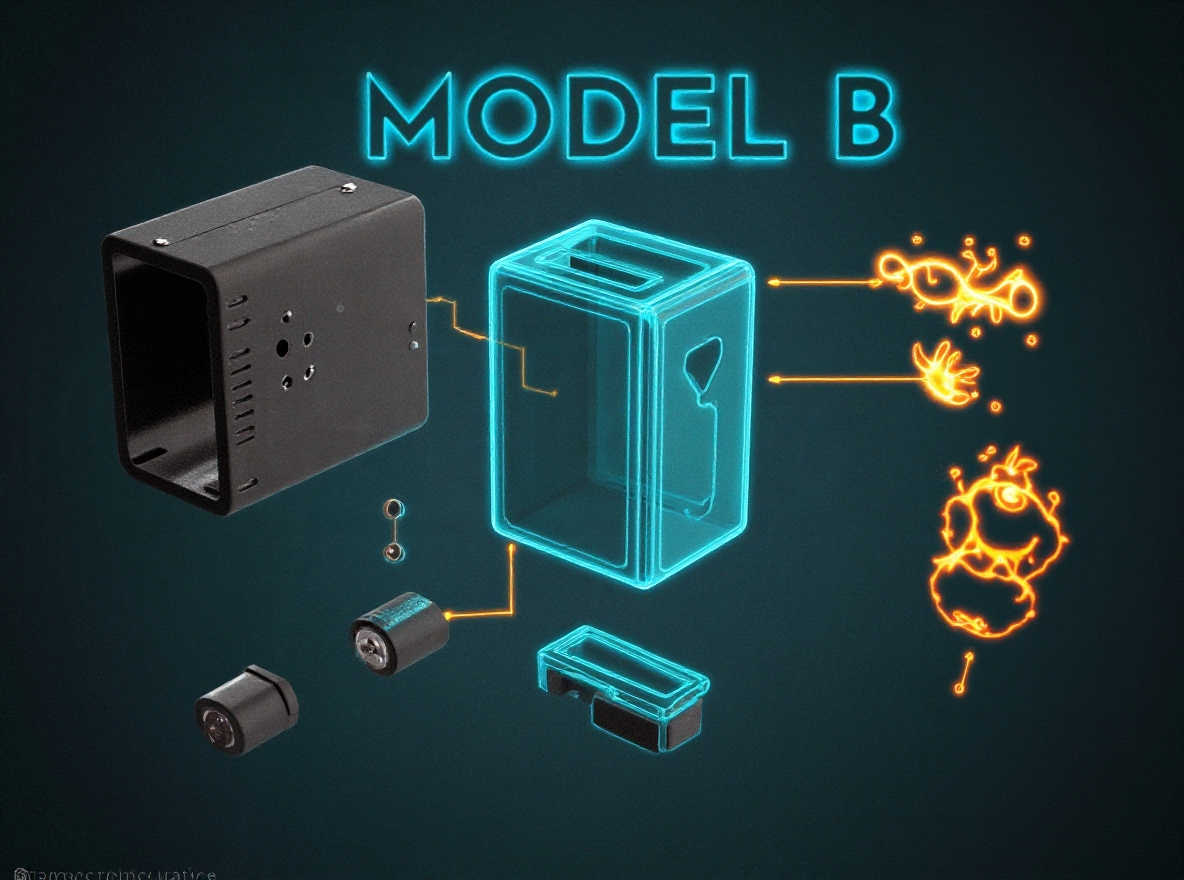
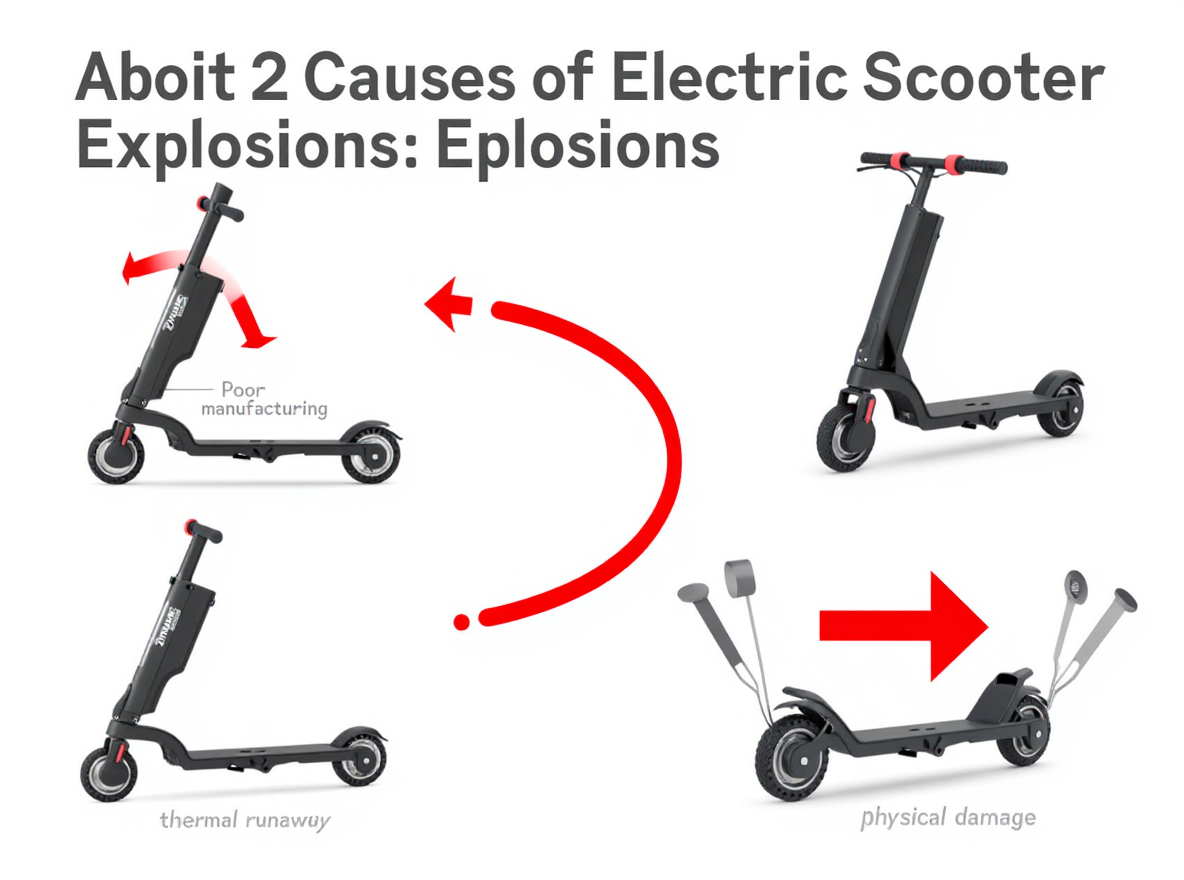
Electric scooter explosions stem from several key factors that affect battery stability. The most critical issue is thermal runaway – a chain reaction where battery cells overheat and ignite neighboring cells. This process can reach temperatures over 1,000°F within minutes.
Thermal runaway begins when one battery cell overheats due to internal damage or external stress. The heat spreads to adjacent cells, creating a domino effect. Once started, this reaction becomes self-sustaining and extremely difficult to stop.
Manufacturing defects play a major role in explosion risks. Poor quality control allows damaged cells to reach consumers. These defective batteries may have internal shorts or weak separators between positive and negative terminals.
Overcharging represents another serious threat to battery safety. When batteries receive too much power, they generate excess heat. This heat buildup can trigger thermal runaway and cause explosions. Most cheap chargers lack automatic shutoff features.
Physical damage to battery cells creates immediate danger. Drops, impacts, or punctures can compromise cell integrity. Even small cracks allow moisture to enter and cause short circuits.
Here’s why it matters – cheap scooters often use lower-grade batteries without proper safety circuits. These budget models skip important protection features that prevent overheating and overcharging.
| Common Explosion Causes | Risk Level | Prevention Method | Cost Impact |
| Battery overheating | High | Temperature monitoring | $50-100 |
| Overcharging | High | Timer-controlled charging | $30-60 |
| Physical damage | Medium | Protective cases | $25-75 |
| Manufacturing defects | Medium | Quality brand selection | $200-500 |
Environmental factors also contribute to explosion risks. High ambient temperatures stress battery cells beyond their design limits. Direct sunlight can heat battery cases to over 140°F, approaching dangerous thresholds for thermal runaway.
Humidity creates additional problems by promoting corrosion inside battery compartments. Salt air near oceans accelerates this corrosion process. Water intrusion through damaged seals can cause immediate short circuits that generate sparks and heat.
Age-related degradation increases explosion likelihood as batteries wear out. Older cells develop internal resistance that generates more heat during use. Chemical breakdown of electrolytes creates gas buildup inside cells that can lead to swelling and eventual rupture.
2. How Common Are Electric Scooter Explosions?
Electric scooter explosions remain relatively rare compared to other battery incidents. Industry data shows approximately 0.01% of scooters experience battery-related fires or explosions annually. However, this percentage represents thousands of dangerous incidents worldwide.
The Consumer Product Safety Commission reports 200-300 scooter fire incidents per year in the United States. This number includes both explosions and less severe battery failures that cause smoke or small fires.
But here’s the thing – reported incidents likely represent only a fraction of actual cases. Many minor battery failures go unreported when users simply replace damaged scooters.
Recall data provides insight into explosion frequency patterns. Major brands have recalled over 500,000 scooters since 2020 due to battery safety concerns. These recalls often follow multiple explosion reports from different geographic regions.
| Device Type | Annual Fire Incidents | Total Units Sold | Incident Rate |
| Electric scooters | 250 | 2.5 million | 0.01% |
| E-bikes | 180 | 1.1 million | 0.016% |
| Smartphones | 150 | 150 million | 0.0001% |
| Laptops | 120 | 50 million | 0.0002% |
Risk factors significantly influence explosion likelihood across different user groups. Scooters used in extreme temperatures, charged with incompatible chargers, or stored improperly face higher explosion risks. User behavior plays a crucial role in safety outcomes.
The scooter industry has implemented stricter safety standards following high-profile incidents. UL 2272 certification now requires comprehensive battery testing before market release. This standard includes thermal abuse testing and overcharge protection verification.
International safety organizations coordinate recall efforts across borders. When one country identifies a dangerous model, other nations quickly implement similar safety measures. This global cooperation helps prevent widespread incidents from occurring.
Insurance companies track explosion data to assess liability risks. Property damage claims from scooter fires average $15,000-50,000 per incident. Personal injury settlements can reach hundreds of thousands of dollars in severe cases involving burns or smoke inhalation.
3. Which Electric Scooter Parts Are Most Dangerous?
The battery pack poses the greatest explosion risk in electric scooters. Lithium-ion cells contain flammable electrolytes that can ignite when cells are damaged or overheated. These electrolytes burn at extremely high temperatures and produce toxic gases.
Battery management systems control charging and discharging processes. When these systems fail, batteries can overcharge or discharge too rapidly. Both conditions generate dangerous heat levels that can trigger thermal runaway.
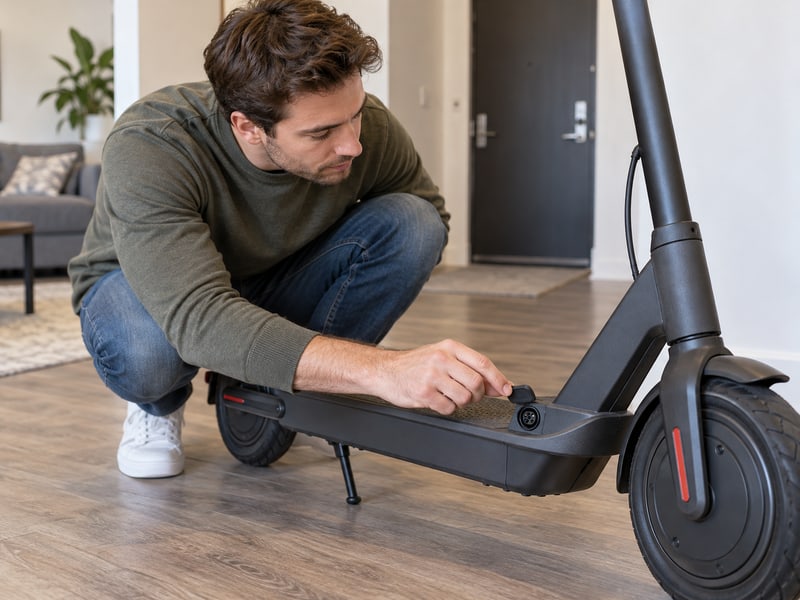
Charging ports create another vulnerability point for explosions. Water damage or loose connections can cause electrical arcs that ignite nearby components. Corroded charging ports increase resistance and generate excess heat.
The best part? Understanding these danger zones helps you inspect your scooter effectively and spot problems before they become serious.
Motor controllers can overheat during heavy use or when damaged. These electronic components regulate power flow to the motor and can spark fires if they fail.
| Dangerous Components | Explosion Risk | Warning Signs | Inspection Frequency |
| Battery pack | Very High | Heat, swelling, odor | Weekly |
| Charging port | High | Sparking, corrosion | Monthly |
| Motor controller | Medium | Overheating, burning smell | Monthly |
| Wiring harness | Medium | Exposed wires, damage | Quarterly |
The wiring harness connects all electrical components throughout the scooter. Damaged wires can create short circuits that generate heat and potentially ignite surrounding materials.
Structural weak points become dangerous during crashes or impacts. When scooters hit obstacles, the force can puncture battery cases or damage internal components.
4. How Can You Prevent Your Electric Scooter from Exploding?
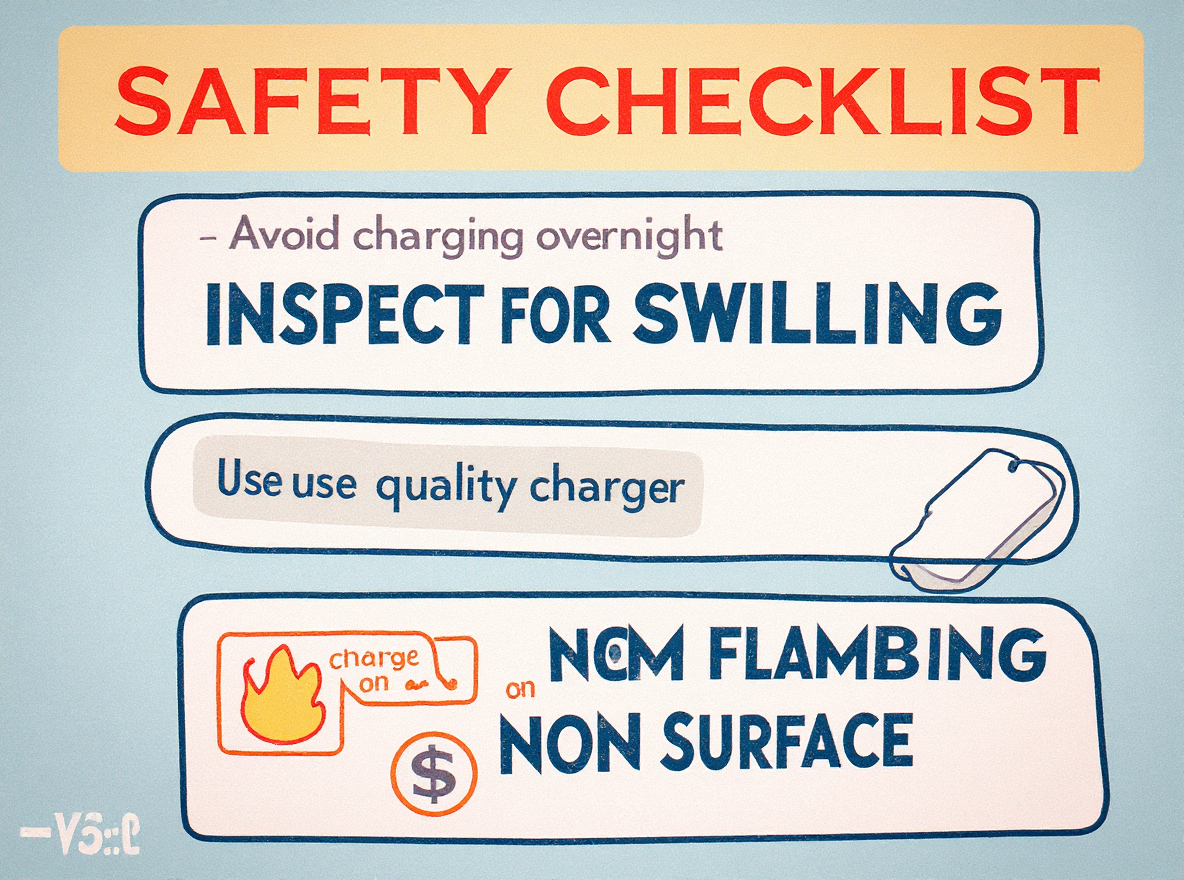
Proper charging practices form the foundation of explosion prevention. Always use the original charger that came with your scooter. Third-party chargers may deliver incorrect voltage or current levels that damage battery cells over time.
Original chargers include safety features specifically designed for your scooter model. These features include temperature monitoring, automatic shutoff, and surge protection. Generic chargers lack these model-specific safety systems.
Set charging timers to prevent overcharging your battery. Most scooter batteries reach full charge within 4-6 hours. Leaving them plugged in longer increases explosion risks.
Now, you might be wondering how to create the safest charging environment for your scooter.
Regular maintenance inspections help identify problems before they cause explosions. Check your battery case monthly for cracks, swelling, or unusual heat during charging. Document any changes in battery performance or appearance.
Store your scooter in temperature-controlled environments when possible. Extreme heat or cold can damage battery cells and increase explosion likelihood.
| Charging Safety Rules | Why Important | Recommended Action | Risk Reduction |
| Use original charger | Prevents overcharging | Never substitute | 60% |
| Set time limits | Reduces heat buildup | 6-hour maximum | 40% |
| Charge in cool areas | Prevents overheating | Below 75°F | 50% |
| Avoid overnight charging | Reduces fire risk | Charge during day | 70% |
Quality charger selection makes a significant difference in safety. Look for chargers with UL certification and built-in safety features like automatic shutoff.
Professional servicing should occur annually or after any significant impact. Trained technicians can identify internal damage that might not be visible externally.

5. What Should You Do If Your Scooter Shows Warning Signs?
Recognizing early danger signals can prevent serious explosions and injuries. Stop using your scooter immediately if you notice unusual heat coming from the battery area during or after charging.
Battery temperature should never exceed 110°F (43°C) during normal operation. Temperatures above this threshold suggest internal damage or system malfunction.
Battery swelling indicates internal damage and imminent failure risk. A swollen battery case means gas buildup inside cells – a clear explosion warning that requires immediate action.
Let me explain the proper emergency response when you spot these warning signs.
Strange smells during charging signal chemical reactions inside battery cells. Sweet, metallic, or burning odors mean you should disconnect the charger and move the scooter outdoors immediately.
Sparking during charging indicates electrical problems that can trigger explosions. Unplug the charger carefully and avoid touching metal parts of the scooter.
| Warning Signs | Danger Level | Immediate Action | Time Sensitivity |
| Battery heat | High | Stop charging, cool down | Within minutes |
| Swelling case | Very High | Stop use, seek service | Immediately |
| Strange odors | High | Move outdoors, ventilate | Within minutes |
| Reduced range | Medium | Schedule inspection | Within days |
Professional repair versus replacement decisions depend on the severity of warning signs. Minor issues like reduced battery life may warrant repair, while swelling or heat problems require immediate replacement.
Emergency response procedures should be planned before problems occur. Know the location of your nearest fire extinguisher and have emergency contact numbers readily available.
Fire suppression for lithium battery fires requires special considerations. Water can spread burning electrolytes and create additional hazards. Class D fire extinguishers work best for metal fires.
6. Are Expensive Electric Scooters Safer Than Cheap Ones?
Premium electric scooters typically include superior battery technology and safety features. Higher-priced models often use name-brand battery cells with better quality control and safety certifications.
Samsung, LG, and Panasonic produce high-quality battery cells used in premium scooters. These manufacturers invest heavily in safety research and quality control. Their cells include built-in protection circuits and thermal monitoring systems.
Safety certifications provide measurable differences between price ranges. Expensive scooters usually carry UL 2272, CE, and FCC certifications that require extensive safety testing.
This is important because budget scooters may skip costly safety features to maintain low prices, putting users at higher risk.
Brand reputation correlates strongly with safety records. Established manufacturers invest more in research, testing, and quality control compared to unknown brands.
Warranty coverage reflects manufacturer confidence in product safety. Premium scooters often include 12-24 month warranties, while budget models may offer only 3-6 months.
| Price Range | Safety Features | Certification Level | Battery Quality |
| Under $300 | Basic protection | Limited | Generic cells |
| 300−300-300−600 | Standard safety | Moderate | Mid-grade cells |
| 600−600-600−1000 | Advanced features | Comprehensive | Name-brand cells |
| Over $1000 | Premium safety | Multiple certifications | Premium cells |
Cost versus safety feature comparison shows clear differences in protection levels. Expensive scooters include thermal monitoring, overcharge protection, and high-quality battery management systems.
Value assessment for safety-conscious buyers should weigh upfront costs against potential risks. A $200 price difference becomes insignificant compared to medical bills or property damage from explosions.
7. How Do Weather Conditions Affect Explosion Risk?
Temperature extremes significantly impact battery stability and explosion likelihood. High temperatures accelerate chemical reactions inside lithium-ion cells, increasing thermal runaway risks.
Summer temperatures can push battery cases above 140°F when scooters sit in direct sunlight. This temperature approaches the thermal runaway threshold for many lithium-ion cells.
Cold weather creates different but equally serious safety concerns. Frozen batteries can crack internally, creating short circuits when they warm up and potentially causing delayed explosions.
What does this mean for you? Seasonal storage and usage adjustments become critical for maintaining scooter safety year-round.
Humidity and moisture exposure create additional explosion hazards. Water can penetrate charging ports and battery cases, causing corrosion and electrical shorts.
Seasonal storage considerations vary by climate zone. Winter storage requires maintaining batteries at moderate temperatures and charge levels around 50-60%.
| Temperature Range | Risk Level | Safety Precautions | Usage Recommendations |
| Below 32°F (0°C) | High | Indoor storage required | Avoid use |
| 32-85°F (0-29°C) | Low | Normal operation safe | Unrestricted |
| 85-95°F (29-35°C) | Medium | Limit direct sun exposure | Reduced use |
| Above 95°F (35°C) | High | Avoid charging/riding | Storage only |
Weather-related usage precautions include avoiding riding during extreme temperature days. Hot asphalt can heat battery cases beyond safe operating temperatures through conduction. Cold weather reduces battery capacity and increases internal resistance significantly.
Rain and snow create immediate safety hazards beyond explosion risks for riders. Wet conditions can cause electrical shorts in exposed components throughout the scooter. Most scooters have limited water resistance ratings that don’t cover heavy rain exposure.
Climate-specific maintenance needs change throughout the year based on local conditions. Summer requires more frequent cooling breaks and shade parking practices. Winter demands battery warming before use and protection from road salt corrosion that can damage electrical connections.
Conclusion
Electric scooter explosions result from preventable causes like overheating, overcharging, and poor maintenance. Quality scooters with proper safety features significantly reduce these risks. Regular inspections and proper charging habits protect both riders and property from dangerous battery failures.
Understanding warning signs and taking immediate action prevents most serious incidents. Temperature monitoring, proper storage, and professional maintenance create multiple layers of protection.
The bottom line? Investing in a quality scooter and following safety guidelines prevents most explosion incidents. Dynamic Scooter offers advanced battery management systems and comprehensive safety certifications that exceed industry standards. Visit our website to explore models designed with your safety as the top priority, backed by our commitment to reliable urban transportation.

FAQ
Q1: Can electric scooters explode while charging?
Yes, electric scooters can explode while charging due to battery overheating, overcharging, or using incompatible chargers. Always use the original charger and avoid charging overnight or unattended.
Q2: What are the first signs that an electric scooter might explode?
Warning signs include unusual heat from the battery, swelling or bulging battery case, strange smells, reduced battery life, and sparking during charging. Stop using immediately if you notice these signs.
Q3: Is it safe to ride an electric scooter in hot weather?
Riding in extreme heat increases explosion risk as high temperatures can cause battery thermal runaway. Avoid direct sunlight storage and limit usage during temperatures above 95°F (35°C).
Q4: How often should I replace my electric scooter battery?
Most lithium-ion batteries last 2-3 years or 300-500 charge cycles. Replace sooner if you notice performance decline, physical damage, or any safety warning signs.
Q5: What should I do if my electric scooter catches fire?
Move away immediately, call emergency services, and never use water on lithium battery fires. Use a Class D fire extinguisher if available, or sand to smother the flames.