Electric Scooter

Which Electric Scooter Offers the Best Value for Adults? Top Picks for 2026

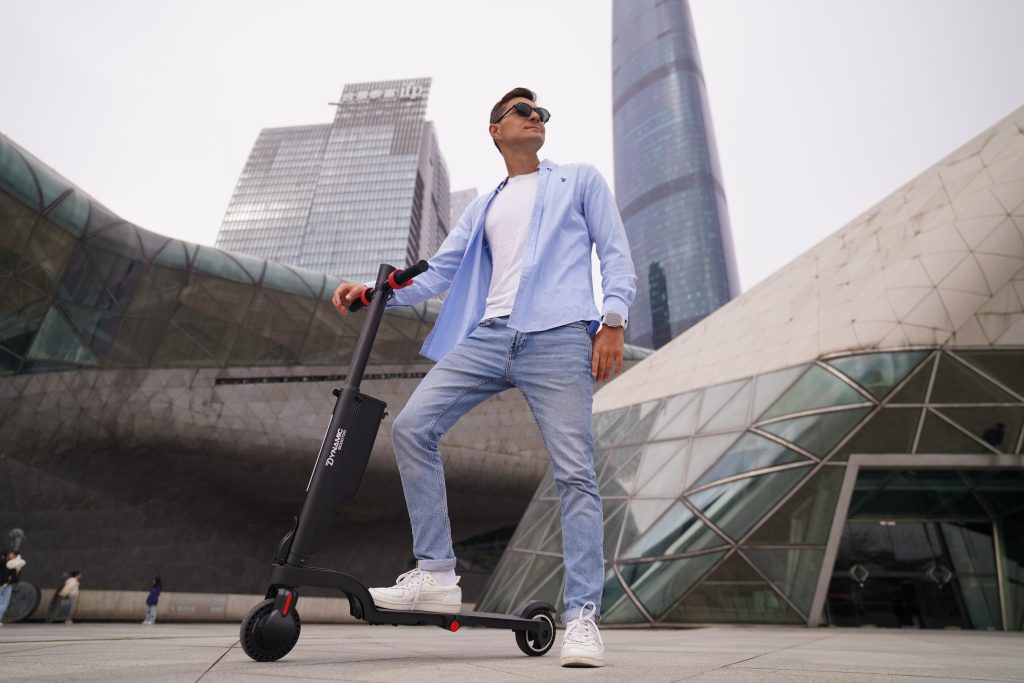
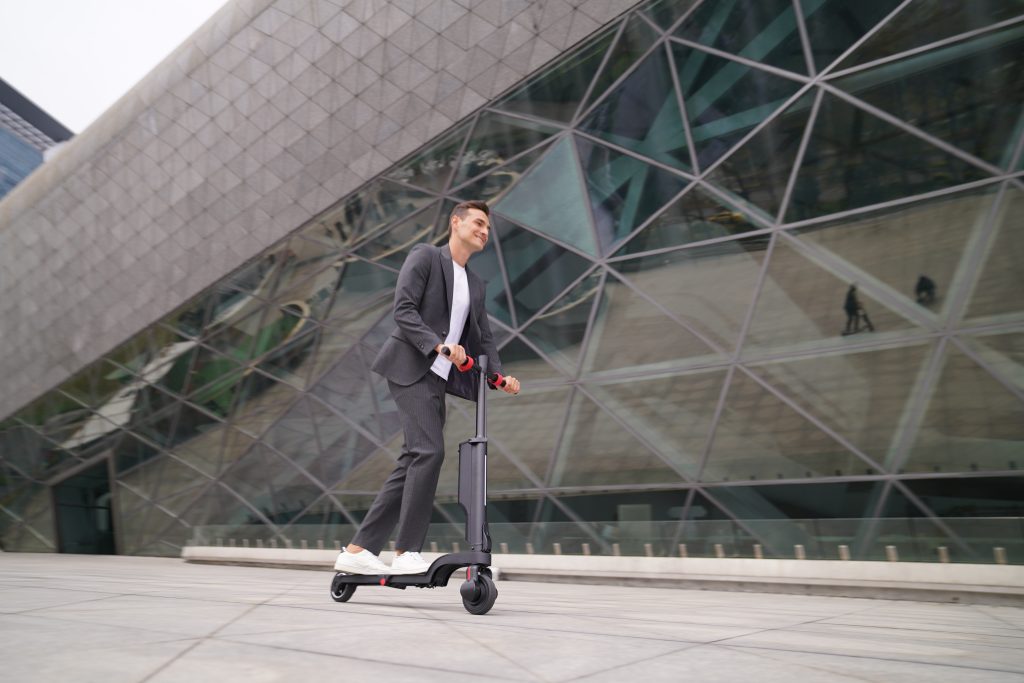
Finding the right electric scooter as an adult can feel overwhelming with hundreds of models flooding the market. Many buyers waste money on scooters that break down quickly, lack power for their needs, or fail to meet legal requirements for their area. Without proper research, you risk purchasing a scooter that disappoints in performance, safety, or durability, leaving you frustrated and out hundreds of dollars. This guide breaks down the key factors that determine real value in adult electric scooters, from performance metrics and safety standards to total cost analysis and brand comparisons. We’ll cover the features that matter most, price range analysis, top brand evaluations, performance benchmarks, usage-specific recommendations, safety certifications, and ownership cost calculations. 1. What Features Should You Look for in an Adult Electric Scooter? Motor power determines your scooter’s ability to handle hills and carry weight effectively. Here’s the thing – underpowered motors struggle with adult riders and inclines. Look for motors between 250W-500W for city commuting. Higher wattage provides better acceleration and hill climbing ability. Most quality adult scooters use brushless motors for longer life and better efficiency. Dual motors offer more power but add weight and cost significantly. Single motors work well for most riders under 200 pounds on flat terrain. Battery capacity directly affects your daily range and charging frequency. Lithium-ion batteries provide the best performance and longevity for electric scooters. Look for 36V systems with 10Ah or higher capacity for decent range. Charging time varies from 3-8 hours depending on battery size and charger specifications. Fast charging reduces wait time but may impact battery lifespan over many cycles. Consider your daily usage patterns when evaluating charging requirements. Motor Power Best For Typical Range Price Range 250W Light commuting 10-15 miles 200−200-200−400 350W Daily commuting 15-20 miles 300−300-300−600 500W+ Hills/heavy riders 20-30 miles 500−500-500−1200 Weight capacity affects performance and safety significantly. Most adult scooters handle 220-300 pounds safely without performance degradation. Exceeding weight limits reduces range, speed, and component lifespan dramatically. Build quality varies dramatically between manufacturers and price points. Look for aluminum frames, quality welds, and solid construction throughout. Cheap plastic parts break easily and create safety hazards during operation. Suspension systems improve ride comfort but add weight and complexity. Front suspension helps with small bumps and cracks. Rear suspension provides better comfort but costs more and needs maintenance. 2. How Do Different Price Ranges Compare for Adult Scooters? Budget scooters under $300 offer basic transportation but come with significant trade-offs. The best part? You can still find reliable options for short commutes and casual use. Expect limited range, basic features, and shorter overall lifespan. These entry-level models typically feature 250W motors and small battery packs. Range stays under 15 miles with basic safety features included. Build quality varies widely in this price range between manufacturers. Mid-range scooters (300−300-300−800) provide the best value for most adult riders. You get better motors, larger batteries, and improved build quality throughout. Range increases to 15-25 miles with better overall performance. These models often include suspension systems, better braking systems, and improved portability features. Many feature app connectivity and additional safety features like better lighting. Warranty coverage improves significantly in this range. Price Range Motor Power Typical Range Key Features Under $300 250W 8-15 miles Basic transport 300−300-300−800 350-500W 15-25 miles Good value 800−800-800−1500 500-750W 25-35 miles Premium features Above $1500 750W+ 35+ miles High performance Premium scooters (800−800-800−1500) offer advanced features and superior performance for serious riders. Expect powerful motors, long range, and excellent build quality throughout. These models suit serious commuters and performance enthusiasts. Features include advanced suspension, premium braking systems, and weather resistance. Many offer smartphone integration, GPS tracking, and advanced safety systems. Build quality matches or exceeds motorcycle standards. High-end scooters above $1500 provide maximum performance and features for demanding users. Dual motors, premium suspension, and extended range justify the cost. These models compete with motorcycles for performance. 3. Which Brands Lead the Adult Electric Scooter Market? Dynamic Scooter stands out as the top choice for value-conscious adults seeking reliable transportation. Now, you might be wondering what makes Dynamic Scooter different from other brands. Their Dynamic Scooter Model B delivers exceptional cost performance with compact, foldable design perfect for urban commuting. Dynamic Scooter focuses on practical features that matter most to daily riders. Their scooters offer up to 25 mph top speed and 20km range while supporting up to 220 pounds safely. The lightweight, portable design fits easily in backpacks for convenient storage. Key advantages include dual-brake systems, large LED displays, and detachable lithium batteries for flexible charging. Dynamic Scooter provides 6-month warranty coverage with 12-month battery warranty for peace of mind. Their ergonomic grip design and IP54 waterproof rating ensure reliable performance. The company’s Canadian heritage brings North American quality standards to affordable pricing. Dynamic Scooter targets the US and Canadian markets specifically, providing local support and fast shipping. Their focus on cost-effectiveness makes premium features accessible to more riders. Xiaomi dominates the budget segment with reliable, well-built scooters worldwide. Their M365 and Pro models offer good value and widespread parts availability. The company emphasizes simplicity and proven technology over flashy features. Segway-Ninebot leads in innovation and premium features across multiple price segments. Their scooters include advanced safety systems, app integration, and superior build quality. Prices reflect the premium positioning and advanced features. The brand offers models from budget to high-end performance categories. Their ES and MAX series provide options for different needs and budgets. Warranty and service support rank among the best in the industry. Brand Price Focus Strengths Weaknesses Dynamic Scooter Mid-range Cost performance, compact Newer brand Xiaomi Budget-Mid Value, reliability Limited features Segway-Ninebot Mid-Premium Innovation, quality Higher prices Razor Budget Availability, price Basic features Razor targets the budget market with basic but functional scooters for casual users. Their models work well for casual use but lack advanced features. Wide retail availability makes them easy to find and purchase. The brand focuses on affordability and basic functionality over advanced features. Their scooters suit occasional riders and those new

Which Electric Scooter Offers the Best Value for Adults? Top Picks for 2026 Read More »

How Do You Maintain Your Electric Scooter? A 2026 Maintenance Guide

Electric scooters offer a convenient way to travel. However, many owners face challenges keeping their scooters in top condition. Neglecting maintenance can lead to costly repairs and reduced performance. This can also shorten the scooter’s lifespan. Proper care ensures your scooter runs smoothly and safely. It also saves you money over time. This article will guide you through essential maintenance steps. You will learn how to keep your electric scooter running well. 1. Why is Electric Scooter Maintenance Important? Maintaining your electric scooter is not just about keeping it clean. It directly impacts your safety. A well-maintained scooter reduces the risk of accidents. It ensures all parts work as they should. This gives you peace of mind on every ride. Here’s why it matters… Proper maintenance also extends the life of your scooter. Regular checks prevent small issues from becoming big problems. This saves you money on expensive repairs. It also keeps your scooter performing at its best. You get the most out of your investment. Benefit of Maintenance Description Enhanced Safety Reduces accident risk, ensures reliable operation. Extended Lifespan Prevents premature wear, delays replacement needs. Optimal Performance Maintains speed, range, and responsiveness. Cost Savings Avoids major repairs, reduces long-term expenses. Regular care helps maintain efficiency. Your scooter will hold its charge better. It will also deliver consistent power. This means more reliable rides. You will reach your destination without unexpected issues. 2. What Basic Tools Do You Need for Scooter Maintenance? Having the right tools makes maintenance easier. You do not need a full workshop. A few essential items will suffice. These tools help with routine checks and minor repairs. They ensure you can handle common issues yourself. Let me explain… Start with basic hand tools. A set of wrenches is crucial for tightening bolts. Screwdrivers, both Phillips and flathead, are also necessary. Pliers help with various tasks. These include gripping small parts or cutting wires. A tire pressure gauge is also a must-have. Tool Category Specific Tools Purpose Hand Tools Wrenches, Screwdrivers, Pliers Tightening, adjusting, gripping Tire Care Tire pressure gauge, Pump, Patch kit Inflation, puncture repair Cleaning Microfiber cloths, Mild soap General cleaning, polishing Lubrication Chain lubricant, Grease Reducing friction, preventing rust Electrical Multimeter Checking voltage, continuity Lubricants and cleaning supplies are next. Use a good quality chain lubricant for moving parts. Mild soap and water work for cleaning the frame. Always use a soft cloth. A tire repair kit and pump are vital. They help fix flats quickly. A multimeter is useful for electrical checks. It helps diagnose battery or wiring issues. These tools empower you to keep your scooter in top shape. 3. How Do You Perform Regular Battery Care? The battery is the heart of your electric scooter. Proper care extends its life. It also ensures consistent power. Most scooters use Lithium-ion batteries. Some older models might use Lead-acid. Understanding your battery type is the first step. Now, you might be wondering… Always follow proper charging practices. Avoid overcharging. This can damage the battery over time. Do not let the battery drain completely. Charge it regularly, even if you do not use the scooter often. This keeps the cells active. Unplug the charger once the battery is full. Battery Type Characteristics Care Tips Lithium-ion Lightweight, high energy density Avoid full discharge, charge regularly Lead-acid Heavier, lower energy density Keep fully charged, avoid deep cycles Store your scooter in a cool, dry place. Extreme temperatures harm battery health. If storing for a long time, charge the battery to about 50-60%. Check it every few weeks. Recharge if needed. This prevents deep discharge. It keeps the battery ready for use. Watch for signs of degradation. These include reduced range or slower charging. Address these issues quickly. This helps maintain battery performance. 4. What Are the Steps for Tire and Wheel Maintenance? Tires and wheels are crucial for a smooth ride. They also affect safety. Regular checks prevent unexpected breakdowns. Start by checking tire pressure. Low pressure can reduce range. It also makes steering harder. Refer to your scooter’s manual for the correct PSI. The best part? Inspect the tread wear. Worn tires reduce grip. This can be dangerous, especially in wet conditions. Look for any punctures or cuts. Small debris can get stuck in the tire. Remove it carefully. Tighten wheel nuts and spokes regularly. Loose parts can cause instability. This ensures a safe and stable ride. Component Maintenance Task Frequency Tire Pressure Check and inflate to recommended PSI Weekly Tread Wear Inspect for wear and damage Monthly Punctures Check for embedded objects Before each ride Wheel Nuts Tighten securely Monthly Spokes Check for looseness Monthly Replacing inner tubes or tires might be necessary. If you find a large puncture, a patch kit might not be enough. Learn how to remove the wheel. Then, replace the tube or tire. This can save you a trip to a repair shop. Proper tire care ensures a comfortable and safe journey. 5. How Do You Maintain the Brakes and Cables? Brakes are your primary safety feature. Regular maintenance keeps them responsive. Start by inspecting brake pads and discs. Look for wear or damage. Worn pads reduce stopping power. Replace them if they are thin. Check the brake discs for warping or cracks. This is important because… Adjust brake tension as needed. The brake levers should feel firm. They should not be too loose or too tight. Proper tension ensures quick stopping. It also prevents accidental braking. Lubricate brake and accelerator cables. This ensures smooth operation. It prevents sticking or sluggishness. Use a silicone-based lubricant. Apply it to the cable housing. Brake Component Inspection Point Action Brake Pads Wear, thickness Replace if worn Brake Discs Warping, cracks Replace if damaged Brake Levers Tension, responsiveness Adjust as needed Cables Fraying, rust Lubricate or replace Check for cable fraying or damage. Frayed cables can snap. This leads to a loss of control. Replace any damaged cables immediately. Ensure all connections are secure. Test your brakes before each ride. This confirms they

How Do You Maintain Your Electric Scooter? A 2026 Maintenance Guide Read More »

Where Can You Repair Your Electric Scooter? Complete 2026 Guide

Is your electric scooter experiencing issues, leaving you stranded or slowing your commute? Many riders face the frustration of a malfunctioning scooter, unsure where to turn for reliable service. This problem can lead to lost time, missed appointments, and the expense of alternative transportation. Without proper repair, minor issues can worsen, causing more significant damage and higher costs. This article provides a clear guide to finding trustworthy repair services, understanding common problems, and maintaining your scooter to keep it running smoothly. 1. Where Can You Find Authorized Service Centers for Electric Scooters? Finding an authorized service center for your electric scooter offers many benefits. These centers have specialized tools and trained technicians. They also use genuine parts, ensuring your scooter gets the right components. This helps maintain its performance and extends its lifespan. Here’s why it matters… authorized repairs keep your warranty valid. To locate official service providers, check your scooter manufacturer’s website. Most brands list their authorized repair partners there. You can also contact customer support for recommendations. When you visit a certified technician, expect a thorough diagnosis. They will explain the problem and the repair process. They will also provide an estimate before starting any work. Here is a table of benefits: Benefit Description Expertise Technicians are factory-trained. Genuine Parts Repairs use original manufacturer components. Warranty Repairs often keep your scooter’s warranty valid. Reliability Work is typically guaranteed. 2. What Common Electric Scooter Problems Can Be Fixed by Professionals? Electric scooters can face various issues, and many require professional attention. Battery problems are frequent. These include reduced range, slow charging, or the battery not holding a charge. Professionals can diagnose battery health and replace faulty units. They ensure proper installation and calibration. But here’s the thing… a bad battery can affect your whole ride. Motor malfunctions are another common issue. You might notice a loss of power, unusual noises, or the motor not engaging. Repair shops can fix or replace motors, ensuring your scooter runs smoothly. Controller and wiring diagnostics are also best left to experts. The controller is the scooter’s brain. It manages power flow. Wiring issues can cause intermittent problems or complete failure. Professionals use specialized tools to pinpoint these electrical faults. Here is a table of common problems: Problem Type Common Symptoms Professional Fix Battery Issues Reduced range, slow charge Replacement, recalibration Motor Malfunctions Loss of power, strange noises Repair, replacement Controller/Wiring Intermittent power, no power Diagnostics, wire repair, controller replacement Brake Problems Squeaking, poor stopping Adjustment, pad replacement, cable repair 3. When Should You Consider DIY Electric Scooter Repairs? Some electric scooter repairs are simple enough for you to handle at home. These often include basic maintenance tasks. Changing a flat tire or adjusting brakes are good examples. You can find many online tutorials for these common fixes. Having a basic toolkit and some spare parts helps. Now, you might be wondering… what can you really do yourself? Resources for home repairs include YouTube videos, online forums, and manufacturer manuals. Always follow safety guidelines. Disconnect the battery before working on electrical parts. Complex DIY repairs carry risks. You could damage components further or create safety hazards. For issues involving the motor, battery, or controller, professional help is usually best. Here is a table of DIY vs. Professional repairs: Repair Type DIY Feasibility Professional Recommendation Tire Change High Low Brake Adjustment High Medium Battery Replacement Medium High Motor Repair Low High 4. How Do You Prepare Your Electric Scooter for Repair? Proper preparation before taking your electric scooter for repair can save time and money. Start by cleaning your scooter. Remove any dirt, mud, or debris. A clean scooter allows technicians to spot issues more easily. It also shows you care for your vehicle. Let me explain… a clean scooter makes a good first impression. Documenting the problem is also important. Write down what happened, when it started, and any unusual sounds or behaviors. Take photos or videos if possible. This information helps the technician diagnose the issue quickly. Before transport, take safety precautions. Turn off the scooter and remove the key if it has one. If the battery is removable, consider taking it out. This prevents accidental activation during transport. Here is a table of preparation steps: Step Description Benefit Clean Scooter Remove dirt and debris. Easier diagnosis, shows care. Document Problem Write down symptoms, take photos. Faster, more accurate repair. Safety Check Turn off, remove key/battery. Prevents accidents during transport. Personal Items Remove bags, locks, accessories. Prevents loss or damage. 5. What Is the Typical Cost of Electric Scooter Repairs? The cost of electric scooter repairs varies greatly. Several factors influence the final price. The type of damage is a major factor. A simple tire change costs less than a motor replacement. The cost of parts also plays a big role. Genuine manufacturer parts are often more expensive than aftermarket options. This is important because… understanding these factors helps manage expectations. Common repair cost estimates can range from minor adjustments costing under 50tomajorcomponentreplacementsexceeding50 to major component replacements exceeding 50tomajorcomponentreplacementsexceeding200. For example, a tire replacement might be 30−30-30−60, while a battery replacement could be 150−150-150−400. Warranty coverage significantly impacts your out-of-pocket expenses. If your scooter is still under warranty, many repairs might be free. Always check your warranty terms before authorizing any work. Here is a table of typical repair costs: Repair Type Estimated Cost (USD) Notes Tire Replacement 30−30 – 30−60 Includes labor and parts. Brake Adjustment 20−20 – 20−40 Minor adjustments. Battery Replacement 150−150 – 150−400 Varies by battery type and capacity. Motor Replacement 100−100 – 100−300 Depends on motor type and power. 6. How Do You Choose a Reliable Electric Scooter Repair Shop? Choosing the right repair shop is crucial for quality service. Start by checking reviews and reputation. Look for shops with positive feedback regarding electric scooter repairs. Online reviews on Google, Yelp, or specialized forums can offer insights. A shop with a strong reputation often means reliable service. Want to know the secret? Word-of-mouth recommendations are often the

Where Can You Repair Your Electric Scooter? Complete 2026 Guide Read More »

Can Your Electric Scooter Handle Winter? What You Need to Know

Winter brings unique challenges for electric scooter riders. You might wonder if your daily commute or leisure rides are still possible when temperatures drop and roads become slick. Ignoring these conditions can lead to reduced performance, potential damage to your scooter, and even unsafe riding experiences. Many riders face this dilemma as seasons change, fearing their reliable transport might become a liability. What does this mean for you? It means understanding how cold weather impacts your electric scooter and what steps you can take to ensure its longevity and your safety. This article will explore the effects of winter on electric scooters, essential maintenance tips, and how to stay safe while riding in colder conditions. We will cover everything from battery care to legal considerations, helping you navigate the colder months with confidence. 1. Can you ride an electric scooter in winter? Riding an electric scooter in winter requires careful thought. Cold temperatures affect scooter performance and rider safety. Knowing these impacts helps you decide if winter riding suits you. Here’s why it matters… Ignoring these points can cause problems. Electric scooters have specific temperature ranges. Most work best above freezing. Below 0°C (32°F), batteries and tires change. This affects scooter function. Some scooters may not start in extreme cold. Temperature Range Scooter Performance Impact Above 10°C (50°F) Optimal performance, full range 0°C to 10°C (32°F to 50°F) Slight range reduction, slower charging Below 0°C (32°F) Significant range loss, potential battery damage, reduced braking efficiency Cold weather greatly impacts lithium-ion batteries. They lose capacity and power in low temperatures. This shortens your scooter’s range. Charging also becomes less efficient. Your scooter may feel weaker on hills. This happens because battery reactions slow down. Safety is key when riding in winter. Roads can be slick from ice, snow, or wet leaves. Visibility often drops with shorter days and bad weather. Be extra careful. Wear bright clothes and use strong lights. This helps others see you. Always check conditions before riding. 2. How does cold weather affect electric scooter batteries? Electric scooter batteries, usually lithium-ion, are sensitive to cold. Low temperatures slow down chemical reactions inside the battery. This impacts its ability to deliver power and hold a charge. Understanding these effects helps you care for your battery. But here’s the thing… proper battery care extends its life. In cold weather, your scooter’s battery gives less energy. This reduces your maximum range. A scooter that normally goes 20 km might only go 10-15 km in winter. You will also notice less acceleration and top speed. The battery struggles to give steady power. This is common for all battery devices in cold. Temperature Expected Range Reduction 0°C (32°F) 20-30% -5°C (23°F) 30-40% -10°C (14°F) 40-50% Charging an electric scooter battery in cold weather takes longer. The battery management system (BMS) may limit charging current. This protects the battery from damage. It prevents issues from quick temperature changes during charging. Always charge your battery indoors at room temperature. This ensures efficient and safe charging. It also helps keep battery health over time. Good battery care is vital in winter. Always store your scooter and battery indoors. Keep the battery charge between 50% and 80% for long storage. Do not charge a frozen battery; let it warm up first. Use the original charger to avoid damage. These steps help keep battery capacity. They also make your battery last longer. This saves you money. 3. What are the risks of riding an electric scooter on icy or snowy roads? Riding an electric scooter on icy or snowy roads is dangerous. These conditions greatly reduce traction. This makes scooter control hard. You face a higher risk of falls and accidents. This is important because… your safety depends on knowing these risks. Ice and snow make surfaces very slippery. Your scooter’s tires lose grip easily. This means stopping takes much longer. Even a little ice can cause a slide. Braking distances grow a lot. Always ride slower in these conditions. Give yourself more room to stop. Road Condition Traction Level Braking Distance Impact Dry Asphalt High Normal Wet Asphalt Medium +20% Light Snow Low +50% Ice Very Low +100% or more Winter roads hide many dangers. Black ice is almost invisible. It forms on cold surfaces and looks like wet pavement. Potholes are also harder to see under snow or puddles. Hitting these can damage your scooter. They can also cause sudden falls. Stay alert and look ahead. Avoid riding after dark if you can. Your tires are your only contact with the road. Standard scooter tires are not for winter. They lack the grip needed for slippery surfaces. Think about special winter tires. Some have deeper treads or small studs. These give better grip in snow and ice. Correct tire pressure is also key. Check it often. This makes the scooter more stable and grippy. 4. What modifications can make an electric scooter more winter-friendly? Making your electric scooter more winter-friendly involves practical upgrades. These changes improve safety and performance in cold, wet, or snowy conditions. They help your scooter handle harsh winter weather. Now, you might be wondering… what specific changes help most? Changing your tires is a big modification. Standard scooter tires offer poor grip on slippery surfaces. Winter tires have softer rubber and deeper treads. Studded tires go further. They have small metal studs in the tread. These studs grip ice and packed snow. This gives great traction. Check if your scooter supports these tires. Ensure correct installation for safety. Tire Type Best Use Case Traction in Snow/Ice Standard Dry/Wet Pavement Poor Winter Cold, Wet Roads Fair Studded Ice, Packed Snow Excellent Winter roads are often wet and slushy. Riding through puddles or melting snow can splash water and grime. Adding larger fenders helps. They block much of this spray. This keeps you cleaner. It also protects your scooter’s parts from water damage. Look for fenders that cover well. Make sure they are secure. This simple addition makes riding more comfortable. Winter days

Can Your Electric Scooter Handle Winter? What You Need to Know Read More »

Can You Build Your Own Electric Scooter? Step-by-Step Guide Inside

Considering a homemade electric scooter? Many face the challenge of finding a personal transport solution that balances cost, performance, and convenience. The frustration of limited options or high prices for pre-built models can lead you to wonder if a DIY approach is viable. This path often involves complex technical hurdles and the risk of creating an unsafe or inefficient vehicle. However, building your own scooter offers unparalleled customization and a deep understanding of its mechanics, potentially saving money and perfectly meeting your needs. This article will guide you through the process, from selecting components to ensuring safety and optimizing performance. 1. What Tools and Materials Do You Need to Build an Electric Scooter? Building an electric scooter from scratch requires a specific set of tools and materials. You will need basic hand tools like wrenches, screwdrivers, and pliers for assembly. A soldering iron is essential for electrical connections. For more advanced fabrication, consider a drill press and possibly a welding machine, depending on your frame design. Here’s why it matters… having the right tools makes the build process smoother and safer. Key components include the motor, battery, controller, and frame. The motor provides power, the battery stores energy, and the controller manages power flow. The frame forms the scooter’s structure. You can source parts from online retailers specializing in e-bike or scooter components, or even repurpose parts from old electronics. Always prioritize quality and compatibility when selecting components. 2. How Do You Choose the Right Motor for Your DIY Scooter? Selecting the correct motor is a critical step for your DIY electric scooter. Two main types exist: brushed and brushless motors. Brushless motors (BLDC) are more efficient, durable, and common in modern electric scooters. Brushed motors are simpler and cheaper but less efficient. Consider the motor’s power output, measured in watts. Higher wattage generally means more speed and climbing ability. For urban commuting, a 250W to 500W motor is often sufficient. But here’s the thing… matching the motor to your intended use is key. Power and speed considerations go hand-in-hand. A motor’s continuous power rating indicates its sustained output, while peak power shows its maximum burst capability. For example, a 350W continuous motor might have a 700W peak. This affects acceleration and hill climbing. Voltage and wattage matching are also vital. Your motor’s voltage rating must match your battery and controller voltage. Mismatched components can lead to damage or poor performance. Always check the specifications carefully before purchasing. Here is a comparison of common motor types: Motor Type Pros Cons Brushed DC Simple, low cost Less efficient, shorter lifespan Brushless DC (BLDC) High efficiency, long lifespan More complex, higher cost Hub Motor Compact, direct drive Less torque, harder to repair Chain Drive Motor High torque, easy to repair Noisier, more moving parts 3. What Battery Specifications Are Best for a Custom Electric Scooter? The battery is the heart of your electric scooter, dictating its range and overall performance. Lithium-ion (Li-ion) and Lithium Iron Phosphate (LiFePO4) are common battery chemistries. Li-ion offers high energy density, meaning more power in a smaller package. LiFePO4 batteries are known for their longer lifespan and improved safety. Now, you might be wondering… which one is right for you? Voltage and capacity (Ah) directly impact your scooter’s range. A higher voltage (e.g., 36V, 48V) generally means more speed and power. Capacity, measured in Ampere-hours (Ah), determines how long your scooter can run. For example, a 10Ah battery will provide more range than a 5Ah battery at the same voltage. Always consider the rider’s weight, as it influences the scooter’s speed and range. Safety features are paramount. Look for batteries with a Smart Battery Management System (BMS). This protects against short circuits, over-discharging, overcurrent, and overcharging. It also includes temperature protection and low voltage auto sleep protection. Here is a table comparing battery types: Battery Type Pros Cons Lithium-ion (Li-ion) High energy density, lightweight More sensitive to temperature, higher cost Lithium Iron Phosphate (LiFePO4) Longer lifespan, safer, stable Lower energy density, heavier 4. How Do You Design and Construct the Scooter Frame? The frame is the structural backbone of your electric scooter, providing stability and housing all components. Common frame materials include aluminum, steel, and carbon fiber. Aluminum is lightweight and corrosion-resistant, making it a popular choice. Steel offers superior strength and durability but is heavier. Carbon fiber is the lightest and strongest but also the most expensive and difficult to work with. Let me explain… material choice impacts both performance and ease of build. Ergonomics and rider comfort are crucial for a pleasant riding experience. Consider handlebar height, deck width, and overall balance. A comfortable riding position reduces fatigue on longer rides. Portability and folding mechanisms are also important, especially if you plan to carry your scooter on public transport or store it in small spaces. A portable and foldable design, like those found in many commercial scooters, allows for easy transport and storage. Ensure your design can accommodate the weight of the rider, up to 100Kg (220Ibs) payload, and a 10° climbing angle. Here is a comparison of frame materials: Material Pros Cons Aluminum Lightweight, corrosion-resistant Can be harder to weld, less strong than steel Steel Strong, durable, easy to weld Heavier, prone to rust if not treated Carbon Fiber Very lightweight, very strong Expensive, difficult to repair, brittle 5. What Are the Key Steps for Wiring and Electronics Assembly? Wiring and electronics assembly are critical for your scooter to function safely and correctly. This involves connecting the motor, battery, and controller. The controller acts as the brain, regulating power from the battery to the motor based on your throttle input. Always follow a clear wiring diagram specific to your components. Incorrect wiring can damage components or pose a fire risk. This is important because… proper connections ensure safe operation. Safety precautions during wiring cannot be overstated. Disconnect the battery before making any connections. Use appropriate wire gauges for the current your system will draw. Insulate all connections properly to prevent short circuits. Integrating

Can You Build Your Own Electric Scooter? Step-by-Step Guide Inside Read More »

What to Look for When Buying an Electric Scooter? A 2026 Buying Guide

Choosing an electric scooter can feel overwhelming. You face many options, and picking the right one is hard. Many buyers struggle with technical specifications and matching them to their daily needs. This often leads to purchasing a scooter that does not meet expectations, causing frustration and wasted money. This article helps you avoid those pitfalls. It guides you through the essential features and considerations for a smart purchase. We will cover key performance metrics, design elements, safety features, and after-sales support to help you make an informed decision. 1. What Key Features Define a High-Performance Electric Scooter? When you look for an electric scooter, performance is a top concern. Key features set a high-quality model apart from the rest. Top speed and maximum range are critical factors. A good scooter should offer a speed of around 25 kph (15 mph) and a range of at least 20 km (12 miles). These numbers ensure you can handle most urban commutes without issue. The payload, or how much weight the scooter can carry, is also important. Look for a model that supports up to 100 kg (220 lbs) to accommodate most riders and their gear. A scooter’s ability to climb hills, known as the climbing angle, is another vital feature. A 10° climbing angle is a good benchmark for city environments with moderate inclines. This ensures you will not get stuck pushing your scooter up a hill. Portability is also a major consideration for commuters. A lightweight and foldable design makes it easy to carry your scooter onto public transport or store it at your destination. Here’s why it matters… these features combine to create a scooter that is not just a toy, but a reliable mode of transportation. Braking systems are non-negotiable when it comes to safety. A dual-brake system, which might include a disc brake and an electronic brake, provides reliable stopping power. This is essential for navigating unpredictable city traffic. The display is your scooter’s dashboard. A large, high-definition LED screen gives you clear access to your speed, battery level, and other important information at a glance. Finally, the battery is the heart of your scooter. A detachable lithium battery offers convenience, allowing you to charge it separately from the scooter. A Smart Battery Management System (BMS) is a must-have for safety and longevity, protecting against issues like overcharging and short circuits. Feature Ideal Specification Top Speed Up to 25 kph (15 mph) Max Range Up to 20 km (12 miles) Payload Up to 100 kg (220 lbs) Climbing Angle 10° Understanding these key features helps you compare different models effectively. It allows you to move beyond marketing claims and focus on the specifications that truly matter for a high-performance electric scooter. A scooter that excels in these areas will provide a better, safer, and more enjoyable riding experience. This knowledge empowers you to invest in a product that meets your specific needs for daily travel. It ensures your new scooter is a practical and dependable part of your routine. 2. How Does Portability and Design Impact Daily Commuting? For daily commuters, a scooter’s portability and design are just as important as its performance. A lightweight construction makes a big difference. You need to carry your scooter up stairs, onto buses, or into your office. Models that fit in a backpack or are compact when folded offer great convenience. This design makes multimodal commuting easy. You can ride part of the way and then switch to public transport without hassle. The overall size and weight directly affect how often you will use your scooter. Ergonomic design also plays a crucial role in comfort. Non-slip grips, often made from silicone and aluminum-magnesium alloy, provide a secure hold. This prevents hand fatigue on longer rides. A well-designed scooter feels natural to ride. Waterproofing is another key design element. An IP54 waterproof level protects your scooter from splashes and dust. This means you can ride in light rain without worry. But here’s the thing… this level of protection ensures your investment lasts longer, even with daily exposure to the elements. Consider the starting modes: zero-start and non-zero start. Zero-start means the scooter accelerates from a standstill with the throttle. Non-zero start requires a kick-off before the throttle engages. Both have their uses. Zero-start offers quick acceleration, good for stop-and-go traffic. Non-zero start provides a safer, more controlled start, especially for new riders. The choice depends on your riding style and comfort level. A scooter that offers both modes gives you flexibility. Design Feature Commuting Benefit Lightweight Easy to carry and transport Foldable Compact storage, fits in small spaces Ergonomic Grips Comfortable, secure handling IP54 Waterproof Protection from splashes and dust These design elements make your daily commute smoother. They turn the electric scooter into a practical tool for urban travel. A well-designed scooter integrates seamlessly into your life. It offers convenience and reliability, making your journey more enjoyable. Choosing a scooter with these features means you choose ease and adaptability for your daily routine. 3. What Safety Features Are Essential for Electric Scooters? Safety is paramount when riding an electric scooter. The braking system is your first line of defense. A dual-brake system, combining mechanical and electronic brakes, offers superior stopping power. This setup ensures quick and reliable deceleration, even in emergencies. It reduces the risk of accidents significantly. Always check for this feature when considering a purchase. It provides peace of mind on busy streets. Battery safety is another critical aspect. A Smart Battery Management System (BMS) protects the battery from various hazards. This system prevents overcharging, which can damage the battery and pose a fire risk. It also guards against over-discharging, extending the battery’s lifespan. Overcurrent protection prevents damage from sudden power surges. Now, you might be wondering… how these systems work together to keep you safe. Temperature protection is also built into a good BMS. It stops the battery from operating outside safe temperature ranges, preventing overheating or freezing damage. Low voltage auto sleep protection puts the battery

What to Look for When Buying an Electric Scooter? A 2026 Buying Guide Read More »

How to Pick the Best Electric Scooter? A 2026 Buyer’s Guide

Electric scooters offer a modern solution for urban travel. Yet, choosing the right one can feel overwhelming. Many buyers face confusion with various models and features. Without proper guidance, you might pick a scooter that does not meet your needs. This leads to frustration and wasted money. Imagine buying a scooter too slow for your commute or too heavy to carry. This mismatch makes daily travel harder. Finding the perfect scooter ensures smooth, efficient rides. This article guides you through key considerations, from range to safety features, helping you make an informed decision. 1. What Factors Should You Consider Before Buying an Electric Scooter? Selecting an electric scooter requires careful thought. Your primary purpose of use is a major factor. Do you need it for daily commuting, or is it for recreational rides? Commuters might prioritize range and portability. Recreational riders might focus on speed and suspension. Understanding your needs helps narrow down choices. Here’s why it matters… A scooter for short trips differs from one for long journeys. Rider weight and height are also critical. Scooters have payload limits. Exceeding this limit affects performance and safety. Taller riders need models with adjustable handlebars. This ensures a comfortable and safe riding posture. Always check the manufacturer’s specifications for weight capacity. Consider your comfort during longer rides. Local regulations and laws play a significant role. Speed limits for electric scooters vary by region. Some areas have restrictions on motor power. Others might require specific safety features. Always research the rules in your city or country. This prevents legal issues. It also ensures your scooter is street-legal. Budget and the total cost of ownership are final considerations. This includes the purchase price, maintenance, and potential insurance. Factor in charging costs too. A cheaper scooter might have higher long-term expenses. Factor Description Impact on Choice Purpose Commuting vs. Recreation Range, Speed, Portability Rider Specs Weight, Height Payload, Handlebar Adjustments Regulations Local Laws Speed, Motor Power, Safety Budget Purchase, Maintenance Overall Cost of Ownership 2. How Does Range and Battery Life Impact Your Scooter Choice? Range and battery life are central to an electric scooter’s utility. Understanding battery types is key. Most modern scooters use lithium-ion batteries. These offer good energy density and a longer lifespan. They also charge faster than older battery types. The quality of the battery directly affects the scooter’s performance. A high-quality battery provides consistent power. The best part? It ensures a reliable ride. Several factors affect a scooter’s actual range. Terrain plays a big role. Riding uphill uses more power. Speed also impacts range. Faster speeds drain the battery quicker. Rider weight is another factor. Heavier riders reduce the effective range. Wind resistance and tire pressure also influence how far you can go. Consider your typical riding conditions. This helps you estimate real-world range. Charging time and options are practical considerations. Some batteries charge in a few hours. Others take much longer. Fast charging capabilities are convenient. They allow for quick top-ups during the day. The importance of a Smart Battery Management System (BMS) cannot be overstated. Dynamic Scooter models feature advanced BMS technology. This protects the battery from overcharging, over-discharging, and overheating. This extends battery life. It also ensures safe operation. Look for scooters with advanced BMS features. Battery Aspect Description Impact on Scooter Type Lithium-ion Energy density, Lifespan Range Factors Terrain, Speed, Weight Actual distance covered Charging Time Hours to full charge Convenience, Downtime BMS Protection system Battery health, Safety 3. What Top Speed and Motor Power Do You Need? Top speed and motor power directly relate to performance. Legal speed limits for electric scooters vary significantly. Some regions cap speeds at 25 kph (15 mph). Others allow higher speeds. Always check local regulations before buying. A scooter capable of high speeds might be illegal in your area. This impacts your riding experience. But here’s the thing… More power often means better climbing ability. Motor types also influence performance. Hub motors are common. They integrate directly into the wheel. Geared motors offer more torque. This helps with hills. Power output, measured in watts, indicates strength. Higher wattage motors provide faster acceleration. They also handle inclines better. Consider your typical routes. If you face many hills, a higher wattage motor is wise. Rider weight affects performance. A heavier rider will experience lower top speeds. They will also see reduced climbing ability. Manufacturers often list a maximum payload. This indicates the scooter’s capacity. Always choose a scooter that comfortably supports your weight. Many Dynamic Scooter models also feature a large, high-definition LED screen display, providing clear access to ride information. This ensures optimal performance and safety. A scooter with sufficient power provides a smoother ride. Feature Description Impact Top Speed Max velocity Legal compliance, Ride feel Motor Type Hub vs. Geared Torque, Efficiency Power Output Wattage Acceleration, Hill climbing Rider Weight Payload capacity Performance, Safety 4. Why is Portability and Design Important for Urban Riders? Urban riders often need a scooter that is easy to transport. Portability is key for multimodal commutes. Foldable mechanisms make a big difference. Dynamic Scooter Model B boast a portable and foldable design, making them easy to transport. This allows you to carry it onto public transport. It also makes storage easier in small apartments. A scooter that folds quickly saves time and effort. Now, you might be wondering… How light is light enough? The weight of the scooter is another crucial factor. Lighter scooters are easier to carry. If you need to lift your scooter frequently, weight matters. Some models weigh less than 12 kg (26 lbs). Others can be over 20 kg (44 lbs). Consider your physical strength and daily routine. A lightweight scooter enhances convenience. Compactness for storage is also important. A folded scooter should fit into tight spaces. This includes under a desk or in a closet. Dimensions when folded are important. Ergonomic grip design enhances comfort. Non-slip grips prevent hand fatigue. Silicone and aluminum-magnesium alloy materials provide a secure hold. This improves control and safety during rides. A

How to Pick the Best Electric Scooter? A 2026 Buyer’s Guide Read More »

Is Electric Scooter Insurance a Must? Quick Guide 2026

Electric scooters offer a convenient way to travel. Yet, many riders overlook a critical aspect: insurance. Without proper coverage, you face significant financial risks. Accidents happen, theft occurs, and liability claims can arise. These events lead to unexpected costs. Imagine a scenario where your scooter is stolen, or you cause an accident. The financial burden falls entirely on you. This lack of protection can turn a simple commute into a costly ordeal. Understanding insurance options helps protect your investment and peace of mind. This article explores why electric scooter insurance matters, what types exist, legal requirements, and how to find the right policy. 1. Why Consider Electric Scooter Insurance? Electric scooters represent a significant investment. Protecting this asset makes good financial sense. Accidents can cause damage to your scooter. They can also cause injury to yourself or others. Without insurance, you bear all repair or medical costs. This financial exposure can be substantial. Here’s why it matters… Liability concerns are another key reason. If you cause an accident, you might be responsible for damages. This includes property damage or personal injury. A lawsuit could result from such an event. Insurance provides a safety net against these claims. It covers legal fees and settlement costs. This protects your personal finances. Theft and damage risks are also present. Scooters are portable and attractive targets for thieves. Even with security measures, theft remains a possibility. Accidental damage can also occur. A fall or collision can render your scooter unusable. Insurance helps replace or repair your scooter. It safeguards your investment against unforeseen events. Risk Category Potential Impact Insurance Solution Investment Loss Repair/Replacement Costs Collision/Comprehensive Liability Claims Legal Fees/Settlements Personal Liability Theft/Damage Scooter Replacement Theft/Vandalism 2. What Types of Electric Scooter Insurance Exist? Understanding the types of insurance helps you choose wisely. Personal liability coverage protects you. It covers costs if you cause injury or damage to others. This coverage is vital for any rider. It shields your assets from unexpected claims. The best part? It offers peace of mind. Property damage coverage pays for damage to property. This includes buildings, vehicles, or other items. If you accidentally hit a parked car, this coverage helps. Theft and vandalism protection covers your scooter. It pays if your scooter is stolen or damaged by vandals. This protects your investment. Medical payments coverage helps with medical bills. It covers your injuries after an accident. This applies regardless of who is at fault. Uninsured/underinsured motorist coverage protects you. It covers costs if an uninsured driver hits you. This adds another layer of security. Coverage Type What It Covers Why It Matters Personal Liability Injury/damage to others Protects your assets Property Damage Damage to other property Covers accidental harm Theft/Vandalism Scooter loss/damage Safeguards your investment Medical Payments Your medical bills Helps with injury costs Uninsured Motorist Accidents with uninsured drivers Adds financial security 3. Is Electric Scooter Insurance Required by Law? Legal requirements for electric scooter insurance vary. State and provincial regulations differ widely. Some regions treat electric scooters like bicycles. They require no special insurance. Other areas classify them as motor vehicles. This means they may require insurance. Always check your local Department of Motor Vehicles. But here’s the thing… Laws change frequently. Local ordinances also play a role. Cities and towns can set their own rules. A city might require insurance even if the state does not. This patchwork of laws makes it complex. You must research the specific rules for your area. Ignoring these laws can lead to fines. It can also lead to legal trouble. Differences by region are significant. In some places, you need liability insurance. In others, comprehensive coverage is a must. For example, some European countries have strict rules. They mandate insurance for all electric vehicles. In contrast, many US states have fewer requirements. Always verify the current laws where you ride. Region Type Typical Requirement Example Strict Mandatory Insurance Some EU countries Moderate Varies by Power/Speed Some Canadian provinces Lenient Often No Requirement Many US states 4. How Does Personal Insurance Cover Electric Scooters? Many riders assume their existing policies cover electric scooters. This is often not the case. Homeowner’s insurance typically offers limited coverage. It might cover theft of your scooter from your home. It usually does not cover accidents. It also does not cover liability when you ride it. This gap in coverage leaves you exposed. Now, you might be wondering… What about riding outside? Renter’s insurance has similar limitations. It may protect your scooter against theft or damage inside your rented property. However, it rarely extends to incidents that happen while you are riding. Personal liability from an accident on your scooter is usually excluded. Review your policy carefully to understand these limits. Do not assume coverage exists. Auto insurance policies generally exclude electric scooters. These policies are for cars, trucks, and motorcycles. Electric scooters fall outside their scope. They are not considered motor vehicles in the same way. Relying on auto insurance for scooter incidents is a mistake. You need specific coverage for your electric scooter. This ensures you have proper protection. Policy Type Scooter Coverage Common Exclusions Homeowner’s Theft at home Riding accidents, Liability Renter’s Theft at rental Riding accidents, Liability Auto None All scooter-related incidents 5. What Factors Affect Electric Scooter Insurance Costs? Several factors influence the cost of electric scooter insurance. The scooter’s value and model play a big role. More expensive scooters cost more to insure. High-performance models also carry higher premiums. This is due to their greater potential for damage or accidents. Insurers assess the risk associated with each model. Let me explain… They look at repair costs and accident rates. Your riding record also impacts costs. A clean record with no accidents or violations helps keep premiums low. Conversely, a history of claims or traffic infractions can increase your rates. Insurers view such records as higher risk. Your location and how you use the scooter matter too. Riding in high-traffic urban areas often means higher premiums. Using your scooter for

Is Electric Scooter Insurance a Must? Quick Guide 2026 Read More »

Can you convert a push scooter to electric? DIY Tips for 2026

Manual scooters are tiring and slow? Low travel efficiency? Convert to electric for easier, faster commutes! Converting a push scooter to electric can be a rewarding DIY project! Converting a push scooter to electric is a cost-effective and eco-friendly choice. It offers custom control over speed and range. Learn how to pick parts, install systems, and ensure safety. While it presents challenges in parts, wiring, and safety, this article guides you through component selection, conversion steps, and crucial safety checks. Want to know more details? 1. The Feasibility of Electric Scooter Conversion Converting a push scooter to electric is entirely feasible, blending practicality with personal satisfaction. This DIY project allows you to customize your ride by adding a motor, battery, and control system. Here’s why it matters… it offers significant control over performance, tailoring it to your exact needs. Successful conversion relies on careful planning and acquiring the right components. Online guides and communities provide extensive support. Your mechanical and electrical skills, alongside the scooter’s design and adaptability, are crucial. A robust, well-maintained scooter forms the best foundation for a durable conversion. 2. Benefits of Converting a Push Scooter to Electric Converting your own scooter offers significant cost savings over buying a new electric model. Beyond finances, it provides unparalleled customization, allowing you to tailor every aspect to your preferences. Want to know the secret? You control speed, range, and more. This hands-on project also offers an invaluable learning experience, deepening your understanding of electric vehicle mechanics. It fosters accomplishment and repurposes old scooters, contributing to sustainability. 3. Challenges and Considerations in Electric Scooter Conversion Despite benefits, conversion presents challenges. Finding compatible parts is tricky, and managing battery placement and weight distribution is crucial for balance and performance. This is important because… improper planning leads to instability. Wiring the electrical system is complex, demanding precision and electrical knowledge. Safety is paramount, requiring thorough checks. Local regulations vary, impacting legality. This project demands notable time and effort. Challenge Description Part Compatibility Finding matching components Weight Distribution Maintaining balance Wiring Complexity Precision, electrical knowledge 4. Essential Components for Electric Scooter Conversion Successful conversion requires precise component selection, each vital for function and performance. Let me explain… component synergy ensures success and safety. Motor Types and Power Motors are the heart of your e-scooter. Hub motors integrate into the wheel, offering a clean design. External motors attach to the frame, driving the wheel via a chain or belt. Motor power (watts) dictates speed and torque. Choose based on desired speed, terrain, and rider weight. Motor Type Description Pros Hub Motor Integrated into wheel Clean, compact External Motor Frame-mounted, chain/belt More power Battery Specifications and Range Batteries impact range and performance. Capacity (Ah or Wh) determines travel distance, while voltage (V) influences speed. Lithium-ion batteries are common for energy density. Ensure the battery fits physically and meets range needs without compromising balance. Battery Spec Impact Consideration Capacity (Ah/Wh) Range Travel distance Voltage (V) Speed, Power Performance Controller and Throttle The controller manages power from the battery to the motor, regulating speed. The throttle controls speed. Compatibility between motor, battery, and controller is paramount for smooth operation and responsive riding. Component Function Types Controller Manages power, regulates speed BLDC, Brushed DC Throttle Controls speed Thumb lever, Twist grip Wiring and Connectors Proper wiring connects all components. Use correct wire gauges to prevent overheating. High-quality, waterproof connectors ensure reliable links. Labeling wires simplifies troubleshooting. This is important because… a well-wired system is safe and efficient. Wiring Aspect Importance Best Practice Wire Gauge Prevents overheating Match to current draw Connectors Secure, reliable links High-quality, waterproof Braking Systems Increased speeds demand robust braking. Original brakes may be insufficient. Upgrading to disc or drum brakes is highly recommended for superior stopping power. Ensure your braking system handles new performance capabilities for rider safety. Brake Type Description Pros Friction Brake Original, simple Easy to use Disc Brake Caliper on rotor Strong stopping power 5. Choosing the Right Push Scooter for Conversion Selecting the ideal push scooter base is critical. Not all scooters are suitable; a well-chosen base simplifies the process and ensures a safer, more durable product. Now, you might be wondering… what features make a good candidate? Frame Strength and Material The frame must withstand added weight and electric propulsion stresses. Look for robust steel or high-grade aluminum frames. Avoid flimsy designs. A strong frame ensures durability, stability, and a safer ride. Material Strength Weight Steel High High Aluminum Medium-High Medium-Low Wheel Size and Type Wheel size impacts ride comfort and hub motor integration. Larger wheels offer a smoother ride and more space for hub motors. Pneumatic tires provide superior shock absorption; solid tires require less maintenance but offer a harsher experience. Wheel Size Ride Comfort Hub Motor Fit Small (5-6 inch) Low Difficult Medium (8-10 inch) Medium Possible Deck Space for Components The deck needs sufficient space for the battery and controller without compromising rider comfort. Measure available area carefully. Ensure adequate ventilation to prevent overheating. A cramped deck can lead to discomfort and safety issues. Existing Braking System Compatibility Assess the existing braking system and its upgrade potential. Basic friction brakes are often inadequate. Look for models that easily accommodate disc or drum brakes, essential for effective and safe stopping. Enhanced braking is non-negotiable for safety. Overall Condition and Stability Choose a scooter in good overall condition. Inspect for wear, rust, cracks, or damage. A stable, well-maintained scooter provides a safer, more reliable foundation. Test steering and wheels for smooth movement. Starting with a solid base minimizes unexpected issues. 6. Steps for Converting a Push Scooter to Electric Converting a push scooter to electric is a multi-step process requiring specific tools, basic skills, and a strong emphasis on safety. A structured approach minimizes errors and maximizes success. The best part? You’ll gain invaluable hands-on experience. Planning and Design Begin with a detailed plan. Define desired speed, range, and power. Research motor and battery configurations. Sketch how components fit, focusing on weight distribution and balance. A well-thought-out

Can you convert a push scooter to electric? DIY Tips for 2026 Read More »

What weight can your electric scooter carry? Max Limits Explained

Electric scooters offer convenient travel. Understanding their weight capacity is key for safety and performance. Many riders overlook this detail, leading to issues like reduced speed, decreased battery life, and structural damage. Ignoring weight limits compromises your safety, making the ride unstable and increasing accident risk. This article answers common questions about electric scooter weight limits, helping you make informed decisions, and ensure a safer journey. We will explore why weight capacity matters, what factors influence it, how to find your scooter’s limit, and what happens if you exceed it. 1. What are common weight capacities for different electric scooter types? Electric scooters come in various designs, each suiting different purposes and rider weights. Understanding these categories helps you choose a model, as weight capacities vary significantly. Here’s the deal… Different scooters handle different loads. Electric scooters typically have weight capacities ranging from 100 kg to 150 kg (220 lbs to 330 lbs), depending on their type. Lightweight commuter scooters usually handle 100-120 kg, while mid-range models support 120-150 kg. Heavy-duty and off-road scooters, as well as those designed specifically for heavier riders, can exceed 150 kg, with some reaching up to 200 kg (440 lbs). Lightweight commuter scooters These scooters are for portability and short distances, often foldable and light for easy transport on public transit. Their weight capacities range from 100 kg to 120 kg (220 lbs to 265 lbs), making them ideal for urban commuters who prioritize ease of transport. Mid-range all-purpose scooters Mid-range scooters balance portability, speed, and range, suiting daily commuting and recreational rides. Their weight capacities usually fall between 120 kg and 150 kg (265 lbs to 330 lbs), and these models often feature powerful motors and better suspension, making them versatile for many riders. Heavy-duty and off-road scooters These scooters are built for durability and varied terrains, with robust frames and powerful motors to handle heavier loads and demanding conditions. Their weight capacities exceed 150 kg (330 lbs), with some reaching up to 200 kg (440 lbs), making them ideal for larger riders or those needing to carry extra gear, offering superior strength. Scooters designed for heavier riders Some manufacturers design scooters specifically for heavier individuals, featuring reinforced frames, stronger motors, and enhanced braking. They often have weight capacities of 150 kg (330 lbs) or more. If you are a heavier rider, look for these scooters; they provide necessary support and safety, as they are built for strength. Scooter Type Typical Weight Capacity (kg) Typical Weight Capacity (lbs) Lightweight Commuter 100-120 220-265 Mid-range All-purpose 120-150 265-330 Heavy-duty/Off-road 150-200+ 330-440+ For Heavier Riders 150+ 330+ 2. Why does electric scooter weight capacity matter? Understanding your electric scooter’s weight capacity is critical for safe and efficient operation. This manufacturer-set limit directly impacts performance and longevity. Ignoring it leads to serious problems. Here’s why it matters… It affects everything from speed to braking. Rider safety and stability Exceeding the weight limit compromises balance and handling, making steering harder, especially at higher speeds. An overloaded scooter becomes unstable, increasing the risk of falls or collisions. The frame and components are overstressed, which can lead to sudden failures. Your safety depends on respecting these limits. Scooter performance and longevity Too much weight forces the motor to work harder, reducing speed and range. The battery drains faster, and over time, this overexertion damages the motor, battery, and electrical parts. Suspension and tires wear out quickly, leading to costly repairs and a shorter lifespan. Proper loading keeps your scooter running well. Legal and warranty implications Manufacturers design scooters to specific standards, and the weight limit is part of that. Operating beyond capacity might void your warranty. If something breaks due to overloading, the manufacturer may not cover repairs. Some areas might have legal implications for unsafe vehicle operation. Always check local regulations. Aspect Impact of Exceeding Weight Limit Safety Reduced stability, increased accident risk Performance Slower speed, shorter range, reduced climbing Longevity Faster wear on motor, battery, tires, frame Warranty Potential voiding of manufacturer’s warranty Legal Possible legal issues depending on local laws 3. What factors influence an electric scooter’s weight limit? Design and engineering choices determine an electric scooter’s maximum weight capacity, creating a robust and safe riding experience. Understanding these factors helps you choose the right scooter. Let me explain… Each component plays a vital role. Frame material and construction The frame is the scooter’s backbone, typically made from aluminum alloy, steel, or carbon fiber. Aluminum is light and strong, while steel offers more durability for heavier loads. Carbon fiber is very light but expensive. How materials join, by welding or bolting, affects strength. A well-built frame supports more weight. Motor power and battery capacity The motor moves the scooter and its load. A powerful motor handles heavier riders without performance loss. Battery capacity relates to sustained power; a larger battery often means a heavier scooter but also supports longer rides with heavier loads. These components ensure efficient movement and sustained performance. Tire type and suspension system Tires absorb shocks and provide grip. Solid tires are puncture-proof but offer less cushioning, while pneumatic (air-filled) tires provide a smoother ride. The suspension system enhances comfort and stability, distributing weight better and absorbing impacts. This protects the rider and components, making them key for a comfortable and safe ride. Deck size and design The deck is where the rider stands. A larger, wider deck provides more space and stability. Its design and reinforcement contribute to weight capacity; some decks have internal supports to prevent bending or cracking under heavy loads. A well-designed deck ensures a secure platform, directly supporting the rider’s weight. Component Influence on Weight Limit Frame Material Structural strength (aluminum, steel) Motor Power Moves heavier loads efficiently Battery Capacity Sustained power for heavier loads Tire Type Shock absorption, load distribution Suspension System Stability, comfort under load Deck Design Stable platform, structural integrity 4. How can you find your electric scooter’s weight capacity? Finding your electric scooter’s weight capacity is simple. Manufacturers provide this information for safe use.

What weight can your electric scooter carry? Max Limits Explained Read More »

Shopping Cart
Scroll to Top