
Slow electric scooters frustrate riders and waste time. Many speed problems have simple fixes that owners can handle themselves. Understanding the causes helps you get back to full speed quickly.
Electric scooters go slow due to battery problems, motor issues, mechanical friction, excess weight, and environmental factors. Low battery charge reduces power delivery and activates speed limiters. Worn motors, brake drag, low tire pressure, and heavy loads all decrease performance. Cold weather reduces battery efficiency while hills demand more power. Most speed problems stem from poor maintenance, aging components, or improper use.
This guide covers the main causes of slow speeds and practical solutions to restore your scooter’s performance.
1. What Battery Problems Cause Slow Electric Scooter Performance?
Battery issues are the most common cause of slow electric scooter performance. Most speed problems start with power delivery issues from the battery system. Here’s the deal… your scooter’s speed depends directly on how much power the battery can deliver to the motor.
Low battery charge reduces available voltage and triggers speed-limiting protection systems. Most scooters slow down when battery charge drops below 50%. Voltage sag under load causes further speed reduction. The battery management system limits power to prevent damage.
Battery age and capacity degradation affect performance even when fully charged. Old batteries cannot deliver peak power like new ones. Capacity loss means less energy storage and shorter range. Internal resistance increases with age, reducing power delivery efficiency.
Faulty battery cells create voltage imbalances that limit overall pack performance. One weak cell drags down the entire battery pack. Damaged cells cannot hold charge or deliver power properly. Cell failures often cause sudden speed drops during rides.
Temperature effects significantly impact battery performance and scooter speed. Cold batteries deliver less power and have reduced capacity. Hot batteries may trigger thermal protection that limits performance. Extreme temperatures can cause permanent battery damage.
| Battery Problem | Speed Impact | Warning Signs | Solution |
| Low Charge | Gradual slowdown | Battery indicator, reduced range | Charge battery fully |
| Age Degradation | Consistent slow performance | Shorter range, slow charging | Replace battery pack |
| Faulty Cells | Sudden speed drops | Voltage warnings, uneven charging | Professional battery service |
| Temperature Issues | Variable performance | Weather-related speed changes | Temperature management |
2. How Do Motor Issues Affect Electric Scooter Speed?
Motor problems directly impact your scooter’s ability to convert electrical power into motion. Even minor motor issues can cause significant speed reductions. This is important because… motor problems often worsen quickly and can cause complete failures if ignored.
Motor wear creates internal friction that reduces efficiency and speed. Brushed motors wear out faster than brushless designs. Worn brushes create poor electrical contact and reduced power. Internal components may develop play or misalignment over time.
Overheating triggers thermal protection systems that limit motor power to prevent damage. Heavy use, high ambient temperatures, and poor ventilation cause overheating. Thermal sensors reduce power when temperatures exceed safe limits. Continued overheating can cause permanent motor damage.
Electrical connection issues prevent proper power delivery to the motor. Loose connections create resistance and voltage drops. Corroded terminals reduce electrical conductivity. Damaged wiring can cause intermittent power delivery problems.
Controller malfunctions affect how power flows from battery to motor. The controller regulates motor speed and torque delivery. Faulty controllers may limit power or provide inconsistent performance. Programming errors can cause speed restrictions or poor acceleration.
| Motor Issue | Performance Effect | Diagnosis Method | Repair Complexity |
| Wear and Friction | Gradual speed loss | Listen for unusual noises | Professional service required |
| Overheating | Sudden power reduction | Feel motor temperature | Improve ventilation, reduce load |
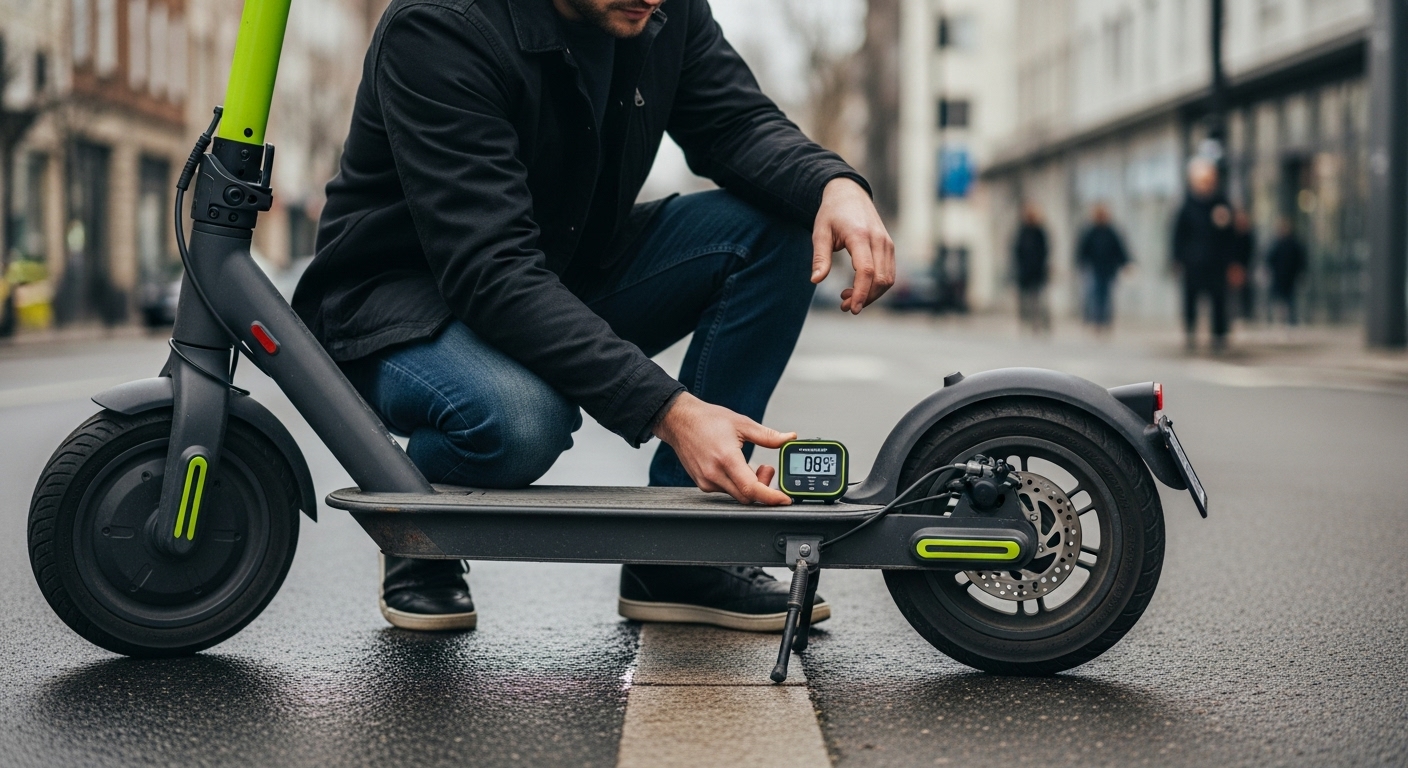
| Connection Problems | Intermittent speed issues | Check connections visually | DIY repair possible |
| Controller Faults | Erratic performance | Professional diagnostics | Professional service required |
3. What Mechanical Problems Slow Down Electric Scooters?
Mechanical friction and alignment issues rob power from your scooter’s motor. Small mechanical problems can cause surprisingly large speed reductions. Now, you might be wondering… how much difference can mechanical issues really make? The answer is often 20-30% speed reduction from seemingly minor problems.
Tire pressure affects rolling resistance and overall scooter performance significantly. Under-inflated tires increase rolling resistance and reduce speed. Low pressure also increases tire wear and reduces range. Proper pressure improves efficiency and extends tire life.
Brake drag occurs when brakes do not fully release after use. Dragging brakes create constant friction that slows the scooter. Brake cable tension, pad alignment, and hydraulic issues cause drag. Even slight brake contact reduces speed and wastes battery power.
Chain or belt tension affects power transfer efficiency from motor to wheels. Loose chains skip and waste power during acceleration. Tight chains create excessive friction and wear. Belt drives need proper tension for optimal power transfer and longevity.
Bearing friction in wheels, steering, and folding mechanisms reduces efficiency. Dirty or worn bearings increase rolling resistance. Lack of lubrication causes bearings to bind and create drag. Regular bearing maintenance prevents friction-related speed loss.
| Mechanical Problem | Speed Loss | Easy Check Method | Maintenance Frequency |
| Low Tire Pressure | 15-25% | Pressure gauge check | Weekly |
| Brake Drag | 10-20% | Spin wheel freely | Monthly |
| Chain/Belt Issues | 5-15% | Visual inspection | Monthly |
| Bearing Friction | 5-10% | Feel for smooth rotation | Quarterly |

4. How Does Rider Weight and Load Impact Scooter Speed?
Weight significantly affects electric scooter performance, especially on hills and during acceleration. Most riders underestimate how much weight impacts their scooter’s speed. Want to know the secret? staying within weight limits and reducing unnecessary cargo can dramatically improve performance.
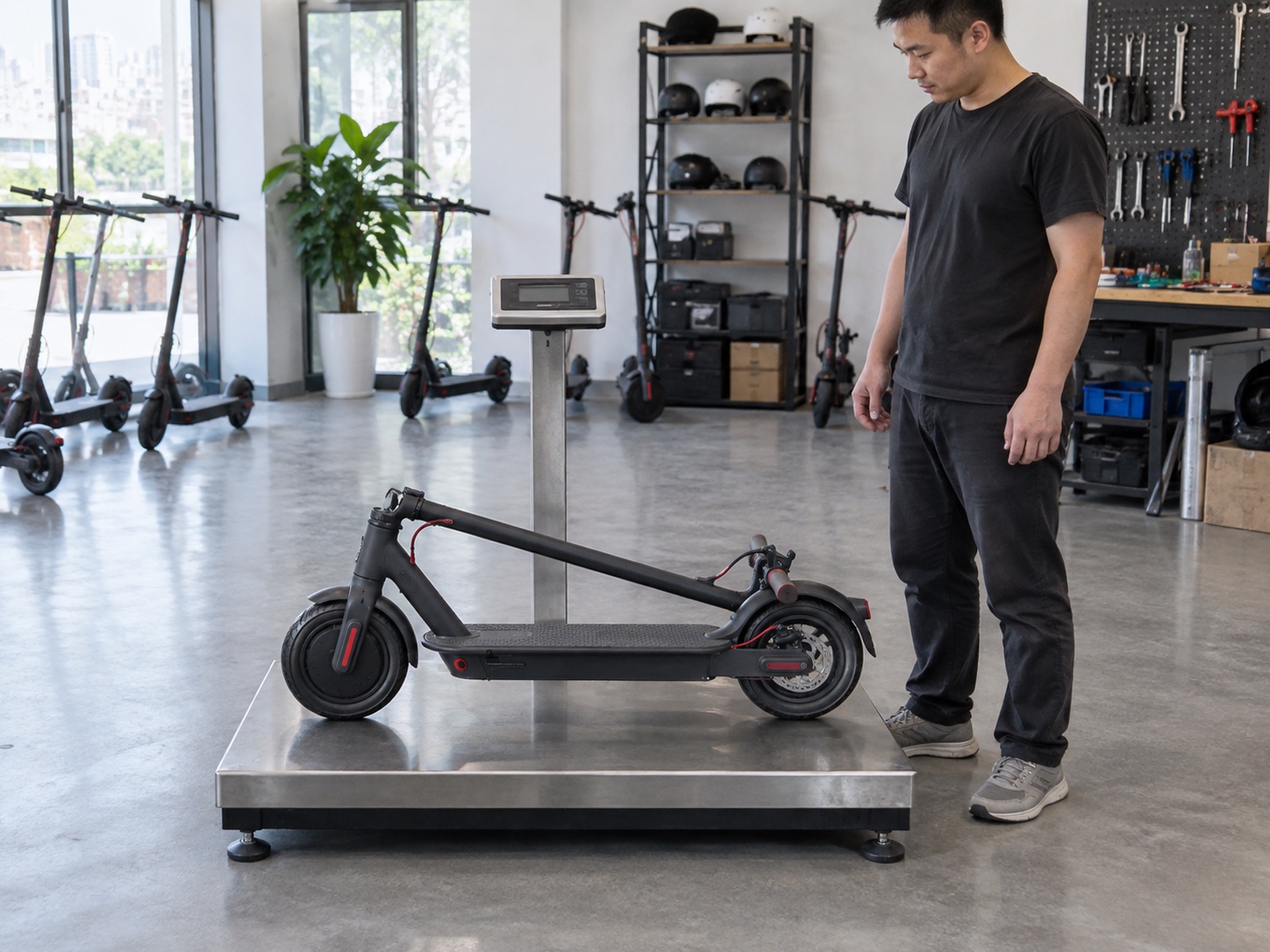
Weight limits exist for safety and performance reasons. Exceeding limits stresses the motor, battery, and mechanical components. Heavy loads require more power to achieve the same speeds. Manufacturers design scooters for specific weight ranges to optimize performance.
Cargo and passenger weight effects are cumulative and impact all aspects of performance. Extra weight reduces acceleration, top speed, and range. Hills become more challenging with heavy loads. Braking distances increase with additional weight.
Hill climbing performance suffers dramatically with excess weight. Motors work harder to overcome gravity and weight. Battery drain increases significantly on inclines with heavy loads. Some scooters may not climb hills at all when overloaded.
Acceleration differences become obvious with varying weights. Heavy riders experience slower acceleration from stops. Light riders may exceed speed expectations with the same scooter. Weight distribution also affects handling and stability during acceleration.
| Weight Factor | Performance Impact | Speed Reduction | Range Impact |
| Rider at Weight Limit | Baseline performance | 0% | Baseline |
| 20% Over Weight Limit | Noticeable reduction | 10-15% | 15-20% less |
| 50% Over Weight Limit | Significant impact | 25-30% | 30-40% less |
| Heavy Cargo Load | Variable impact | 5-20% | 10-25% less |
5. What Environmental Factors Reduce Electric Scooter Speed?
Environmental conditions significantly impact electric scooter performance in ways many riders do not expect. Weather and terrain create challenges that affect speed and range. Let me explain… understanding environmental impacts helps you adjust expectations and riding strategies for different conditions.
Temperature effects on battery and motor performance are more significant than most people realize. Cold weather reduces battery capacity and power delivery. Hot weather can trigger thermal protection systems. Extreme temperatures stress all electrical components.
Wind resistance becomes a major factor at higher speeds. Headwinds can reduce speed by 20-30% or more. Crosswinds affect stability and require more energy to maintain course. Tailwinds provide helpful speed boosts but are less common.
Terrain and incline challenges demand more power from the motor and battery. Hills require exponentially more power as grade increases. Rough surfaces increase rolling resistance and vibration. Soft surfaces like sand or grass dramatically reduce efficiency.
Altitude and air density impacts affect motor cooling and battery performance. High altitude reduces air density for motor cooling. Thin air provides less resistance but also less cooling. Battery chemistry can be affected by pressure changes.
| Environmental Factor | Speed Impact | Adaptation Strategy | Performance Loss |
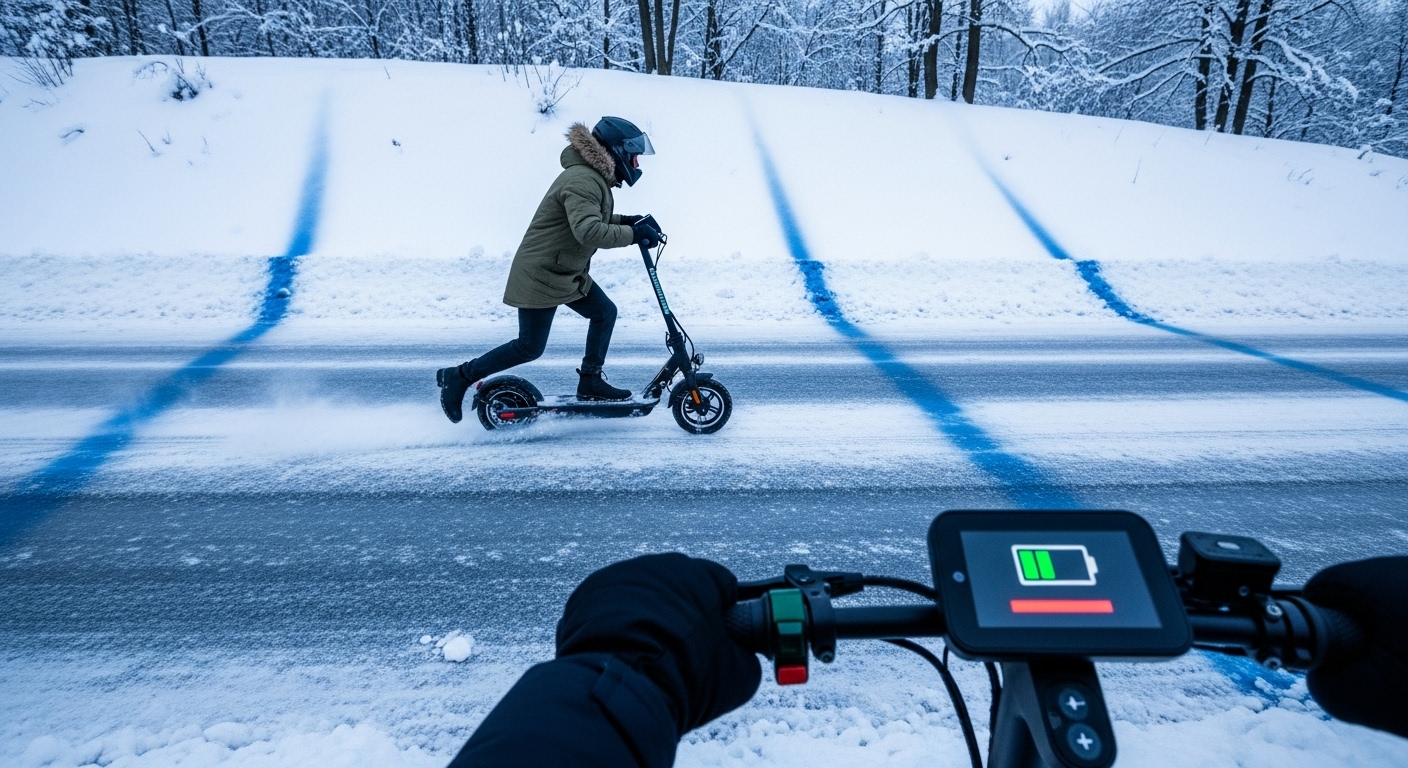
| Cold Weather (Below 32°F) | Significant reduction | Warm storage, shorter trips | 20-40% |
| Hot Weather (Above 90°F) | Moderate reduction | Avoid peak heat, rest periods | 10-20% |
| Strong Headwinds | Major impact | Lower speed, plan routes | 20-50% |
| Steep Hills | Severe impact | Reduce weight, assist with pushing | 30-70% |
6. How Can You Diagnose and Fix Speed Problems?
Systematic diagnosis helps identify the root cause of speed problems quickly. Most issues have logical troubleshooting steps that narrow down possibilities. The best part? many speed problems have simple fixes that do not require professional service or expensive parts.
Step-by-step troubleshooting starts with checking the most common and easily fixed problems first. Check battery charge level and tire pressure before investigating complex issues. Test the scooter under different conditions to isolate variables. Document symptoms and conditions when problems occur.
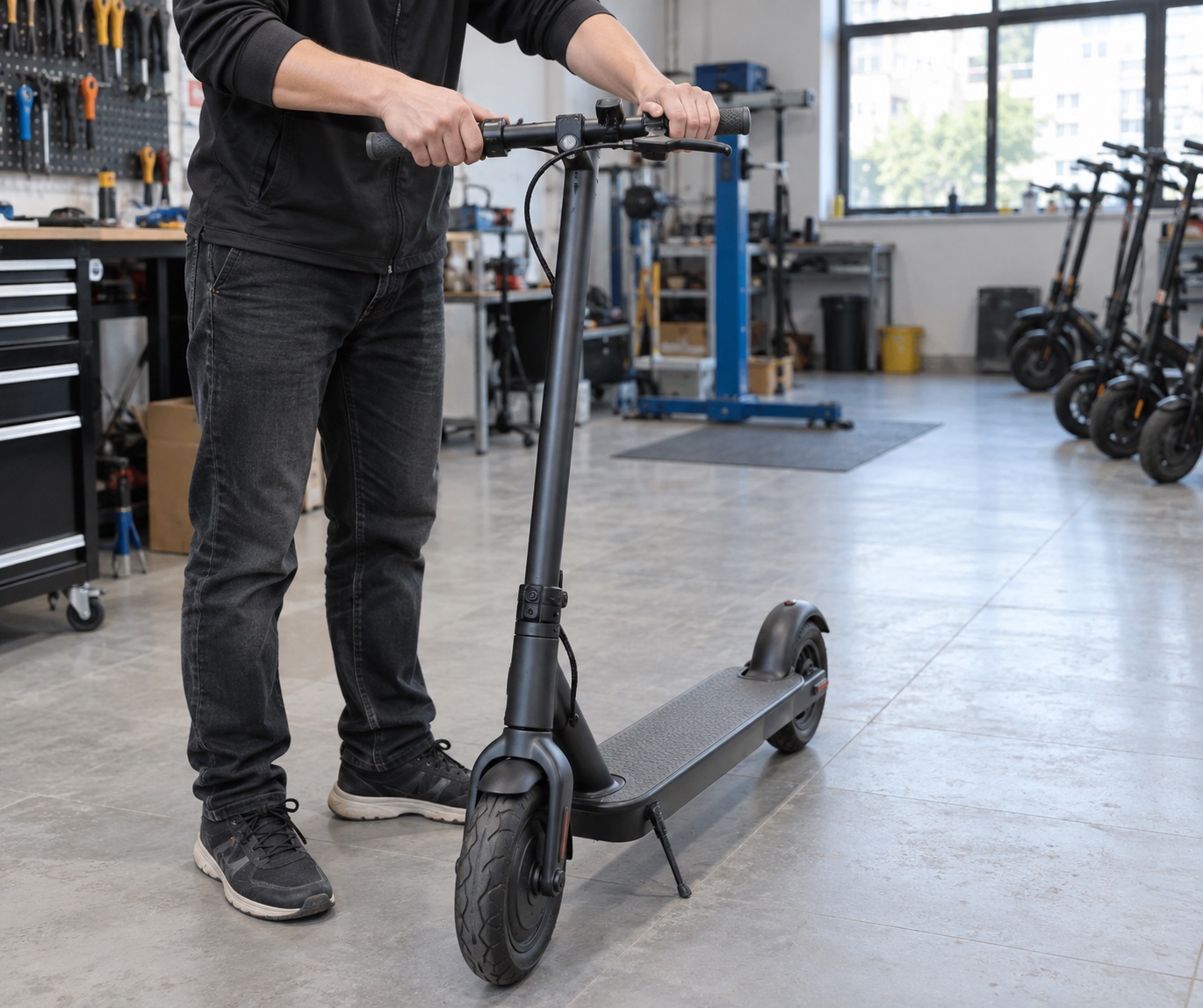
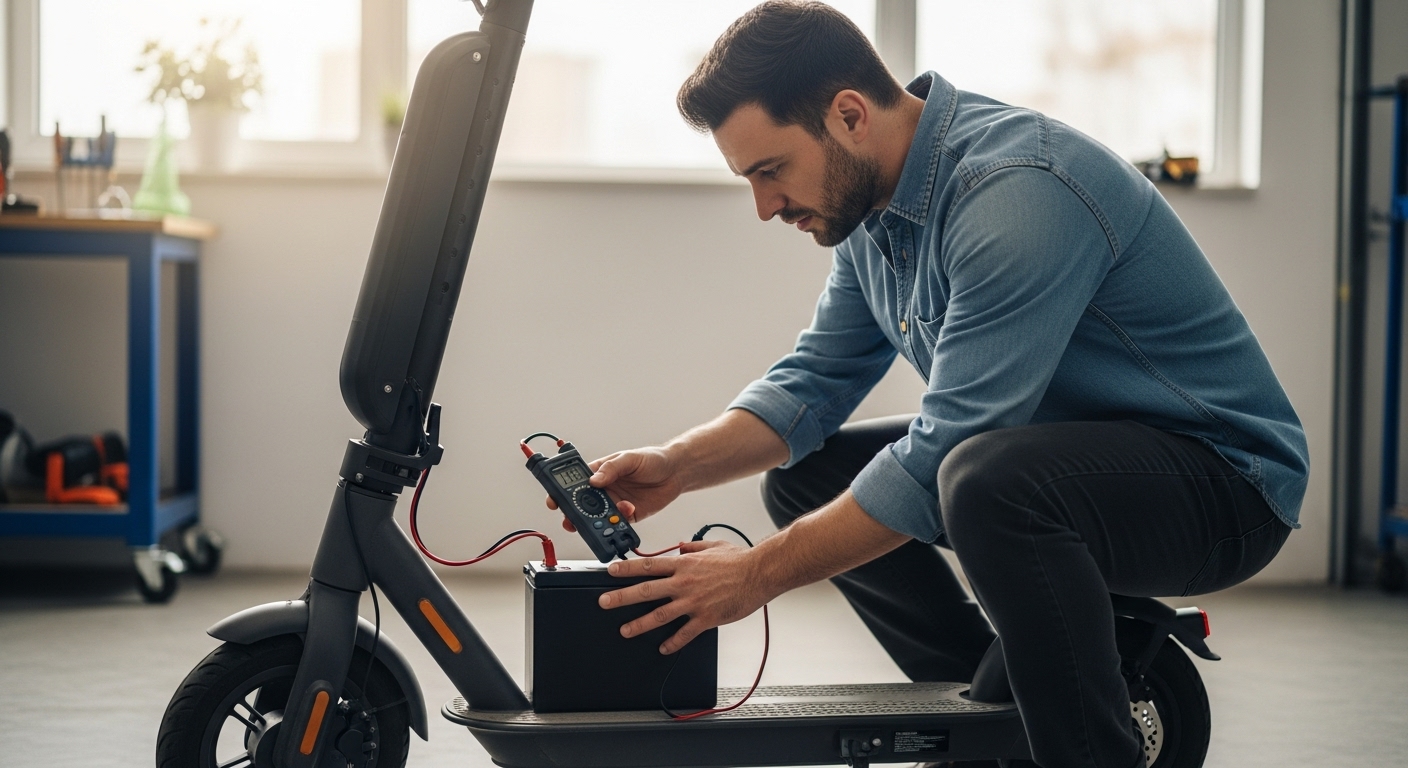
Tools and equipment needed for basic diagnosis include tire pressure gauge, multimeter, and basic hand tools. A multimeter helps check battery voltage and electrical connections. Basic tools allow inspection and adjustment of mechanical components. Keep a maintenance log to track problems and solutions.
When to attempt DIY repairs depends on your skill level and the complexity of the problem. Simple adjustments like tire pressure and brake alignment are safe for most people. Electrical problems and motor issues usually require professional service. Never attempt repairs that could affect safety systems.
Safety precautions during troubleshooting prevent injury and further damage. Always turn off power before inspecting electrical components. Use proper tools and techniques to avoid damage. Wear safety equipment when working with moving parts or electrical systems.
| Diagnosis Step | Tools Needed | Skill Level | Time Required |
| Battery Check | Multimeter | Beginner | 5 minutes |
| Tire Pressure | Pressure gauge | Beginner | 2 minutes |
| Brake Adjustment | Basic tools | Intermediate | 15 minutes |
| Electrical Testing | Multimeter, tools | Advanced | 30+ minutes |
7. What Maintenance Prevents Electric Scooter Speed Issues?
Regular maintenance prevents most speed-related problems and extends scooter life significantly. Preventive care costs less than repairs and keeps your scooter running at peak performance. Here’s why it matters… consistent maintenance prevents small problems from becoming expensive failures that leave you stranded.
Regular battery care and charging practices are the foundation of scooter maintenance. Charge batteries regularly and avoid deep discharge cycles. Store batteries at proper charge levels and temperatures. Clean battery terminals and check connections periodically.
Motor and electrical system maintenance includes keeping connections clean and tight. Inspect wiring for damage or wear regularly. Keep motors clean and well-ventilated for proper cooling. Check controller settings and update firmware when available.
Mechanical component inspection and service prevent friction and wear problems. Check tire pressure weekly and maintain proper levels. Adjust brakes regularly and replace worn pads promptly. Lubricate bearings and moving parts according to manufacturer schedules.
Preventive maintenance schedules help you stay on top of required service. Create a maintenance calendar with weekly, monthly, and annual tasks. Keep records of maintenance performed and problems found. Address issues promptly before they cause speed problems or safety hazards.
| Maintenance Task | Frequency | Impact on Speed | Difficulty Level |
| Battery Care | Daily/Weekly | High | Easy |
| Tire Pressure | Weekly | Medium | Easy |
| Brake Adjustment | Monthly | Medium | Moderate |
| Bearing Lubrication | Quarterly | Low | Moderate |
Conclusion
Electric scooters go slow due to battery issues, motor problems, mechanical friction, excess weight, and environmental factors. Battery charge and age affect power delivery most significantly. Motor wear and overheating reduce performance over time. Mechanical problems like low tire pressure and brake drag waste power. Heavy loads and challenging terrain demand more energy. Cold weather reduces battery efficiency while hills require extra power. Regular maintenance prevents most speed problems and extends scooter life. Check battery charge, tire pressure, and brake adjustment first when diagnosing slow performance.
Dynamic Scooter builds reliable scooters with quality components that maintain speed and performance over time. Choose Dynamic Scooter for consistent performance and easy maintenance that keeps you moving at full speed.

FAQ
Q1: Why does my electric scooter go slower when the battery is low?
Low battery voltage reduces power delivery to the motor, causing slower speeds and weaker acceleration. Most scooters have voltage cutoffs that limit performance to protect the battery from damage. Charge your battery fully for optimal performance.
Q2: Can cold weather make my electric scooter slower?
Yes, cold temperatures reduce battery capacity and efficiency, leading to slower speeds and shorter range. Lithium batteries perform poorly below 32°F (0°C). Store and charge your scooter in warmer conditions when possible.
Q3: How does rider weight affect electric scooter speed?
Heavier riders require more power to achieve the same speeds, especially on hills. Most scooters have weight limits that affect performance. Exceeding weight limits can cause slower speeds, reduced range, and potential damage to components.
Q4: Should I be concerned if my scooter suddenly becomes slower?
Sudden speed reduction often indicates a problem requiring attention. Check battery charge, tire pressure, and brake adjustment first. If problems persist, consult a professional to avoid safety issues or further damage.
Q5: How often should I maintain my electric scooter to prevent speed problems?
Perform basic maintenance monthly, including tire pressure checks, brake adjustments, and cleaning. Battery maintenance should be ongoing with proper charging practices. Professional service annually helps prevent major speed-related issues.