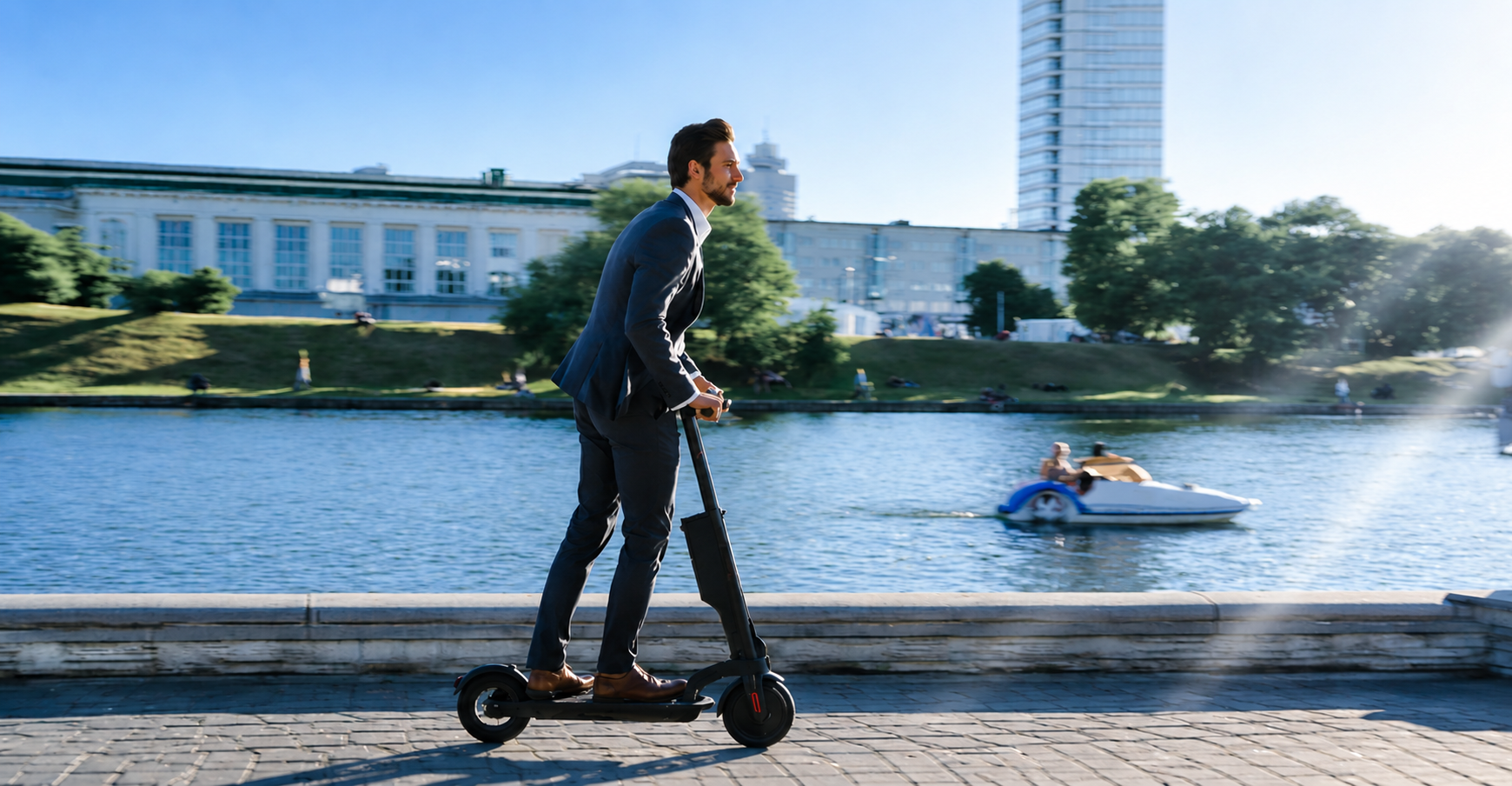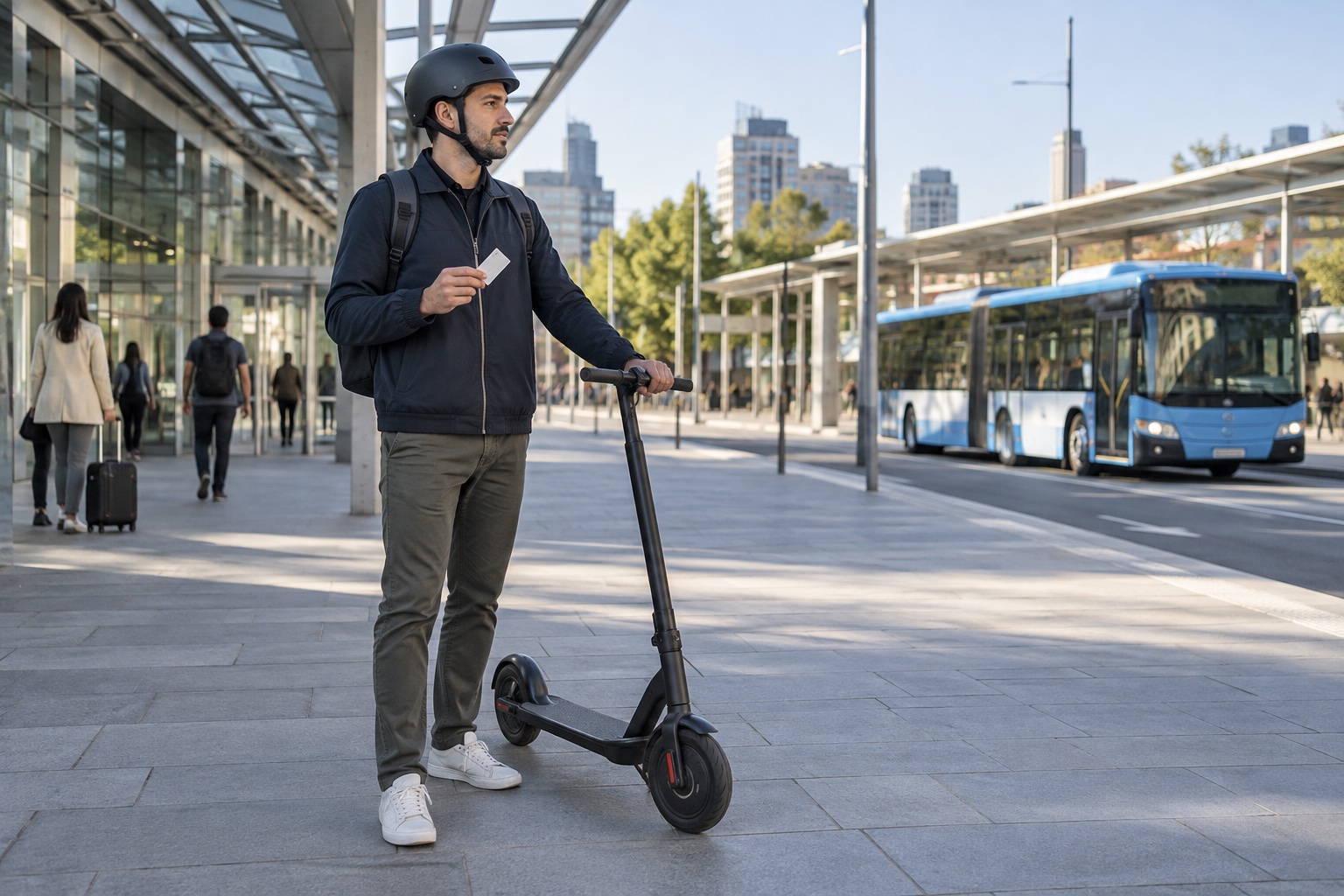

Want to ride an electric scooter? Many people hop on without knowing the basics. This can lead to falls and injuries. The good news? Learning to ride safely is easy. This guide shows you what you need to know.
1. What Safety Gear Do You Need Before Riding an Electric Scooter?
Safety gear is your first defense when riding. Want to know the truth? Most scooter injuries could be avoided with the right gear.
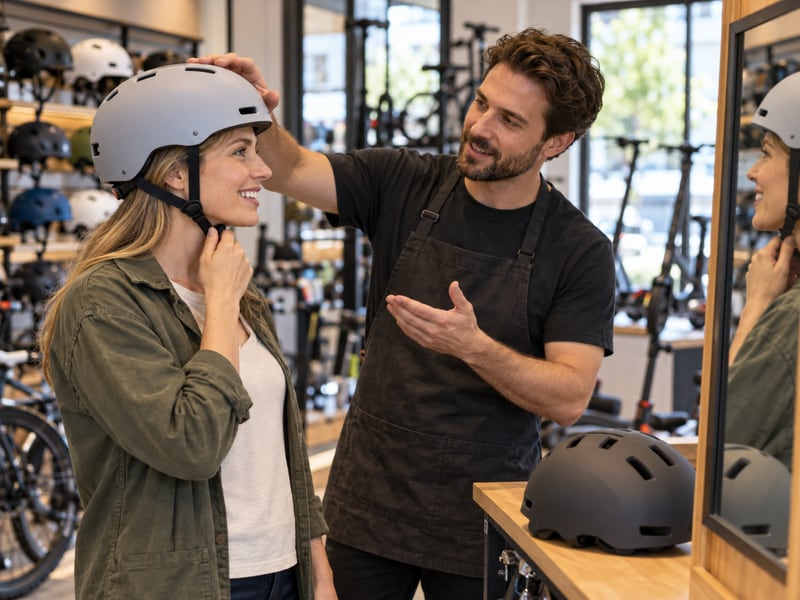
Helmets are a must. For scooters that go 15-20 mph, a bike helmet works well. For faster scooters, get a full-face helmet. Look for helmets with safety marks like CPSC or ASTM.
Your helmet should fit snug but not tight. It should sit level and cover your forehead. The chin strap should allow just one finger between the strap and your chin.
| Helmet Type | Best For | Key Features |
| Bike Helmet | Speeds under 20 mph | Light, good air flow |
| Skate Helmet | City riding | More back-of-head coverage |
| Full-Face Helmet | Speeds over 20 mph | Complete head protection |
| Smart Helmet | Tech fans | Built-in lights, signals |
Don’t forget to protect your joints. Knee and elbow pads prevent scrapes if you fall. Wrist guards help prevent sprains.
Gloves improve your grip. They also protect your skin if you fall.
Being seen is being safe. This is true day and night. Here’s the deal: cars can’t avoid you if they can’t see you. Wear bright or reflective clothing. Add reflective strips to your helmet or scooter. Most scooters have built-in lights. Extra lights make you even more visible.
Don’t overlook your shoes. Avoid flip-flops, heels, or loose shoes. Closed-toe shoes with good grip give you the best control.
| Weather | What to Wear | What to Avoid |
| Hot, Sunny | Light clothes, sunglasses | Dark, heavy clothing |
| Cold | Layers, windproof jacket | Cotton (stays wet when sweaty) |
| Rain | Waterproof jacket and pants | Loose clothes that can get caught |
| Night | Reflective gear, extra lights | Dark clothing |
| Windy | Fitted clothing, eye protection | Loose scarves |
Many new riders skip safety gear for short trips. The bottom line? Even a quick ride needs basic safety gear. A helmet takes seconds to put on but can save your life.
2. How Do You Prepare an Electric Scooter Before Your First Ride?
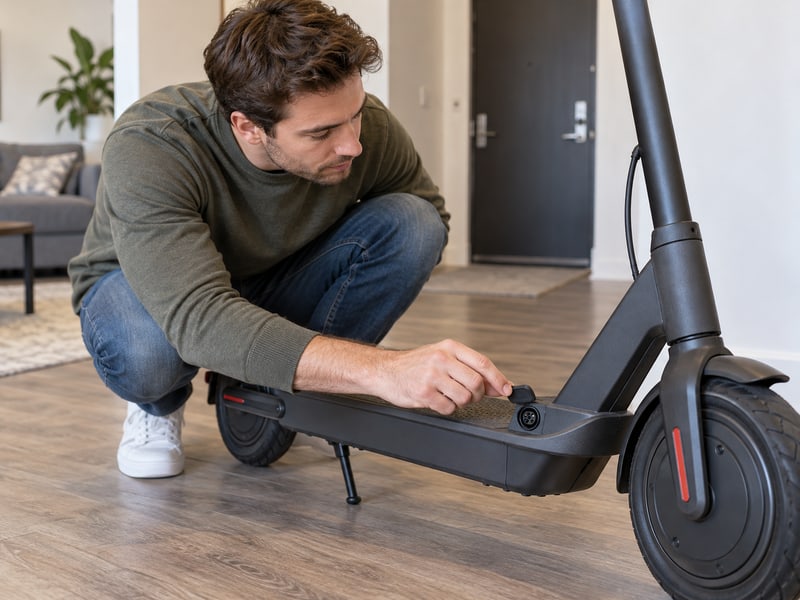
Before your first ride, check your scooter. Let me tell you something important: a quick pre-ride check can prevent many problems.
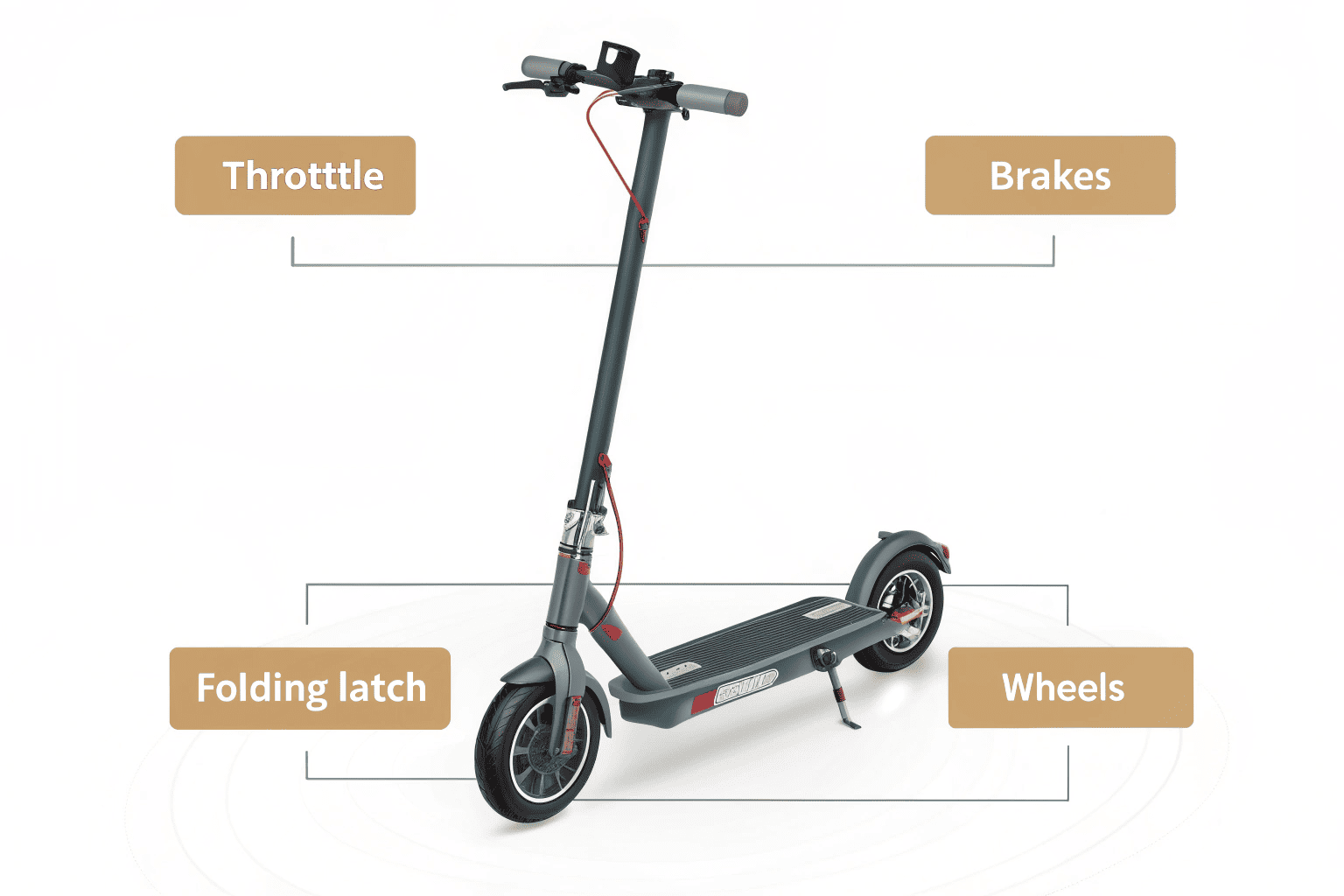
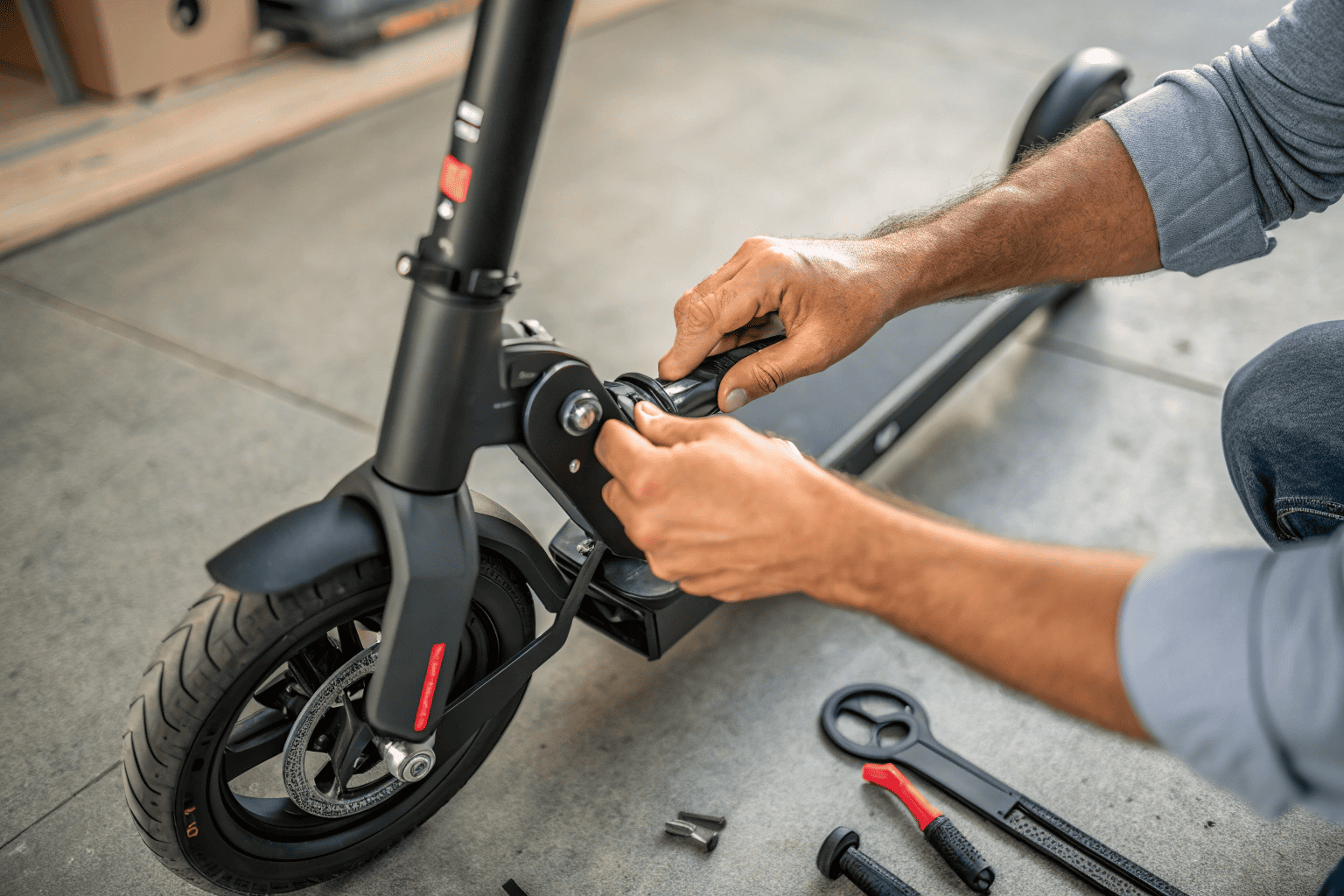
Start by checking that all parts are tight and secure. Pay close attention to the folding mechanism. It should lock firmly with no wobbling.
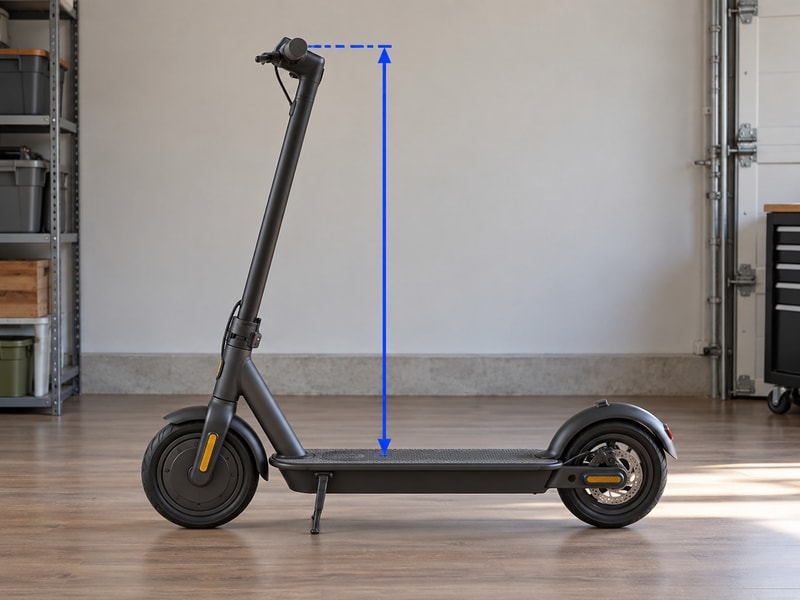
Set your handlebar at the right height. Most scooters let you adjust this. The handlebar should be at about waist height. Your arms should be slightly bent when holding the grips.
| Part | What to Check | Warning Signs |
| Frame | Cracks, dents | Visible damage, strange noises |
| Folding Mechanism | Locks securely | Looseness, hard to lock |
| Handlebars | Tight grips, centered | Moves during riding, loose |
| Stem | Firmly attached to deck | Movement or creaking |
| Deck | Clean surface, good grip | Cracks, peeling grip tape |
Charge your battery fully before your first ride. This gives you maximum range. Most scooters take 3-8 hours to charge fully.
Always test your brakes. Here’s a fact: brake failure is very dangerous. Most scooters have two types of brakes. There’s an electronic brake (thumb lever) and a mechanical brake (disc, drum, or foot brake). Test both while walking beside the scooter.
Brakes should work smoothly without locking up. Never ride with bad brakes.
Check your tires too. If your scooter has air-filled tires, check the pressure. The right pressure is usually printed on the tire or in the manual.
Find a safe place for your first ride. The reality is you’ll need time to get used to how your scooter handles. An empty parking lot or quiet park path works well. Avoid busy roads until you’re comfortable with the basics.
Before heading out, check local rules about where you can legally ride.
3. What Are the Basic Techniques for Riding an Electric Scooter?
Learning proper riding technique creates the foundation for safe rides. You might be surprised how much technique matters.
Start with the right foot position. Put your dominant foot at the front of the deck. Put your other foot behind it. Keep your feet about shoulder-width apart. This stance gives you the best balance and control.
Keep your weight centered or slightly forward. Keep your knees slightly bent to absorb bumps.
Stand up straight with relaxed shoulders. Keep your elbows slightly bent. Hunching over might feel natural at first. But it will hurt your back and block your view.
| Body Part | Good Position | Common Mistakes |
| Feet | Shoulder-width apart | Too close together |
| Knees | Slightly bent | Locked straight, too bent |
| Hips | Centered over deck | Leaning too far forward/backward |
| Back | Straight, natural posture | Hunched over |
| Arms | Slightly bent at elbows | Locked straight, too tense |
| Hands | Firm but relaxed grip | Death grip, one-handed riding |
To start safely, first turn on the scooter while standing still. Put your dominant foot on the deck. Use your other foot to push off gently, like a regular kick scooter. Once moving, put your second foot on the deck. Then gently press the throttle.
The truth is, many beginners make the mistake of standing still and applying full throttle right away. This sudden speed can make you lose balance. The push-start method gives you stability before using the motor.
Speed up gradually. Most scooters have sensitive throttles.
To keep your balance, look ahead about 15-20 feet. Don’t stare at the deck or front wheel. Looking ahead helps you spot obstacles and maintain balance.

Turning works differently depending on your speed. At low speeds, just steer the handlebars. At higher speeds, combine steering with a slight lean in the turn direction, like on a bicycle. Avoid sharp turns at high speeds.
| Speed | How to Turn | Tips |
| Walking Speed | Direct handlebar steering | Make wider turns, go slowly |
| Medium Speed | Lean slightly into turns | Slow down before turning |
| Higher Speed | Counter-steering + body lean | Start turn earlier, wider arc |
| Emergency | Weight shift + handlebar | Be ready to put foot down if needed |
Braking properly is perhaps the most important skill. Most scooters have two braking systems. For normal stops, start with the electronic brake. Release the throttle and gently apply the brake control.
For faster stops, use both brakes together. Shift your weight slightly backward. Here’s an important tip: don’t brake too hard with just the front brake. This can make you flip forward.
Practice emergency stops in a safe area.
Always adjust your speed based on:
- Road conditions (slower on rough or wet surfaces)
- People around you (slower near pedestrians)
- Visibility (slower at night or in fog)
- How well you know the area (slower in new places)
With practice, these basic techniques become automatic. Start in a safe place. Master each skill one by one. Then gradually put them together as you gain confidence.
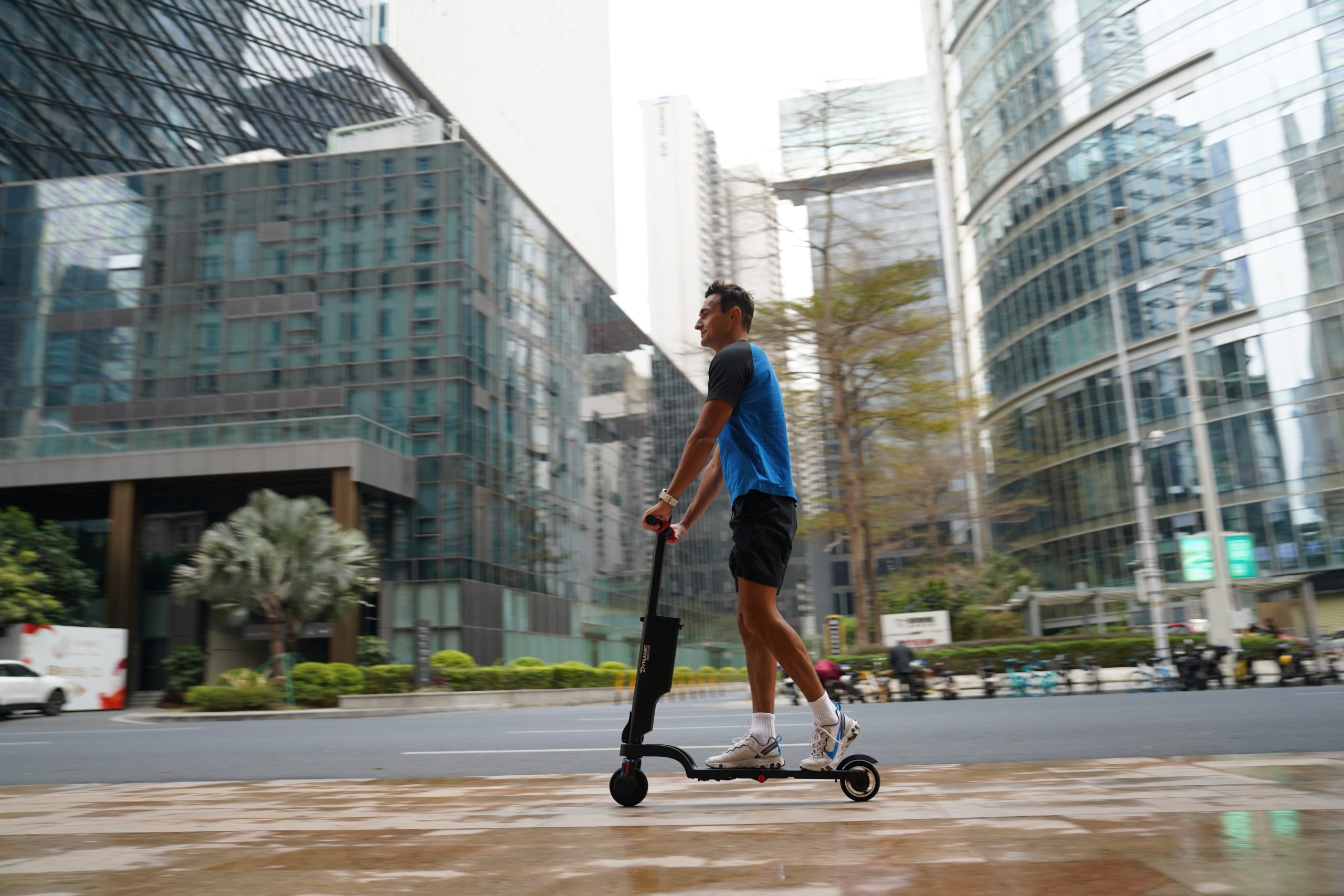
Handling obstacles safely is a key skill for scooter riders. You should know that most accidents happen when facing unexpected situations.
For small bumps, bend your knees and lift your body weight slightly just before impact. This lets the scooter move beneath you. It prevents the jolt from traveling through your body.
With potholes, avoid them when possible. If you can’t avoid one, slow down before reaching it. Rise slightly off the deck by bending your knees. Keep a firm grip on the handlebars. Don’t brake while crossing a pothole.
Try to avoid large obstacles entirely. Electric scooters have small wheels compared to bikes. This makes them less able to handle big bumps. If needed, get off and walk your scooter past major obstacles.
| Obstacle | How to Handle It | What Not to Do |
| Small Bumps | Bend knees, lift body weight slightly | Lock knees, grip too tight |
| Potholes | Slow down, rise off deck | Brake during crossing |
| Uneven Pavement | Reduce speed, center your weight | Ride at full speed |
| Gravel/Sand | Slow down, avoid turning | Sudden acceleration or braking |
| Wet Paint Lines | Cross at 90-degree angle | Turn or brake on painted surfaces |
Wet surfaces need special care. Water greatly reduces tire grip. On wet roads, reduce your speed by at least 30%. Leave more space between you and other vehicles. Start braking earlier than on dry roads.
When crossing puddles, be careful. A puddle might hide a deep hole.
When near pedestrians, be polite and careful. The hard truth is that pedestrians have the right of way. When approaching people, slow down. Give a gentle signal (bell or “on your left”) well in advance.
In crowded areas, it’s often best to get off and walk your scooter.
When sharing the road with cars, follow these general rules:
- Use bike lanes when available and allowed
- If no bike lane exists, ride on the right side of the road
- Signal your turns early using hand signals
- Don’t ride between lanes of traffic
- Make yourself visible with lights and reflective gear
Intersections are the most dangerous places for collisions. Approach them with extra caution, even if you have the right of way. Watch for turning vehicles. Be especially careful of those making right turns across bike lanes.
5. What Are the Legal Requirements for Riding Electric Scooters?
Understanding scooter laws helps you ride confidently and avoid fines. What you need to understand is that rules vary widely between countries, states, and even cities.
In many places, electric scooters fall into a gray area of regulations. They’re too fast to be toys but less powerful than mopeds. This has led to different rules as governments catch up with their growing popularity.
How scooters are classified affects where you can legally ride. Some places call them “personal mobility devices.” Others call them “motorized scooters.”
| Location Type | Common Classification | Typical Rules |
| Progressive Cities | Personal Mobility Device | Bike lanes, some sidewalks |
| Conservative Areas | Motorized Vehicle | Road use only |
| Unregulated Areas | No specific classification | Default traffic laws apply |
| Tourist Destinations | Rental-specific rules | Designated zones |
| University Campuses | Campus-specific policies | Designated paths |
Where you can legally ride varies greatly by location. In bike-friendly cities, electric scooters often share bike lanes and paths. Other cities restrict them to roads only. Some allow sidewalk riding at reduced speeds.
Speed limits are common for electric scooters. Many places cap speeds at 15-20 mph. This is regardless of what the scooter can technically do.
Age restrictions typically require riders to be at least 16 or 18 years old. Some places allow younger riders with adult supervision or helmet requirements.
License requirements vary widely. Most places don’t require a special license for electric scooters with speeds under 20 mph. However, faster models might need a moped or motorcycle license.
Helmet laws vary significantly. Some places require helmets for all riders. Others only require them for minors. Some have no requirements at all. The simple fact is that wearing a helmet significantly reduces injury risk regardless of legal requirements.
DUI laws typically apply to electric scooters just as they do to other vehicles. Operating a scooter while intoxicated can result in serious legal consequences.
Stay informed about changing rules as laws continue to evolve. Check city transportation department websites. Look for scooter manufacturer updates. Check rental app notifications for the latest information.
When traveling to a new city, research local rules before riding.

6. How Do You Maintain Your Electric Scooter for Optimal Performance?
Regular maintenance keeps your electric scooter running safely. It also extends its life. I’m going to be honest with you: neglecting basic maintenance leads to worse performance. It can cause shorter range and potentially dangerous mechanical failures.
Set up a maintenance schedule to ensure nothing gets overlooked. For occasional riders, a monthly check-up works well. Daily commuters should perform quick checks more frequently. At least weekly is best.
A basic maintenance checklist includes:
- Checking tire pressure and condition
- Testing brakes for proper function
- Examining all fasteners for tightness
- Cleaning the deck and other surfaces
- Checking lights and signals
- Inspecting the folding mechanism
- Battery health assessment
Battery care greatly impacts your scooter’s lifespan and performance. Most electric scooters use lithium-ion batteries. Avoid completely draining the battery before recharging. Ideally, recharge when the battery reaches 20-30% capacity.
| Battery Care Task | How Often | Benefit |
| Full charge (to 100%) | Before long rides | Maximum range for the ride |
| Partial charging (to 80%) | Daily use | Extended battery lifespan |
| Storage charging (40-60%) | Before long-term storage | Prevents battery degradation |
| Battery balancing | Monthly | Maintains cell balance |
| Connector inspection | Monthly | Prevents connection issues |
Brake maintenance is critical for safety. The reality is that brake performance gradually decreases without proper maintenance. Test your brakes before every ride. Squeeze the brake lever and push the scooter forward. It should resist movement.
Keeping your scooter clean prevents premature wear. It helps you spot potential issues early. Use a damp cloth for general cleaning. Avoid direct water spray on electronic components.
| Component | Cleaning Method | What to Avoid |
| Frame/Deck | Damp cloth, mild soap | High-pressure water |
| Display/Controls | Slightly damp microfiber cloth | Direct water |
| Folding Mechanism | Clean, then apply silicone spray | WD-40 |
| Bearings | Specialized bearing cleaner | Water spray |
| Electrical Contacts | Electronic contact cleaner | Regular water |
With proper maintenance, an electric scooter can provide years of reliable transportation. The small time investment in regular care pays off. You’ll get better performance, fewer repairs, and a safer riding experience.
Conclusion
Riding an electric scooter safely requires proper preparation, technique, and awareness of your surroundings. By following the guidance in this article, you’ve learned how to protect yourself with appropriate safety gear, prepare your scooter before riding, master basic riding techniques, navigate obstacles, understand legal requirements, and maintain your scooter for optimal performance. These skills significantly reduce your risk of accidents and enhance your riding experience. With practice, you can expect to travel up to 15-20 miles on a single charge while enjoying a smooth, efficient ride.
Ready to experience electric scooter riding for yourself? Dynamic Scooter offers reliable, user-friendly models perfect for beginners and experienced riders alike. Visit our website to find the right scooter for your needs and join our community of satisfied riders who enjoy safe, sustainable transportation every day.
FAQ
Q1: How fast can electric scooters go and what speed is safe for beginners?
Most scooters go 10-30 mph. Some can reach 40+ mph. Beginners should start at the lowest speed setting (6-10 mph). Get comfortable with balance and controls first. Then slowly go faster as your skills improve. Always match your speed to the conditions. Go slower in crowds or bad weather. Never go faster than you can safely stop.
Q2: How long does the battery last on an average electric scooter?
Most scooters can go 10-40 miles on one charge. Your weight, the terrain, and how you ride all affect this range. Hills and high speeds use more battery. To get the most range: keep tires properly inflated, avoid full-throttle starts, and keep the battery between 20-80% charged for daily use. A good scooter battery lasts for 300-500 charge cycles before it starts to lose capacity.
Q3: Can you ride an electric scooter in the rain?
Most scooters have some water resistance (look for IP54 rating or higher). But they’re not made for heavy rain. Light rain may be OK if you reduce speed and brake gently. Too much water can damage the electrical parts. If you must ride in wet conditions: avoid puddles, go 30% slower, brake earlier, and dry your scooter well afterward. Check your manual for water resistance info.
Q4: What’s the difference between rental scooters and personal electric scooters?
Rental scooters are built tough for public use. They usually have lower top speeds (10-15 mph), less range, and heavier frames. Personal scooters often have higher speeds, longer range, better ride quality, and settings you can adjust. Rentals are good for occasional use with no maintenance worries. Owning a scooter costs less over time for regular riders. You also get consistent availability and can choose features that match your needs.
Q5: How do you transport an electric scooter when not riding it?
Most scooters fold up for easy transport and storage. In a car, put the folded scooter in your trunk or back seat. Secure it so it doesn’t move while driving. On public transit, follow local rules. Many allow folded scooters during non-peak hours. For air travel, be aware that most scooter batteries exceed airline limits. For long-distance transport, try removing the battery if possible. Or use ground shipping services that accept lithium batteries. Always check the rules before traveling with your scooter.