
The motor is the heart of your electric scooter. It turns battery energy into forward motion. It defines your scooter’s speed, acceleration, and hill-climbing ability. Understanding how your motor works helps you choose the right scooter. It also helps you keep it in top condition. From wattage to motor types, the details can seem complex. But grasping the basics is easier than you think. It empowers you to make smarter decisions.
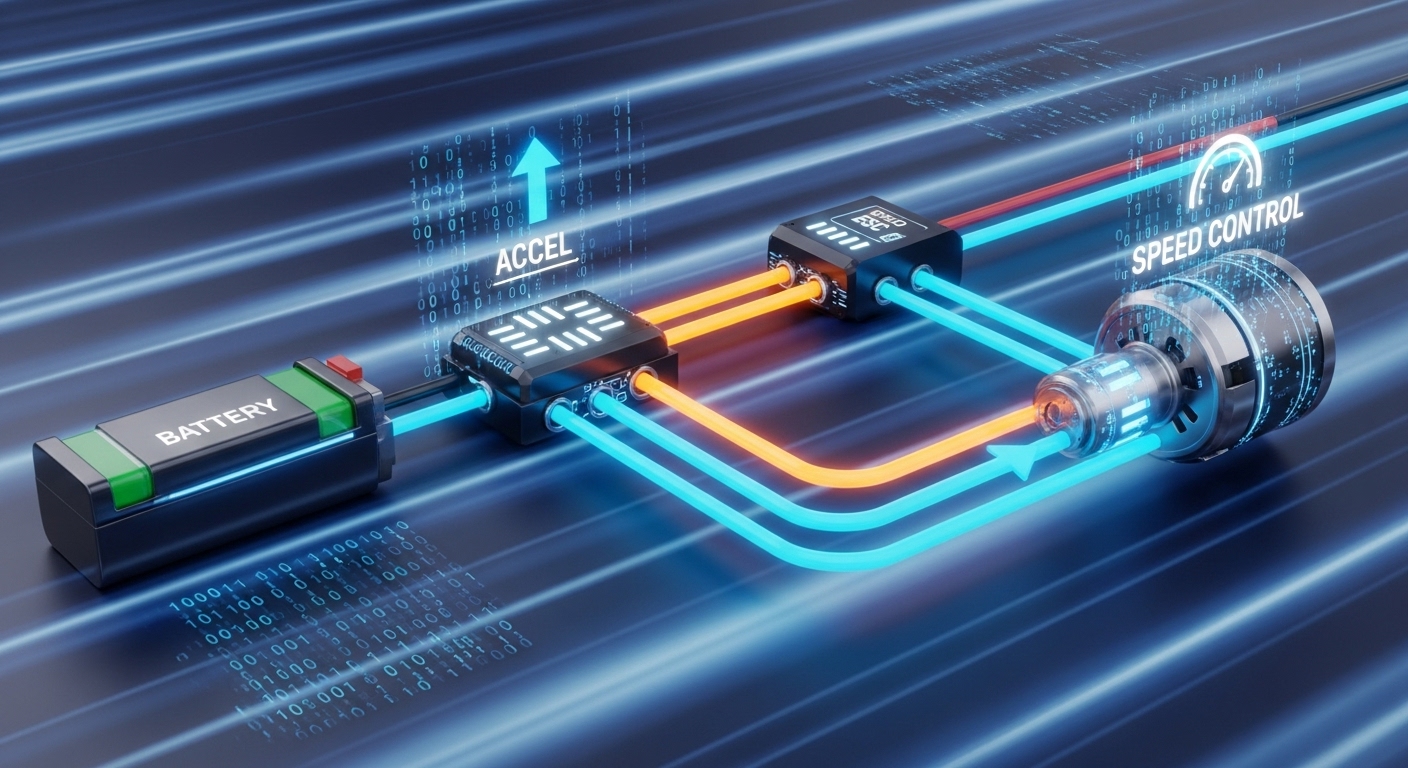
Electric scooter motors convert battery power into motion. Most use brushless DC hub motors built into the wheel. They range from 250W to 1000W+. Higher wattage means more speed and hill-climbing power. The motor works with an electronic speed controller (ESC) that manages power from the battery. This controls your acceleration and top speed.
Ready to dive into the world of electric scooter motors? Here’s everything you need to know.
1. What Is an Electric Scooter Motor and How Does It Work?
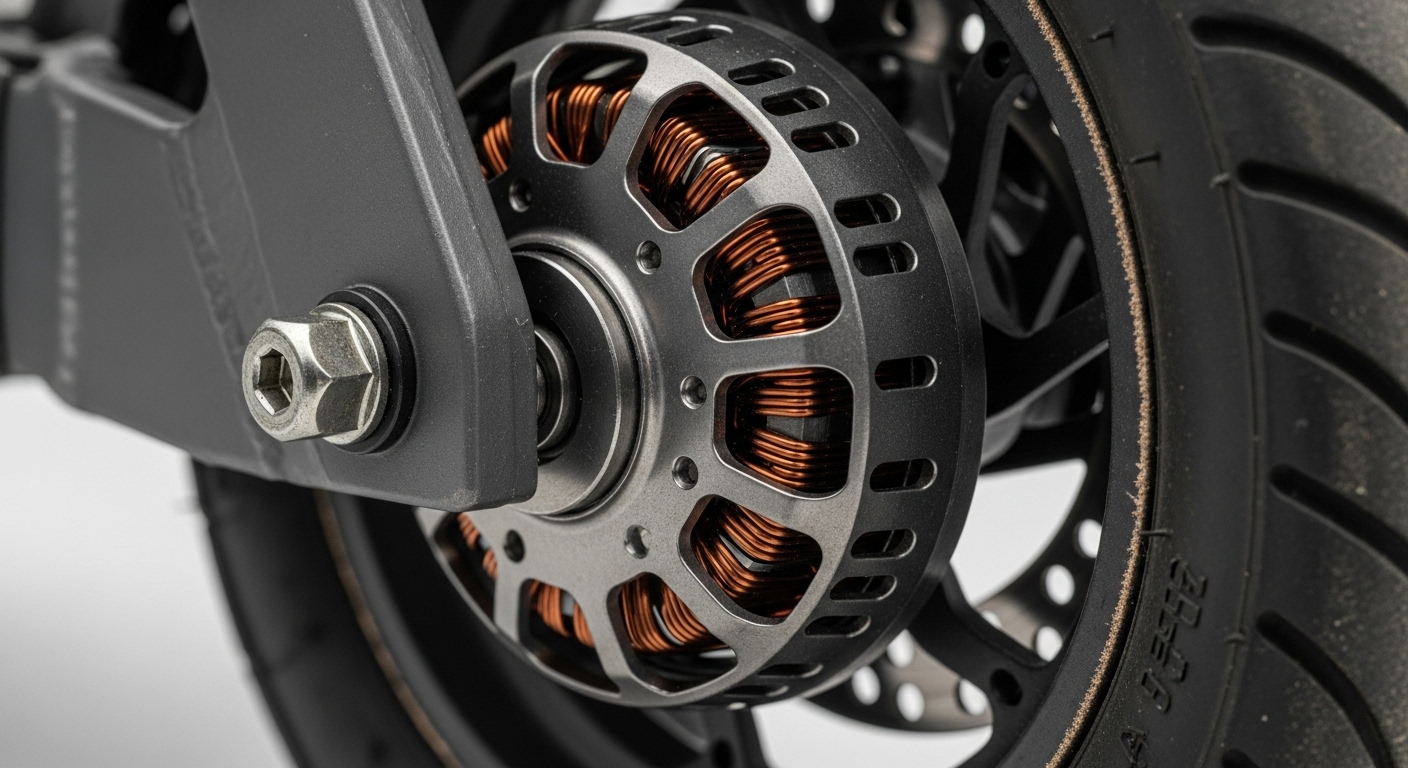
An electric scooter motor converts electrical energy from the battery into mechanical energy. This energy turns the wheels. The conversion happens through electromagnetism. The motor has a stationary part (the stator) and a rotating part (the rotor). When electricity flows through coils in the stator, it creates a magnetic field. This field interacts with magnets on the rotor. The rotor spins. Think about it… this simple principle propels you forward.
The electronic speed controller (ESC) is the brain. It draws power from the battery. It delivers power to the motor in a controlled way. When you press the throttle, the ESC sends more power to the motor. This makes it spin faster. The ESC manages speed, acceleration, and performance. Without it, the motor would be off or running at full power all the time.
The motor’s role in electric scooter performance is huge. It influences your top speed. It affects how quickly you accelerate from a stop. It determines your ability to climb hills. A more powerful motor handles heavier loads. It tackles steeper inclines without slowing down. It’s the difference between a scooter that struggles on a slope and one that conquers hills with ease.
Most electric scooters use hub motors. These are integrated directly into the wheel. This design is compact and efficient. It requires very little maintenance. The motor sits inside the hub of the front or rear wheel. Sometimes it’s in both wheels. This direct-drive system eliminates chains or belts. The result is a quieter and more reliable ride. It’s an elegant solution that has become the industry standard.
| Motor Component | Function |
| Stator | The stationary part with wire coils. |
| Rotor | The rotating part with magnets. |
| Controller (ESC) | Manages power flow from battery to motor. |

2. What Are the Different Types of Electric Scooter Motors?
Electric scooter motors come in several types. The most common distinction is between hub motors and chain-drive motors. Hub motors are located inside the wheel hub. They are quiet and efficient. They require almost no maintenance. Chain-drive motors are mounted to the scooter’s frame. They connect to the wheel via a chain and sprocket. This is similar to a bicycle. Here’s the deal… chain-drive systems are noisier. They require more maintenance. But they can offer higher torque.
Another key difference is between brushed and brushless DC motors. Brushed motors are an older technology. They use physical contacts (brushes) to deliver power to the rotor. These brushes wear out over time. They need to be replaced. Brushless DC (BLDC) motors use an electronic controller instead of brushes. This makes them more reliable and efficient. They last longer. Almost all modern electric scooters use a BLDC motor.
Many scooters come with a single motor. It’s usually in the rear wheel. This is sufficient for most commuting and general use. High-performance scooters often feature a dual motor setup. They have one motor in each wheel. Dual motors provide more power. They offer better acceleration and superior hill-climbing ability. They also offer all-wheel drive. This improves traction on slippery surfaces.
The final distinction is between geared and direct-drive hub motors. Direct-drive motors have the rotor spinning at the same speed as the wheel. They are simple and reliable but can sometimes feel less powerful at low speeds. Geared hub motors use an internal set of planetary gears to increase torque. This gives them better acceleration and hill-climbing power, but the gears add complexity and can be slightly noisier.
| Motor Type | Pros | Cons |
| Hub Motor | Quiet, low maintenance, efficient. | Can be harder to service. |
| Chain-Drive | High torque, easy to change gear ratios. | Noisy, requires maintenance. |
| Dual Motors | High power, great on hills, better traction. | More expensive, heavier. |
3. How Much Motor Power Do You Really Need?
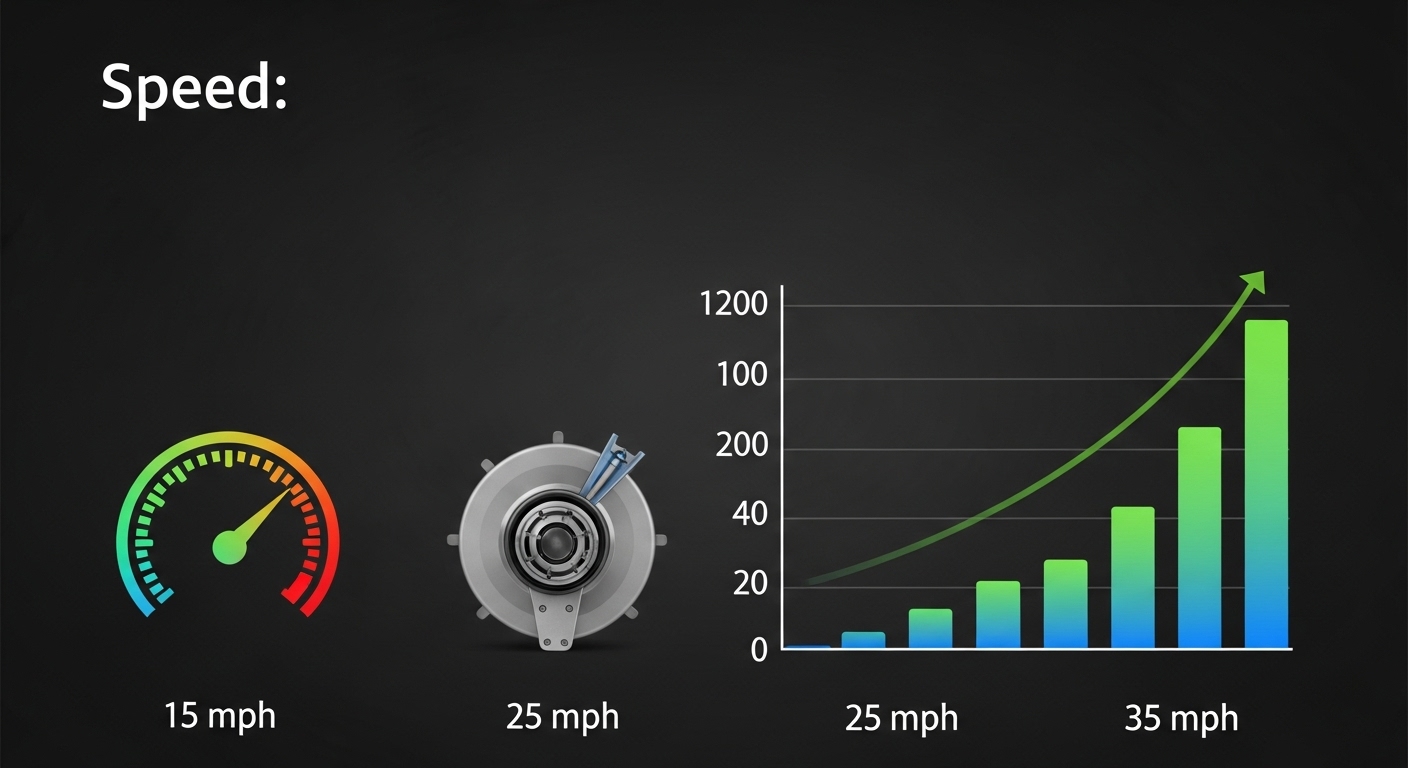
Motor power is measured in watts (W). It’s one of the key specs to consider. The wattage tells you how much power the motor can handle. A higher wattage means more speed. It also means better hill-climbing ability. For casual city riding on flat terrain, a 250W to 350W motor works well. The bottom line is… this power level gets you around town comfortably.
If your commute includes hills, look for a motor with at least 500W of power. Want a bit more zip? Look for 500W or more. A 500W motor improves acceleration. It tackles moderate inclines without losing much speed. For heavier riders or very hilly areas, a 750W motor is better. A dual motor setup is even better.
Understand the relationship between power, speed, and torque. Power determines your top speed. Torque determines your acceleration and hill-climbing ability. A motor can be designed for high speed with lower torque. Or it can have high torque with lower speed. Most scooter motors aim for a balance. Dual motors excel at providing both high speed and high torque.
Many regions have legal limits on electric scooter motor power. In some areas, motors over 750W classify the scooter as a moped. This requires a license and registration. Always check your local laws before purchasing a high-powered electric scooter. This saves you from fines and legal headaches.
| Rider Need | Recommended Power |
| Flat City Commuting | 250W – 350W |
| Moderate Hills | 500W+ |
| Steep Hills / Performance | 750W+ or Dual Motor |

4. What Affects Electric Scooter Motor Performance?
Several factors beyond wattage affect your electric scooter motor’s performance. Voltage and current from the battery play a huge role. A higher voltage battery delivers power to the motor more efficiently. This results in better performance and less heat. The controller also needs to match the motor and battery. You see… it’s a finely tuned system.
Battery compatibility is crucial. You can’t just swap in a more powerful battery. You must consider the motor and controller. An underpowered battery will bottleneck your motor’s performance. An overly powerful one could damage it. Always stick with the battery specs recommended by the manufacturer. This makes all components work together safely.
Rider weight and terrain impact motor performance. A heavier rider experiences slower acceleration. They get reduced range compared to a lighter rider. Riding on rough terrain or up steep hills makes the motor work harder. This consumes more battery. It can lead to overheating. Factor in your own weight when choosing an electric scooter. Consider your typical riding environment too.
Temperature and weather conditions can affect your motor. In very cold weather, the battery is less efficient. This reduces the power available to the motor. In hot weather, the motor is more likely to overheat. This happens during long, hard rides. Most motors have a thermal protection system. It reduces power to prevent damage if the motor gets too hot.
| Factor | Impact on Performance |
| Voltage | Higher voltage can improve efficiency. |
| Rider Weight | Heavier riders reduce acceleration and range. |
| Terrain | Hills and rough surfaces demand more power. |
| Temperature | Extreme cold or heat can reduce efficiency. |
5. How Do You Choose the Right Motor for Your Needs?
Choosing the right electric scooter motor starts with understanding your use case. Are you a daily commuter? Do you need a reliable ride for a few miles on city streets? Or are you a performance enthusiast who craves speed and power? For commuting, a single 350W to 500W brushless hub motor is a great choice. It offers a balance of performance, reliability, and efficiency. The result? You get a practical and fun way to get around town.
If you’re looking for more excitement, a dual motor setup is the way to go. Dual motors can offer 1000W or much more. They provide thrilling acceleration. They conquer almost any hill. These high-performance electric scooters are great for recreational riding. But they may be overkill for a simple commute. They are also heavier and more expensive.
Your budget plays a big role in your decision. Scooters with more powerful motors cost more. Dual motor setups come with a higher price tag. Find a balance between the performance you want and the price you’re willing to pay. Don’t just shop for the highest wattage. Consider the overall quality of the electric scooter and its components.
Lastly, think about maintenance and upgrade possibilities. Hub motors are very low-maintenance, which is a huge plus for most riders. Chain-drive motors require more upkeep but can be easier to modify. If you’re a tinkerer who likes to upgrade components, a chain-drive system might appeal to you. However, for most people, the set-and-forget nature of a hub motor is ideal.
| Riding Style | Recommended Motor |
| City Commuting | 350W – 500W Single Hub Motor |
| Hilly Terrain | 500W – 750W+ Single or Dual Motor |
| Performance/Recreation | 1000W+ Dual Motor |
6. What Are Common Electric Scooter Motor Problems?
Modern electric scooter motors are very reliable. But they are not immune to problems. Overheating is one of the most common issues. This can happen if you push the motor too hard for too long. It happens on hot days or steep hills. Most motors have a built-in sensor. It cuts power to prevent damage. If your scooter suddenly feels sluggish during a hard ride, the motor is protecting itself. Let’s be clear… let it cool down before continuing.
A sudden loss of power or speed can indicate a problem. This could be caused by a loose electrical connection. It could be a failing controller. Or it could be a problem with the motor itself. Check all the visible wires. Make sure they are secure. If the problem persists, have it diagnosed by a professional. Don’t ignore a sudden change in performance.
Strange noises or vibrations from the motor are another red flag. A grinding or clicking noise could indicate a problem with the bearings. Excessive vibration could mean something is loose. It could be out of balance. Hub motors are sealed units. These types of problems usually require a professional repair. Or they need a full motor replacement. Continuing to ride with a noisy motor can cause more damage.
Electrical connection failures are a common source of motor problems. The wires leading to the motor can become damaged. They can become disconnected. This happens on scooters with poor cable management. A visual inspection can often reveal the problem. Make sure all connectors are tight. Make sure the wires are not pinched or frayed. A simple connection issue can mimic a complete motor failure.
| Motor Problem | Possible Cause |
| Overheating | Pushing the motor too hard. |
| Loss of Power | Loose connection or failing controller. |
| Strange Noises | Worn bearings or internal damage. |
| No Power | Disconnected wire or controller issue. |
7. How Can You Maintain Your Electric Scooter Motor?
Maintaining your electric scooter motor is simple. This is especially true if you have a brushless hub motor. The main task is to keep it clean. Use a damp cloth to wipe down the motor housing regularly. This prevents dirt and grime from building up. Dirt can trap heat and lead to overheating. Avoid spraying water directly on the motor. This can damage the internal electronics. The point is… a clean motor is a happy motor.
Regularly inspect the wiring that leads to the motor. Make sure the cables are not rubbing against the wheel. Check that they’re not rubbing against other moving parts. Check that all connectors are secure. The vibrations from riding can cause connections to loosen over time. A quick visual check can prevent a sudden loss of power. Do this while you’re on the road.
Hub motors are sealed. They don’t require internal maintenance. But you should still listen for unusual noises. A healthy motor runs smoothly and quietly. If you hear grinding, clicking, or whining sounds, the bearings may be wearing out. Other internal components may be wearing out too. At this point, seek professional help.
The best way to extend your motor’s lifespan is to ride responsibly. Avoid pushing your electric scooter beyond its limits. Try to avoid extreme temperatures and deep puddles. A little mechanical sympathy goes a long way. It keeps your motor running strong for years.
| Maintenance Tip | Benefit |
| Keep It Clean | Prevents overheating. |
| Inspect Wiring | Avoids electrical failures. |
| Listen for Noises | Catches internal problems early. |
| Ride Responsibly | Reduces wear and tear. |

Conclusion
The motor is the driving force behind your electric scooter’s performance. It shapes your overall riding experience. Understanding the difference between brushed and brushless motors helps. Choosing the right wattage for your needs helps too. A little knowledge empowers you to be a smarter rider. Opt for a scooter with a high-quality motor. Perform simple, regular maintenance. Your ride remains powerful, reliable, and fun for thousands of miles.
For a scooter that combines a top-tier brushless motor with a durable design, explore the Dynamic Scooter Model B. It delivers the performance you need. It offers the reliability you can count on, every single ride.

FAQ
Q1: What is the best motor type for electric scooters?
Brushless hub motors are the most popular choice. They offer reliability, low maintenance, and quiet operation. For performance riders, dual motors provide more power. Your best choice depends on your riding style and budget.
Q2: How long do electric scooter motors last?
Quality brushless motors can last 3,000-10,000 miles or more. Lifespan depends on usage, maintenance, and riding conditions. Proper care extends motor life significantly. Most motors outlast other scooter components.
Q3: Can you upgrade your electric scooter motor?
Some scooters allow motor upgrades, but many don’t. Check compatibility with your controller and battery. Upgrading may void your warranty. Professional installation is recommended for safety and performance.
Q4: What wattage motor is best for hills?
For moderate hills, 500W is sufficient. Steep hills need 750W or more. Dual motors (1000W+) handle the steepest terrain. Higher wattage also helps heavier riders climb better.
Q5: Why is my electric scooter motor overheating?
Overheating can result from prolonged high-speed riding, steep climbs, or heavy loads. Poor ventilation or a failing motor can also cause it. Let the motor cool down and avoid pushing it beyond its limits.