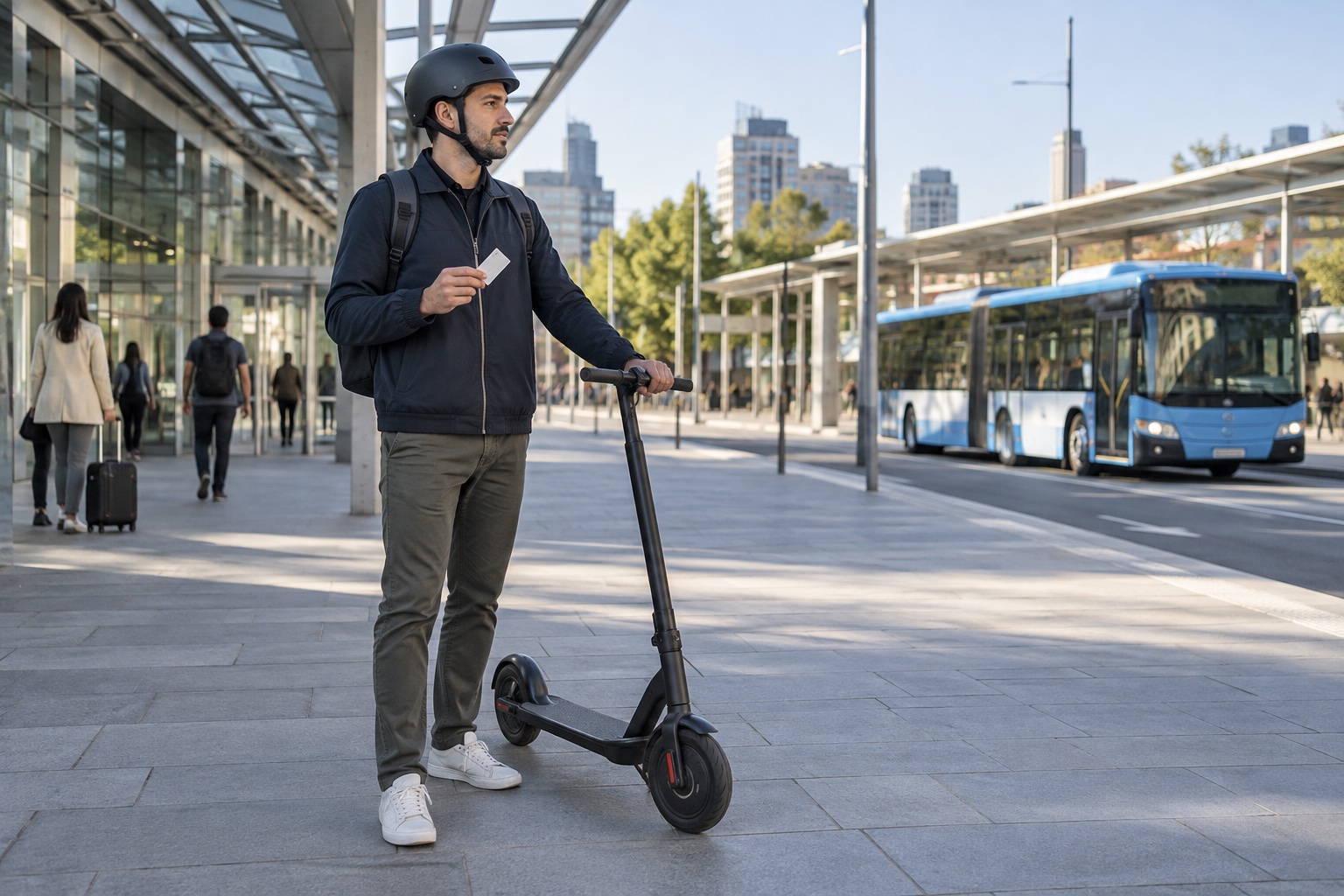

Understanding electric scooter throttles is essential for safe and effective riding. The throttle controls your scooter’s acceleration and speed. Different throttle types offer different riding experiences. Proper throttle technique improves safety and control. Mastering throttle operation enhances your riding skills. This comprehensive guide explores throttle systems in detail. You’ll learn how different throttles work and function. You’ll discover throttle types and their characteristics.
Electric scooter throttles come in two main types: twist throttles and thumb throttles. Dynamic Scooter Model B feature responsive, intuitive throttle systems. Smooth acceleration control improves safety. Precise throttle response enhances riding experience. Understanding throttle operation is fundamental to scooter mastery.
Ready to master throttle control? Here’s the deal…
1. What Are the Main Types of Throttles?
Electric scooters use two primary throttle types. Understanding these differences helps you choose the right scooter. Throttle type significantly affects riding experience. Different types suit different riders. Personal preference matters when choosing. Throttle selection is important for satisfaction.
Twist throttles resemble motorcycle throttles. Riders twist the handlebar grip to accelerate. Twist throttles provide intuitive control. Many riders prefer twist throttles. Twist throttles are common on quality scooters. This is important because throttle type affects riding experience. Twist throttles feel natural to motorcycle riders. Intuitive control improves confidence. Confidence improves safety. Twist throttles are preferred by experienced riders.
Thumb throttles use a button or lever. Riders press with their thumb to accelerate. Thumb throttles are compact and simple. Some riders prefer thumb throttles. Thumb throttles are common on budget scooters. Thumb throttles offer different ergonomics than twist throttles. Thumb throttles are easier to operate for some riders. Compact design saves space. Simple operation reduces learning curve. Simplicity improves accessibility. Budget scooters often use thumb throttles.
Twist throttles require wrist rotation. Wrist rotation can cause fatigue on long rides. Twist throttles provide smooth, progressive acceleration. Smooth acceleration improves control. Progressive acceleration is safer. Twist throttles are preferred by experienced riders. Extended wrist rotation can be tiring. Fatigue affects control negatively. However, smooth acceleration prevents accidents. Progressive control is essential for safety. Experienced riders accept fatigue for better control.
Thumb throttles require thumb pressure. Thumb pressure is less fatiguing than wrist rotation. Thumb throttles provide on-off acceleration. On-off acceleration is less smooth. Less smooth acceleration is less safe. Thumb throttles are simpler but less refined. Thumb pressure is minimal and easy. Fatigue is rarely an issue. However, on-off control is jerky. Jerky acceleration reduces safety. Simplicity comes at the cost of refinement.
Hybrid throttles combine both systems. Some scooters offer switchable throttles. Switchable throttles provide flexibility. Flexibility allows rider preference. Hybrid systems are rare and expensive. Most scooters use one throttle type. Hybrid systems offer best of both worlds. Riders can choose based on situation. Flexibility improves satisfaction. However, complexity increases cost. Most riders prefer single systems.
Electronic throttles use digital sensors. Digital sensors provide precise control. Electronic throttles enable advanced features. Advanced features improve performance. Electronic throttles are becoming standard. Electronic systems are more reliable than mechanical systems. Digital sensors are extremely accurate. Precision improves control significantly. Advanced features enable customization. Customization improves satisfaction. Electronic systems are increasingly common. Reliability improves with electronic systems.
| Throttle Type | Mechanism | Fatigue Level | Control Quality |
| Twist Throttle | Wrist rotation | Medium | Excellent |
| Thumb Throttle | Thumb pressure | Low | Good |
| Hybrid Throttle | Both systems | Low | Excellent |
| Electronic | Digital sensors | Low | Excellent |
| Mechanical | Direct connection | Medium | Good |
| Proportional | Variable response | Low | Excellent |

2. How Do Throttle Systems Work Technically?
Understanding throttle mechanics helps you appreciate scooter engineering. Technical knowledge improves troubleshooting ability. Technical understanding enables better maintenance. Better maintenance improves reliability. Reliability is essential for safety.
Throttle input sends signals to controllers. Controllers receive throttle information. Controllers adjust motor power accordingly. Power adjustment happens instantly. Instant adjustment provides responsive control. Here’s why it matters… Responsive control improves safety significantly. Instant response prevents accidents. Quick adjustment maintains control. Control is essential for safety.
Potentiometers measure throttle position. Potentiometers are variable resistors. Resistor values change with throttle position. Changing values create proportional signals. Proportional signals enable smooth acceleration. Smooth acceleration is safer than jerky acceleration. Precise measurement ensures accuracy. Accuracy improves control. Smooth acceleration prevents accidents. Proportional response is ideal. Potentiometers are reliable sensors.
Hall sensors detect throttle movement. Hall sensors use magnetic fields. Magnetic fields change with throttle position. Changing fields create digital signals. Digital signals enable precise control. Precise control improves riding experience. Hall sensors are very accurate. Accuracy improves safety. Digital signals are reliable. Reliability improves confidence. Hall sensors are increasingly common.
PWM controllers regulate motor power. PWM stands for pulse-width modulation. Modulation adjusts power delivery. Power delivery is smooth and responsive. Smooth delivery improves control. Responsive delivery improves safety. PWM is highly efficient. Efficiency improves range. Smooth power prevents jerking. Responsive power improves handling. PWM is the industry standard.
Acceleration curves shape throttle response. Curves determine how quickly power increases. Aggressive curves provide rapid acceleration. Gentle curves provide smooth acceleration. Smooth curves are safer for beginners. Aggressive curves suit experienced riders. Customizable curves improve satisfaction. Different curves suit different situations. Programmable curves are valuable. Flexibility improves experience. Curve customization is increasingly available.
Throttle calibration ensures accuracy. Calibration aligns throttle position with motor power. Proper calibration provides consistent response. Consistent response improves control. Improper calibration creates safety issues. Calibration is essential for safety. Regular calibration maintains accuracy. Accuracy improves reliability. Consistent response prevents surprises. Surprises cause accidents. Calibration should be checked regularly.
| Technical Component | Function | Importance |
| Potentiometer | Measure throttle position | High |
| Hall Sensor | Detect throttle movement | High |
| PWM Controller | Regulate motor power | Critical |
| Acceleration Curve | Shape throttle response | High |
| Calibration | Ensure accuracy | Critical |
| Signal Processing | Convert signals to power | Critical |

3. What Throttle Techniques Improve Safety?
Proper throttle technique prevents accidents and improves control. Mastering technique takes practice and patience.
Smooth acceleration prevents loss of control. Gradual throttle increase maintains balance. Balance is essential for safety. Sudden acceleration causes instability. Instability leads to accidents. Smooth acceleration is fundamental safety technique.
Progressive throttle use improves stability. Progressive means gradual and measured. Gradual throttle increases maintain traction. Traction prevents slipping. Slipping causes crashes. Progressive technique prevents accidents.
Throttle modulation maintains control. Modulation means adjusting throttle continuously. Continuous adjustment maintains speed. Maintaining speed prevents surprises. Surprises cause accidents. Modulation improves control.
Anticipatory throttle use prevents emergencies. Anticipation means predicting situations. Predicting situations enables preparation. Preparation prevents panic. Panic causes accidents. Anticipatory technique prevents emergencies.
Throttle release for braking improves stopping. Release means reducing throttle before braking. Reducing throttle improves braking. Better braking prevents collisions. Collision prevention saves lives. Throttle release improves safety.
Throttle control in turns prevents crashes. Control means careful throttle management. Careful management maintains traction. Traction prevents sliding. Sliding causes crashes. Throttle control in turns is essential.
| Safety Technique | Benefit | Importance |
| Smooth Acceleration | Maintains balance | Critical |
| Progressive Use | Improves stability | High |
| Modulation | Maintains control | High |
| Anticipation | Prevents emergencies | High |
| Release for Braking | Improves stopping | Critical |
| Turn Management | Prevents crashes | Critical |
4. What Common Throttle Problems Occur?
Understanding common issues helps you troubleshoot problems. Early detection prevents accidents.
Throttle sticking causes uncontrolled acceleration. Sticking means throttle won’t return to neutral. Uncontrolled acceleration is dangerous. Danger requires immediate stopping. Stopping requires braking hard. Throttle sticking is a serious problem.
Throttle lag causes delayed acceleration. Lag means delayed response to input. Delayed response reduces control. Reduced control increases accident risk. Accident risk is unacceptable. Throttle lag should be addressed immediately.
Throttle sensitivity issues affect control. Sensitivity means how responsive throttle is. Too sensitive causes jerky acceleration. Too insensitive causes sluggish response. Both extremes are problematic. Proper sensitivity is essential.
Throttle calibration drift causes inconsistency. Drift means calibration changes over time. Inconsistency reduces control. Reduced control increases accident risk. Accident risk is serious. Calibration drift should be corrected.
Throttle cable damage causes problems. Damage means physical harm to cables. Physical damage reduces responsiveness. Reduced responsiveness affects control. Control issues are dangerous. Cable damage requires replacement.
Throttle connector corrosion causes failures. Corrosion means oxidation of connections. Oxidation reduces signal transmission. Reduced transmission causes problems. Problems affect control. Corrosion should be cleaned or replaced.
| Throttle Problem | Cause | Severity |
| Sticking | Mechanical jam | Critical |
| Lag | Electronic delay | High |
| Sensitivity Issues | Calibration problems | Medium |
| Calibration Drift | Electronic drift | Medium |
| Cable Damage | Physical wear | High |
| Connector Corrosion | Oxidation buildup | Medium |

5. How Do You Maintain Throttle Systems?
Proper maintenance ensures throttle reliability. Regular maintenance prevents problems.
Clean throttle components regularly. Cleaning removes dirt and debris. Dirt and debris cause problems. Problems affect performance. Performance issues are frustrating. Regular cleaning prevents problems.
Inspect throttle cables frequently. Inspection reveals damage early. Early detection prevents failures. Failures cause accidents. Accident prevention is essential. Frequent inspection is important.
Lubricate moving parts appropriately. Lubrication reduces friction. Friction causes wear. Wear causes failure. Failure is problematic. Appropriate lubrication prevents problems. Here’s why it matters… Proper lubrication extends component lifespan.
Check throttle calibration regularly. Checking ensures accuracy. Accuracy ensures safety. Safety is paramount. Regular checking prevents problems. Calibration checking is essential.
Replace worn throttle components promptly. Replacement prevents failures. Failures cause accidents. Accident prevention is critical. Prompt replacement is important. Component replacement maintains safety.
Test throttle response frequently. Testing reveals problems early. Early detection prevents accidents. Accident prevention is essential. Frequent testing is important. Response testing ensures safety.
| Maintenance Task | Frequency | Importance |
| Cleaning | Monthly | High |
| Cable Inspection | Monthly | High |
| Lubrication | Quarterly | Medium |
| Calibration Check | Quarterly | High |
| Component Replace | As needed | Critical |
| Response Testing | Before each ride | Critical |

6. What Throttle Features Are Available in 2026?
Modern throttles include advanced features. Understanding features helps you choose the right scooter.
Cruise control maintains constant speed. Cruise control reduces rider fatigue. Fatigue reduction improves safety. Safety is important. Cruise control is convenient. Cruise control is becoming standard.
Programmable acceleration curves customize response. Customization allows rider preference. Preference improves satisfaction. Satisfaction increases enjoyment. Customization is valuable. Programmable curves are increasingly available.
Throttle sensitivity adjustment provides flexibility. Flexibility allows different riding styles. Different styles suit different situations. Situational adaptation improves safety. Safety is paramount. Sensitivity adjustment is useful.
Multi-mode throttle operation offers variety. Variety means different modes for different situations. Different modes suit different conditions. Situational adaptation improves safety. Safety is essential. Multi-mode operation is valuable.
Throttle feedback systems provide information. Information means rider awareness. Awareness improves control. Control improves safety. Safety is critical. Feedback systems are helpful.
Smart throttle systems enable connectivity. Connectivity means app integration. App integration provides data. Data enables optimization. Optimization improves performance. Smart systems are emerging technology.
| Throttle Feature | Benefit | Availability |
| Cruise Control | Reduces fatigue | Common |
| Programmable Curves | Customizes response | Growing |
| Sensitivity Adjust | Provides flexibility | Common |
| Multi-Mode | Offers variety | Growing |
| Feedback Systems | Provides information | Emerging |
| Smart Integration | Enables connectivity | Emerging |
7. How Does Throttle Compare Across Scooter Models?
Different scooters have different throttles. Understanding differences helps you choose wisely.
Budget scooters have simple throttles. Simple throttles are basic and functional. Functional but not refined. Refinement improves experience. Experience matters for enjoyment. Budget throttles are adequate but basic.
Mid-range scooters have quality throttles. Quality throttles are responsive and reliable. Reliability is important. Responsiveness improves control. Control improves safety. Mid-range throttles are good quality.
Premium scooters have advanced throttles. Advanced throttles offer many features. Features improve experience. Experience improves satisfaction. Satisfaction increases enjoyment. Premium throttles are excellent.
Dynamic Scooter models feature responsive throttles. Responsive throttles provide excellent control. Excellent control improves safety. Safety is paramount. Dynamic Scooter throttles are high quality. Quality throttles enhance riding experience.
Twist throttles are more refined. Refinement improves experience. Experience matters for satisfaction. Satisfaction increases enjoyment. Twist throttles are preferred by enthusiasts. Refinement is valuable.
Thumb throttles are simpler. Simplicity improves reliability. Reliability is important. Simplicity reduces cost. Cost affects affordability. Thumb throttles are practical.
| Scooter Category | Throttle Quality | Features | Price Range |
| Budget | Basic | Minimal | Low |
| Mid-Range | Good | Standard | Medium |
| Premium | Excellent | Advanced | High |
| Dynamic Scooter | Excellent | Quality | Competitive |
| Twist System | Refined | Standard | Medium-High |
| Thumb System | Simple | Basic | Low-Medium |

Conclusion
Electric scooter throttles are fundamental to safe and enjoyable riding. Understanding throttle types helps you choose the right scooter. Proper throttle technique improves safety significantly. Common throttle problems can be prevented through maintenance. Modern throttles include advanced features for 2026. Different scooters offer different throttle quality.
The Dynamic Scooter features a responsive, high-quality throttle system. Quality throttles enhance your riding experience. Smooth throttle control improves safety and enjoyment. Mastering throttle operation takes practice and patience.
Invest in a quality scooter with an excellent throttle. Choose Dynamic Scooter for responsive, reliable throttle performance. Experience the difference quality throttles make.
FAQ
Q1: What’s the difference between twist and thumb throttles?
Twist throttles require wrist rotation and provide smooth, progressive acceleration. Thumb throttles use thumb pressure and provide simpler on-off control. Twist throttles are more refined but can cause wrist fatigue. Thumb throttles are simpler and less fatiguing. Most experienced riders prefer twist throttles for better control.
Q2: How do I improve my throttle technique?
Practice smooth, gradual acceleration. Avoid sudden throttle movements. Use progressive throttle increases. Anticipate situations and adjust throttle accordingly. Release throttle before braking. Manage throttle carefully in turns. Practice regularly to develop muscle memory. Smooth technique improves safety.
Q3: What should I do if my throttle sticks?
Stop immediately and dismount safely. Don’t attempt to ride a stuck throttle. Check for mechanical jams or debris. Clean the throttle area thoroughly. Test the throttle response carefully. If problems persist, seek professional service. A stuck throttle is a serious safety issue.
Q4: How often should I maintain my throttle?
Clean throttle components monthly. Inspect cables monthly. Lubricate moving parts quarterly. Check calibration quarterly. Test response before each ride. Replace worn components as needed. Regular maintenance prevents problems.
Q5: What throttle features should I look for in 2026?
Look for responsive, smooth throttle control. Programmable acceleration curves are valuable. Cruise control reduces fatigue. Multi-mode operation provides flexibility. Smart integration enables connectivity. Quality construction ensures reliability. Choose a scooter with excellent throttle quality.