
The choice between electric bikes and scooters depends entirely on your specific commuting distance and storage needs. Every morning, you face the same grueling reality of gridlocked traffic and rising fuel costs. This frustration drains your productivity before you even reach the office. Fortunately, choosing between Electric Scooters vs Electric Bikes offers a sustainable solution to reclaim your time.
Which wins on portability: Electric Scooters vs Electric Bikes?
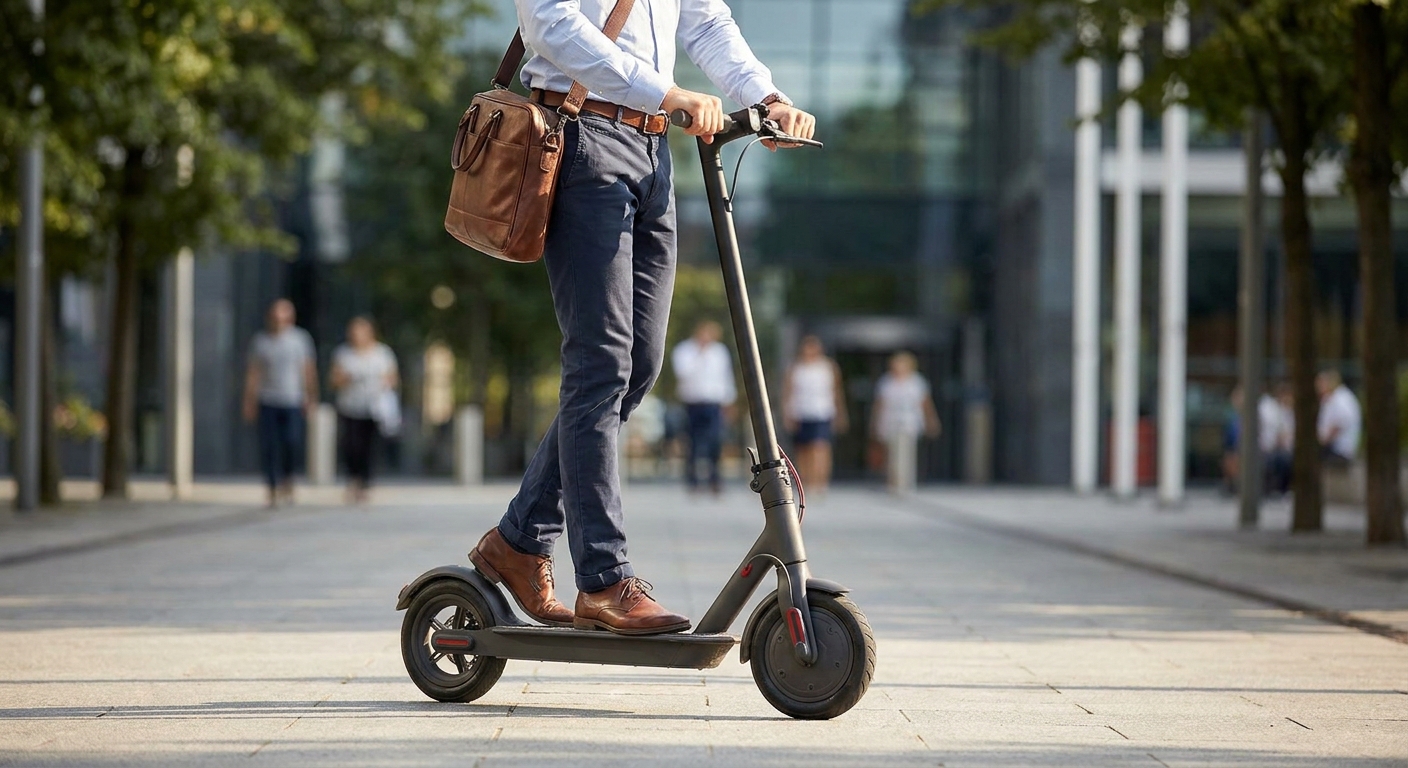
Electric scooters are the clear winner for users who need to integrate their ride with public transit. When evaluating Electric Scooters vs Electric Bikes, weight is the primary factor for urban professionals. Most scooters weigh between 20 and 50 pounds, making them manageable for stairs.
Can they fold for storage?
The ability to tuck your ride under a desk is a major operational advantage. While nearly all scooters fold into a compact shape, only specialized bike models offer folding frames.
- Scooters fit in small elevators easily.
- Bikes often require dedicated garage space.
- Folding mechanisms on scooters are usually faster.
You might be wondering:
Is it worth the extra bulk? For most apartment dwellers, the space-saving nature of a scooter is the deciding factor in the morning rush.
Key Takeaway: Scooters offer superior portability for multi-modal transit and small office storage.
| Feature | Electric Scooter | Electric Bike |
|---|---|---|
| Average Weight | 25–50 lbs | 45–80 lbs |
| Folding Style | Standard/Compact | Specialized/Bulky |
| Storage Need | Under desk/Closet | Bike rack/Garage |
Portability is the defining characteristic that separates these two micro-mobility categories for the urban commuter.
Who goes further in the Electric Scooters vs Electric Bikes race?
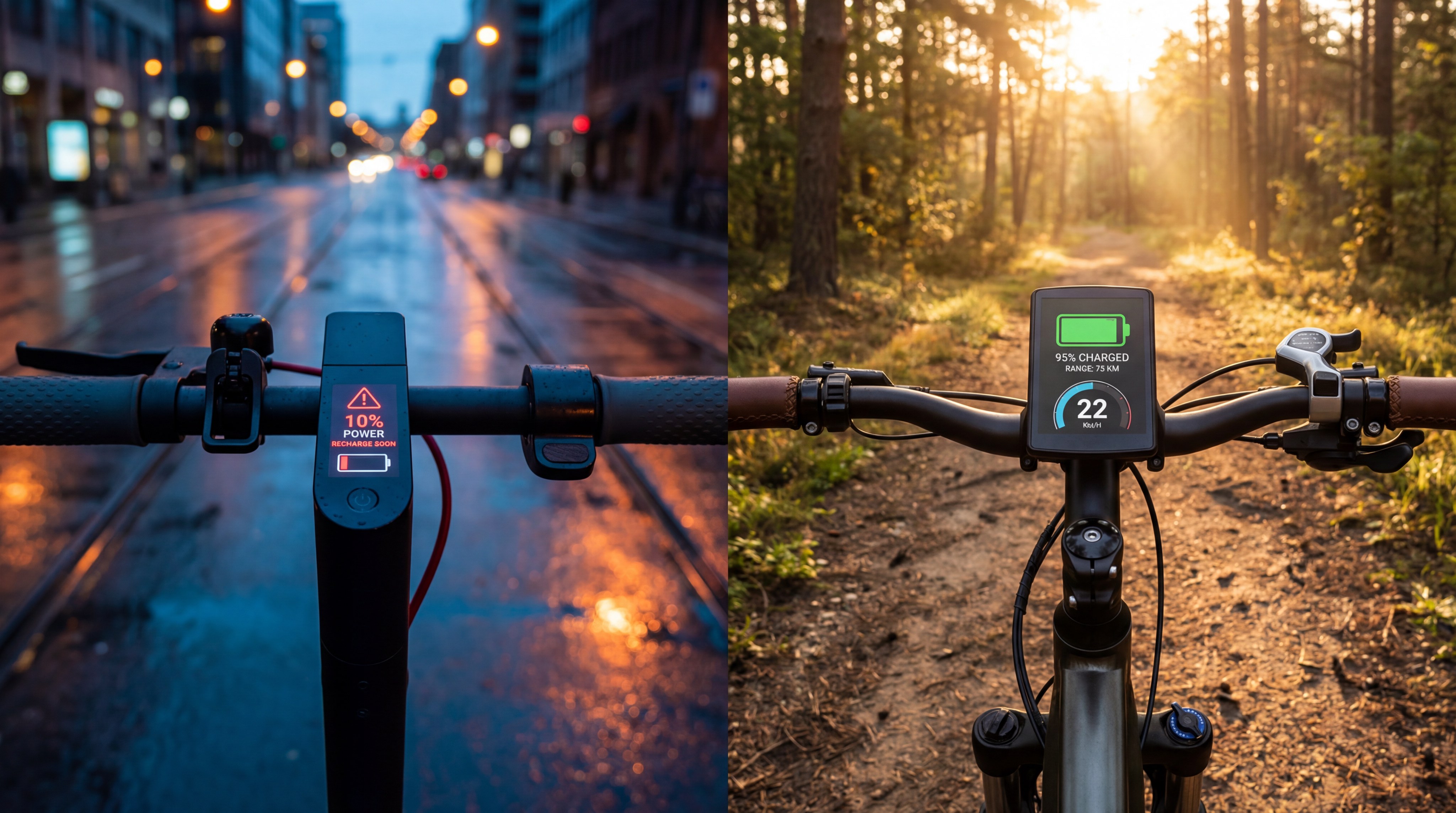
Electric bikes generally provide a significantly longer range due to larger battery capacities and human-assisted pedaling. Range anxiety is a common concern when comparing Electric Scooters vs Electric Bikes. While scooters typically cover 15 to 30 miles, bikes can easily double that distance.
What happens when the battery dies?
A dead battery is a minor inconvenience for a bike rider but a major problem for a scooter user. You can still pedal a bike home if the motor shuts off.
- Bikes function as traditional bicycles.
- Scooters become heavy, awkward kick-boards.
- Pedal-assist modes extend battery life significantly.
Here is the kicker:
Bikes allow you to stay mobile even when electronic components fail. This reliability makes them the preferred choice for long-distance regional commutes.
Key Takeaway: Electric bikes offer better range security and the flexibility to continue riding without power.
| Performance Metric | Electric Scooter | Electric Bike |
|---|---|---|
| Typical Range | 15–30 Miles | 25–60 Miles |
| Backup Power | None | Manual Pedaling |
| Efficiency | Motor dependent | Hybrid (Human + Motor) |
Battery efficiency and the safety net of pedals give the electric bike a clear edge for high-mileage users.
Is riding hard for Electric Scooters vs Electric Bikes?
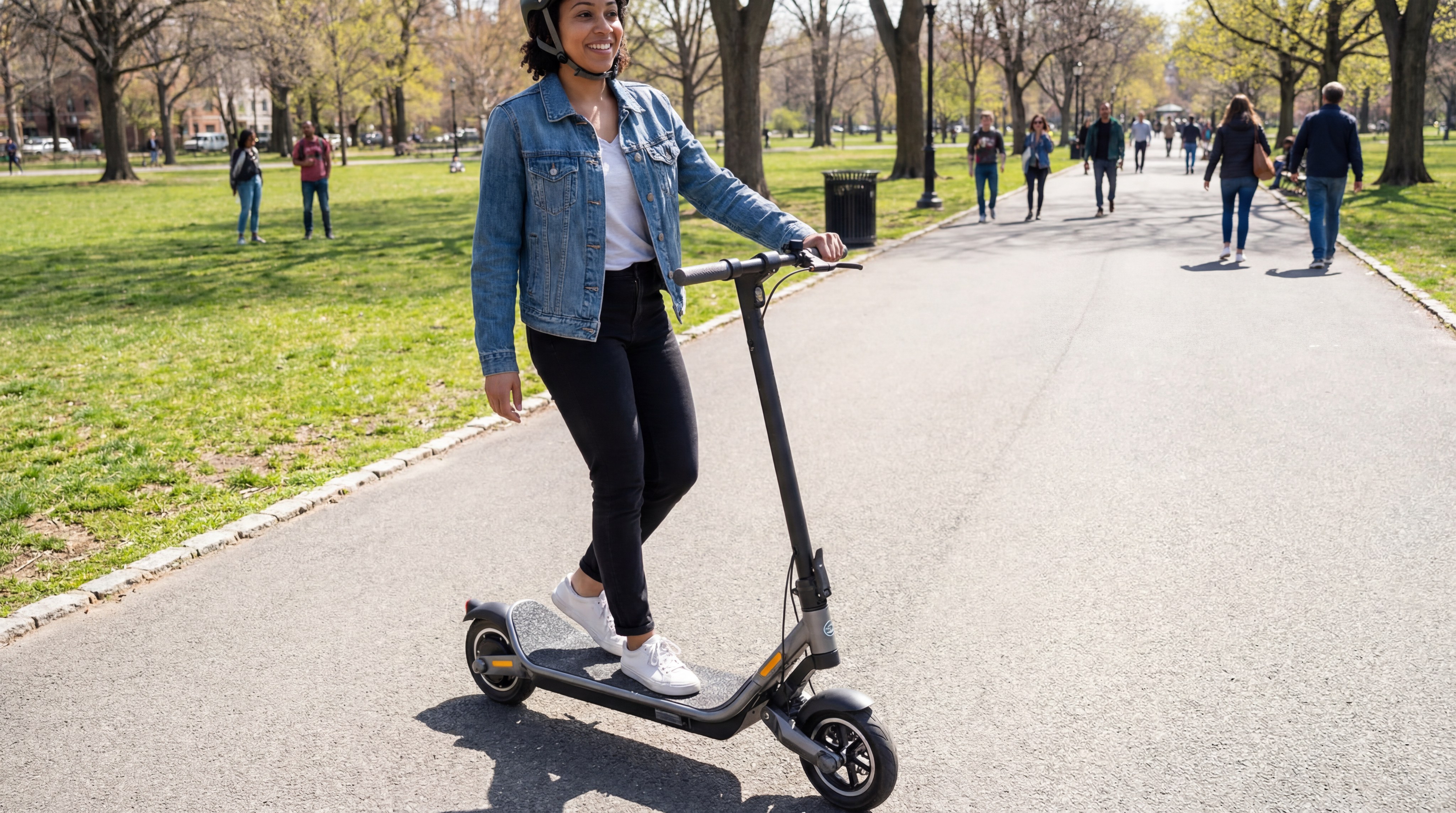
Neither vehicle requires extensive training, but bikes benefit from the muscle memory most people developed in childhood. When looking at Electric Scooters vs Electric Bikes, the learning curve is remarkably shallow for both options. Most riders feel confident within the first ten minutes of operation.
How fast can you master a scooter?
Scooters offer an intuitive “hop-on, hop-off” experience that simplifies the morning departure. Since you stand close to the ground, balancing feels more natural for those who haven’t cycled in years.
- No gears to manage.
- Simple thumb-throttle controls.
- Easy foot-based stopping.
But wait, there’s more:
The simplicity of the scooter makes it accessible to a wider demographic of users. You don’t need specialized clothing or athletic shoes to feel stable on the platform.
Key Takeaway: Scooters are slightly easier to master for non-cyclists, while bikes offer a familiar traditional feel.
| Ease of Use | Electric Scooter | Electric Bike |
|---|---|---|
| Learning Time | 5–10 Minutes | 10–20 Minutes |
| Mounting | Low step-on | Leg over/Step-through |
| Operation | Throttle only | Throttle + Pedaling |
The low barrier to entry for both vehicles ensures that you can start commuting immediately without a steep training phase.
Which offers a smoother Electric Scooters vs Electric Bikes ride?
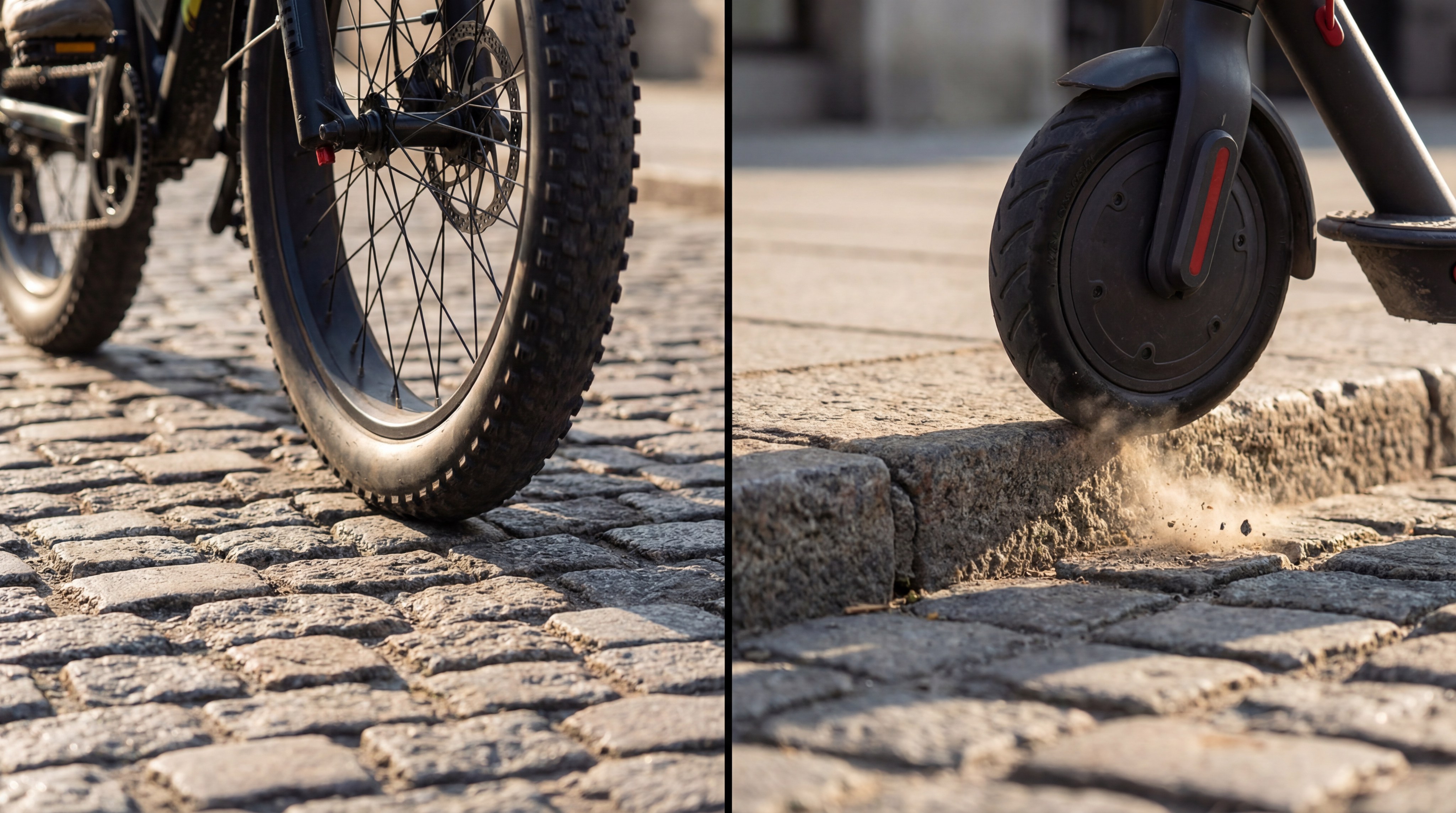
Electric bikes provide a much smoother ride over rough terrain due to their significantly larger wheel diameters. Stability is a major point of contention in the Electric Scooters vs Electric Bikes debate. Larger wheels absorb potholes and cracks that might cause a scooter to wobble.
Sitting vs standing: which is better?
Comfort during long rides often comes down to the riding position and ergonomic design. Sitting on a saddle reduces leg fatigue, which is vital for trips exceeding three miles.
- Bikes allow for a relaxed, seated posture.
- Scooters require active standing and core engagement.
- Suspension systems on bikes are typically more robust.
Here is the kicker:
Larger wheels act as natural shock absorbers for the spine. If your route includes cobblestones or uneven pavement, the bike’s stability is a non-negotiable safety feature.
Key Takeaway: Larger wheels and a seated position make electric bikes the superior choice for comfort and stability.
| Comfort Feature | Electric Scooter | Electric Bike |
|---|---|---|
| Wheel Size | 8–11 Inches | 20–29 Inches |
| Riding Posture | Standing | Seated |
| Rough Terrain | Moderate vibrations | High vibration damping |
Ride quality is heavily influenced by wheel physics, favoring the bicycle for any route that isn’t perfectly paved.
Can you carry gear with Electric Scooters vs Electric Bikes?
Bikes are designed for utility and can be outfitted with racks to carry significant cargo. When comparing Electric Scooters vs Electric Bikes, you must consider your daily payload needs. Most scooters require the rider to carry everything in a backpack.
Can you fit groceries on a bike?
Bicycles can easily handle panniers, baskets, and even child seats, making them versatile for errands. This transformation from a simple commuter to a cargo vehicle is a key selling point for many professionals.
- Rear racks support up to 50 lbs.
- Front baskets are ideal for quick access.
- Integrated frames offer higher weight limits.
You might be wondering:
What about scooter accessories? While you can add small handlebar bags, they often affect steering balance and overall safety.
Key Takeaway: Electric bikes are the undisputed leaders for carrying groceries, work gear, or heavy laptops.
| Cargo Utility | Electric Scooter | Electric Bike |
|---|---|---|
| Storage Options | Backpack only | Racks, Baskets, Panniers |
| Weight Capacity | Low/Rider only | High/Cargo support |
| Versatility | Commute focused | Multi-tasking utility |
For those who need to replace car trips entirely, the cargo capacity of an e-bike is a critical functional requirement.
Which is more affordable: Electric Scooters vs Electric Bikes?
Electric scooters generally offer a much lower entry-level price point for the budget-conscious professional. The financial barrier between Electric Scooters vs Electric Bikes can be several hundred dollars. High-quality commuter scooters often start around half the price of a mid-range electric bike.
Which provides better long-term value?
While scooters are cheaper upfront, bikes often benefit from standardized parts that are easier to source. The longevity of your investment depends on how frequently you plan to ride and maintain the vehicle.
- Scooters have fewer mechanical parts to fail.
- Bikes use standard chains and tires available at any shop.
- Battery replacement costs are similar for both.
But wait, there’s more:
Bikes tend to hold their resale value better over time. If you view your vehicle as a long-term asset, the higher initial cost of a bike may be justified by its durability.
Key Takeaway: Scooters win on initial affordability, while bikes offer better long-term serviceability.
| Financial Aspect | Electric Scooter | Electric Bike |
|---|---|---|
| Initial Investment | $300 – $1,200 | $1,000 – $3,500+ |
| Parts Availability | Often proprietary | Standard bicycle parts |
| Resale Value | Moderate | High |
Choosing between a lower upfront cost or long-term durability is the primary financial decision you must make.
Who needs less repair: Electric Scooters vs Electric Bikes?
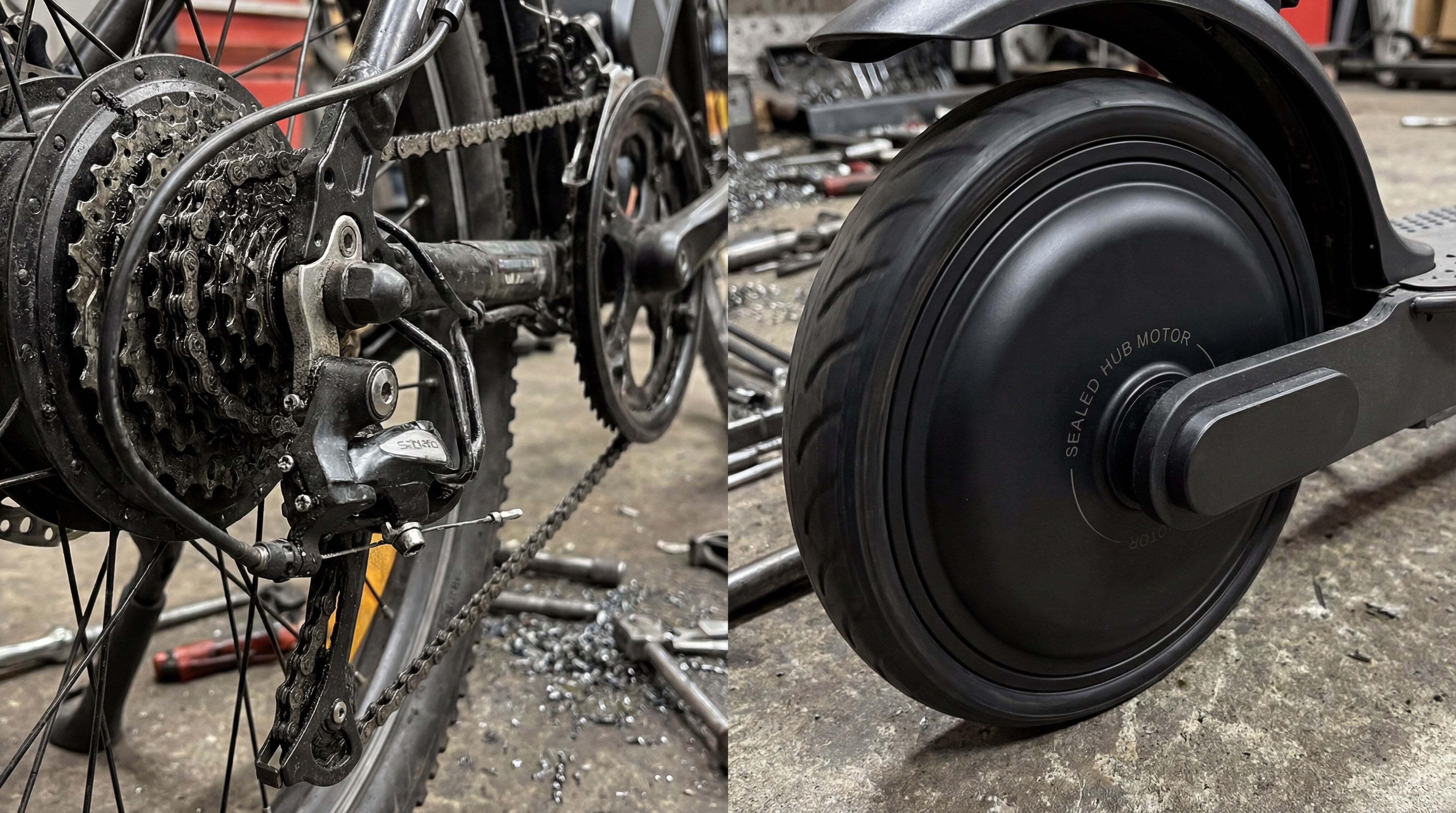
Electric scooters are mechanically simpler because they lack complex gear systems and chains. When evaluating the maintenance of Electric Scooters vs Electric Bikes, simplicity often translates to higher reliability. A scooter’s direct-drive hub motor requires almost zero internal maintenance.
Are chains harder to fix than motors?
Bikes require regular cleaning, lubrication, and adjustments to the drivetrain to ensure smooth operation. Neglecting these tasks can lead to rust or snapped chains during your commute.
- Scooters rarely need “tune-ups.”
- Bikes require periodic brake and gear alignment.
- Hub motors on both are typically sealed units.
Here is the kicker:
A scooter is almost “maintenance-free” until a tire needs replacing. This makes them ideal for professionals who don’t want to spend their weekends working on a bike.
Key Takeaway: Scooters require less day-to-day maintenance, but bikes are easier for local shops to repair.
| Maintenance | Electric Scooter | Electric Bike |
|---|---|---|
| Drivetrain | Simple Hub | Complex Chain/Gears |
| DIY Ease | Low (Electronics) | High (Mechanical) |
| Shop Service | Specialist needed | Local bike shops |
If you prefer a vehicle that you can just “charge and go,” the mechanical simplicity of a scooter is a significant perk.
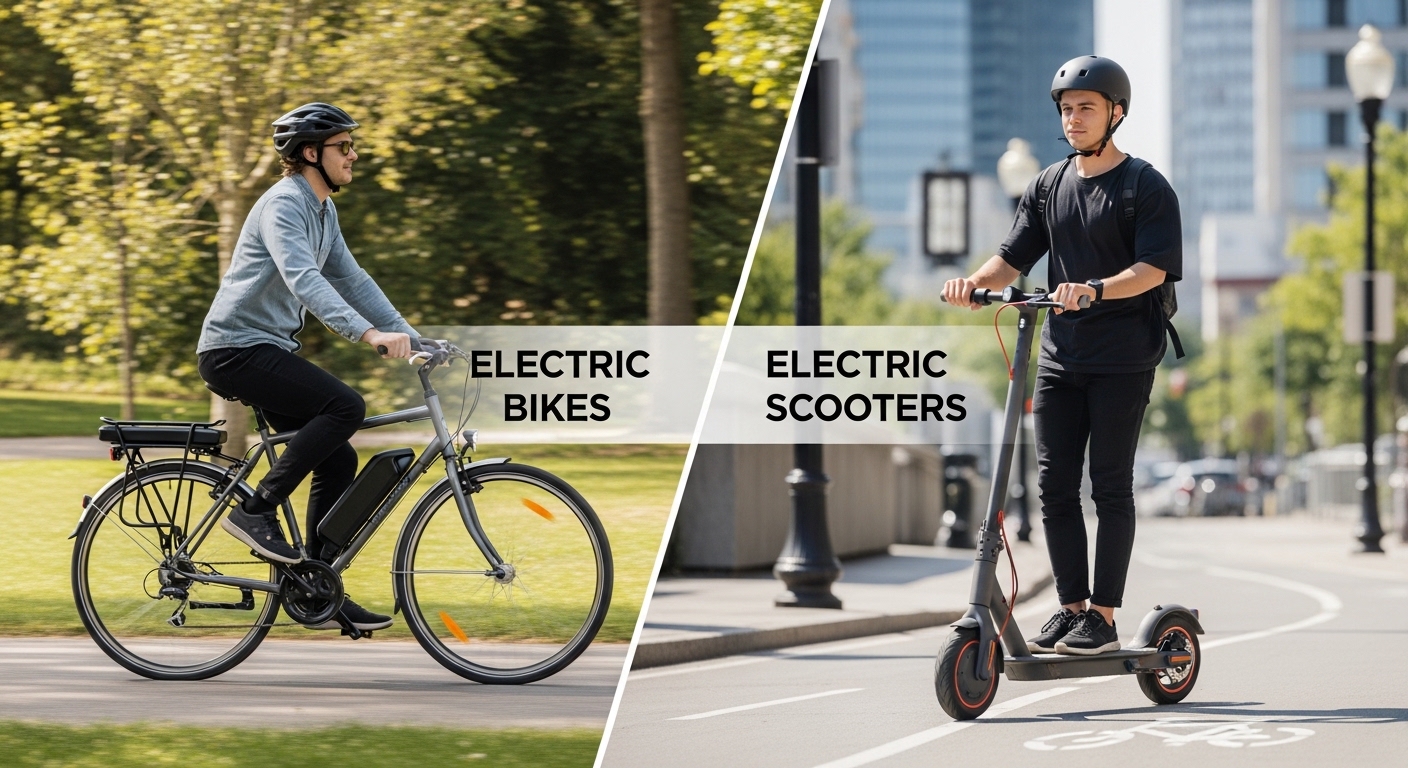
Which fits your commute: Electric Scooters vs Electric Bikes?
The best choice depends on whether you have a short urban hop or a long suburban journey. The environment dictates the winner in the Electric Scooters vs Electric Bikes comparison. Scooters excel in dense city centers, while bikes dominate the suburban landscape.
Which is easier to take on a train?
Multi-modal commuting is far easier with a scooter that fits between your legs on a crowded subway. Many transit authorities have strict rules about bikes during rush hour that do not apply to folded scooters.
- Scooters are allowed in almost all office buildings.
- Bikes often require outdoor parking or bike rooms.
- Scooters bypass many “last mile” transit restrictions.
You might be wondering:
What if I need to ride in the rain? Bikes generally provide better traction and larger fenders, making them a more viable year-round solution for all-weather commuters.
Key Takeaway: Scooters are the kings of the “last mile,” while bikes are better for full-trip car replacements.
| Urban Fit | Electric Scooter | Electric Bike |
|---|---|---|
| City Transit | Excellent | Limited |
| Office Access | High (Under desk) | Low (Bike rack) |
| Weather Handling | Poor | Good |
Your specific route and the availability of indoor storage are the two most important factors for daily satisfaction.
Who handles hills better: Electric Scooters vs Electric Bikes?
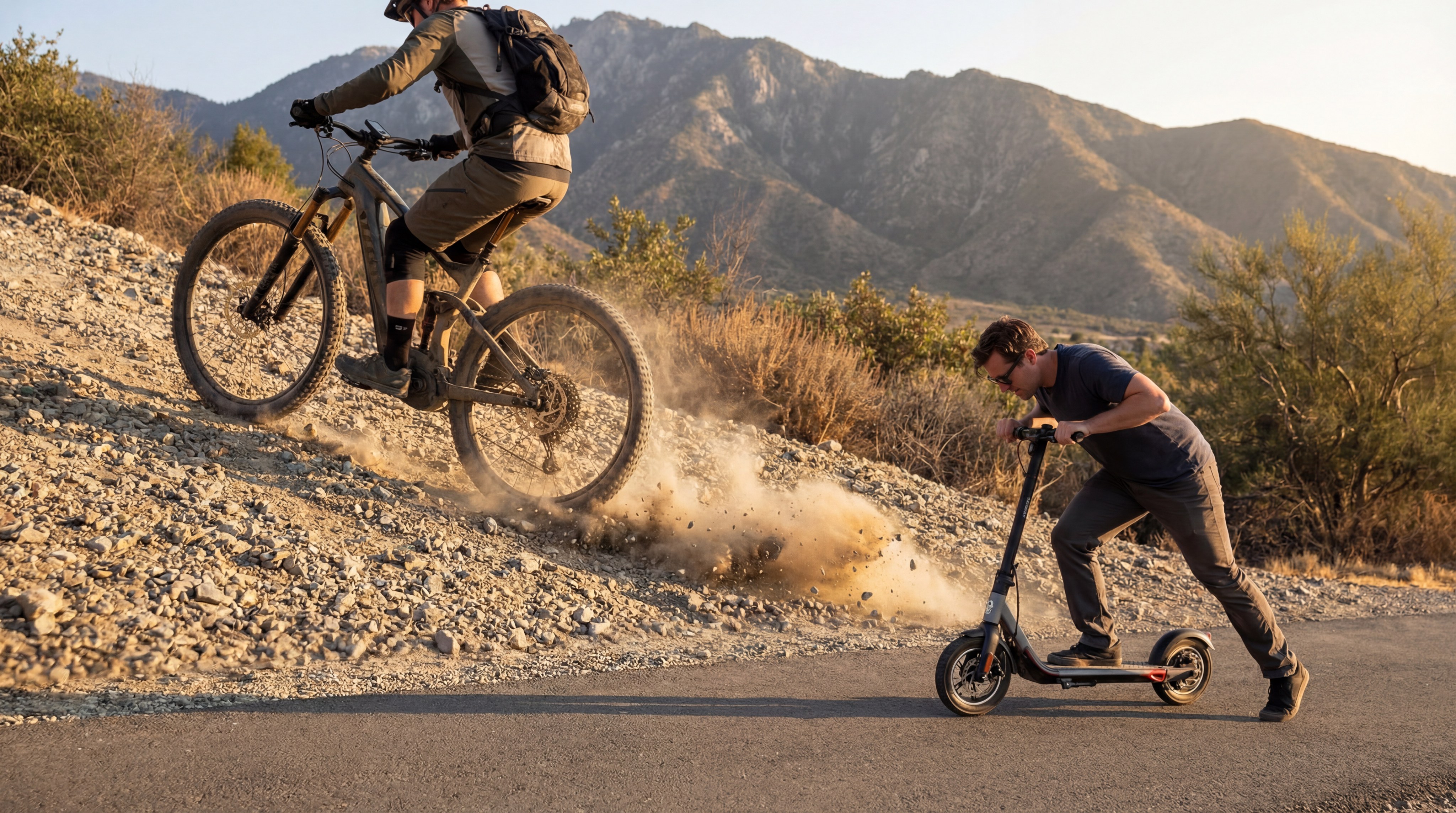
Bikes handle steep inclines more efficiently because you can combine your leg power with the motor’s torque. When debating Electric Scooters vs Electric Bikes on hilly terrain, the motor’s wattage isn’t the only factor. A scooter’s motor must do 100% of the work.
Can a scooter handle steep hills?
Entry-level scooters often struggle on grades exceeding 10%, significantly reducing your speed and battery life. To conquer major hills on a scooter, you usually need a dual-motor setup.
- Bikes use gears to multiply torque.
- Pedal-assist allows for effortless climbing.
- Scooters lose speed quickly on long inclines.
But wait, there’s more:
Bikes offer a better exercise benefit while climbing. If you want a light workout without arriving at the office drenched in sweat, a pedal-assist bike is the perfect middle ground.
Key Takeaway: Electric bikes are superior for hilly cities and provide a moderate exercise benefit.
| Hill Performance | Electric Scooter | Electric Bike |
|---|---|---|
| Torque Source | Motor only | Motor + Legs |
| Gearing | Fixed | Multi-speed |
| Exercise | Minimal | Cardiovascular |
For residents of San Francisco or Seattle, the mechanical advantage of a bike’s gear system is an essential feature.
What is the winner in Electric Scooters vs Electric Bikes?
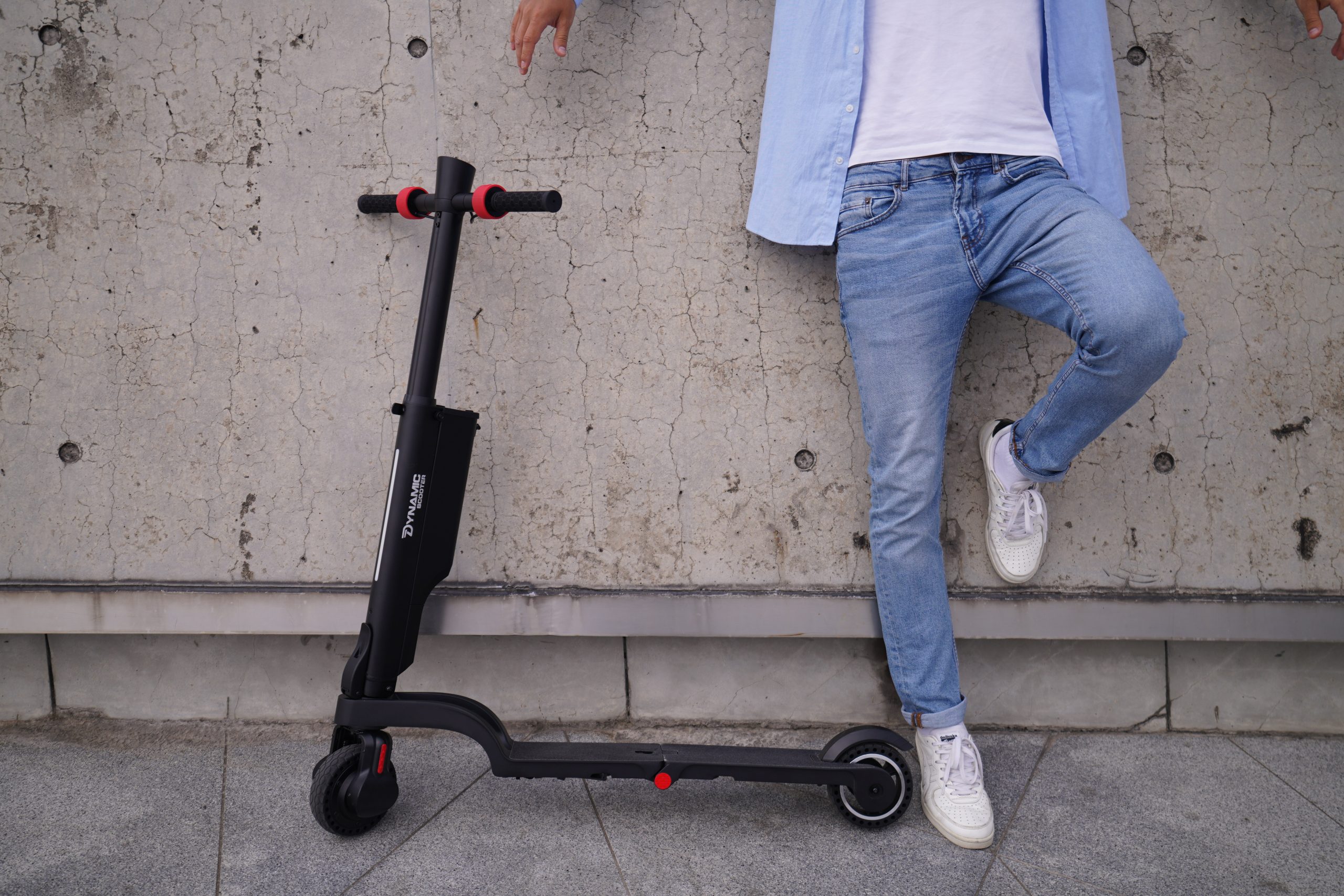
!electric scooter vs bike comparison
The ultimate winner is determined by your personal priorities and the specific logistics of your workplace. In the final assessment of Electric Scooters vs Electric Bikes, both vehicles serve distinct but equally valuable purposes in the modern micro-mobility ecosystem.
When should you buy a scooter?
Choose a scooter if you value portability above all else and have a short, flat commute on smooth pavement. It is the ultimate tool for the “last mile” professional who needs to bring their vehicle inside.
- Best for apartment living.
- Ideal for train commuters.
- Most affordable entry point.
When is an e-bike the right choice?
Opt for an electric bike if you need to cover distances over five miles or require a vehicle that can carry your groceries. The stability and comfort of a bike make it a more serious car-replacement candidate.
- Superior comfort for long rides.
- High cargo and utility capacity.
- Better performance in poor weather.
Key Takeaway: Scooters are for portability and short urban trips; bikes are for distance, comfort, and utility.
| Summary | Electric Scooter | Electric Bike |
|---|---|---|
| Best Scenario | Multi-modal/Short trips | Long trips/Cargo |
| Primary Strength | Portability | Comfort |
| Winner | Urban Minimalist | Suburban Commuter |
By aligning your vehicle choice with your specific environment, you ensure a more efficient and enjoyable daily commute.
Final Verdict
Choosing the right micro-mobility solution is about solving the specific pain points of your daily routine. Whether you prioritize the folding convenience of a scooter or the long-range comfort of a bike, you are making a positive investment in your time and the environment. We are committed to helping you navigate these choices with expert insights and premium vehicle options. If you have any further questions about which model fits your specific route, contact us today for personalized guidance.
Frequently Asked Questions
Can I ride these in the rain?
Yes, but with caution; most e-bikes have better traction and larger fenders than scooters, which makes them safer in wet conditions. Always check the IP rating of your specific model before riding through deep puddles.
What’s the best option for a 5-mile commute?
An electric bike is generally better for a 5-mile trip because the seated position and larger wheels provide significantly more comfort and less fatigue. Scooters are better suited for shorter “last mile” distances under 2-3 miles.
Can I get exercise on an electric scooter?
No; scooters provide minimal cardiovascular exercise as you are standing still while the motor does the work. If you want to burn calories during your commute, an electric bike with pedal-assist is the far superior choice.
Can I take these on a bus or train?
Yes; electric scooters are almost universally accepted on public transit when folded, while bikes often face restrictions or require special “bike cars” during peak hours. If your commute relies on the subway, the scooter is much more practical.
How long does the battery last?
Most batteries will last 3 to 5 years depending on usage and charging habits before you notice a significant drop in capacity. Storing your vehicle in a temperature-controlled environment and avoiding “deep discharges” will extend the total lifespan of the cells.