Author name: dynamicscooter

Best lightweight electric scooter for adults: Buyer’s Guide 2026

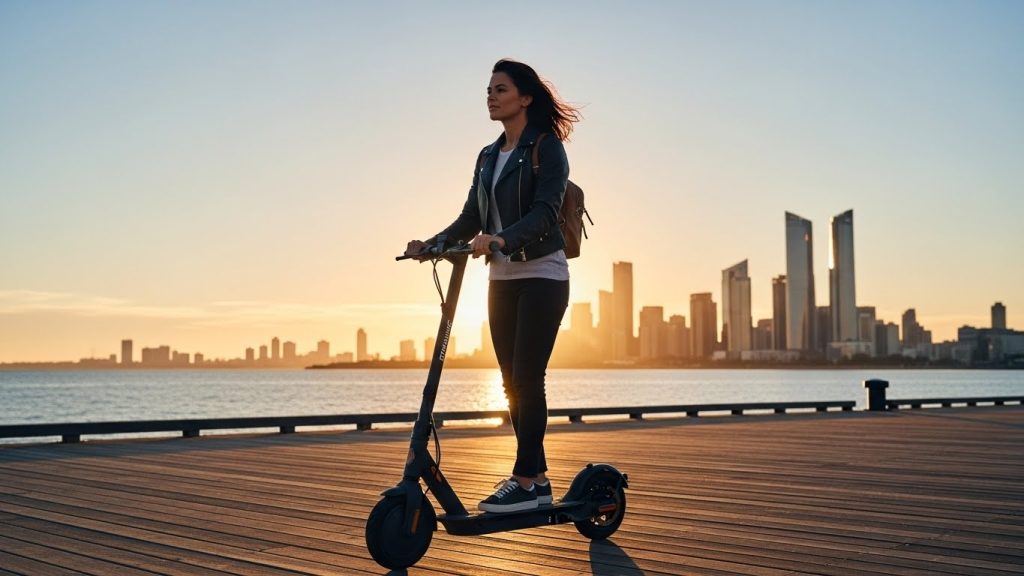
A lightweight electric scooter offers the perfect blend of portability and performance, making it an ideal choice for adult commuters. These scooters are designed to be easy to carry, store, and integrate into a busy urban lifestyle. But with so many options on the market, how do you choose the best one? The best lightweight electric scooter for adults combines a portable design with a powerful motor and a reliable battery. It should be light enough to carry on public transport but robust enough for daily use. The Dynamic Scooter Model B, for example, weighs just 22 lbs (10 kg) and offers a 15-mile range, making it a top contender for commuters who value both convenience and performance. Ready to find the perfect lightweight electric scooter for your needs? Here’s everything you need to know. 1. What Makes a Lightweight Electric Scooter Ideal for Adults? A lightweight electric scooter is a game-changer for adult commuters. The primary benefit is portability. A scooter that weighs under 30 pounds is easy to carry up a flight of stairs, take on a bus or train, or store under your desk at work. This convenience is a huge advantage for those with multi-modal commutes or limited storage space. Think about it… no more struggling with a heavy, bulky machine. The ease of carrying and storage is huge. A lightweight electric scooter folds down in seconds. You can transition from riding to walking without any hassle. This makes it perfect for last-mile travel, connecting you from the train station to your final destination. The compact size means it won’t take up much room in your apartment or office. There is a trade-off between weight and performance. Lighter scooters often have smaller batteries. They have less powerful motors. However, modern engineering has changed this. Manufacturers now create lightweight models that still offer impressive speed and range. The key is to find a balance that suits your specific needs. For most urban commutes, a lightweight electric scooter provides more than enough power. The daily commuting advantages are clear. You can avoid traffic, save money on gas and parking, and reduce your carbon footprint. A lightweight electric scooter gives you the freedom to navigate your city on your own terms. It’s a fun, efficient, and practical solution for modern urban living. Feature Benefit for Adults Portability Easy to carry on public transport. Compact Storage Fits under a desk or in a small apartment. Last-Mile Solution Bridges the gap from public transport to your destination. Cost-Effective Saves money on gas, parking, and ride-sharing. 2. What Weight Range Qualifies as Lightweight? The term “lightweight” can be subjective, but in the world of electric scooters, there are some generally accepted standards. A scooter weighing between 20 and 30 pounds (9 to 14 kg) is typically considered lightweight. These models are designed for maximum portability without sacrificing too much in terms of performance. Here’s the deal… anything under 25 pounds is exceptionally easy to carry. When compared to standard models, the difference is significant. A standard or long-range electric scooter can weigh anywhere from 40 to 60 pounds or more. While these heavier scooters offer more power and longer range, they are much more difficult to carry. A lightweight electric scooter is the clear winner for anyone who needs to lift their scooter regularly. It’s helpful to think of electric scooters in weight categories. Ultra-lightweight models are under 25 pounds. Lightweight models are 25-35 pounds. Mid-weight models are 35-45 pounds. Heavyweight models are anything over 45 pounds. This categorization helps you narrow down your options based on how much weight you’re comfortable carrying. While focusing on the scooter’s weight, don’t forget to check its carrying capacity. Most lightweight scooters can support a rider weight of up to 220 pounds. Make sure the scooter you choose can safely accommodate your weight. Exceeding the weight limit will reduce performance and can be a safety hazard. Weight Category Weight Range (lbs) Best For Ultra-Lightweight < 25 lbs Maximum portability, short trips. Lightweight 25 – 35 lbs Balanced portability and performance. Mid-Weight 35 – 45 lbs Longer range, less frequent carrying. Heavyweight > 45 lbs High performance, no carrying. 3. What Are the Best Lightweight Models Available? Several excellent lightweight electric scooter models are available for adults. The Dynamic Scooter Model B is a top contender, weighing in at just 22 pounds (10 kg) while offering a 15-mile range and a top speed of 18 mph. It’s known for its durable build and reliable performance, making it a favorite among commuters. The bottom line is… it’s a fantastic all-around choice. Other popular models include the Unagi Model One, which is praised for its sleek design and dual motors, and the Glion Balto, which offers a unique self-standing feature and a swappable battery. When comparing models, look at the key specifications side-by-side. Pay attention to weight, range, top speed, and motor power. Price ranges for lightweight electric scooters can vary. Budget-friendly options can be found for around $300 to $500. Mid-range models, which offer a better balance of features and quality, typically cost between $500 and $900. Premium lightweight models can exceed $1,000, offering advanced features like dual motors and carbon fiber construction. User reviews and ratings are a valuable resource. They provide real-world insights into a scooter’s performance. They show reliability and durability. Look for reviews from riders who have similar needs to your own. A scooter that works well for a casual weekend rider may not be the best choice for a daily commuter. Model Weight (lbs) Range (miles) Price Range Dynamic Scooter Model B 22 15 $600 – $800 Unagi Model One 26.5 15.5 $990+ Glion Balto 38 20 $600 – $800 4. How Do You Balance Weight with Performance? Balancing weight with performance is the main challenge. The two are often inversely related. As weight goes down, so does performance. However, battery and motor technology have improved. You can now find lightweight scooters that still pack a punch. You see… it’s all

Best lightweight electric scooter for adults: Buyer’s Guide 2026 Read More »

Can Electric Mountain Bikes Climb Hills? What to Expect on Steep Trails

Are you tired of grinding up steep hills, only to be exhausted at the top? Those tough climbs can ruin a great ride and keep you from the best views. An electric mountain bike gives you the power to conquer any incline with ease. Yes, electric mountain bikes are exceptional at climbing hills. Their motors provide powerful assistance that multiplies your pedaling effort, making steep and technical ascents feel much easier. Key factors like motor torque, gearing, battery power, and rider technique all work together to turn daunting mountains into manageable climbs. So, what’s the secret to their climbing power? Let’s get into the details. 1. How Does an E-MTB Motor Make Climbing Easier? An e-MTB’s motor is the key to its climbing ability. It amplifies the power you put into the pedals, making every stroke more effective uphill. The secret ingredient is torque. Torque is the rotational force the motor produces. Here’s why it matters… higher torque gives more power to turn the wheel, overcoming gravity on steep inclines. It provides that extra push to get you over the crest. This power is delivered through a pedal-assist system (PAS). Sensors detect when you are pedaling and how much force you apply. The motor adds corresponding assistance. You control this by selecting different assist levels. A low level provides a gentle boost, while a high level delivers maximum climbing power. The motor’s power is measured in watts (W). Higher wattage means the bike can maintain higher speed while climbing. A 650W motor provides significant power, making tough climbs feel manageable. Motor Metric What It Means for Climbing Ideal for Hills Torque (Nm) The rotational force that gets you moving. High (60Nm+) Power (Watts) The rate of energy use; affects climbing speed. High (500W+) Assist Levels Adjustable support to match the terrain. 3-5 Levels This combination of torque, power, and control is what makes an e-MTB a climbing machine. It turns a grueling uphill battle into a fun and achievable part of the ride. 2. What Type of Motor Is Best for Steep Hills? Not all e-MTB motors are created equal when it comes to climbing. The type and placement of the motor have a huge impact on performance. The two main types are mid-drive motors and hub motors. For steep hills, a mid-drive motor is the clear winner. These motors sit in the bike’s center, near the pedals. The best part? This design lets the motor use the bike’s gears. The motor operates at its most efficient RPM range, providing maximum torque even at low speeds. Hub motors sit in the rear or front wheel hub. They are simpler and more affordable. While effective on moderate hills, they are less efficient on steep climbs. They operate independently of the bike’s gears, so they can struggle to provide enough torque at low speeds. Power ratings also play a role. A higher power motor, like the 650W motor on the Dynamic Scooter Electric Mountain Bike Q5, delivers more sustained power. Some motors have a peak power rating, like 1000W, providing an extra burst when needed. Motor Type Location Climbing Advantage Best For Mid-Drive Center of bike Uses bike’s gears for high torque Steep, technical trails Hub Motor Wheel hub Simple and affordable Moderate hills, road use When choosing an e-MTB for climbing, a mid-drive motor is the way to go. It provides the power, efficiency, and natural feel you need to conquer the toughest hills. 3. How Important Is Gearing for Uphill E-MTB Riding? Gearing is just as important on an e-MTB as on a traditional bike. The motor provides power, but gears help you use it effectively. A good drivetrain and proper shifting are essential for efficient climbing. The motor and gears work together. The motor provides raw power, while gears multiply that force. But here’s the thing… shifting to a lower gear on a climb lets both you and the motor work less hard. It lets the motor spin at a higher, more efficient RPM, preventing overheating and conserving battery life. A quality drivetrain with a wide gear range, like a Shimano 9-speed system, is ideal for climbing. It gives you options to find the perfect gear for any gradient, maintaining a smooth pedaling speed, known as cadence. Finding the right cadence is key. Avoid pedaling too slowly in a hard gear (“mashing”) or spinning too fast in an easy gear. A comfortable cadence of around 70-90 RPM is a good target. Gearing Component Role in Climbing What to Look For Rear Cassette Provides a range of gears for different inclines. Wide range (e.g., 11-42T) Shifter Allows you to change gears quickly and easily. Reliable and precise (e.g., Shimano) Derailleur Moves the chain between gears. Durable and responsive By using your gears wisely, you can make the most of your e-MTB’s motor. It will make your climbs smoother, more efficient, and more enjoyable. 4. What Impact Does Battery Life Have on Climbing? The battery is your e-MTB’s fuel tank. When climbing, it plays a huge role. Steep climbs demand a lot of power, which drains the battery faster. Battery capacity is critical. It is measured in Amp-hours (Ah) or Watt-hours (Wh). A higher capacity battery holds more energy, translating to longer range and more climbing power. For long, hilly routes, a larger battery is a must. Now, you might be wondering… how much does climbing affect the battery? Using a high assist level on a steep climb can use two to three times more power than riding on flat ground. This is why it is important to manage your assist levels and conserve power when you can. Voltage is another important factor. A higher voltage system, like the 48V system on the Dynamic Scooter Q5, delivers power more efficiently. This helps the motor run cooler and provide more consistent power during long climbs. Battery Spec Impact on Climbing Ideal for Hills Capacity (Wh) Determines how long you can climb. 500Wh or higher Voltage (V) Affects power delivery efficiency. 48V

Can Electric Mountain Bikes Climb Hills? What to Expect on Steep Trails Read More »

Electric Scooter Motors Explained: Everything You Need to Know

The motor is the heart of your electric scooter. It turns battery energy into forward motion. It defines your scooter’s speed, acceleration, and hill-climbing ability. Understanding how your motor works helps you choose the right scooter. It also helps you keep it in top condition. From wattage to motor types, the details can seem complex. But grasping the basics is easier than you think. It empowers you to make smarter decisions. Electric scooter motors convert battery power into motion. Most use brushless DC hub motors built into the wheel. They range from 250W to 1000W+. Higher wattage means more speed and hill-climbing power. The motor works with an electronic speed controller (ESC) that manages power from the battery. This controls your acceleration and top speed. Ready to dive into the world of electric scooter motors? Here’s everything you need to know. 1. What Is an Electric Scooter Motor and How Does It Work? An electric scooter motor converts electrical energy from the battery into mechanical energy. This energy turns the wheels. The conversion happens through electromagnetism. The motor has a stationary part (the stator) and a rotating part (the rotor). When electricity flows through coils in the stator, it creates a magnetic field. This field interacts with magnets on the rotor. The rotor spins. Think about it… this simple principle propels you forward. The electronic speed controller (ESC) is the brain. It draws power from the battery. It delivers power to the motor in a controlled way. When you press the throttle, the ESC sends more power to the motor. This makes it spin faster. The ESC manages speed, acceleration, and performance. Without it, the motor would be off or running at full power all the time. The motor’s role in electric scooter performance is huge. It influences your top speed. It affects how quickly you accelerate from a stop. It determines your ability to climb hills. A more powerful motor handles heavier loads. It tackles steeper inclines without slowing down. It’s the difference between a scooter that struggles on a slope and one that conquers hills with ease. Most electric scooters use hub motors. These are integrated directly into the wheel. This design is compact and efficient. It requires very little maintenance. The motor sits inside the hub of the front or rear wheel. Sometimes it’s in both wheels. This direct-drive system eliminates chains or belts. The result is a quieter and more reliable ride. It’s an elegant solution that has become the industry standard. Motor Component Function Stator The stationary part with wire coils. Rotor The rotating part with magnets. Controller (ESC) Manages power flow from battery to motor. 2. What Are the Different Types of Electric Scooter Motors? Electric scooter motors come in several types. The most common distinction is between hub motors and chain-drive motors. Hub motors are located inside the wheel hub. They are quiet and efficient. They require almost no maintenance. Chain-drive motors are mounted to the scooter’s frame. They connect to the wheel via a chain and sprocket. This is similar to a bicycle. Here’s the deal… chain-drive systems are noisier. They require more maintenance. But they can offer higher torque. Another key difference is between brushed and brushless DC motors. Brushed motors are an older technology. They use physical contacts (brushes) to deliver power to the rotor. These brushes wear out over time. They need to be replaced. Brushless DC (BLDC) motors use an electronic controller instead of brushes. This makes them more reliable and efficient. They last longer. Almost all modern electric scooters use a BLDC motor. Many scooters come with a single motor. It’s usually in the rear wheel. This is sufficient for most commuting and general use. High-performance scooters often feature a dual motor setup. They have one motor in each wheel. Dual motors provide more power. They offer better acceleration and superior hill-climbing ability. They also offer all-wheel drive. This improves traction on slippery surfaces. The final distinction is between geared and direct-drive hub motors. Direct-drive motors have the rotor spinning at the same speed as the wheel. They are simple and reliable but can sometimes feel less powerful at low speeds. Geared hub motors use an internal set of planetary gears to increase torque. This gives them better acceleration and hill-climbing power, but the gears add complexity and can be slightly noisier. Motor Type Pros Cons Hub Motor Quiet, low maintenance, efficient. Can be harder to service. Chain-Drive High torque, easy to change gear ratios. Noisy, requires maintenance. Dual Motors High power, great on hills, better traction. More expensive, heavier. 3. How Much Motor Power Do You Really Need? Motor power is measured in watts (W). It’s one of the key specs to consider. The wattage tells you how much power the motor can handle. A higher wattage means more speed. It also means better hill-climbing ability. For casual city riding on flat terrain, a 250W to 350W motor works well. The bottom line is… this power level gets you around town comfortably. If your commute includes hills, look for a motor with at least 500W of power. Want a bit more zip? Look for 500W or more. A 500W motor improves acceleration. It tackles moderate inclines without losing much speed. For heavier riders or very hilly areas, a 750W motor is better. A dual motor setup is even better. Understand the relationship between power, speed, and torque. Power determines your top speed. Torque determines your acceleration and hill-climbing ability. A motor can be designed for high speed with lower torque. Or it can have high torque with lower speed. Most scooter motors aim for a balance. Dual motors excel at providing both high speed and high torque. Many regions have legal limits on electric scooter motor power. In some areas, motors over 750W classify the scooter as a moped. This requires a license and registration. Always check your local laws before purchasing a high-powered electric scooter. This saves you from fines and legal headaches. Rider

Electric Scooter Motors Explained: Everything You Need to Know Read More »

Electric Scooter Maintenance Checklist: Weekly, Monthly & Seasonal Guide

An electric scooter is a fantastic investment for modern commuting. It’s fun, efficient, and eco-friendly. But like any vehicle, it needs regular care to stay in top shape. Neglecting maintenance can lead to poor performance, costly repairs, and even safety hazards. A little bit of attention goes a long way in keeping your ride smooth and reliable. Don’t wait for a breakdown to start thinking about upkeep. Following a simple maintenance checklist is the best way to protect your electric scooter and make sure it lasts for years. From weekly checks to seasonal adjustments, routine care keeps your scooter safe, reliable, and performing at its best. The Dynamic Scooter Model B is designed for easy maintenance, making it a great choice for riders who value longevity and hassle-free ownership. Ready to become a scooter maintenance pro? Here’s your complete guide. 1. Why Is Regular Maintenance Critical for Your Electric Scooter? Regular maintenance for your electric scooter is not just a suggestion; it’s a necessity for safe and reliable operation. The most significant benefit is safety. Routine checks of your brakes, tires, and lights can prevent accidents caused by equipment failure. Imagine your brakes failing on a steep hill or your lights going out at night. These are dangerous situations that regular upkeep can help you avoid. Think about it… a few minutes of your time can save you from a serious injury. Beyond safety, consistent maintenance extends the lifespan of your electric scooter. Components like the battery, motor, and tires wear out over time. By keeping them clean, lubricated, and properly adjusted, you can slow down the aging process. This means you get to enjoy your scooter for more years and miles, maximizing your investment. A well-cared-for scooter holds its value better if you decide to sell it later. Preventing costly repairs is another major advantage. Small issues, like a loose bolt or a low tire, can turn into big problems if ignored. A loose bolt can cause other parts to vibrate and break. A flat tire can damage the wheel rim. By catching and fixing these minor problems early, you avoid expensive and time-consuming repairs down the road. Regular maintenance is an investment that pays for itself. A well-maintained electric scooter simply performs better. You’ll experience a smoother ride, more responsive acceleration, and a longer battery range. When all components are working in harmony, your scooter operates at peak efficiency. This makes every ride more enjoyable and dependable. Don’t let neglect ruin your commuting experience. Maintenance Benefit Why It Matters Enhanced Safety Prevents accidents from equipment failure. Longer Lifespan Maximizes your investment and scooter’s value. Cost Prevention Avoids expensive repairs from small issues. Better Performance Delivers a smooth, efficient, and reliable ride. 2. What Should You Check Weekly on Your Electric Scooter? Your weekly check-up is a quick but critical routine that keeps your electric scooter ready for the road. First on the list is tire pressure. For scooters with pneumatic (air-filled) tires, proper inflation is key. Low pressure can reduce your range, make handling sluggish, and increase the risk of a flat. Use a pressure gauge to check that the PSI matches the recommendation on the tire sidewall. You see… this simple step can dramatically improve your ride quality. Next, give your brakes a thorough test. Squeeze the brake levers to make sure they feel firm and responsive. They shouldn’t feel spongy or pull all the way to the handlebar. Roll the scooter and apply the brakes to confirm they bring you to a quick, smooth stop. If you have disc brakes, visually inspect the pads for wear. If they look thin, it’s time for a replacement. Your brakes are your most critical safety feature. Don’t forget to check your lights. Turn on your front headlight, rear taillight, and any other lights to make sure they are all working. This is critical if you ride at night or in low-light conditions. A functioning set of lights makes you visible to others, which is key for avoiding accidents. Clean the lenses to get maximum brightness. Lastly, take a look at your battery charge level. While you should charge your battery after most rides, it’s good practice to check the level before you head out. This prevents you from getting stranded with a dead battery. Most electric scooter models have a display that shows the current charge, so a quick glance is all it takes. This habit keeps you from running out of power on your journey. Weekly Check What to Look For Tire Pressure Correct PSI, no signs of damage. Brake Function Firm levers, smooth stopping power. Light Operation All lights working and lenses clean. Battery Level Sufficient charge for your planned trip. 3. What Monthly Maintenance Does Your Scooter Need? Once a month, it’s time to give your electric scooter a more in-depth inspection. Start with a deep clean. Use a damp cloth to wipe down the frame, deck, and wheels. A clean scooter not only looks better but also makes it easier to spot potential issues like cracks or loose parts. Avoid using a pressure washer, as it can force water into sensitive electrical components. The result? You’ll have a scooter that looks great and is easier to inspect. Next, go over every bolt and screw on your scooter. The vibrations from riding can cause them to loosen over time. Use an Allen key or screwdriver to check that everything is snug. Pay special attention to the handlebars, folding mechanism, and wheels. A loose bolt can lead to a catastrophic failure, so this is a critical safety check. Don’t over-tighten, as this can strip the threads. If your electric scooter has a chain or belt drive, now is the time to inspect it. Check the tension to make sure it’s not too loose or too tight. Look for signs of wear, such as cracks or missing teeth. If you have a chain, lubricate it with a product designed for bicycles. This keeps it running smoothly and

Electric Scooter Maintenance Checklist: Weekly, Monthly & Seasonal Guide Read More »

Electric Scooter Lighting Laws: What Riders Need to Know

Riding an electric scooter is a great way to get around. It’s convenient, eco-friendly, and fun. But it comes with responsibilities. One of the most critical is making sure your electric scooter is properly lit, especially at night. The laws around electric scooter lighting can be confusing. They vary from place to place. Understanding them is key. Riding without the proper lights can be dangerous and can also lead to a hefty fine. Don’t get caught in the dark. Understanding and following electric scooter lighting laws is crucial for your safety and to avoid legal trouble. These laws, which typically require a white front light and a red rear light, exist to make you visible to others and prevent accidents. The Dynamic Scooter Model B comes equipped with bright, compliant lighting, making it a safe and legal choice for riders. Ready to light up your ride the right way? Here’s what you need to know. 1. Why Do Electric Scooter Lighting Laws Exist? Electric scooter lighting laws are not just about red tape. They are about saving lives. They protect you and others on the road. The primary reason for these laws is public safety. Electric scooters are small and quiet. This can make them difficult for drivers to see. This is especially true at night. Proper lighting makes you visible, which is one of the best ways to prevent an accident. Here’s why it matters… a driver who can see you is a driver who is less likely to hit you. These laws also create a clear legal framework for electric scooter riders. They establish a minimum standard for safety equipment. This helps make sure that all riders are taking basic precautions. This not only protects the rider but also pedestrians and other road users. When everyone follows the same rules, the roads become safer for everyone. Enforcement of these laws is also a key part of the equation. Police officers regularly check for lighting violations. The threat of a fine can be a powerful motivator for riders to comply with the law. While no one likes getting a ticket, the goal of enforcement is to encourage safe behavior and reduce the number of scooter-related accidents. Ultimately, these laws are in place to protect you. By understanding and following them, you are doing your part to make every ride a safe one. Reason for Lighting Laws Why It Matters Public Safety Prevents accidents and saves lives. Visibility Makes you visible to drivers and others. Legal Framework Creates clear rules for all riders. Enforcement Encourages compliance and safe behavior. 2. What Are the Federal Lighting Requirements? In the United States, there is no single federal law that specifically governs electric scooter lighting. This can be confusing for riders. Instead, the regulation of electric scooters is largely left up to the states and individual cities. However, the Consumer Product Safety Commission (CPSC) does have some guidelines that apply to all “low-speed electric personal assistive mobility devices,” which includes electric scooters. These CPSC guidelines are primarily focused on the manufacturing and initial sale of scooters. They recommend that all scooters be sold with a lighting system that includes a white front light and a red rear light. They also recommend that scooters have side reflectors. But here’s the thing… these are just recommendations, not a legal requirement for riders. This means that while most scooters are sold with lights, it is up to the rider to make sure they are using them in compliance with local laws. The federal government has taken a hands-off approach, allowing local jurisdictions to create laws that best fit their own unique traffic and safety conditions. So, while there is no overarching federal law to follow, it is still a good idea to choose a scooter that meets the CPSC’s recommendations. This will give you a good starting point for complying with the laws in your area. Federal Guideline (CPSC) Recommendation Front Light White light, visible from a distance. Rear Light Red light, visible from a distance. Side Reflectors Amber or red, on both sides. 3. How Do State Laws Differ Across the US? This is where things can get a bit complicated when it comes to electric scooter lighting laws. Because there is no federal law, each state has the authority to create its own laws regarding electric scooter lighting. This leads to variation. And to make things even more confusing, many cities have their own local ordinances that may be stricter than the state law. However, there are some common themes that you will find in most state laws. The vast majority of states require a white front light and a red rear light for riding at night. The required visibility distance for these lights can vary, but it is typically between 200 and 500 feet. Now, you might be wondering… what about during the day? Most states do not require lights during the day, but some are starting to. California, for example, requires a white front light to be used at all times, day or night. Other states may require lights during the day if visibility is poor, such as in fog or heavy rain. It is crucial to check the specific laws in your state and city before you ride. A quick search on your state’s DMV website or your city’s government website should provide the information you need. Don’t assume that the laws are the same everywhere. State Example Front Light Requirement Rear Light Requirement California White, required at all times. Red, required at night. New York White, required at night. Red, required at night. Florida White, required at night. Red, required at night. 4. What Lighting Equipment Is Legally Required? While the specifics can vary, the basic lighting equipment required by most electric scooter laws is fairly consistent. You will almost always need a white front light and a red rear light on your electric scooter. The front light should be bright enough to illuminate the path ahead of you

Electric Scooter Lighting Laws: What Riders Need to Know Read More »

What you should wear when riding an electric scooter? A Beginner’s Safety Guide

Riding an electric scooter is a fun and convenient way to get around. But before you head out, it’s critical to think about what you’re wearing. Your safety depends on it. The right gear can make a huge difference in your safety and comfort. A fall at even a moderate speed can cause serious injuries if you’re not properly protected. Don’t let a preventable injury ruin your ride. Wearing the right gear, including a helmet, protective clothing, and proper footwear, is critical for a safe and enjoyable electric scooter ride. This gear protects you from injuries, improves your visibility to others, and keeps you comfortable in different weather conditions. The Dynamic Scooter Model B is a great choice for safety-conscious riders, with a stable platform and responsive brakes that complement your protective gear. Ready to gear up for a safe ride? Here’s what you need to know. 1. Why Does Your Clothing Matter When Riding? What you wear when riding an electric scooter is about more than just style. It’s a critical safety decision. It’s a critical part of your safety. The right clothing can protect you from serious injuries in a fall. Road rash, a painful skin abrasion caused by sliding on pavement, is a common injury for scooter riders. Protective clothing, like a durable jacket and pants, can provide a barrier between your skin and the road. Your clothing also plays a big role in your visibility to others. Brightly colored or reflective clothing makes you more visible to drivers, cyclists, and pedestrians, especially at night or in low-light conditions. Here’s why it matters… being seen is one of the best ways to avoid a collision. If others can see you, they are less likely to pull out in front of you or cut you off. Weather is another key consideration. Dressing in layers allows you to adjust to changing temperatures. A waterproof outer layer will keep you dry in the rain, while breathable fabrics will help you stay cool in the heat. Being comfortable allows you to focus on the road and ride more safely. Ultimately, dressing for the ride is about taking responsibility for your own safety. It’s a simple but effective way to reduce your risk of injury and make every ride a good one. Clothing Factor Why It Matters Protection Prevents road rash and other injuries. Visibility Helps others see you on the road. Weather Keeps you comfortable and focused. Safety Reduces your overall risk of an accident. 2. What Type of Helmet Should You Wear? If you only wear one piece of protective gear when riding an electric scooter, make it a helmet. A helmet is the single most critical piece of safety equipment for an electric scooter rider. It protects your head from serious injury in a fall. There are several types of helmets to choose from, but the most critical thing is to choose one that is certified for safety. Look for a helmet with a certification from the CPSC (Consumer Product Safety Commission) or ASTM (American Society for Testing and Materials). These certifications mean the helmet has been tested and meets specific safety standards. A bicycle helmet is a good starting point for most scooter riders. For higher speeds, you might consider a motorcycle or moped helmet for more protection. The best part? A good helmet can literally save your life. A proper fit is also crucial. A helmet that is too loose can come off in a crash, and one that is too tight will be uncomfortable. To find the right size, measure the circumference of your head and compare it to the manufacturer’s sizing chart. The helmet should sit level on your head and should not move around when you shake your head. There are two main styles of helmets: full-face and half-shell. A full-face helmet offers the most protection, covering your entire head and chin. A half-shell helmet is lighter and more breathable but leaves your face and chin exposed. The right choice for you depends on your speed and risk tolerance. Helmet Type Protection Level Best For Bicycle Helmet Good Casual riding, lower speeds. Skateboard Helmet Better Urban commuting, more side protection. Full-Face Helmet Best High speeds, maximum protection. 3. What Should You Wear on Your Upper Body? When it comes to your upper body while riding an electric scooter, a good jacket is your best friend. A jacket not only protects you from the elements but also provides a crucial layer of protection in a fall. Look for a jacket made from a durable, abrasion-resistant material like leather, denim, or a synthetic textile like Cordura. For added safety, choose a jacket with built-in armor. This armor is typically made from a high-density foam or a more advanced material like D3O, which is soft and flexible until it’s impacted. The armor is placed in key areas like the shoulders, elbows, and back to absorb the force of a crash. But here’s the thing… even a jacket without armor is better than no jacket at all. Layering is a smart strategy for all-weather riding. A base layer can wick away sweat, a mid-layer can provide insulation, and an outer shell can protect you from wind and rain. This allows you to add or remove layers as the temperature changes. Look for a jacket with zippered vents to help you regulate your temperature. Visibility is also key. A brightly colored jacket will make you more visible during the day, while reflective panels will help you stand out at night. Many motorcycle and scooter jackets are designed with visibility in mind, so you don’t have to sacrifice style for safety. Jacket Material Abrasion Resistance Best For Leather Excellent Maximum protection, classic style. Denim Good Casual riding, moderate protection. Textile (Cordura) Very Good All-weather riding, versatile. 4. What Are the Best Pants for Scooter Riding? Your legs are also vulnerable in a fall when riding an electric scooter. It’s a good idea to wear more than just a pair

What you should wear when riding an electric scooter? A Beginner’s Safety Guide Read More »

What Do You Need to Know About Electric Scooter Lights?

Riding your electric scooter at night without proper lights is a recipe for disaster. You can’t see the road ahead, and more dangerously, others can’t see you. This puts you at high risk for accidents, turning a convenient ride into a serious safety hazard. Don’t let poor visibility ruin your ride; the solution is simple and effective. Electric scooter lights are lighting systems designed to make you visible to others and to illuminate your path while riding. They include front headlights, rear taillights, and often side lighting. These lights are critical for safety, particularly at night or in low-light conditions. The Dynamic Scooter Model B, for example, comes equipped with a powerful LED headlight and a bright rear brake light to make sure you are seen from all angles. Ready to light up your ride? Here’s what you need to know. 1. Why Are Lights Critical on an Electric Scooter? Lights are one of the most critical safety features on an electric scooter. Their primary purpose is to make you visible to others on the road. At night or in low-light conditions like dawn or dusk, a scooter without lights is nearly invisible. Drivers, cyclists, and pedestrians can’t see you. A bright headlight and taillight announce your presence. They help others gauge your speed and distance. This is key to avoiding collisions. Electric scooter lights are your first line of defense against accidents. Beyond being seen, lights also help you see. A powerful headlight illuminates the path ahead. It reveals potholes, cracks, and other obstacles that could cause a crash. This is particularly valuable on poorly lit streets or bike paths. Without electric scooter lights, you’re riding blind. Here’s why it matters… being able to spot and avoid hazards in advance gives you more time to react. It helps you maintain control of your scooter. In many places, lights are not just a good idea; they are a legal requirement. Traffic laws in numerous cities and states mandate the use of a front white light and a rear red light. This applies when riding an electric scooter after sunset. Riding without them could result in a fine. But more than that, it’s about taking responsibility. You need to protect your own safety. You also need to protect the safety of those around you. Electric scooter lights are not optional in most areas. Reason for Lights Benefit Visibility to Others Prevents collisions with cars and pedestrians. Seeing the Path Helps you avoid potholes and other road hazards. Legal Compliance Avoids fines and follows traffic laws. 2. What Types of Lights Do Electric Scooters Have? Electric scooters come with a variety of lights, each serving a specific purpose. The most common and most critical is the front headlight. This is a white light mounted on the handlebars or front stem. It illuminates the path ahead. Its brightness can vary greatly. You might find a simple marker light or a powerful beam. A powerful beam can light up a dark road. The quality of electric scooter lights varies by model and price. At the rear of the scooter, you’ll find the taillight. This is a red light that makes you visible to anyone approaching from behind. On many scooters, the taillight also functions as a brake light. It gets brighter when you apply the brakes, just like on a car. The best part? This provides a clear signal to those behind you that you are slowing down, which can prevent rear-end collisions. Many modern scooters also include side lighting for even better visibility. This can come in the form of LED strips along the sides of the deck. It can also be reflective decals. This side lighting is particularly effective at intersections. Cars may be approaching from your side. The more angles you are visible from, the safer you are. Electric scooter lights from multiple angles offer maximum protection. Light Type Purpose Headlight (Front) To see the path ahead and be seen from the front. Taillight (Rear) To be seen from behind. Brake Light To signal that you are slowing down. Side Lights/Reflectors To be seen from the side, especially at intersections. 3. How Bright Should Electric Scooter Lights Be? The brightness of electric scooter lights is measured in lumens. A lumen is a unit of measurement for the total amount of visible light from a source. The higher the lumen count, the brighter the light. For a front headlight, you’ll want something in the range of 200 to 600 lumens for city riding. This is bright enough to make you visible. It also lights up the path directly in front of you. Choosing the right brightness for your electric scooter lights depends on where you ride. If you frequently ride on unlit roads or trails, you should look for a headlight with 600 lumens or more. These more powerful electric scooter lights can cast a beam far enough ahead. This lets you ride at higher speeds safely. However, be mindful of a light that is too bright. An overly powerful headlight can blind oncoming pedestrians and cyclists. But here’s the thing… some high-end lights have an adjustable beam. This allows you to direct the light downward. You can avoid dazzling others while still having bright electric scooter lights. For rear taillights, the brightness requirement is much lower. A taillight of around 20 to 50 lumens is typically sufficient. This makes you visible from a safe distance. The most critical feature of a taillight is that it is clearly visible. Ideally, it should function as a brake light. A bright, flashing brake light is an excellent safety feature. Quality electric scooter lights include both front and rear illumination. Brightness (Lumens) Best Use Case 100-200 Well-lit city streets (to be seen). 200-600 Most city commuting (to see and be seen). 600+ Dark roads and trails (maximum visibility). 4. What Are the Best Light Technologies for Scooters? When it comes to lighting technology for electric scooters, LED (Light Emitting Diode) is the undisputed king.

What Do You Need to Know About Electric Scooter Lights? Read More »

Are Electric Mountain Bikes Allowed on Trails? What Riders Should Know

Confused about where you can ride your new electric mountain bike? Unclear rules can keep you off the best trails, leaving you frustrated. Knowing the regulations for electric mountain bikes lets you ride with confidence and discover amazing new places. Yes, electric mountain bikes are allowed on many trails, but access depends on local rules. E-bike laws are managed by federal, state, and local agencies, creating a patchwork of regulations. Generally, Class 1 electric mountain bike have the widest access, but riders must always check the rules for a specific trail before riding. So, how can you know for sure where to ride? Let’s break it down. 1. What Are the Electric Mountain Bikes Classifications? To understand trail access, you first need to know the e-bike classes. The US and Canada use a 3-Class system. It categorizes e-bikes by top speed and motor assistance type. Class 1 e-bikes are pedal-assist only, with a motor that cuts off at 20 mph. With no throttle, this class has the widest trail acceptance. Class 2 e-bikes also top out at 20 mph but include a throttle. This lets you use the motor without pedaling. The throttle often gets them banned from Class 1 trails. Class 3 e-bikes are also pedal-assist only, like Class 1. The key difference is a higher top speed. The motor provides assistance up to 28 mph. Here’s why it matters… this higher speed means Class 3 e-bikes are typically restricted to roads and commuter paths, not singletrack trails. E-Bike Class Motor Assist Type Top Assisted Speed Common Trail Access Class 1 Pedal-Assist Only 20 mph Most Widely Accepted Class 2 Pedal-Assist & Throttle 20 mph Often Restricted Class 3 Pedal-Assist Only 28 mph Rarely Allowed on Trails Knowing your e-bike’s classification is the first step. It helps you understand which rules apply to you. Models like the Dynamic Scooter Q5 are designed as Class 1 e-bikes specifically to ensure the widest possible trail access for riders. 2. Why Is E-MTB Trail Access Controversial? Allowing electric mountain bikes on trails is a heated topic. The debate involves several groups with different concerns. Understanding these views helps explain the complex rules. The core issue is the “motorized” label. Land agencies often ban motorized vehicles from non-motorized trails. Opponents argue an e-bike’s motor makes it a motorized vehicle, like a dirt bike. Traditional bikers and hikers worry about speed and accidents on shared trails. They also worry about trail damage. The best part? Studies show electric mountain bikes cause no more trail wear than traditional bikes. Environmental impact is another major point of discussion. Land managers must consider soil erosion and wildlife disturbance. The quiet, efficient motor on a bike like the Dynamic Scooter Q5 helps minimize this impact. The debate weighs increasing public access against preserving natural spaces. Stakeholder Group Primary Concern Common Argument Traditional Mountain Bikers Safety and Trail Flow E-MTBs are too fast for shared trails. Hikers & Equestrians Safety and Startle Factor Quiet e-bikes can surprise people and animals. Land Managers Trail Sustainability & Liability Increased use could lead to more maintenance costs. E-MTB Riders Equal Access E-bikes are a tool for access, not a threat. This controversy has led to the current patchwork of regulations. As more people ride e-MTBs, the conversation continues to evolve. Advocacy groups and responsible riders are working to build trust and find common ground. 3. How Do Federal Agencies Regulate Electric Mountain Bikes Access? In the US, several federal agencies manage public land. Each has its own rules for e-bike access. This creates a complex landscape for riders. The Bureau of Land Management (BLM) is progressive. Its policy allows e-bikes on motorized trails. However, local BLM offices have the final say. The U.S. Forest Service (USFS) classifies e-bikes as motorized. This limits them to motorized trails, like those for dirt bikes. But here’s the thing… local districts can open specific non-motorized trails to e-bikes. The National Park Service (NPS) has also opened up more access for e-bikes. E-bikes are now generally allowed wherever traditional bicycles are allowed in national parks. This includes paved and unpaved roads and trails. However, individual park superintendents can still close specific areas to e-bike use. Federal Agency General E-Bike Policy Local Discretion Bureau of Land Management (BLM) Allowed on motorized trails High U.S. Forest Service (USFS) Restricted to motorized trails Moderate (can open specific trails) National Park Service (NPS) Allowed where traditional bikes are High (can close specific areas) It is always best to check the website of the specific federal land you plan to visit. The rules can change, and local offices provide the most accurate and up-to-date information. A compliant Class 1 bike like the Dynamic Scooter Q5 gives you the best chance of being allowed on these lands. 4. What Is the Role of State and Local Governments? While federal agencies manage huge areas, the trail access debate often happens at the state and local levels. State laws provide the legal framework. Local governments make the final decisions for your local trails. Many states adopted the 3-Class system for consistency. This helps land managers create rules. Still, laws vary, with some states setting age or helmet rules. Now, you might be wondering… who has the final say? Even with a state law in place, local land managers usually have the ultimate authority. A city parks department, a county open space district, or a local conservation trust can decide whether to open or close trails to electric mountain bike. This local control is why rules vary so much. Checking with the local land manager is key. Their decision overrides general state or federal policy. For example, California has a clear state law defining e-bikes, but it gives local governments the power to restrict access. In Colorado, some areas like Jefferson County have conducted extensive studies before opening certain trails to e-bikes. Utah is known for its e-bike-friendly trails in places like Moab, but other areas like Park City have stricter rules. State General Approach

Are Electric Mountain Bikes Allowed on Trails? What Riders Should Know Read More »

Understanding the Basics of Electric Scooter Suspension Systems

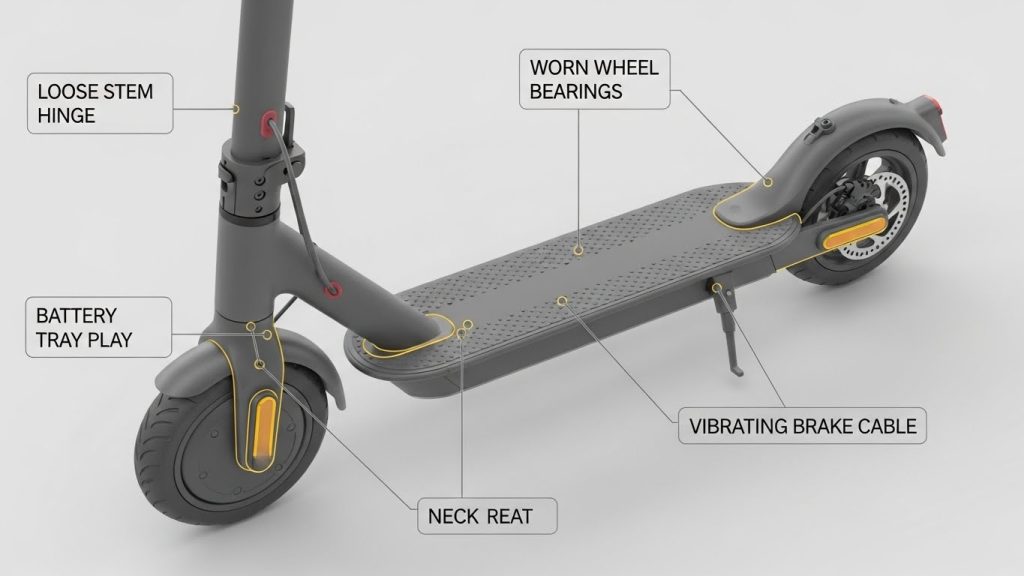
Do you ever feel every single bump and crack in the road while riding your electric scooter? That jarring, uncomfortable ride can take the fun out of your daily commute and leave you feeling shaken. A scooter without a good suspension system transfers all those impacts directly to you, leading to fatigue, a loss of control, and a less safe ride. The right suspension can transform your ride from rough and bumpy to smooth and comfortable. An electric scooter suspension system is a set of components, including springs and shock absorbers, that connects the wheels to the frame and absorbs bumps from the road. This improves ride comfort, enhances control, and reduces wear on the scooter. The Dynamic Scooter Model B, for instance, features a dual suspension system that provides a cushioned ride, making it ideal for navigating varied city terrain. Ready to smooth out your ride? Here’s what you need to know. 1. What Is an Electric Scooter Suspension System? An electric scooter suspension system is what separates you from the harsh realities of the road. Its main job is to absorb the shocks and vibrations from bumps, cracks, and uneven surfaces. Think of it as the scooter’s knees and ankles, flexing to keep the ride smooth while the wheels follow the contours of the ground. This not only makes your ride more comfortable but also safer by keeping the tires in better contact with the road. The core of any suspension system consists of two main parts: a spring and a damper. The spring is what absorbs the initial impact. When you hit a bump, the spring compresses, soaking up the energy. The damper, also known as a shock absorber, controls how the spring bounces back. Without a damper, the scooter would continue to bounce up and down after hitting a bump. Here’s the key… the damper dissipates the energy from the spring, creating a stable and controlled ride. Together, these components work to isolate the scooter’s frame and, by extension, you from the roughness of the terrain. A good electric scooter suspension system can make a world of difference, turning a bone-rattling commute into a pleasant glide. It’s a feature that adds a touch of luxury and a whole lot of practicality to your ride. Component Function Spring Compresses to absorb the energy from bumps. Damper (Shock Absorber) Controls the speed at which the spring compresses and rebounds. Swingarm/Fork Connects the wheel to the scooter’s frame. 2. What Are the Different Types of Suspension Systems? Not all electric scooter suspension systems are created equal. There are several different types, each with its own set of pros and cons. The most common type is spring suspension. This system uses a simple coil spring to absorb impacts. It’s effective, reliable, and relatively inexpensive, which is why you’ll find it on many entry-level and mid-range scooters. Another type is rubber suspension. This system uses blocks of rubber or other elastomers to absorb vibrations. It’s very low-maintenance because there are no moving parts to wear out. However, it typically offers less travel and is not as effective on larger bumps compared to other systems. But here’s the thing… for riders who stick to mostly smooth city streets, it can be a good, hassle-free option. For a more premium ride, you have hydraulic and air suspension. Hydraulic suspension uses a piston moving through oil inside a chamber to dampen impacts. It offers a very smooth and controlled ride. Air suspension, or pneumatic suspension, uses an air-filled chamber as a spring. It’s highly adjustable, allowing you to fine-tune the stiffness of the ride to your weight and preference. These are typically found on high-end scooters. Suspension Type Pros Cons Spring Reliable, affordable Can be bouncy without a good damper Rubber Low-maintenance, durable Less effective on large bumps Hydraulic Very smooth, excellent damping More expensive, can require maintenance Air (Pneumatic) Highly adjustable, lightweight Most expensive, can leak if damaged 3. How Does Front Suspension Work? Front suspension on an electric scooter is all about control and comfort for the front wheel. It’s typically housed in the front fork, which connects the front wheel to the handlebars and the main frame. When the front wheel hits a bump, the suspension compresses, absorbing the impact before it travels up the steering column to your hands and arms. This reduces vibrations and makes the ride much smoother. The most common type of front suspension is a telescopic fork, similar to what you’d find on a motorcycle. This design uses two tubes that slide into each other, with a spring and damper inside. Another type is a leading-link suspension, which uses a pivoting arm to connect the wheel to the frame. The best part? Both designs help keep the front tire in contact with the ground, which is crucial for maintaining steering control, especially when cornering or braking. A good front electric scooter suspension system is particularly important because the front wheel is the first to encounter obstacles. By absorbing these impacts effectively, it sets the stage for a stable ride. It prevents the handlebars from being jolted out of your hands and gives you the confidence to navigate less-than-perfect roads safely. Benefit of Front Suspension Why It Matters Improved Steering Control Keeps the front wheel on the ground for better grip. Reduced Handlebar Vibration Less fatigue in your hands and arms on long rides. Enhanced Safety Helps prevent loss of control when hitting unexpected bumps. 4. How Does Rear Suspension Work? While front suspension handles steering and initial impacts, rear suspension is all about comfort and stability for the bulk of your weight. The rear electric scooter suspension system is located at the back of the scooter, connecting the rear wheel to the deck where you stand. Its job is to absorb the bumps that the rear wheel encounters, preventing them from jarring your body. Most rear suspension systems use a swingarm design. The rear wheel is attached to a pivoting arm, and a shock absorber

Understanding the Basics of Electric Scooter Suspension Systems Read More »

Why Buy an Electric Mountain Bike? Top Reasons in 2026

Struggling to keep up on trails or dreading hilly commutes? A weak bike holds you back, turning fun rides into exhausting chores. An electric mountain bike gives you the power to flatten hills and ride farther, making every trip enjoyable. An electric mountain bike is a bicycle with an integrated motor that provides a boost when you pedal. It makes climbing hills easier, extends your riding range, and helps you keep up with faster riders. This makes it a great choice for commuting, fitness, and trail riding, offering a powerful and versatile alternative to a traditional bike. So, what’s the real story behind these bikes? Let’s get into the details. 1. What Makes an Electric Mountain Bike Worth It? An electric mountain bike offers great value. It blends the fun of a traditional bike with modern power, making it a smart choice. You can ride farther and faster on an e-MTB. This opens up new trails and longer commutes. You get more use out of your bike every day. Here’s why it matters… you save money over time. An e-MTB can replace a car for short trips. This cuts down on gas, parking, and maintenance costs. It also helps you stay active. The electric assist helps you tackle hills you might otherwise avoid. This encourages you to ride more often and for longer periods. Many riders find they get outside more with an Electric Mountain Bike. It makes cycling accessible to more people. You can join friends on rides without worrying about keeping up. Cost Comparison Initial Cost Monthly Fuel/Fare Monthly Maintenance Electric Mountain Bike $1,400 $5 (Electricity) $20 Car $25,000 $200 (Gas) $100 Public Transit $0 $100 (Pass) $0 An electric mountain bike is a flexible tool. It works for commuting, exercise, and fun. This versatility makes it a worthwhile investment for your transport and health. 2. How Does an Electric Mountain Bike Motor Actually Work? An e-MTB motor helps you pedal, adding power as you ride. This makes cycling feel easier, especially on hills. The most common system is pedal-assist (PAS). Sensors detect when you are pedaling. The motor then adds a certain amount of power to your stroke. The best part? You can choose how much help you get. Most Electric Mountain Bike have different assist levels. You can select a low level for a good workout or a high level for climbing steep hills. There are two main types of motors. Hub motors are in the center of the wheel. Mid-drive motors are near the pedals. Hub motors are simple and affordable. Mid-drive motors offer better balance and a more natural riding feel. They are often found on higher-quality e-MTBs. Power is measured in watts (W). A higher wattage means more power. For example, a 650W motor provides strong acceleration and climbing ability. Some bikes can even reach a peak of 1000W for short bursts. Motor Type Position Pros Cons Hub Motor In the wheel hub Affordable, low maintenance Can feel less natural, less efficient on hills Mid-Drive Motor Near the pedals Better balance, natural feel, efficient climbing More expensive, more complex Understanding the motor helps you choose the right bike. It determines how the bike feels to ride. It also affects its performance on different terrains. 3. What Should You Look for in an Electric Mountain Bike Battery? The battery is the heart of your Electric Mountain Bike. It determines your range and gives you freedom and reliability. Battery capacity is a key number. It is measured in Amp-hours (Ah) or Watt-hours (Wh). A higher number means a longer range. For example, a 48V 13Ah battery offers about 600Wh of energy. This can power your bike for many miles. It gives you confidence to ride longer trails. But here’s the thing… how you charge the battery is also important. Some batteries are built into the frame. Others are removable. A removable battery is very convenient. You can take it inside to charge. The Dynamic Scooter Q5 has a removable battery with a secure lock for safety. Charging time matters for daily use. Many modern batteries offer fast charging. This gets you back on the road quickly. Battery Feature What it Means Ideal Spec Capacity (Wh) Total energy stored; dictates range 500Wh or higher Voltage (V) Power delivery efficiency 48V for strong performance Removability Ease of charging and security Removable with lock Look for a battery that matches your riding style. A larger battery is great for long distances. A removable one is perfect for commuters. 4. Can You Get a Good Workout on an Electric Mountain Bike? Yes, you can get a great workout on an Electric Mountain Bike. The idea that it’s cheating is a myth. The electric assist is there to help, not take over. You still need to pedal. The motor just makes it easier to go farther and faster. Now, you might be wondering… how can you control the intensity? Most e-MTBs have adjustable assist levels. You can choose a low setting for a hard workout or a high setting to get up a steep hill. This control lets you manage your heart rate. You can keep it in the ideal zone for fitness. You get a good cardiovascular workout without over-straining yourself. Studies show that e-bike riders often get more exercise than traditional cyclists. They tend to ride more often and for longer distances. This adds up to real health benefits over time. Assist Level Rider Effort Heart Rate Zone Best For Low (Eco) High 70-80% Max Fitness, endurance training Medium (Trail) Moderate 60-70% Max All-around riding, long distances High (Boost) Low 50-60% Max Steep climbs, keeping up with traffic An electric mountain bike is a fantastic tool for fitness. It makes exercise fun and accessible. It helps you stay active and enjoy the outdoors. 5. How Do Electric Mountain Bikes Handle Different Terrains? Electric mountain bikes are versatile. They handle everything from city streets to rough trails thanks to several key features. Suspension is one of the most

Why Buy an Electric Mountain Bike? Top Reasons in 2026 Read More »

Shopping Cart
Scroll to Top