
What are the Lightest Electric Scooters? Best Options for Easy Carrying
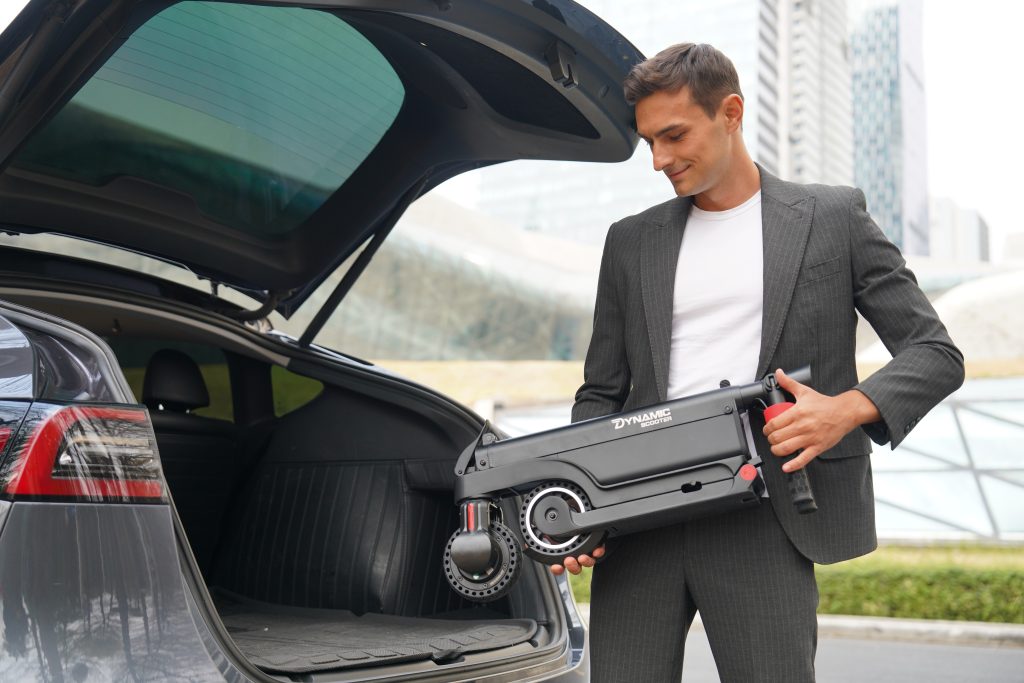
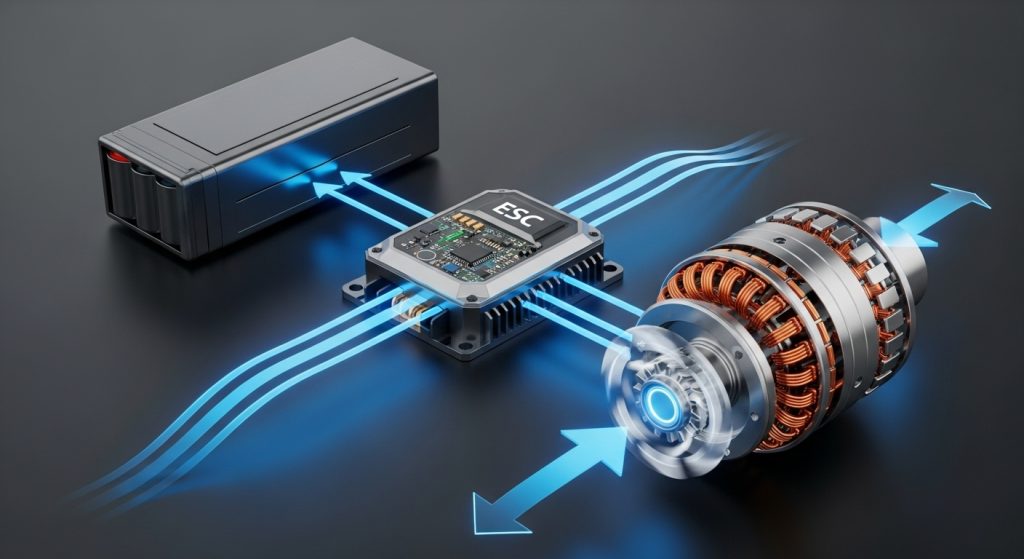
Carrying a heavy electric scooter on public transit or storing it in your apartment is frustrating and exhausting. A bulky scooter limits your flexibility and makes commuting less enjoyable. The solution is finding a lightweight model that doesn’t sacrifice performance or safety. This guide reveals the lightest electric scooters available today and explains why weight matters for your daily commute. You’ll learn what makes a scooter light, which models deliver the best performance, and how to choose the perfect option for your needs. The lightest electric scooters combine portability with reliable performance, making them ideal for urban commuters. Dynamic Scooter offers models designed for easy transport without compromising on speed, range, or safety features. Weight matters because it affects how easily you can carry, fold, and store your scooter. A lighter scooter means less strain on your arms and back during daily use. Ready to discover the perfect lightweight scooter? Here’s the deal… 1. Why Does Scooter Weight Matter for Your Commute? Weight is one of the most overlooked factors when choosing an electric scooter. Many buyers focus on speed and range but ignore how the scooter’s weight affects their daily experience. A scooter you can’t comfortably carry becomes a burden rather than a solution. If you take public transit, walk to your car, or climb stairs, weight becomes critical. The difference between a 25-pound scooter and a 35-pound one might not sound significant, but you’ll feel it after carrying it for just a few minutes. Portability directly impacts your commuting flexibility. A lightweight scooter lets you combine multiple transportation methods seamlessly. You can ride to the train station, fold it up, carry it onto the train, and ride again at your destination. This is important because this flexibility saves you time and money compared to driving or taking a taxi. A heavier scooter makes this multi-modal approach impractical. You’ll end up leaving it at home or paying for parking, defeating the purpose of having a scooter. Storage is another major consideration. Most apartments and offices have limited space. A light scooter fits easily in a closet, under a desk, or in a car trunk. A heavy scooter requires dedicated storage space you might not have. This becomes especially important during winter or bad weather when you’re not riding daily. A scooter that’s easy to store is more likely to stay in your life long-term. Physical strain matters more than people realize. Carrying a 40-pound scooter up stairs or onto a bus can cause shoulder and back pain over time. Lighter models reduce this strain significantly. If you have mobility issues or are smaller in stature, weight becomes even more critical. A scooter that’s too heavy might be physically impossible for you to use regularly. Finally, weight affects the scooter’s overall performance and efficiency. Lighter scooters accelerate faster and climb hills more easily because the motor doesn’t have to work as hard. This means better range on a single charge and more responsive handling. A lighter scooter is simply more fun to ride and easier to control in traffic. Weight Range Carrying Ease Storage Difficulty Best For Under 20 lbs Very easy Very easy Frequent travelers, small riders 20-25 lbs Easy Easy Most commuters 25-30 lbs Moderate Moderate Casual riders 30+ lbs Difficult Difficult Stationary use only 2. What Makes an Electric Scooter Lightweight? Understanding what contributes to a scooter’s weight helps you make better purchasing decisions. Not all lightweight scooters are created equal. Some sacrifice safety or performance to reduce weight, while others use smart engineering to achieve both. The best lightweight scooters use quality materials and thoughtful design to minimize weight without compromising reliability. Frame material is the biggest factor in overall weight. Aluminum alloy is the standard for lightweight scooters because it’s strong yet light. Titanium is even lighter but costs significantly more. Steel frames are heavier and less common in modern scooters. Carbon fiber is extremely light but very expensive and less durable than aluminum. Most quality lightweight scooters use aircraft-grade aluminum that balances strength, weight, and cost. Battery design significantly impacts weight. Lithium-ion batteries are the lightest option available. Older lead-acid batteries are much heavier and rarely used anymore. Within lithium-ion technology, battery capacity matters. A scooter with a 36V battery is lighter than one with a 48V battery, but it also has less power and range. The best lightweight scooters use efficient battery designs that provide adequate power without excessive weight. Motor specifications also affect weight. A direct-drive motor is heavier than a hub motor because it requires more components. Hub motors are lighter and more efficient. Here’s why it matters… A lighter motor means less weight to carry and better acceleration. However, hub motors can generate more heat, which is why some scooters use direct-drive motors despite the weight penalty. Tire choice impacts weight more than many people realize. Solid tires are lighter than air-filled tires because they don’t require tubes or air pressure systems. However, air-filled tires provide a smoother, more comfortable ride. Smaller wheels are lighter than larger ones but affect ride quality and stability. The lightest scooters often use smaller, solid tires to minimize weight. Design efficiency matters tremendously. Manufacturers can reduce weight by eliminating unnecessary components and optimizing structural design. A well-engineered scooter achieves strength with less material. This requires careful engineering and quality manufacturing. Cheap scooters often use heavier designs because they’re easier to manufacture. Component Lightweight Option Heavy Option Weight Difference Frame Aluminum alloy Steel 3-5 lbs Battery 36V Lithium-ion 48V Lead-acid 5-8 lbs Motor Hub motor Direct-drive motor 2-3 lbs Tires Solid, small Air-filled, large 2-4 lbs Total Impact Lightweight design Heavy construction 12-20 lbs 3. Which Electric Scooters Are the Lightest on the Market? Several excellent lightweight scooters are available today. The market offers options at different price points and performance levels. Understanding the top lightweight models helps you compare features and find the best fit for your needs. Each scooter has unique strengths and trade-offs to consider. The Dynamic Scooter Model B is […]
What are the Lightest Electric Scooters? Best Options for Easy Carrying Read More »