
An electric scooter is a fantastic investment for modern commuting. It’s fun, efficient, and eco-friendly. But like any vehicle, it needs regular care to stay in top shape. Neglecting maintenance can lead to poor performance, costly repairs, and even safety hazards. A little bit of attention goes a long way in keeping your ride smooth and reliable. Don’t wait for a breakdown to start thinking about upkeep.
Following a simple maintenance checklist is the best way to protect your electric scooter and make sure it lasts for years. From weekly checks to seasonal adjustments, routine care keeps your scooter safe, reliable, and performing at its best. The Dynamic Scooter Model B is designed for easy maintenance, making it a great choice for riders who value longevity and hassle-free ownership.
Ready to become a scooter maintenance pro? Here’s your complete guide.
1. Why Is Regular Maintenance Critical for Your Electric Scooter?
Regular maintenance for your electric scooter is not just a suggestion; it’s a necessity for safe and reliable operation. The most significant benefit is safety. Routine checks of your brakes, tires, and lights can prevent accidents caused by equipment failure. Imagine your brakes failing on a steep hill or your lights going out at night. These are dangerous situations that regular upkeep can help you avoid. Think about it… a few minutes of your time can save you from a serious injury.
Beyond safety, consistent maintenance extends the lifespan of your electric scooter. Components like the battery, motor, and tires wear out over time. By keeping them clean, lubricated, and properly adjusted, you can slow down the aging process. This means you get to enjoy your scooter for more years and miles, maximizing your investment. A well-cared-for scooter holds its value better if you decide to sell it later.
Preventing costly repairs is another major advantage. Small issues, like a loose bolt or a low tire, can turn into big problems if ignored. A loose bolt can cause other parts to vibrate and break. A flat tire can damage the wheel rim. By catching and fixing these minor problems early, you avoid expensive and time-consuming repairs down the road. Regular maintenance is an investment that pays for itself.
A well-maintained electric scooter simply performs better. You’ll experience a smoother ride, more responsive acceleration, and a longer battery range. When all components are working in harmony, your scooter operates at peak efficiency. This makes every ride more enjoyable and dependable. Don’t let neglect ruin your commuting experience.
| Maintenance Benefit | Why It Matters |
| Enhanced Safety | Prevents accidents from equipment failure. |
| Longer Lifespan | Maximizes your investment and scooter’s value. |
| Cost Prevention | Avoids expensive repairs from small issues. |
| Better Performance | Delivers a smooth, efficient, and reliable ride. |
2. What Should You Check Weekly on Your Electric Scooter?
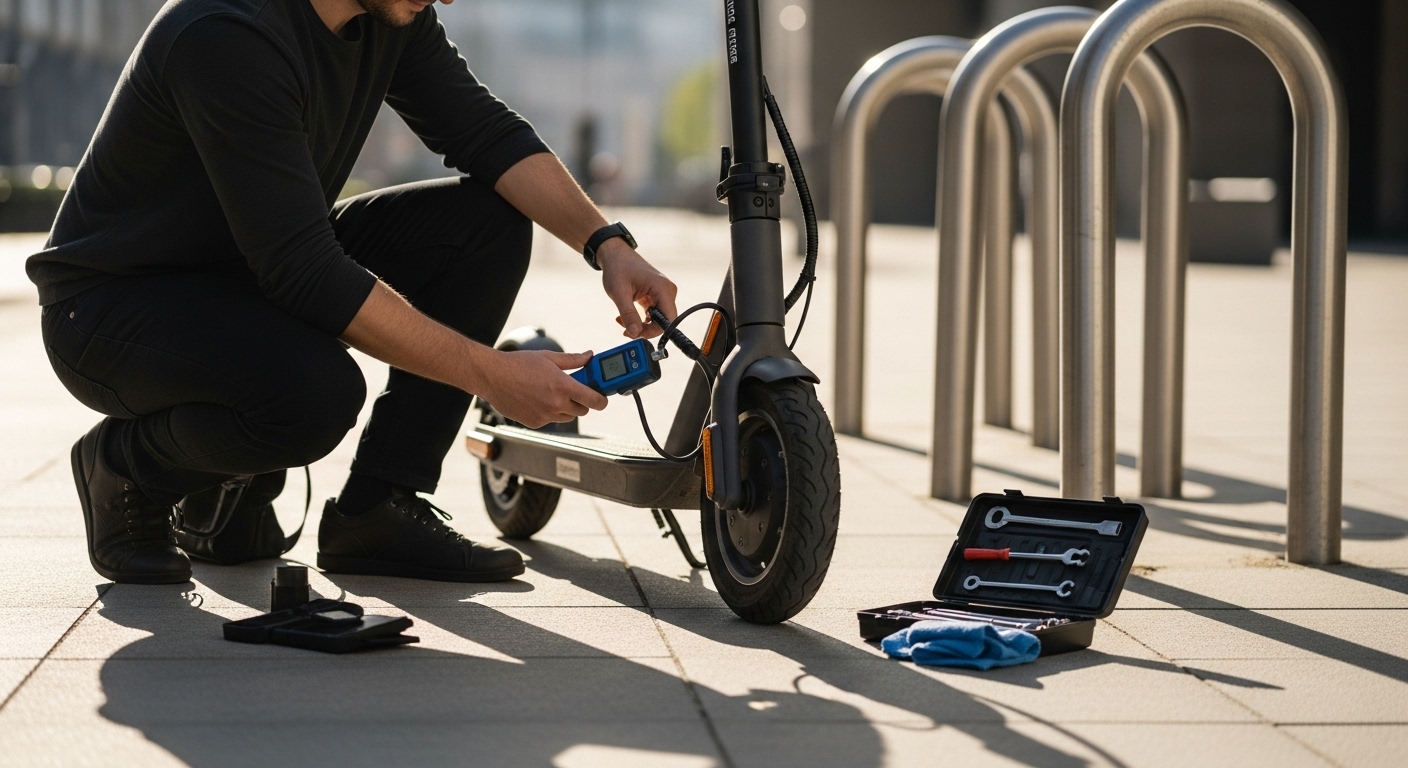
Your weekly check-up is a quick but critical routine that keeps your electric scooter ready for the road. First on the list is tire pressure. For scooters with pneumatic (air-filled) tires, proper inflation is key. Low pressure can reduce your range, make handling sluggish, and increase the risk of a flat. Use a pressure gauge to check that the PSI matches the recommendation on the tire sidewall. You see… this simple step can dramatically improve your ride quality.
Next, give your brakes a thorough test. Squeeze the brake levers to make sure they feel firm and responsive. They shouldn’t feel spongy or pull all the way to the handlebar. Roll the scooter and apply the brakes to confirm they bring you to a quick, smooth stop. If you have disc brakes, visually inspect the pads for wear. If they look thin, it’s time for a replacement. Your brakes are your most critical safety feature.
Don’t forget to check your lights. Turn on your front headlight, rear taillight, and any other lights to make sure they are all working. This is critical if you ride at night or in low-light conditions. A functioning set of lights makes you visible to others, which is key for avoiding accidents. Clean the lenses to get maximum brightness.
Lastly, take a look at your battery charge level. While you should charge your battery after most rides, it’s good practice to check the level before you head out. This prevents you from getting stranded with a dead battery. Most electric scooter models have a display that shows the current charge, so a quick glance is all it takes. This habit keeps you from running out of power on your journey.
| Weekly Check | What to Look For |
| Tire Pressure | Correct PSI, no signs of damage. |
| Brake Function | Firm levers, smooth stopping power. |
| Light Operation | All lights working and lenses clean. |
| Battery Level | Sufficient charge for your planned trip. |
3. What Monthly Maintenance Does Your Scooter Need?
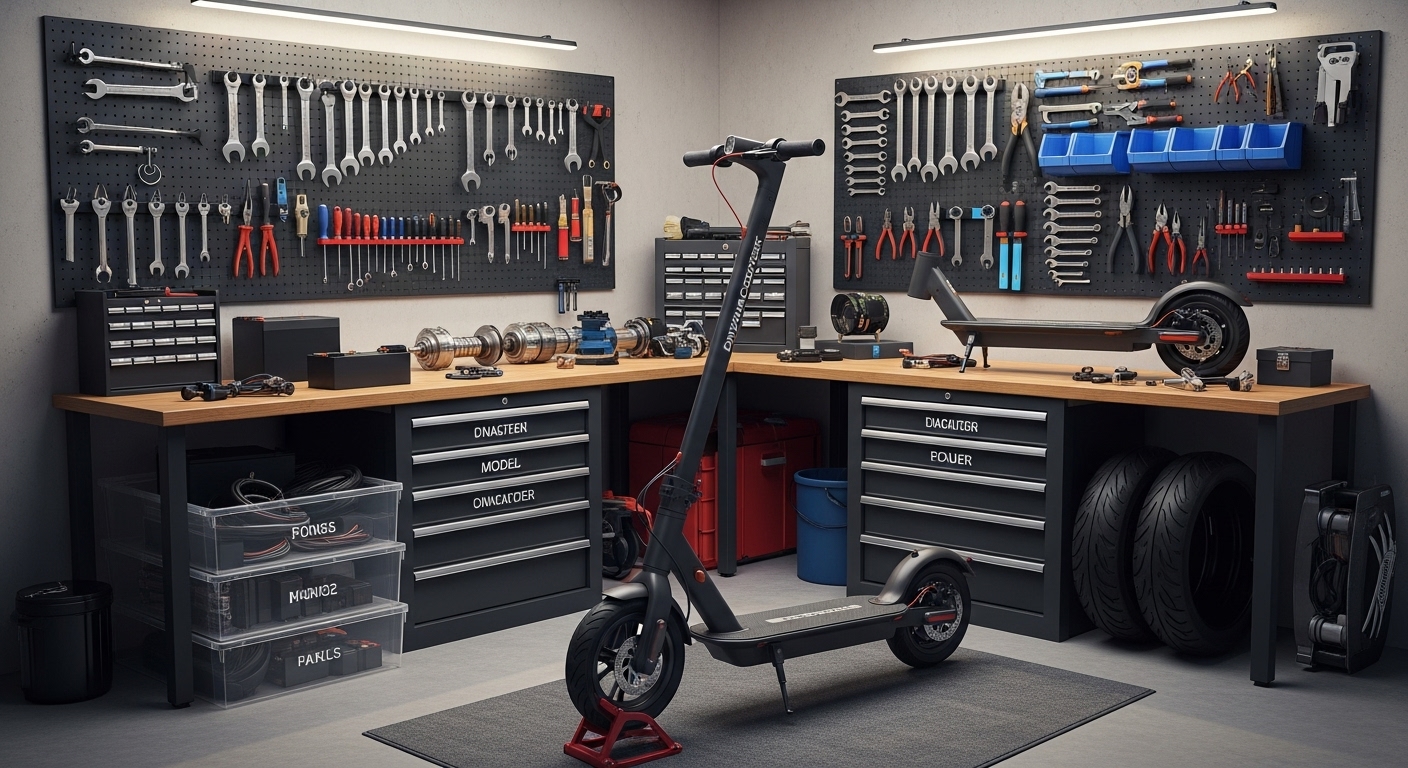
Once a month, it’s time to give your electric scooter a more in-depth inspection. Start with a deep clean. Use a damp cloth to wipe down the frame, deck, and wheels. A clean scooter not only looks better but also makes it easier to spot potential issues like cracks or loose parts. Avoid using a pressure washer, as it can force water into sensitive electrical components. The result? You’ll have a scooter that looks great and is easier to inspect.
Next, go over every bolt and screw on your scooter. The vibrations from riding can cause them to loosen over time. Use an Allen key or screwdriver to check that everything is snug. Pay special attention to the handlebars, folding mechanism, and wheels. A loose bolt can lead to a catastrophic failure, so this is a critical safety check. Don’t over-tighten, as this can strip the threads.
If your electric scooter has a chain or belt drive, now is the time to inspect it. Check the tension to make sure it’s not too loose or too tight. Look for signs of wear, such as cracks or missing teeth. If you have a chain, lubricate it with a product designed for bicycles. This keeps it running smoothly and prevents rust. A well-maintained drive system is quieter and more efficient.
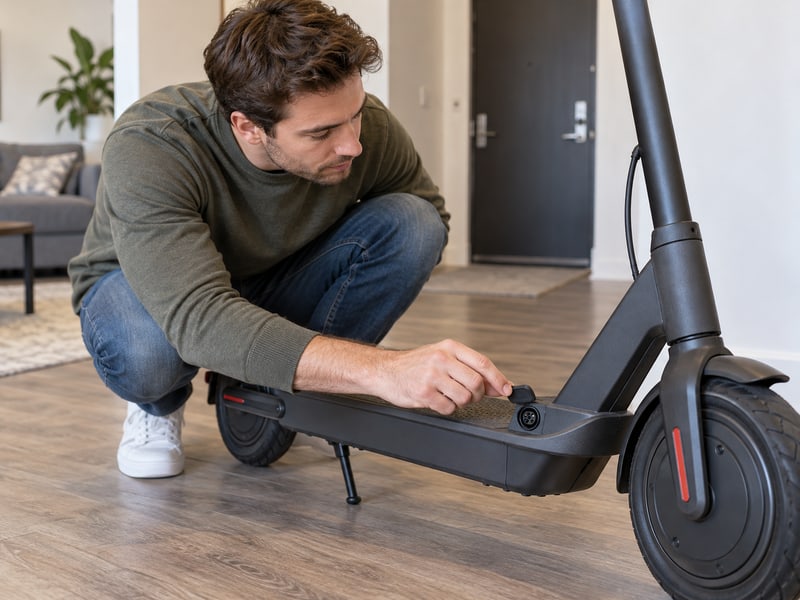
Check all the electrical connections you can access. Make sure the charging port is clean and free of debris. Look at the wiring for any signs of fraying or damage. If you notice any issues with the electrical system, such as flickering lights or intermittent power, it’s best to consult a professional. Proper electrical function is key to the performance of your electric scooter.
| Monthly Task | Procedure |
| Deep Cleaning | Wipe down with a damp cloth. |
| Bolt Tightening | Check and snug all accessible screws. |
| Drive Inspection | Check tension and lubricate chain. |
| Electrical Check | Inspect visible wires and connections. |

4. How Do You Perform Seasonal Maintenance?
As the seasons change, so do the needs of your electric scooter. In the winter, proper storage is key if you’re not riding. Store your scooter in a cool, dry place. Before storing, charge the battery to about 50-60%. A fully charged or fully depleted battery can degrade faster over time. Check the charge level monthly and top it up as needed. Here’s the deal… this prevents long-term battery damage.
When spring arrives, it’s time for a tune-up. Give your scooter a thorough cleaning to remove any dust or grime from storage. Fully charge the battery before your first ride. Check the tire pressure, as it may have dropped over the winter. Go over all the weekly and monthly checks to make sure everything is in working order. This prepares your electric scooter for a new season of riding.
Summer heat can be tough on your scooter’s battery. Avoid leaving your scooter in direct sunlight for extended periods. High temperatures can degrade the battery and reduce its lifespan. If you ride in extreme heat, let the battery cool down before charging it. This simple precaution can make a big difference in battery health.
In the fall, weatherproofing becomes a priority. As rain becomes more frequent, make sure your scooter’s electrical components are protected. Check your scooter’s IP rating to understand its water resistance. If you ride in the rain, wipe your scooter down afterward to prevent rust. Check your tire tread to confirm you have enough grip on wet surfaces. A little preparation makes fall riding much safer.
| Season | Key Maintenance Task |
| Winter | Proper battery storage (50-60% charge). |
| Spring | Full tune-up and safety check. |
| Summer | Protect battery from extreme heat. |
| Fall | Weatherproof and check tire tread. |
5. What Are the Most Common Maintenance Mistakes?
Even with the best intentions, it’s easy to make mistakes when maintaining your electric scooter. One of the most common is over-tightening bolts and screws. While it’s crucial to keep them snug, cranking down too hard can strip the threads or even crack the components. Use a torque wrench if you have one, or just tighten until snug and then give it a small extra turn. The bottom line is… more is not always better.
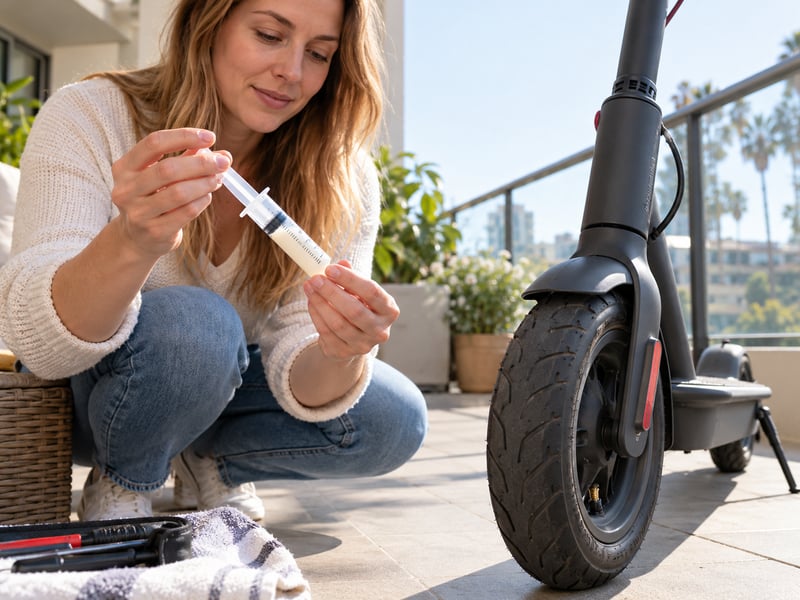
Using the wrong type of lubricant is another frequent error. Not all lubricants are created equal. Using a heavy grease on a chain can attract dirt and create a gritty mess. Using a thin oil on bearings can wash out the existing grease. Always use the lubricant recommended by your scooter’s manufacturer. If you’re unsure, a high-quality bicycle lubricant is often a safe bet for chains and pivot points.
Ignoring warning signs is a mistake that can lead to big problems. If your scooter is making a new noise, if the brakes feel different, or if the battery isn’t holding a charge, don’t just hope it goes away. These are signs that something is wrong. Investigate the issue yourself or take it to a professional. Addressing problems early is always cheaper and safer than waiting for a failure.
The biggest mistake of all is simply skipping regular inspections. It’s easy to forget or feel like you don’t have time. But the weekly and monthly checks are your first line of defense against problems. Set a reminder on your phone or calendar to make it a habit. A few minutes of prevention is worth hours of cure when it comes to your electric scooter.
| Maintenance Mistake | How to Avoid It |
| Over-tightening | Tighten until snug, avoid excessive force. |
| Wrong Lubricant | Use manufacturer-recommended products. |
| Ignoring Warnings | Investigate unusual noises or performance changes. |
| Skipping Inspections | Make it a regular, scheduled habit. |

6. When Should You Seek Professional Help?
DIY maintenance is great for keeping your electric scooter in good shape, but some jobs are best left to the professionals. Complex electrical issues are a prime example. If your scooter won’t turn on, the display is malfunctioning, or you suspect a problem with the battery management system, it’s time to call an expert. Messing with high-voltage electronics without proper knowledge can be dangerous. Let’s be clear… you could damage the scooter or even injure yourself.
Motor problems also typically require professional attention. The hub motors on most electric scooters are sealed units that are not designed to be serviced by the user. If you hear grinding noises, feel excessive vibration, or the motor is not providing power, a technician will have the specialized tools and knowledge to diagnose and fix the issue. Attempting to open a hub motor can void your warranty.
Any kind of structural damage to the frame or fork should be inspected by a professional immediately. A crack in the frame can lead to a complete failure while you are riding, which could be catastrophic. A professional can assess the damage and determine if it can be safely repaired or if the part needs to be replaced. Your safety is not worth the risk of riding a damaged scooter.
Always consider your warranty. If your electric scooter is still under warranty, performing certain repairs yourself could void it. Check your warranty terms before you start any work. For major issues, it’s often best to take it to an authorized service center. They will have the correct parts and procedures to get your scooter back on the road without jeopardizing your coverage.
| Issue | Why Seek a Professional? |
| Electrical Problems | Safety risk and potential for further damage. |
| Motor Issues | Requires specialized tools and knowledge. |
| Structural Damage | Critical for rider safety. |
| Warranty Concerns | Avoid voiding your coverage. |
7. How Can You Create a Maintenance Schedule?
Creating a maintenance schedule for your electric scooter is the best way to stay on top of all these tasks. The easiest way to start is by setting reminders on your phone or calendar. Create a recurring weekly event for your quick checks and a monthly event for the more detailed inspection. This simple step makes it much harder to forget. You know what they say… out of sight, out of mind.
Tracking your mileage is another great way to manage maintenance. Some tasks, like tire or brake pad replacement, are best done after a certain number of miles. You can use a simple notebook or a spreadsheet to log your rides. This data will help you anticipate when you’ll need to perform these bigger maintenance jobs, so you can plan and budget for them.
Keep a log of all the repairs and maintenance you perform. Write down the date, what you did, and any parts you replaced. This documentation is incredibly useful for troubleshooting future problems. It also creates a service history for your electric scooter, which can be a valuable selling point if you decide to upgrade in the future. A well-documented maintenance history shows that the scooter has been cared for.
Use your schedule to plan for parts replacement. Based on your mileage and the manufacturer’s recommendations, you can estimate when you’ll need new tires, brake pads, or a new battery. This allows you to order the parts in advance so you have them on hand when you need them. This proactive approach minimizes downtime and keeps your electric scooter always ready to ride.
| Scheduling Tip | How It Helps |
| Set Reminders | Keeps you from forgetting weekly/monthly checks. |
| Track Mileage | Helps anticipate mileage-based maintenance. |
| Document Repairs | Creates a useful service history. |
| Plan Replacements | Minimizes downtime by having parts ready. |
Conclusion
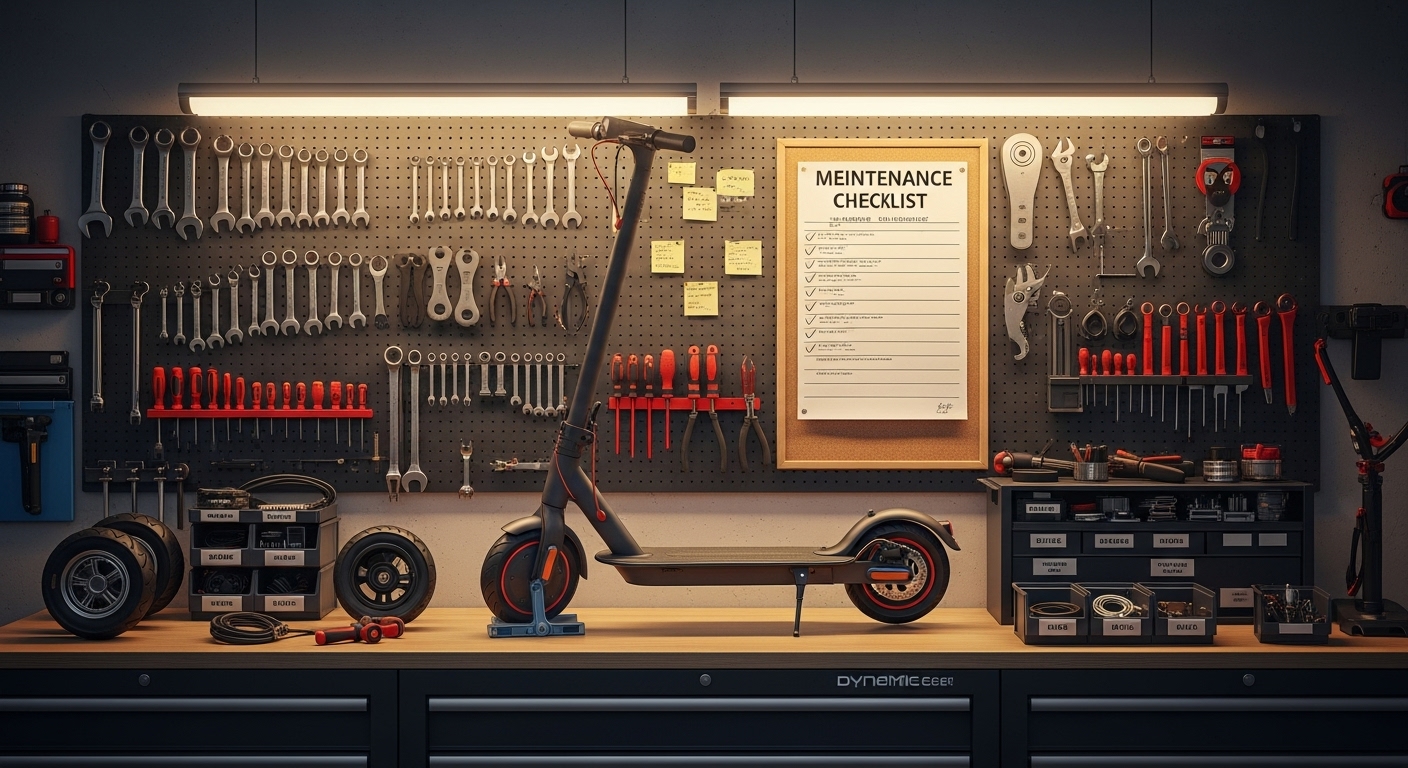
Keeping your electric scooter in prime condition is straightforward when you have a plan. By following a simple checklist of weekly, monthly, and seasonal tasks, you can keep your ride always safe, reliable, and performing at its best. Regular maintenance not only extends the life of your scooter but also saves you from the headache of unexpected repairs. It’s a small investment of time that delivers a huge return in performance and peace of mind.
For a scooter built with quality and easy upkeep in mind, check out the Dynamic Scooter Model B. Its durable design and accessible components make maintenance a breeze, so you can spend less time tinkering and more time riding.

FAQ
Q1: How often should I charge my electric scooter battery?
Charge your battery after each ride or when it drops below 20%. Avoid letting it fully discharge. For long-term storage, keep it at 50-60% charge. Check the battery monthly even when not in use.
Q2: Can I wash my electric scooter with water?
Most scooters can handle light water exposure, but avoid pressure washers or submersion. Use a damp cloth for cleaning. Check your scooter’s IP rating first. Dry thoroughly after cleaning to prevent rust.
Q3: How do I know when to replace my scooter tires?
Replace tires when tread depth is less than 1mm, or if you see cracks, bulges, or flat spots. Pneumatic tires typically last 500-1000 miles. Solid tires last longer but check for wear patterns.
Q4: What tools do I need for basic electric scooter maintenance?
You need Allen keys, screwdrivers, tire pressure gauge, and lubricant. A multimeter helps check electrical connections. Keep a spare inner tube if you have pneumatic tires. Most maintenance requires basic hand tools.
Q5: How much does electric scooter maintenance cost annually?
Expect to spend $50-$150 per year on basic maintenance. This includes tire replacements, brake pads, and lubricants. Professional servicing adds $50-$100 per visit. Proper DIY maintenance reduces overall costs significantly.